
Free visual inspection and a written scope of work before any mitigation begins - photos, moisture readings, and drying logs go in your claim file
The scope we write is the scope we bill. Anything new gets shown to you, in writing, before we touch it.
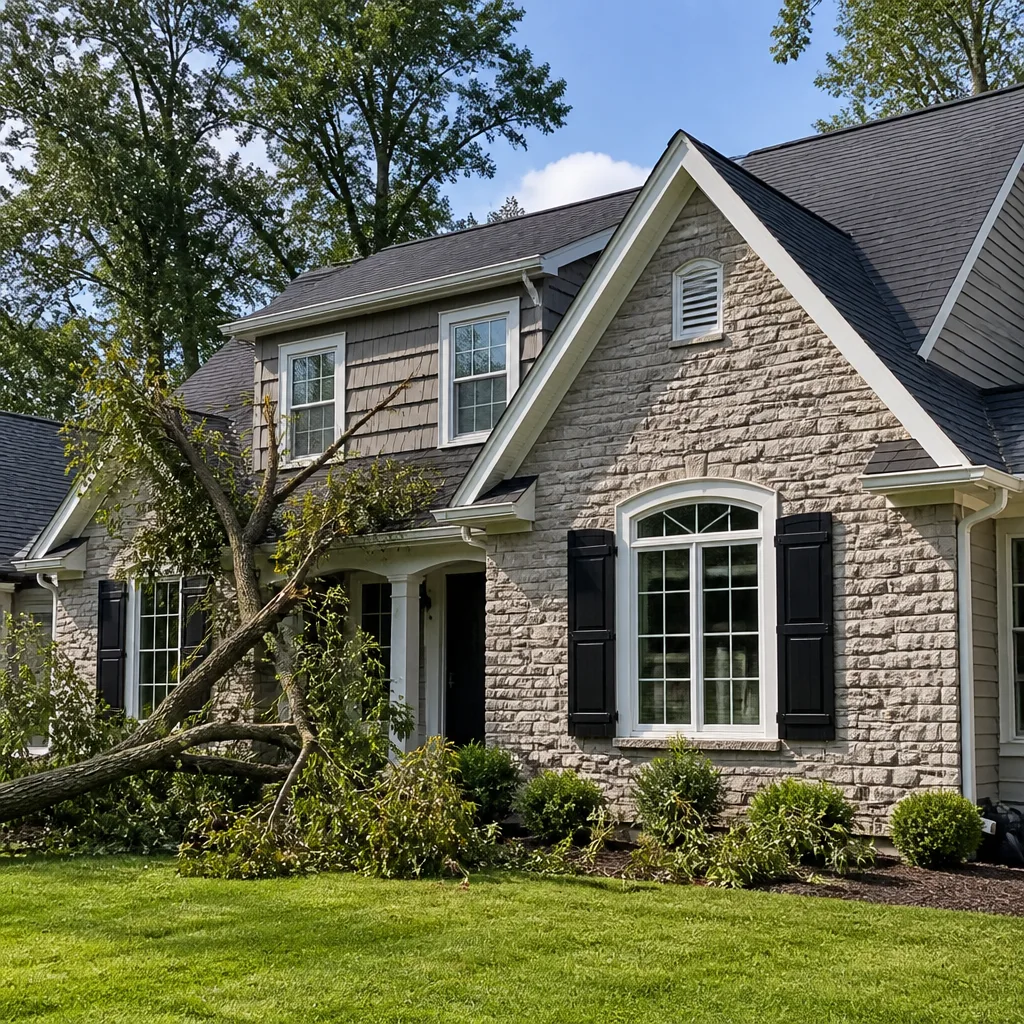
 Before
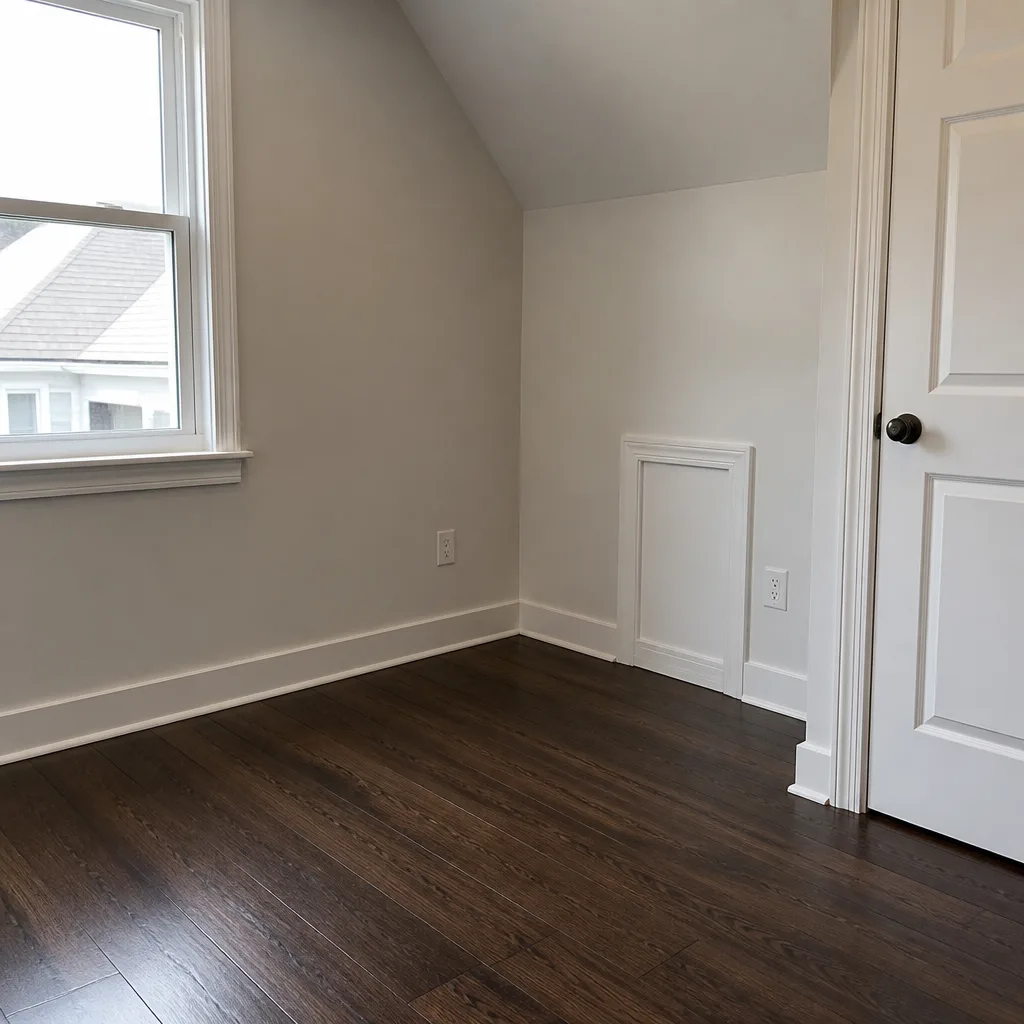 After
After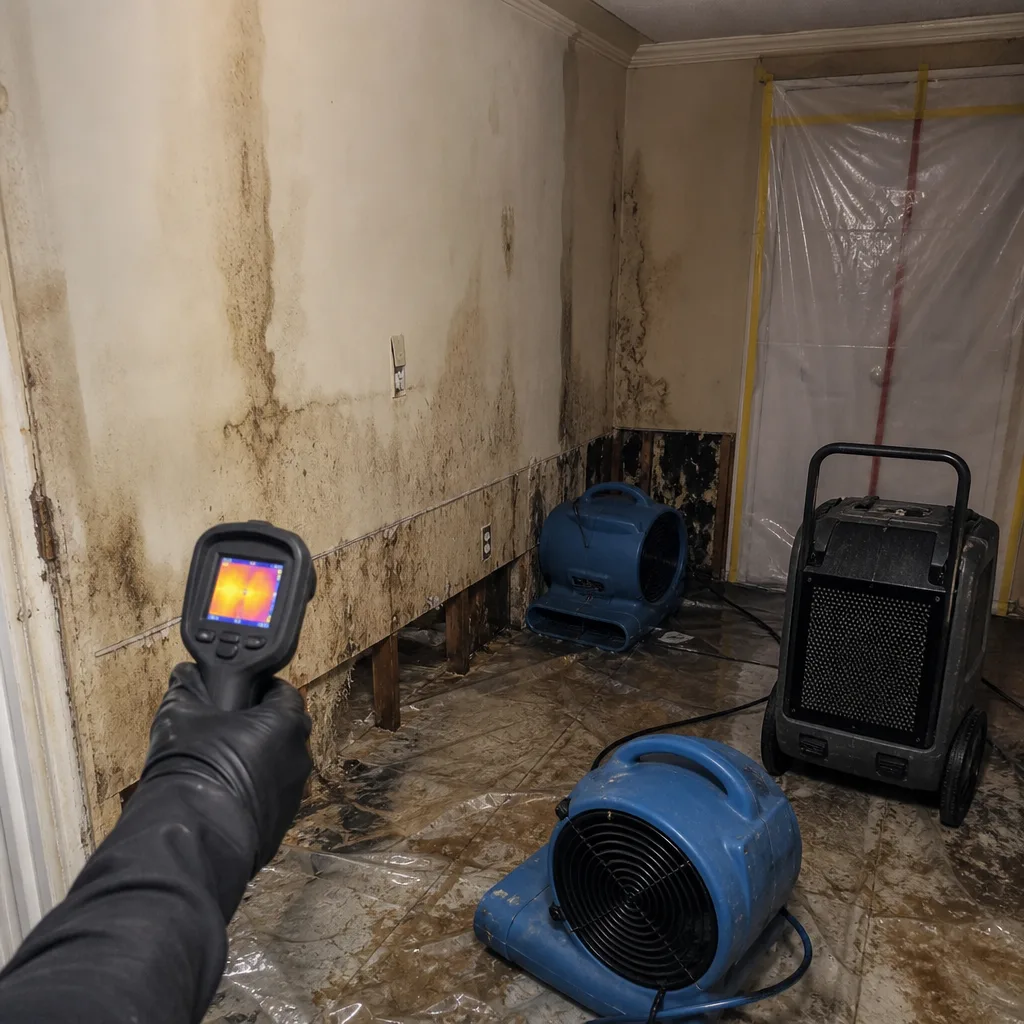 Before
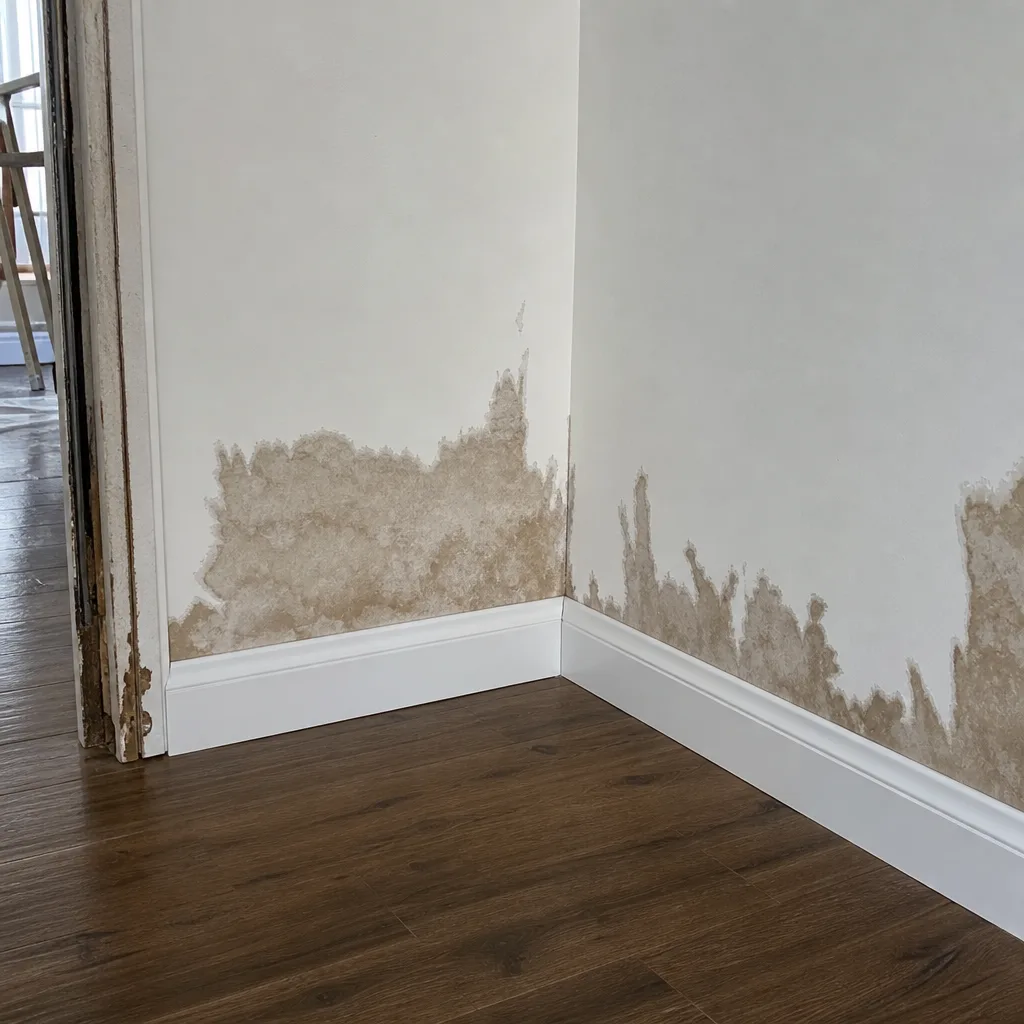 After
After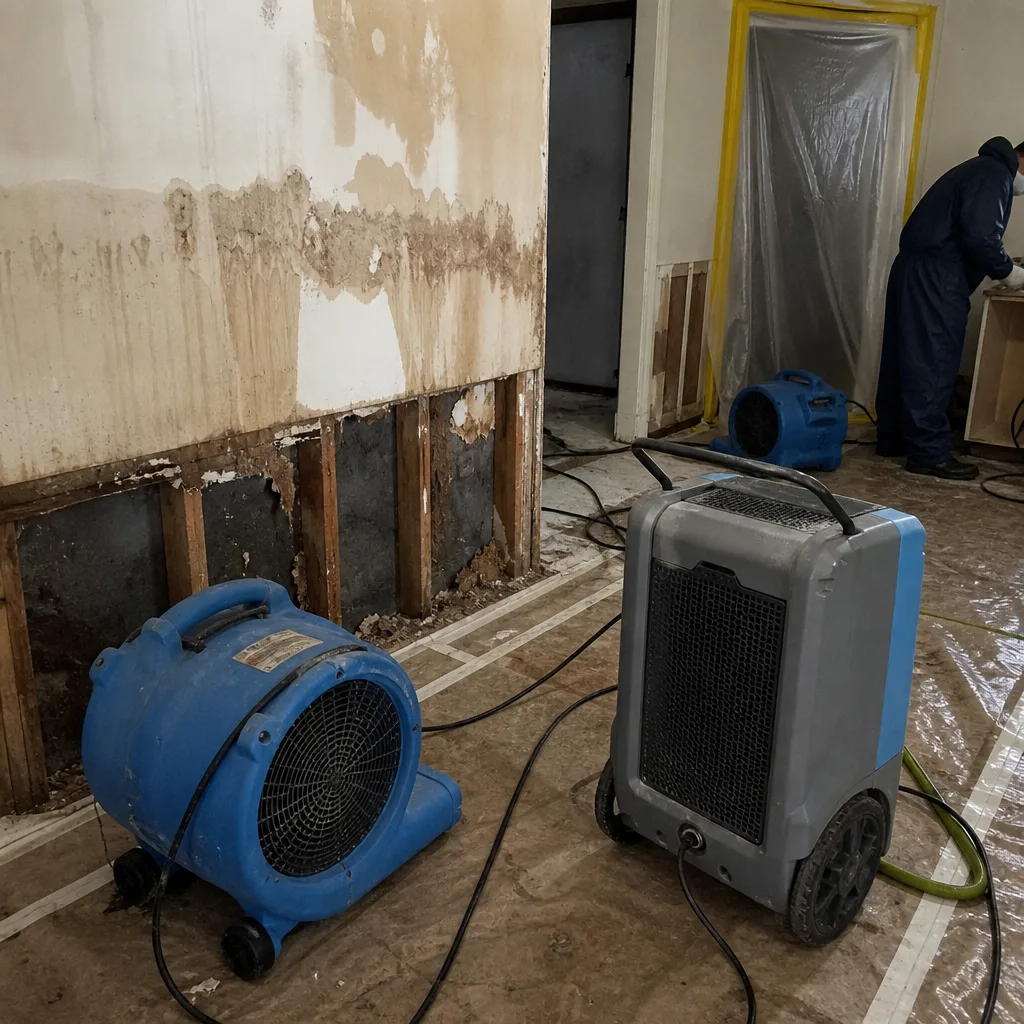 Before
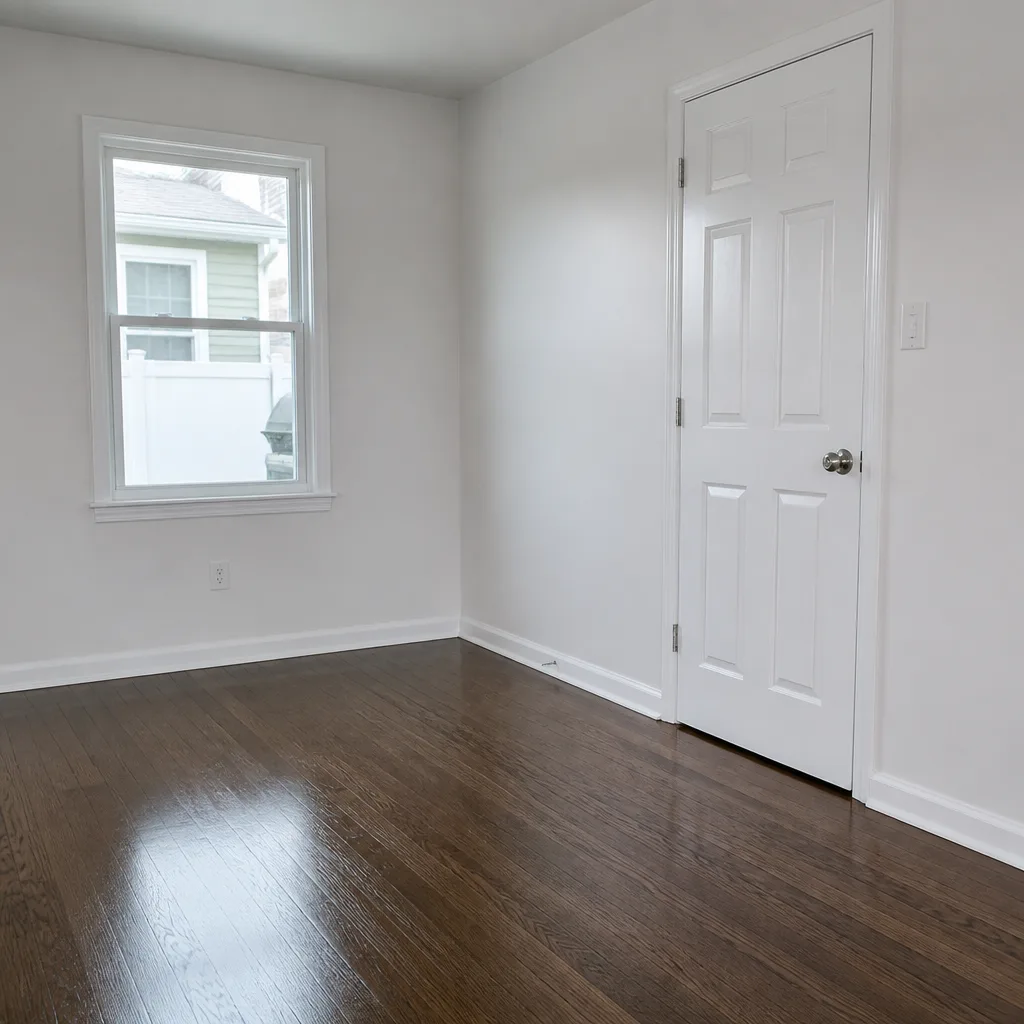 After
After24/7 Emergency Water Damage Restoration in East New York
Water damage restoration in East New York typically runs $2,800-$7,500 for a standard rowhouse basement extraction and structural drying, with flood cleanup after sewer backflow running higher. Call (716) 412-2972 any hour. A live dispatcher answers, and a Floodline Restoration Co. crew reaches most East New York blocks within 45 minutes. The first hour matters because water from a burst supply line or combined-sewer backflow moves fast: through floor joists, up drywall, and across shared party walls into the unit next door. We start extraction on the first visit, not the second. Every job is backed by the 90-Day Done Right Promise, in writing, with no argument if it is not right.
Why East New York Property Owners Choose Floodline Restoration Co.
- 45-minute response commitment - our dispatch board tracks available crews by neighborhood, so a certified team from your area can be rolling before the line goes quiet.
- 24/7 live answer - a real person picks up at two in the morning. Not a recording. Not a call center reading a script.
- IICRC-certified crews - technicians hold WRT and ASD certifications and train on the same equipment we deploy: Dri-Eaz, Phoenix, and XPOWER.
- Free visual inspection - we look before we quote. The scope is written, not pressed on you in the moment.
- Direct insurance billing - we send the bill and the paperwork to your carrier. You never play messenger.
- One team from extraction to reconstruction - the same crew that reads the moisture map on day one handles daily readings and rebuilds what needs rebuilding.
Understanding Water Damage Restoration Severity in East New York Properties
We classify water by category before we touch it. Category 1 is clean water from a supply line or faucet. Category 2 carries contaminants: dishwasher discharge, washing machine overflow, or water that has sat long enough to grow bacteria. Category 3 is black water, and in East New York, it shows up more often than most people expect. The aging combined sewer system under the flat blocks near the Belt Parkway carries stormwater and sewage in a single pipe. During a heavy nor’easter, that pipe surcharges and sends Category 3 water through floor drains into ground-floor apartments and basements. Treating that as clean water is how you end up with mold inside walls and a carrier denial. We test, we moisture-map with infrared and hygrometers, and we set the dry standard before demolition starts. On East New York’s pre-war rowhouses with original galvanized plumbing, we often find multiple categories in the same basement: a clean supply-line break at the meter, a soapy discharge line nearby, and sewage backflow at the floor drain. Each gets handled differently, and each decision goes into the drying log.
Our Water Damage Restoration Process
Inspection & Assessment
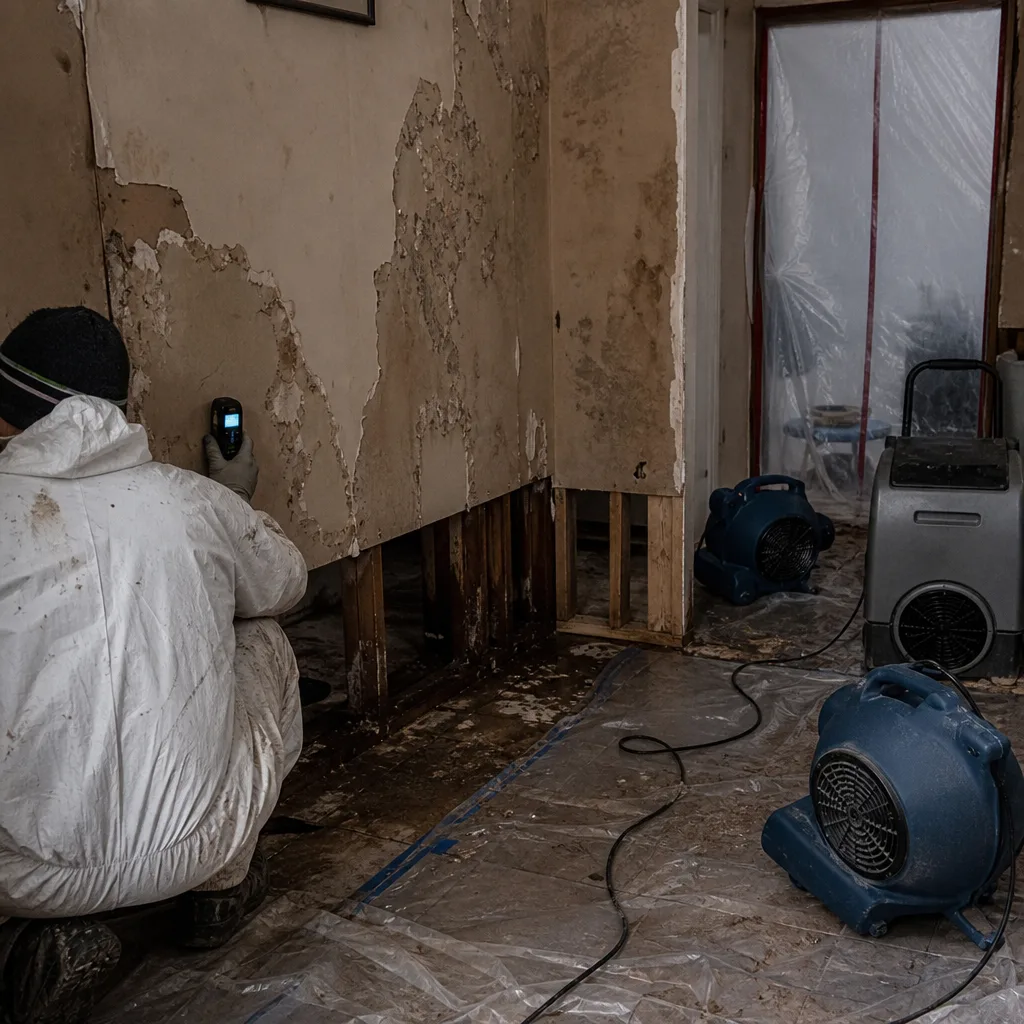
We trace the water source, classify it by category, and map moisture through every affected room with thermal imaging. On rowhouse blocks, that means checking the shared party wall before we ever open a panel.
Extraction & Stabilization
Truck-mounted and portable extraction remove standing water from the basement, floor joists, and sill plates. We stabilize endangered materials and shut down the source so it cannot keep feeding.
Drying & Dehumidification
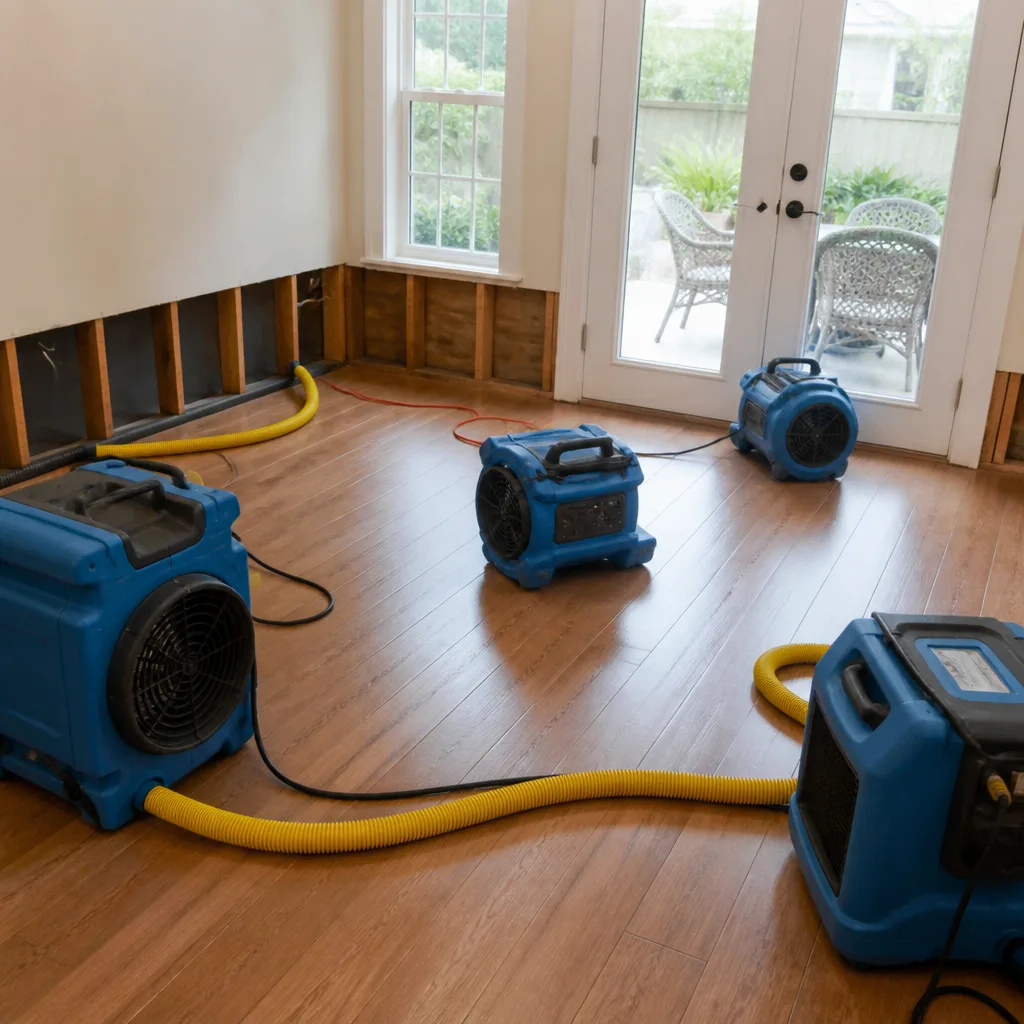
XPOWER air movers and Dri-Eaz dehumidifiers are positioned against tight clearance walls and under alley-load staircases. We take daily readings until the structure meets the dry standard.
Cleaning & Sanitization
Surfaces are cleaned and sanitized to prevent mold and odor. For Category 2 and 3 losses, we apply antimicrobial treatments and containment where needed.
Specialty Treatment
Hardwood floors may get Injectidry panel drying to save the boards rather than the tear-out. Plaster walls in pre-war rowhouses get drilled-and-vented so they dry instead of crumbling.
Repairs & Restoration
We rebuilt the damaged materials: drywall, baseboards, flooring, paint. The crew that extracted the water stays through the finished rebuild, and you get the 90-Day Done Right Promise in writing.
Need Emergency Water Damage Restoration in East New York Now?
Crews minutes away, answering live 24 hours a day. The sooner we start, the less it costs.
Working With Your Insurance Company
We have sat in enough adjuster meetings to know what gets approved and what gets kicked back. Documentation is the deciding factor. From the first hour, our crew photographs every affected room and logs the moisture readings in a running file. We write the line-item scope using the same estimating software most carriers recognize, so there is no translation gap. When your adjuster calls, we talk to them directly. The homeowner never has to argue over drying standards or line items. For NYCHA and older rowhouse claims that involve pre-war building materials, we include the asbestos survey and the containment plan right in the file. That prevents a stalled claim over an issue we flagged early instead of late.
What We Provide Your Insurer
- Thorough documentation of the loss
- Photos of all damage, room by room
- Moisture readings and drying logs
- A detailed, line-item scope of work
- Direct coordination with your carrier
Built for East New York’s Loss Calendar
East New York loses more basements to weather than most of Brooklyn. January and February bring deep freezes that split galvanized supply lines in uninsulated rowhouse crawl spaces. March’s thaw turns into seepage through old fieldstone and brick foundations along Pitkin Avenue and New Lots Avenue. Summer thunderstorms dump enough rain in an hour to overwhelm the combined sewer lines under the flattest blocks, sending water up through floor drains before the clouds even clear. Then come the nor’easters. Along Spring Creek and the blocks nearest Jamaica Bay, storm surge meets an aging drainage system and the result is exactly what Hurricane Sandy showed us: basements under several feet of brackish, contaminated water. We schedule around this calendar because we have answered calls in every month of it. Curt Bowman built Floodline Restoration Co. in 2010 around a dispatch board, not a sales desk, and that board has seen every season East New York can throw.
Water Damage Restoration Across East New York’s Neighborhoods
Response routes matter here. Our crews know that getting to a flooded basement near the Pink Houses means navigating Linden Boulevard when school traffic is out, and that the fastest access to the rowhouse blocks east of Pennsylvania Avenue often runs through the smaller side streets south of New Lots Avenue. The housing stock shifts block to block. Around Cypress Hills and the Cypress Hills Houses, we see 1950s construction with materials that carry asbestos risk, so we slow down the demolition and bring the right containment. The attached brick rowhouses off Pitkin Avenue and Sutter Avenue share party walls, which means we photograph the neighbor’s exposed side before we write the scope. Near Gateway Drive and the low blocks close to Spring Creek, we expect standing water in the basement and a sewer backflow component. Around City Line, the two-family frame houses have different access constraints and older incoming service lines. Each area changes the job, and we quote accordingly.
Specialized Water Damage Restoration Services We Offer in East New York
Emergency Water Extraction
Standing water does not wait. Our crews run truck-mounted and portable extraction units into basements and ground floors across East New York, removing hundreds of gallons before dehumidifiers go in. On rowhouse blocks, extraction includes checking the shared party wall for migration before we call the job contained.
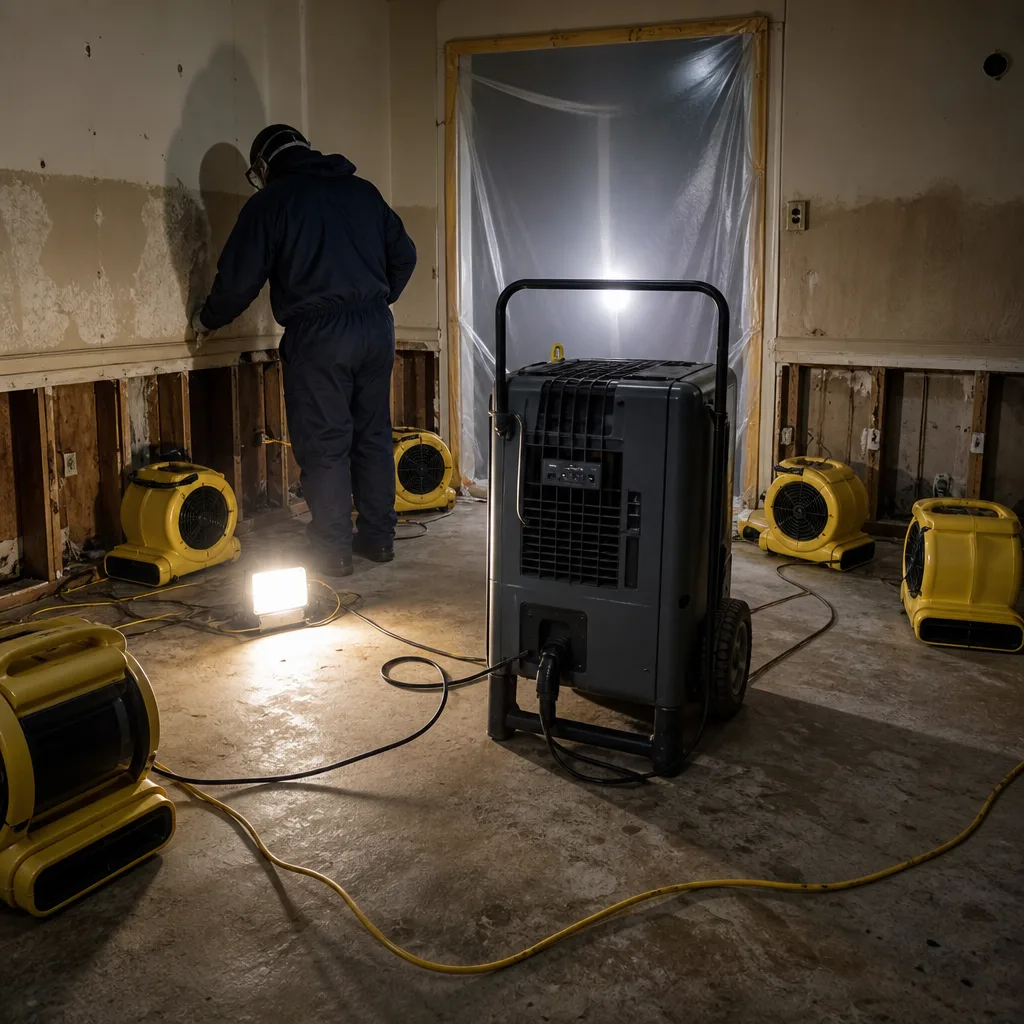
Structural Drying & Dehumidification
Dry walls are not the same as dry structures. We position Dri-Eaz dehumidifiers and XPOWER air movers to create airflow through joist bays and behind baseboards. Daily moisture readings go into a log you and your carrier both see. In pre-war plaster rowhouses, we drill-and-vent rather than tear out, saving the original walls.
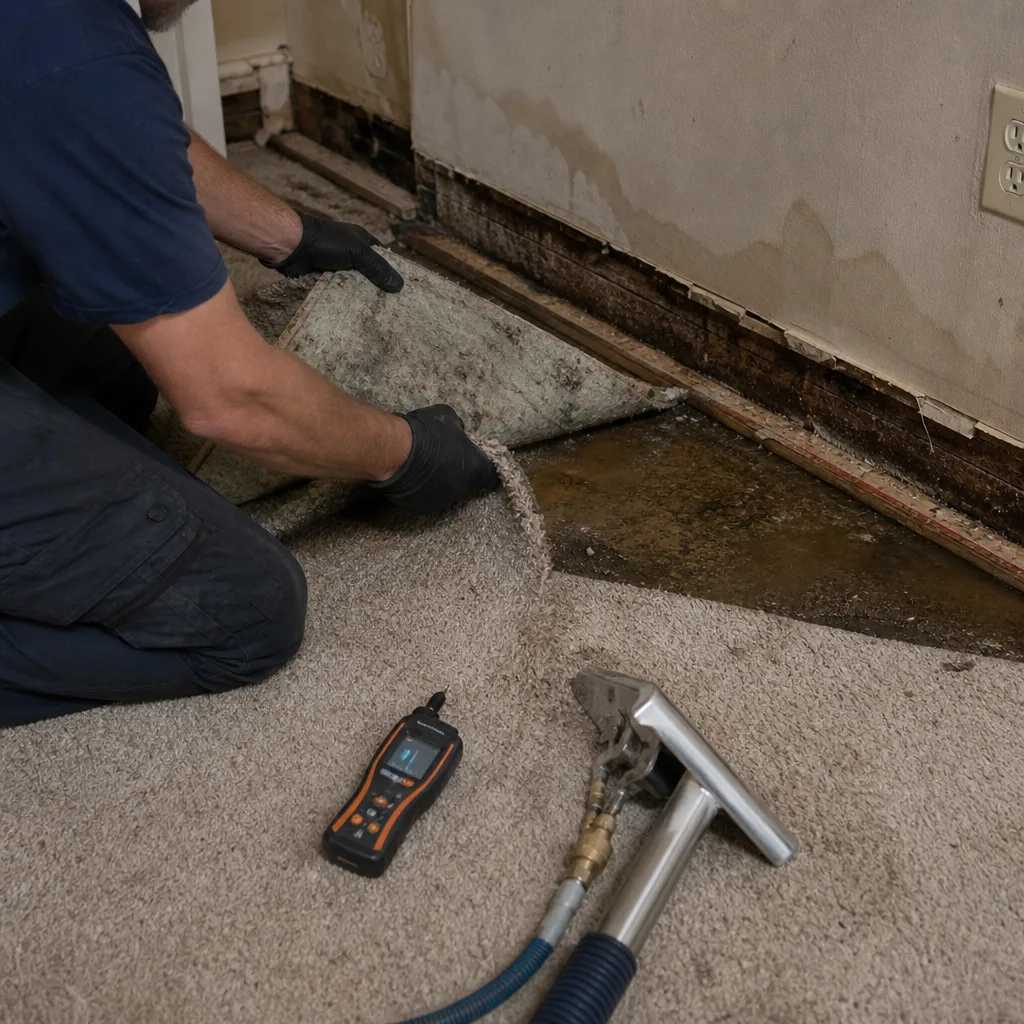
Flood Cleanup
Nor’easters and summer downpours put East New York basements under water that is never clean. We treat floodwater as contaminated until proven otherwise, sanitize every touched surface, and coordinate with your adjuster on what gets dried and what gets replaced. The blocks near Spring Creek and Jamaica Bay know this drill better than most.
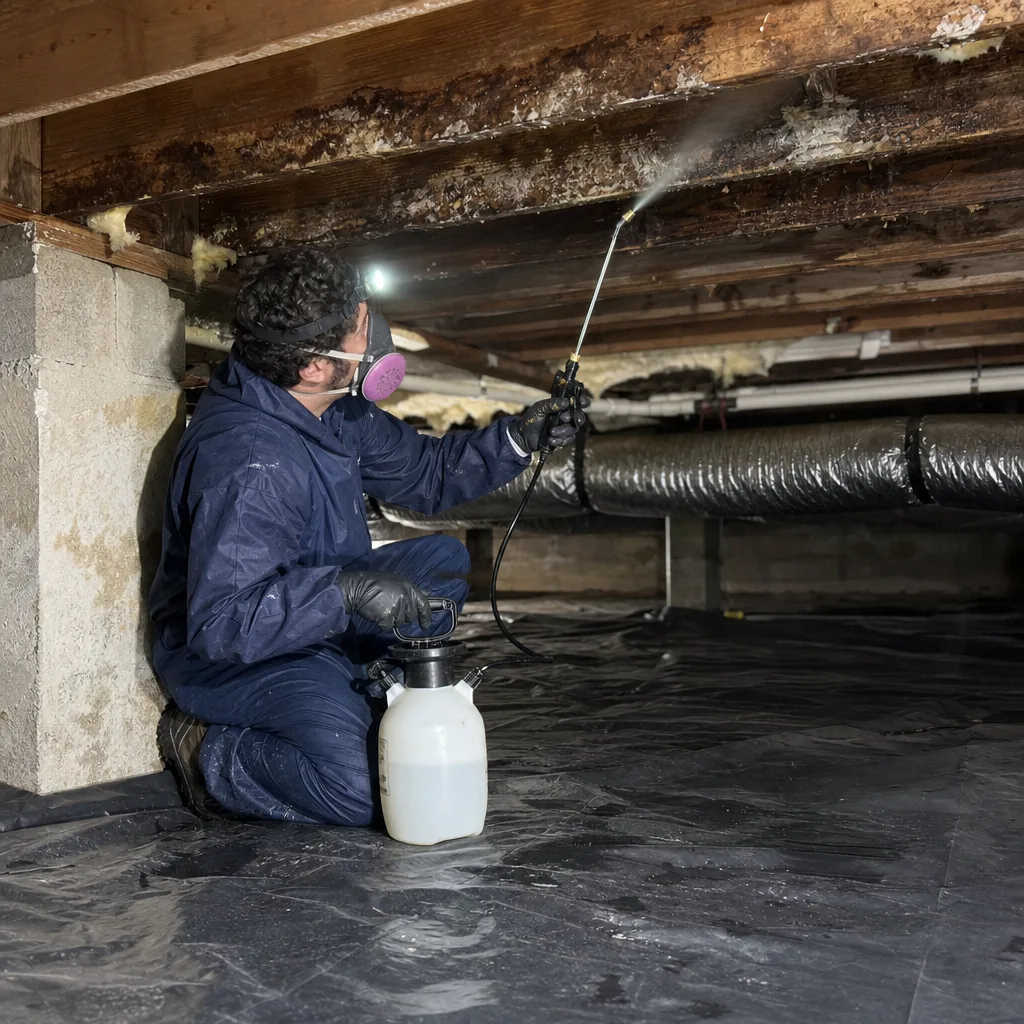
Burst Pipe Restoration
Old galvanized pipe lets go in January. When a supply line splits in an unheated rowhouse crawl space, water travels through the floor system and into the neighbor’s ceiling. We stop the source, map the migration with thermal imaging, and dry both sides of the wall before the claim gets tangled.
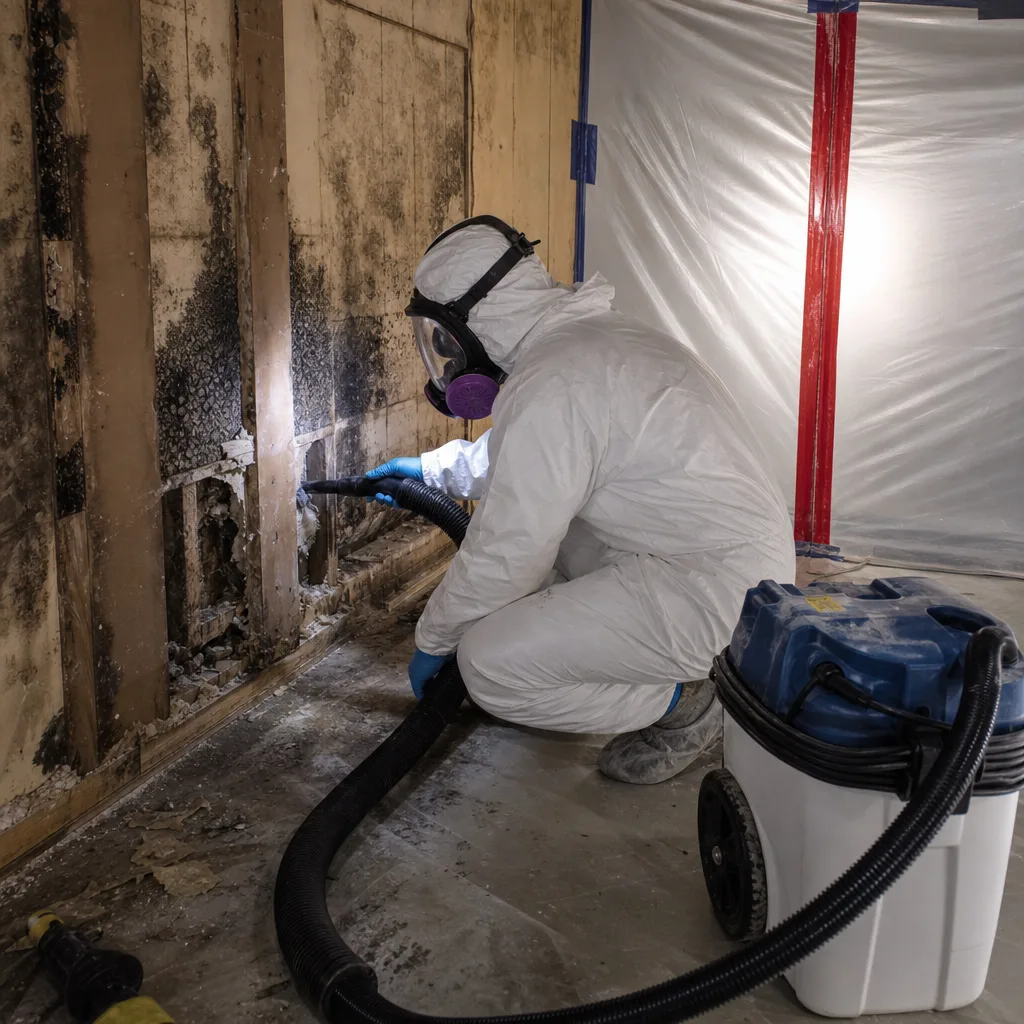
Basement Water Removal
East New York basements are low, tight, and full of the things people keep for thirty years. We remove the water, pack out what can be saved, and set drying equipment that fits through narrow doorways and alley-load stairs. Most basement extractions here finish in one visit.
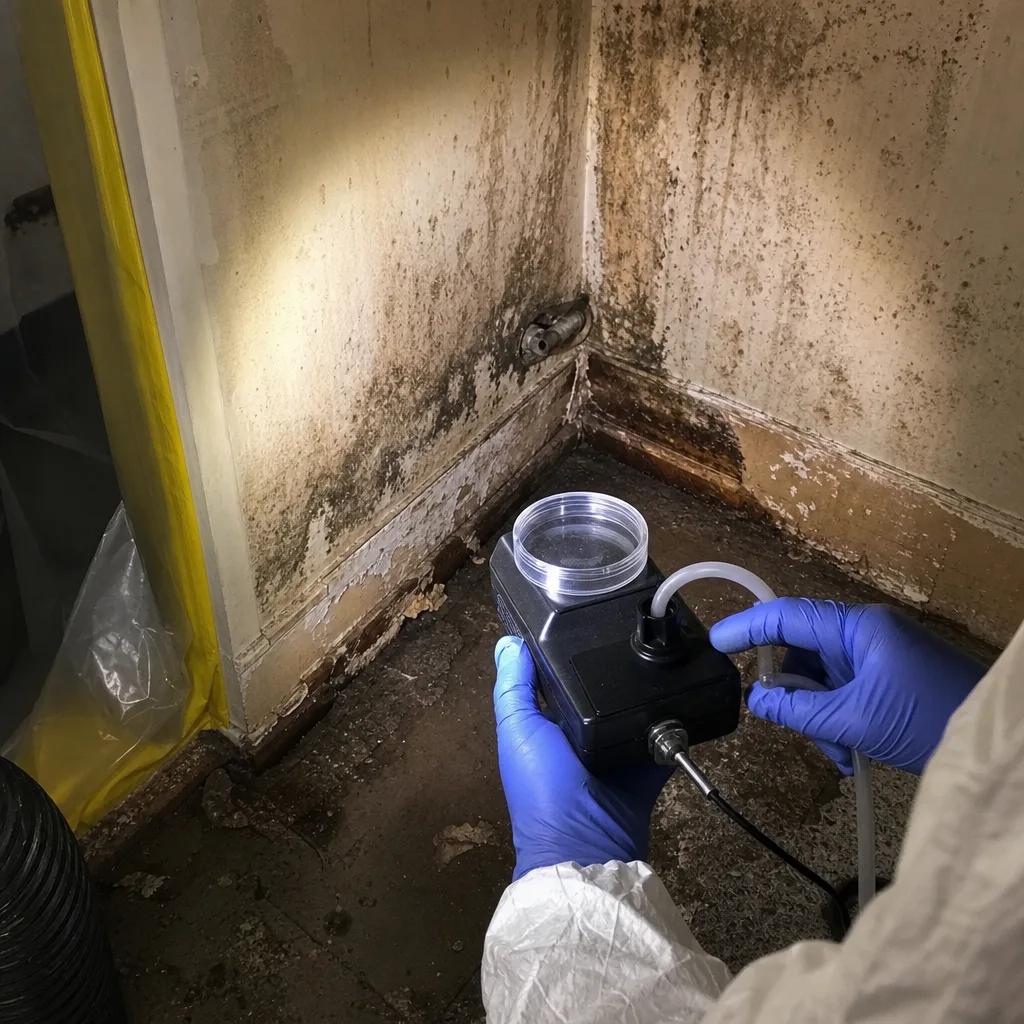
What happens when you call
- 1
A real person answersNo phone trees - you reach a local pro.
- 2
You get an upfront price rangeHonest numbers before anyone is dispatched.
- 3
A background-checked tech heads outLicensed & insured, dispatched right away.
- 4
You approve before work beginsNothing starts until you say go.
Water Damage Restoration Costs in East New York, NY
For a typical rowhouse basement in East New York, emergency water extraction and structural drying runs $2,800-$5,400. That covers the response, the equipment, the daily readings, and the dry-standard sign-off your carrier wants. Flood cleanup after sewer backflow adds contamination work and running $4,500-$7,500 depending on square footage and how much content got wet. Repairs after drying run a wide range: $1,200 for a small drywall and baseboard job up to $12,000+ for a full basement rebuild with flooring. What moves the number: category of water, how far it migrated, whether asbestos containment is required, and how fast we got the call. Insurance covers most of these when you file promptly. For the rest, we offer a written scope before work starts so there are no surprises. Call (716) 412-2972 for a free inspection and firm numbers.
We Also Serve Cities Near East New York
Our crews run the same routes through Canarsie, Coney Island, Flatlands, and Howard Beach every week. If you are just over the line from East New York, we still answer live and we still arrive fast. The team that dries your neighbor’s rowhouse can be at your door next.
East New York Water Damage Restoration Questions, Answered
How does living in a rowhouse affect water damage restoration in East New York?
Rowhouse water damage rarely stays in one home. Shared party walls and continuous attic runs let water migrate into the attached unit within hours. Our crew photographs both sides of the party wall, maps moisture through the full joist bay, and coordinates with both owners and both adjusters before demolition starts. That is the only way to keep a one-unit claim from becoming a two-unit dispute.
Is my basement water from a nor’easter always clean water?
No. East New York’s combined sewer system carries stormwater and sewage in the same pipe. When a nor’easter surcharges that pipe, the water in your basement is very likely Category 3 black water. Treating it as clean water is a mistake that leads to mold and illness. Call (716) 412-2972 and we will classify it properly before any extraction begins.
Do NYCHA buildings require special steps before water damage restoration?
Yes. Many 1950s-era NYCHA buildings, including the Pink Houses, Linden Houses, and Cypress Hills Houses, contain asbestos in floor tiles, pipe insulation, and joint compound. Before we run extraction or demolition in these buildings, we conduct an asbestos survey and establish containment if needed. Skipping this step puts residents and workers at risk and stalls the insurance claim. We handle the survey and the paperwork.
How quickly can you respond to a flooded basement near Spring Creek?
Our commitment is 45 minutes to most East New York blocks, including Spring Creek and the streets off Flatlands Avenue near the water. A live dispatcher answers at (716) 412-2972, and the crew that arrives runs extraction on the same visit. We do not schedule inspection trips for standing water.
What is the most common water damage scenario in East New York?
Burst galvanized supply lines in pre-war rowhouse crawl spaces, and combined-sewer backflow into basements during heavy rain. January and February give us the pipe breaks. Nor’easters and summer downpours give us the sewer backflow. Both require immediate extraction, and both are jobs our crews see every season.
Will my insurance cover water damage restoration in East New York?
Most standard homeowner policies cover sudden and accidental water damage, like a burst pipe or storm-related flooding, but not gradual seepage. Sewer backflow usually requires a specific endorsement. We provide the photos, moisture logs, and line-item scope your carrier wants, and we bill them directly. Call us and we will walk through what your policy likely covers before we start work.
How long does structural drying take in an East New York rowhouse?
Most rowhouse structures dry in 3-5 days with proper equipment placement and daily monitoring. Tight alley-load spaces and shared party walls may run a day longer than a freestanding home. We log readings every day and hand you the log when the structure hits the dry standard. Your carrier sees the same numbers.
Can we stay in the home during the drying process?
It depends on the water category and the extent of the damage. Category 1 clean water from a supply line often allows you to stay while we dry. Category 3 black water from sewer backflow usually requires you to stay elsewhere until we finish sanitization. We will tell you straight after the first inspection, and we will keep the work moving so you can get back home.
Serving East New York, NY - Our Local Coverage Area
We’re based in the East New York area and know this community well. Use the map below to see our service coverage - if you’re nearby, we can almost certainly help.
Water Damage Restoration in East New York, We Stand Behind It
On a pre-war rowhouse block near the Pink Houses, our crew deployed XPOWER air movers and Dri-Eaz dehumidifiers after a burst galvanized pipe sent Category 2 water through a shared party wall into two attached homes. We mapped moisture with infrared, performed structural drying in tight alley-load carpentry spaces, and coordinated with both owners’ adjusters before pack-out of soaked contents. That is the work we do every week in East New York, and it is why our Water Damage Restoration team stays on the job from first extraction to final rebuild. If you live in East New York and have water where it does not belong, call (716) 412-2972. A live person answers. The 90-Day Done Right Promise is in writing. Done right, and backed in writing.
Written by Curt Bowman, Owner at Floodline Restoration Co., serving East New York and the surrounding boroughs since 2010.