
Free visual inspection and a written scope of work before any mitigation begins - photos, moisture readings, and drying logs go in your claim file
The scope we write is the scope we bill. Anything new gets shown to you, in writing, before we touch it.
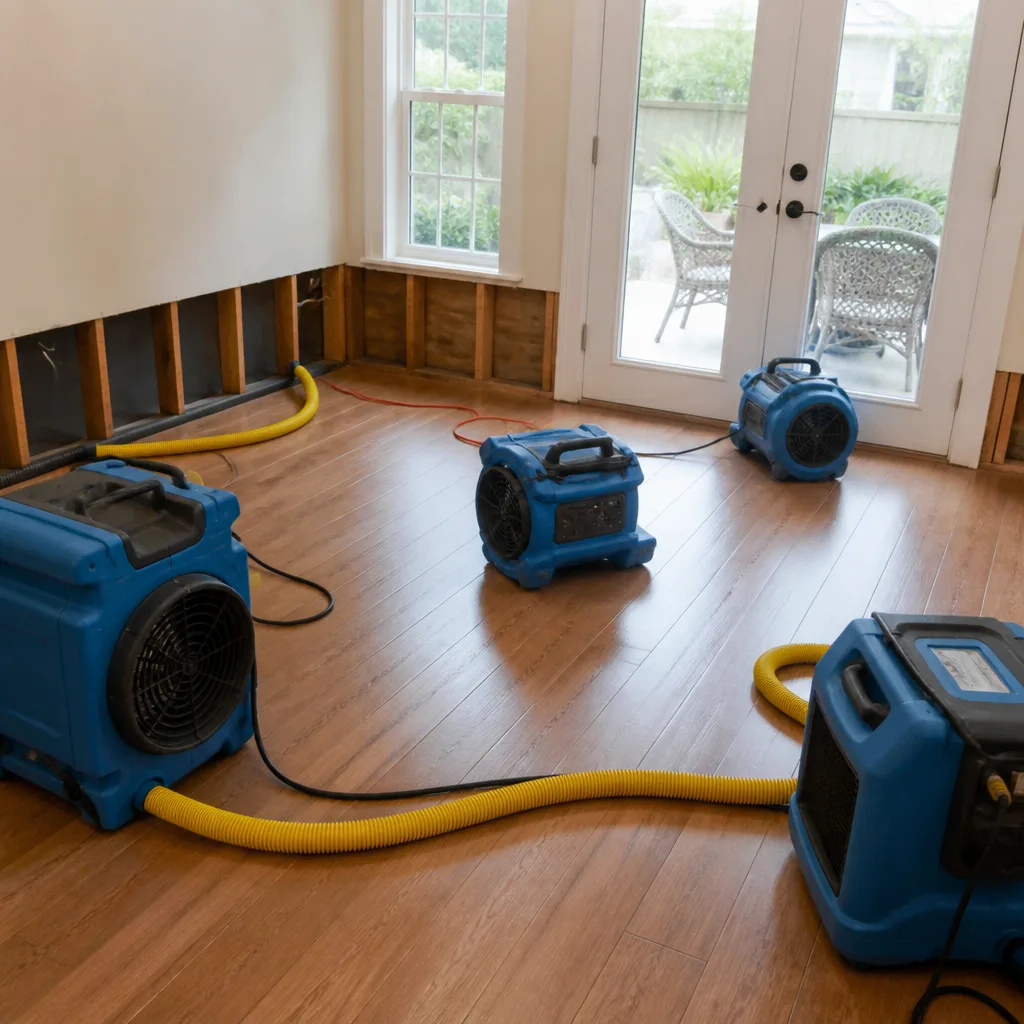
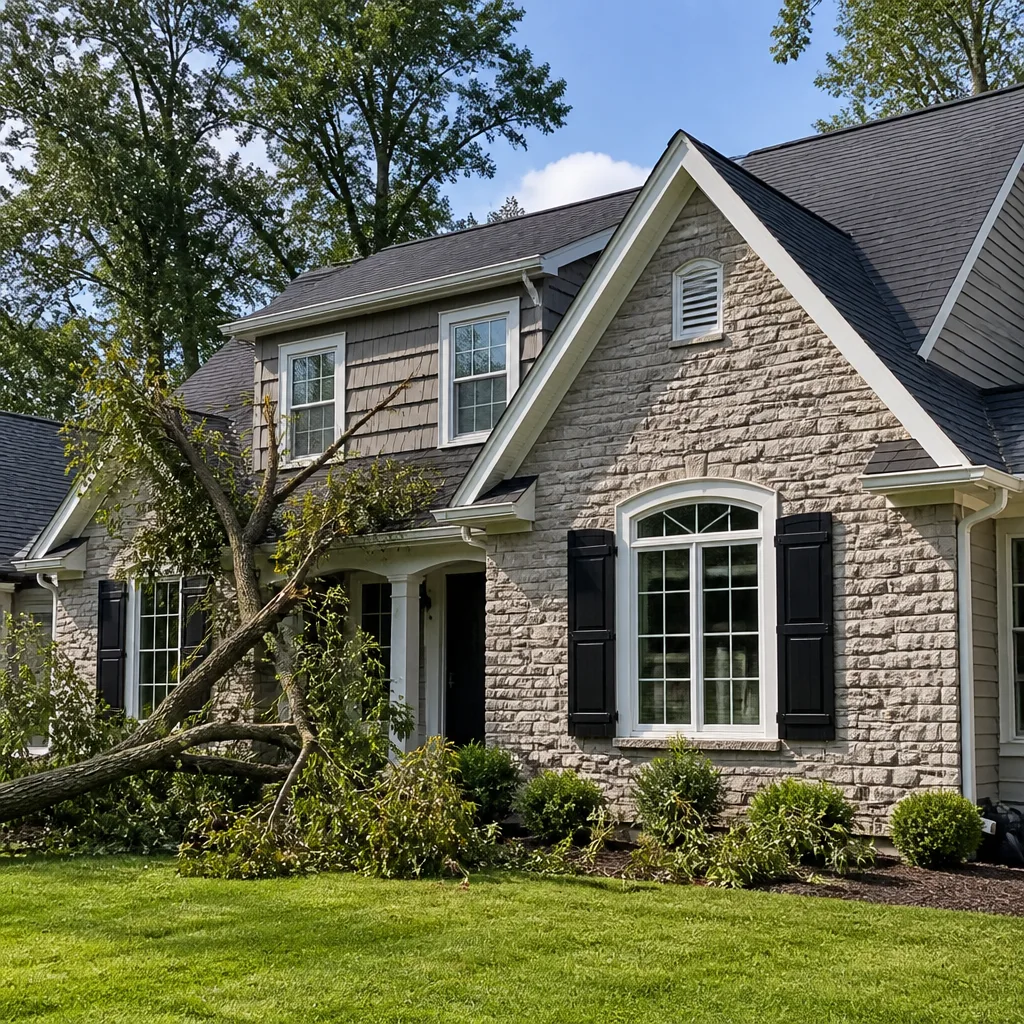
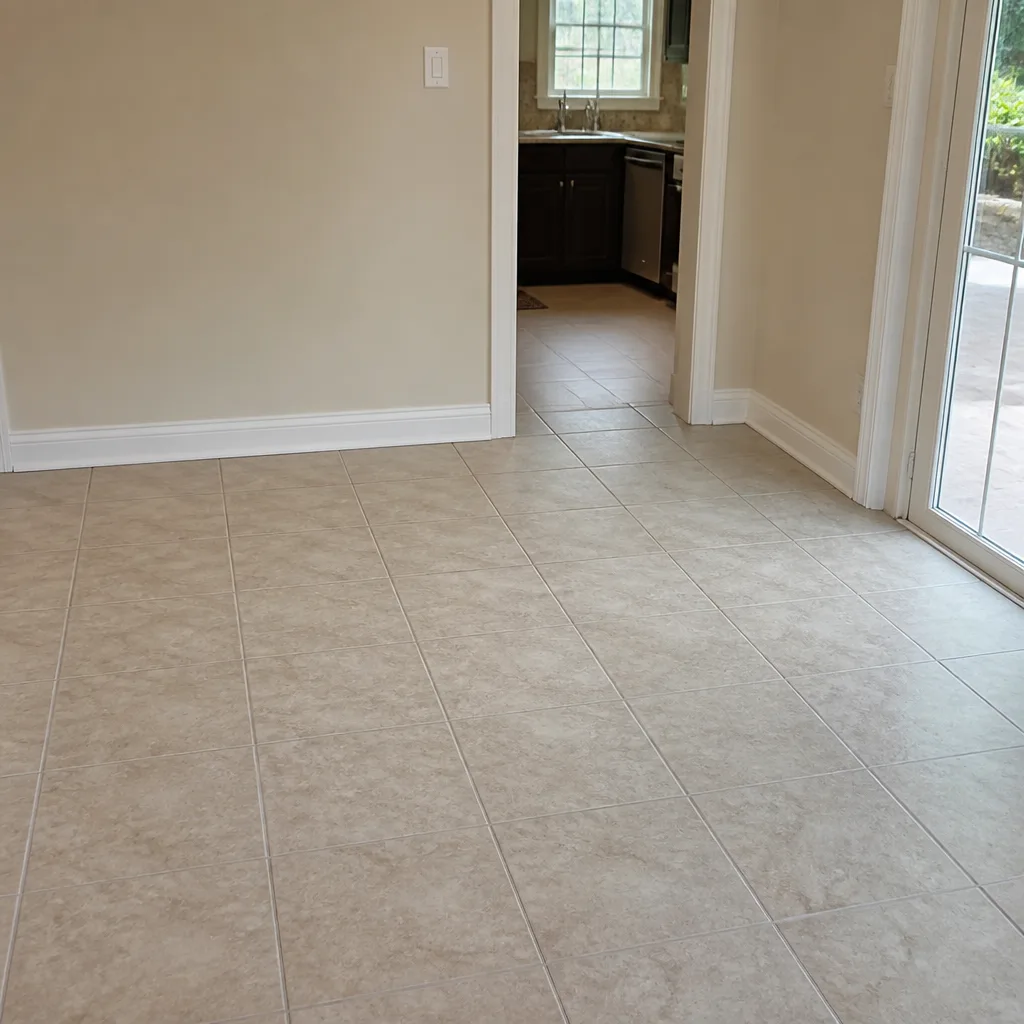
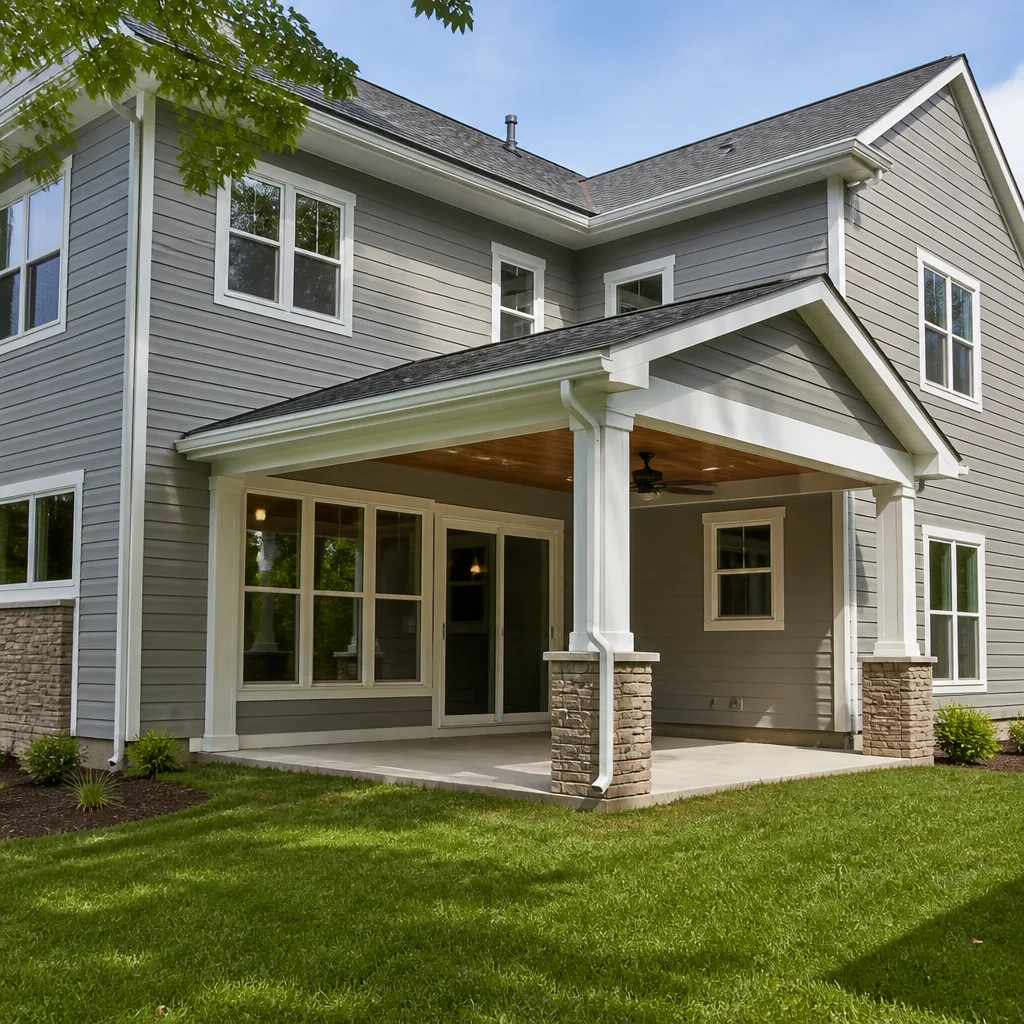
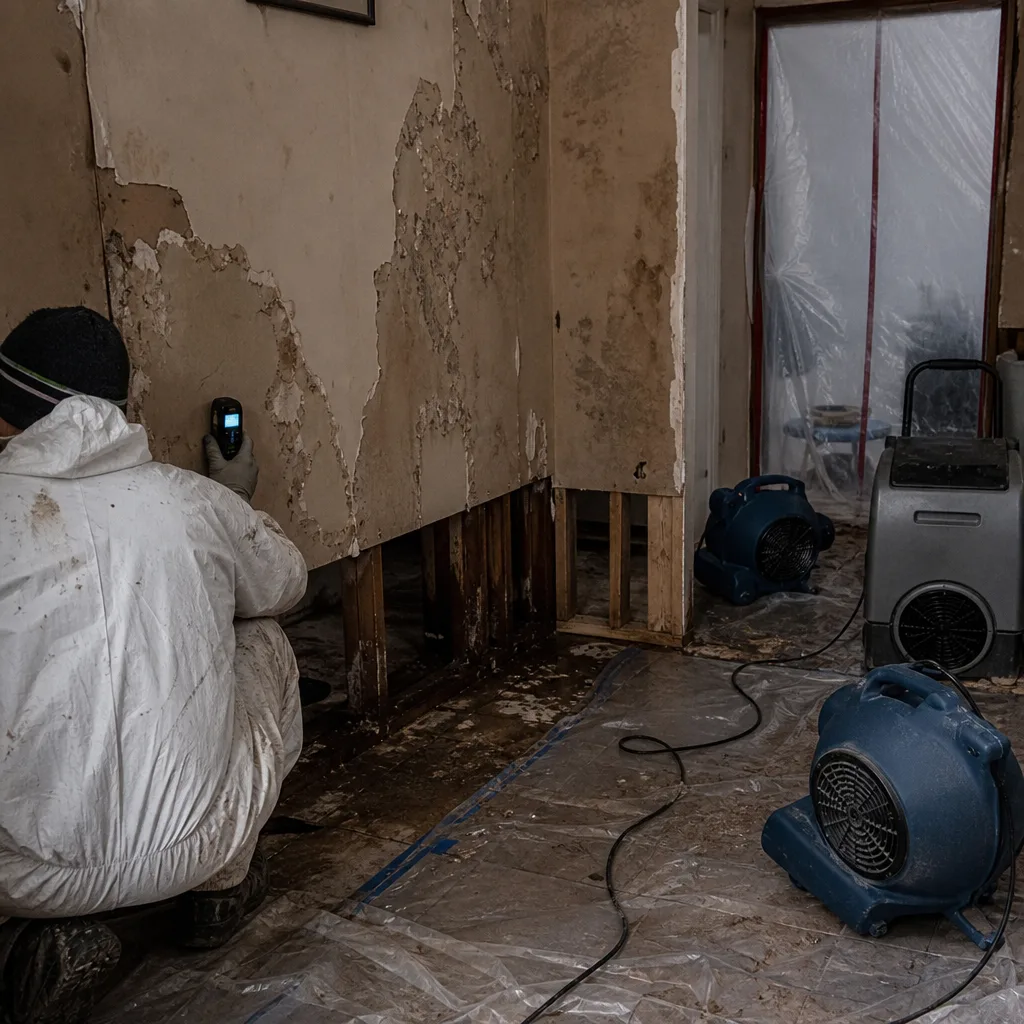 Before
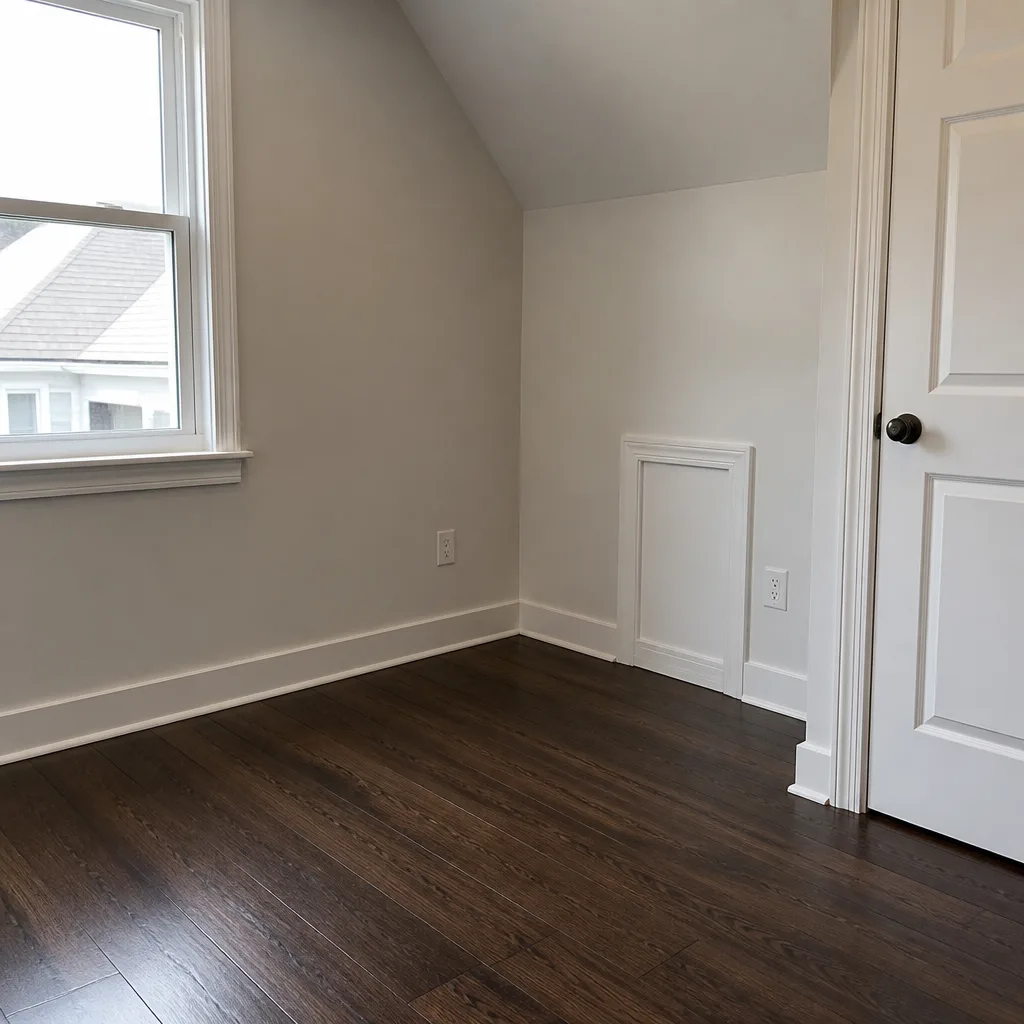 After
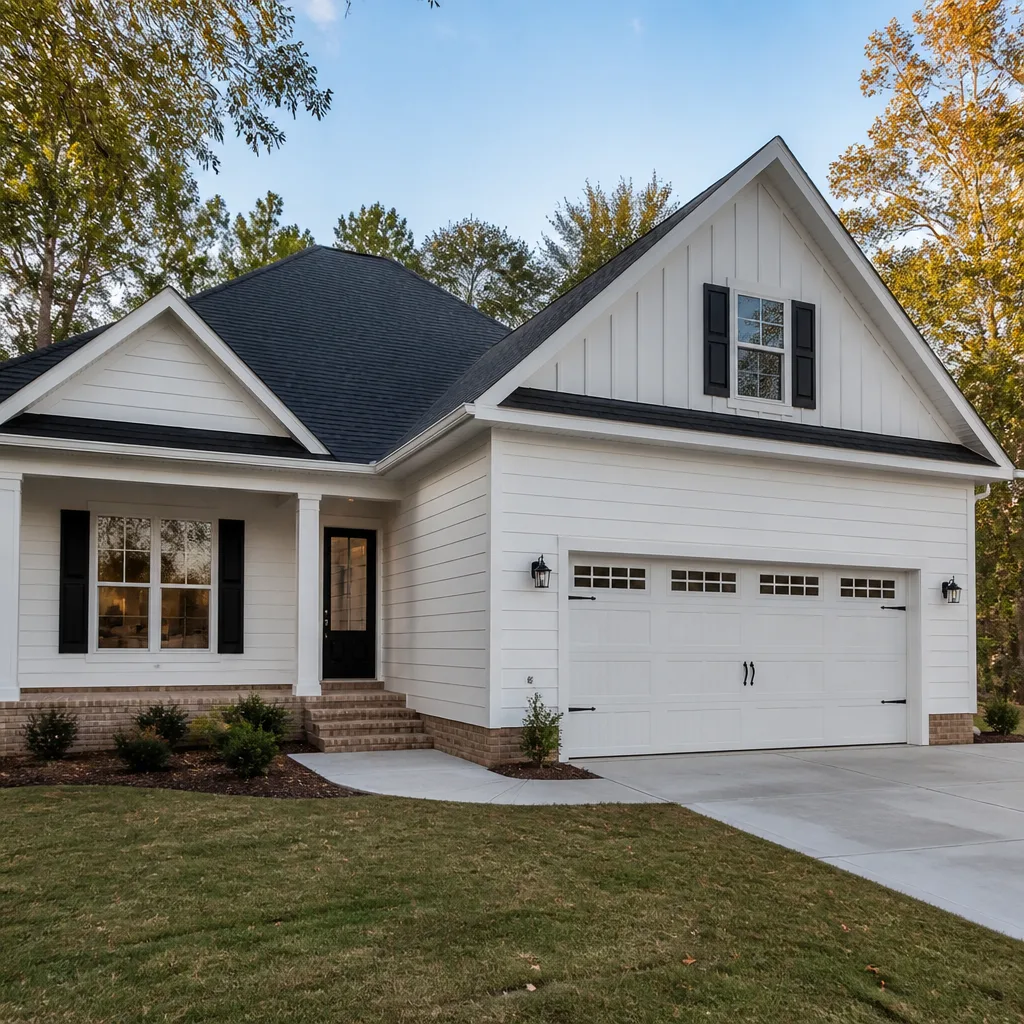
After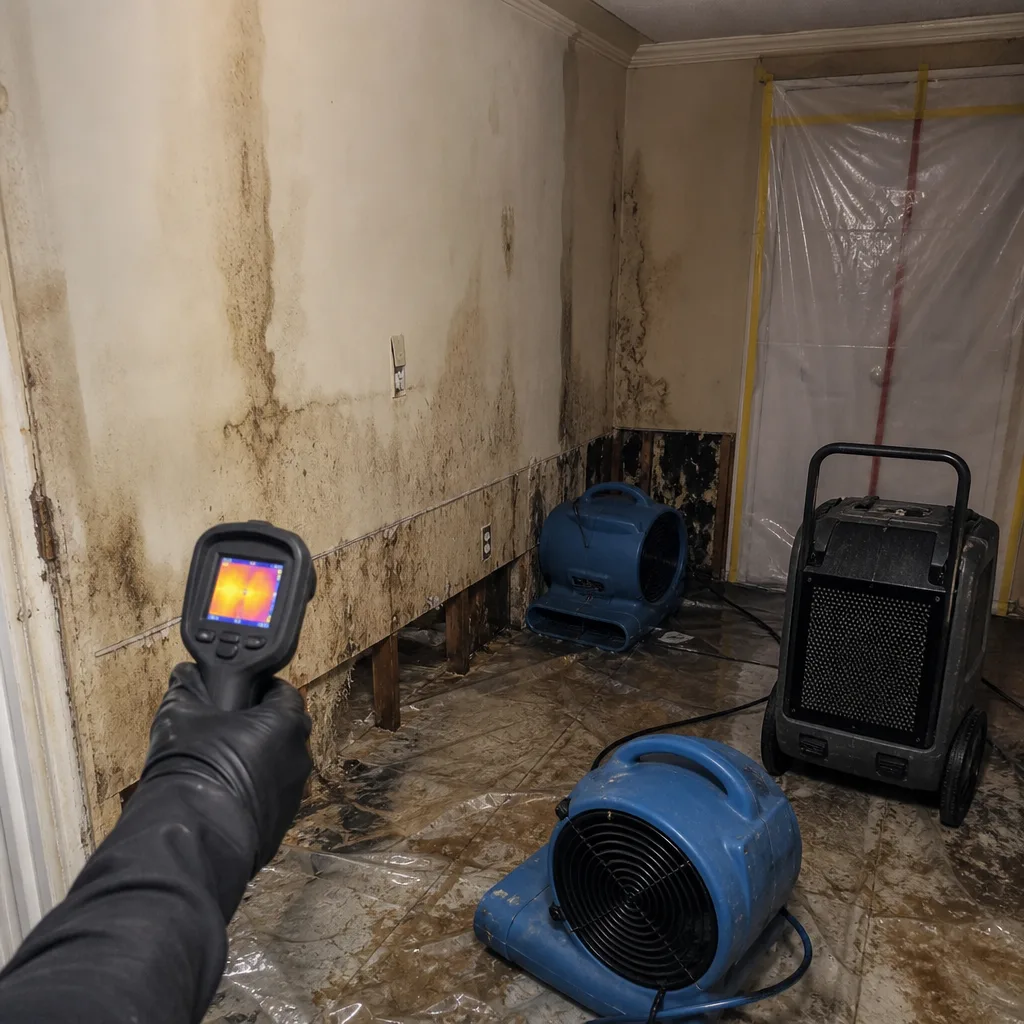 Before
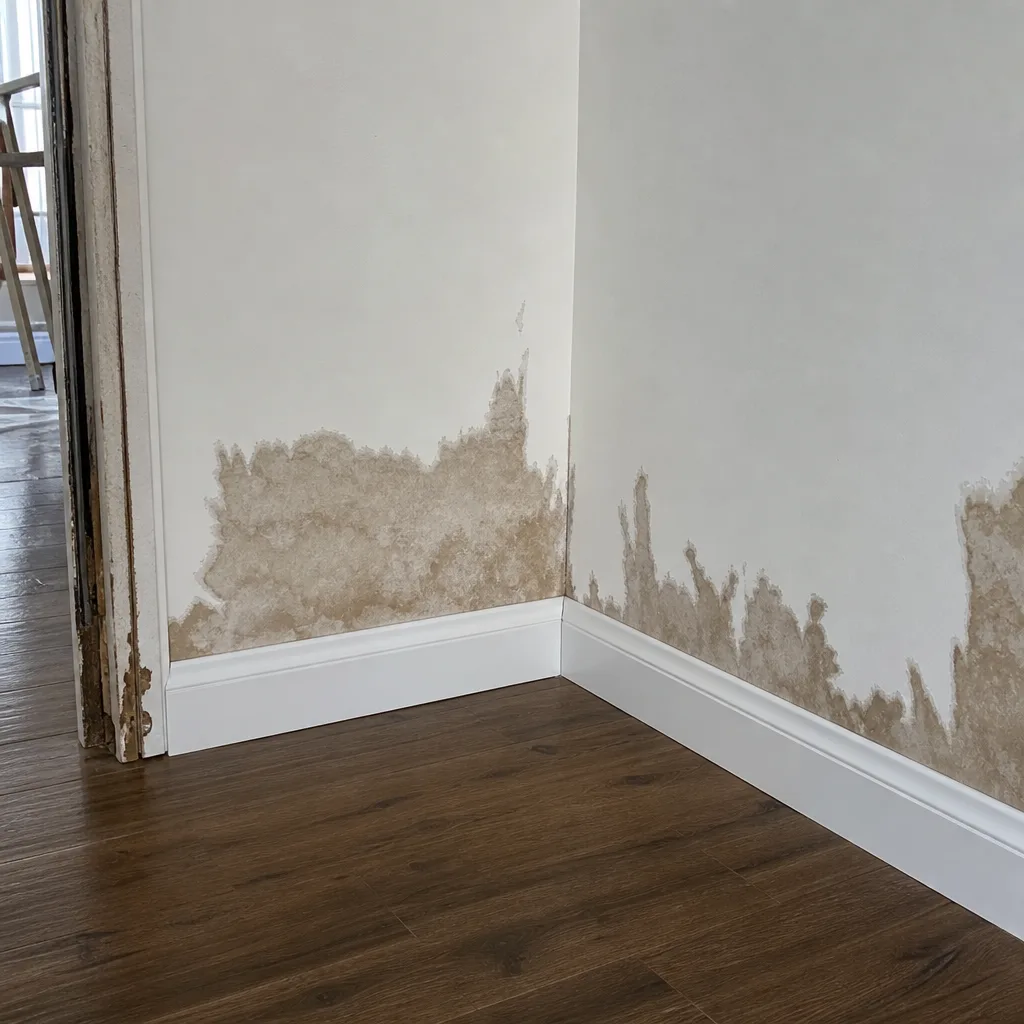 After
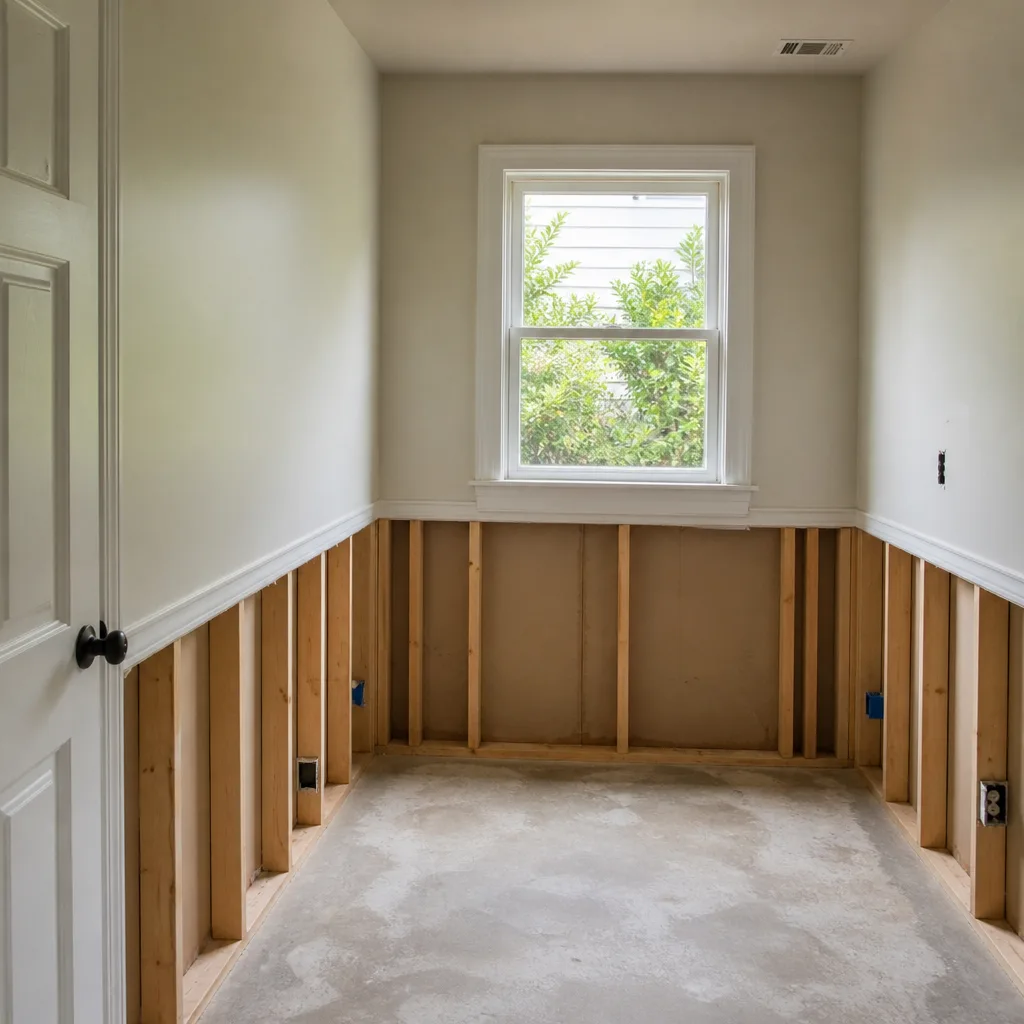
After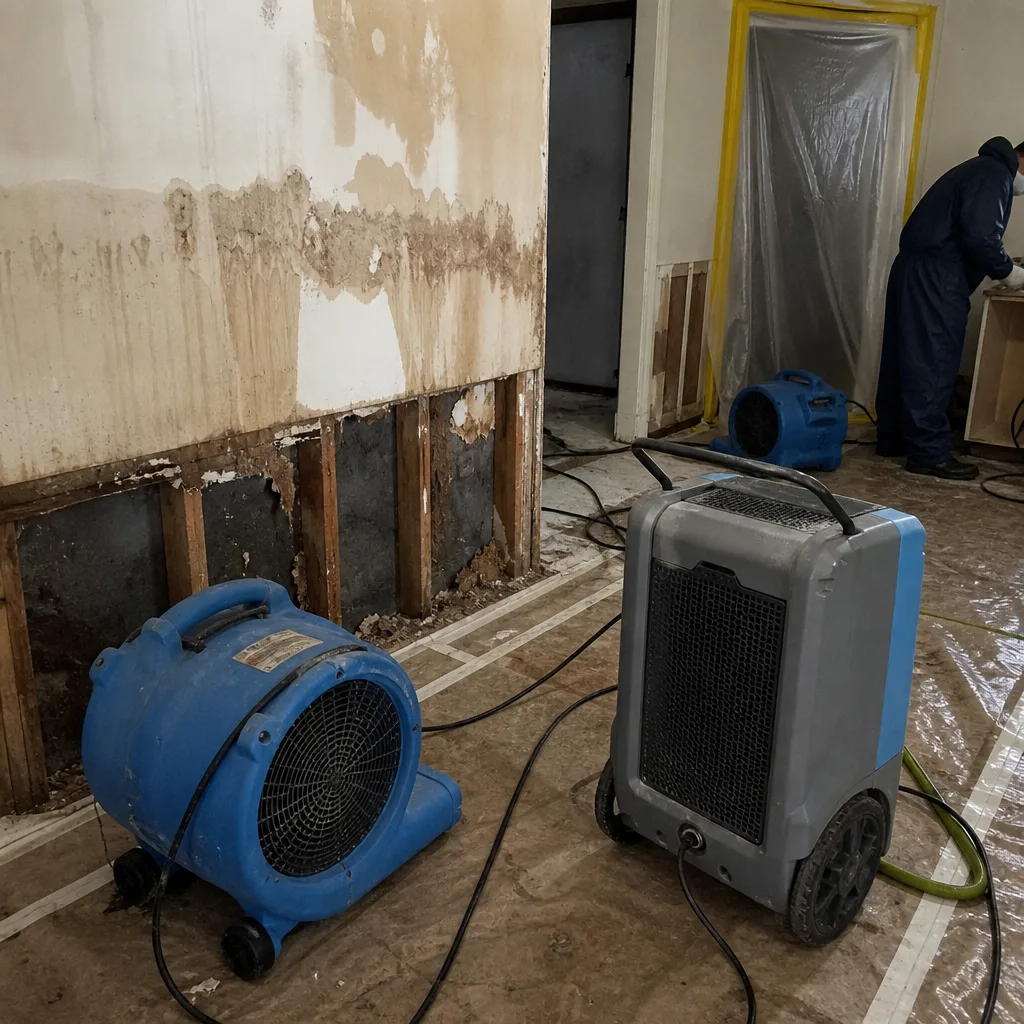 Before
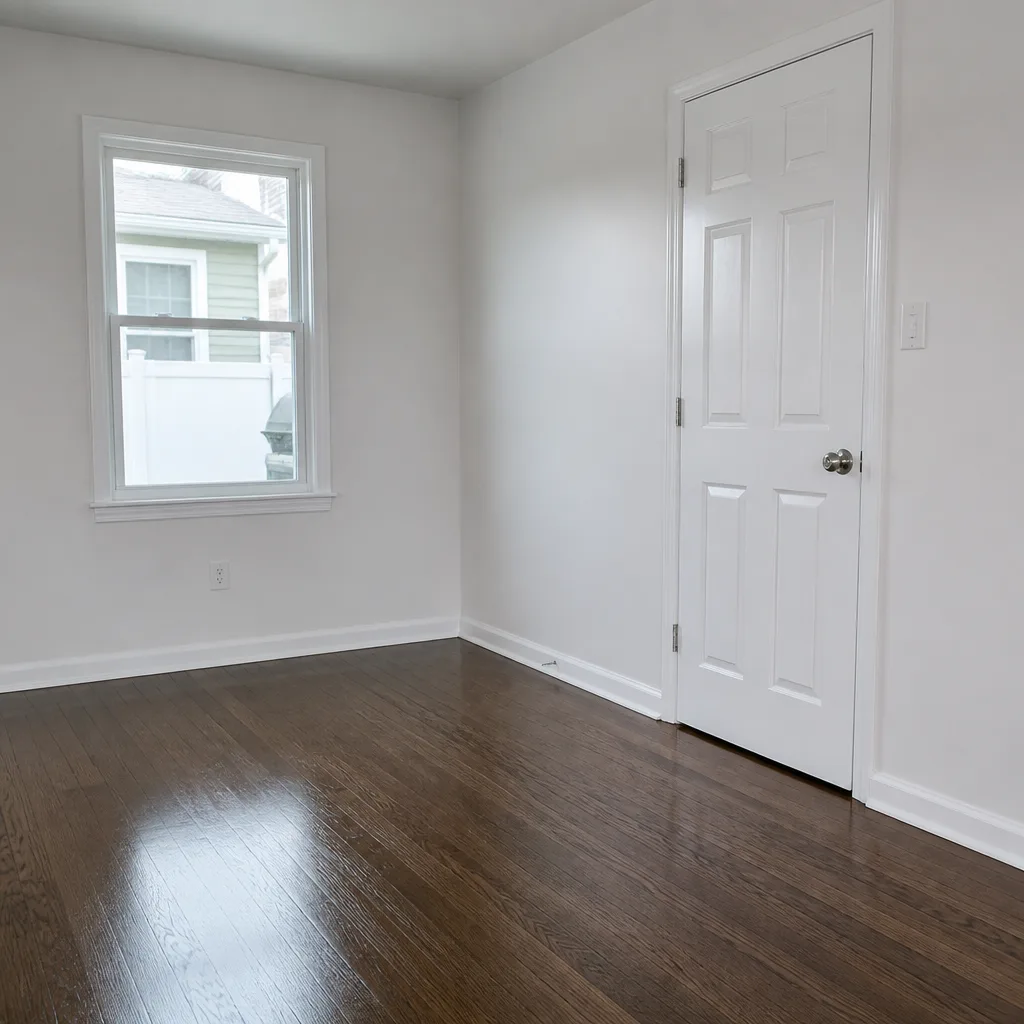 After
After24/7 Emergency Water Damage Restoration in Howard Beach
Water damage in Howard Beach doesn’t wait for business hours, and neither do we. A live dispatcher answers at (716) 412-2972 at 2 a.m., on holidays, during a nor’easter, and a certified crew reaches most Howard Beach addresses within 45 minutes. The first hour matters more here than almost anywhere else in Queens: salt water from Jamaica Bay starts corroding electrical connections and steel structural hardware immediately, and the longer it sits, the more gets torn out instead of dried. We arrive with moisture meters and thermal imaging running, give you a straight visual assessment of what’s wet and what’s salvageable, and start extraction the same visit. That’s the Floodline standard: no callbacks to a sales desk, no waiting for a return phone call, just a steady crew doing the work the way it should be done. Free visual inspection, direct insurance billing, and a written scope before any tear-out begins.
Understanding Water Damage Restoration Severity in Howard Beach Properties
Water damage gets classified by contamination level, and the distinction matters a lot in Howard Beach. Category 1 water is clean, typically from a burst supply line. Category 2 carries some contamination, like washing machine overflow. Category 3 is grossly contaminated: sewage, storm surge, and tidal backflow from Hawtree Creek or Shellbank Basin. Nearly every flood event in this neighborhood is Category 3 from the first minute, because the water rising through floor drains and Bilco doors is brackish, pathogen-laden, and salt-heavy. That changes the entire restoration. Category 3 means removing saturated drywall, insulation, and carpet pad instead of drying them in place, followed by antimicrobial treatment and structural drying with professional-grade dehumidifiers. Many Howard Beach homes were built between 1950 and 1975, and those original framing materials, floor joists, and sill plates behave differently than modern lumber. The moisture map tells us exactly what’s wet; the age and salt exposure tell us what’s worth keeping.
Why Howard Beach Property Owners Choose Floodline Restoration Co.
- 45-minute response commitment to most Howard Beach addresses, with a live dispatch call the moment the crew rolls.
- 24/7 live answer, every time. A real person picks up the phone at 3 a.m. during a tidal surge. No recorded menu, no voicemail.
- IICRC-certified crews, including WRT (Water Restoration Technician) and ASD (Applied Structural Drying) certifications, trained to RIA and IFA standards.
- Free visual inspection with moisture readings, a thermal scan, and an honest assessment of what can be dried versus what must go.
- Direct insurance billing, including photo documentation from the first hour and adjuster communication throughout the job.
- One team from extraction to reconstruction. Floodline starts at the floodline and handles every phase, no mid-job handoff to a subcontractor you never met.
Our Water Damage Restoration Process
Inspection & Assessment
We mark the floodline, map moisture in floors, walls, and cavities with thermal imaging and penetrating meters, and identify salt bands and hidden water migration. You get a written scope and a straight answer on what can be saved.
Extraction & Stabilization
Standing water goes out fast with truck-mounted and portable extractors. In Howard Beach, we sample and test for salinity early, because chloride residue changes the drying plan and what requires replacement.
Drying & Dehumidification
Professional-grade Dri-Eaz LGR dehumidifiers and XPOWER and B-Air air movers run on a calculated layout, not guesswork. Daily moisture readings get logged until the dry standard is confirmed, not assumed.
Cleaning & Sanitization
After Category 3 saltwater and sewage events, affected surfaces get antimicrobial treatment and HEPA air scrubbing. This is especially critical near Jamaica Bay, where humidity and sea air support rapid microbial growth.
Structural Salt Assessment
We cut flood inspection openings at the sill plate and bottom plate, check anchor bolts and straps for chloride corrosion, and flag any steel that needs replacement before new drywall goes up.
Repairs & Restoration
We rebuild with materials that make sense for this climate: stainless hardware in flood-prone cavities, proper vapor barriers, and mechanicals positioned to survive the next event. Finished work gets the 90-Day Done Right Promise in writing.
Need Emergency Water Damage Restoration in Howard Beach Now?
Crews minutes away, answering live 24 hours a day. The sooner we start, the less it costs.
Working With Your Insurance Company
If you’ve never filed a flood or water damage claim, the process can feel like a second job. Our Water Damage Restoration team handles the paperwork side so you don’t have to. We photograph every affected room before any work begins, log moisture readings through the drying process, and provide a line-item scope of work written in the format carriers recognize. When your adjuster calls, we talk to them directly: what was wet, how long it sat, what we removed, what we dried, and what replacement cost looks like. For Howard Beach homeowners, the direct billing arrangement means the claim proceeds without you acting as a go-between. The 90-Day Done Right Promise stays in place whether insurance pays the bill or you do, because the standard doesn’t change based on who writes the check.
What We Provide Your Insurer
- Thorough documentation of the loss
- Photos of all damage, room by room
- Moisture readings and drying logs
- A detailed, line-item scope of work
- Direct coordination with your carrier
Built for Howard Beach’s Loss Calendar
Howard Beach doesn’t have a quiet season for water damage, but the pattern shifts through the year. January and February bring deep freezes that crack supply lines and split PEX in unfinished bays. March and April thaw brings groundwater up against foundation walls in basements that sit at or below the water table. Late summer brings thunderstorms that overwhelm the combined storm and sanitary sewers, sending water backwards through floor drains. Then comes nor’easter season, October through March, when storm surge from Jamaica Bay is the main event. Sometime in that window, a tidal event pushes water up through the canal network and it stays for days. Every year, some Howard Beach basement takes water from a different mechanism: a cracked waste line, a slipped roof flashing, a failed sump, a boiler leak. We’ve seen all of them, and we know which drying plan fits each one. That’s why our Water Damage Restoration in Howard Beach service is built around the surge calendar, not a generic template.
Water Damage Restoration Across Howard Beach’s Neighborhoods
Howard Beach isn’t one uniform block. Old Howard Beach, below 160th Avenue and east of Cross Bay Boulevard, is the most flood-exposed section, with homes sitting at near sea level and many basements below the water table. A burst pipe or sewer backup here demands fast extraction before the water migrates into channels and wall cavities. Hamilton Beach, the smaller peninsula west of Hawtree Creek, has its own flood profile, with less road access and more houses at grade level, which means dispatch and staging get planned differently. Around Charles Park and the streets closest to Shellbank Basin, tidal backflow through the storm drains is the recurring problem, and homeowners there call us before the next king tide, not after. The streets up near 82nd and 84th, closer to the Belt Parkway, see more traditional basement seepage, older cast-iron drainage, and the kind of slow leaks that reveal themselves through a damp wall line. Every one of these areas has a specific loss pattern, and our crews know the turns, the canals, and the basements well enough to arrive already thinking about what they’ll find.
Specialized Water Damage Restoration Services We Offer in Howard Beach
Emergency Water Extraction
Standing water in a Howard Beach basement compounds fast. Truck-mounted extraction removes the bulk in the first hour, and portable extractors handle the low spots behind mechanicals and under stairs. We test for salinity on every extraction, because bay water extracts differently than a clean pipe break and the salt changes the replacement list.
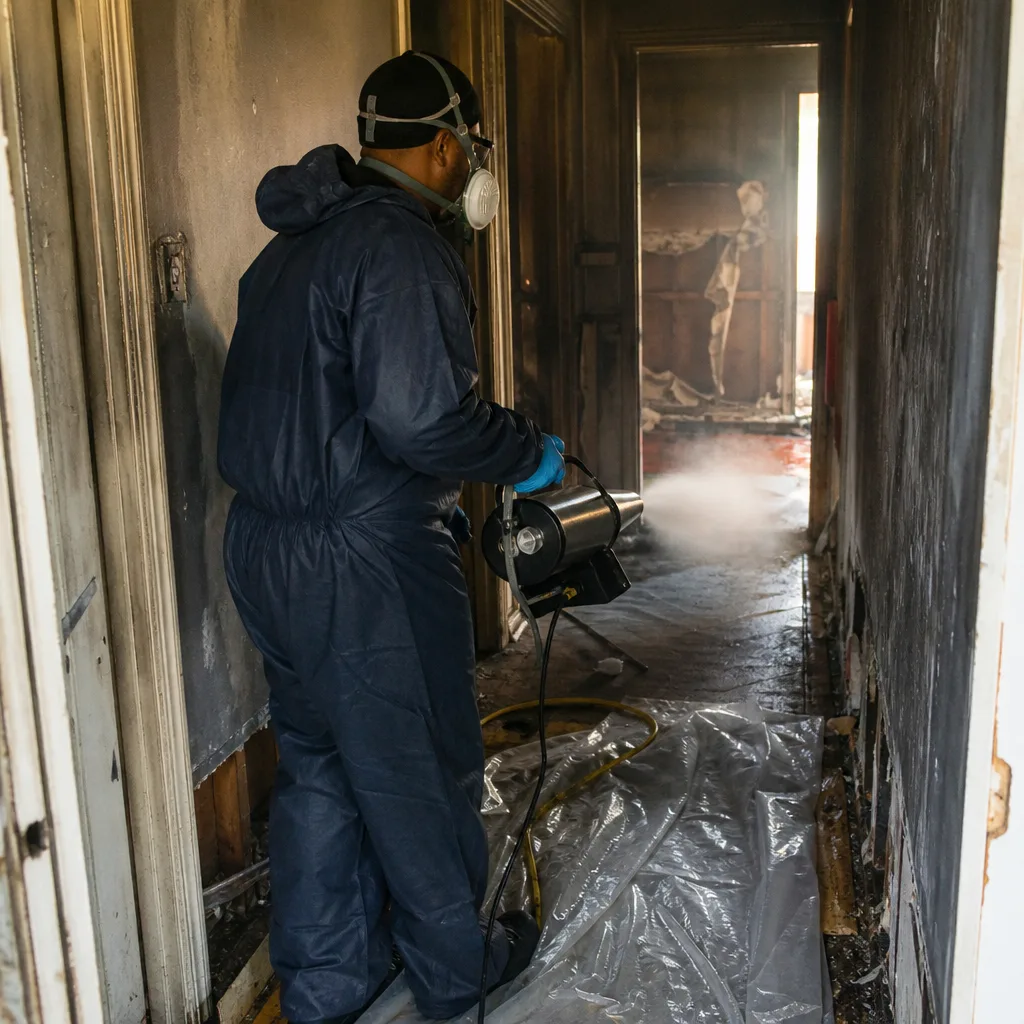
Structural Drying & Dehumidification
Drying a Howard Beach home correctly means accounting for the humidity off Jamaica Bay, which works against you every hour the equipment runs. We size the drying chamber for the moisture load, not the square footage, and run professional-grade dehumidifiers until moisture content readings in framing returns to normal, not just until the surface feels dry. Daily logs go to you and your adjuster.
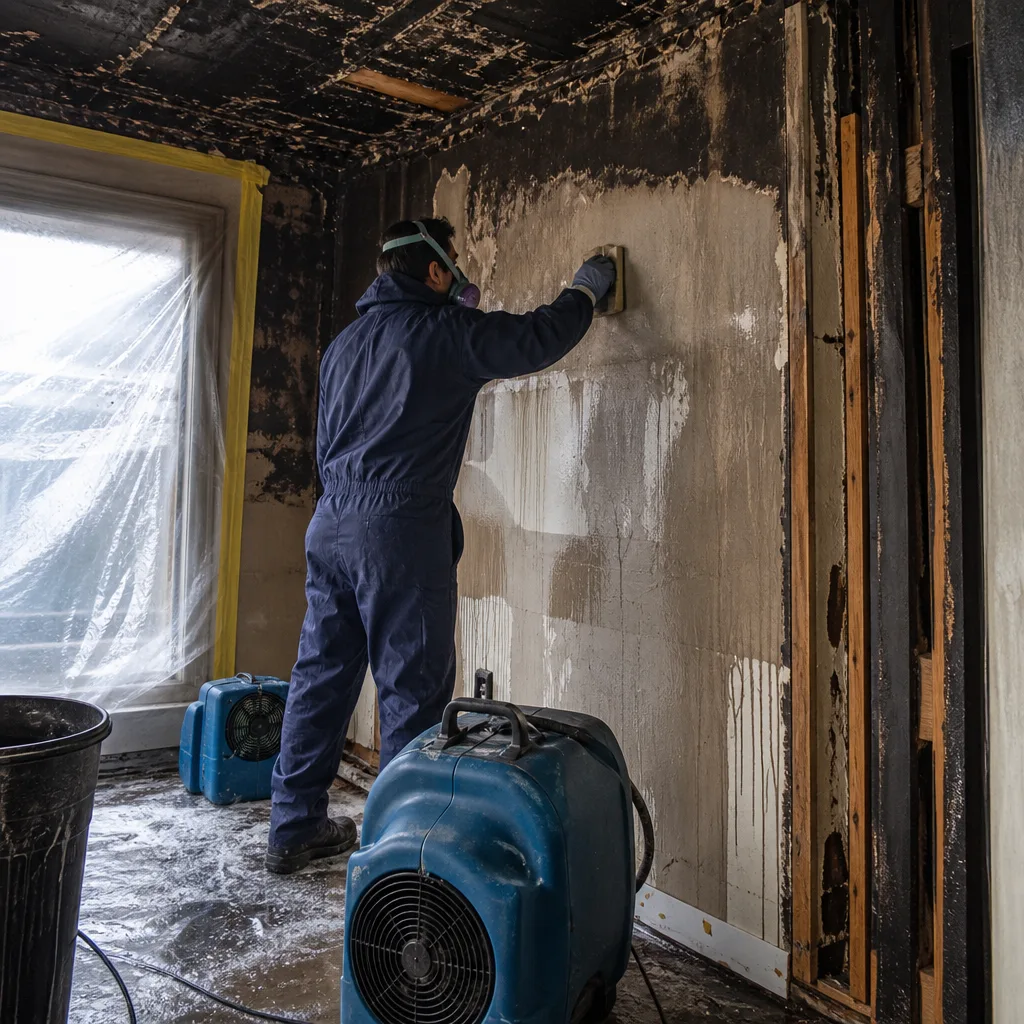
Flood Cleanup
Floodwater in this neighborhood carries more than water. It carries salt, silt, and whatever the surge picked up along Hawtree Creek. Cleanup means cutting at the flood line plus the wicking margin, removing saturated insulation, and treating surfaces with antimicrobials before rebuilding begins. In Howard Beach, that wicking margin is higher than inland because the salt draws moisture further up the wall.
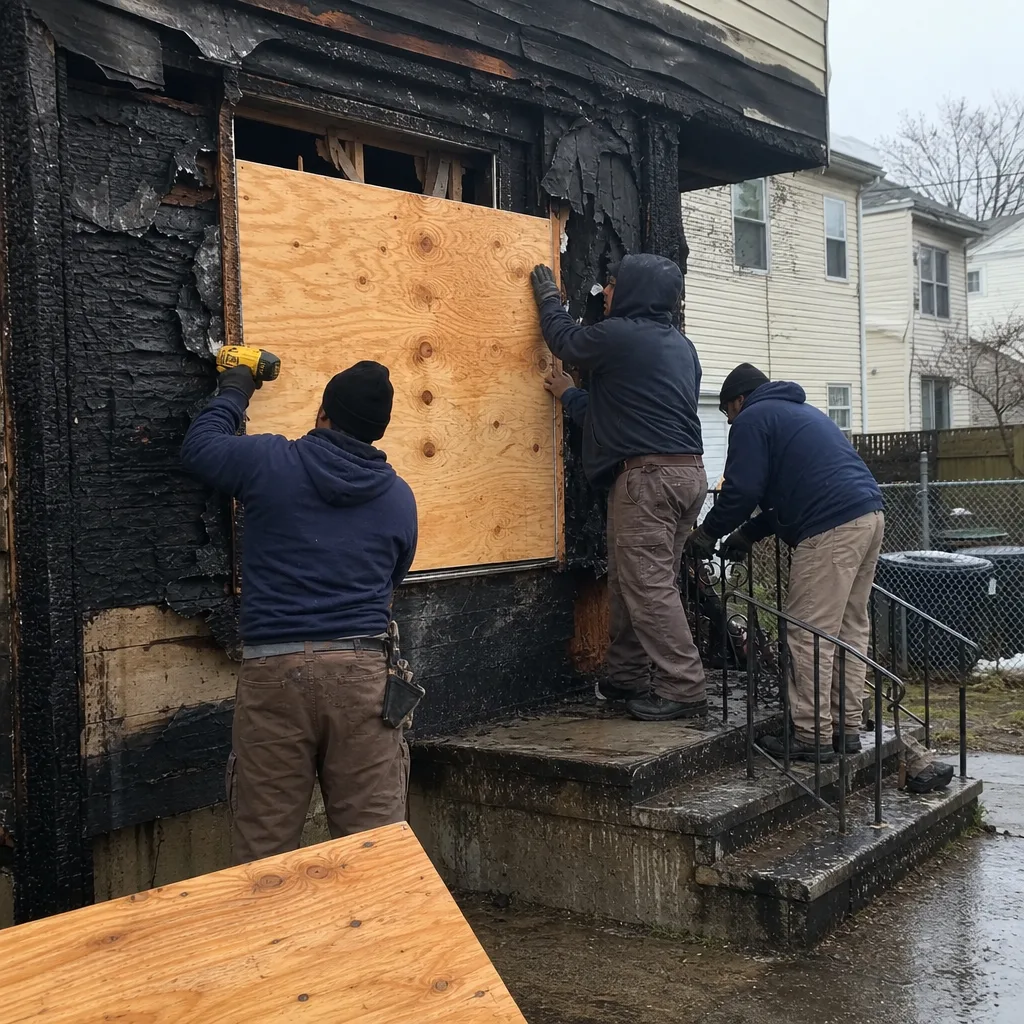
Burst Pipe Restoration
A frozen supply line or a cracked copper pipe releases clean water, but the damage pattern in a Howard Beach home can be extensive, flowing through finished basement ceilings and under vinyl flooring. We trace the full migration path, not just the visible spill, dry the hidden cavities, and repair or replace the affected surfaces to match what was there.
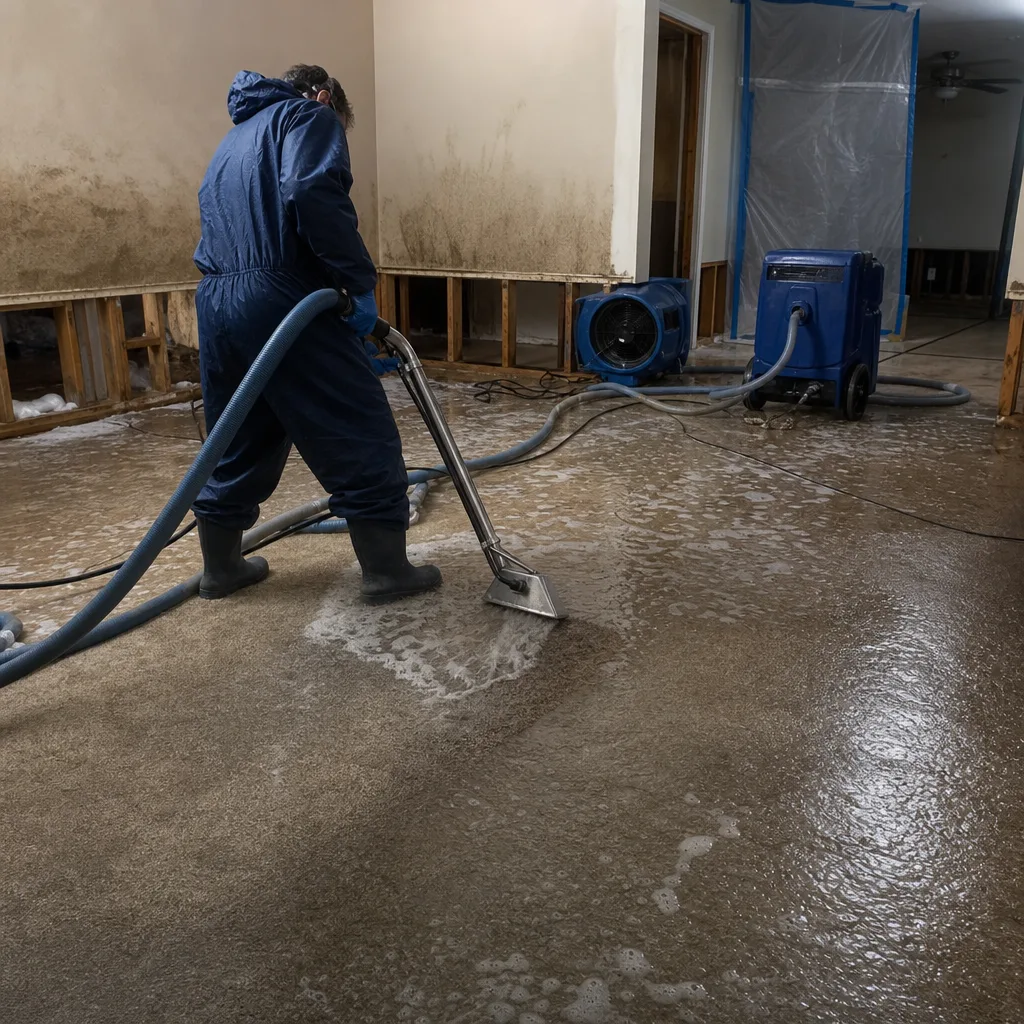
Basement Water Removal
Howard Beach basements are particularly vulnerable: below-grade spaces near the water table, often finished as extra living space. When water enters through a floor drain, a Bilco door, or a foundation crack, we remove it, dry the structure, and evaluate whether the entry point needs sealing, a better sump, or a backflow prevention system. Removing the water is step one; keeping it out is where we earn the call.
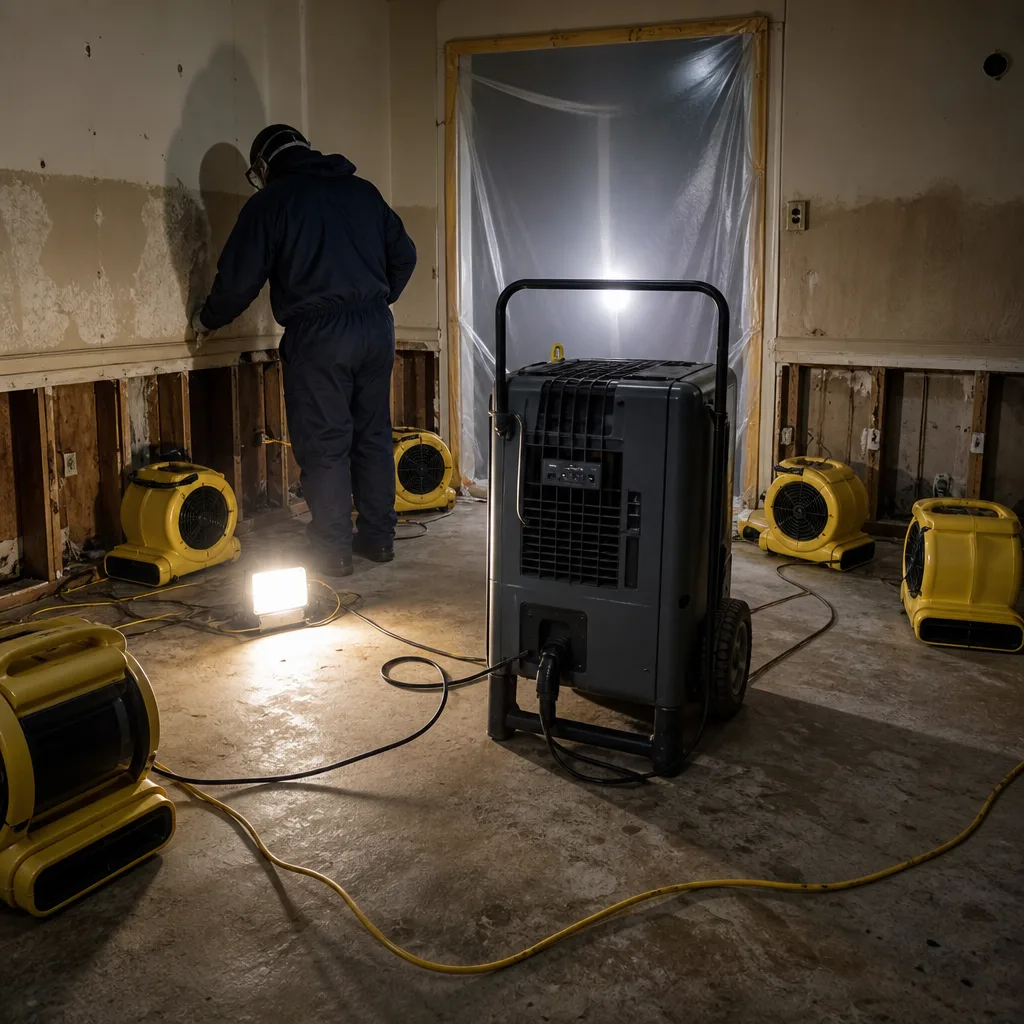
Ceiling & Roof Leak Water Damage
Roof leaks from wind-driven rain and aging flashing show up as ceiling stains, sagging sheetrock, and water inside light fixtures. On Howard Beach homes with older framing and multiple roof layers, the leak path can be far from the visible stain. We trace it, dry the cavity, and stop the structural damage from spreading into the joists.
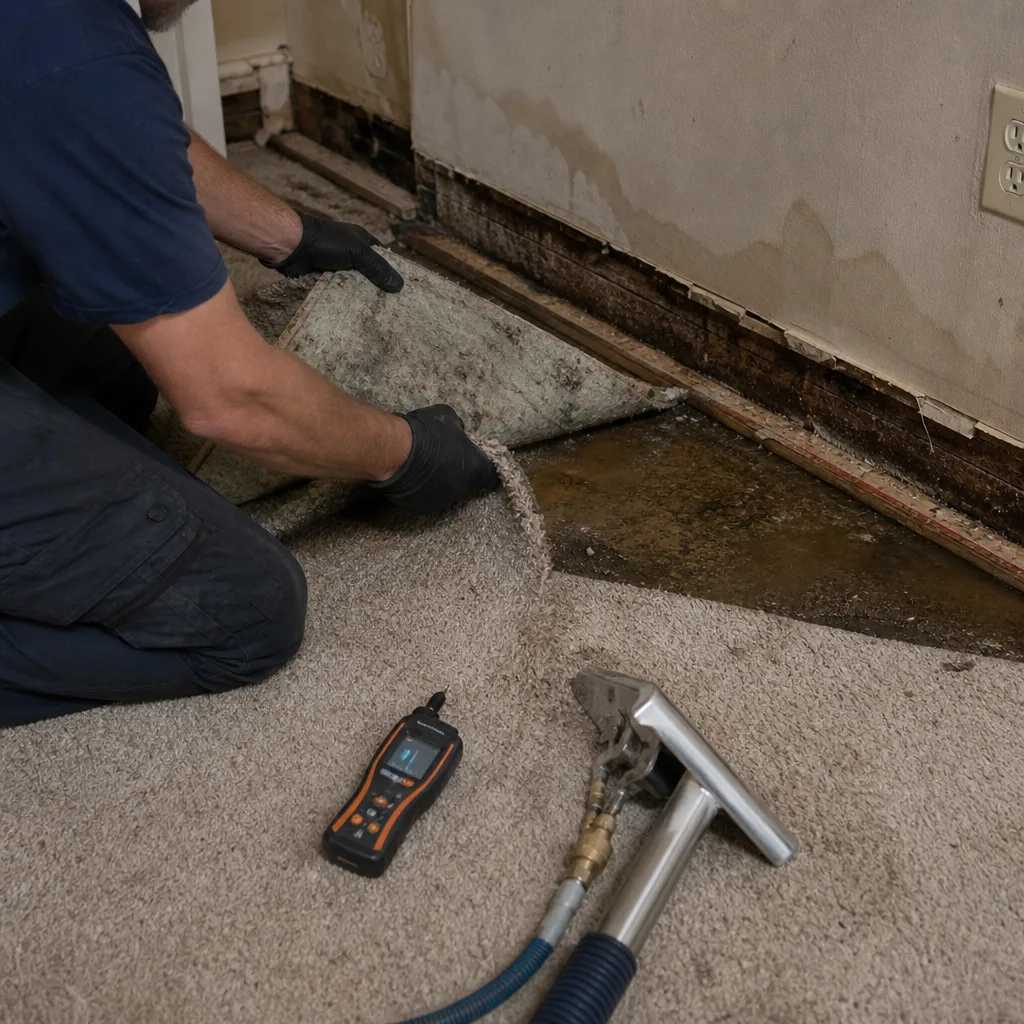
What happens when you call
- 1
A real person answersNo phone trees - you reach a local pro.
- 2
You get an upfront price rangeHonest numbers before anyone is dispatched.
- 3
A background-checked tech heads outLicensed & insured, dispatched right away.
- 4
You approve before work beginsNothing starts until you say go.
Water Damage Restoration Costs in Howard Beach, NY
What you’ll pay in Howard Beach depends on the category of water, the scope of the wet area, and what gets salvaged versus removed. A straightforward Category 1 basement pump-out and dry-down in a 600-square-foot space typically runs $1,800 to $3,500. Category 3 storm surge or sewage backup in a finished basement, with flood cuts, insulation removal, antimicrobial treatment, and structural drying, usually lands between $6,000 and $14,000, and if the salt has compromised sill plates or electrical, costs go higher. A full restoration and rebuild after a significant flood event can reach $30,000 to $70,000 or more depending on finishes and code requirements. The free visual inspection gives you a written scope with real numbers before any commitment, so you know exactly what the work involves and what your carrier will see. Direct insurance billing means we handle the claim from the first photo to the final invoice, and every job carries the 90-Day Done Right Promise in writing.
We Also Serve Cities Near Howard Beach
Our crews reach Howard Beach, Ozone Park, Woodhaven, and Ridgewood regularly, with the same 45-minute response commitment and the same live 24/7 dispatch. If you manage a rental or own a home near the Queens border of these neighborhoods, the number is the same: (716) 412-2972.
Howard Beach Water Damage Restoration Questions, Answered
How does saltwater flooding in Howard Beach change what gets dried versus what gets torn out compared to a freshwater pipe burst?
Saltwater flooding changes the removal line because chloride residue stays in materials long after the water is gone. In a freshwater pipe burst, we can often dry drywall, insulation, and carpet pad in place. After a Jamaica Bay surge or tidal backflow, we treat it as a saltwater event from the start: remove saturated drywall and insulation at the flood line plus the wicking margin, test framing for chloride penetration, and replace any steel hardware showing corrosion. The salt continues pulling humidity out of the air even after dehumidification stops, so drying in place is a false economy here. Call (716) 412-2972 and we’ll tell you honestly which approach fits your specific loss.
My Howard Beach basement has flooded from tidal backflow through the floor drain twice this year. Is drying it out enough, or do I need a different fix?
Drying it out again without changing the entry point just sets up a third flood. Tidal backflow through the floor drain means the drain line doesn’t have a working check valve, or the valve is corroded and failing. After extraction and drying, we evaluate the drain configuration and recommend a proper backflow prevention device sized for the pipe, plus any sealing at the slab penetration. The restoration restores what was damaged; the fix prevents it from repeating at the next king tide. Call us at (716) 412-2972 and we’ll inspect both the damage and the water path.
How quickly does mold become a real risk after a Howard Beach flood, given the humidity off Jamaica Bay?
Mold can establish in 24 to 48 hours after saturation, and Howard Beach’s bay humidity shortens that window. Salt water doesn’t slow it down, and a wet, dark basement cavity stays humid even after the standing water is gone. The real risk is hidden: inside wall cavities, under baseboards, and behind the vapor barrier where you can’t see it. That’s why we start antimicrobial treatment and professional-grade drying equipment the same visit, and why we cut inspection openings at the sill plate where moisture wicks up from the slab. If you suspect mold behind a wall, call (716) 412-2972, and we’ll scope the cavity before it spreads into the framing.
After Hurricane Sandy, many homes in Howard Beach were elevated. Does that make restoring water damage easier or harder now?
Both, depending on the loss. Elevated homes have their mechanicals relocated to the new first floor, so a flood that would have destroyed a furnace and water heater in 2011 may now leave those systems dry. But the old below-grade level still exists as a crawlspace or unfinished lower area, and tidal backflow still reaches it. Restoration in these homes requires sealing and ventilating that cavity so the next king tide doesn’t push water up through the slab and undo the drying work. We also check the elevation project’s original waterproofing, because some post-Sandy retrofits were rushed and the seams fail within a decade. Call (716) 412-2972 for a careful look at your structure’s specific configuration.
My Howard Beach house has a finished basement that flooded with sewage backup during a nor’easter. What does your restoration process look like?
First, extraction and containment while we identify the sewage path and confirm the extent of contamination. Then we cut flood inspection openings at the sill plate and bottom plate, remove the wetted drywall, insulation, and flooring, and run Dri-Eaz LGR dehumidifiers with XPOWER air movers until the framing reaches the dry standard. A Category 3 loss like this also requires antimicrobial treatment, HEPA air scrubbing, and confirmation that the sill plates aren’t wicking saltwater from the slab. After that, we rebuild with stainless hardware in the flood-prone cavities and coordinate the line-item scope with your carrier. Call (716) 412-2972 and a certified crew starts the same visit.
Can I stay in my Howard Beach home during water damage restoration?
For a small, isolated pipe leak in an unfinished area, staying is usually fine. For a Category 3 flood or sewage loss, especially in a finished basement that connects to the living space, we recommend staying elsewhere until the contaminated material is removed and the air scrubbing is running. The decision depends on the category of water, the location of the loss, and whether the HVAC system is moving affected air through the house. We’ll give you a straight answer at the visual inspection, and we’ll work with your carrier on the loss-of-use portion of the claim if relocation is needed. Call (716) 412-2972 to talk through your specific situation.
What certifications do your Howard Beach restoration crews have?
Our technicians are certified to IICRC standards, including WRT (Water Restoration Technician), ASD (Applied Structural Drying), and AMRT (Applied Microbial Remediation Technician) where the job requires it. They’re trained to RIA and IFA standards as well. Every technician is background-checked and uniformed, and every job is run under the 90-Day Done Right Promise, which we put in writing before work starts. If something isn’t right within 90 days of completion, we come back and make it right, no arguing. Call (716) 412-2972 and talk to a live person about your property.
What should I do in the first 30 minutes after discovering water in my Howard Beach home?
Call (716) 412-2972 first, because every minute the water sits in a Howard Beach basement, it’s wicking up drywall, soaking framing, and corroding whatever it touches. Then, if safe to do so, shut off the water supply or the main electrical breaker to the affected area; don’t walk through standing water if there’s any chance it’s in contact with an outlet or cord. Don’t try to vacuum water up with a shop vac; it handles inches, not flooding. Document what you can with your phone before we arrive, and let our crew handle the extraction and drying. We’ll be there within 45 minutes for most Howard Beach addresses.
Serving Howard Beach, NY - Our Local Coverage Area
We’re based in the Howard Beach area and know this community well. Use the map below to see our service coverage - if you’re nearby, we can almost certainly help.
One Thing Every Howard Beach Homeowner Should Know About Salt Water
Here is what we’ve learned doing water damage restoration in Howard Beach for years: the salt-laden surge from Jamaica Bay leaves a chloride residue in wall cavities, under slabs, and inside framing that ordinary freshwater drying never addresses. The water is gone, the drywall feels dry, the dehumidifiers come off, and three weeks later the wall is wet again, because the salt trapped in the building material keeps pulling humidity out of the air. We treat every Category 1 extraction in Howard Beach as a potential saltwater event unless we prove it isn’t. Our moisture mapping flags hidden salt bands that will re-wet drywall weeks after the drying logs are signed, and we test the framing for chloride before new rock goes up. It’s the difference between a job that holds and a job that quietly fails, and it’s why a Howard Beach restoration can’t be run off a generic checklist.
On a 90th Street basement just off Hawtree Creek, our crew pulled out a finished rec room after a nor’easter pushed three feet of bay water through the Bilco doors. We cut the drywall at the 4-foot line, found the sill plates wicking saltwater up from the slab, and ran a Dri-Eaz LGR 7000 with two XPOWER air movers for six days. Then we swapped every galvanized strap and anchor bolt for 316 stainless before the new rock went up. That’s the Howard Beach standard, and it’s what we mean when we say the line the water left is where we start.
Need a straight answer about water damage in Howard Beach? Call (716) 412-2972 now. A live person answers, and a certified crew reaches most addresses within 45 minutes. Free visual inspection, direct insurance billing, and the 90-Day Done Right Promise in writing. If it’s not done right, we make it right. That’s the deal, and we stand behind it.
Written by Curt Bowman, Owner at Floodline Restoration Co., serving Howard Beach and surrounding New York City neighborhoods since 2010.