
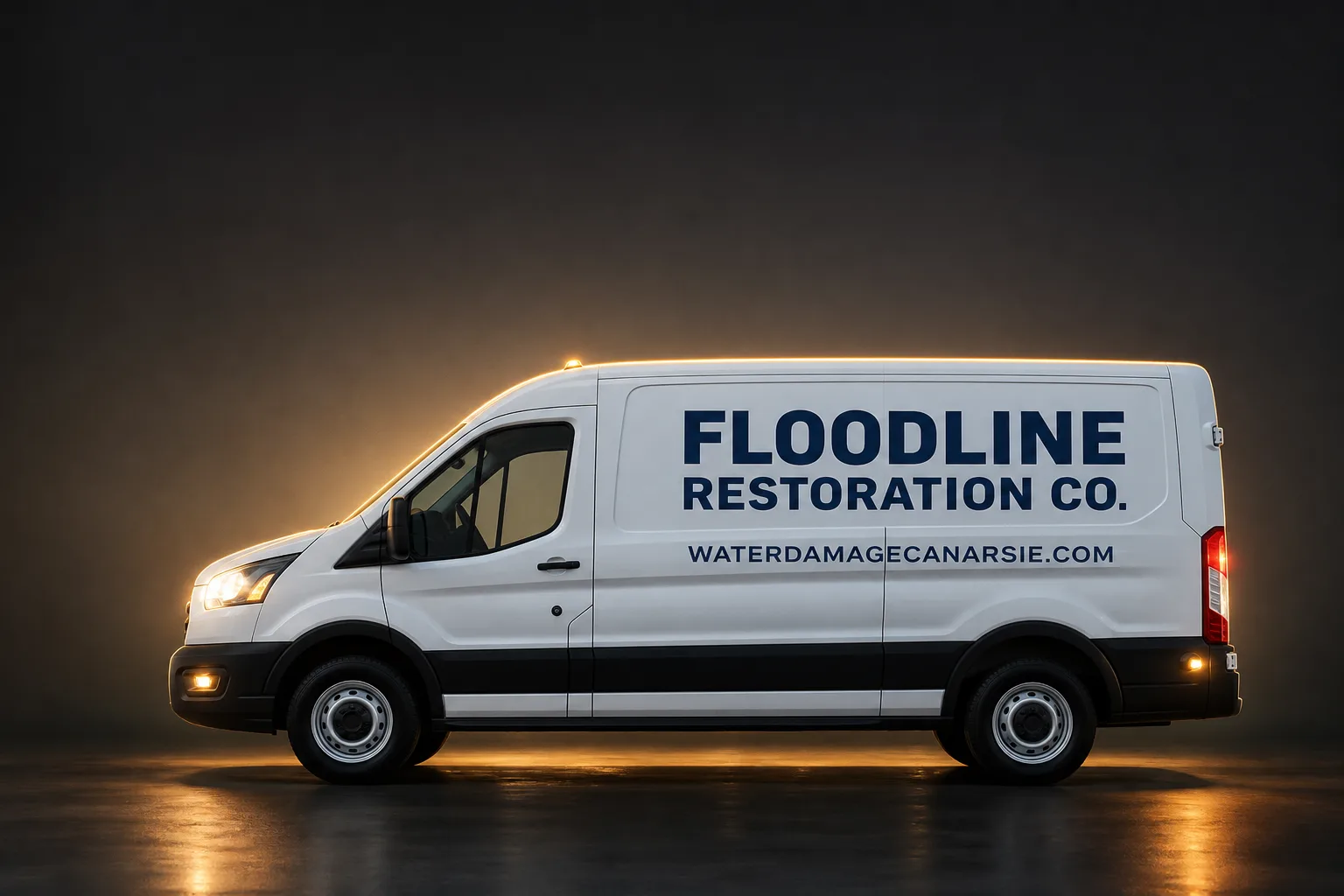
Free visual inspection and a written scope of work before any mitigation begins - photos, moisture readings, and drying logs go in your claim file
The scope we write is the scope we bill. Anything new gets shown to you, in writing, before we touch it.
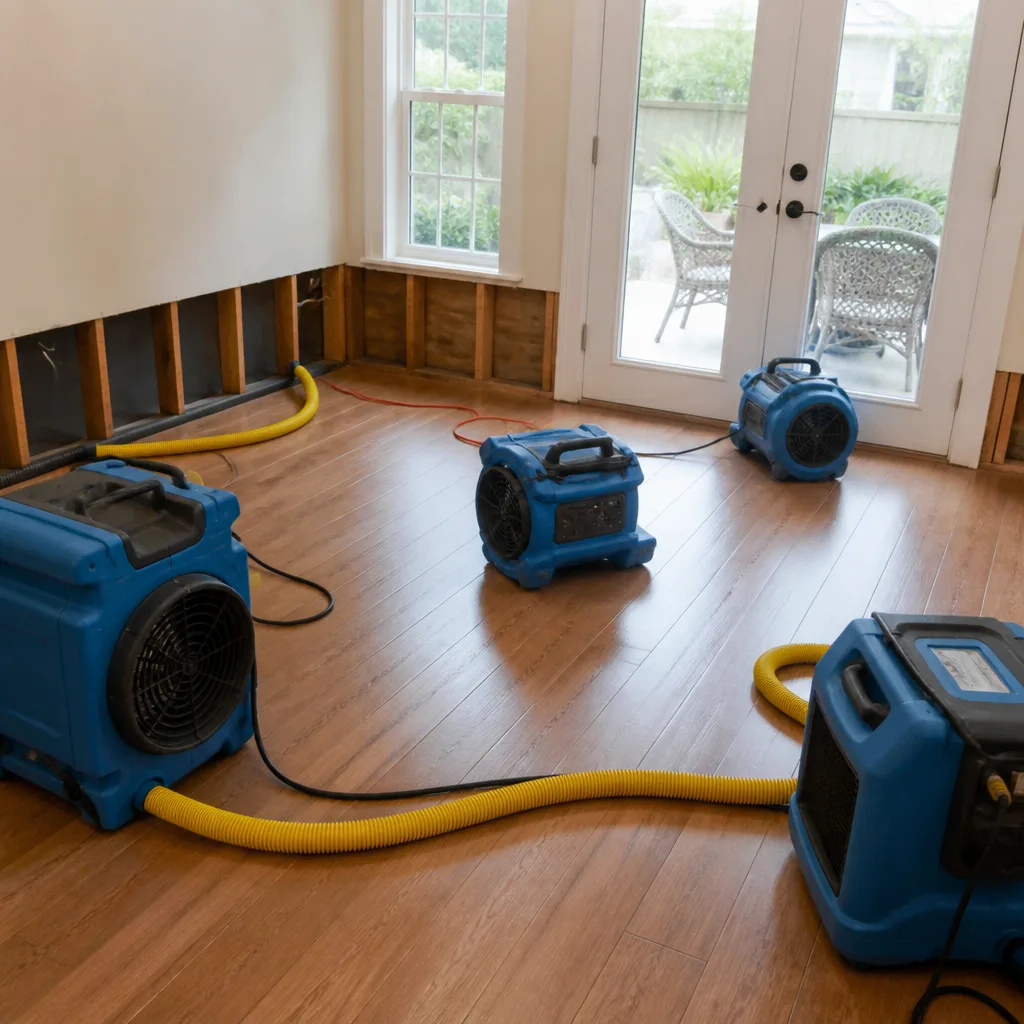
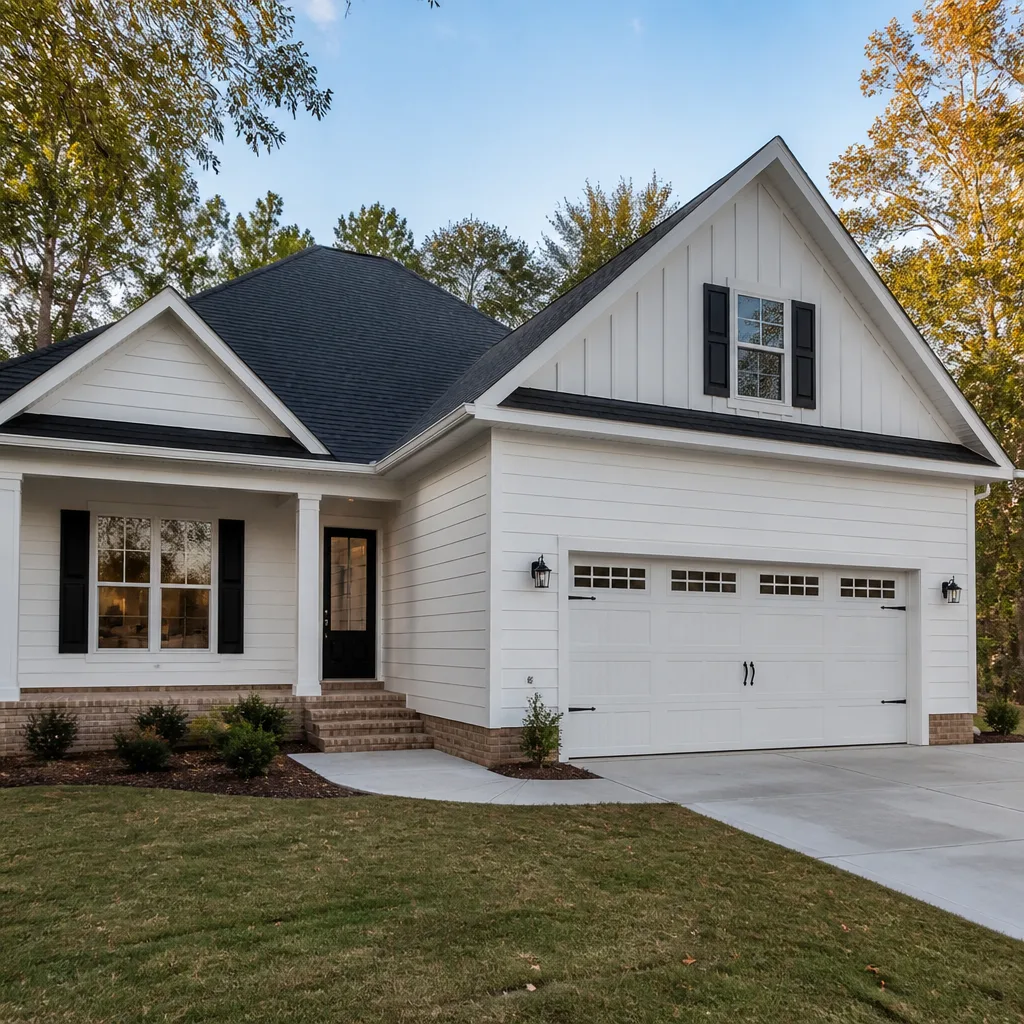
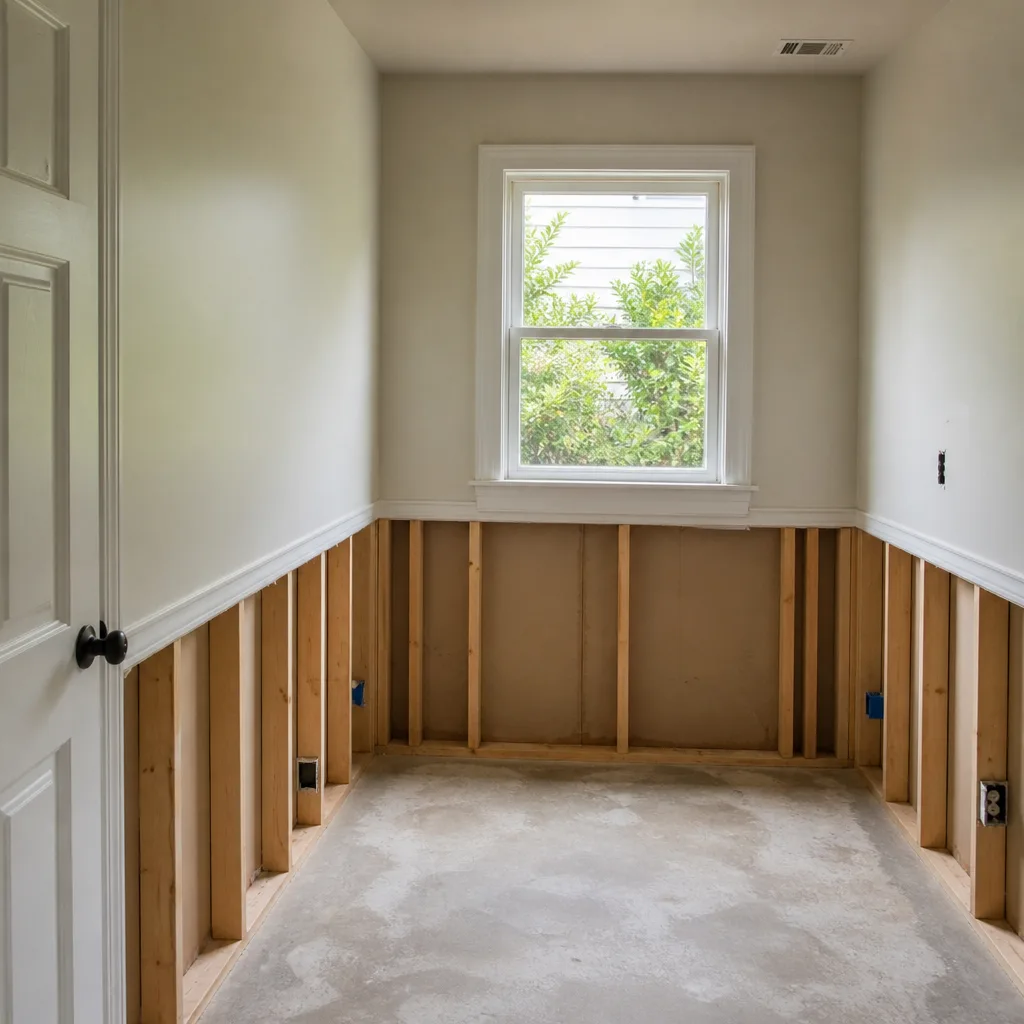
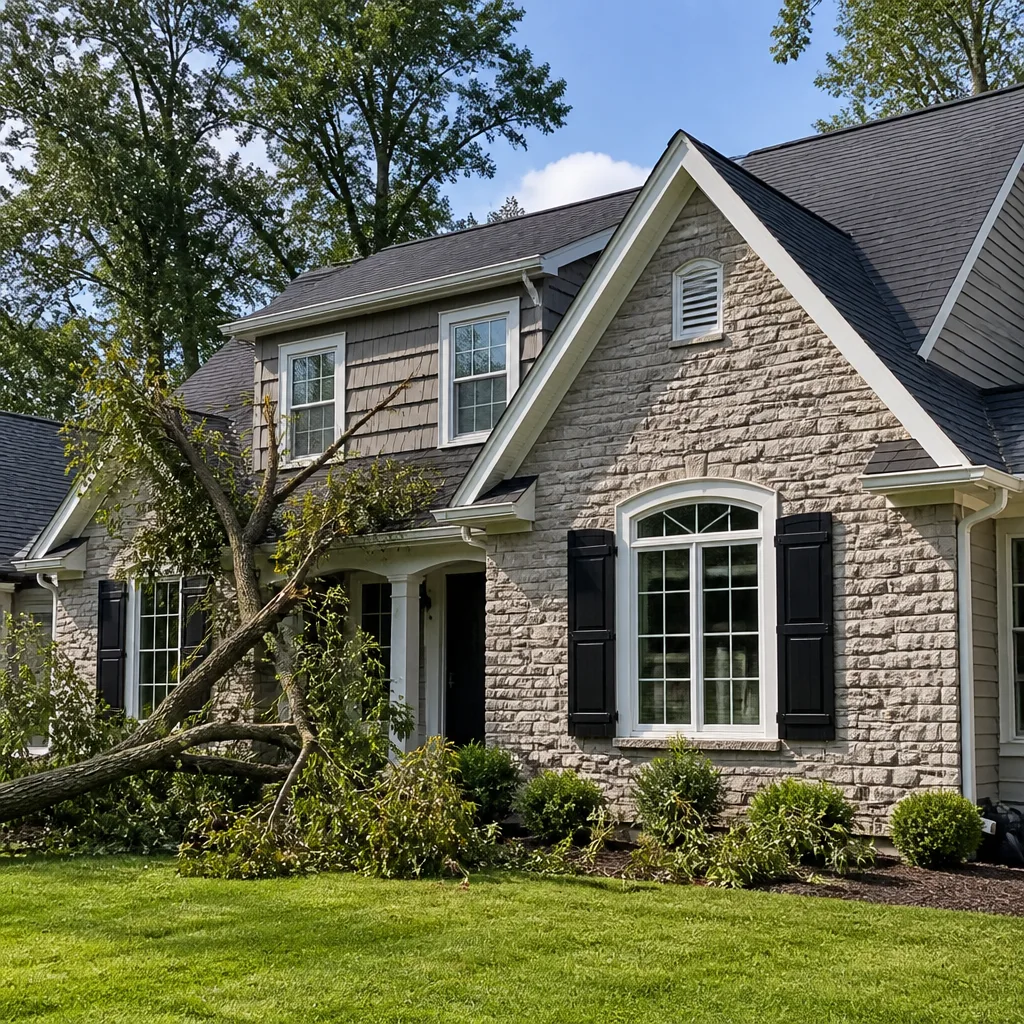
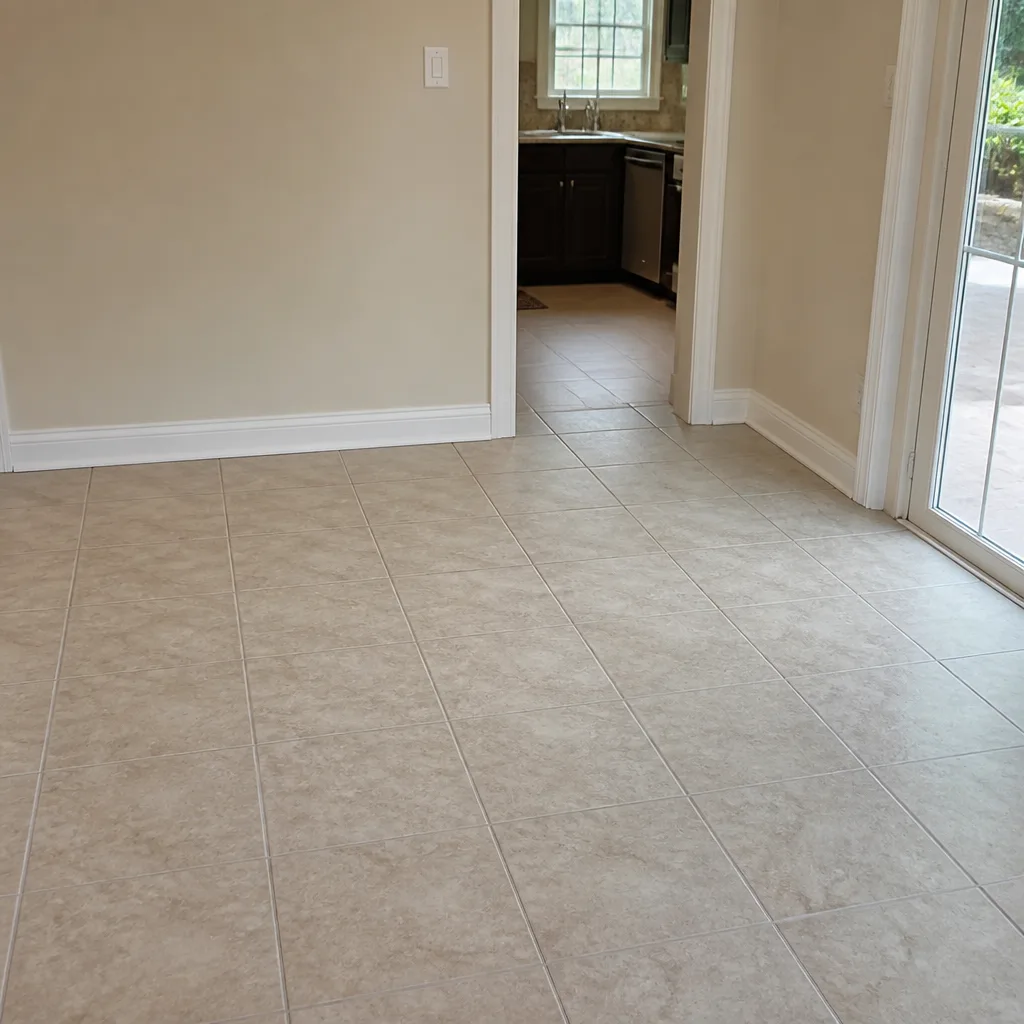
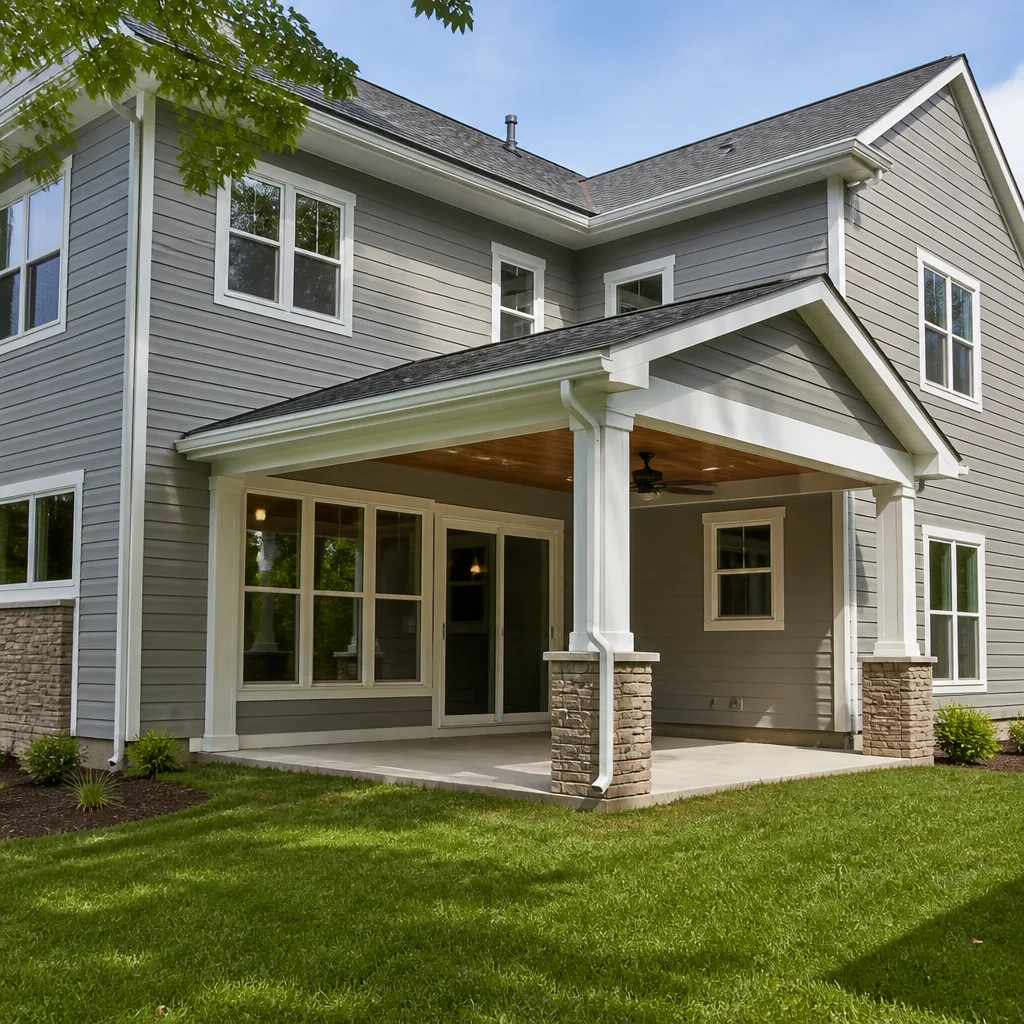
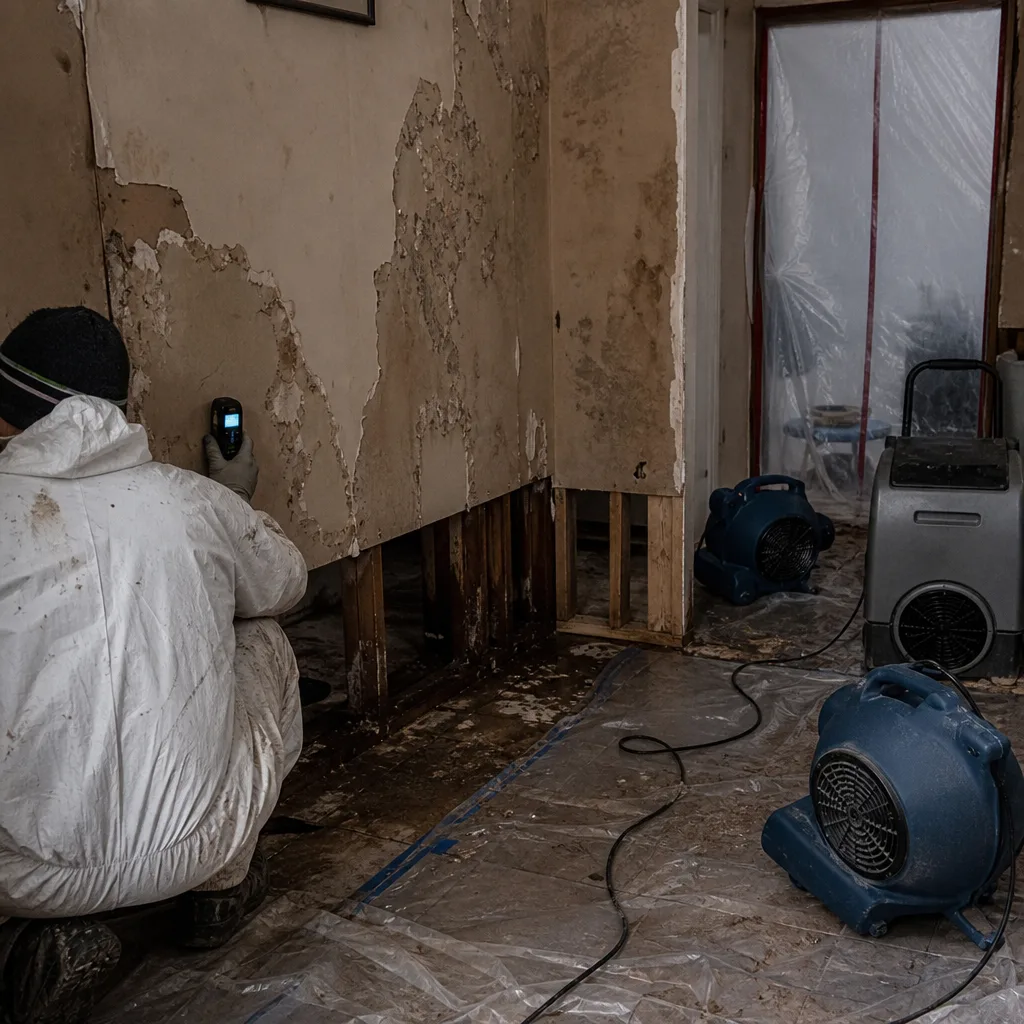 Before
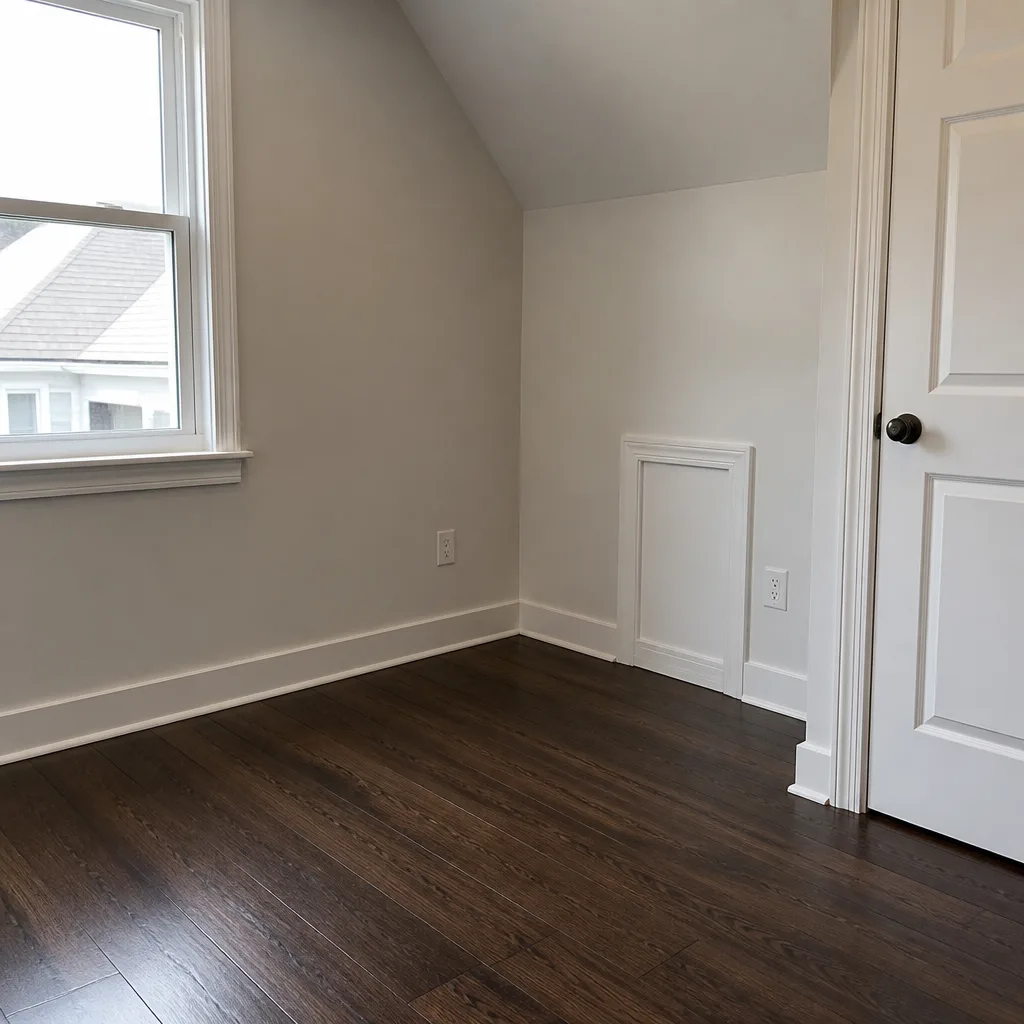 After
After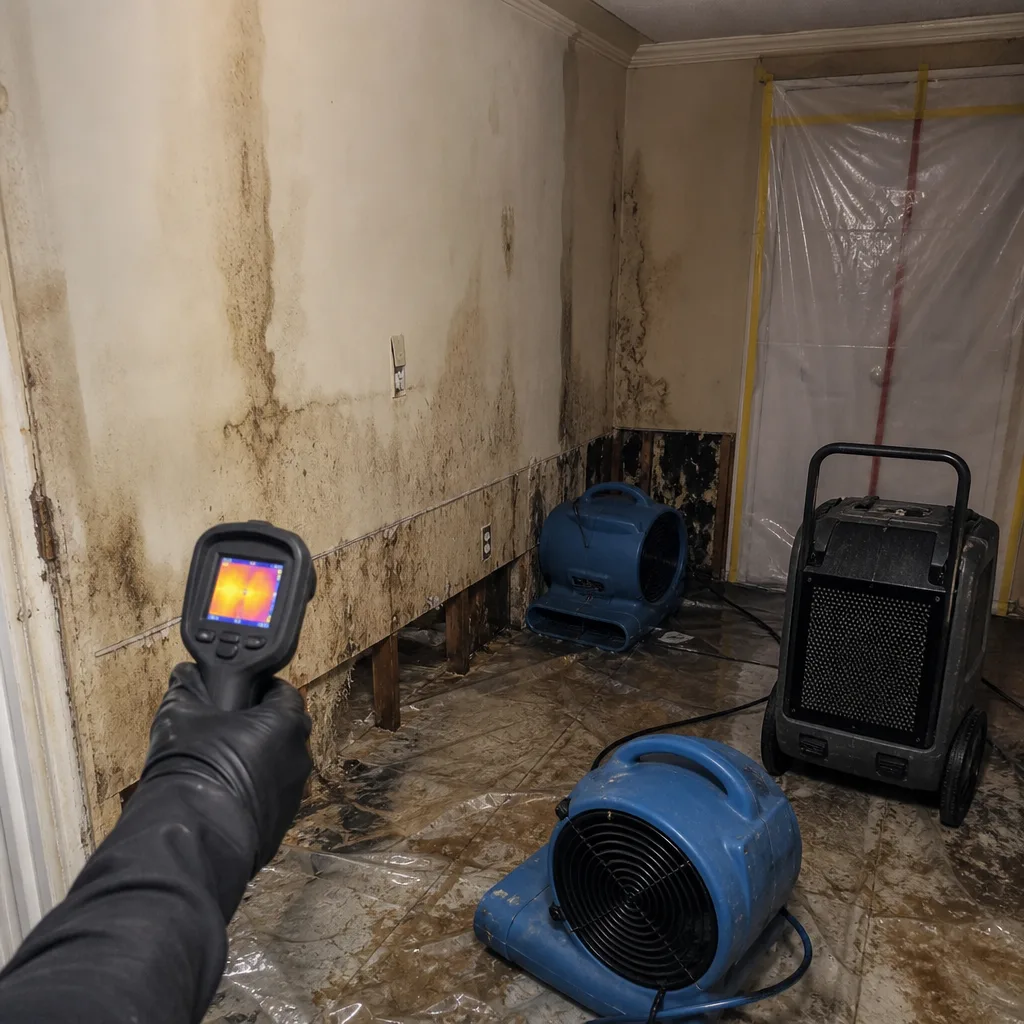 Before
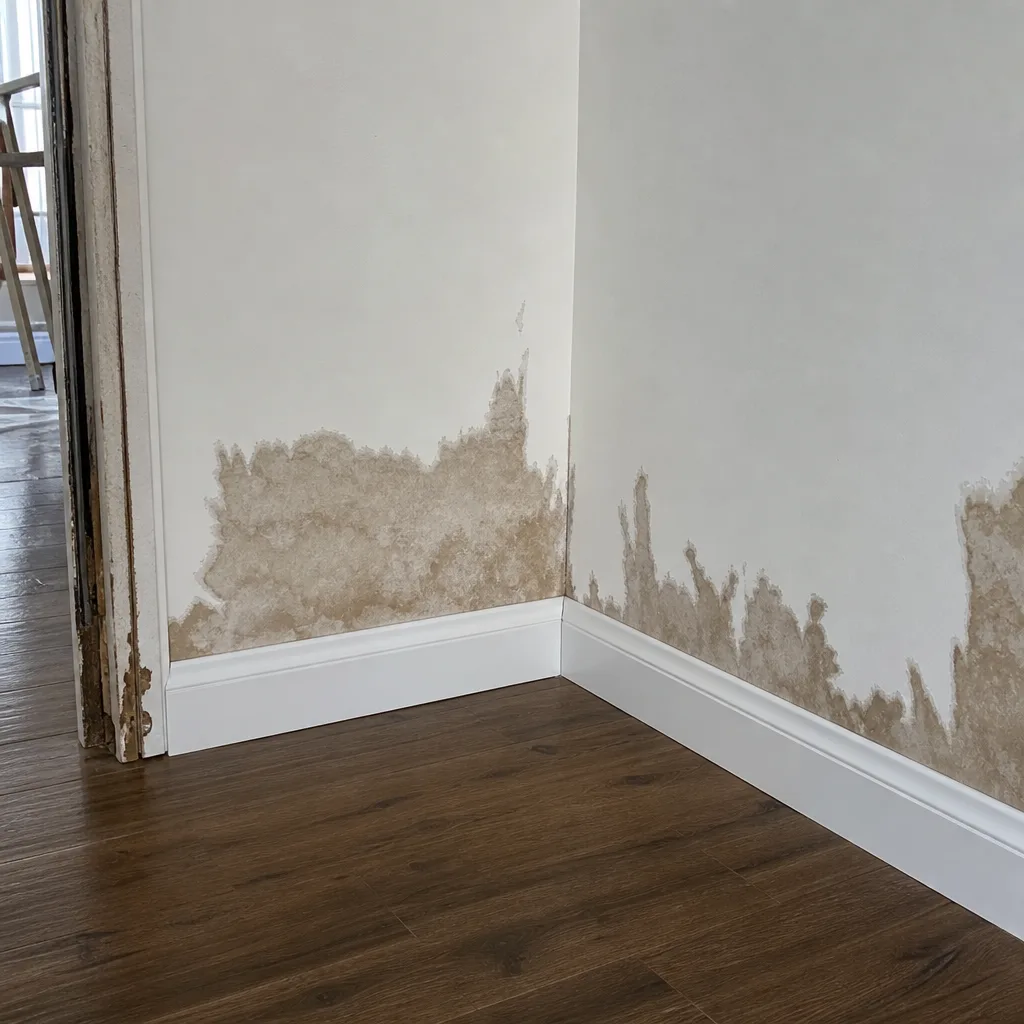 After
After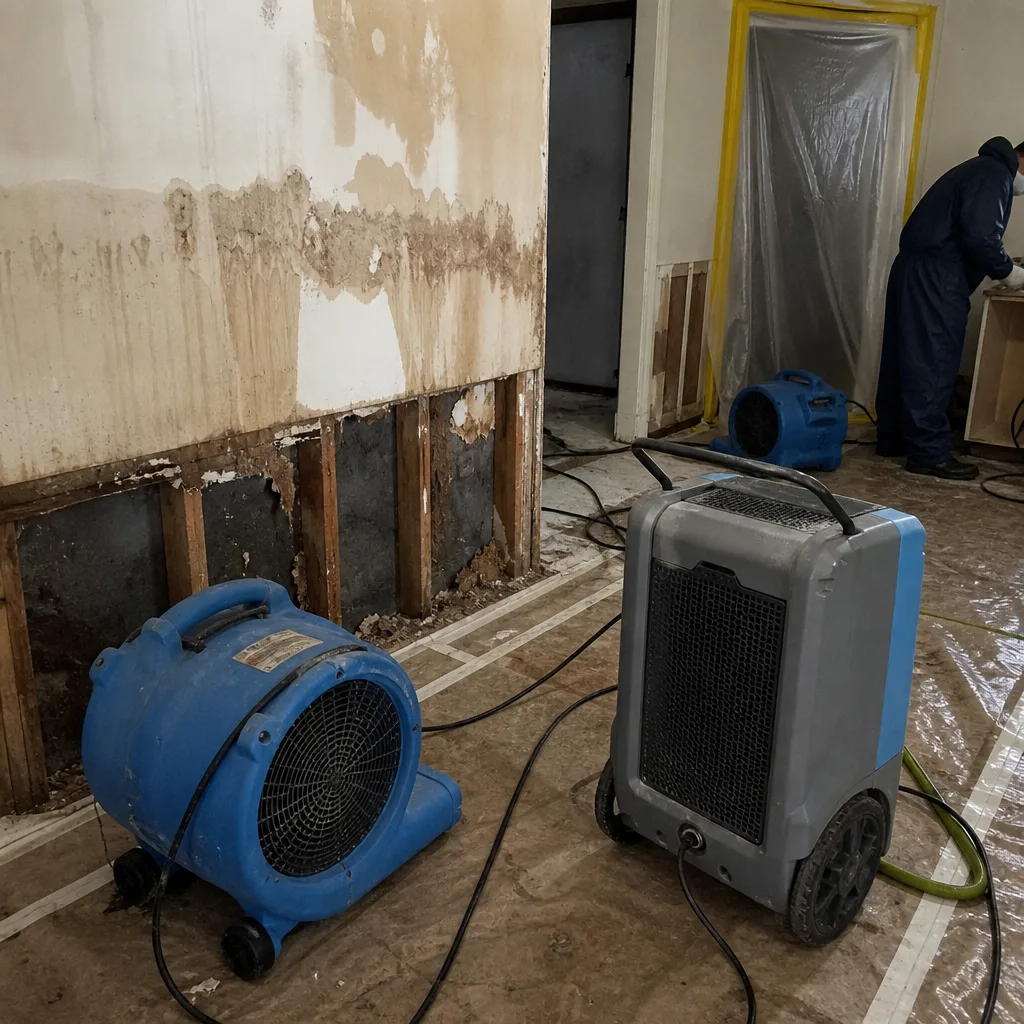 Before
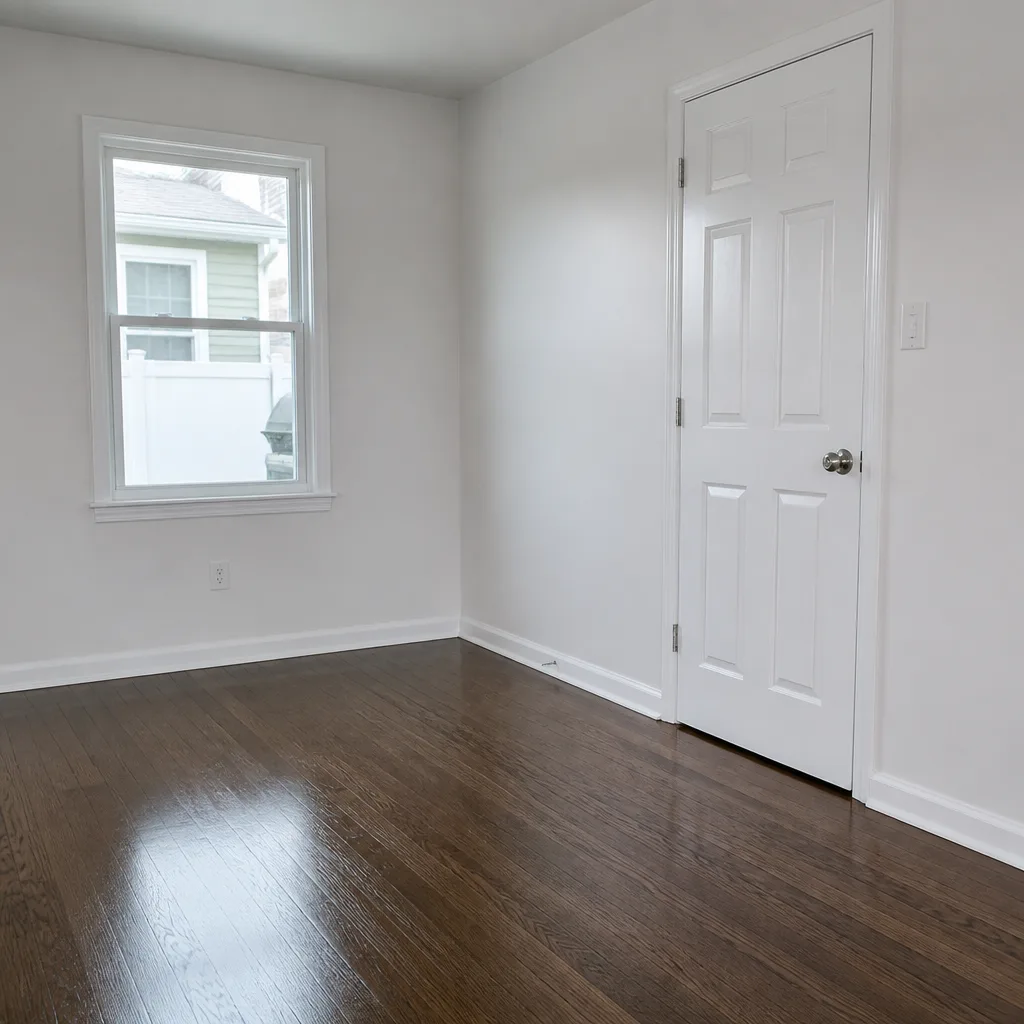 After
After24/7 Emergency Water Damage Restoration in Coney Island
Water damage restoration in Coney Island almost always means one thing: saltwater. Whether a nor’easter pushed the Atlantic over the boardwalk or a fifty-year-old supply line let go inside a Mermaid Avenue bungalow, the first hour decides what can be dried and what has to be torn out. We answer the phone live at (716) 412-2972, any hour, and a certified crew is dispatched inside the Coney Island area the same visit. The inspection is free. The assessment is honest. And because we know how salt moves through these structures, we start mitigation before the water line finishes drying.
Understanding Water Damage Restoration Severity in Coney Island Properties
Water damage is categorized in three ways. Category 1 is clean water from a supply line. Category 2 carries contaminants from appliances or sump failures. Category 3 is grossly contaminated, and in Coney Island that category has a specific local meaning: Atlantic storm surge, mixed with sewage, fuel residue, and enough dissolved salt to corrode a copper line in weeks rather than years. The housing stock makes severity worse. Mid-century NYCHA brick high-rises hold water in basement mechanical rooms where boilers and panels sit in the lowest point of the building. Wood-frame bungalows built as seasonal beach cottages have shallow crawlspaces that trap humidity long after the standing water is pumped. We classify the water, moisture-map every affected surface with thermal imaging and hygrometers, and write a drying plan that accounts for the salt load. That last part is what separates restoration here from restoration in Flatlands or Canarsie. Salt changes everything.
Why Coney Island Property Owners Choose Floodline Restoration Co.
- Dispatch inside 45 minutes. Coney Island is our home turf-we know the routes down Surf Avenue, Neptune Avenue, and Cropsey Avenue without a map, and a live dispatcher is on the phone now.
- 24/7 live answer, never an automated system. A real person picks up at 2 a.m. during a nor’easter. That person knows what to ask and who to send.
- IICRC-certified crews. Our technicians carry WRT, FSRT, and AMRT certifications, and they arrive uniformed and background-checked. No subcontractor roulette.
- Free visual inspection, firm scope. We walk the site, read the moisture numbers, and hand you a written scope before any work starts. No pressure, no surprise line items.
- Direct insurance billing. We document the loss from the first hour, handle the adjuster communication, and bill your carrier directly. You don’t play messenger.
- One team, extraction to rebuild. The same crew that reads the moisture map on day one is there for daily readings, the drying log, and the reconstruction. No mid-job handoff to a crew that never saw the damage.
Our Water Damage Restoration Process
Inspection & Assessment
We classify the water category, map moisture with thermal imaging and penetrating meters, and check for salt deposits. We identify what can be dried and what must be removed.
Water Extraction
Submersible pumps and truck-mounted extraction units pull standing water fast. On Coney Island jobs, we pull the water but leave the salt-because salt needs a separate treatment step.
Drying & Dehumidification
Dri-Eaz and Phoenix air movers paired with low-grain refrigerant dehumidifiers create the pressure differential that pulls water from joists, drywall, and subfloor. Daily readings are logged until the dry standard is met.
Cleaning & Sanitization
Antimicrobial treatments, HEPA air scrubbing, and hard-surface cleaning remove contamination. For saltwater, this stage includes salt-purge rinses on affected framing and mechanical components.
Specialty Saltwater & Corrosion Treatment
This is the step generic water damage companies skip here. We apply anti-corrosion coatings to fasteners, electrical connections, and HVAC components and document everything for your insurer.
Repairs & Restoration
Drywall, flooring, trim, and paint return your home to the way it was-or better. The same crew that extracted water handles the rebuild. Done right, backed in writing.
Need Emergency Water Damage Restoration in Coney Island Now?
Crews minutes away, answering live 24 hours a day. The sooner we start, the less it costs.
Working With Your Insurance Company
In Coney Island, most water damage claims involve NFIP flood policies, and those carriers have their own standards for documentation. We’ve seen what gets kicked back and what gets approved. We photograph every affected surface room by room before we move a single sheet of drywall. We keep a time-stamped moisture log with daily readings. We write a line-item scope using industry-standard Xactimate pricing. And we speak directly with your adjuster, in their language. Flood insurance covers saltwater remediation steps when they’re documented as part of the loss-not as optional extras. Our documentation makes that case for you.
What We Provide Your Insurer
- Thorough documentation of the loss
- Photos of all damage, room by room
- Moisture readings and drying logs
- A detailed, line-item scope of work
- Direct coordination with your carrier
Built for Coney Island’s Loss Calendar
Coney Island’s water damage season doesn’t follow the same calendar as inland Brooklyn. Summer brings hurricane season, when a tropical system can push a wall of water across the peninsula in an afternoon. Fall and winter mean nor’easters-the storms that have hit this shore hardest in recent memory. January and February deep freezes burst supply lines in uninsulated bungalow crawlspaces and unheated mechanical rooms. Spring thaw brings a slower problem: saturated soil and rising groundwater seeping through foundations that were never built for year-round occupation. Every season has a different failure mode. Our crews live here, and we’ve worked every one of them. When you call us in February about a burst pipe, we check for the salt damage that’s been accumulating since the last surge.
Water Damage Restoration Across Coney Island’s Neighborhoods
The bungalow blocks off Mermaid Avenue and Neptune Avenue are our most frequent calls. These wood-frame homes, many elevated on piers after Sandy, have open undercarriages that let salt air work on HVAC and plumbing year-round. The NYCHA towers along Surf Avenue carry a different pattern: basement mechanical rooms flooded in bulk during Sandy, and again in smaller events since, where Category 3 saltwater sat against electrical gear long enough to require replacement rather than cleaning. Sea Gate, the private community at the western tip, has its own gate, its own maintenance crews, and often its own insurance complications-we coordinate with all three. West 8th Street and the blocks around the Aquarium are mixed-use and aging, with cast-iron supply lines that fail without warning. No two blocks respond the same way to water. We’ve learned the differences by working them.
Specialized Water Damage Restoration Services We Offer in Coney Island
Emergency Water Extraction
Standing water in a Coney Island bungalow doesn’t just ruin flooring-it saturates the crawlspace joists that were never strapped or sealed for moisture. We get pumps running fast and pull the water before the framing drinks it in. Saltwater extraction includes a separate containment step to keep contaminated water from spreading into dry areas.
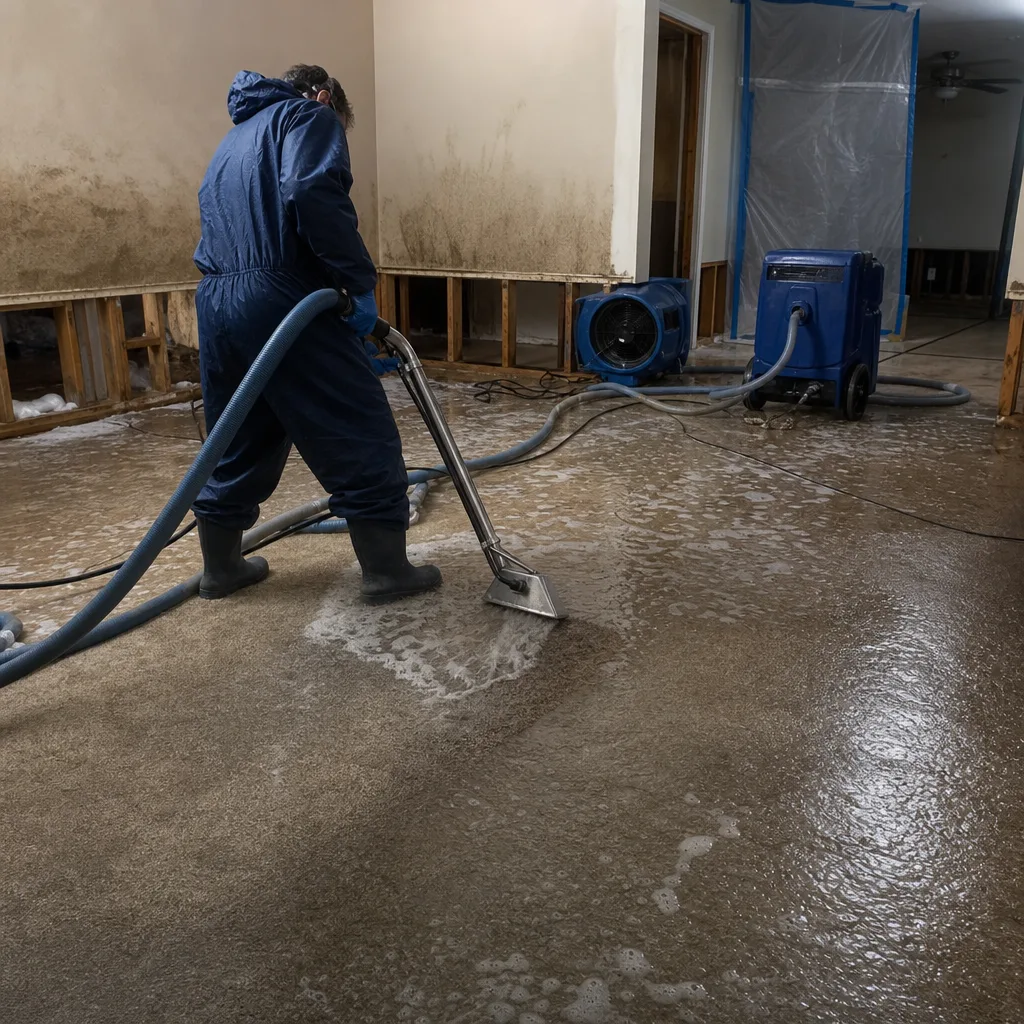
Structural Drying & Dehumidification
Drying a Coney Island structure properly means managing the ocean’s humidity against the building’s interior. XPOWER and B-Air air movers push warm, dry air across wet surfaces while Phoenix dehumidifiers pull moisture from the air. Daily moisture readings tell us if we’re winning or losing, and we adjust equipment placement until the numbers hold.
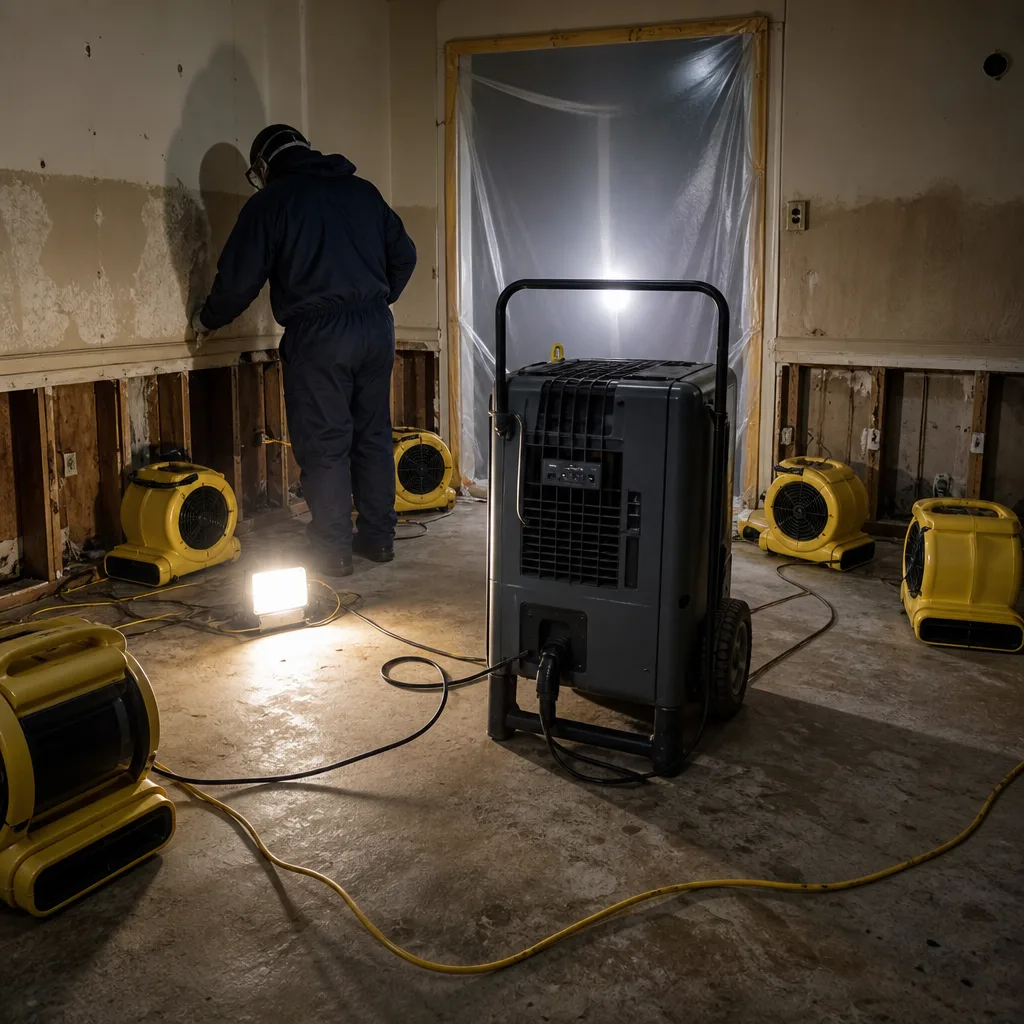
Flood Cleanup
Storm surge here leaves more than water. It leaves sand, salt, sewage, and whatever the ocean carried in. We remove the contaminated material, sanitize what can be saved, and document the category of water for your flood claim. Full-cycle Flood Cleanup in Coney Island means treating the salt, not just the water.
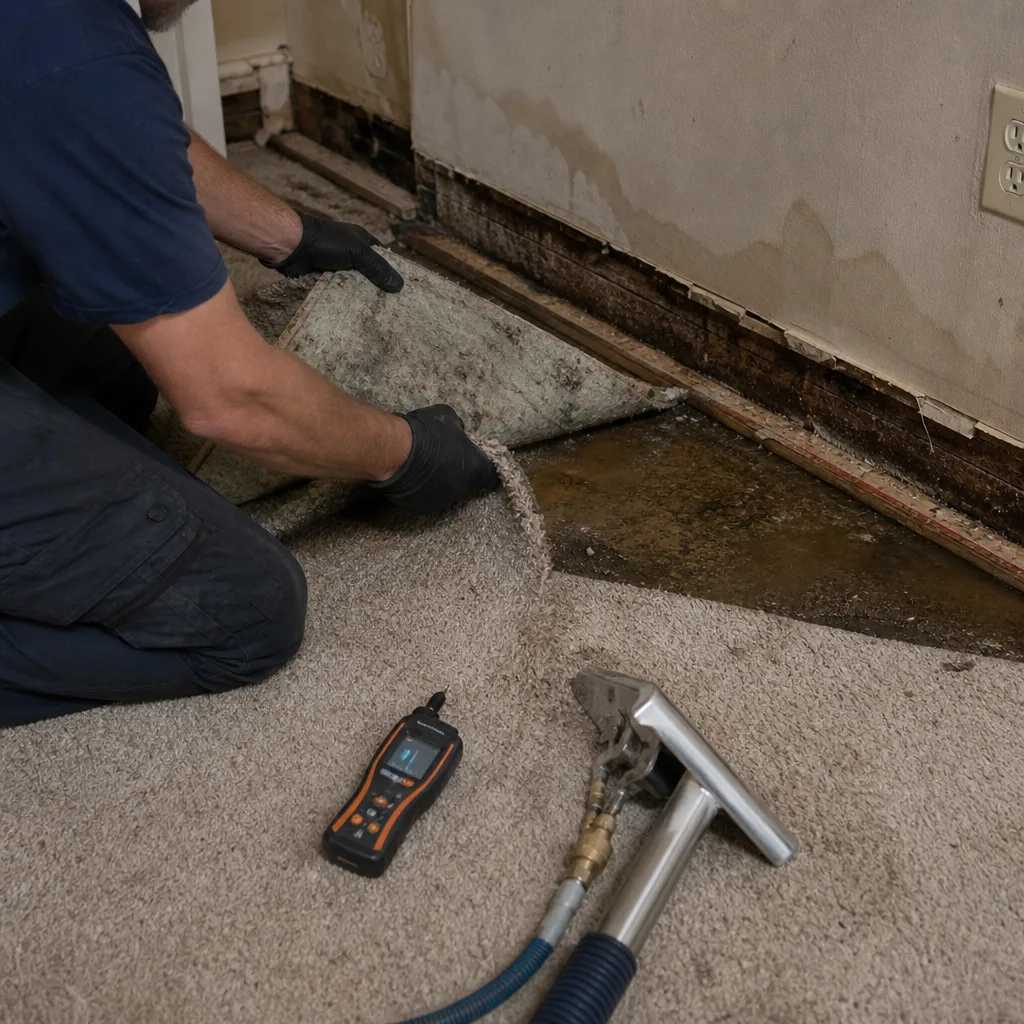
Burst Pipe Restoration
February freezes hit Coney Island’s raised bungalows hard. An uninsulated supply line under an elevated floor will freeze before the indoor temperature even drops. We stop the source, extract the water, and dry the affected areas-then check the line’s neighbors, because a freeze that got one pipe usually stressed others.
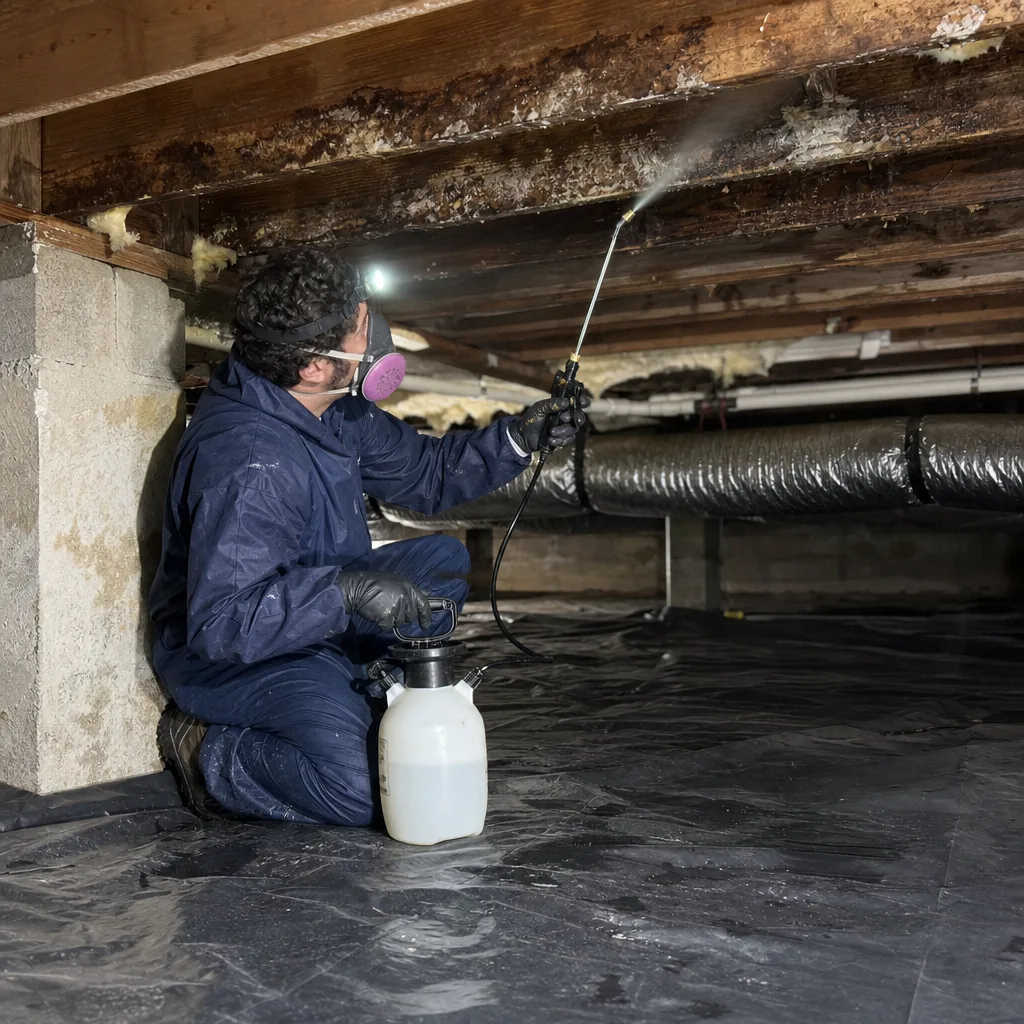
Basement Water Removal
NYCHA basement mechanical rooms and the rare below-grade bungalow cellar all face the same problem: water finds the lowest point and sits there. We pump, contain, and de-energize electrical systems if Category 3 water made contact, then document for the building’s carrier and your adjuster.
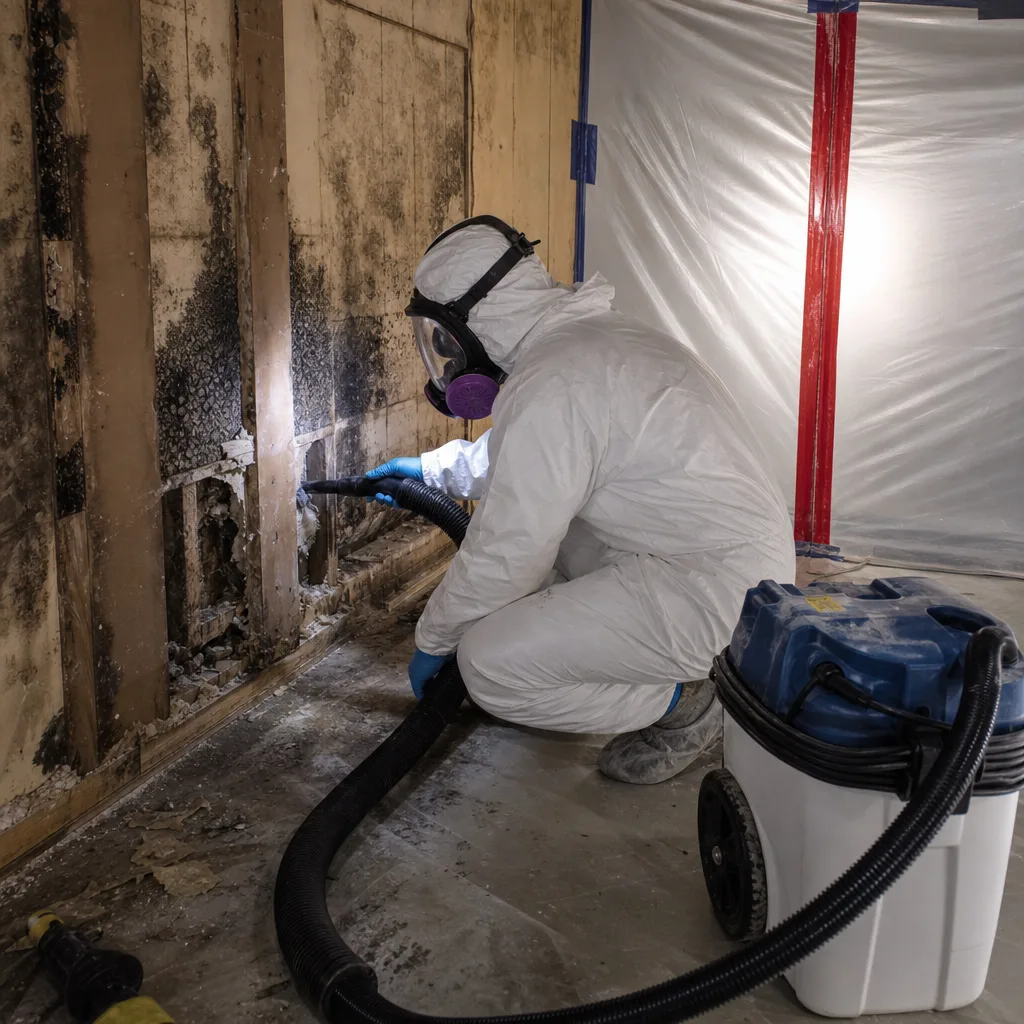
What happens when you call
- 1
A real person answersNo phone trees - you reach a local pro.
- 2
You get an upfront price rangeHonest numbers before anyone is dispatched.
- 3
A background-checked tech heads outLicensed & insured, dispatched right away.
- 4
You approve before work beginsNothing starts until you say go.
Water Damage Restoration Costs in Coney Island, NY
A straight Category 1 water extraction in a Coney Island bungalow with minimal damage typically runs $1,800 to $3,500. Structural drying after a nor’easter surge with saltwater involvement runs $5,000 to $14,000, depending on square footage and whether containment is needed. Full remediation and rebuild after a major flood event can reach $30,000 to $80,000 on the larger NYCHA complex jobs and elevated-home failures. What moves the price here more than anywhere else is salt: the salt-purge treatments, anti-corrosion coatings, and replacement of corroded mechanical components that inland crews never touch. A free inspection with a moisture map gives you a firm number before any work begins. Call (716) 412-2972 and we’ll walk the site with you.
We Also Serve Cities Near Coney Island
Our crews work the full Brooklyn shoreline: Water Damage Restoration coverage stretches through Coney Island to Canarsie, Flatlands, Howard Beach, and Spring Creek. Same live dispatch, same saltwater protocols, same written guarantee.
Serving Coney Island, NY - Our Local Coverage Area
We’re based in the Coney Island area and know this community well. Use the map below to see our service coverage - if you’re nearby, we can almost certainly help.
Coney Island Water Damage Restoration Questions, Answered
Why does water damage in Coney Island homes smell worse than typical flooding?
Saltwater brings organic matter from the ocean-decayed marine life, seaweed, and sediment-mixed with sewage and fuel from storm surge. That combination produces a compound odor that standard cleaning won’t remove. You need salt-purge treatment, antimicrobial application, and HEPA air scrubbing specific to the contamination. Call (716) 412-2972 and we’ll identify what’s causing the smell and what it takes to remove it.
Do I need to worry about corrosion after a storm surge, even if my floors feel dry?
Yes. Salt crystals left behind after a surge keep pulling moisture from the air and accelerate corrosion on fasteners, electrical connections, and HVAC components. This corrosion continues months after the surface feels dry. We inspect and treat for it during the drying phase, not after. The free inspection includes a corrosion check.
My home was elevated after Sandy. Why is my HVAC rusting if no water touched it?
The open undercarriage under an elevated Coney Island home exposes HVAC equipment, ductwork, and plumbing to salt air year-round. No surge required. Salt-laden wind and humidity corrode components over time, and by the time you see rust, the damage is internal. We document this for insurance, replace what’s failed, and treat what can be saved.
Will my flood insurance claim cover the extra saltwater remediation steps?
Yes, when the saltwater treatment is documented as part of the covered loss and written into the scope by a company with saltwater-restoration experience. Insurers deny these line items when they’re not documented or when an inland-focused vendor omitted them entirely. We write scopes that match NFIP standards and speak directly to your adjuster.
How fast can mold start in a Coney Island bungalow after a surge?
In Coney Island’s humidity, mold can begin in 24 to 72 hours after water intrusion. The salt actually accelerates the cycle by holding moisture against surfaces long after the surrounding air dries. That’s why we start extraction and drying within 45 minutes of arriving, not the next day. Every hour matters.
How fast can someone actually get to my Coney Island home?
Our dispatch responds inside 45 minutes for emergency water events in Coney Island. A live person answers the phone, a crew is assigned immediately, and we’re on site as fast as traffic on Surf Avenue and Neptune Avenue allows. Call (716) 412-2972 and I’ll tell you exactly when our crew will arrive.
Do I really need full remediation or just a cleaning?
That depends on the water category and salt load. Category 1 water from a burst supply line might require extraction and drying only. Category 3 saltwater from a surge almost always requires containment, antimicrobial treatment, and salt-purge of affected materials. We’ll tell you the truth after the inspection-not before.
Who deals with my insurance adjuster?
We do. Floodline Restoration Co. documents the loss, provides daily drying logs and photos, writes the scope, and communicates directly with your adjuster. You stay informed, but you don’t carry paperwork between parties. It’s the way it should work, and we’ve done it this way for Coney Island homeowners since the day we started.
Written by Curt Bowman, Owner at Floodline Restoration Co., serving Coney Island and the Brooklyn shoreline since founding the company in 2010.