
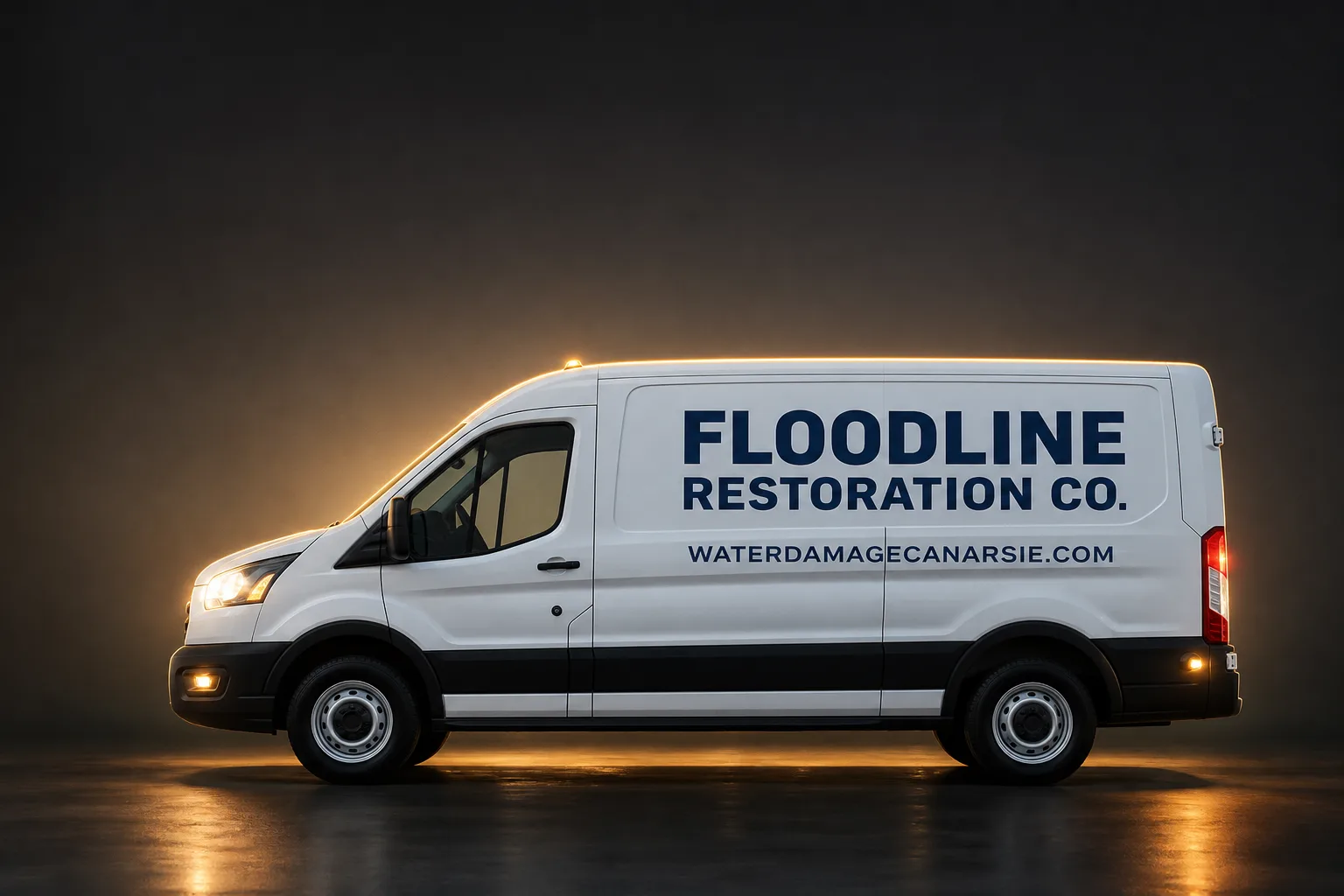
Free visual inspection and a written scope of work before any mitigation begins - photos, moisture readings, and drying logs go in your claim file
The scope we write is the scope we bill. Anything new gets shown to you, in writing, before we touch it.
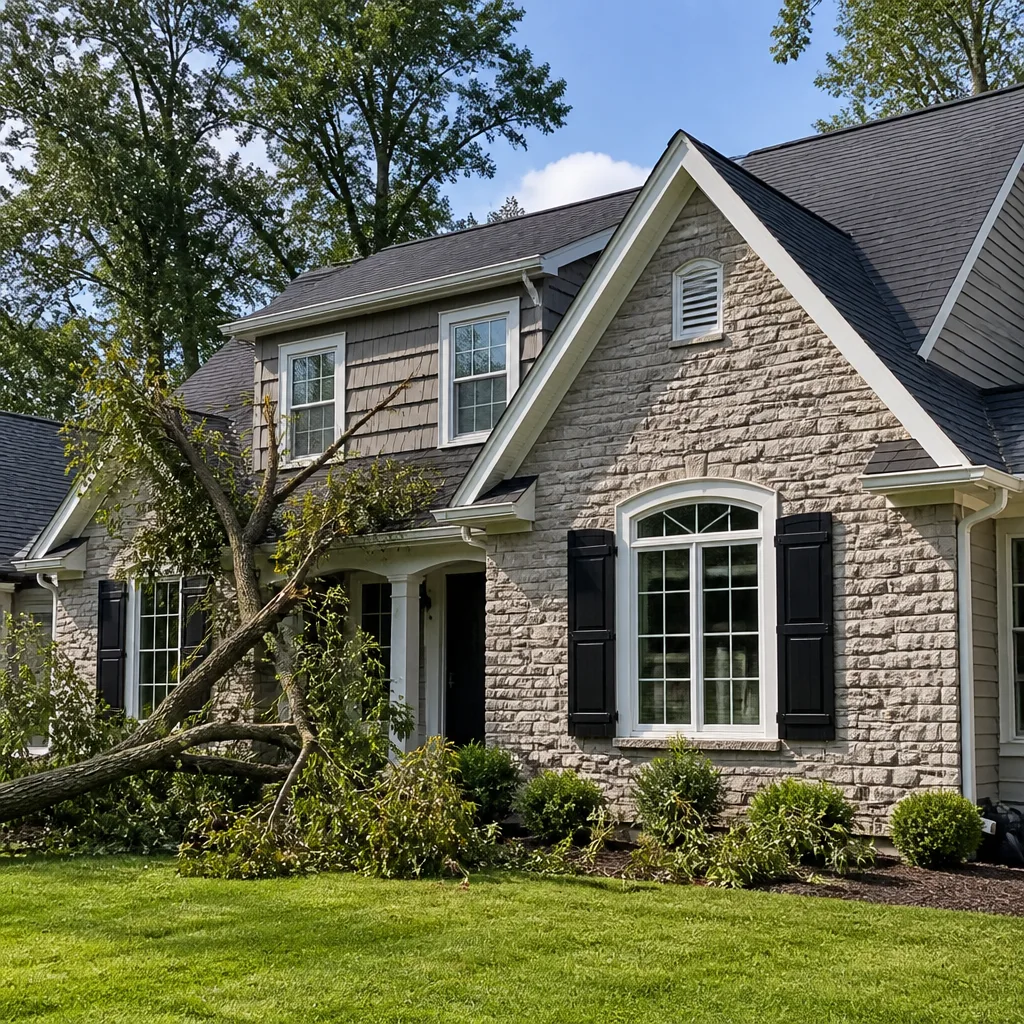
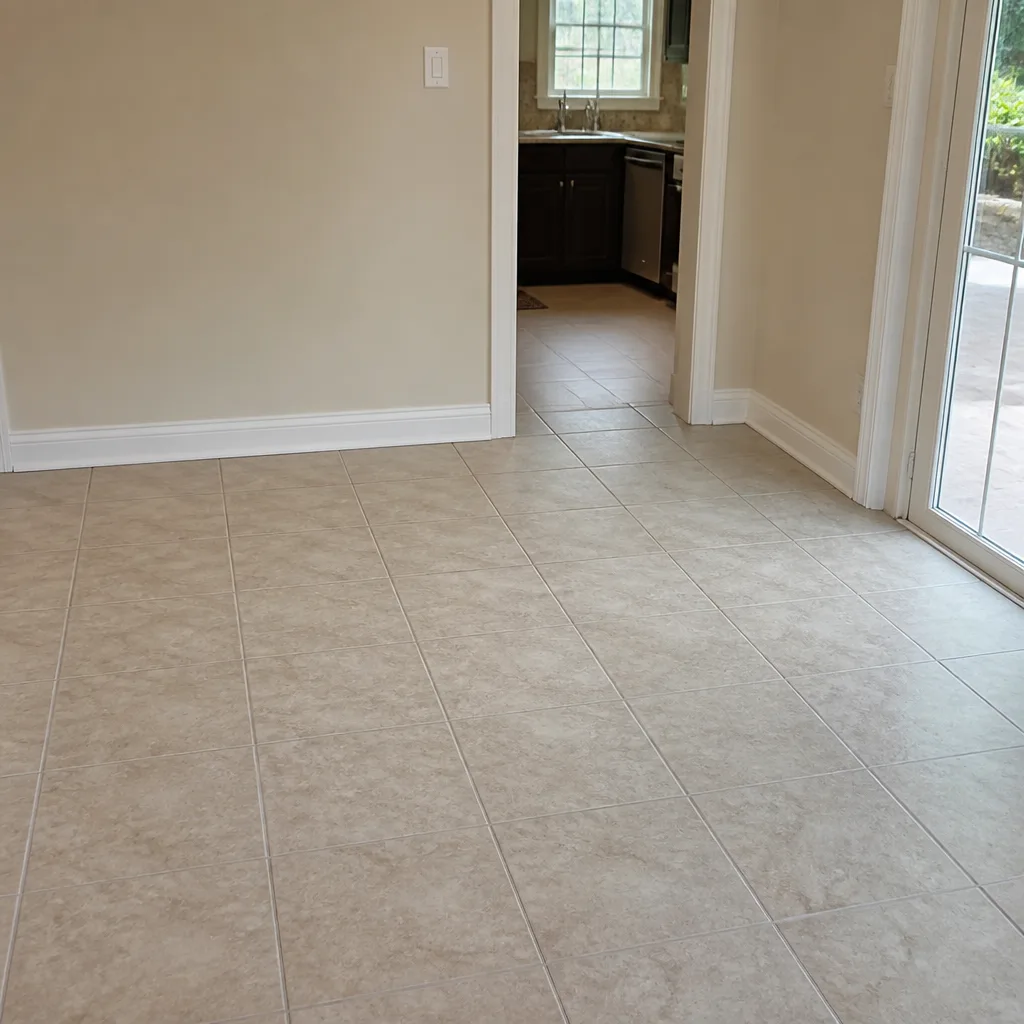
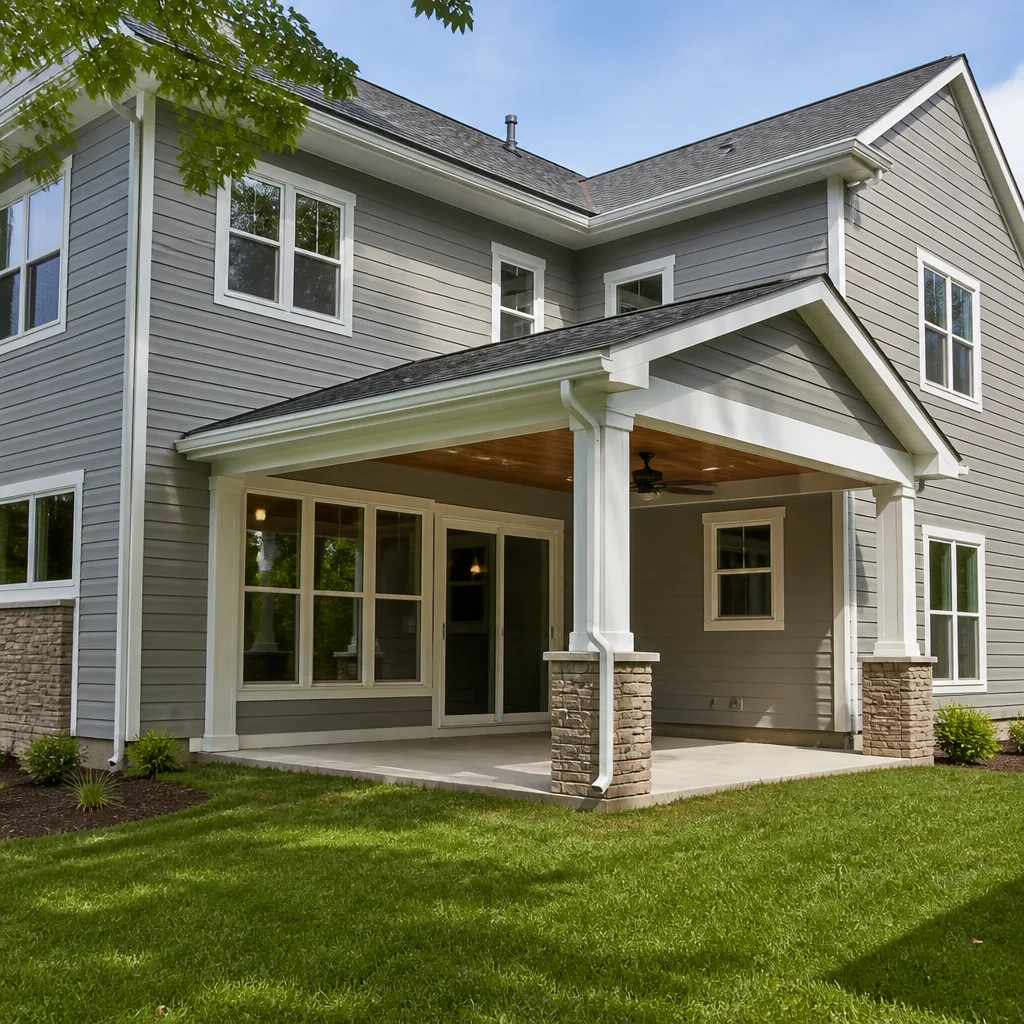
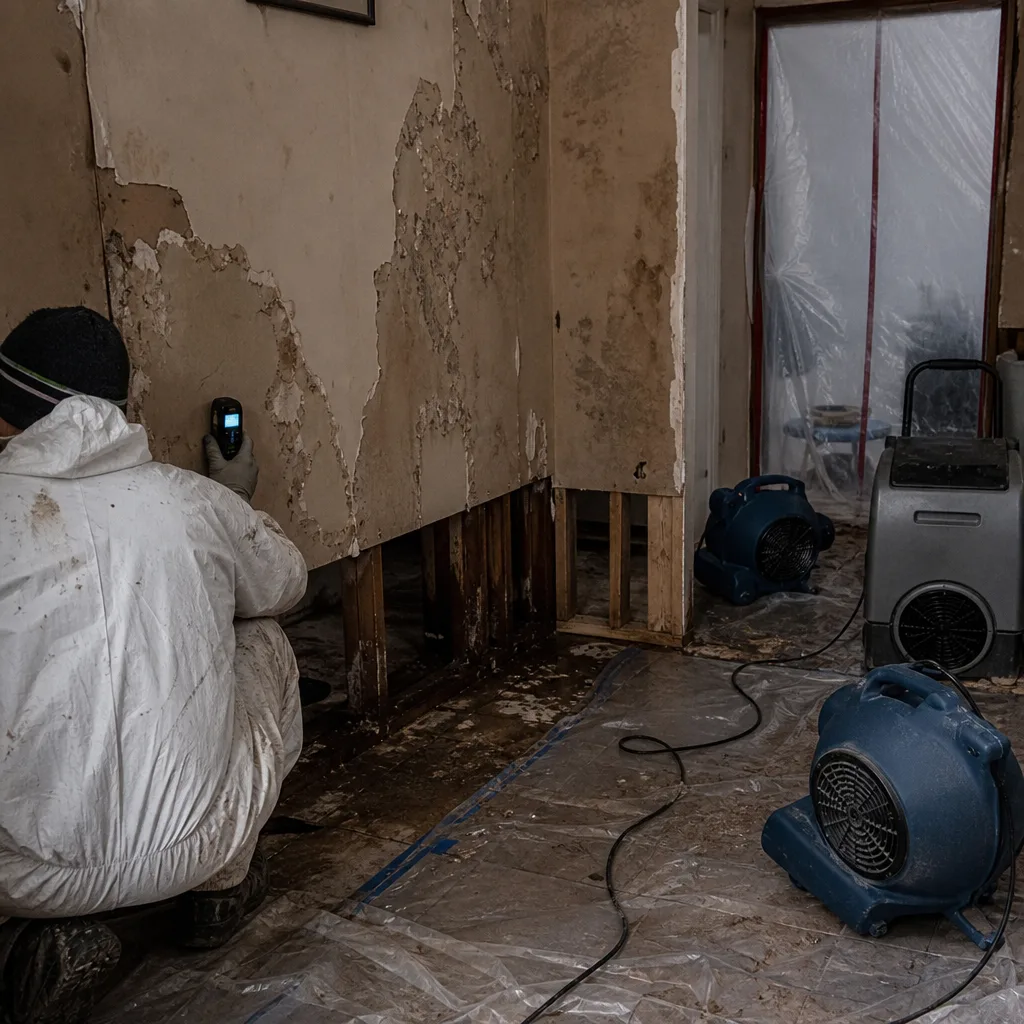 Before
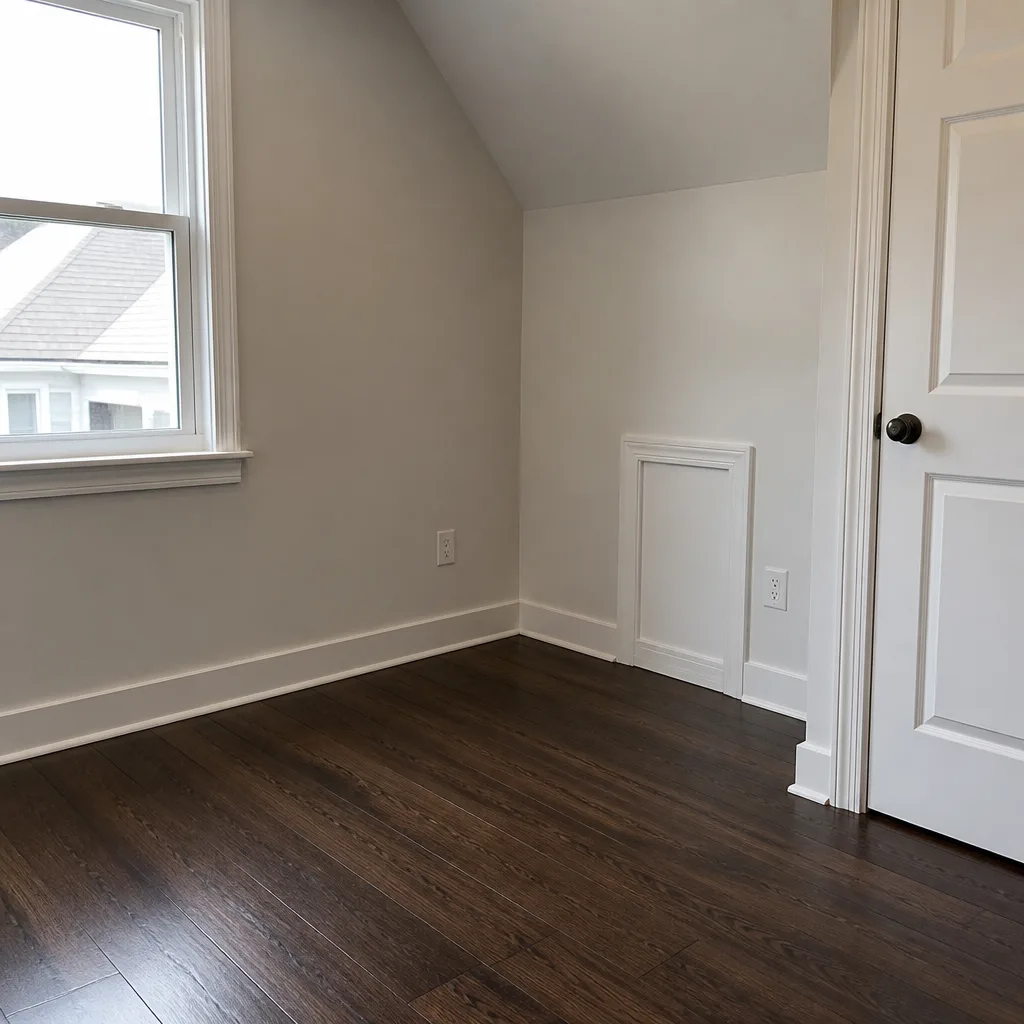 After
After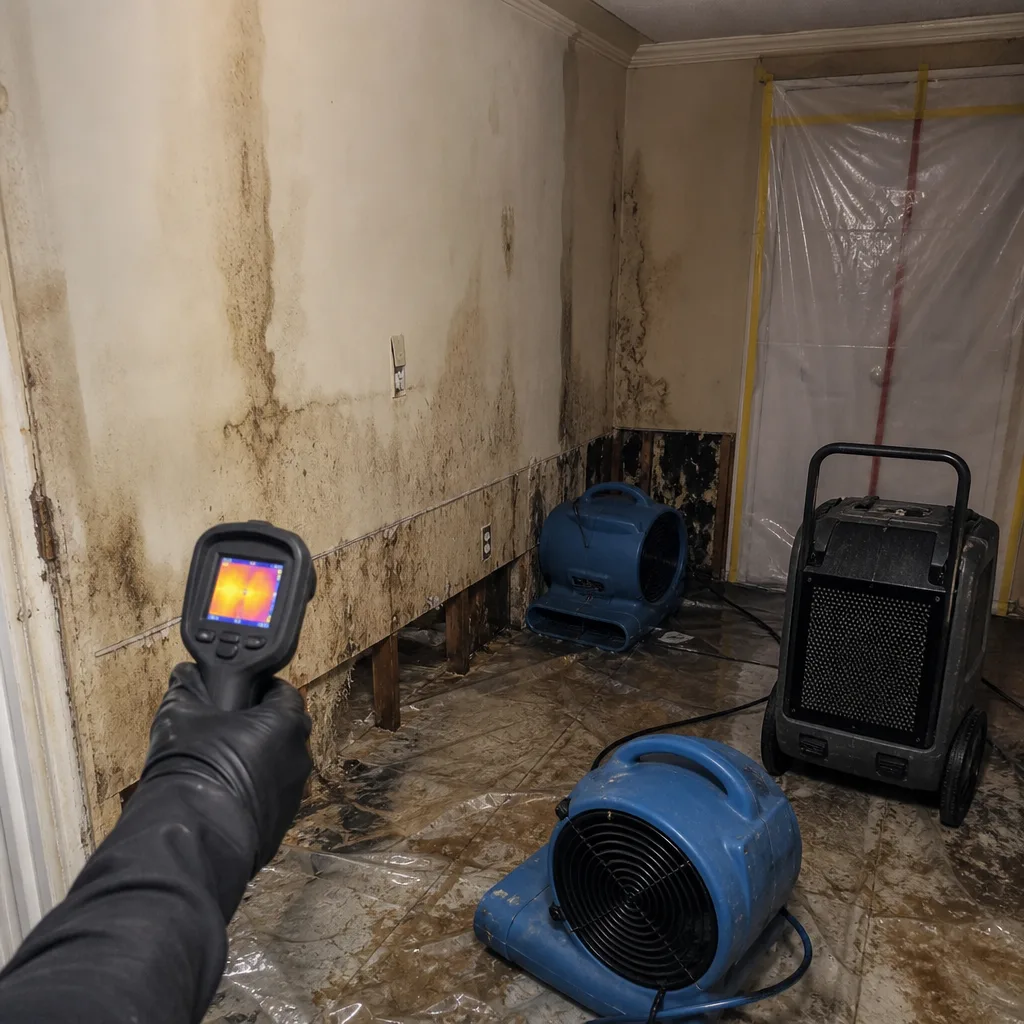 Before
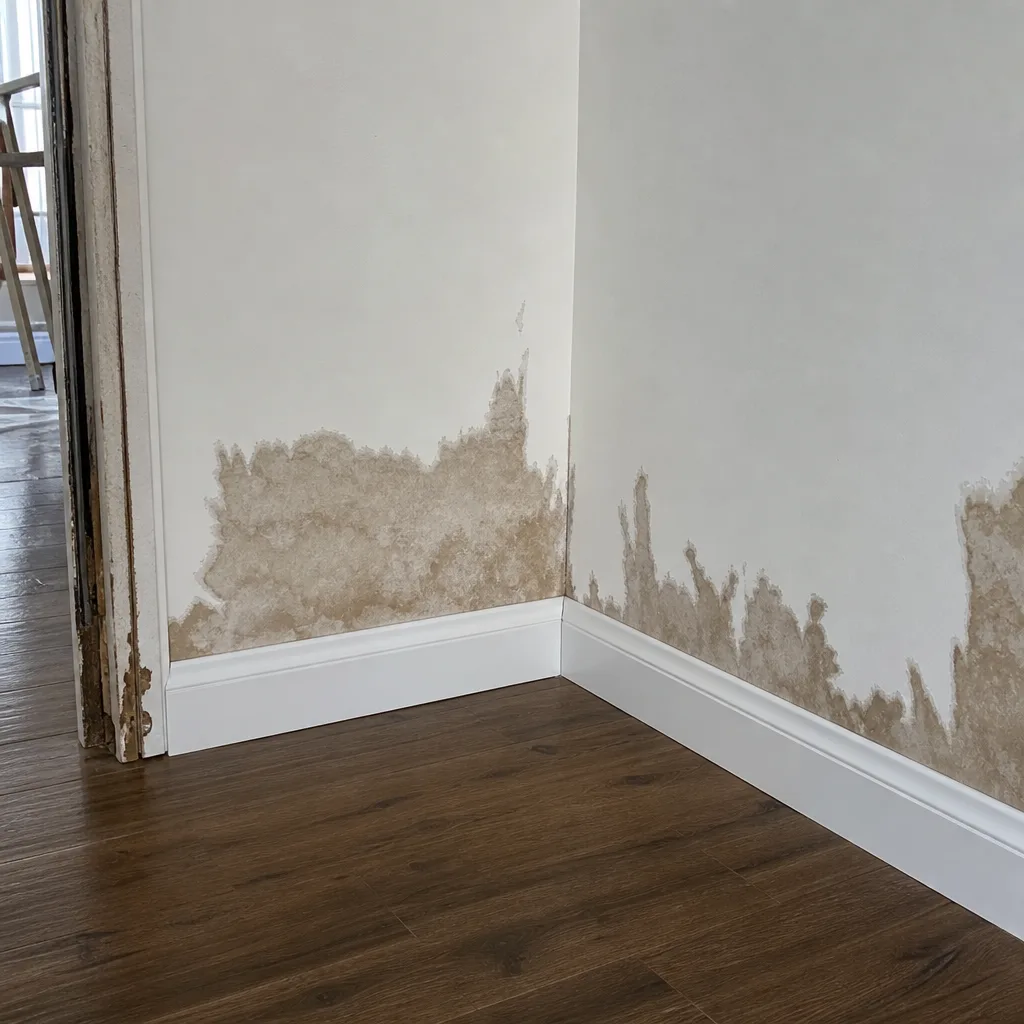 After
After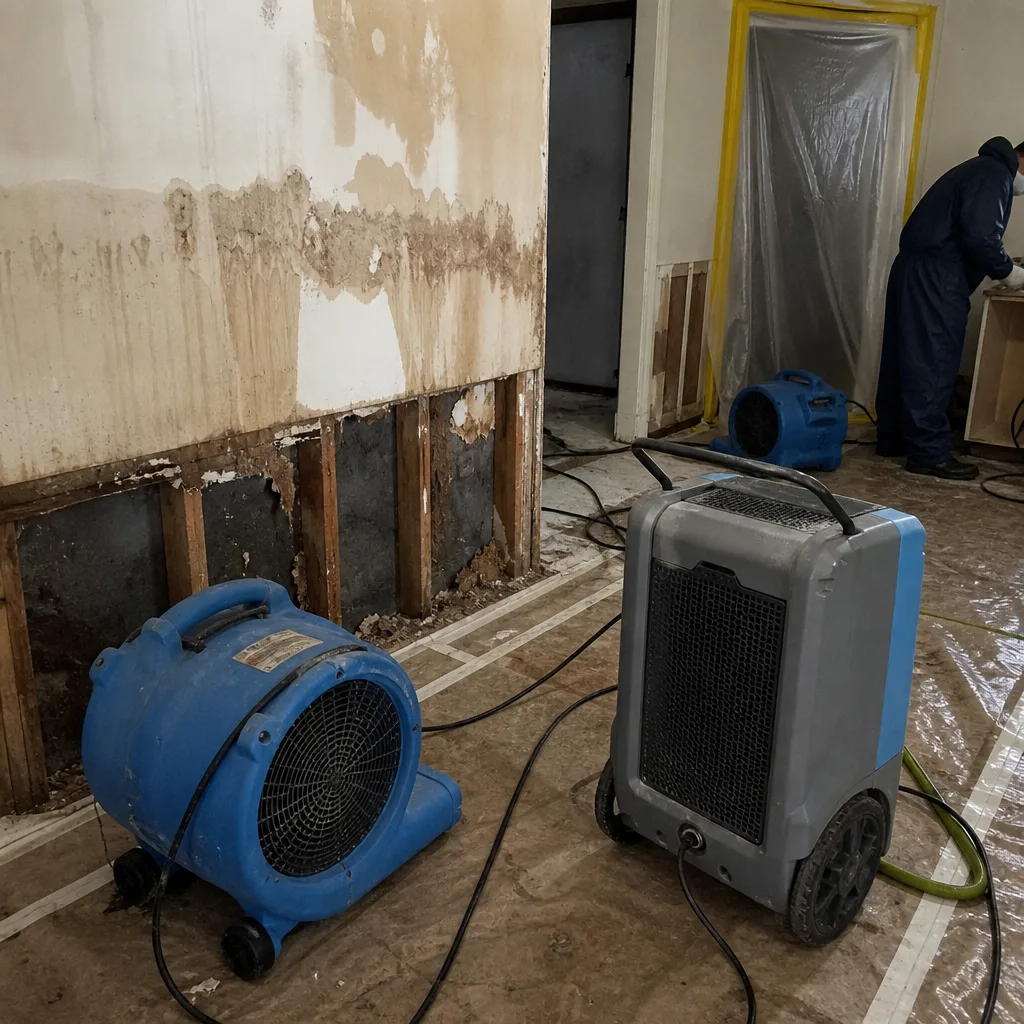 Before
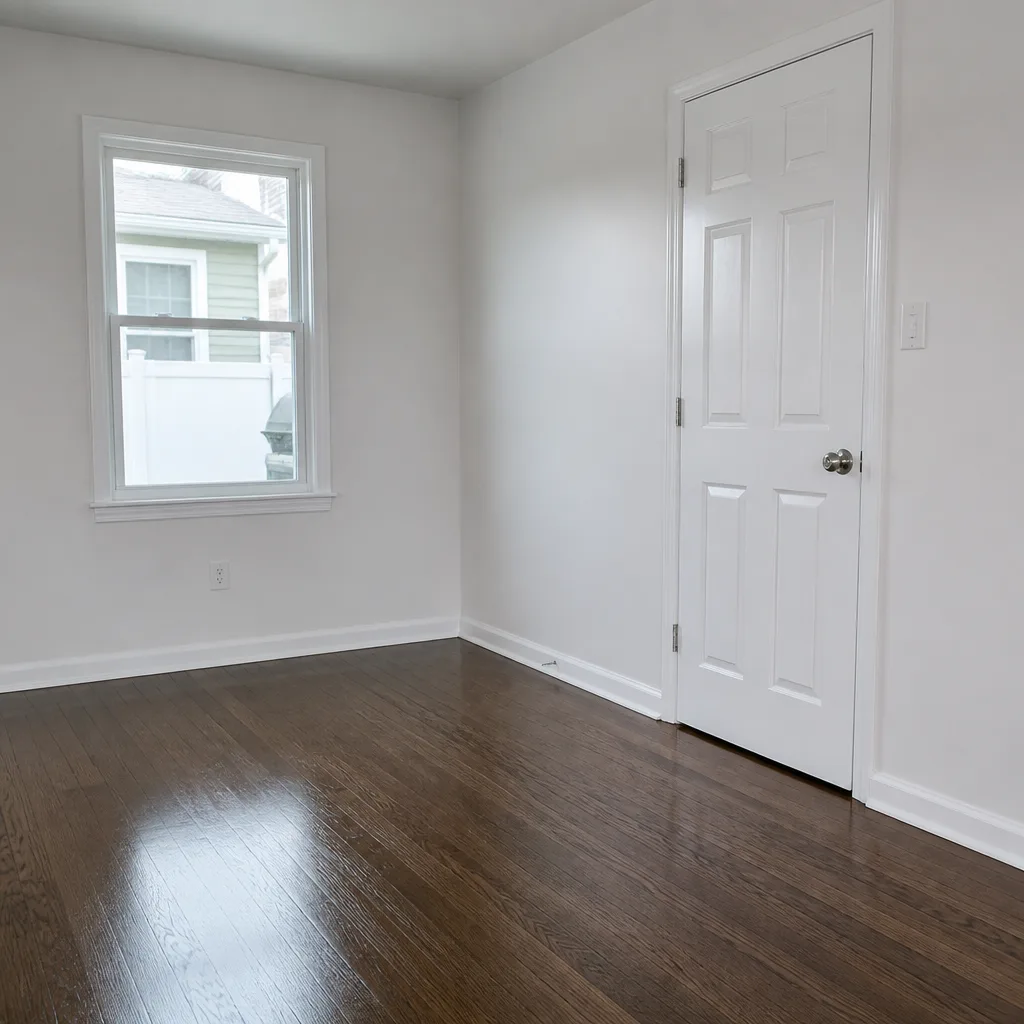 After
After24/7 Emergency Mold Remediation in Little Caribbean
Mold in a Little Caribbean rowhouse doesn’t wait for business hours, and neither do we. Floodline Restoration Co. answers the phone with a live person at 2 a.m., 6 a.m., or Sunday afternoon, and our certified crews reach most Little Caribbean addresses within 45 minutes. Call (716) 412-2972 and you’ll speak with a dispatcher who can send a background-checked, IICRC-certified technician to your door the same visit, not three days from now. The first hour matters because mold spreads through the shared wall cavities in these attached brick rowhouses faster than most homeowners realize, and a free visual inspection and moisture reading tells us exactly where we stand. We start with that inspection, give you a written scope, and you decide. No pressure. Our Mold Remediation team handles everything from the first reading to the final clearance test.
Understanding Mold Remediation Severity in Little Caribbean Properties
Mold severity in Little Caribbean follows a pattern we’ve documented across hundreds of local jobs. The 1920s and 1930s attached brick rowhouses that define this neighborhood carry a specific set of risk factors you won’t find in a detached Queens or Long Island home. Shared party walls mean a slow leak at a cast-iron drain stack in one building wicks moisture into the neighboring property’s wall cavity. By the time you see the first dark bloom on a baseboard near Nostrand Avenue or Flatbush Avenue, that colony has typically been feeding on drywall paper and wood lath for weeks. We classify what we find into three practical levels. Surface mold, usually under 10 square feet, often comes from condensation on cold masonry or a slow sink drain leak. Cavity mold, hidden behind walls and detected with thermal imaging and moisture meters, is what we see most in two- and three-family rowhouses where a pipe leaked inside a partition. And Category 3 water-driven mold, the kind that follows a combined sewer backup into a finished basement, requires full biohazard containment, HEPA air scrubbing, and antimicrobial treatment because the source water itself carries pathogens. In Little Caribbean, the second and third levels are far more common than in newer construction, and they demand a different containment plan: one that accounts for the neighbor on the other side of the wall.
Why Little Caribbean Property Owners Choose Floodline Restoration Co.
- 45-minute response commitment. Our dispatch board tracks every truck in Brooklyn. When you call about mold behind a wet wall in a two-family rowhouse, we know which crew is closest and we tell you when they’ll arrive. Then they arrive.
- 24/7 live answer, never an automated system. A real dispatcher picks up at any hour. At 3 a.m. you want a person who can make decisions, not a menu tree. We’ve answered phones in this city for decades, and that’s the job.
- IICRC-certified crews, including AMRT and WRT. Applied Microbial Remediation Technician and Water Restoration Technician certifications mean the person opening your wall knows what a containment barrier is and why it has to hold. Not every company in Brooklyn can say that.
- Free visual inspection with moisture mapping. Before we quote anything, we walk the property with a thermal camera and a moisture meter. You see the readings. You get the written scope. If it’s a small cleanup and nothing more, we’ll tell you that.
- Direct insurance billing. In Little Caribbean, where one party wall can involve two or three carriers, we bill each carrier directly and hand you the documentation. You never play messenger between us and your adjuster.
- One team from first reading to final clearance. The same crew that sets up containment takes the daily moisture readings, runs the air scrubbers, and hands you the drying log. No mid-job handoff to a sub you’ve never met.
Our Mold Remediation Process
Every job follows a sequence we’ve refined over thousands of Brooklyn rowhouse projects. Here’s what happens, step by step, so you know exactly what to expect before we open a single wall.
Inspection & Assessment
We start with a visual walk-through, thermal imaging, and moisture readings on every wall, floor, and ceiling in the affected area. In Little Caribbean’s attached rowhouses, we also inspect the party wall cavity from the accessible side and note any signs of moisture migration. You get a written assessment with photos and a proposed scope before any work begins.
Containment & Pressure Control
We build a 6-mil poly containment barrier around the work zone and establish negative air pressure with HEPA air scrubbers. For party wall jobs, we extend containment to cover both sides of the wall if access allows. This keeps spores from spreading through the building while we work.
Drying & Dehumidification
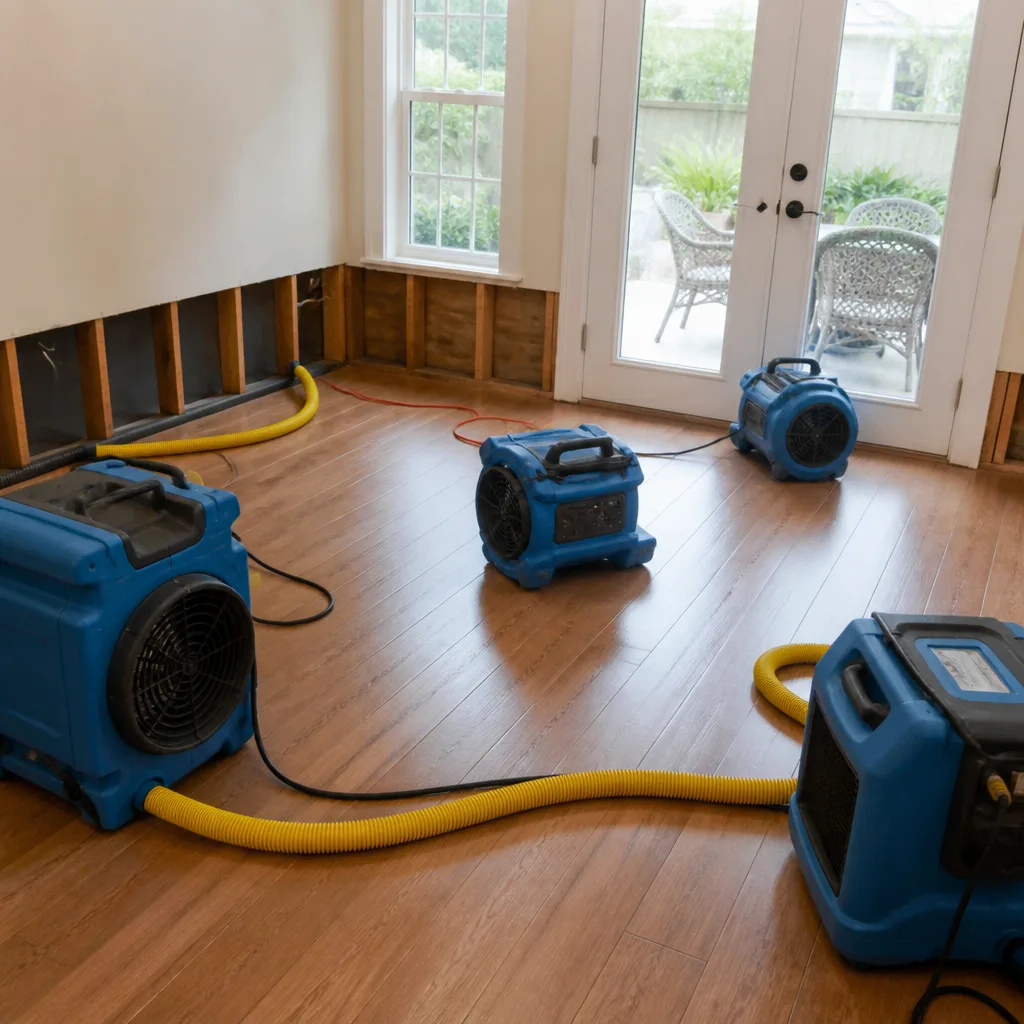
Structural drying runs on Dri-Eaz dehumidifiers and XPOWER air movers positioned for the specific room geometry. Daily moisture readings are logged. We don’t stop drying until the moisture content of the wood and drywall reaches the dry standard for this climate, which matters in attached brick buildings where masonry holds water longer than frame construction.
Cleaning & Sanitization
HEPA vacuuming, antimicrobial treatment on affected surfaces, and air scrubbing run simultaneously. We treat the wall cavity, not just the visible surface. In Category 3 water jobs, this step follows full biohazard protocols.
Air Quality Restoration & Clearance
After remediation, we run post-remediation verification with air sampling to confirm spore counts have returned to normal background levels for your building. For multi-unit rowhouses, we sample each affected unit separately. You get the clearance report in writing.
Repairs & Restoration
We replace the drywall, insulation, trim, and flooring that came out. Because we’re a full-cycle restoration company, we rebuild what we remove, and we stand behind the result with the 90-Day Done Right Promise in writing. No handoff to another contractor.
Need Emergency Mold Remediation in Little Caribbean Now?
Crews minutes away, answering live 24 hours a day. The sooner we start, the less it costs.
Working With Your Insurance Company
Mold claims on shared party walls in Flatbush and East Flatbush rowhouses rarely involve just one carrier. When a sewer backup wets a finished basement behind a shared wall, you may have your insurance, your neighbor’s insurance, and sometimes a building policy all involved in the same loss. We document from the first hour, so each carrier receives what it needs. Every reading, every photo, and every line-item scope of work is timestamped and tied to a specific unit and a specific wall cavity. We communicate with adjusters directly, in English, Haitian Creole, or French when needed, and we don’t leave you to interpret a claims letter on your own. The documentation is yours, in full, whether or not the claim is approved.
What We Provide Your Insurer
- Thorough documentation of the loss
- Photos of all damage, room by room
- Moisture readings and drying logs
- A detailed, line-item scope of work
- Direct coordination with your carrier
Built for Little Caribbean’s Loss Calendar
Little Caribbean’s mold season has three distinct waves, and we staff for all of them. January and February bring the deep freezes that burst aging galvanized supply lines in walls and ceilings, and by the time a homeowner notices the stain spreading under a second-floor bedroom, the cavity behind it has been wet for days. April through May is the thaw season, when groundwater pushes through old Brooklyn foundations and finished basement apartments start showing that smell. Call after call, the source is the same: water moving through the lime mortar joints in a 1930s foundation wall, feeding mold on the backside of a basement wall. Then July through October delivers the nor’easters and remnant tropical systems that overload the combined sewers feeding Flatbush. When the sewer backs up into a basement, we’re not doing simple mold removal anymore. We’re doing Category 3 biohazard containment and then mold remediation on top of the sewage mitigation. The calendar drives what we see, and we plan crews accordingly, so a homeowner calling during a heavy rain week still gets a same-visit response.
Mold Remediation Across Little Caribbean’s Neighborhoods
Little Caribbean is more than a name. It’s a working neighborhood with blocks that each carry their own building patterns and their own mold histories. Along Nostrand Avenue, the commercial storefronts with apartments above have recurring basement mold from decades of drain line leaks in tight mechanical rooms, and we stage equipment through narrow side alleys or basement hatches because front-door access is often blocked by retail. Over near Flatbush Avenue, the larger rowhouses with rear extensions show a different pattern: flat-roof leaks at the extension’s back wall, wicking down into finished kitchens. We see this on Parkside Avenue and around Church Avenue, where the 1920s building stock runs close to the same lot line. The blocks east of Rogers Avenue have deep rear yards that allow rear-lot access, which changes how we stage air movers and dehumidifiers on multi-floor jobs. And in the attached brick blocks off Lenox Road and Linden Boulevard, where shared party walls run the full depth of every building, we routinely set up containment in one unit and monitor moisture in the neighboring unit because the wall cavity doesn’t honor property lines. Each block teaches us something, and we write it down so the next job on that block goes faster.
Last spring our crew was called to a two-family rowhouse on Nostrand Avenue after heavy rain backed up the combined sewer into a finished basement unit. Moisture readings on the shared party wall showed Category 3 water had wicked into the neighbor’s side, so we set up full containment with 6-mil poly and HEPA air scrubbers, then ran structural drying with Dri-Eaz dehumidifiers and XPOWER air movers. Because the leak crossed property lines, we coordinated separate scopes of work and drying logs for both owners, and only removed drywall after confirming pre-loss condition with each adjuster, turning a two-day mold job into a four-unit mitigation that held until every party was on board.
Specialized Mold Remediation Services We Offer in Little Caribbean
Mold Inspection & Testing
If you smell mold but can’t see it in your attached brick home near Flatbush Avenue, we start with thermal imaging and moisture mapping, not guesswork. In these older rowhouses, hidden mold hides behind plaster walls, under finished basement floors, and inside shared wall cavities. Our testing includes air sampling for spore counts and surface swabs where needed, and we give you the results in plain language. This is the service to start with, especially before a real estate transaction or after a neighbor’s leak migrated into your unit. The first step if you smell mold but can’t see it is a visual inspection with a moisture meter and thermal camera, and a $50 off any repair over $250 applies when that inspection turns into work. Senior and veteran homeowners always get 5% off, too.
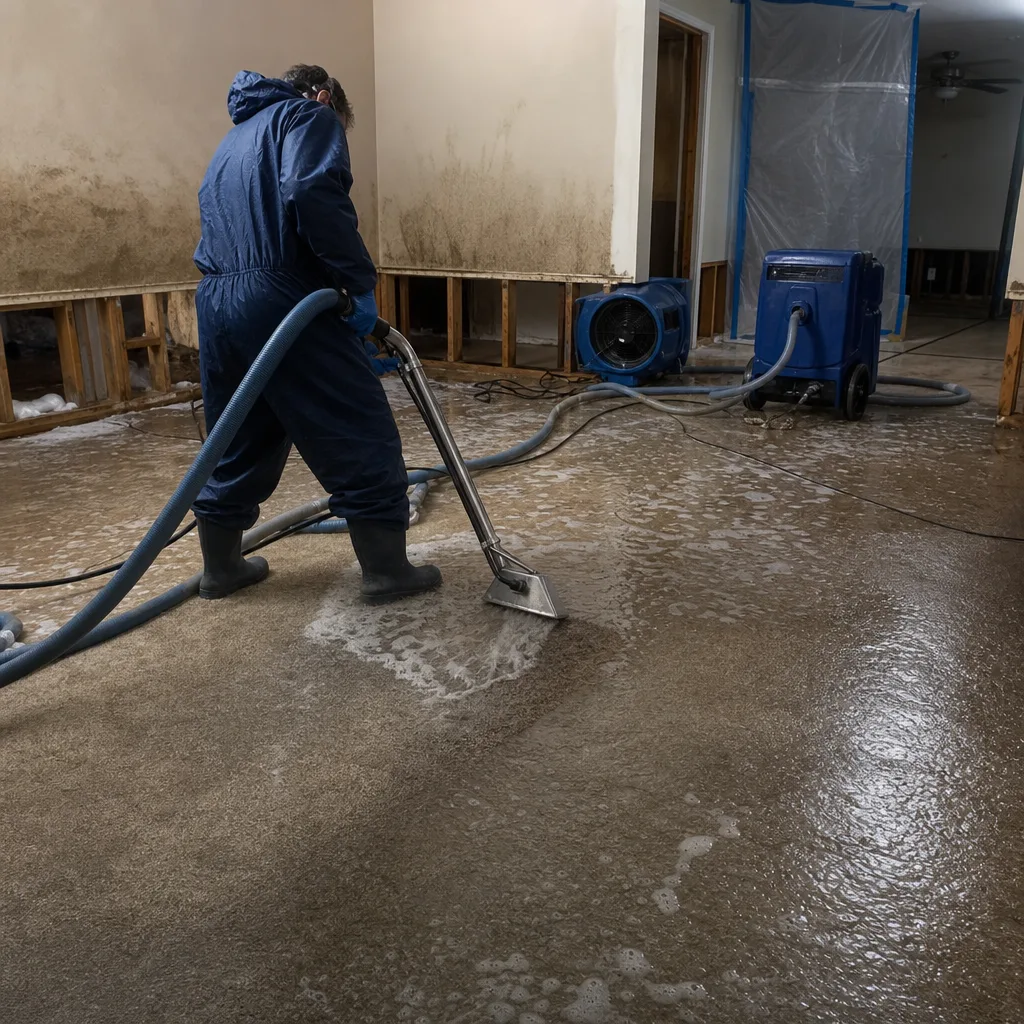
Mold Removal
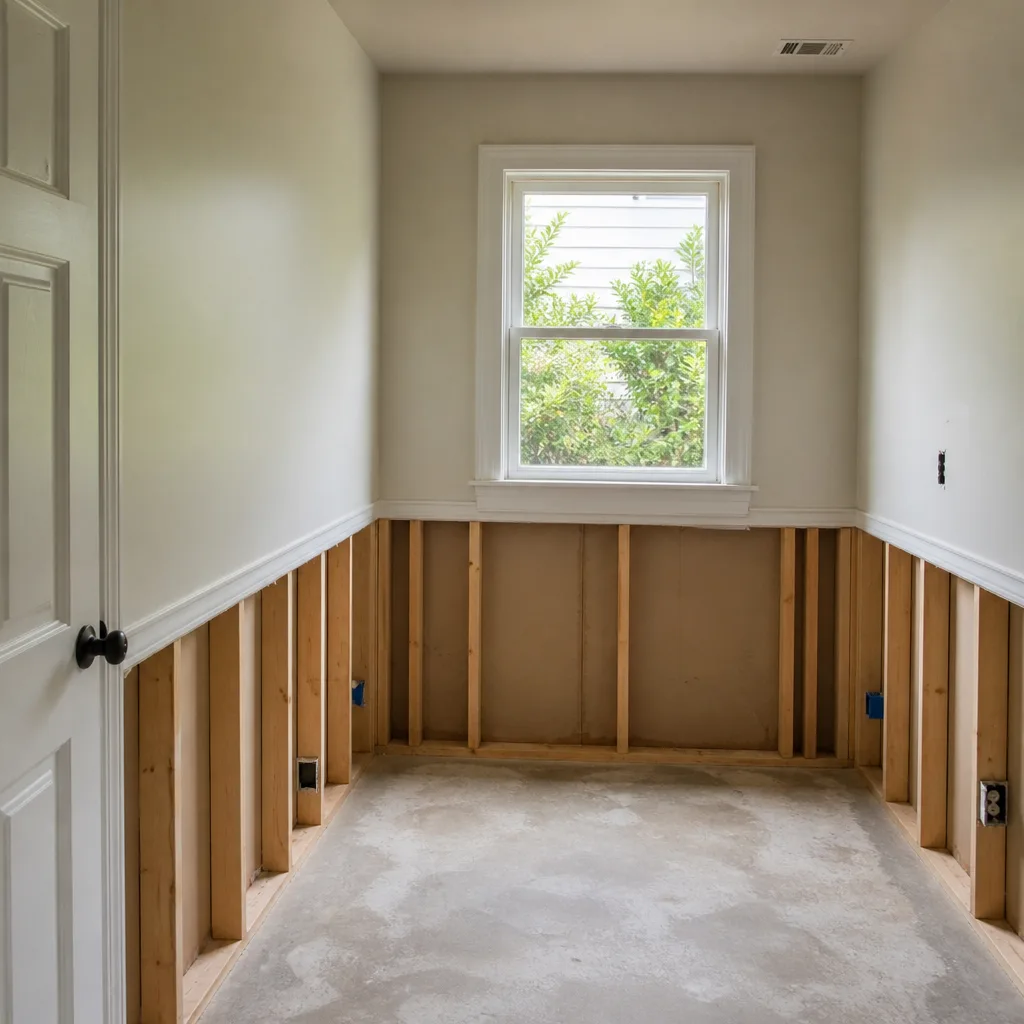
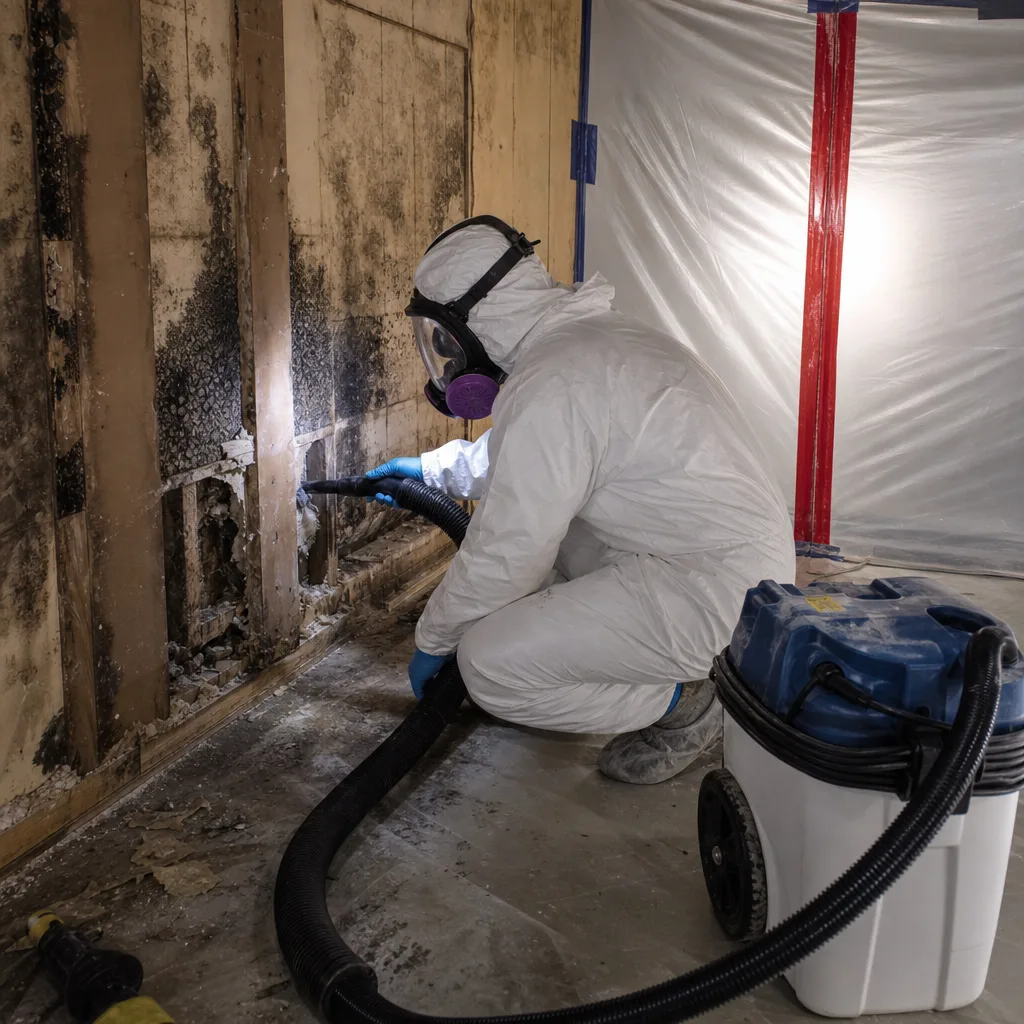
Removal in a Little Caribbean rowhouse means removing the mold and the material it feeds on. That’s drywall, insulation, carpet, and sometimes the backside of plaster. We cut clean lines, bag and seal the waste inside the containment zone, and run HEPA air scrubbers throughout the removal so spores don’t travel through the building. Because these rowhouses share walls, we work in contained sections, and we treat the wall cavity with an antimicrobial after the infected material comes out. We don’t just spray bleach on the drywall and call it done.
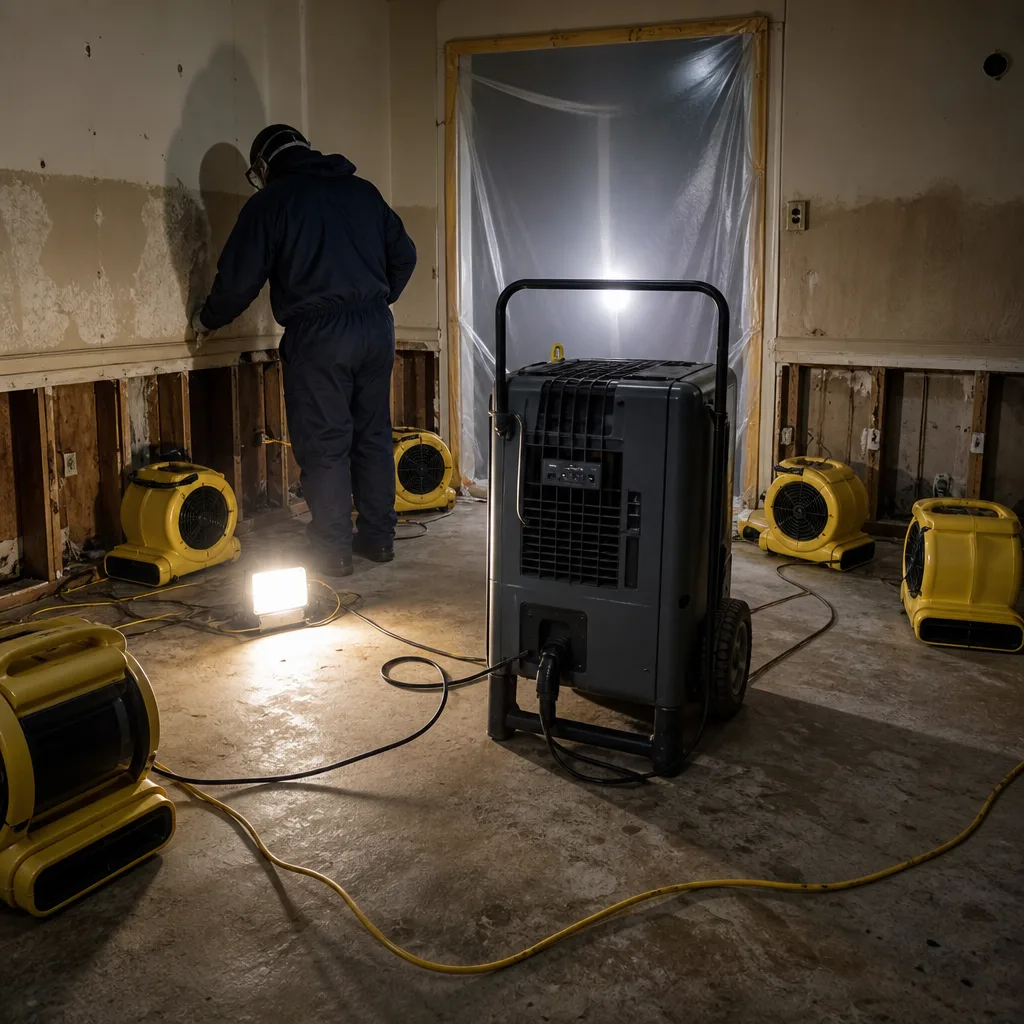
Black Mold Remediation
Black mold, usually Stachybotrys, grows on materials that have been wet for weeks, not hours. In Little Caribbean’s 1920s rowhouses, we find it most often behind kitchen and bath walls where drain stacks or supply lines leaked for months before anyone saw a stain. Remediation follows full containment protocol with negative air, HEPA filtration, and antimicrobial treatment of the cavity and framing. We do not recommend homeowners try to remove this themselves, and we document everything for your carrier. Is black mold serious? Yes, and it’s the one we treat with the most caution, from the first reading to the clearance air sample.
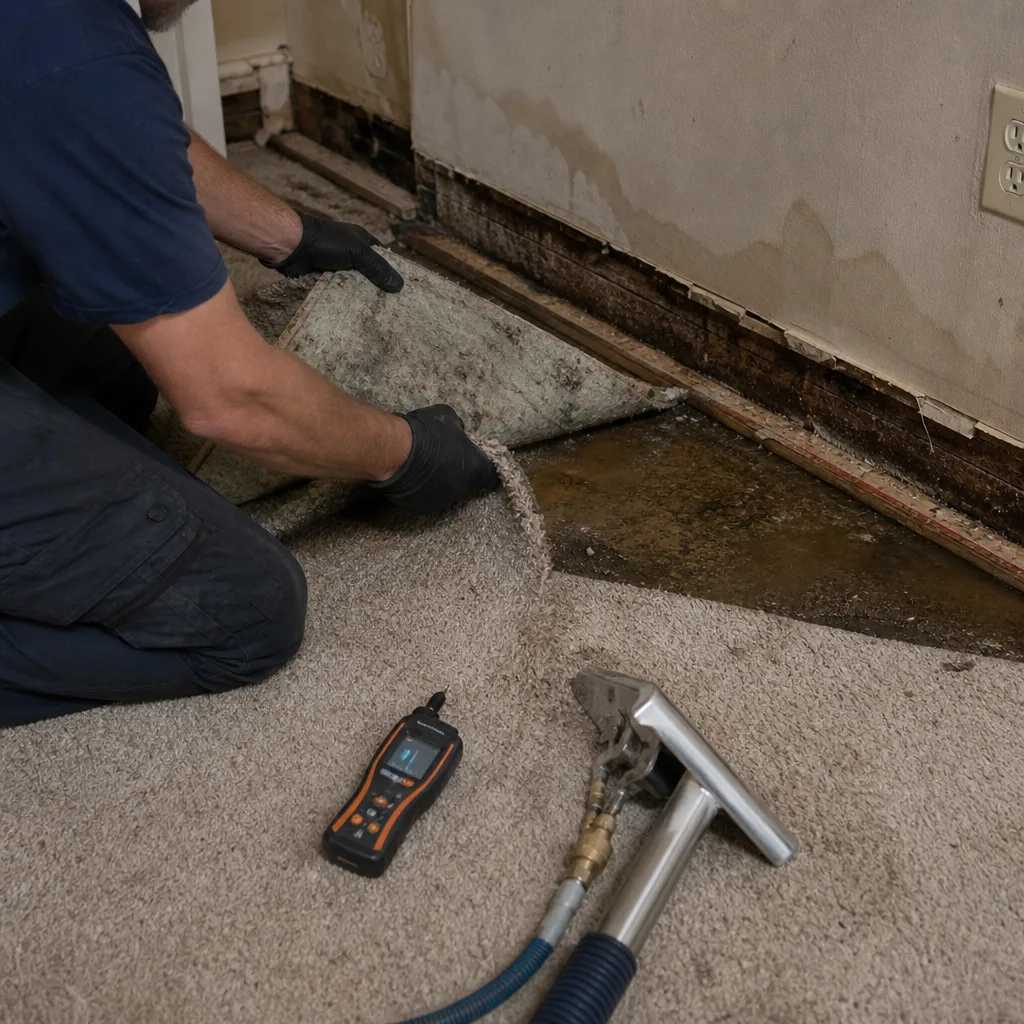
Air Quality Restoration
After a mold removal job, the air in your home can still carry elevated spore counts for days if it isn’t scrubbed. Our air quality restoration runs HEPA air scrubbers and air movers through the contained space until post-remediation air samples show spore counts back to normal background levels for your building. In multi-unit rowhouses, we sample each unit separately because the air pathway between units is often complicated by shared floor joists and open wall cavities. You get a written clearance report, not a vague “we’re done.”
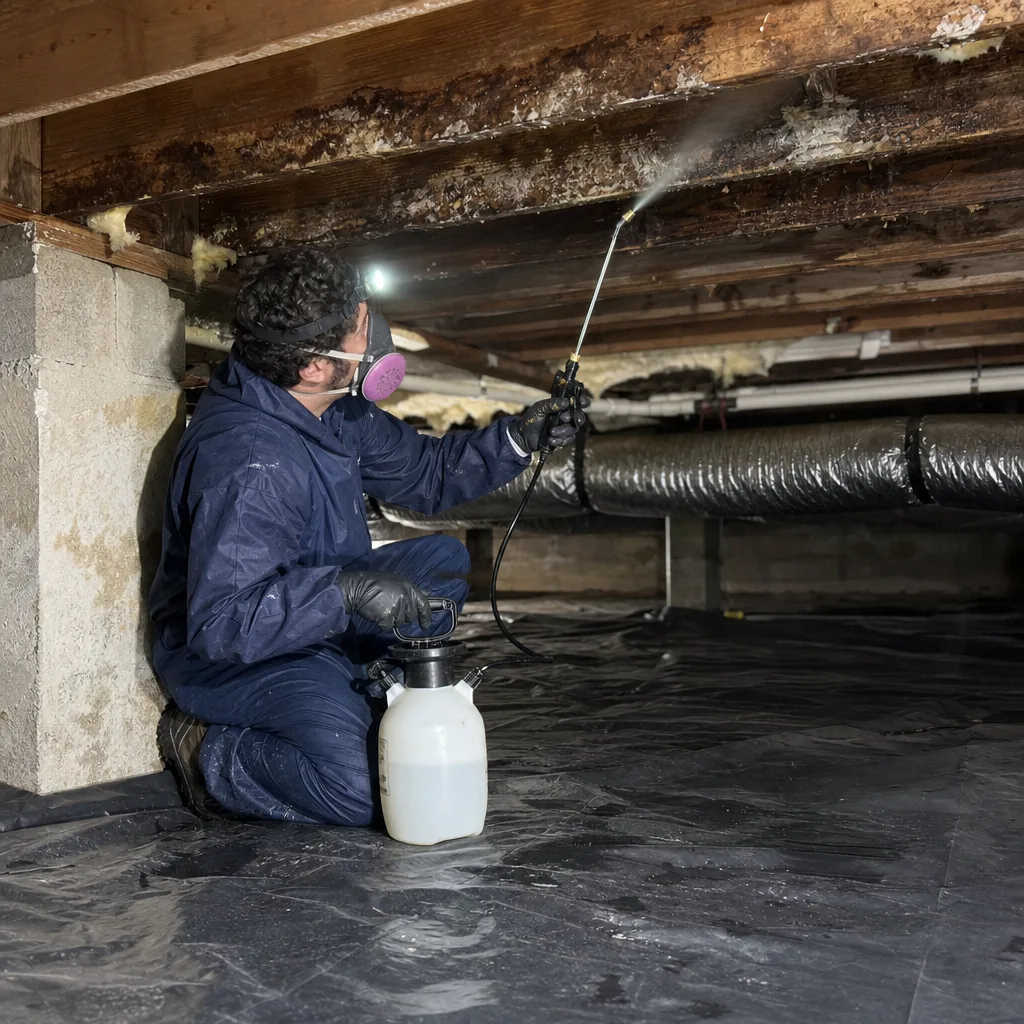
Crawl Space Treatment
Some Little Caribbean rowhouses have a shallow front or rear crawl space under an extension. These spaces stay damp, the joists above them grow mold, and the air carries that dampness up into the first-floor apartment. We treat the crawl space by removing infected insulation, treating the wood framing with antimicrobials, installing a vapor barrier where needed, and setting a dehumidifier sized for the space. The goal is to bring the relative humidity in that crawl space down to the 40-50% range and hold it there.
What happens when you call
- 1
A real person answersNo phone trees - you reach a local pro.
- 2
You get an upfront price rangeHonest numbers before anyone is dispatched.
- 3
A background-checked tech heads outLicensed & insured, dispatched right away.
- 4
You approve before work beginsNothing starts until you say go.
Mold Remediation Costs in Little Caribbean, NY
What does mold remediation actually cost in Little Caribbean? A small, contained job under 10 square feet of drywall, like a single wall in a hallway or a bathroom ceiling, typically runs $500 to $1,200. A full basement remediation after a sewer backup, with containment, Category 3 protocols, drying, antimicrobial treatment, and rebuild, ranges from $3,500 to $9,000 depending on square footage, how long the water sat, and whether the neighbor’s side is involved. Black mold in a wall cavity behind a kitchen usually falls between $1,800 and $4,500 when you include the rebuild. Air quality restoration and clearance testing adds $250 to $600 per unit. What moves the price? Access. If we can stage equipment through a rear lot, the job costs less than if everything has to come through a narrow front door and up a tight staircase. If the neighbor on the other side of the party wall wants their side inspected too, expect a second containment zone and a second scope of work. The free visual inspection is how you get a firm number. We write the scope, you approve it, and the price doesn’t change unless we find something inside the wall that changes the scope, at which point we stop, show you, and get your okay. We also handle direct insurance billing, so if your policy covers the loss, you’re not fronting cash out of pocket. Call (716) 412-2972 for an exact quote. Estimates are free.
We Also Serve Cities Near Little Caribbean
Our crews cover the neighboring communities of Canarsie, Coney Island, Flatlands, and Howard Beach. If you own property in one of those areas and need mold remediation or water damage restoration, the same certified crews and 24/7 live dispatch apply. Call the same number, (716) 412-2972, and we’ll route the nearest team to you.
Serving Little Caribbean, NY - Our Local Coverage Area
We’re based in the Little Caribbean area and know this community well. Use the map below to see our service coverage - if you’re nearby, we can almost certainly help.
Little Caribbean Mold Remediation Questions, Answered
How do you handle mold remediation on a shared party wall when my neighbor in our Flatbush rowhouse doesn’t want to open their side?
We can typically remediate your side completely without opening the neighbor’s wall, but we document what we find and recommend a follow-up moisture reading on their side if the water source crossed the property line. If their wall cavity stays wet, your mold problem can return. We coordinate with the neighbor or their carrier separately, and we can provide documentation showing the moisture migration. Call (716) 412-2972 and we’ll walk you through the specific situation.
Does a finished basement in a 1920s rowhouse here need different mold remediation than a stand-alone house?
Yes. The masonry foundation walls in these older attached rowhouses hold moisture differently than a modern poured concrete or frame foundation, and the shared wall cavities mean mold can travel horizontally between units. We use different drying targets for lime mortar and brick, and we account for capillary action from the soil. The short answer: more containment, longer drying, and more careful post-remediation verification.
How fast can you start mold remediation in an occupied two-family rowhouse in Little Caribbean without displacing the tenants?
Usually within 24 to 48 hours of your call. We set up containment so the work zone is sealed off from the living space, and tenants can often remain in place during remediation, depending on the size of the job and the location of the mold. We’ll tell you upfront if displacement is necessary. Most smaller jobs are completed in a single visit. Call (716) 412-2972 for an assessment.
What’s the first step if we smell mold but can’t see it in our attached brick home near Flatbush Avenue?
The first step is a visual inspection with a thermal imaging camera and a moisture meter. Mold growing inside a wall cavity or under a floor has a higher moisture signature than surrounding dry material, and the thermal camera shows that. We don’t open walls blind. The inspection is free, and if we find mold, we’ll show you the readings and give you a written scope before any work starts. Call (716) 412-2972.
Can you manage mold remediation across multiple units if the same party wall affected two or three families in my building here?
Yes. This is the everyday norm in Little Caribbean, not the exception. We assign one lead technician to oversee the entire project so every unit’s scope, drying log, and clearance test are consistent. We bill each carrier separately, coordinate with each owner or tenant directly, and keep separate documentation for each unit’s pre-loss condition. It’s more coordination, but it’s the only way to do the job once and do it right.
How much does mold remediation cost in Little Caribbean compared to nearby Brooklyn neighborhoods?
Our pricing is consistent across our service area. What varies is access and building complexity. A rowhouse with a rear lot or a basement hatch stages faster and costs less than a mid-block building where every piece of equipment comes through a narrow front door. Expect $500 to $1,200 for small isolated mold, $1,800 to $4,500 for a wall cavity with black mold, and $3,500 to $9,000 for a full Category 3 basement remediation with rebuild. The free inspection gives you a firm number.
How long does mold remediation take in a typical Little Caribbean rowhouse?
A small isolated job, under 10 square feet, is usually done in one visit, typically 4 to 8 hours. A full basement with Category 3 water, containment, drying, and rebuild runs 3 to 7 days. The drying phase, not the removal, is what takes the most time. We keep daily moisture readings and share the log with you and your adjuster so everyone sees the same numbers.
What should I do in the first 30 minutes if I find mold or water damage in my Little Caribbean home?
Turn off the water source if you can do so safely. Don’t run fans or turn on HVAC if you suspect sewage or Category 3 water, because that spreads spores and bacteria. Take photos with your phone. Then call (716) 412-2972 and we’ll be there, talking you through it from the moment you call. The faster we get a moisture reading, the less damage we have to remove.
Written by Curt Bowman, Owner at Floodline Restoration Co., serving Little Caribbean and the surrounding Brooklyn communities since 2010.