
Free visual inspection and a written scope of work before any mitigation begins - photos, moisture readings, and drying logs go in your claim file
The scope we write is the scope we bill. Anything new gets shown to you, in writing, before we touch it.
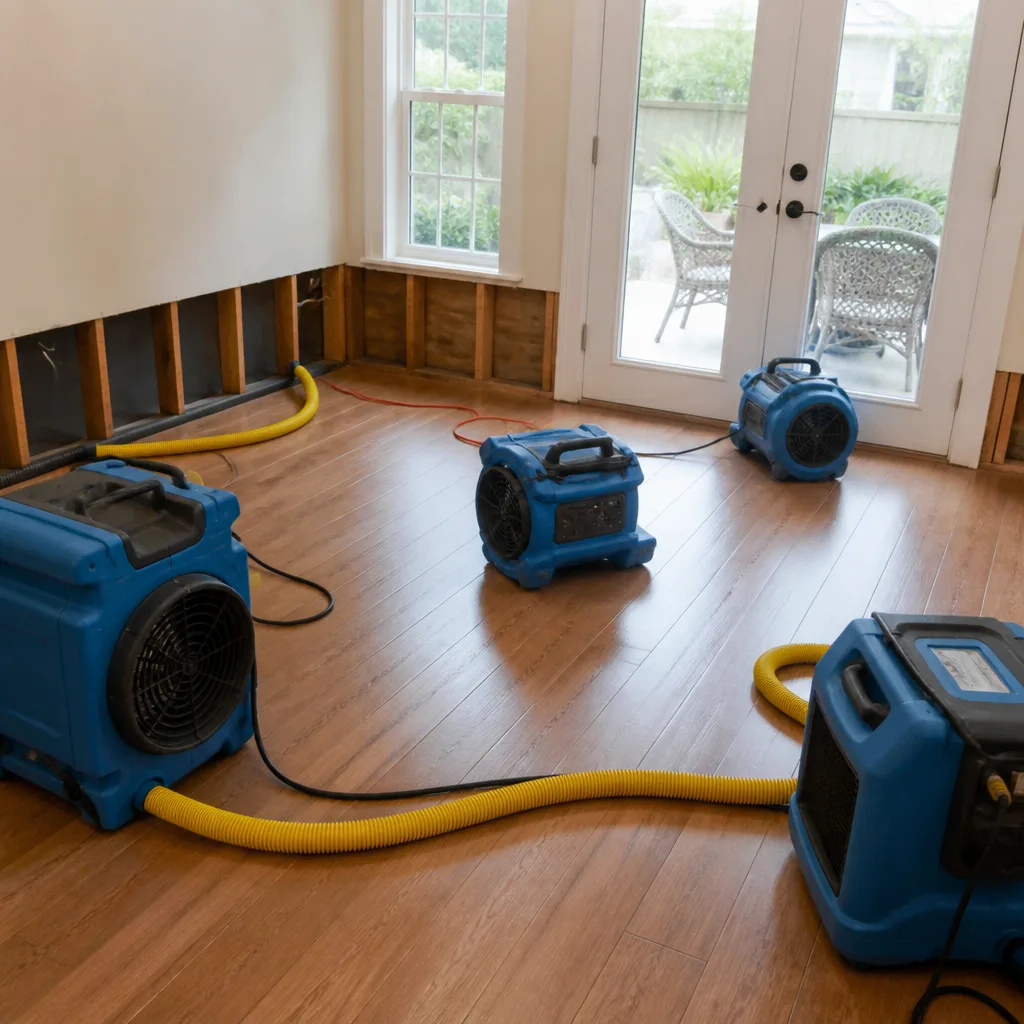
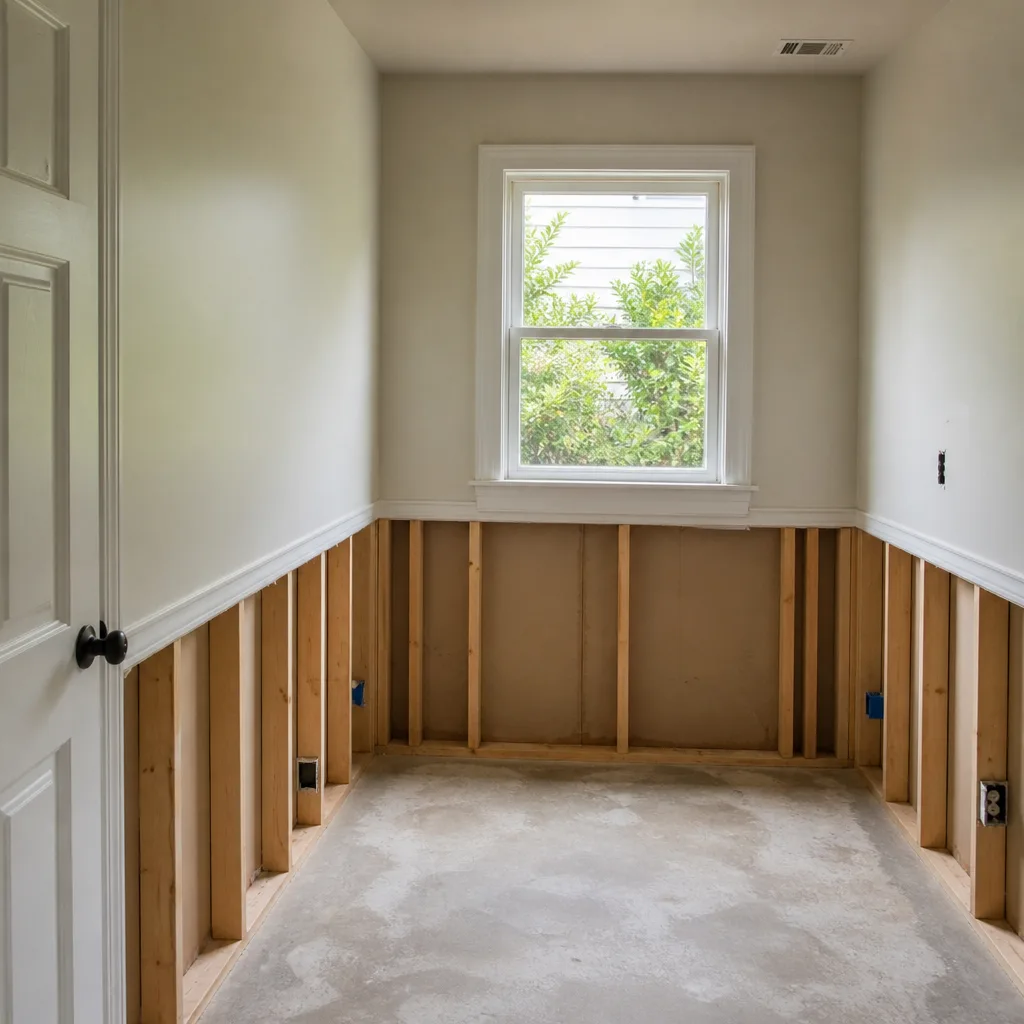
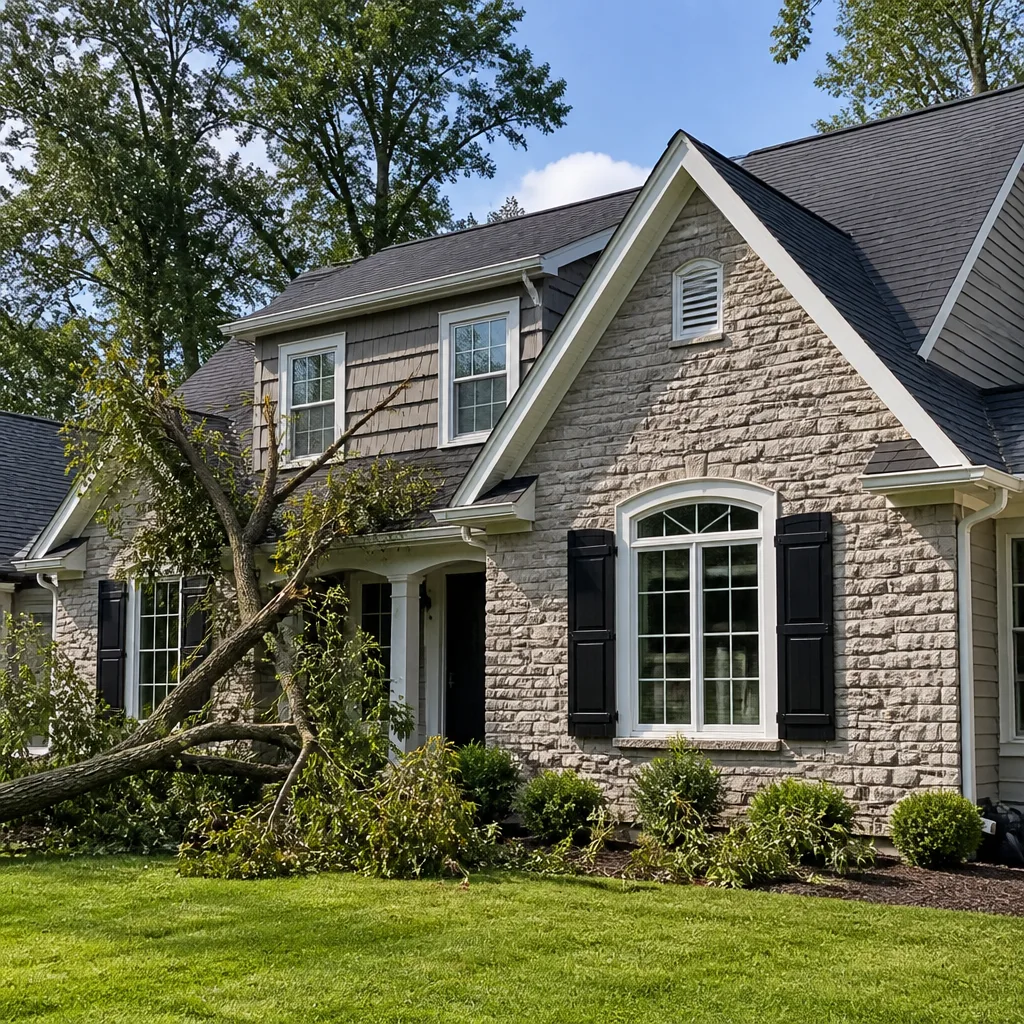
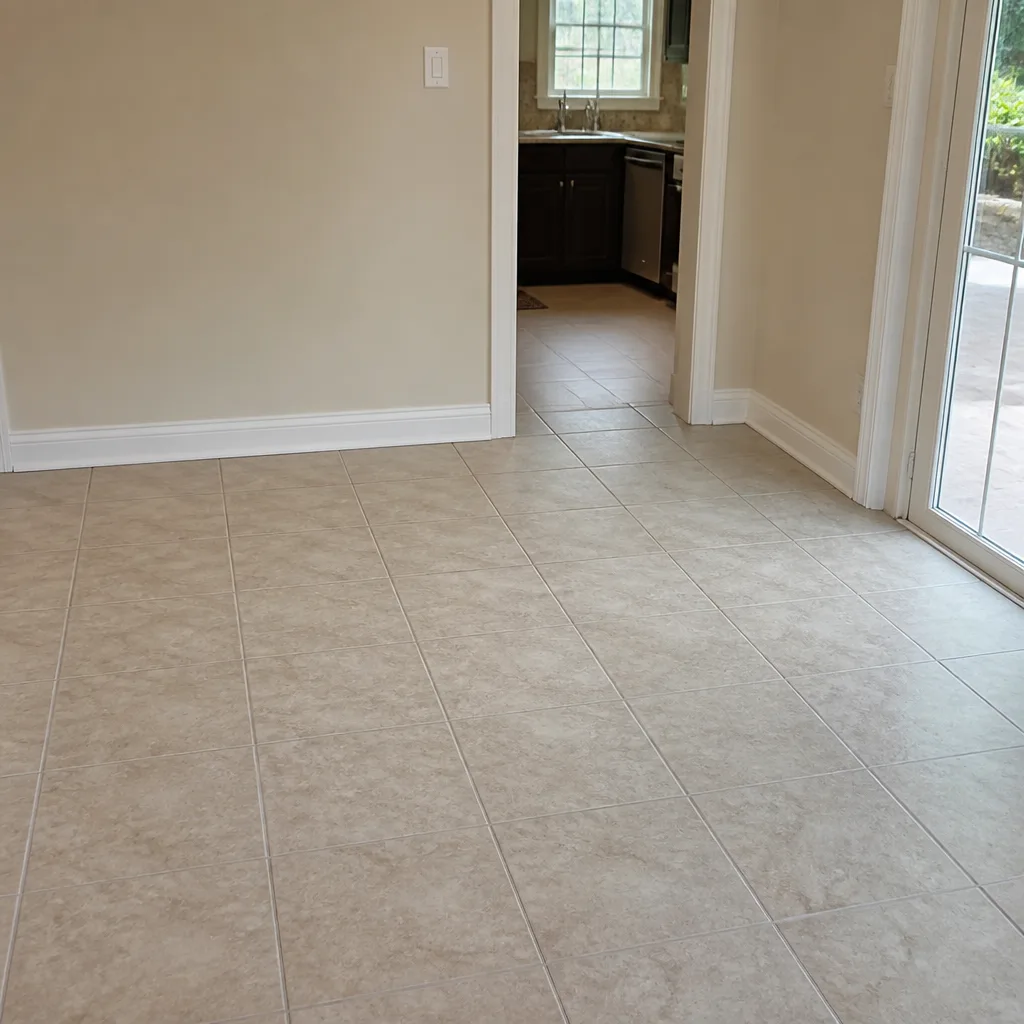
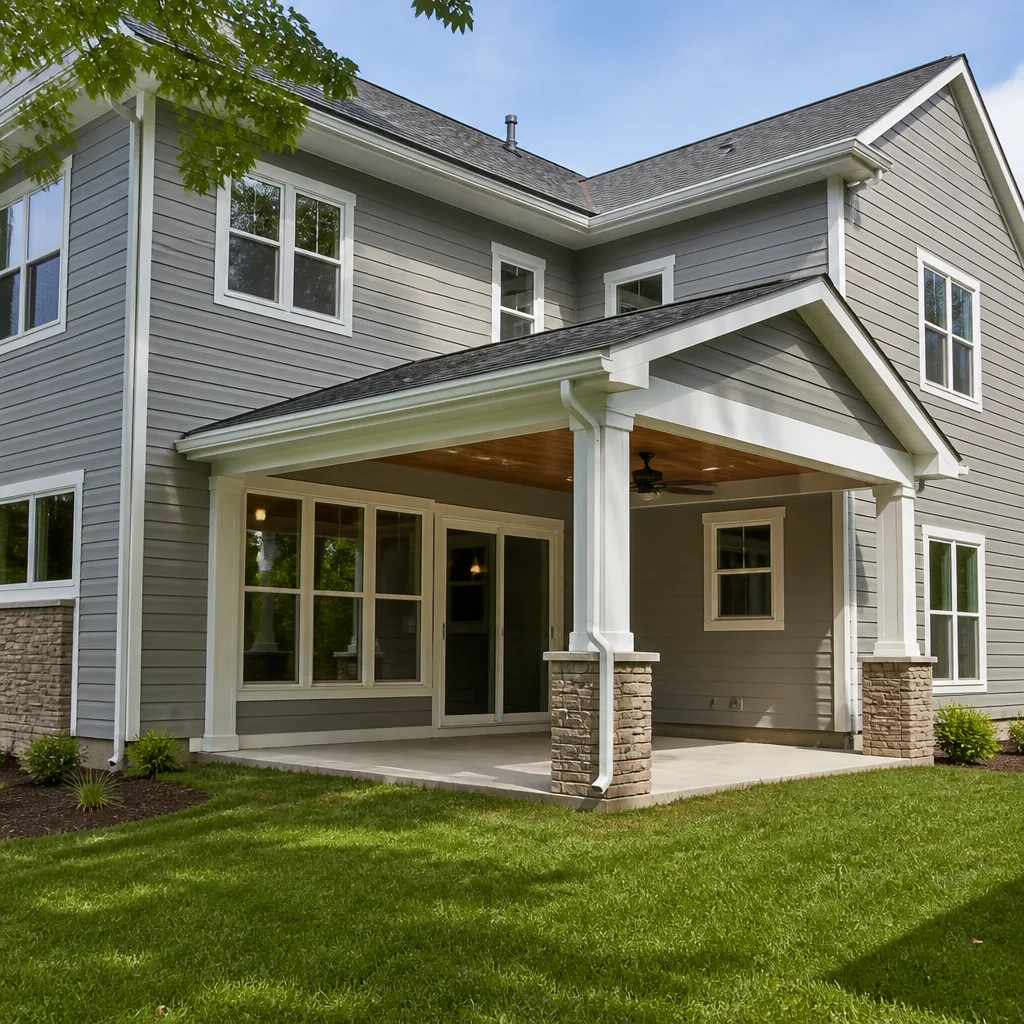
 Before
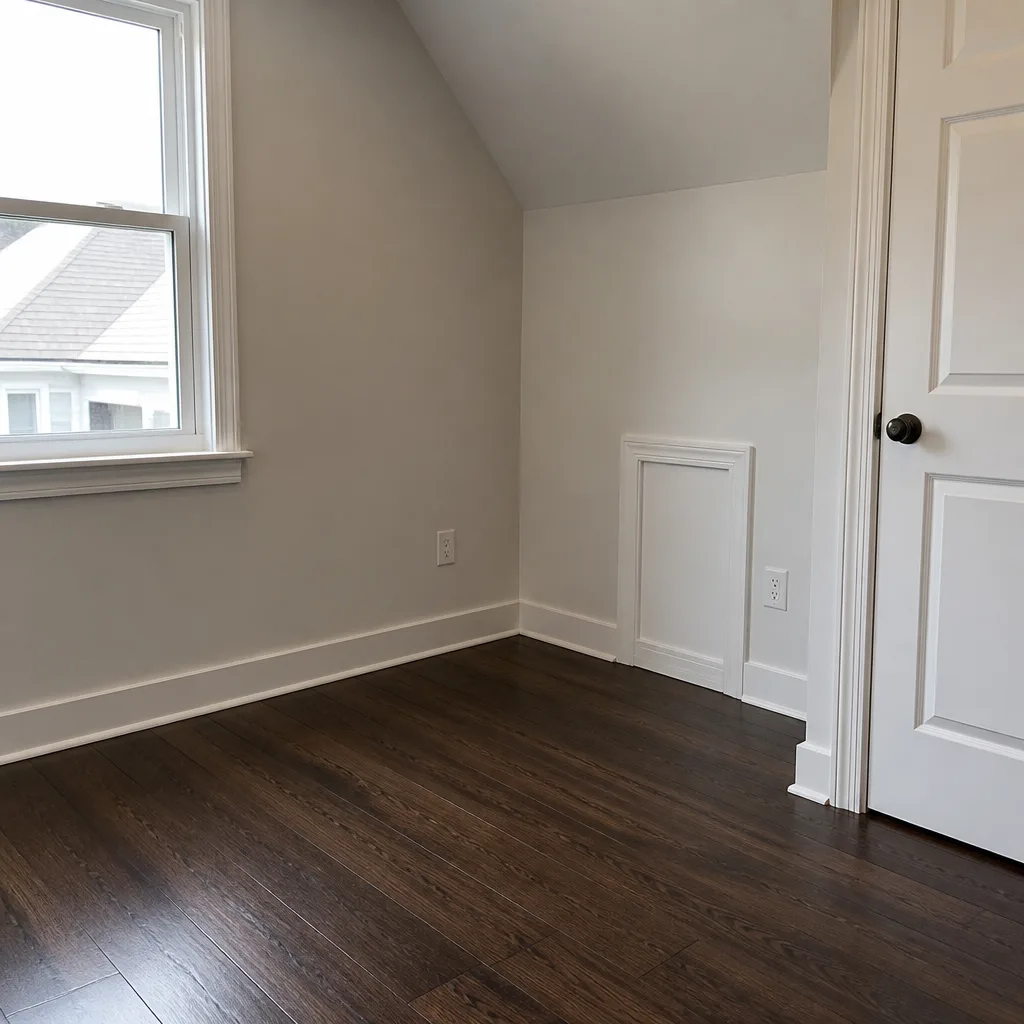 After
After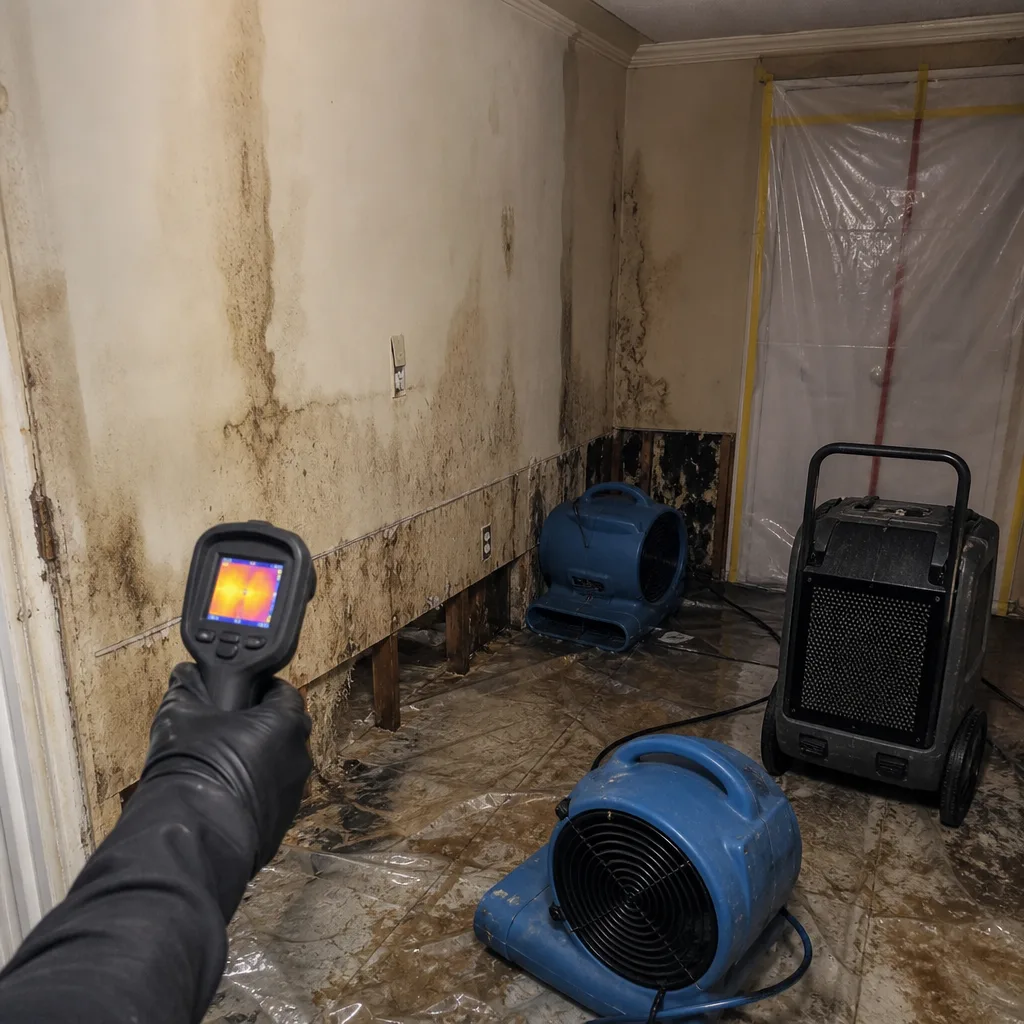 Before
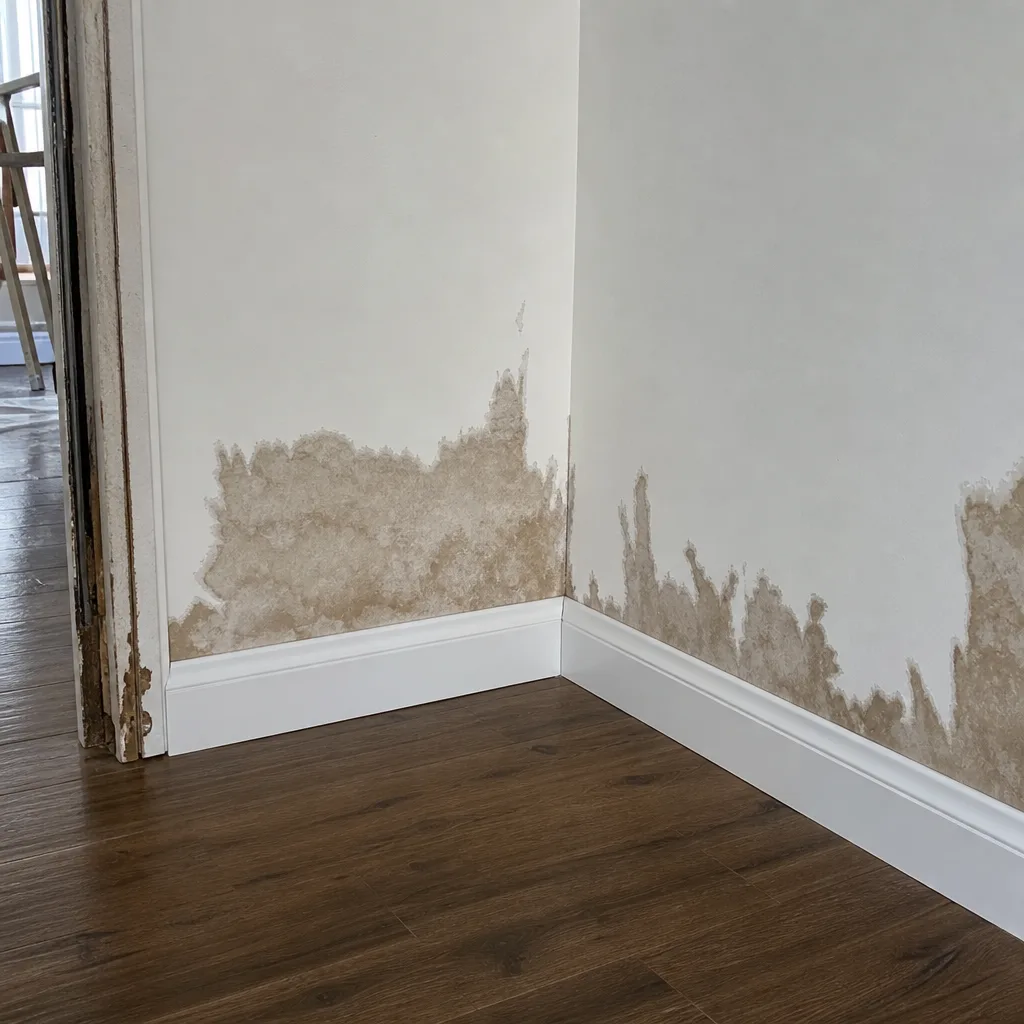 After
After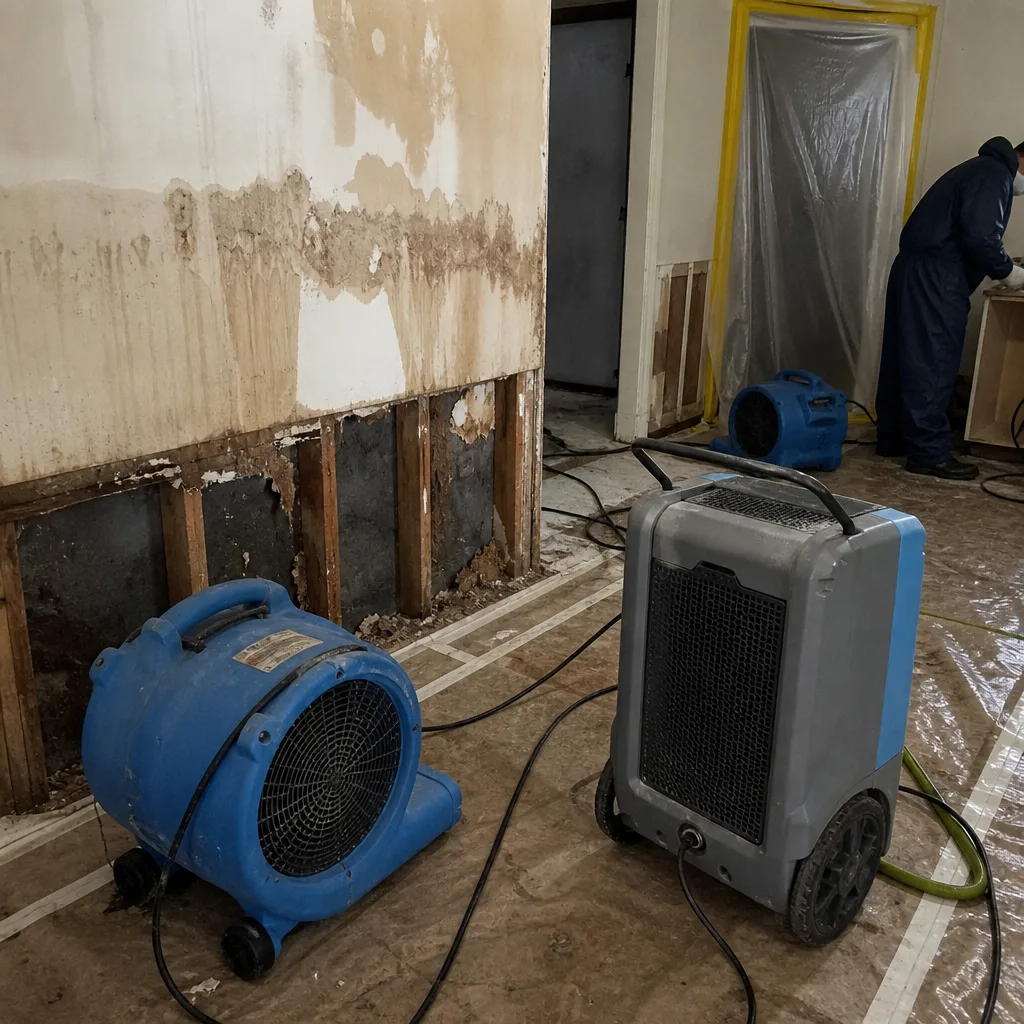 Before
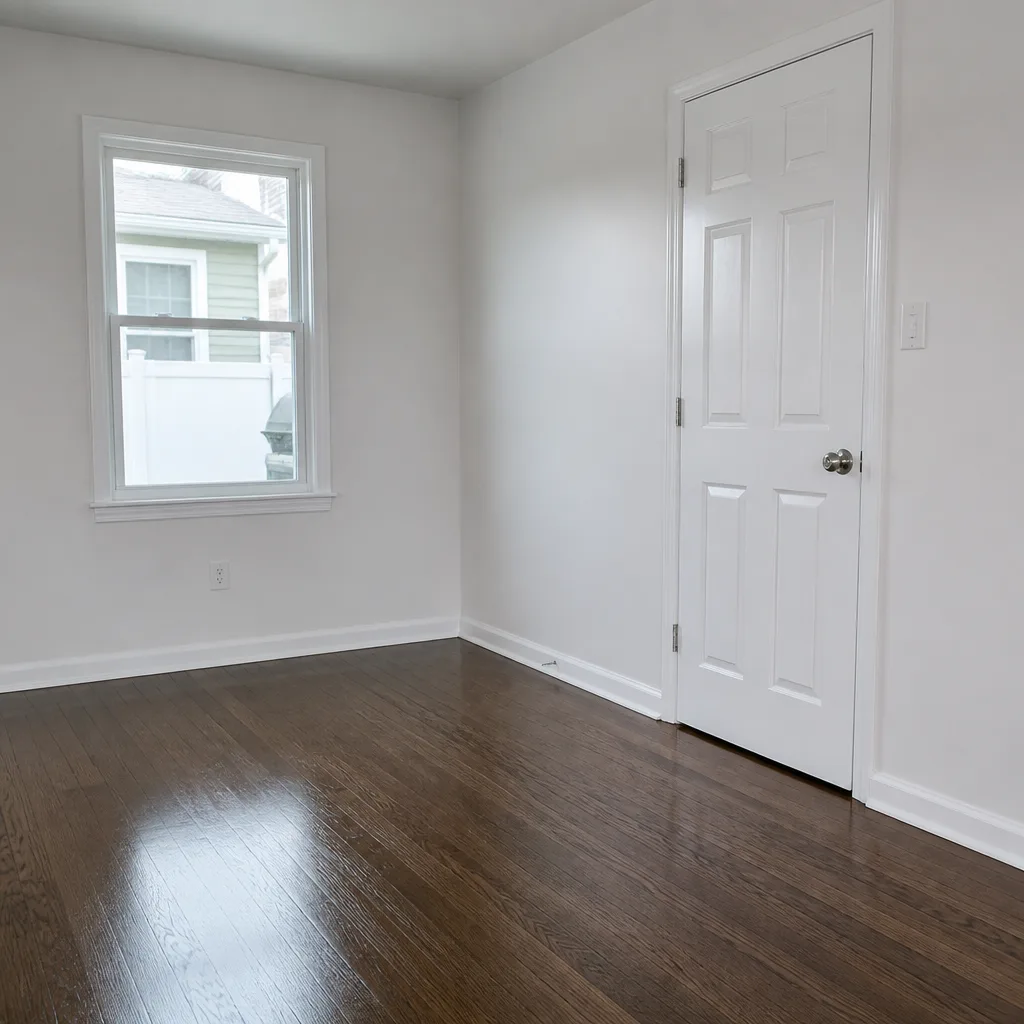 After
After24/7 Emergency Mold Remediation in Coney Island
Mold remediation in Coney Island typically runs $2,800-$6,500 for a contained crawl space or basement job, and most calls we get here start with water, not visible mold. Because the peninsula sits at sea level in FEMA flood zones AE and VE, what creeps into a bungalow after a nor’easter is almost never clean rainwater. It’s saltwater. Saltwater feeds mold differently, corrodes what it touches, and demands a response that standard inland protocols don’t cover. We answer the phone live at (716) 412-2972, twenty-four hours a day, and we dispatch crews into Coney Island within 45 minutes. The first hour matters because salt crystals left behind wick moisture for weeks, and every day you wait, the colony moves deeper into floor joists, sill plates, and ductwork.
If you’ve just noticed a musty smell in a Mermaid Avenue bungalow or staining on a NYCHA high-rise wall, call us. A visual inspection is free, and we’ll tell you honestly whether you need full containment or a targeted treatment. No scare tactics. Just a straight read on what’s growing and what it’ll take to stop it.
Understanding Mold Remediation Severity in Coney Island Properties
We classify every Coney Island mold job by water category and square footage of colonization before we touch a wall. Category 1 water is clean supply-line water. Category 2 carries contaminants. Category 3 is the one that matters here: storm surge, saltwater, sewage, or any water that’s been sitting in a flooded crawl space. Category 3 water means the porous materials it touched, drywall, insulation, carpet pad, are not salvageable by drying alone. They come out, get bagged, and go through containment disposal. In Coney Island’s older wood-frame bungalows, built as summer cottages and converted to year-round homes decades ago, Category 3 water that entered during Sandy or a nor’easter often still has residual salt in the framing. Surface readings can look dry while the wood behind fiberglass batting holds 30% moisture. That’s where mold takes hold. In the brick NYCHA towers, we see a different pattern: basement mechanical rooms flooded with surge water, then sealed up without full drying, leaving walls and electrical rooms colonized behind panels that never got pulled.
The severity difference matters because a light surface bloom on concrete is a one-day cleaning job. Mold that’s moved through an open pier foundation and into the subfloor is a structural event. We moisture-map every job with thermal imaging and hygrometers before we quote anything, because guessing at mold in Coney Island means guessing at salt, and salt changes everything.
Why Coney Island Property Owners Choose Floodline Restoration Co.
- 45-minute response commitment to Coney Island. From Stillwell Avenue to West 37th Street, a live dispatcher confirms a crew is moving toward you the same call, not after a callback.
- Live answer, 24 hours a day, every day. You get a person at 2 a.m. At noon. On a holiday. Never a recording, never a “leave a message.” You call, we answer.
- IICRC-certified crews trained to AMRT and WRT standards. Mold remediation requires applied microbial remediation technician training, and our background-checked, uniformed technicians carry it. We also train to RIA and IFA standards.
- Free visual inspection with no obligation. We’ll walk the crawl space, read the moisture levels, and tell you what’s actually there. If you don’t need remediation, we’ll say so plainly.
- Direct insurance billing. For NFIP flood claims and homeowners policies alike, we document from the first hour, bill your carrier, and talk to your adjuster so you don’t have to be the go-between. This is not an optional courtesy. It’s how we’ve worked for years in post-Sandy Coney Island.
- One crew from first assessment to finished rebuild. We don’t remediate and hand you off to a third-party contractor. The same Floodline team that contains the mold also replaces the drywall, the joists, the duct runs. One name, accountable for the whole job.
Our Mold Remediation Process
Inspection & Assessment
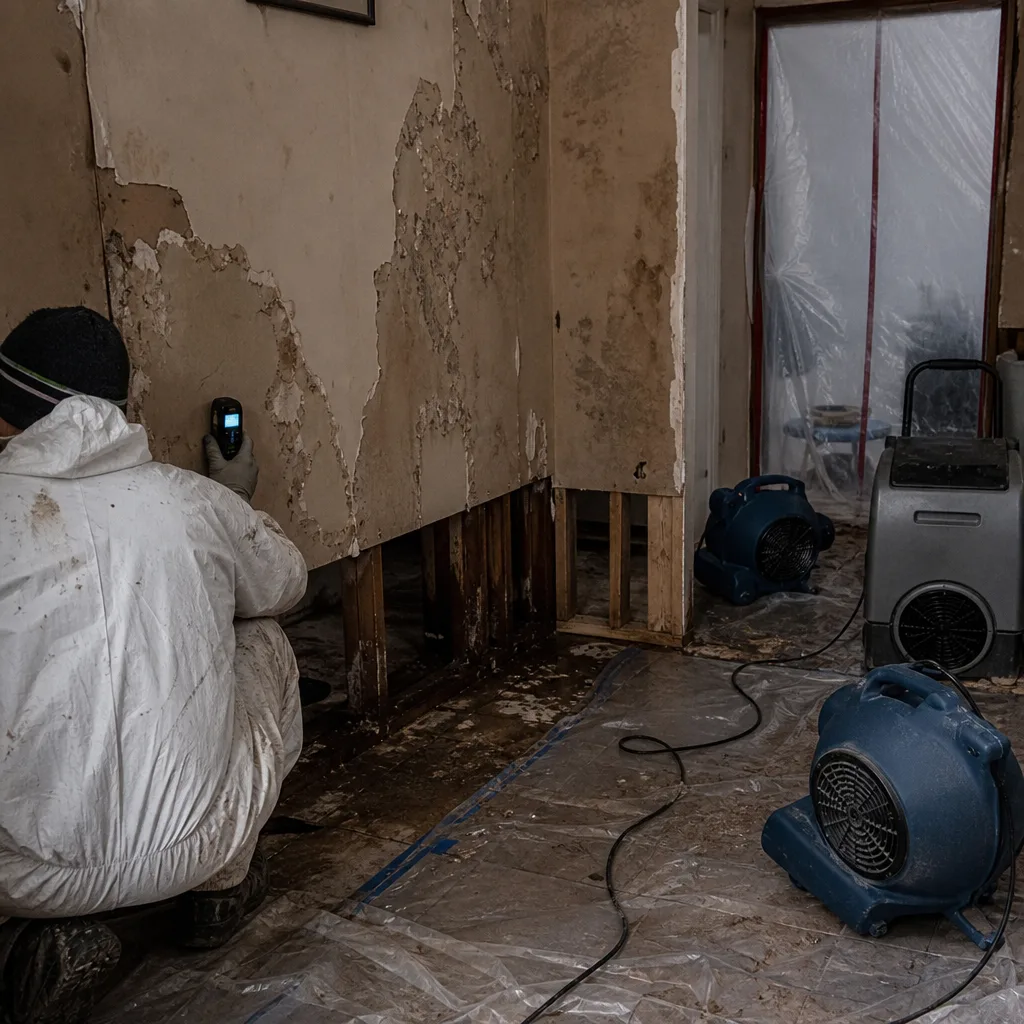
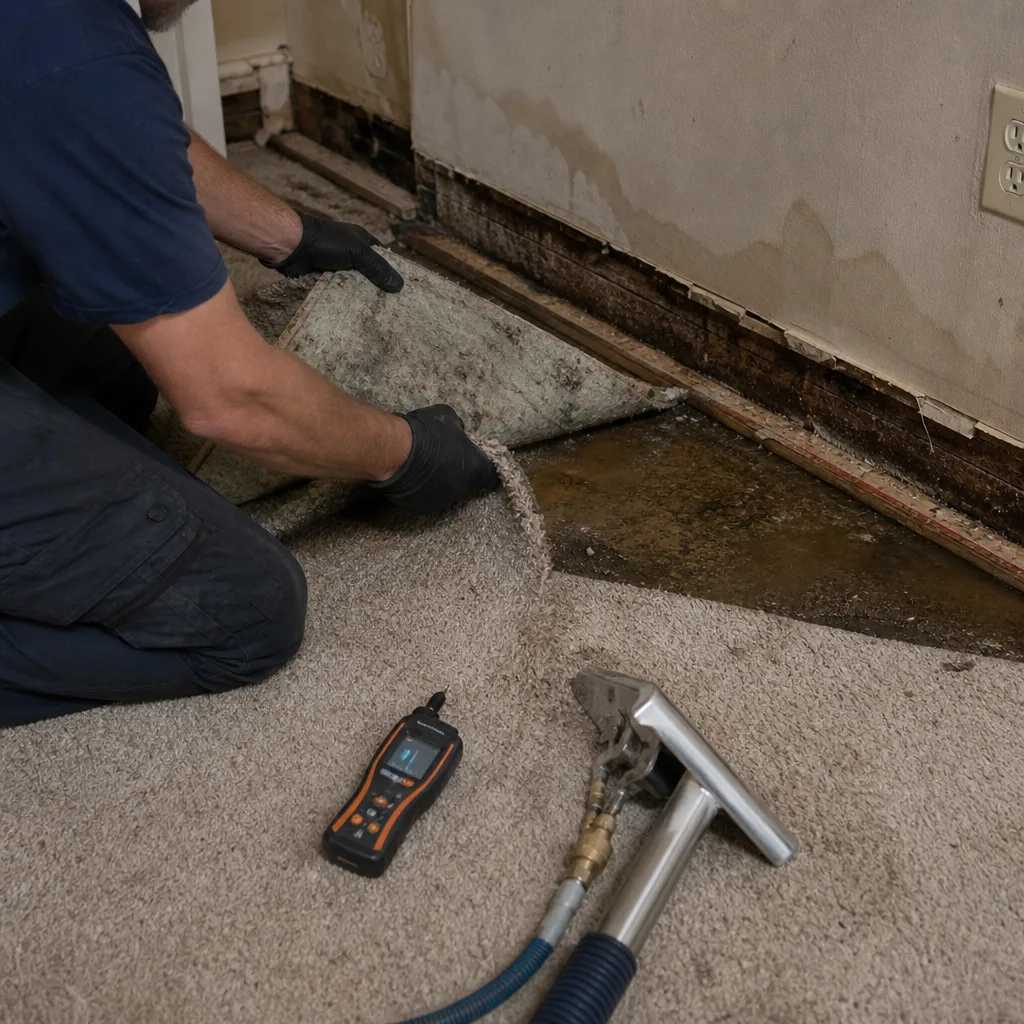
We start with a visual walkthrough, then thermal imaging to find moisture that’s not visible. In Coney Island bungalows, that means getting under the piers with a flashlight and a moisture meter. We check humidity in the crawl space, behind baseboards, and around HVAC runs. You get a written scope and a firm number before any work begins.
Containment Setup
Before we disturb any colonized material, we seal the work area with 6-mil polyethylene and run HEPA-filtered negative air machines. This keeps spores from moving into living space during removal. For elevated bungalows, containment often includes the open undercarriage, which means tenting around piers and sealing the access points.
Salt-Purge & Source Correction
This is the step that separates Coney Island mold work from inland jobs. Where saltwater has contacted framing, ductwork, or fasteners, we wash corroded metal with salt-purge treatments and apply anti-corrosion coatings. Skip this and the salt keeps pulling moisture out of the air, and the mold returns in weeks. On the Mermaid Avenue job we’d found 99% relative humidity under the piers, and the galvanized seams on the duct runs had rotted through. We replaced half the HVAC before structural drying could begin.
Removal & Drying
Colonized drywall, insulation, and carpet pad come out in sealed bags. Then we set professional-grade Dri-Eaz and Phoenix dehumidifiers and XPOWER air movers to drive the structure to dry standard, typically 12% or lower for wood. Daily moisture readings get logged. You see the log, and so does your insurer.
Cleaning & Antimicrobial Treatment
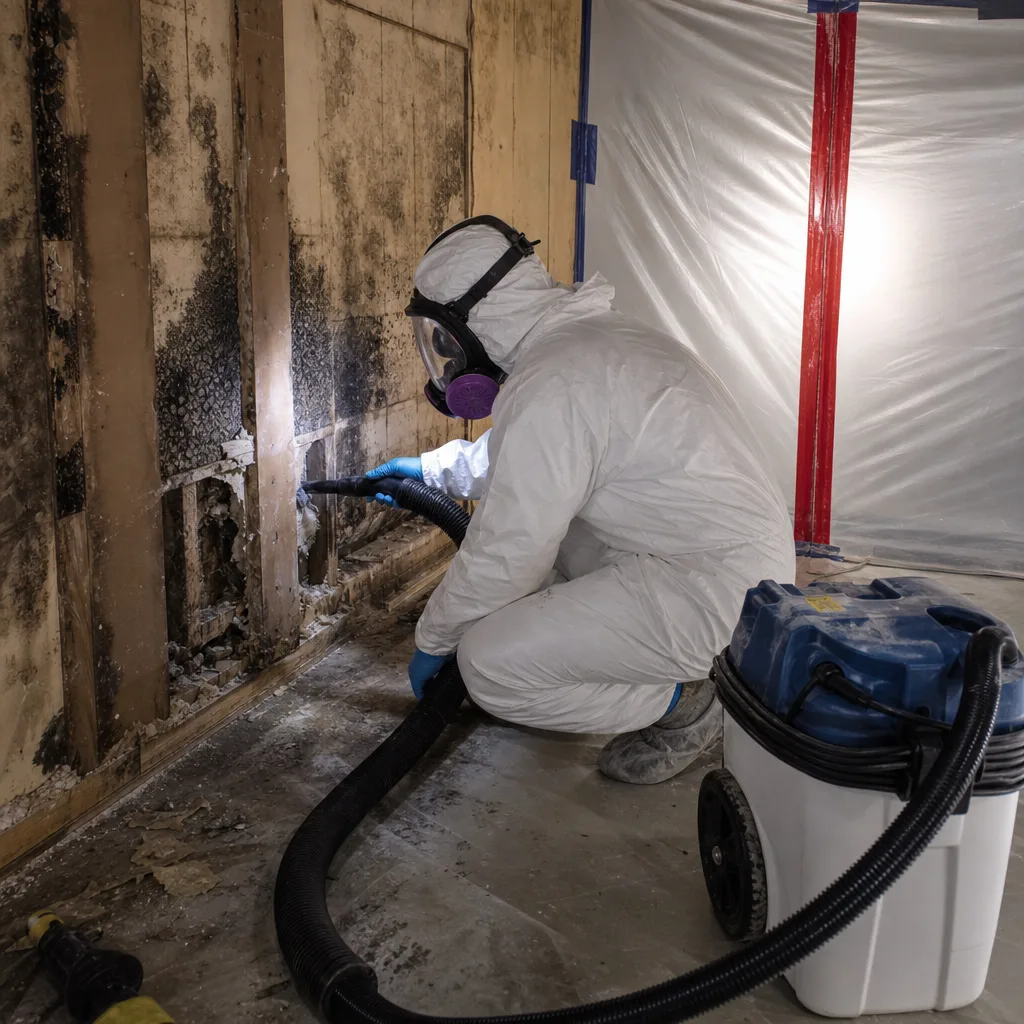
We HEPA-vacuum all surfaces within containment, wipe with EPA-registered antimicrobials, and fog the cavity spaces where spores hide. For crawl spaces and open undercarriages, we treat the exposed joists and sills. Air quality restoration follows when we’re done.
Repairs & Restoration
We rebuild what we removed: drywall, insulation, vapor barrier, duct runs, subfloor where rot has set in. The work is done by our own crew, and it’s covered by the 90-Day Done Right Promise. If it’s not done right, we make it right. In writing, no arguing.
Need Emergency Mold Remediation in Coney Island Now?
Crews minutes away, answering live 24 hours a day. The sooner we start, the less it costs.
Working With Your Insurance Company
Most Coney Island mold jobs tie back to a water event, and most water events here fall under NFIP flood policies or homeowners claims with mold riders. Our team handles the documentation from the first hour: photos of every affected room before we disturb anything, thermal images showing hidden moisture, and daily drying logs that prove we hit dry standard. We write estimates in the industry format your carrier expects, then we talk to your adjuster directly. You don’t carry the file folder back and forth. For post-Sandy elevated homes, we’ve walked adjusters through salt-corrosion damage that a typical claims reviewer dismisses as pre-existing wear. That documentation changes outcomes. Call (716) 412-2972 and we’ll start building your file the same visit.
What We Provide Your Insurer
- Thorough documentation of the loss
- Photos of all damage, room by room
- Moisture readings and drying logs
- A detailed, line-item scope of work
- Direct coordination with your carrier
Built for Coney Island’s Loss Calendar
Mold in Coney Island follows a seasonal rhythm that’s written into the peninsula’s geography. Hurricane season from June through November is the big one. A tropical system pushing Atlantic surge up into Sheepshead Bay and across Sea Gate doesn’t just flood basements; it drives saltwater into open pier foundations and shallow crawl spaces, then the heat bakes those cavities like a greenhouse. Mold blooms within 48 to 72 hours. Nor’easters from October through March do slower damage: days of wind-driven rain and coastal flooding that saturate building envelopes, then freeze-thaw cycles in January and February that split supply lines in uninsulated bungalow crawl spaces. Spring thaw and April rains top off groundwater that’s already high on this sandbar. The Coney Island mold season, honestly, doesn’t end. It shifts. Which means the inspection that happened last summer doesn’t protect a bungalow that just took a winter nor’easter. If your crawl space was in the water line during a storm, call us for a free check even if you don’t see mold. It’s there before it’s visible.
Mold Remediation Across Coney Island’s Neighborhoods
In Sea Gate, the private gated community at the western tip, we work on older oceanfront homes where salt spray alone keeps exterior walls at a humidity level mold loves, before any storm hits. Crews coming from the Belt Parkway take Surf Avenue to reach them, and we know which blocks lost power longest during Sandy, which matters when we’re tracing how long a basement sat wet. Along Mermaid Avenue and the bungalow blocks between West 15th and West 24th Streets, it’s the elevated post-Sandy homes on exposed piers that keep us busy: open undercarriages, corroded ductwork, vapor barriers that were never replaced after the 2012 rebuild. The NYCHA complexes off Surf Avenue and Neptune Avenue present the opposite challenge: concrete high-rises where basement mechanical rooms flooded during Sandy, and the mold grew inside closed walls and electrical rooms where the moisture never fully dried. Down near the boardwalk and amusement district, seasonal concessions and older commercial storefronts get wind-driven saltwater intrusion through aging storefront seals. Each area has its own failure pattern, and we route crews to all of them from our New York City office, serving Coney Island locally.
Specialized Mold Remediation Services We Offer in Coney Island
Mold Inspection & Testing
We start every suspected mold job with a visual inspection, then moisture mapping with thermal imaging and hygrometers. If you need lab results, we take air and surface samples and send them to a third-party lab. In Coney Island bungalows, we check under the piers and inside the crawl space even when the living area looks clean, because that’s where salt-driven moisture hides. A written report tells you exactly what’s growing, how much, and where.
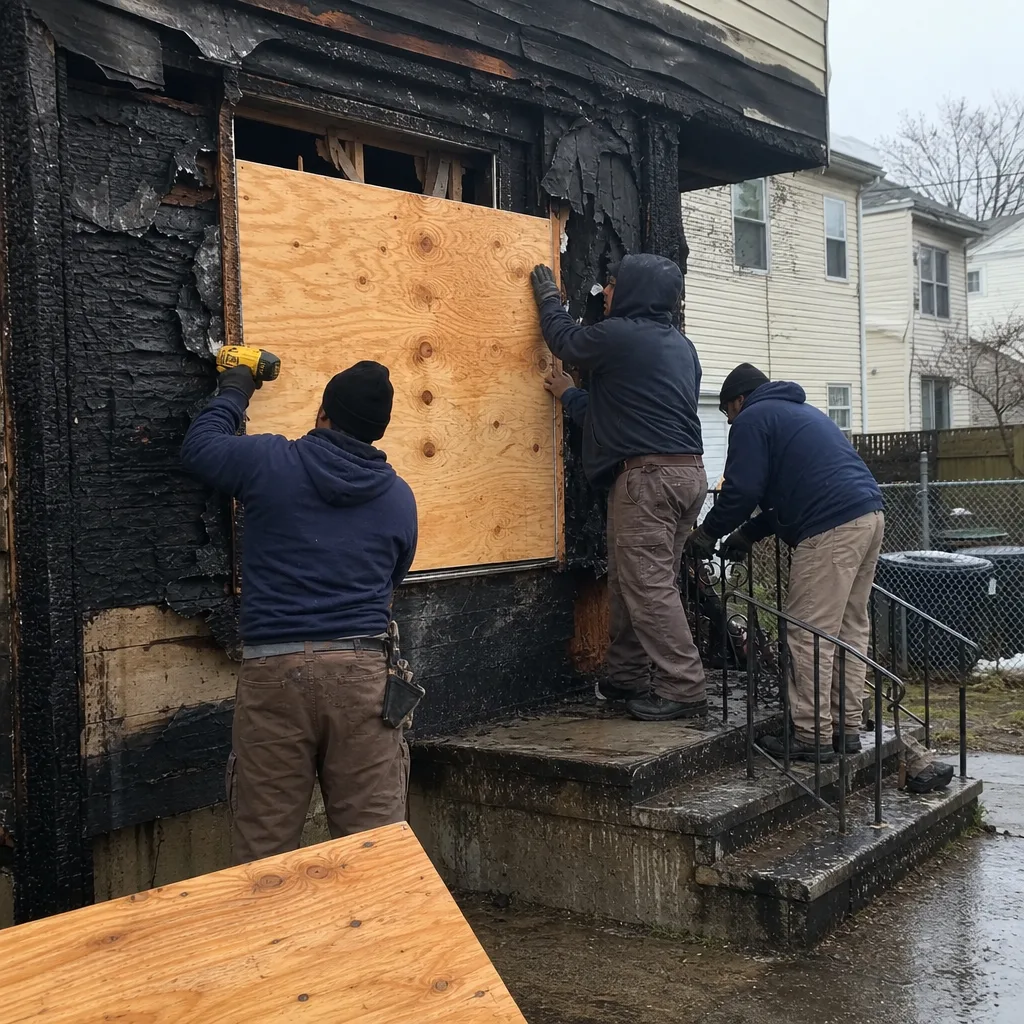
Mold Removal
Containment, HEPA air scrubbing, removal of colonized material, antimicrobial treatment. Done by IICRC-certified technicians using negative air machines and professional-grade dehumidifiers. For Coney Island homes with open undercarriages, removal includes the framing and ductwork beneath the house, not just the finished rooms above.
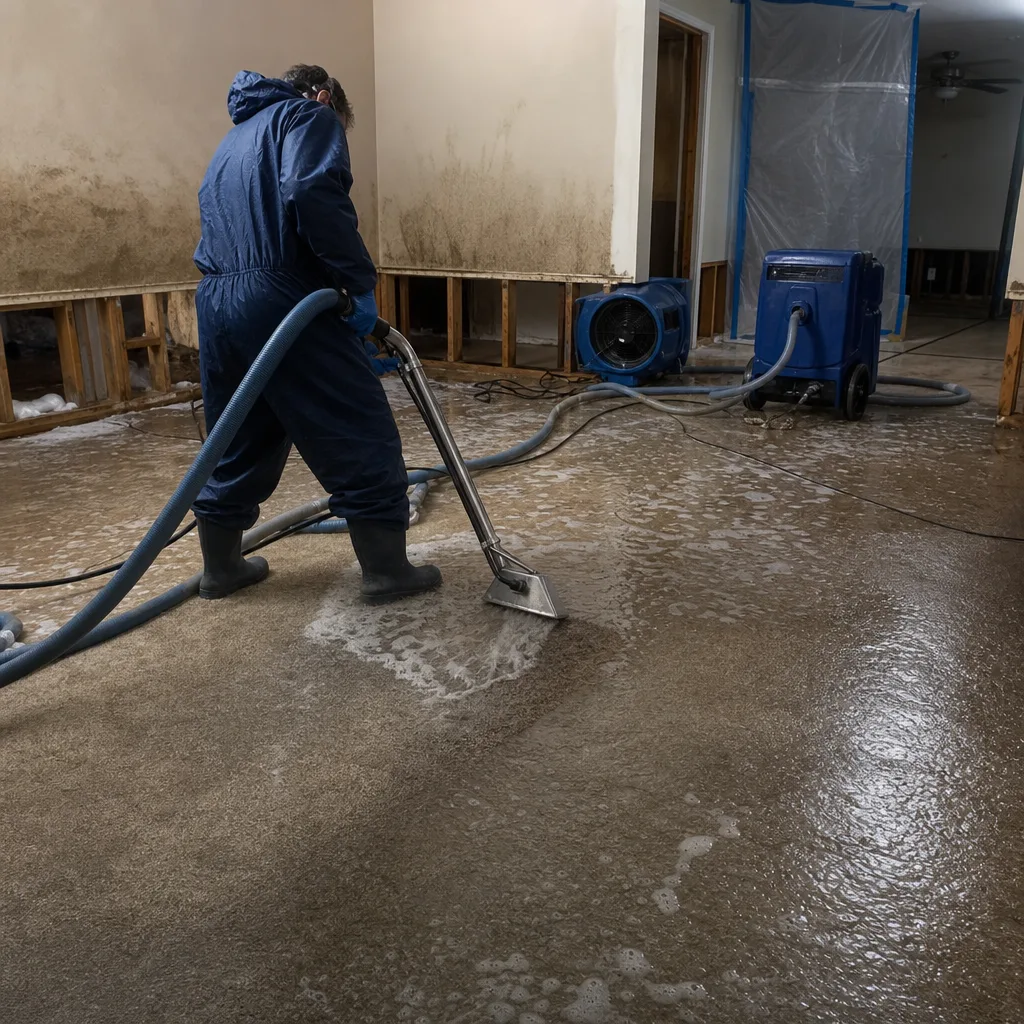
Black Mold Remediation
When testing confirms Stachybotrys, the “black mold” homeowners fear most, we treat the job as a full containment event. That means sealed work zones, HEPA filtration, and disposal of colonized drywall and insulation. In Coney Island’s flood-prone blocks, black mold often grows behind walls that took Category 3 water and were left closed up. We know what that looks like, and we know how to remove it without spreading spores through the house.
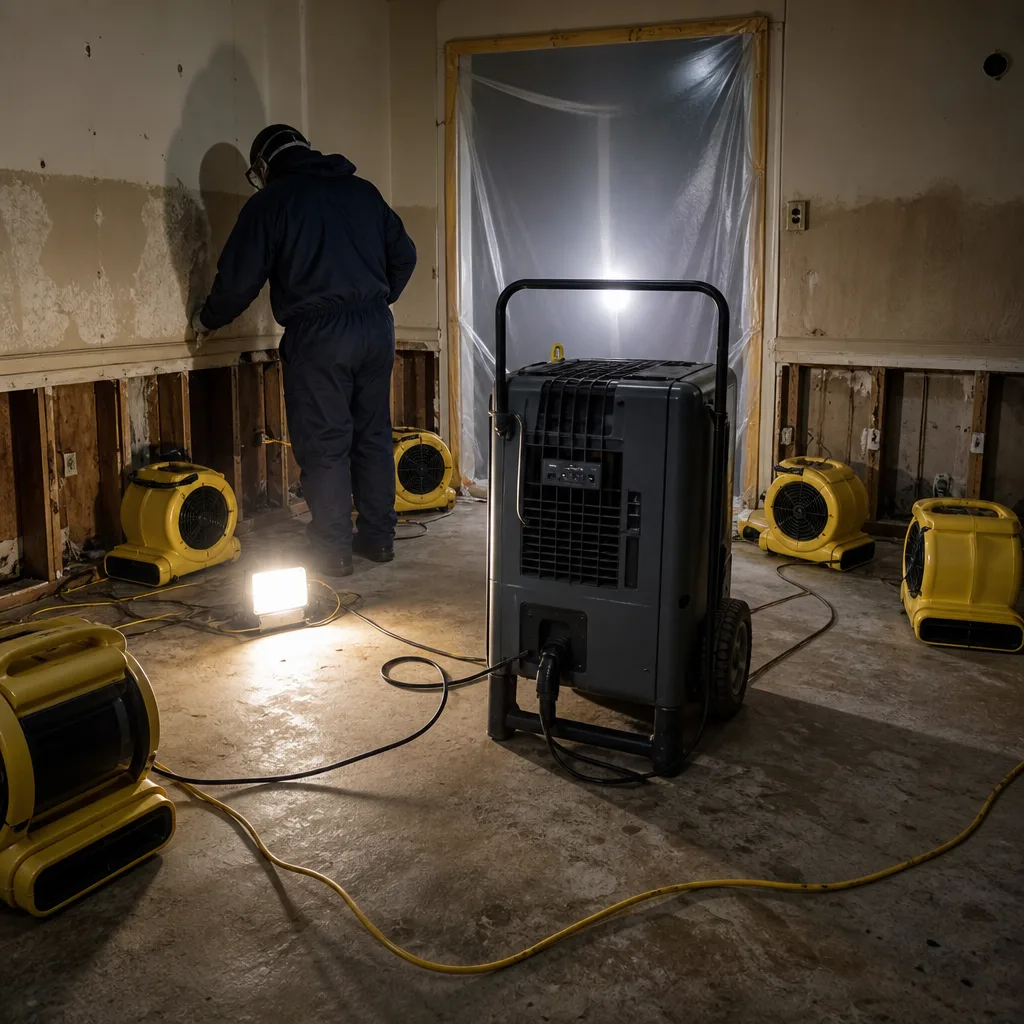
Air Quality Restoration
After removal, we run HEPA air scrubbers to pull residual spores from the air, then verify clearance with post-remediation air sampling. For Coney Island homes near the ocean, we also talk with you about controlling ongoing salt-air intrusion, because clean air today doesn’t stay clean if the crawl space keeps pulling in Atlantic moisture.
Crawl Space Treatment
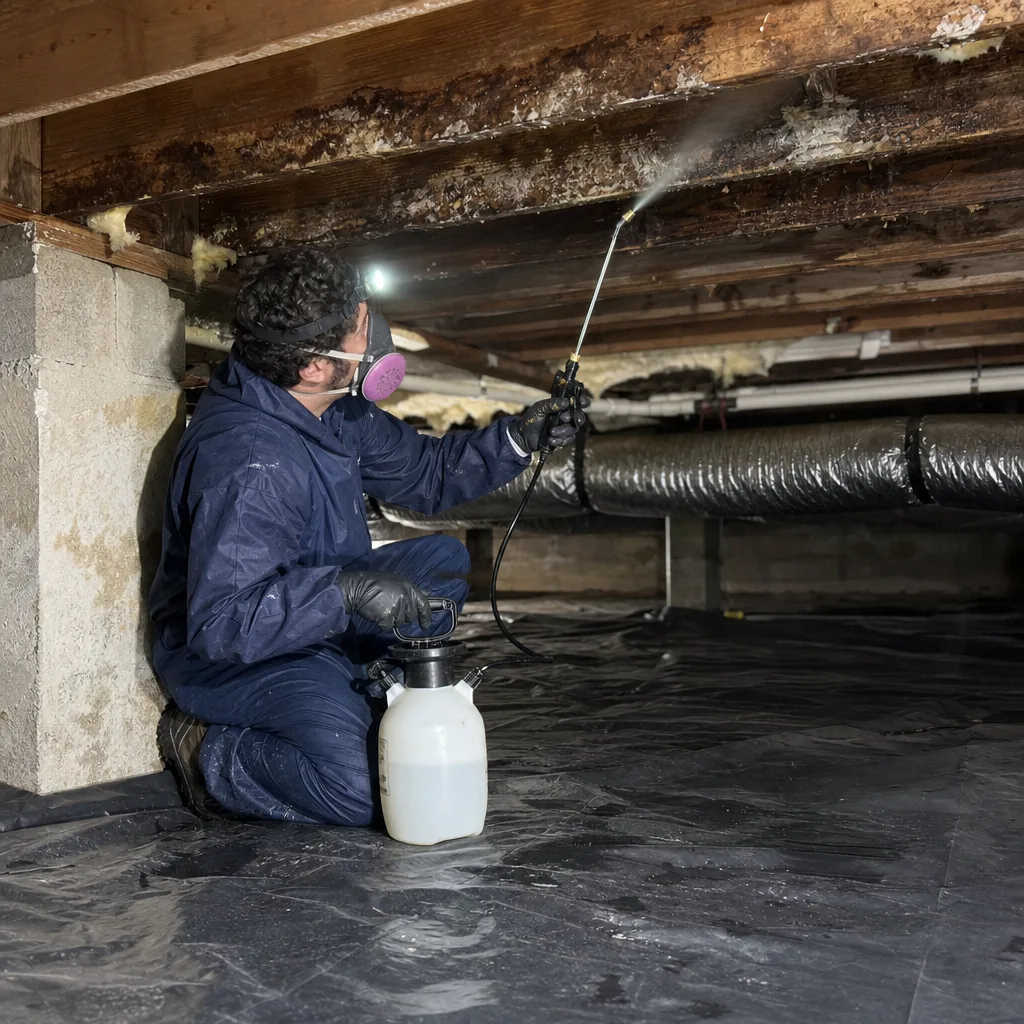
This is the specialty we’ve built around Coney Island’s post-Sandy elevated bungalows. We remove fiberglass batting, treat the framing, replace vapor barriers, seal the undercarriage against salt air where possible, and treat corroded fasteners and duct seams. If the piers were never sealed after elevation, we’ll show you what that’s already cost in metal loss and explain what it means for the mold cycle going forward.
Moisture & Humidity Control
Mold doesn’t grow where the humidity stays below 60%. We install dehumidifiers, improve crawl space ventilation, repair drainage, and seal vapor barriers. In Coney Island, where the ocean is three blocks away and the groundwater sits near the surface, managing humidity isn’t a one-time fix. It’s an ongoing system. We set it up and we explain how to keep it working.
What happens when you call
- 1
A real person answersNo phone trees - you reach a local pro.
- 2
You get an upfront price rangeHonest numbers before anyone is dispatched.
- 3
A background-checked tech heads outLicensed & insured, dispatched right away.
- 4
You approve before work beginsNothing starts until you say go.
Mold Remediation Costs in Coney Island, NY
A contained crawl space mold job in Coney Island typically runs $2,800-$4,800, including containment, removal, drying, and antimicrobial treatment. A full basement remediation with drywall replacement and HVAC work sits in the $4,500-$7,500 range. Whole-home mold events, where multiple rooms plus the undercarriage are involved, run $9,000-$18,000. What moves the number: square footage of colonization, whether Category 3 water is still present, salt-corrosion damage to ductwork and fasteners, and whether the home is elevated with an open pier foundation. Crawl space treatment in a converted bungalow, salt purge and vapor barrier included, typically lands between $3,200 and $5,900. Most Coney Island mold claims are tied to storm surge or flood events, which means insurance often covers the bulk of the cost when the loss is documented correctly. Mold Inspection & Testing runs $350-$650 for a visual inspection with moisture mapping and lab samples. We’ll always give you a free visual inspection first, then a written scope before any paid work starts. Call (716) 412-2972 for an exact quote, no obligation.
We Also Serve Cities Near Coney Island
From our New York City dispatch, our Mold Remediation crews also serve Canarsie, Flatlands, Howard Beach, and Spring Creek. Same 45-minute response commitment, same written scope before work starts. If you’re just outside Coney Island and wondering whether we cover your block, call and ask. A live person answers.
Serving Coney Island, NY - Our Local Coverage Area
We’re based in the Coney Island area and know this community well. Use the map below to see our service coverage - if you’re nearby, we can almost certainly help.
Coney Island Mold Remediation Questions, Answered
Why does mold remediation in Coney Island bungalows cost more than inland Brooklyn homes?
Because the saltwater that floods Coney Island leaves behind salt crystals in framing, drywall, and ductwork, and that salt keeps pulling moisture from the air long after the water is gone. A proper Coney Island mold job includes salt-purge treatments, anti-corrosion coatings, and often replacement of galvanized duct seams that inland crews never touch. Those extra steps add $1,200-$3,800 to a typical crawl space job, and skipping them means the mold returns in weeks.
Can mold hide under a house elevated on concrete piers after Sandy?
Yes, and it usually does. Homes elevated after Sandy onto new concrete piers have an open undercarriage exposed to ocean air. Humidity under those houses runs high year-round, and when a nor’easter pushes saltwater beneath them, the water gets trapped against untreated framing and fiberglass insulation. Surface readings on the living floor look dry while the subfloor above the crawl space holds 30% moisture. That’s mold habitat, and it needs a crawl space inspection to find.
What does Category 3 water mean for mold in a Coney Island storm surge?
Category 3 water is grossly contaminated: storm surge, seawater, sewage, anything that sat outside before it got inside. Anything porous that Category 3 water touched, drywall, insulation, carpet pad, fiberglass, cannot be dried and saved. It must be removed and disposed of under containment. In Coney Island, where almost every major water event is storm surge, that means most mold jobs involve full removal rather than surface cleaning.
Do I need mold testing after a nor’easter if my crawl space looks dry?
Yes. A nor’easter can push saltwater under an elevated bungalow without ever touching the living floor, and that water sits in the crawl space, trapped against the subfloor, invisible from above. By the time you see staining or smell it, the colony is weeks old. We recommend a free visual inspection with moisture mapping after any storm that put standing water anywhere near the house. Call (716) 412-2972 and we’ll schedule it.
How soon after a storm surge should I call for mold remediation in Coney Island?
Within 24 to 48 hours. Mold spores germinate on wet, organic material like drywall paper and wood within two to three days, and in Coney Island’s warm, humid summers that timeline shortens. The faster a crew sets containment and starts extraction, the less material needs to be removed. If water entered the house during a surge, call us that same day. We answer live, dispatch within 45 minutes, and start the drying process immediately.
How fast can your crew actually reach Coney Island?
We commit to 45 minutes from the time you call to the time a crew is rolling toward your address. Depending on where you are, Sea Gate, Mermaid Avenue, the NYCHA complexes off Surf, we’re often there faster. The live dispatcher at (716) 412-2972 confirms the truck assignment while you’re still on the phone.
Will my insurance cover mold remediation in Coney Island?
It depends on your policy and the source of the water. NFIP flood policies cover mold damage caused by covered flood events, and many homeowners policies cover mold when it results from a covered water loss. The key is documentation from the first hour: photos, moisture readings, a line-item scope, and proof that drying reached industry standard. We build that file for you and work directly with your adjuster. The free inspection starts that process.
What should I do in the first 30 minutes after finding mold in my Coney Island home?
Don’t scrub it, don’t paint over it, and don’t run the HVAC system, because the fan will pull spores into every room. Close the door to the affected area if you can. If there’s standing water, shut off power to that area at the breaker if it’s safe to do so. Then call us at (716) 412-2972. We’ll walk you through the next hour and get a crew moving.
Floodline Restoration Co. has built its reputation in Coney Island on jobs where the water came with salt in it. Curt Bowman founded this company around a dispatch board, not a sales desk, and the standard hasn’t moved: a live person answers, a written scope precedes every paid job, and the 90-Day Done Right Promise stands in writing. If you’re dealing with mold in a Coney Island bungalow, a high-rise apartment, or a post-Sandy elevated home, call (716) 412-2972. We’ll be there when we say.
Written by Curt Bowman, Owner at Floodline Restoration Co., serving Coney Island and the surrounding New York City communities.