

Free visual inspection and a written scope of work before any mitigation begins - photos, moisture readings, and drying logs go in your claim file
The scope we write is the scope we bill. Anything new gets shown to you, in writing, before we touch it.
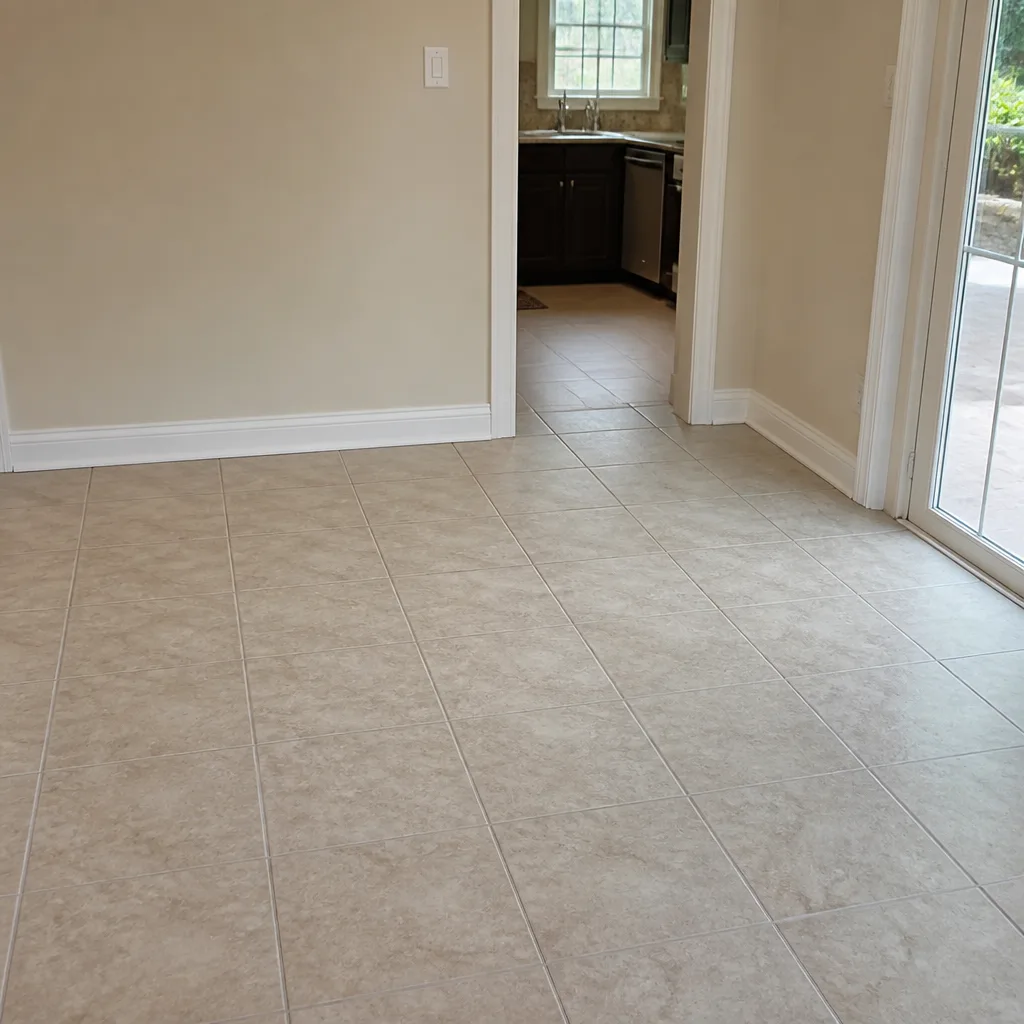
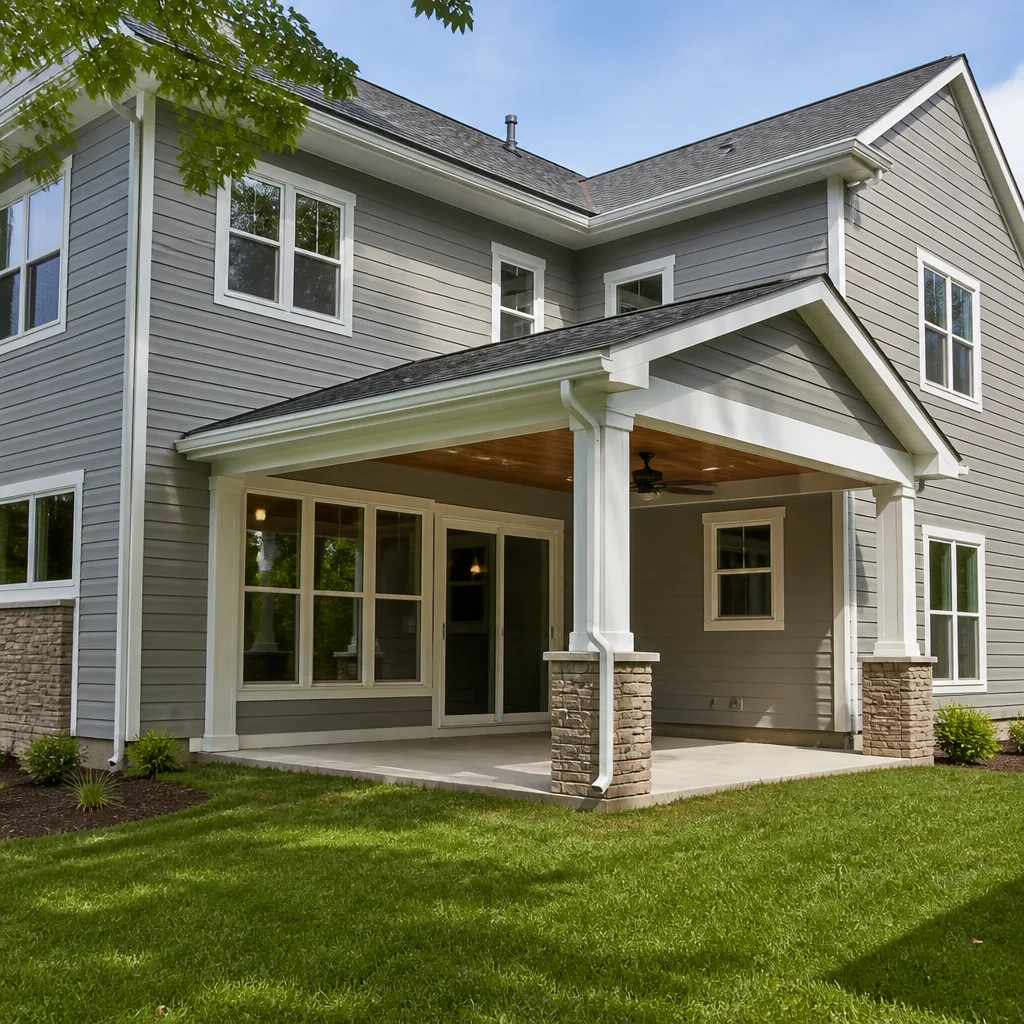
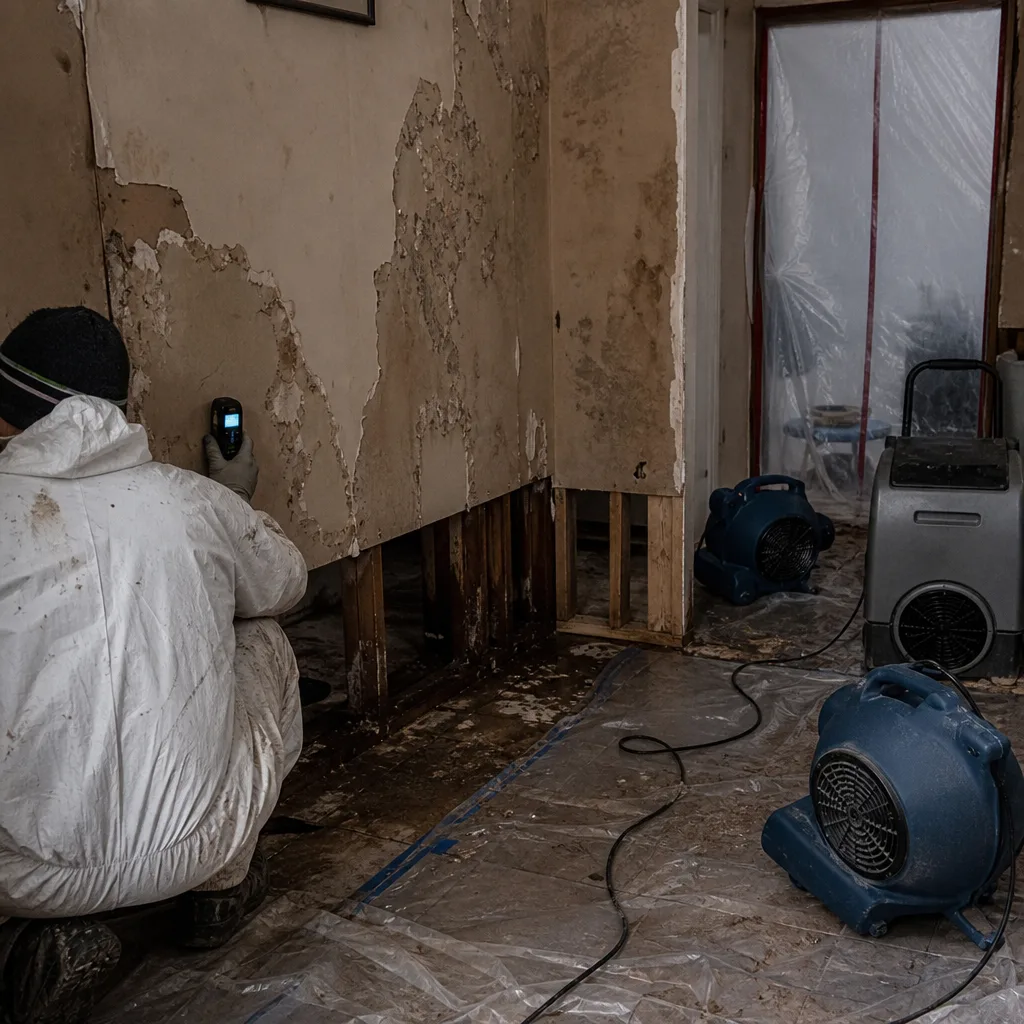 Before
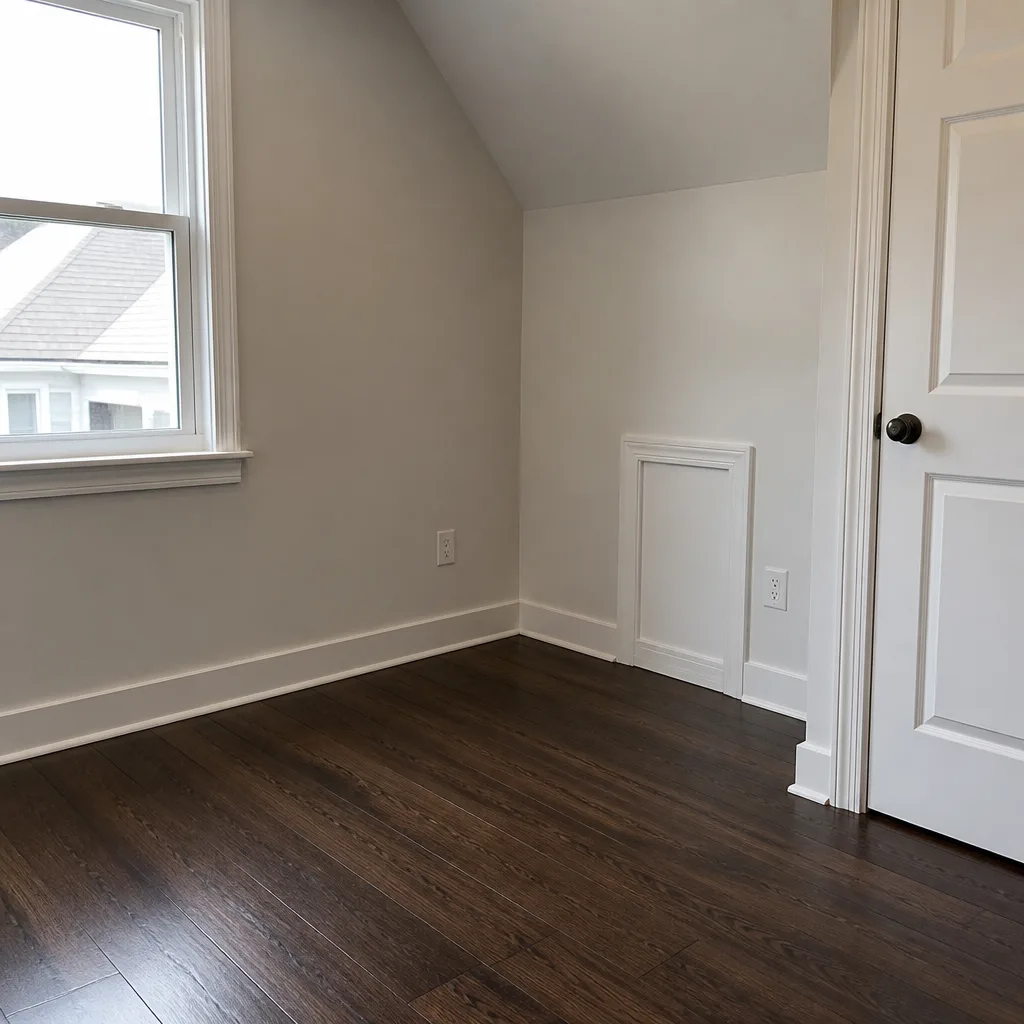 After
After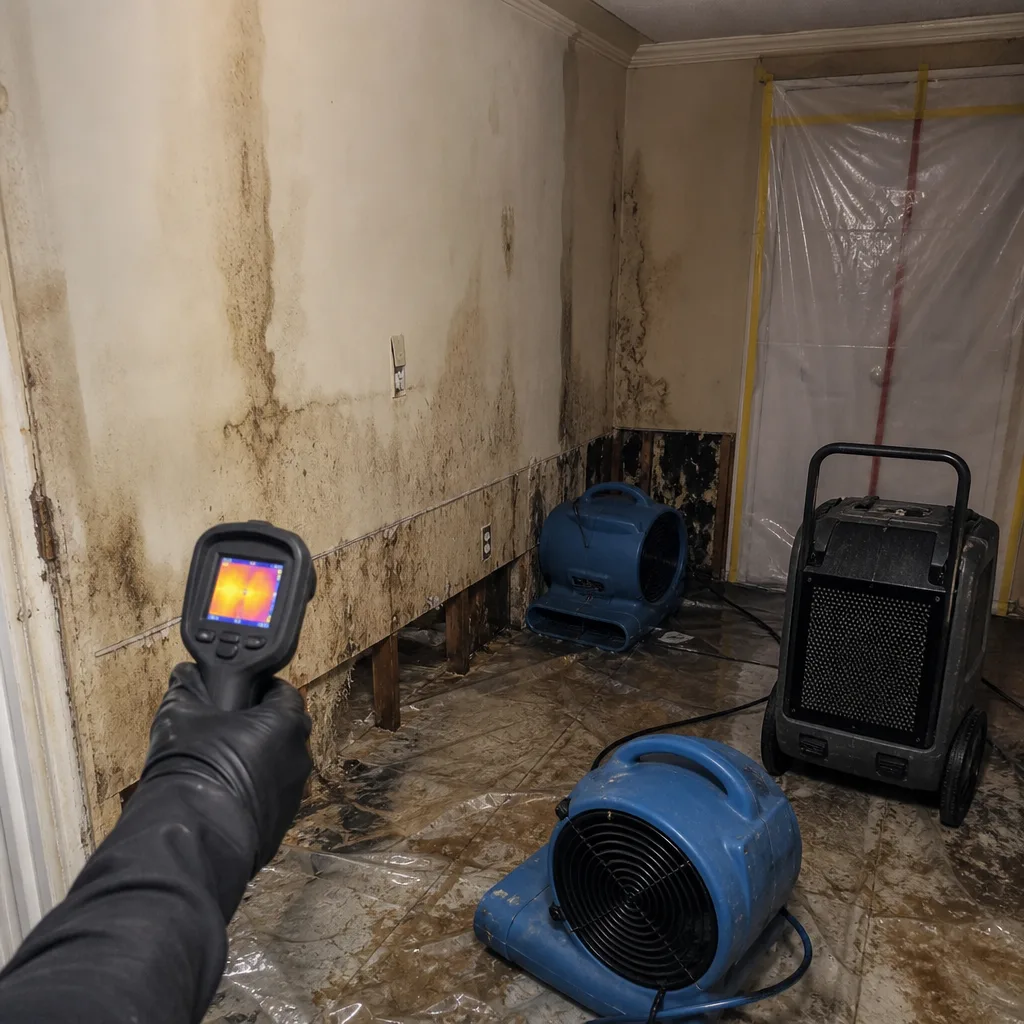 Before
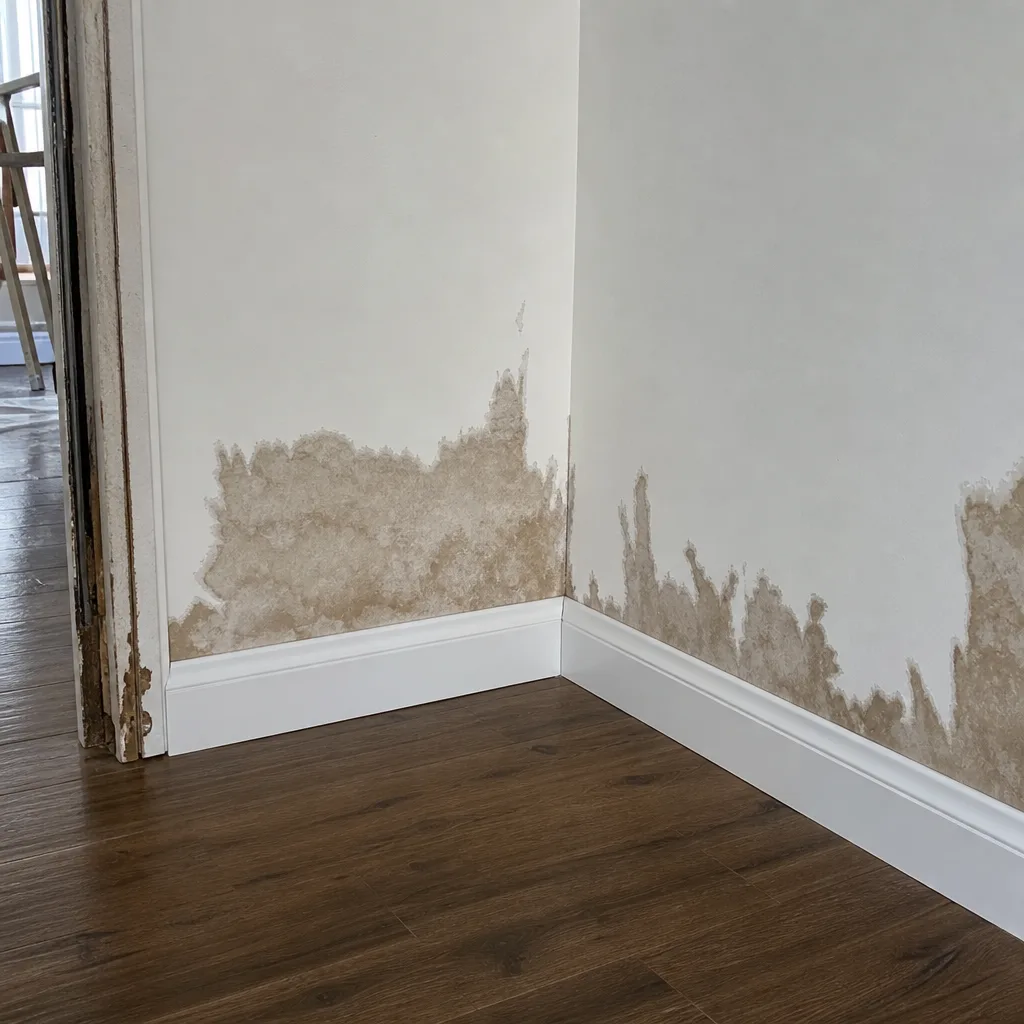 After
After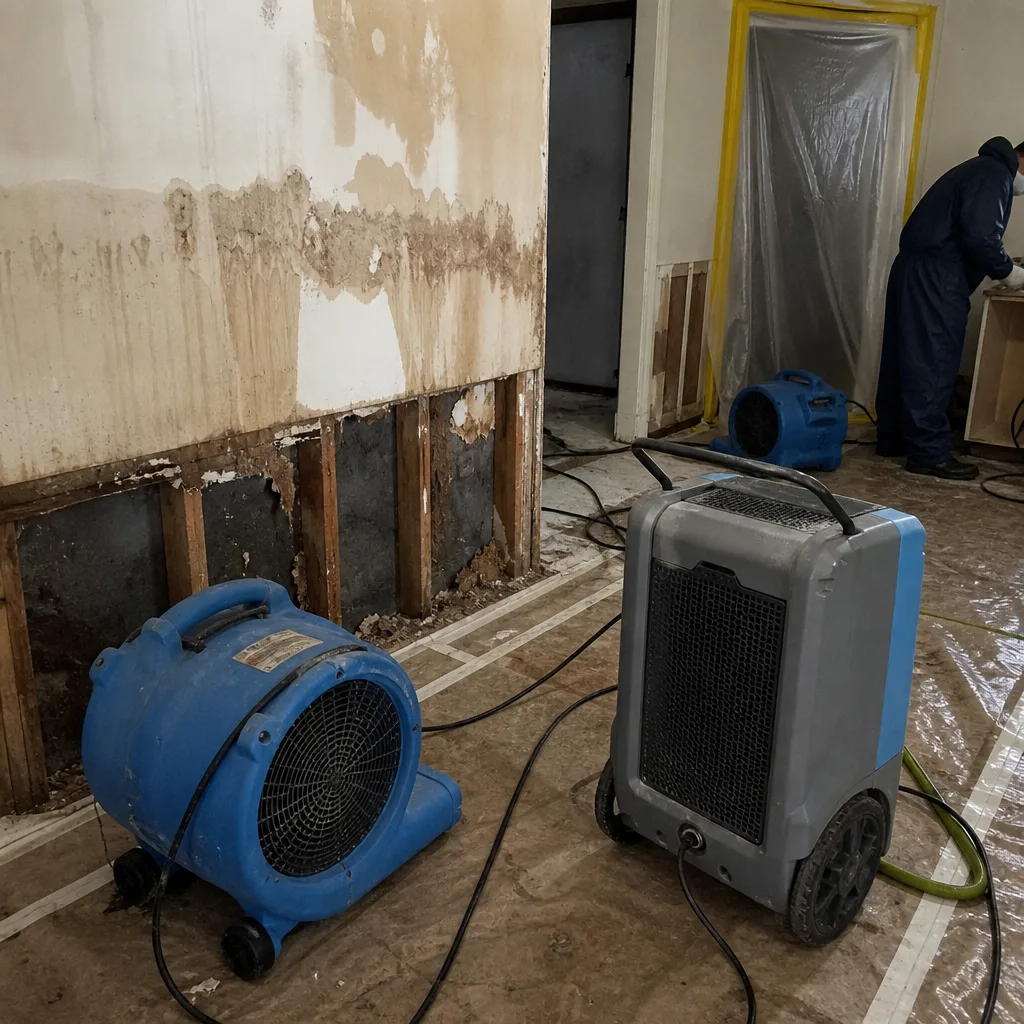 Before
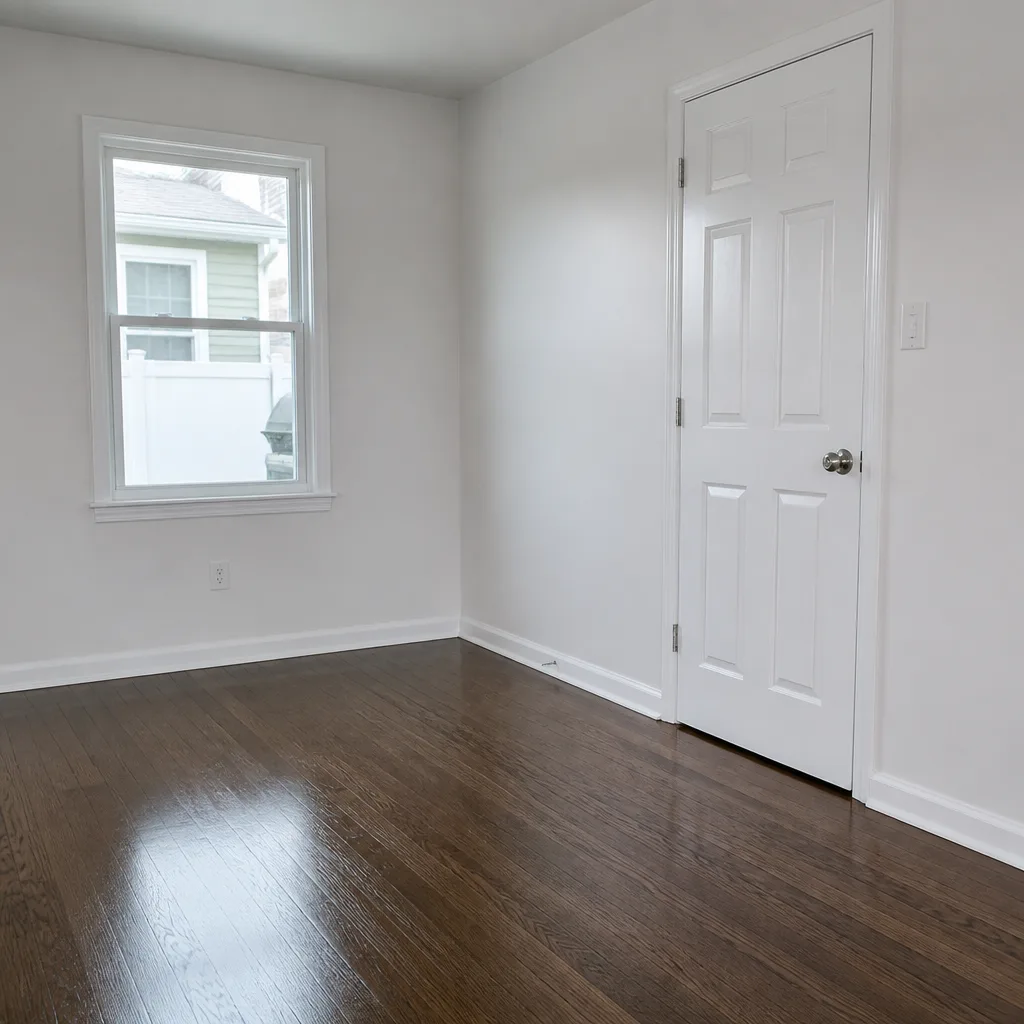 After
After24/7 Emergency Mold Remediation in Glendale
Mold remediation in Glendale typically costs $1,800-$6,500 depending on how far the growth has spread through attached row house walls. Most jobs on Glendale’s brick row houses take two to five days once containment is set. If you see black staining spreading across a basement wall or smell must in a finished room, call (716) 412-2972 right now. A live dispatcher answers at any hour, and a Floodline Restoration Co. crew can be at your door in Glendale within 45 minutes. The first call stops the clock on lateral wicking through party walls. On these attached brick blocks, moisture doesn’t respect property lines. A leak in your neighbor’s roof flashing can become your mold problem inside 48 hours.
Understanding Mold Remediation Severity in Glendale Properties
Glendale’s pre-war attached houses turn small leaks into structural mold events faster than detached homes ever will. The reason is the party wall. When water enters a shared masonry cavity, it moves laterally through old brick and mortar, feeding mold on both sides of the property line before either owner sees visible growth. By the time staining appears on interior plaster, the moisture may have been present for weeks. Severity in Glendale breaks down into three practical tiers. A contained patch, usually under 10 square feet, with a known and already-fixed source, is a standard containment and removal job. Widespread visible growth across multiple rooms or a finished basement points to moisture trapped behind original lath and plaster, which requires opening wall cavities, air scrubbing, and clearance testing. The third tier is the Glendale signature: hidden lateral migration through a shared wall, where our moisture mapping shows elevated readings in the adjacent unit before containment lines can even be drawn. That’s when one address becomes two or three scopes of work.
Why Glendale Property Owners Choose Floodline Restoration Co.
- 45-minute response commitment. A live dispatcher routes the nearest certified crew to your block the moment you call. No callbacks, no waiting for a salesperson to call you back.
- 24/7 live answer. A real person picks up at 2 a.m. in Glendale, not a recording. Our dispatch board runs around the clock.
- IICRC-certified crews. Technicians on every Glendale job hold AMRT and WRT certifications. They’re background-checked and uniformed, and they know how to read a moisture map on a 1920s brick row house.
- Free visual inspection. We walk the scope with you before any work begins. You see what we see, and you get a written plan before a single wall is opened.
- Direct insurance billing. Floodline Restoration Co. bills your carrier directly and handles adjuster calls. You never play messenger.
- One team from containment to rebuild. The same crew that sets containment and runs air movers handles the restoration. No mid-job handoff to a subcontractor you’ve never met.
Our Mold Remediation Process
Inspection & Assessment
We start with thermal imaging and moisture meters to map the full extent of the problem, including inside shared party walls. On Glendale row houses, this means checking adjacent units early.
Containment & Stabilization
Containment lines go up before any material is disturbed. On attached brick houses, containment often extends past the unit line because mold and moisture already have.
Drying & Dehumidification
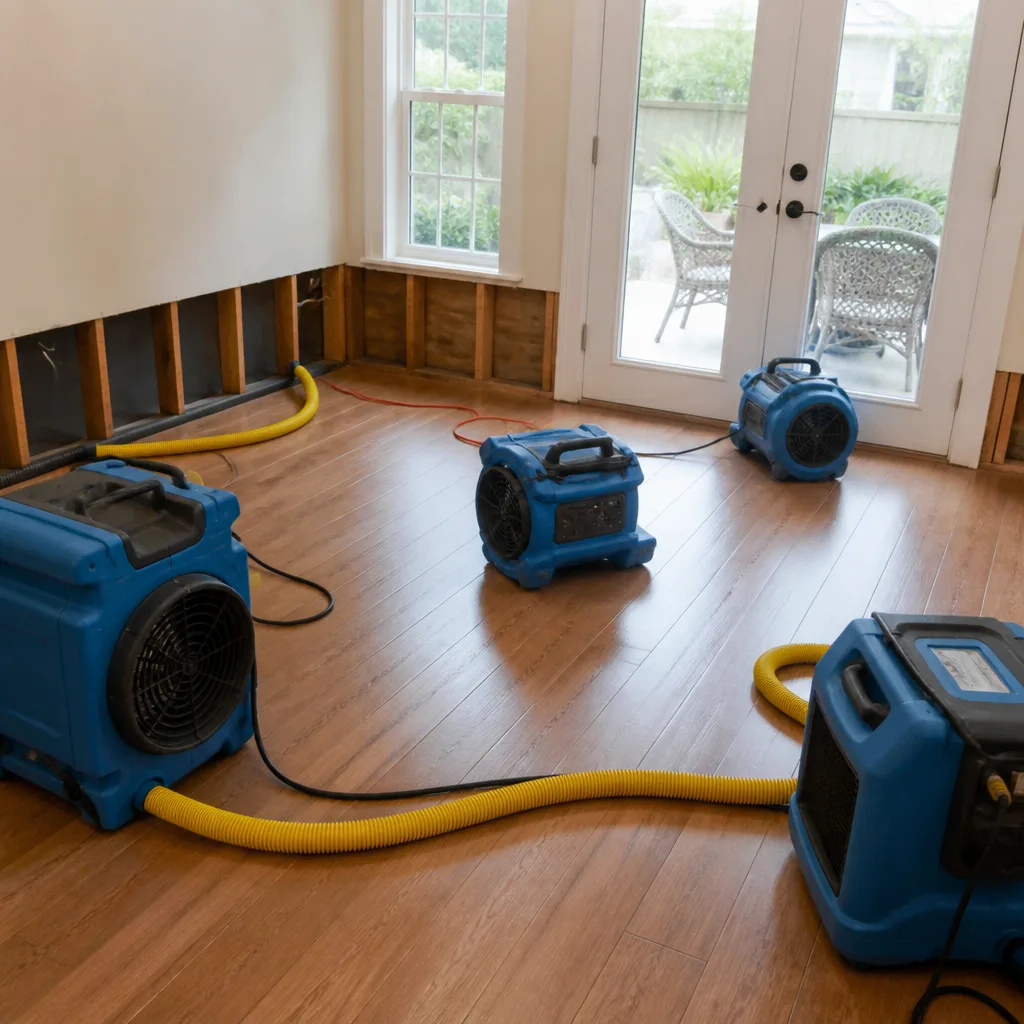
We run professional-grade Phoenix and XPOWER air movers and dehumidifiers against the affected masonry. Daily moisture readings are logged until the dry standard is met, and the log goes to you and your carrier.
Cleaning & Sanitization
HEPA air scrubbers run throughout the job to capture airborne spores. Affected surfaces are cleaned with antimicrobial agents appropriate to the material.
Specialty Treatment
For mold behind original plaster and lath or inside masonry cavities, we use Injectidry to pull moisture from wall cavities without unnecessary demolition. This saves original finishes where they’re salvageable.
Repairs & Restoration
We rebuild what needs rebuilding, from drywall to trim to flooring, and document everything for your insurer. The 90-Day Done Right Promise covers the finished job in writing.
Need Emergency Mold Remediation in Glendale Now?
Crews minutes away, answering live 24 hours a day. The sooner we start, the less it costs.
Working With Your Insurance Company
Mold claims on Glendale row houses get complicated fast because one loss often becomes two claims on two policies. We’ve handled enough of these to know exactly what adjusters need. Documentation starts the first hour, before demolition begins. We photograph every affected surface, room by room, and log moisture readings daily until the dry standard is met. Our line-item scopes follow industry-standard estimating formats your carrier recognizes. When the adjacent unit is involved, we coordinate with both adjusters so neither claim stalls the other. You don’t chase paperwork. We do.
What We Provide Your Insurer
- Thorough documentation of the loss
- Photos of all damage, room by room
- Moisture readings and drying logs
- A detailed, line-item scope of work
- Direct coordination with your carrier
Built for Glendale’s Loss Calendar
Glendale’s mold season isn’t one season. It’s a year-round pattern driven by two forces: the neighborhood’s aging brick construction and New York’s freeze-thaw cycle. January deep freezes split aging mortar joints and burst original galvanized supply lines in unheated basement crawl spaces. The water pools behind plaster and sits there until spring, when warmer temperatures wake the dormant spores. March and April bring thaw and heavy rain, and Glendale’s flat, low-slope built-up roofs start leaking along parapet walls and around vent stacks. Summer thunderstorms dump water faster than the neighborhood’s combined storm drains can carry it, and finished basements on blocks near Myrtle Avenue take water through floor drains and window wells. Late summer brings humidity, and houses without proper vapor barriers hold moisture in wall cavities. Fall nor’easters drive rain horizontally against brick facades. Every season has a failure mode, and every failure mode leaves behind the same thing: mold growing inside walls that were built in 1930.
Mold Remediation Across Glendale’s Neighborhoods
Glendale isn’t one uniform block. It’s a collection of distinct pockets, each with its own building quirks. The blocks closest to Myrtle Avenue run densest, with two-family brick row houses set tight against the elevated train. Water travels fast through shared walls there because the units were built in continuous rows, wall to wall, with no gap. On the quieter blocks south of Cooper Avenue and up toward the Lutheran Cemetery, houses sit on slightly larger lots, but many still carry original clay-tile sewer laterals that back up into finished basements during heavy rain. Around Atlas Park and the commercial stretch on Cooper Avenue, older one-family row houses mix with converted two-families, and we frequently find early BX wiring running through wet wall cavities, which complicates any post-water-damage electrical clearance. Up near the Cobblestone section and toward 88th Street, semi-detached brick houses often share a chimney stack, and flashing failures at the shared stack send water down both sides of the property line. We’ve worked every block type in Glendale enough to know where the water hides before we open a single wall.
Specialized Mold Remediation Services We Offer in Glendale
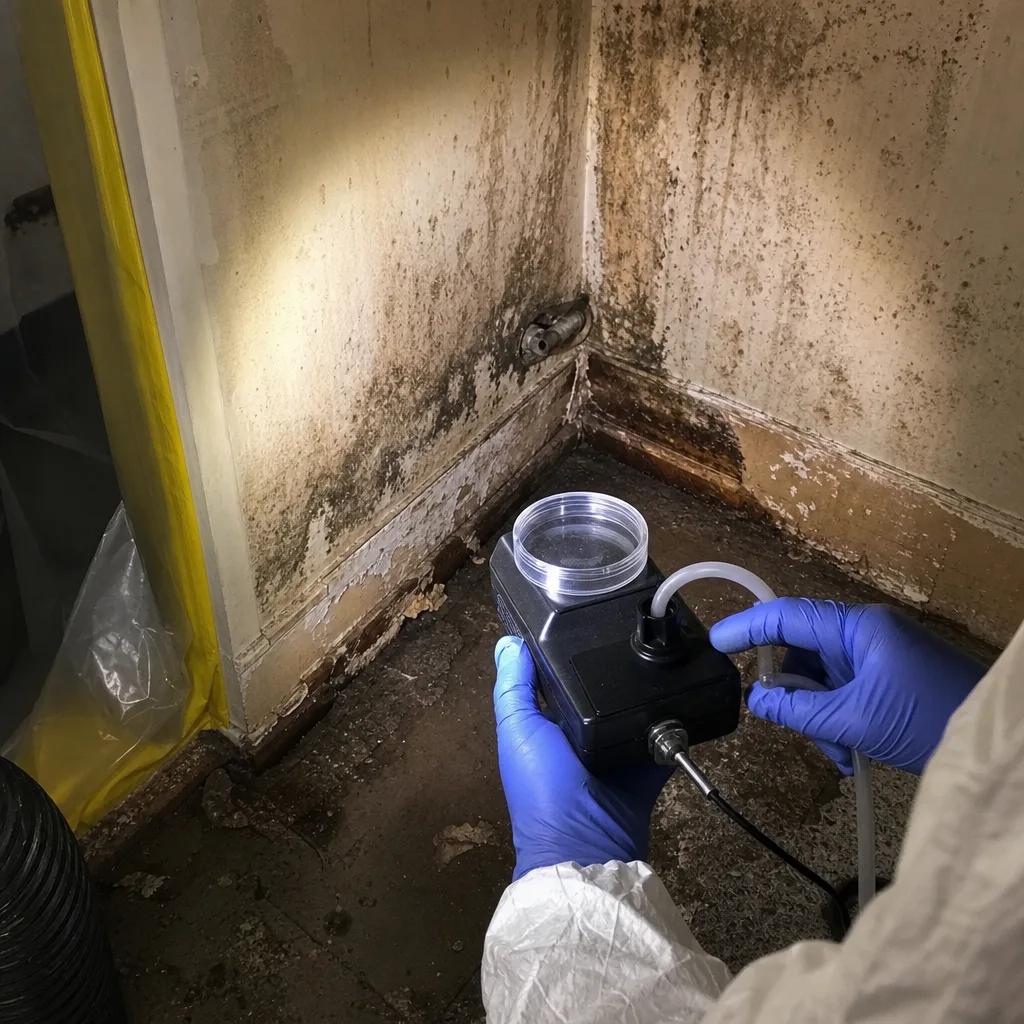
Mold Inspection & Testing
A visual inspection in a Glendale row house only tells part of the story. We run moisture meters along party walls, check basement ceiling joists exposed to crawl spaces, and test air quality when the source isn’t obvious. You get a written report with readings, photos, and a clear scope.
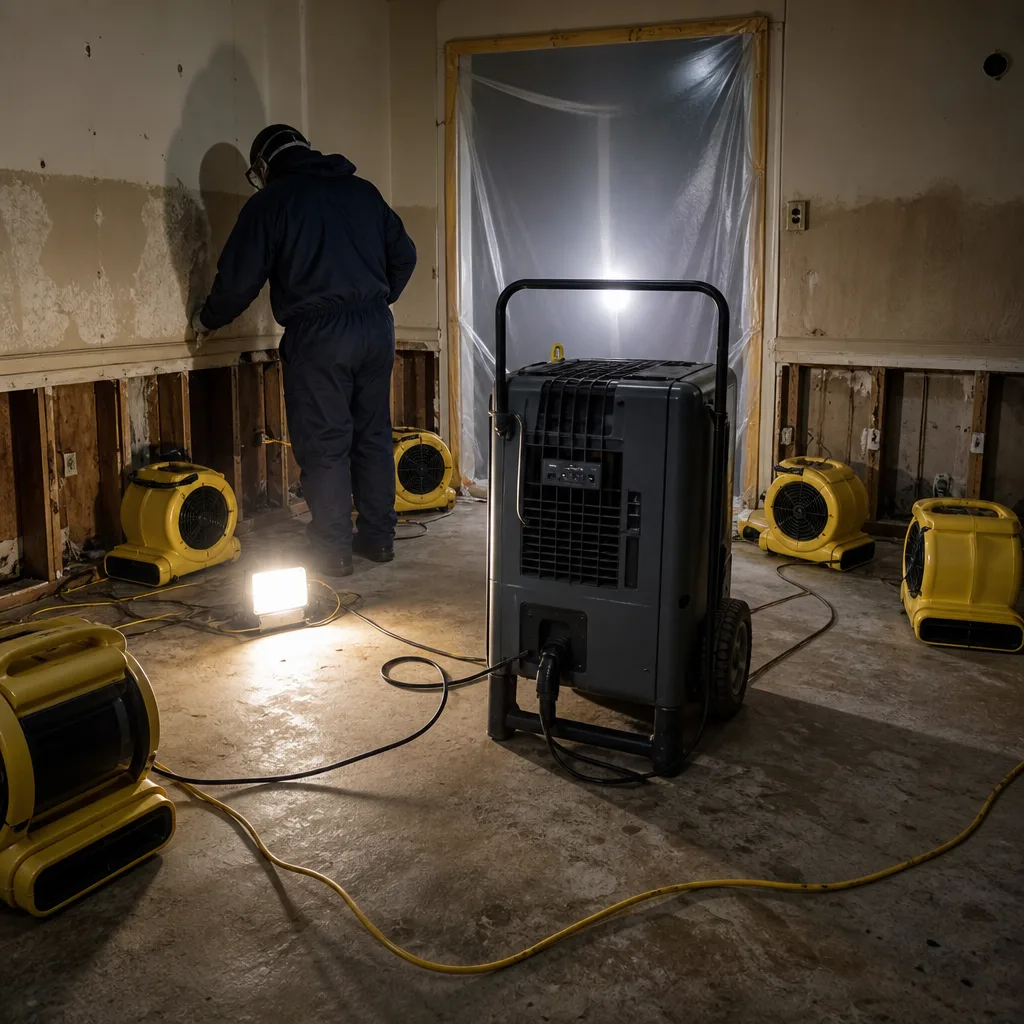
Mold Removal
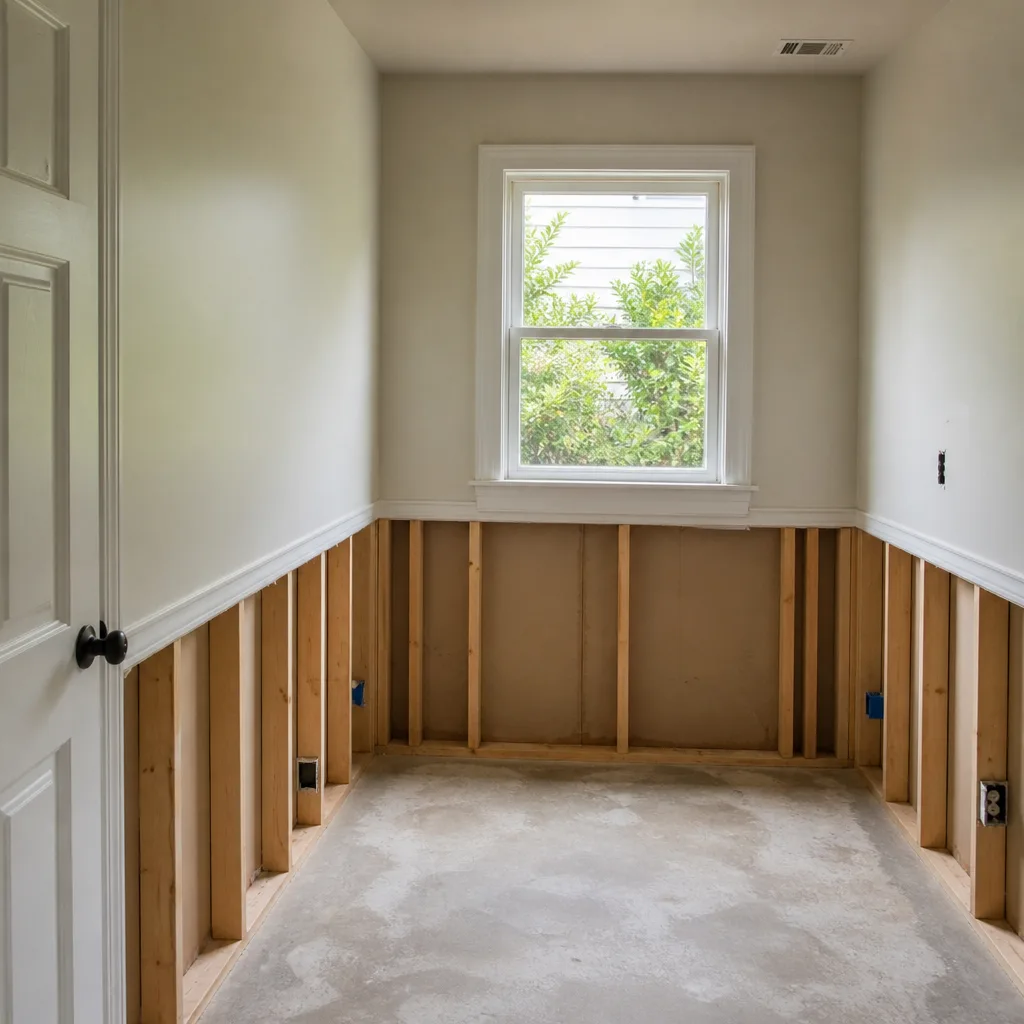
Removal in attached housing means removing the mold you can see and the mold you can’t. We open wall cavities where moisture mapping indicates migration, remove affected plaster and lath, and run HEPA air scrubbers until post-remediation samples come back clean.
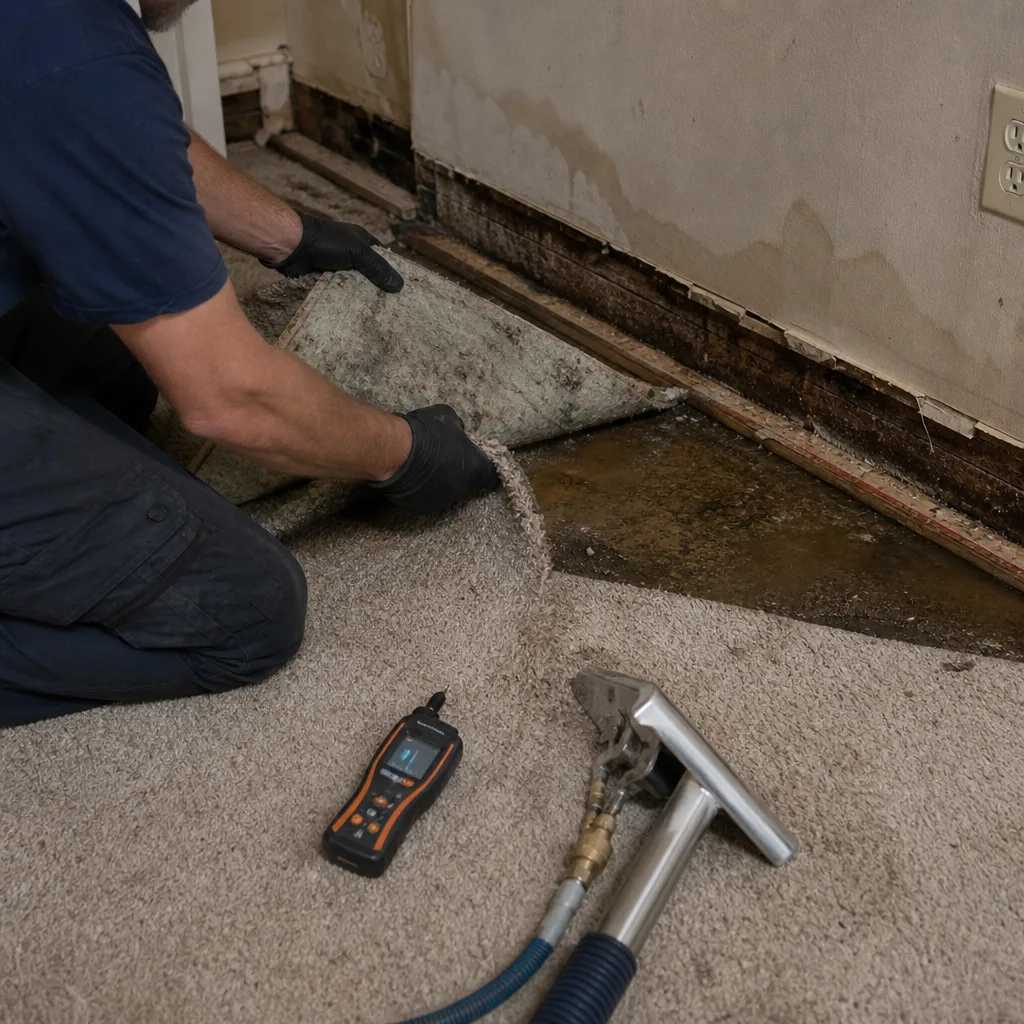
Black Mold Remediation
Black mold, or Stachybotrys, grows where water has sat for weeks, which on Glendale row houses frequently means the backside of original plaster over brick. This isn’t a bleach-and-paint job. It requires full containment, professional drying of masonry, and clearance testing before anyone reoccupies the space.
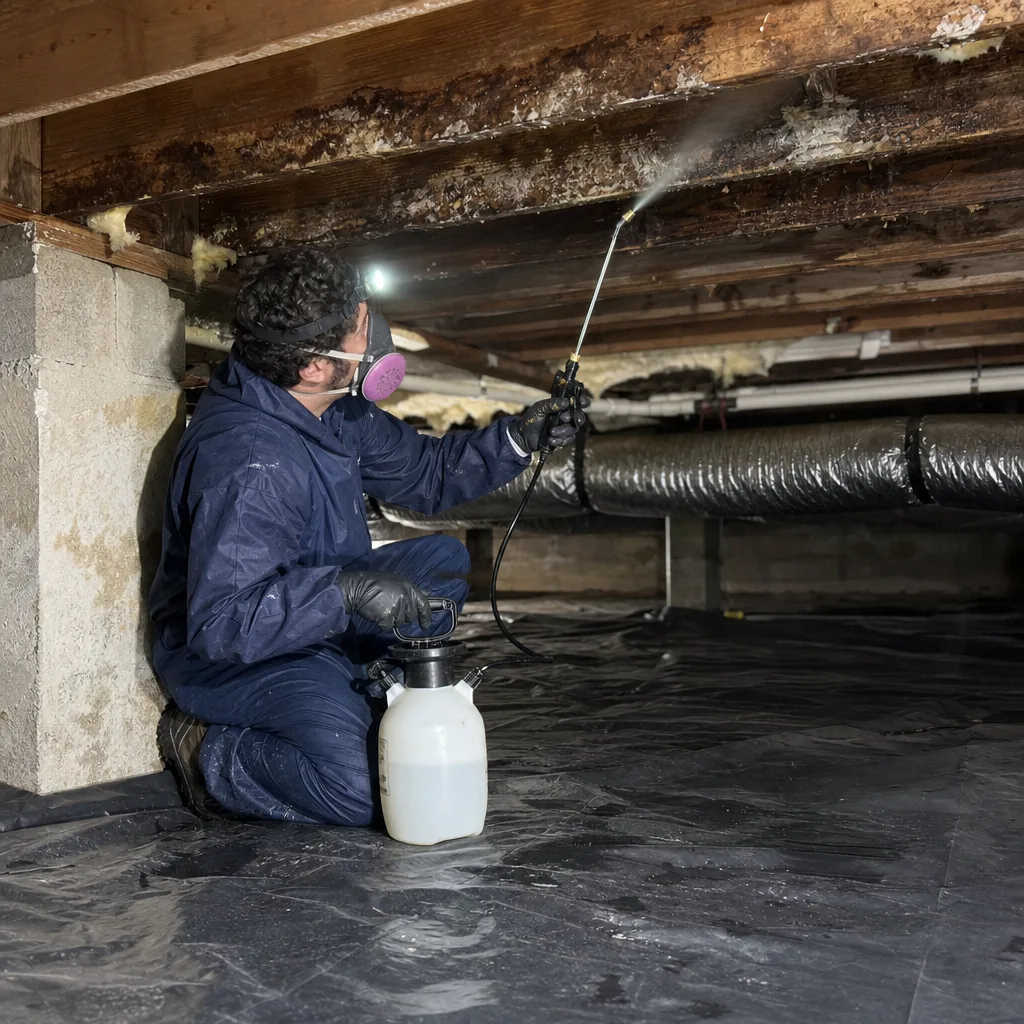
Air Quality Restoration
After removal, the air in a finished Glendale basement still carries spores that settled during the event. We run HEPA filtration and air scrubbing, then verify with post-remediation air samples so you know the air is cleaner than before the loss.
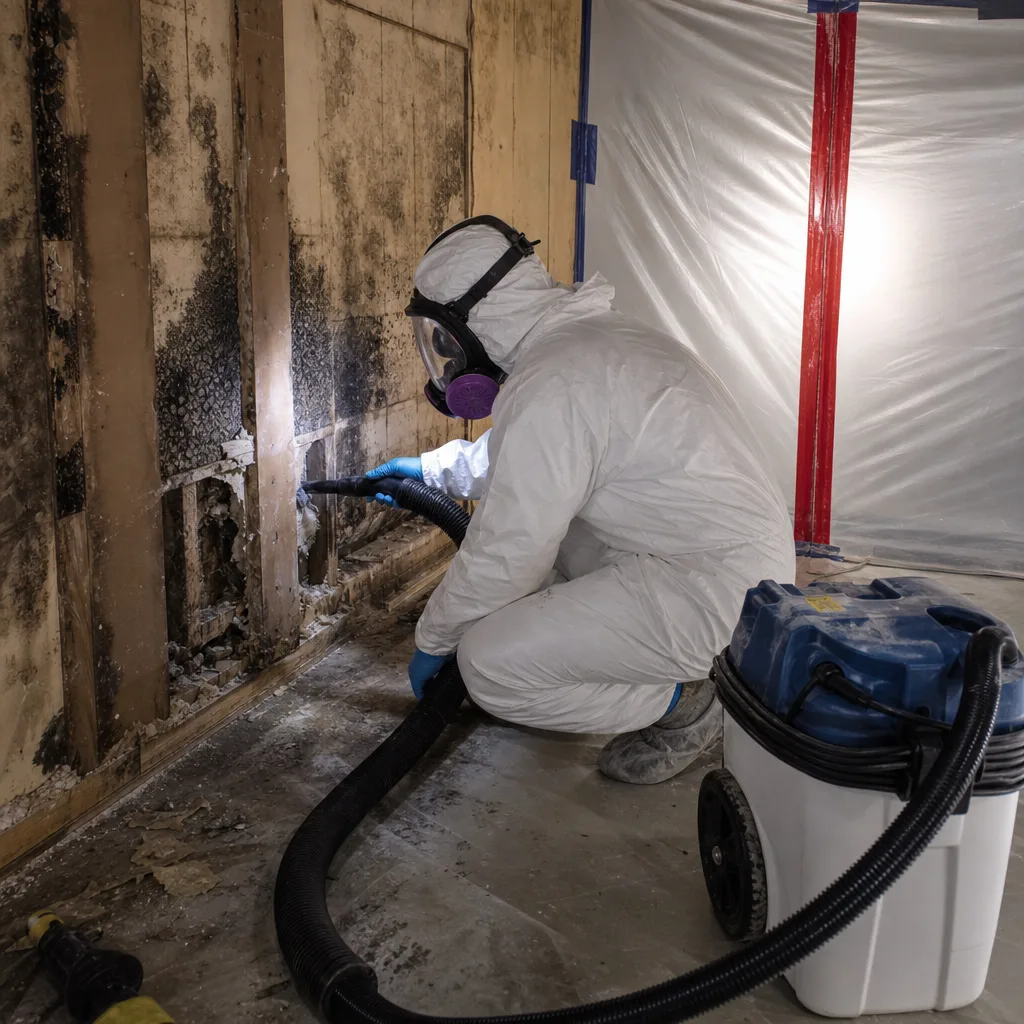
Crawl Space Treatment
Many Glendale houses have small, half-height crawl spaces under front or rear extensions. These spaces trap humidity against framing and become mold reservoirs. We treat the source: vapor barriers, dehumidification, and targeted antimicrobial application on the framing.
Moisture & Humidity Control
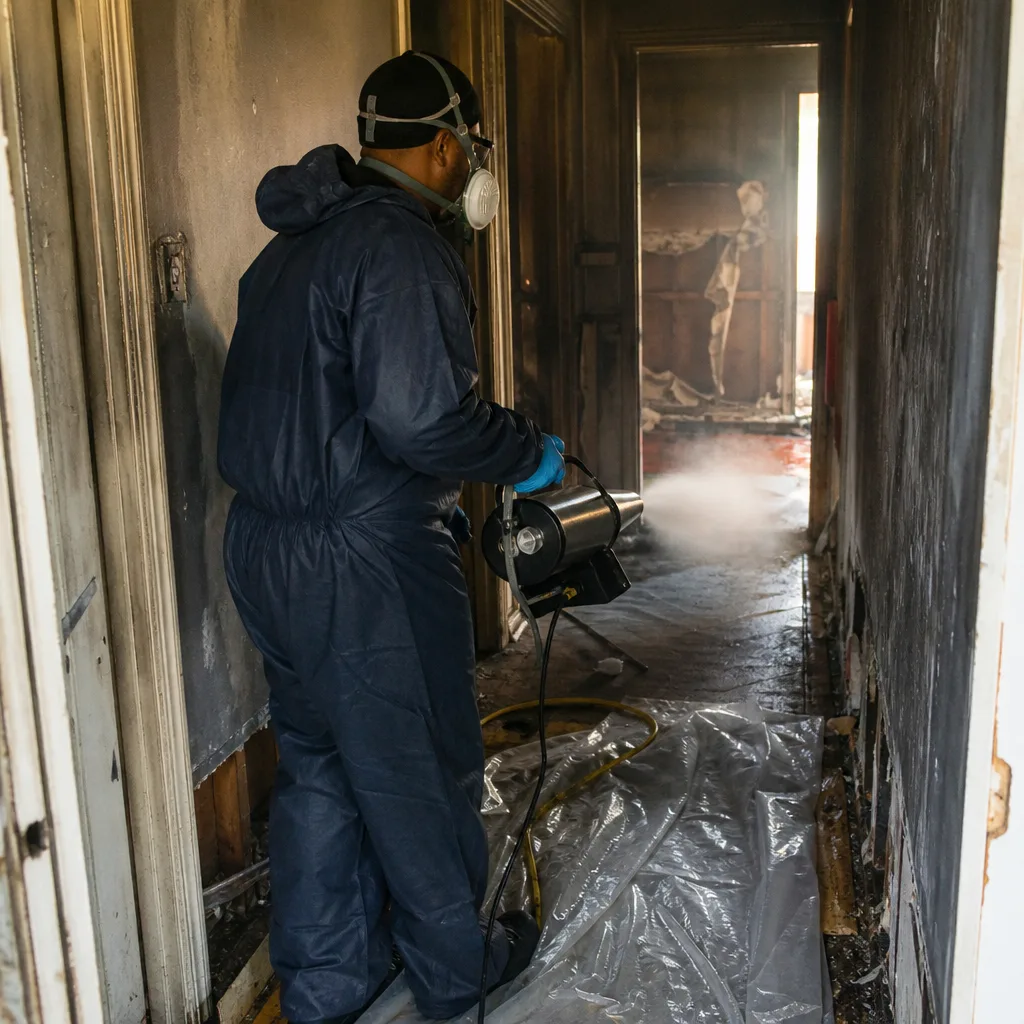
In Glendale’s attached brick housing stock, moisture control is mold prevention. We install dehumidification systems where basements hold humidity, seal foundation cracks where groundwater seeps, and correct downspout discharge that feeds water back against the foundation.
What happens when you call
- 1
A real person answersNo phone trees - you reach a local pro.
- 2
You get an upfront price rangeHonest numbers before anyone is dispatched.
- 3
A background-checked tech heads outLicensed & insured, dispatched right away.
- 4
You approve before work beginsNothing starts until you say go.
Mold Remediation Costs in Glendale, NY
Glendale’s mold remediation pricing reflects the attached row house reality. A contained bathroom or closet patch with a known source runs $1,800-$3,200. A finished basement with mold behind paneling or drywall typically lands between $3,500 and $6,500. When a party wall is involved and containment extends into a neighboring unit, the combined scope can reach $8,000-$12,000, split between two insurance policies. What moves the price is whether wall cavities must be opened, whether original plaster must be demolished, and whether NYC Department of Buildings permits are required before structural work can proceed. Insurance covers much of this when the mold was caused by a covered water event, like a burst supply line or a wind-driven roof leak. Long-standing maintenance issues and pre-existing conditions may be excluded. The free visual inspection clears this up fast. We’ll tell you what’s covered, what’s not, and what the job costs before any work starts. Call (716) 412-2972 to schedule yours.
We Also Serve Cities Near Glendale
Floodline Restoration Co. handles mold remediation across the Queens and Brooklyn border neighborhoods. Our crews regularly work in Glendale and the surrounding area, including Canarsie, Coney Island, Flatlands, and Howard Beach. Response times from our New York City dispatch office are built around getting a certified crew to your block fast, no matter which of these neighborhoods you call from.
Serving Glendale, NY - Our Local Coverage Area
We’re based in the Glendale area and know this community well. Use the map below to see our service coverage - if you’re nearby, we can almost certainly help.
Glendale Mold Remediation Questions, Answered
How quickly can mold spread from one attached Glendale row house to the neighbor through a shared party wall?
Mold and moisture can cross a shared brick party wall within 24 to 48 hours in Glendale’s attached row houses. The masonry cavity acts as a conduit. By the time one unit shows visible mold, the adjacent unit often already has elevated moisture readings inside the wall. This is why we scoped the neighbor’s walls before drawing containment lines. Call (716) 412-2972 for an inspection if your neighbor has a leak and you smell must.
Do I need a NYC Department of Buildings permit before mold remediation on my Glendale row house?
Often, yes. When remediation requires structural opening of walls, especially shared party walls on attached brick row houses, NYC DOB permits may be required before drying or rebuild work proceeds. Floodline Restoration Co. handles permit coordination as part of the scope. We include it in the written plan; you don’t file anything yourself. Call (716) 412-2972 and we’ll confirm what your specific block requires.
What does ‘Category 3 water’ mean for a basement mold job in Glendale?
Category 3 water is grossly contaminated water, like sewage from a backed-up clay-tile lateral or storm water carrying street runoff. On Glendale’s finished basements, Category 3 water turns a flood into a mold event fast because the contaminated water soaks drywall, framing, and flooring within hours. Materials must be removed, not just dried. Call (716) 412-2972 if your basement took water; we’ll assess the category and tell you what can be saved.
My Glendale home has original galvanized supply lines and a basement that floods once a year - is mold inevitable after each event?
Mold is not inevitable if the water is dried to the proper standard quickly. The problem is that once-a-year flooding in a Glendale row house usually never gets properly dried between events. Each new event feeds the existing spores. We recommend a moisture and humidity control plan: dehumidification in the basement, sealing of foundation penetrations, and replacement of failing supply lines before the next freeze-thaw cycle. Call (716) 412-2972 for a free visual inspection.
Can you dry in place without tearing out my original plaster walls after a leak in my Glendale row house?
Sometimes. If moisture mapping shows the water stayed in the surface layers and hasn’t wicked into the masonry cavity, we can dry in place using Injectidry and targeted dehumidification. But if the masonry itself is holding water, the plaster must come down to dry the wall properly. Attempting to dry in place behind original plaster when the brick is saturated is how recurrent mold growth happens. Call (716) 412-2972 and we’ll map the wall first before touching anything.
How fast can you actually get to a mold job in Glendale?
A certified Floodline Restoration Co. crew reaches most Glendale blocks within 45 minutes of your call. A live dispatcher routes the nearest team immediately. Call (716) 412-2972 any time, day or night.
Will my insurance cover mold remediation on my Glendale row house?
Most homeowners policies cover mold remediation when it results from a covered water event, like a burst supply line, a roof leak from storm damage, or a sewage backup if you carry that endorsement. Long-standing slow leaks and maintenance issues are frequently excluded. We document everything from the first hour and bill your carrier directly. Call (716) 412-2972 and we’ll review your policy situation during the free inspection.
What should I do in the first 30 minutes after discovering mold in my Glendale home?
Don’t disturb the mold. Don’t scrub it, don’t blow a fan on it, don’t paint over it. Turn off any HVAC system that might be circulating air through the affected area if you can do so safely. Close the door to the room. Then call (716) 412-2972. A live dispatcher answers immediately, and a crew starts the containment and moisture mapping process the same visit.
Written by Curt Bowman, Owner at Floodline Restoration Co., serving Glendale and surrounding Queens neighborhoods.