
Quick Summary
Following systematic water damage restoration steps immediately after a leak or flood is vital to prevent hidden structural rot, severe microbial growth, and escalating repair costs. Floodline Restoration Co. breaks down the complete six-step mitigation sequence – encompassing emergency hazard assessment, industrial extraction, structural drying, and moisture verification – demonstrating why certified execution surpasses risky DIY methods. Readers will understand the standard protocols for drying enclosed building assemblies and can call Floodline Restoration Co.'s 24/7 dispatch team for a free visual inspection and immediate water extraction.
Recommended Water Damage Restoration Steps and Guidelines
Following the right water damage restoration steps can mean the difference between a straightforward cleanup and months of hidden structural rot. When a pipe bursts, a sewer line backs up, or floodwater enters a property, every hour counts. Standard restoration protocol, as practiced by specialists like Floodline Restoration Co., focuses on the supported core sequence: making the area safe, stopping or repairing the water source, removing standing water and wet materials, drying the structure and contents, cleaning mold when present, and confirming that moisture problems have been corrected.[1]
Drying wet materials within 24 to 48 hours is a guideline that often helps prevent mold growth, though it is not a guarantee, and mold may still develop within that period. In humid environments, poorly ventilated spaces, or complex building assemblies, microbial growth can begin quickly. Understanding each phase of the restoration sequence helps property owners protect their structures, navigate insurance claims, and avoid long-term secondary damage.[4]
Water Damage Restoration Steps: Core Action Sequence
A systematic restoration workflow ensures that moisture is addressed thoroughly throughout the building. The standard sequence includes:
- Safety Assessment and Hazard Control: Make the area safe by shutting off electricity if water touches outlets or wiring, inspecting for structural hazards, and identifying contamination.
- Source Control: Stop or repair the water source to halt incoming flow.
- Water and Material Removal: Remove standing water and wet materials promptly.
- Structural and Content Drying: Dry the structure and salvageable contents using fans, dehumidifiers, and gentle heat where appropriate.
- Cleaning and Mold Remediation: Clean hard, non-porous surfaces with detergent and water, dry them completely, and address mold using appropriate remediation guidance when present.
- Moisture Verification and Reconstruction: Confirm that moisture problems have been corrected before completing rebuilding and repairs.
Safety Requirements, PPE, and Specialized Tools
Water events introduce immediate physical and biological risks. Before handling soaked materials or stepping into standing water, you must evaluate the contamination level and ensure proper protection.
Personal Protective Equipment (PPE) Requirements
Contaminated water involving sewage or chemical or biological pollutants requires appropriate personal protective equipment (PPE) and containment, with Occupational Safety and Health Administration (OSHA) requirements followed.
Equipment Comparison: DIY Tools vs. Professional Restoration Systems
| Restoration Function | Standard Homeowner Equipment | Professional Grade Systems |
|---|---|---|
| Moisture Diagnostics | Visual inspection, touching surfaces by hand | Calibrated pin and pinless moisture meters, thermal imaging cameras, thermo-hygrometers |
| Water Extraction | Wet/dry shop vacuums, mops, manual buckets | Commercial extraction units, industrial submersible pumps |
| Dehumidification | Standard household condenser dehumidifiers | Commercial refrigerant and desiccant dehumidifiers |
| Air Movement | Standard residential box fans or oscillating fans | High-velocity air movers delivering directed airflow |
Step 1: Emergency Hazard Assessment and Site Safety
The first step on site is determining whether the structure is safe to enter. Technicians from Floodline Restoration Co. check electrical panels, inspect for gas leaks, evaluate structural stability such as sagging ceilings or weakened supports, and assess the presence of sewage, biological hazards, or chemical pollutants.
Step 2: Emergency Water Extraction and Debris Removal
Removing standing water and wet materials should be done as promptly as possible. Items exposed to contaminated floodwater that cannot be cleaned and dried completely should be discarded.
Extraction equipment is used to draw water out of floors and carpets. Saturated, unsalvageable porous items are removed to eliminate bulk moisture reservoirs before structural drying begins.[3]
Step 3: Controlled Demolition and Opening Enclosed Assemblies
Need water damage restoration steps?
We’re available now - call for a fast, free estimate.
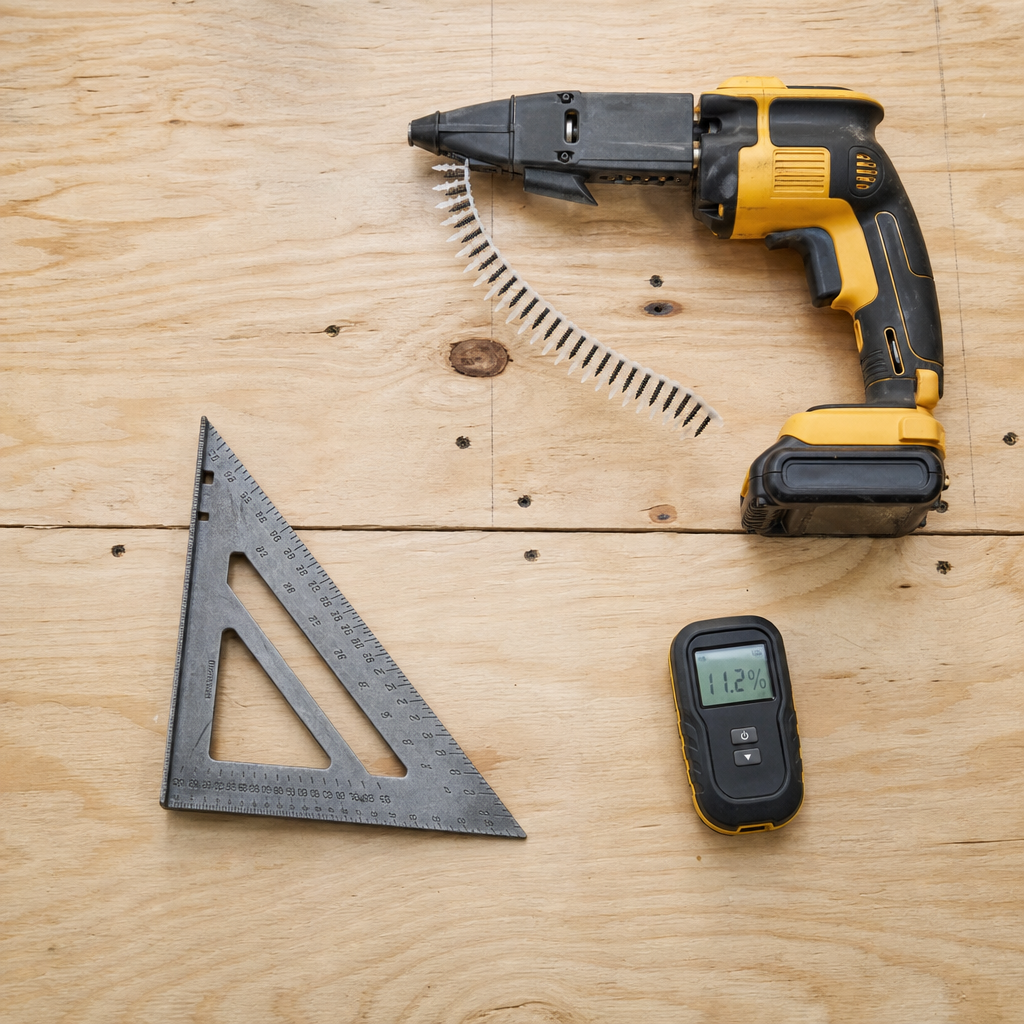
Water migrates through building assemblies such as drywall, insulation, and framing. Saturated drywall and wet insulation are removed to expose wall cavities and structural studs, allowing trapped moisture to escape and framing to dry thoroughly.
Step 4: Structural and Content Drying
Once wet materials are removed and framing is exposed, the drying phase begins. Drying methods recommended by the EPA focus on removing moisture promptly, using fans and dehumidifiers, and using gentle heat cautiously, especially on hardwood floors where excessive heat can cause damage.
The Evaporation and Dehumidification Process
- Air Movement: Fans and air movers direct airflow across wet surfaces to accelerate evaporation.
- Dehumidification: Dehumidifiers pull moisture-laden air across refrigerated coils or through desiccant media, removing water from the air and exhausting dry air back into the space.
- Moisture Monitoring: Technicians, such as those at Floodline Restoration Co., monitor relative humidity, temperature, and material moisture content to track drying progress over time.
Step 5: Cleaning, Sanitizing, and Mold Remediation
Once surfaces are accessible, clean hard, non-porous surfaces with detergent and water, dry them completely, and address mold using appropriate remediation guidance when present.
Step 6: Moisture Verification and Final Reconstruction
Reconstruction should not begin until moisture levels have been thoroughly checked. Technicians at Floodline Restoration Co. confirm that moisture problems have been corrected and building materials are dry before new insulation, drywall, flooring, and finishes are installed.
Key Variables That Determine Restoration Timeline and Scope
- Volume of Water: A small leak requires different drying timelines and methods than deep standing water.
- Hidden Moisture and Materials: Dense materials or moisture trapped in wall cavities and subfloors require more time and specialized attention to dry.
- Structural Damage and Required Repairs: The extent of required demolition and structural rebuilding directly influences the overall project scope.
- Response Time: Prompt removal of water and quick initiation of drying helps reduce the risk of mold growth and structural deterioration.
Frequently Asked Questions
What are the main stages of the water damage restoration process?
The main stages are making the area safe, stopping or repairing the water source, removing standing water and wet materials, drying the structure and contents, cleaning mold when present, and confirming that moisture problems have been corrected before rebuilding.[5]
How long does the water damage restoration process usually take?
The timing of restoration depends on the water volume, the materials affected, hidden moisture, the extent of structural damage, and the required repairs.
Can I perform water damage restoration myself or do I need a professional?
Minor clean-water incidents may be manageable for property owners when the area is safe and can be dried quickly. Professional help is appropriate for sewage or floodwater, electrical or structural hazards, significant mold, potentially contaminated HVAC systems, or unsafe drying conditions.
How do professionals dry out a house after a flood or leak?
Restoration teams remove bulk water, remove saturated materials that cannot be salvaged, use fans and dehumidifiers to remove moisture, apply gentle heat cautiously where suitable, and track moisture levels until materials are verified dry.
What steps should I take immediately after discovering water damage?
First, make sure the property is safe by avoiding standing water near electrical panels. Shut off the water source if possible. Document the damage with photos and videos for insurance purposes, and contact qualified professionals if hazards or extensive damage exist.
How do restoration companies prevent mold growth after water extraction?
Technicians at Floodline Restoration Co. help prevent mold growth by removing moisture promptly, running fans and dehumidifiers, discarding unsalvageable porous items, cleaning hard non-porous surfaces with detergent and water, and following remediation guidance to address potential health and property risks associated with mold.[2]
Need water damage restoration steps?
We’re available now - call for a fast, free estimate.
Sources
- Moisture and Mold Remediation Standard Operating Procedures – ors.od.nih.gov (2023)
- A Brief Guide to Mold, Moisture, and Your Home September 2012 – nepis.epa.gov (2012)
- Chapter 4 – epa.gov (2008)
- Homeowner’s and Renter’s Guide to Mold Cleanup After Disasters – cdc.gov (2015)
- [PDF] homeowner's and renter's guide to mold cleanup after disasters | epa – epa.gov (2015)
Related reading: Local Water Damage Restoration Services – Call Now-10% Off – Same-Day Service – Free Estimate
Related reading: Emergency Property Damage Restoration – 10% Off & Free Estimate – On-Site in 60 Minutes
Related reading: Sewage Damage Restoration Company – Call Now-10% Off – Same-Day Service – Free Estimate
Frequently Asked Questions
How do specialists verify building materials are completely dry before starting reconstruction?
Restoration specialists use calibrated pinless moisture meters, thermo-hygrometers, and thermal imaging cameras to detect moisture trapped deep inside wall framing and subflooring. Technicians at Floodline Restoration Co. track these metrics against baseline dry standards to ensure enclosed assemblies are completely safe before installing new drywall or insulation.
Why is controlled demolition necessary during the water damage restoration process?
Controlled demolition involves opening saturated drywall and discarding wet insulation to expose hidden framing studs and structural cavities. Floodline Restoration Co. executes this step to eliminate trapped moisture reservoirs that standard airflow cannot reach, preventing long-term structural rot and mold colonization.
How do professional water damage restoration steps help with insurance claims?
Executing certified mitigation steps immediately demonstrates to insurance adjusters that reasonable action was taken to prevent secondary mold and structural loss. Floodline Restoration Co. assists property owners by maintaining detailed moisture logs, thermal imaging records, and drying documentation required for claim validation.
About the author
 |
Sarah Miller Sarah Miller is a certified water damage restoration specialist with over eight years of experience serving the Canarsie, NY area. Holding a degree in Environmental Science from Brooklyn College, she specializes in emergency response protocols and navigating complex insurance claims for both residential and commercial properties. Her practical expertise helps property owners understand the nuances of restoration costs and effective prevention strategies. |
Water damage, flood, or mold emergency?
We’re available now - call for a fast, free estimate.
Call Now - Free Estimate