
Quick Summary
Flooded basement repair costs typically range between $2,000 and $7,000, though extensive structural tear-out in finished spaces or Category 3 black water contamination can easily drive total expenses beyond $15,000. Prompt extraction within 24 to 48 hours is crucial to halt secondary mold colonization and subfloor rot, which is why Floodline Restoration Co. delivers end-to-end water extraction, thermal moisture mapping, and upfront itemized reconstruction pricing. Readers will gain a clear understanding of line-item mitigation costs and insurance claim requirements, enabling them to connect directly with 24/7 live dispatch for a free visual inspection and written restoration estimate.
Flooded Basement Repair Cost: Fast Pricing and Fixes
The average flooded basement repair cost sits around $4,000, with most standard cleanup jobs falling between $2,000 and $7,000. While pumping out standing water is the most visible task, the largest expenses usually stem from what happens after the water is gone. If moisture sits for more than 24 to 48 hours, it wicks into baseboards, framing, and subflooring, quickly turning a simple pump-out into a major reconstruction project.[1]
Getting a qualified crew such as Floodline Restoration Co. on site immediately to run commercial extractors and set up drying equipment is the best way to keep costs from spiraling. A thorough visual inspection and a detailed, line-item scope of work ensure you only pay for what actually needs fixing while providing the exact paperwork your insurance adjuster needs.
How Much Does Flooded Basement Repair Cost? Quick Summary
Quick Summary: Most homeowners pay between $2,000 and $7,000 for basement flood remediation. Minor clean-water leaks in unfinished spaces can cost as little as $1,000 to $1,500, while major sewage backups or storm surges in finished basements often exceed $15,000 once structural tear-out and reconstruction are factored in.
Your bottom-line expense depends on three main variables: the volume and category of water, the overall square footage, and whether the space is finished with drywall and flooring or left as bare concrete.
Key Takeaways at a Glance
- Unfinished basements are the cheapest to restore (typically $1,500 to $3,500) because concrete slabs and open joists can be dried without heavy material demolition.
- Finished basements frequently cost between $4,500 and $10,000+ because wet drywall, carpet padding, and trim must be removed and rebuilt.
- Water category matters most: Clean supply line leaks (Category 1) cost far less to remediate than contaminated drain backups or storm water (Category 3), which require biohazard disposal.
- Severe contamination and structural rot can push complete restoration bills well past $15,000.
Immediate Steps to Keep Repair Costs Down
- Cut power and water: Shut off basement breakers at the main panel only if you can reach it safely without stepping into water. Turn off the main water shutoff valve if the source is an internal supply line.
- Start extraction immediately: Mold begins colonizing damp drywall and organic materials within 24 to 48 hours. Every hour water sits increases structural drying time and material loss.
- Document before discarding: Take clear photos and videos of the standing water line, damaged personal property, and affected building materials for your insurance adjuster.
- Call certified technicians: Bring in IICRC-certified restoration professionals with commercial truck-mounted extractors, commercial dehumidifiers, and thermal imaging cameras to track hidden moisture paths.
What Does Flooded Basement Repair Cost?
Need flooded basement repair cost?
We’re available now - call for a fast, free estimate.
Restoration projects are generally billed in two distinct phases: emergency mitigation (water extraction, sanitizing, and structural drying) and post-drying reconstruction (replacing drywall, insulation, flooring, and trim).
Itemized Restoration Price Ranges
Clean water from a supply line can often be dried in place using high-velocity air movers and low-grain refrigerant (LGR) dehumidifiers. Contaminated water, however, requires complete removal of porous building components and thorough antimicrobial treatments.
| Restoration Factor | Clean Water (Category 1) | Grey Water (Category 2) | Black Water / Sewage (Category 3) |
|---|---|---|---|
| Typical Source | Broken supply pipe, water heater tank failure | Washing machine overflow, sump pump failure | Sewer main backup, coastal storm surge, overland runoff |
| Average Cleanup Cost | $1,500 – $3,500 | $2,500 – $5,500 | $5,000 – $15,000+ |
| Sanitization Level | Standard air circulation and dehumidification | Targeted antimicrobial wash | Full biohazard protocol, containment, and deep disinfection |
| Porous Materials (Drywall/Carpet) | Often salvageable if dried within 24 hours | Carpet padding discarded; carpet and baseboards treated | Mandatory removal of all saturated porous materials |
| Safety & Disposal | Standard direct disposal | Standard disposal with personal protective gear | Regulated hazardous waste handling and strict containment barriers |
Technicians from Floodline Restoration Co. use penetrating moisture meters and thermal cameras to map wet areas behind wall cavities. Starting mitigation with a clear, written scope prevents unexpected change orders and ensures drying goals match industry standards.
Finished vs. Unfinished Basement Repair Expenses
The physical finish of your basement is one of the biggest price differentiators:
- Unfinished Basements ($1,200 – $3,500): Open framing and poured concrete slabs do not trap water the way finished assemblies do. Pumping out standing water, treating the slab with antimicrobial wash, and running commercial dehumidifiers for three to four days is often all that is needed.
- Finished Basements ($4,000 – $12,000+): Finished basements trap moisture inside wall cavities, behind baseboards, and beneath laminate or carpet flooring. Technicians must perform “flood cuts” (cutting drywall 12 to 24 inches above the highest water line), remove saturated fiberglass insulation, discard swollen baseboards, and strip floating floors to expose the subfloor for drying.
Drywall, Subfloors, and Joists: Hidden Costs in Water Damage Restoration
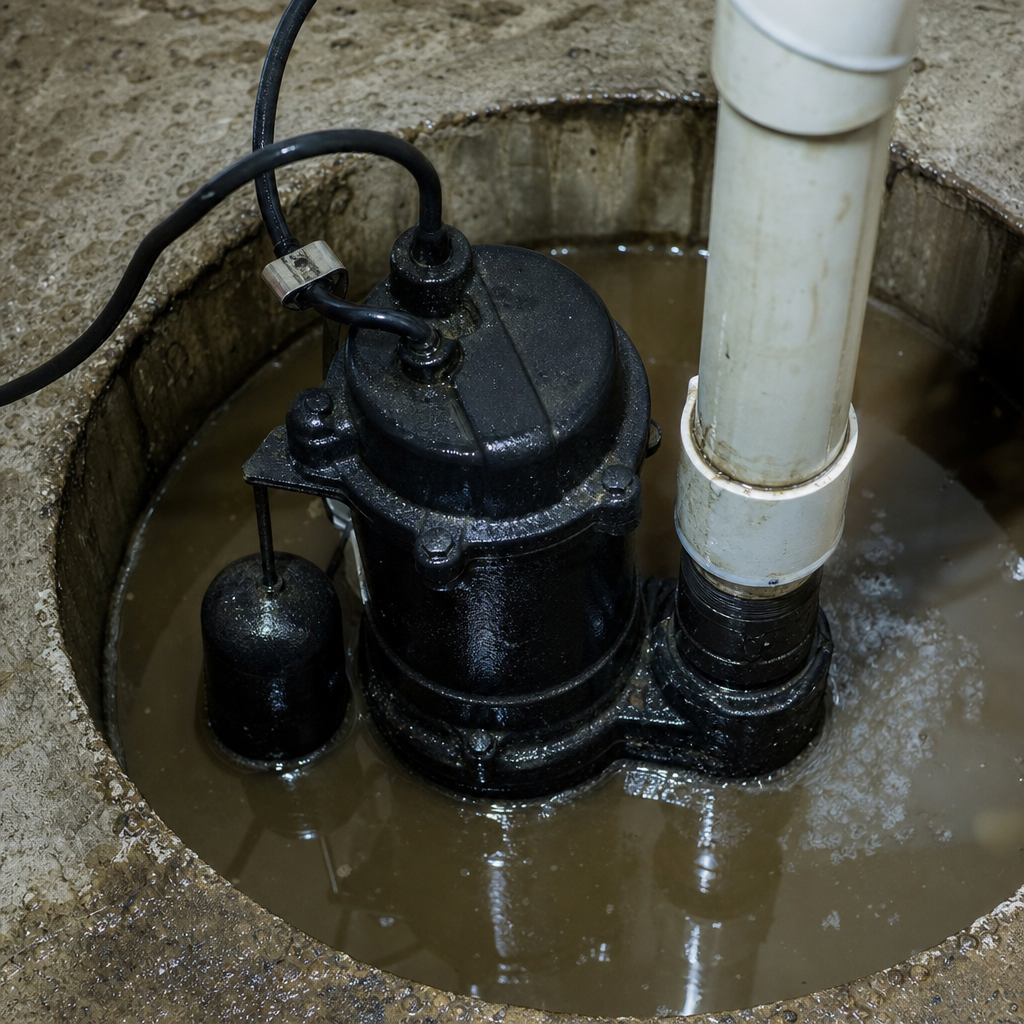
The water you see pooled on the floor is only part of the problem. Porous building assemblies act like sponges, pulling moisture upward through capillary action and into the framing of your home.
Shared Framing and Cavity Moisture Migration
In attached homes, row houses, and townhomes, moisture issues can quickly jump property lines. Water migrates across shared party-wall cavities, soaking common sill plates and horizontal wood framing. When water enters these shared voids, drying equipment must be placed strategically to pull moisture out from both sides of the wall. Failing to dry shared cavities leads to concealed fungal growth, rotted studs, and persistent odors that can affect adjoining units.
Hydrostatic Pressure and Slab Backpressure
In low-lying and coastal neighborhoods, heavy storm surges and high water tables create severe hydrostatic pressure against foundation walls and basement floors. Water is forced upward through cold joints, expansion cracks, and floor drains. This groundwater intrusion often carries silt, soil contaminants, and high mineral content, requiring thorough scrubbing and disinfection of the concrete slab before any floor coverings can be reinstalled.
| Building Material | When It Can Be Salvaged | When It Must Be Replaced | Estimated Replacement Cost |
|---|---|---|---|
| Drywall & Baseboards | Exposed to Category 1 water and dried completely within 24 hours | Swollen, crumbling, exposed to Category 2/3 water, or wet over 48 hours | $1.50 – $3.50 per sq. ft. (flood cuts and patching) |
| Plywood & OSB Subfloors | Structurally flat, intact, with moisture content under 16% | Delaminating, buckled edges, soft spots, or persistent mold growth | $4.00 – $10.00 per sq. ft. |
| Framing Studs & Joists | Structurally sound, sanded, and sanitized with antimicrobial wash | Severe dry rot, fungal wood decay, or structural deflection | $1,500 – $5,000+ depending on load-bearing structural repairs |
Key Factors That Drive Basement Water Damage Restoration Costs
Need flooded basement repair cost?
We’re available now - call for a fast, free estimate.
1. Water Contamination Level
Clean water leaks from a ruptured copper pipe or water heater are straightforward to pump and dry. Gray water from washing machines or dishwasher backups contains detergents and biological contaminants, requiring sanitation. Black water from street flooding, sewer mains, or storm surges carries pathogens and dangerous bacteria, requiring biohazard gear, negative air machines, and regulated disposal protocols.
2. Basement Footprint and Water Depth
A basement with two inches of standing water across 500 square feet requires significantly less extraction time and equipment than a 1,500-square-foot basement submerged under three feet of water. Deeper water requires high-capacity trash pumps, longer tech hours, and extended dehumidifier run times to pull embedded moisture out of the air and framing.
3. Duration of Standing Water
Time is the main factor in water damage costs. Within 24 hours, sheetrock softens and wood framing begins absorbing moisture. By 48 hours, mold spores activate and begin colonizing damp surfaces. What could have been a $2,000 drying job can turn into an $8,000 mold remediation project if extraction is delayed.
Does Homeowners Insurance Cover Flooded Basement Cleanup?
Insurance coverage for basement flooding depends entirely on where the water came from and what riders you have on your policy.
Sudden Internal Leaks vs. External Rising Water
Standard homeowners insurance policies (HO-3) typically cover water damage that is sudden and accidental, such as a burst frozen pipe, a failed water supply line, or an appliance rupture. They routinely deny claims caused by gradual leaks, deferred maintenance, or groundwater that seeps through foundation walls.
External overland flooding, tidal storm surges, and coastal overflow are excluded from standard policies. These events require a separate flood insurance policy through the National Flood Insurance Program (NFIP) or a private flood carrier.
The Sump Pump and Water Backup Rider
Standard homeowners insurance does not automatically cover drain backups or sump pump failures. Homeowners must add an optional Water Backup and Sump Overflow Endorsement to their policy. This rider provides dedicated coverage (often between $5,000 and $25,000) to pay for cleanup, drying, and structural repairs when a municipal drain backs up or a sump pump stops working during a storm.
Handling Adjuster Claims Smoothly
- Demand an itemized scope of work: Make sure your restoration team uses industry-standard estimating software (like Xactimate) so line items match what insurance adjusters expect to see.
- Keep daily drying logs: Your contractor should record daily psychrometric readings, ambient temperature, relative humidity, and moisture meter levels in all affected materials. These logs serve as objective proof that drying was necessary and properly completed.
- Do not throw away high-value items early: Set damaged items aside in an unflooded area (like a garage or yard) until the insurance adjuster has inspected them or verified them via photos.
Frequently Asked Questions About Flooded Basement Restoration
How much does it cost to fix a flooded basement?
Most basement restoration projects cost between $2,000 and $7,000, with an average around $4,000. Simple water extraction in an unfinished space can cost as little as $1,000, while severe sewage contamination or finished basement rebuilds can exceed $15,000.
What determines the cost of sewage cleanup?
Sewage cleanup involves Category 3 black water containing biohazards, biological toxins, and bacteria. Costs depend on technician safety protocols, the volume of porous materials that must be cut out and discarded, the containment equipment needed, and antimicrobial fogging. These jobs typically start around $5,000.
Is it safe to clean up a flooded basement yourself?
DIY cleanup is only realistic for minor clean-water spills under an inch where power has been safely isolated. If the water comes from a sewer backup, storm surge, or has sat for more than 24 hours, do not attempt to clean it with household equipment. Standard shop vacuums cannot pull water from beneath floors, and household fans simply spread airborne mold spores around your living space.
How quickly should emergency water extraction begin?
Extraction should start within hours of the flood. Professional restoration teams like Floodline Restoration Co. operate 24/7 emergency dispatch to get industrial extraction units on site, pull standing water, and stabilize humidity levels before secondary damage and mold growth set in.
Need flooded basement repair cost?
We’re available now - call for a fast, free estimate.
Sources
- Flooded Basement Cleanup and Restoration Cost (2026) – repaircostledger.com (2026)
Related reading: Water Extraction Cost – Call Now-10% Off – Same-Day Service – Free Estimate
Related reading: Sewage Backup Cleanup Cost – 10% Off & Free Estimate – Same-Day Service
Related reading: Water Mitigation Cost – Call Now-10% Off – Same-Day Service – Free Estimate
Frequently Asked Questions
How does direct insurance billing work for basement flood repairs?
Floodline Restoration Co. coordinates directly with your insurance adjuster by submitting standardized line-item Xactimate scopes and daily psychrometric moisture logs. This direct-billing approach ensures all extraction and drying procedures are fully documented, allowing you to focus on recovery while paying only your deductible.
How long does the basement drying process take before repairs can begin?
Complete structural drying typically takes between three to five days using commercial LGR dehumidifiers and high-velocity air movers. Technicians from Floodline Restoration Co. track daily moisture levels in wall studs and subfloors with thermal imaging to ensure materials are completely dry before reconstruction starts.
How can I get an accurate written estimate for flooded basement repair costs?
Property owners can reach Floodline Restoration Co. through 24/7 live dispatch to book a free visual inspection and thermal moisture assessment. Our team delivers a transparent, itemized written estimate that breaks down extraction, antimicrobial sanitation, and reconstruction expenses with zero hidden fees.
About the author
 |
Sarah Miller Sarah Miller is a certified water damage restoration specialist with over eight years of experience serving the Canarsie, NY area. Holding a degree in Environmental Science from Brooklyn College, she specializes in emergency response protocols and navigating complex insurance claims for both residential and commercial properties. Her practical expertise helps property owners understand the nuances of restoration costs and effective prevention strategies. |
Water damage, flood, or mold emergency?
We’re available now - call for a fast, free estimate.
Call Now - Free Estimate