
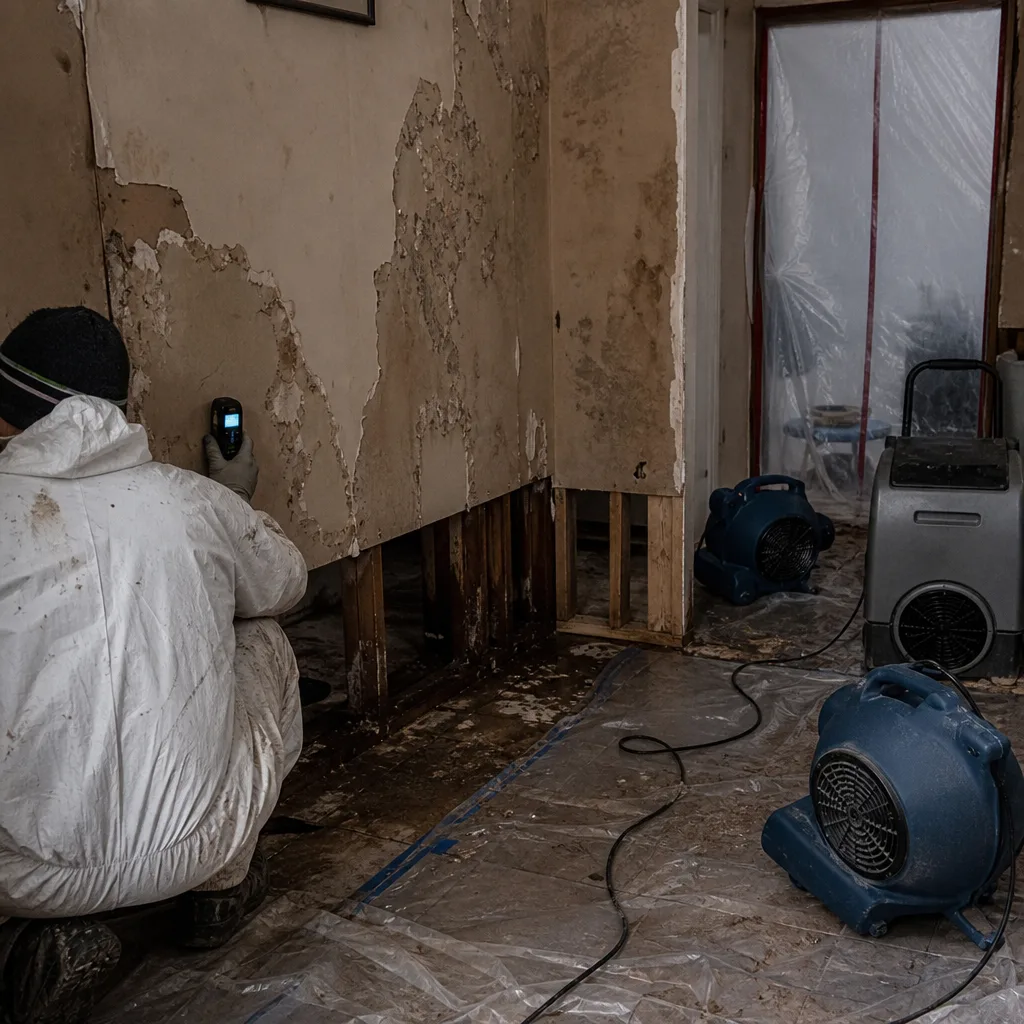
Free visual inspection and a written scope of work before any mitigation begins - photos, moisture readings, and drying logs go in your claim file
The scope we write is the scope we bill. Anything new gets shown to you, in writing, before we touch it.
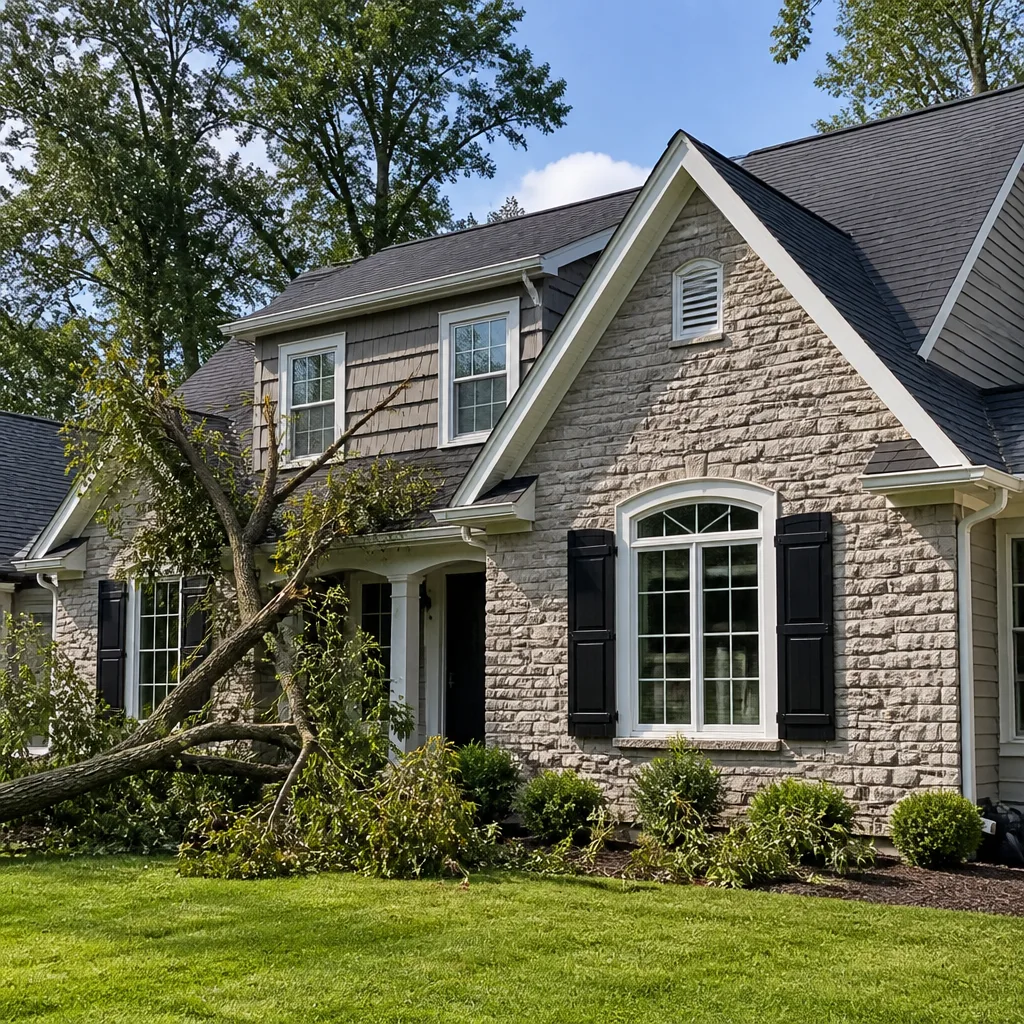
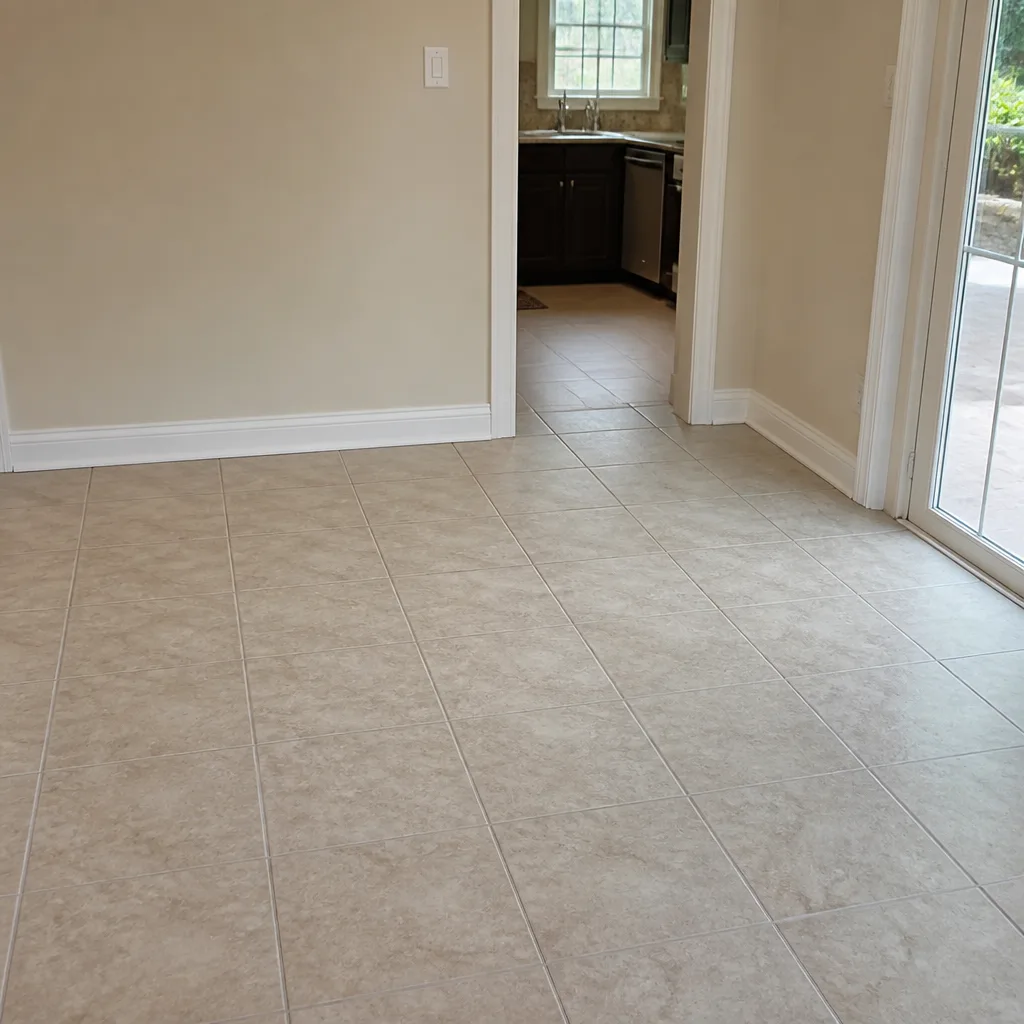
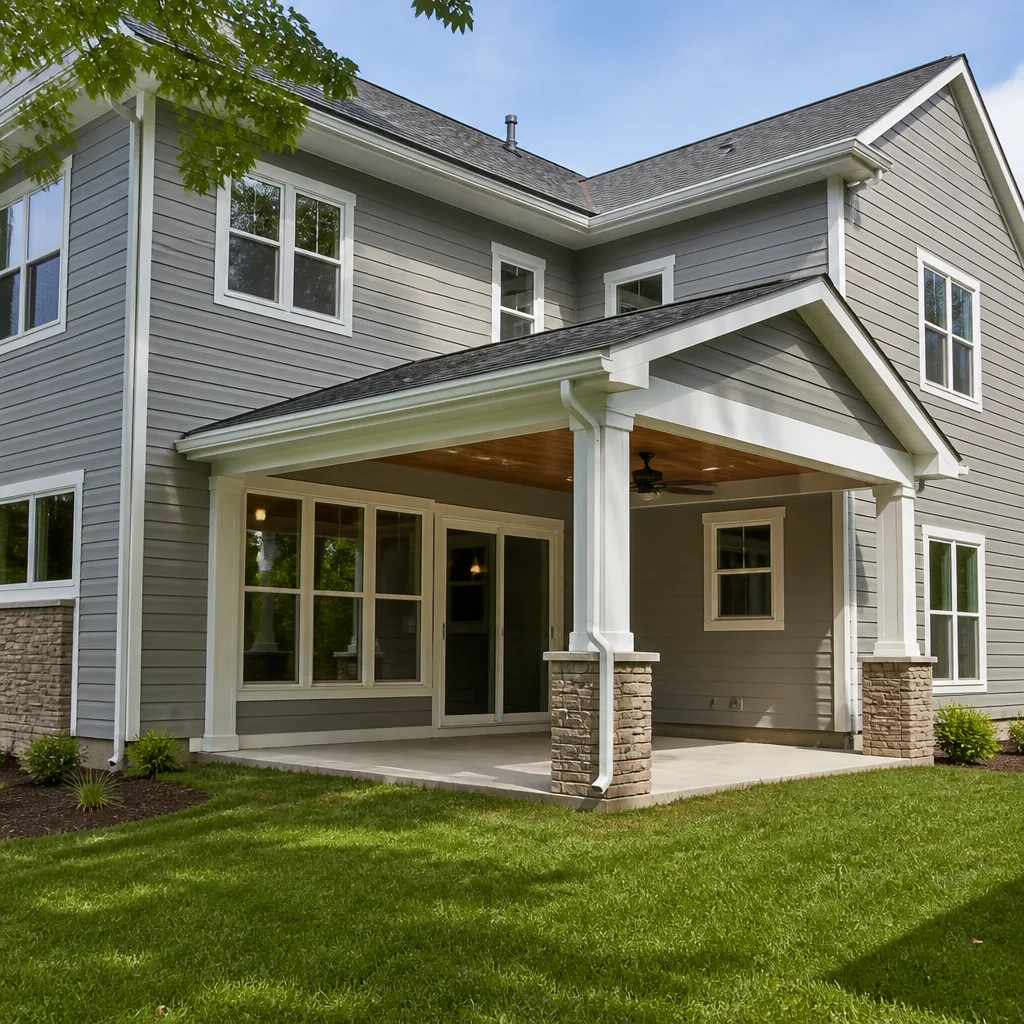
 Before
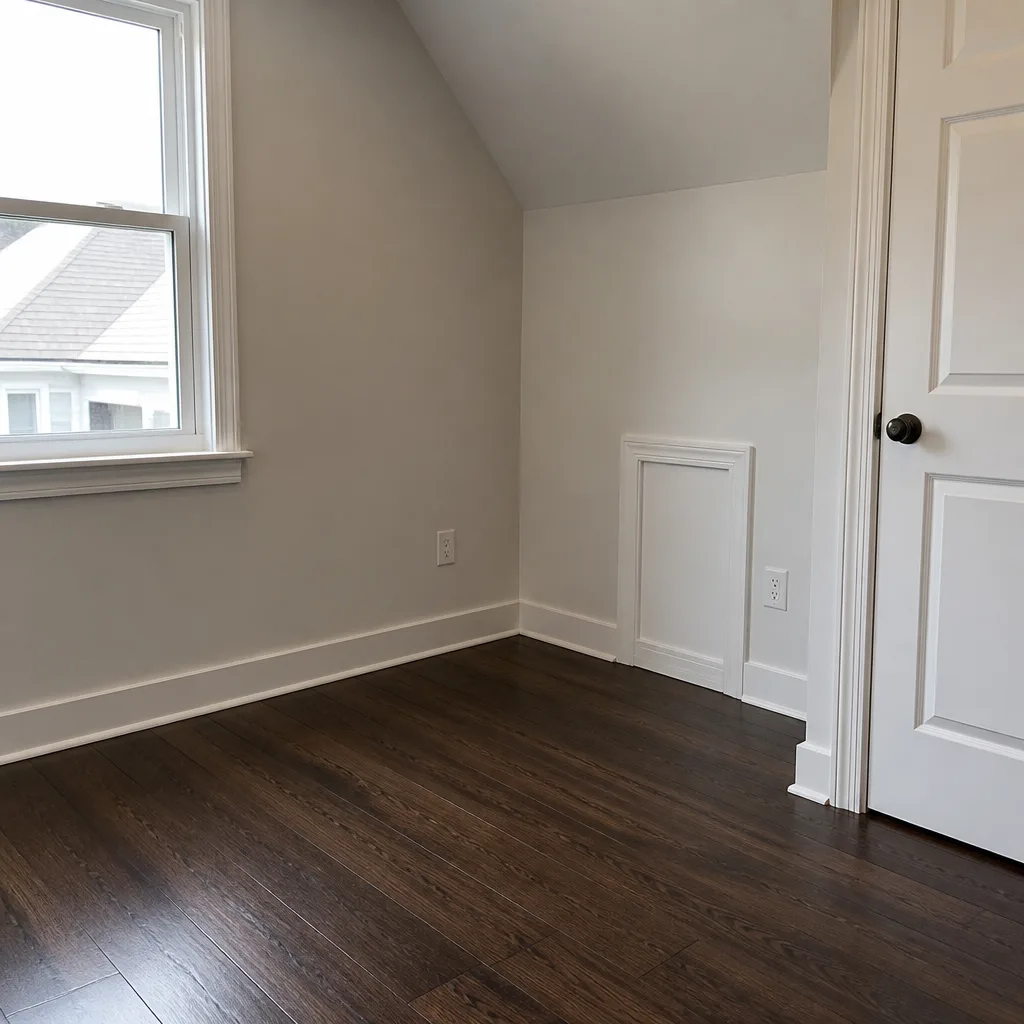 After
After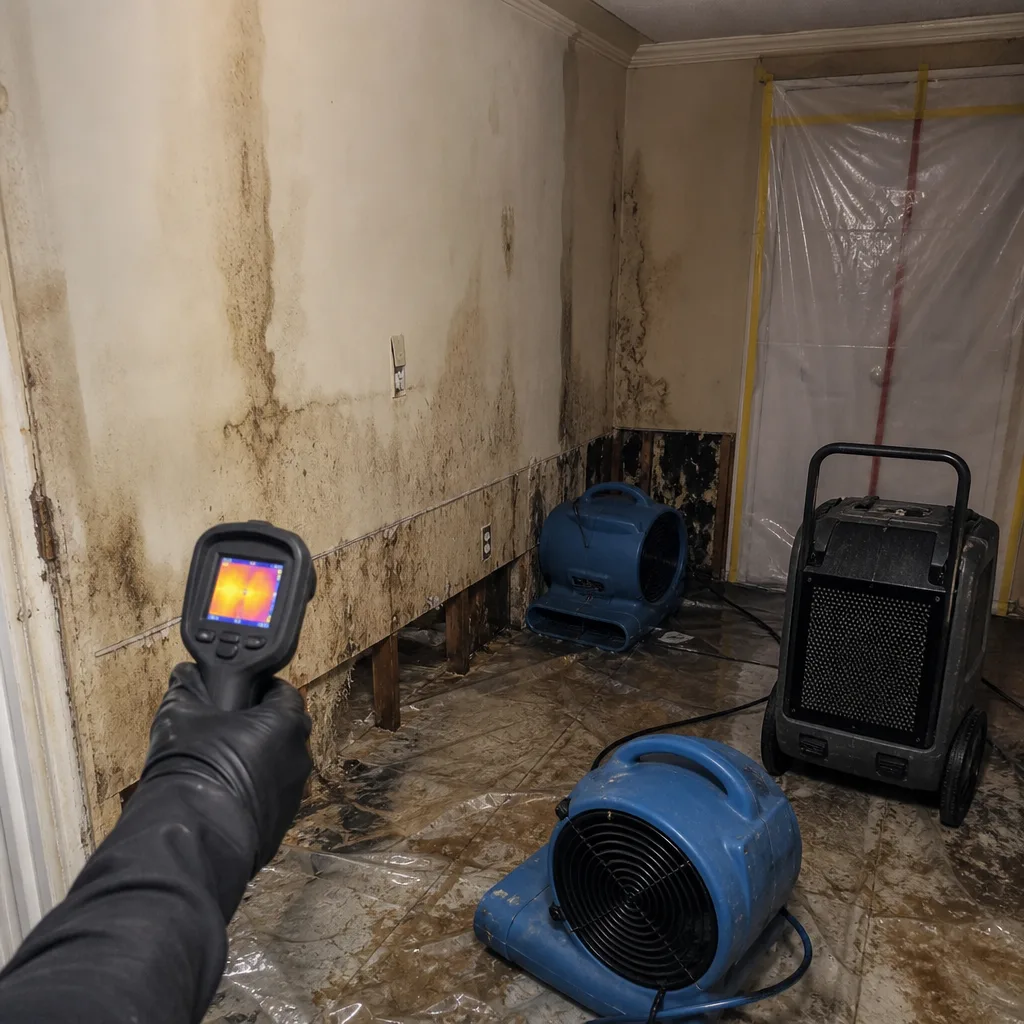 Before
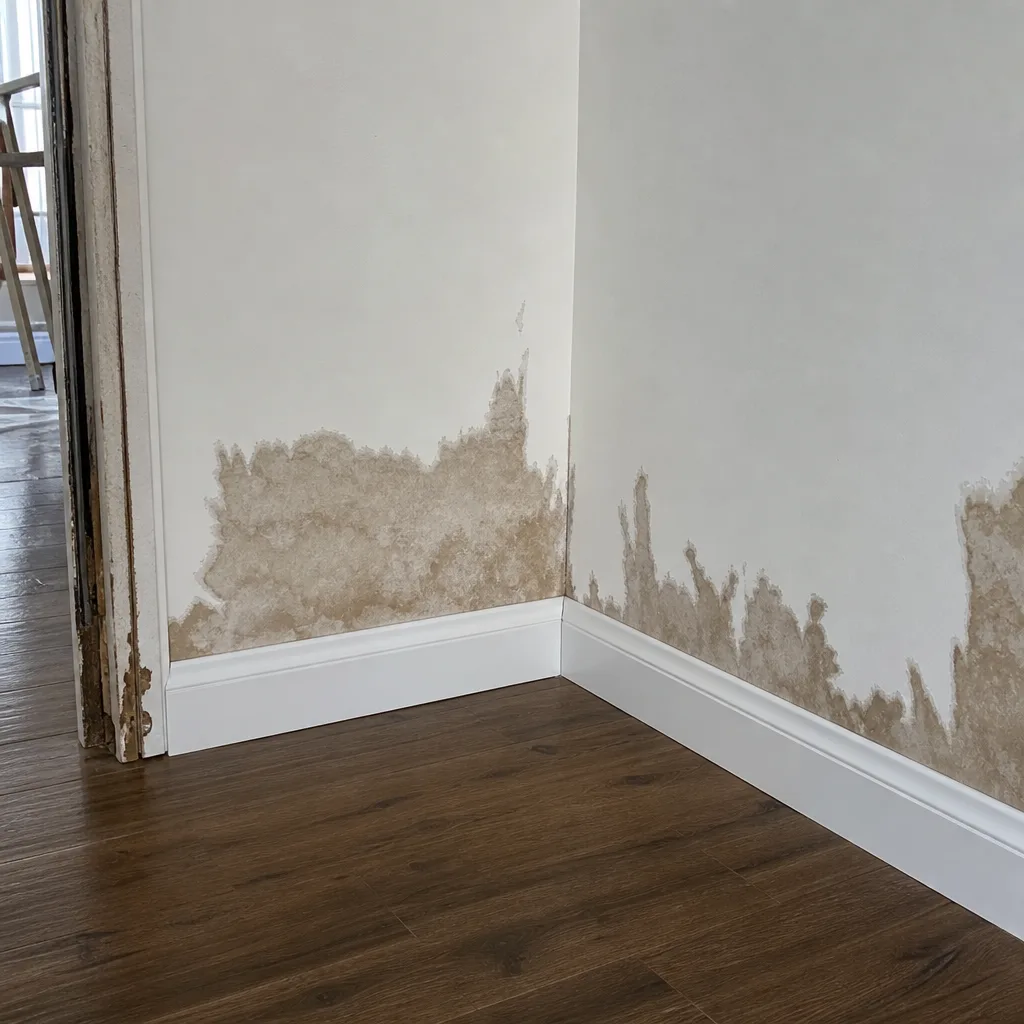 After
After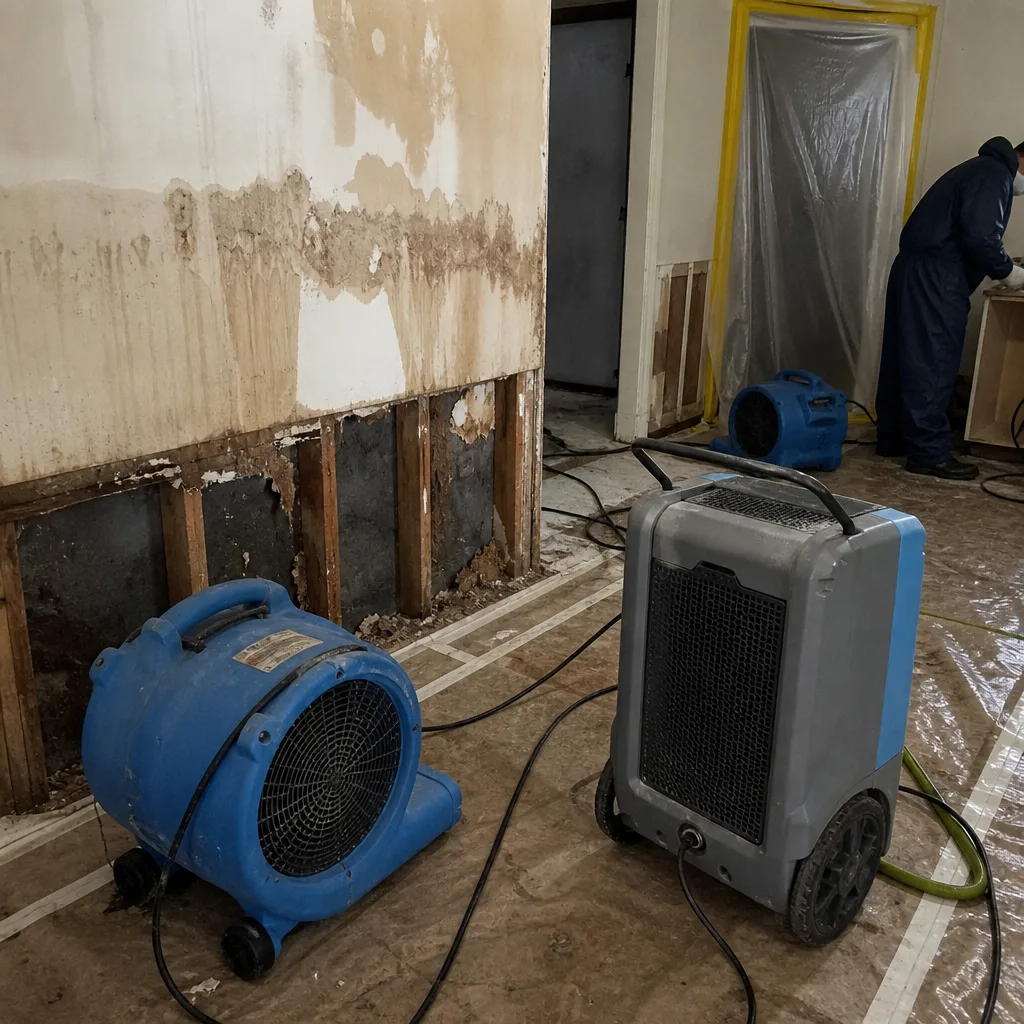 Before
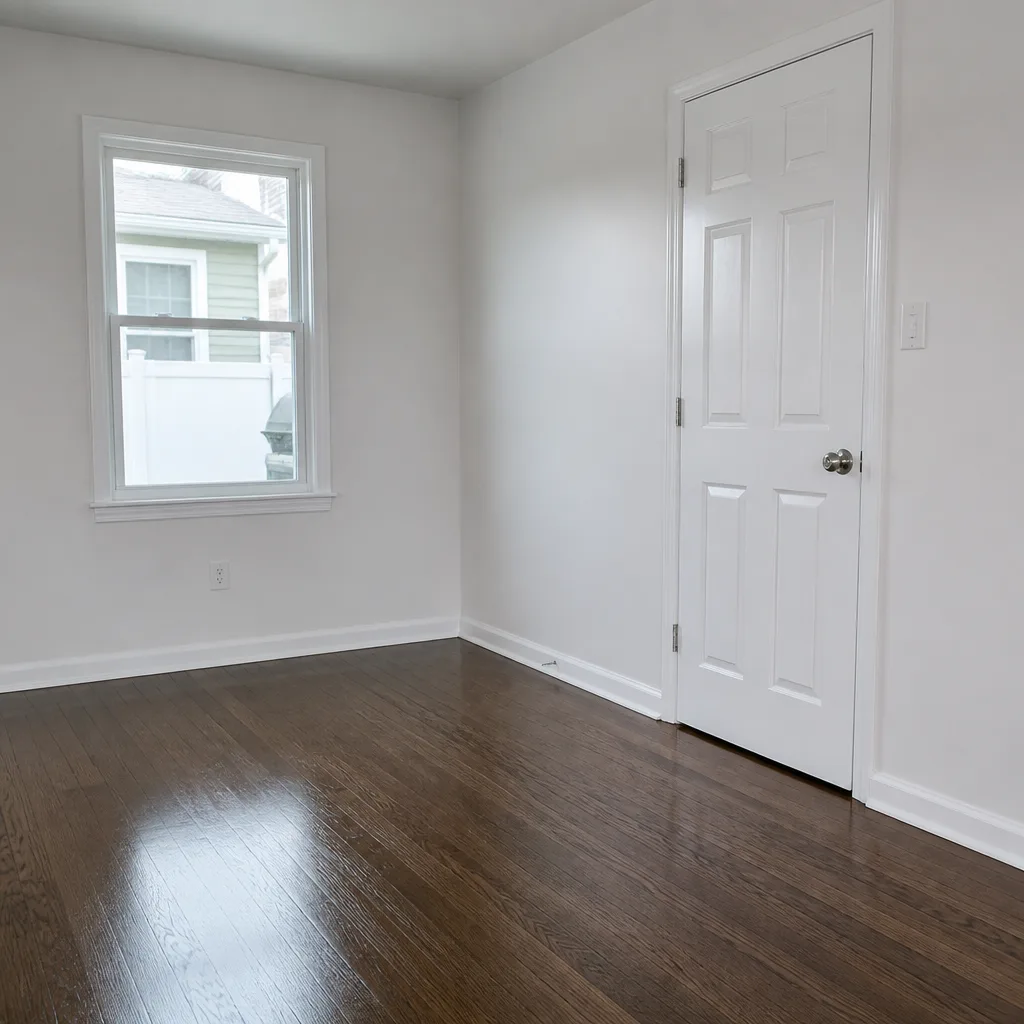 After
After24/7 Emergency Water Damage Restoration in Ridgewood
Water damage in a Ridgewood rowhouse moves fast and rarely stays in one unit. A burst supply line or cracked drain stack in these pre-war attached homes wicks through shared masonry and continuous basement slabs before most owners know anything went wrong. If you’re standing in water right now, call (716) 412-2972. A live dispatcher answers at 2 a.m. the same way she answers at 2 p.m., and our crews roll into Ridgewood within 45 minutes of the call. The first hour decides whether you’re drying plaster or replacing it. Every minute of standing water pushes deeper into original hardwood, plaster, and the party wall your neighbor is leaning against.
Understanding Water Damage Restoration Severity in Ridgewood Properties
Water damage gets classified by what’s in it, not just how much of it there is. Category 1 is clean water from a supply line or a burst pipe. Category 2 contains some contaminant, like the discharge from a failed cast-iron drain stack or a washing machine overflow. Category 3 is black water: sewage backups, street flooding, anything carrying bacteria. Ridgewood’s housing stock, nearly all of it built between 1900 and 1930, has a particular vulnerability at each level. The original plaster walls in these rowhouses absorb water differently than modern drywall: slower to show damage, slower to release it, and far less forgiving if drying gets cut short. Moisture mapping opens the process. We use thermal imaging and pin-style hygrometers to trace exactly where the water traveled inside the wall cavity, under the oak flooring, and through the shared slab. Without those readings, you’re guessing. With them, the dry standard becomes a number, not an opinion.
Why Ridgewood Property Owners Choose Floodline Restoration Co.
- 45-minute response commitment. We dispatch from a board, not a sales desk. When you call, a crew is assigned while you’re still on the phone.
- 24/7 live answer, always a person. No recording, no prompt tree, no callback request. A live dispatcher picks up, day or night, weekends included.
- IICRC-certified crews on every job. Our technicians hold WRT and ASD certifications, and we train beyond the codes because Ridgewood’s pre-war buildings demand more than the textbook approach.
- Free visual inspection before any work begins. We walk the damage with you, show you the moisture readings, and agree on the scope in writing before equipment comes off the truck.
- Direct insurance billing, no messenger work. We talk to your adjuster directly, send the documentation, and bill the carrier. You never sit on hold with a claim number.
- One team from first extraction to finished rebuild. The same certified crew that pulls the water rebuilds the wall. No handoffs, no inherited strangers, no twice-told story.
Our Water Damage Restoration Process
Inspection & Assessment
We start with a full walkthrough of the damage. Thermal cameras and moisture meters find water behind plaster, under floors, and inside shared walls. The moisture map becomes the job’s compass.
Extraction / Stabilization
Truck-mounted extraction pulls standing water fast, through 30-inch basement doors and down narrow stairwells. We cut power where water reached wiring, brace open cavities, and stop the source.
Drying & Dehumidification
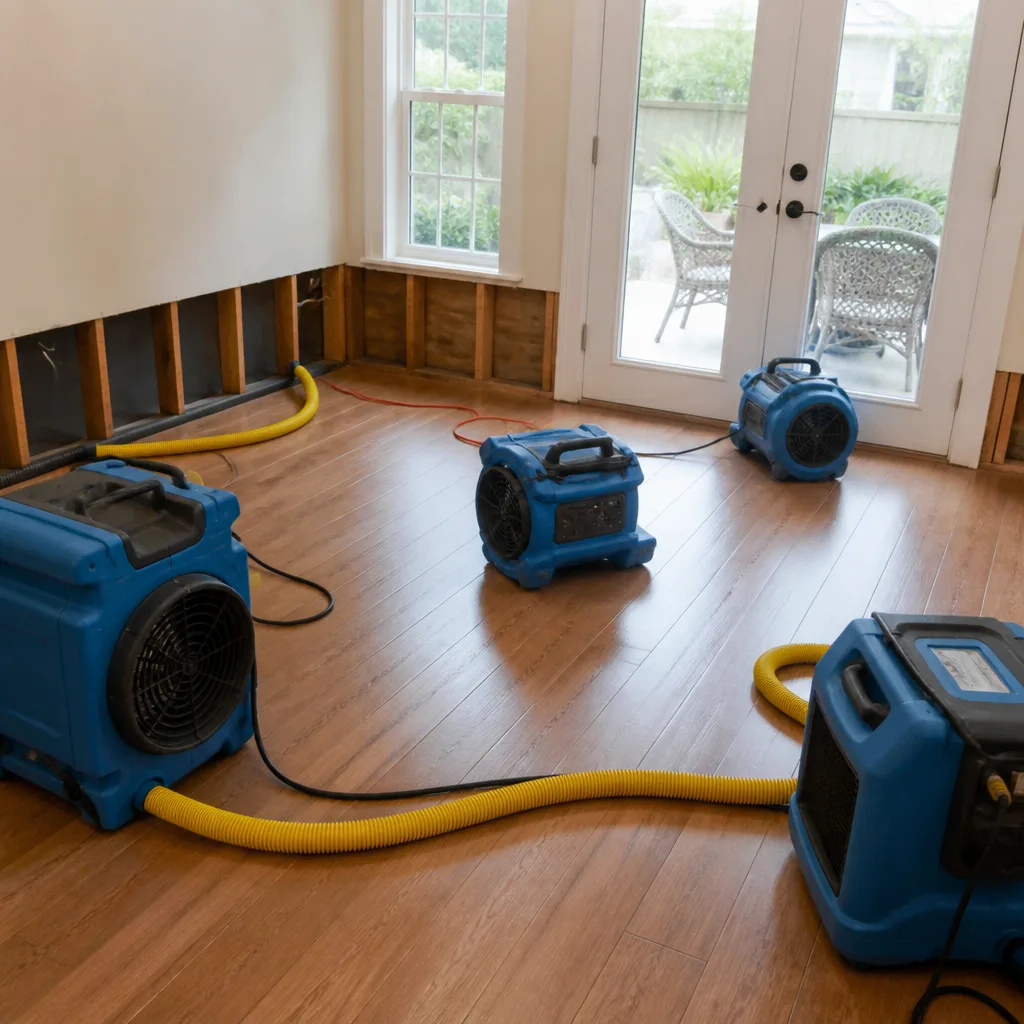
Air movers and dehumidifiers are placed to the moisture map, not scattered generically. Dri-Eaz and Phoenix units run around the clock. Daily readings track progress against the dry standard.
Cleaning & Sanitization
Hard surfaces get antimicrobial treatment. Soft goods and contents that can be saved are cleaned and documented. Category 3 water gets a stricter protocol, including disposal of porous materials.
Specialty Drying for Ridgewood Plaster
Original plaster doesn’t give up water easily. We use Injectidry systems to force dry lath and plaster cavities from the inside without tearing open walls.
Repairs & Restoration
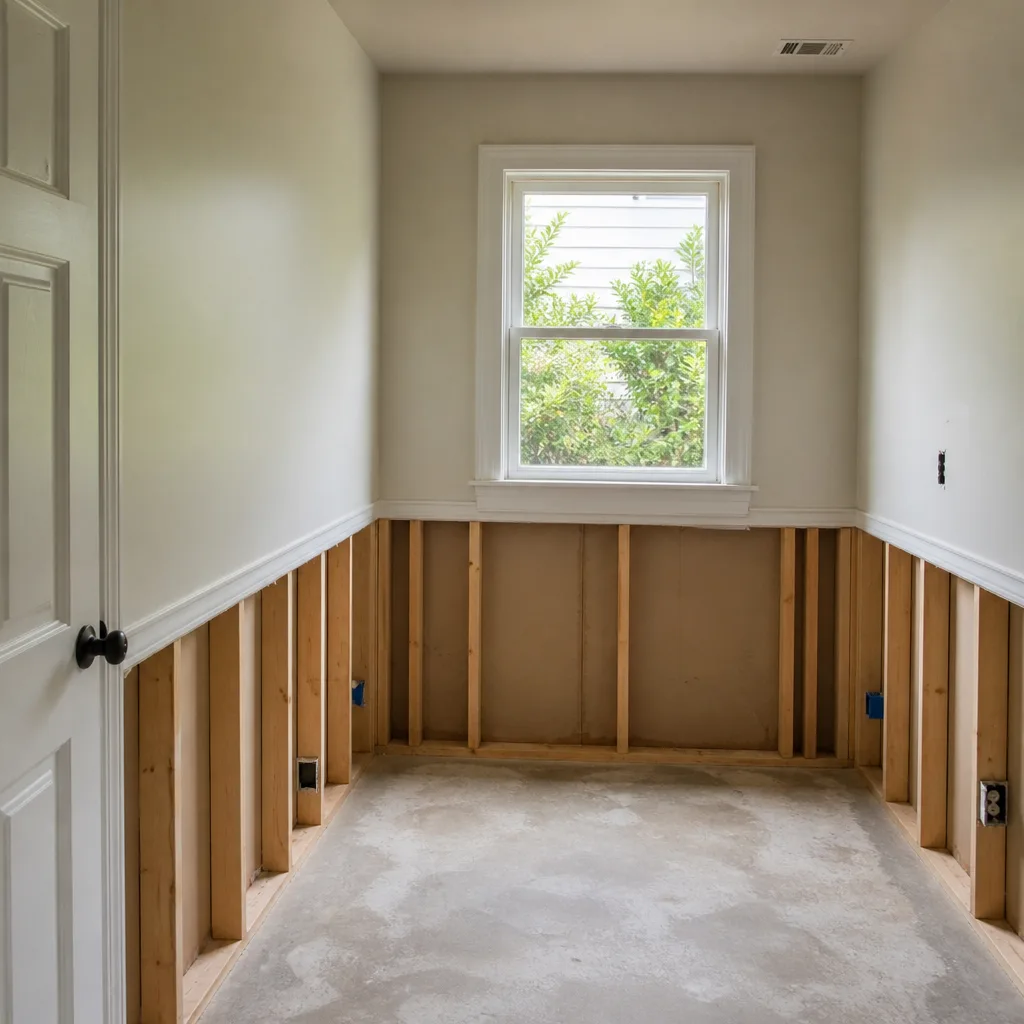
Once readings prove the structure is dry, reconstruction begins. We match Ridgewood brick, restore original plaster profiles, refinish floors, and rebuild what needed rebuilding.
Need Emergency Water Damage Restoration in Ridgewood Now?
Crews minutes away, answering live 24 hours a day. The sooner we start, the less it costs.
Working With Your Insurance Company
Most Ridgewood water damage claims involve a neighbor, a cast-iron pipe, or both. Adjusters here are used to complicated claims. Yours will want proof of what happened, how far the water actually traveled, and what you did about it. We build that file from the first hour: photos of the source, the spread, the standing water. Then moisture logs, drying measurements, and a line-item scope that matches your policy language, not our preferences. We coordinate directly with your carrier, send the adjuster our documentation, and handle the back-and-forth so you’re not the one chasing answers. Insurance water damage claims move faster with a paper trail. We hand you the trail, already organized.
What We Provide Your Insurer
- Thorough documentation of the loss
- Photos of all damage, room by room
- Moisture readings and drying logs
- A detailed, line-item scope of work
- Direct coordination with your carrier
Built for Ridgewood’s Loss Calendar
Ridgewood’s water damage season never fully stops. January deep freezes crack the unheated supply lines in 1920s extensions and turn small leaks into ceiling collapses a week later when it thaws. February and March are freeze-thaw months for the aging mortar joints in yellow-brick facades: water gets behind the brick, sits in the cavity all winter, and shows up as staining in April. Spring thaw also lifts the water table under basements, and the continuous slabs beneath these rowhouses don’t stop at the party wall. Summer brings flash thunderstorms that overwhelm the combined sewers along the Myrtle Avenue corridor, and sudden downpours show up in basements that stayed dry all year. Nor’easters hit flat and low-slope rooflines hard: ponding water finds membrane failures and cascades down through two or three ceilings. The calendar doesn’t repeat itself politely. Neither does water.
Water Damage Restoration Across Ridgewood’s Neighborhoods
The housing stock across Ridgewood is remarkably consistent, but response patterns differ street by street. Up in the blocks around the Ridgewood Historic District, LPC review adds time to any exterior masonry repair, so we sequence interior drying to run first, stabilizing the structure while approvals sort out. Along the Myrtle Avenue corridor, mixed-use buildings with commercial storefronts on the ground floor mean water events in upstairs apartments above active businesses, which requires coordinating extraction around operating hours. Down through the 11385 zone toward the old knitting mills, industrial conversions have open floor plates and exposed joists: easier access, faster drying, but more lateral spread when water hits. Over in the blocks near Grover Cleveland Playground, houses sit slightly higher off the street, reducing floodwater risk but doing nothing for the shared-slab wicking that moves sewage between basements. Each area has its pattern, and we know them because we’ve worked them all.
Specialized Water Damage Restoration Services We Offer in Ridgewood
Emergency Water Extraction
Standing water in a Ridgewood basement spreads across the slab, under appliances, and through the party wall toward the neighbor’s side. Our truck-mounted extraction rigs fit through 30-inch rowhouse doors and pull hundreds of gallons in the first hour. Count on us to get water out before it becomes a structural problem for the whole building.
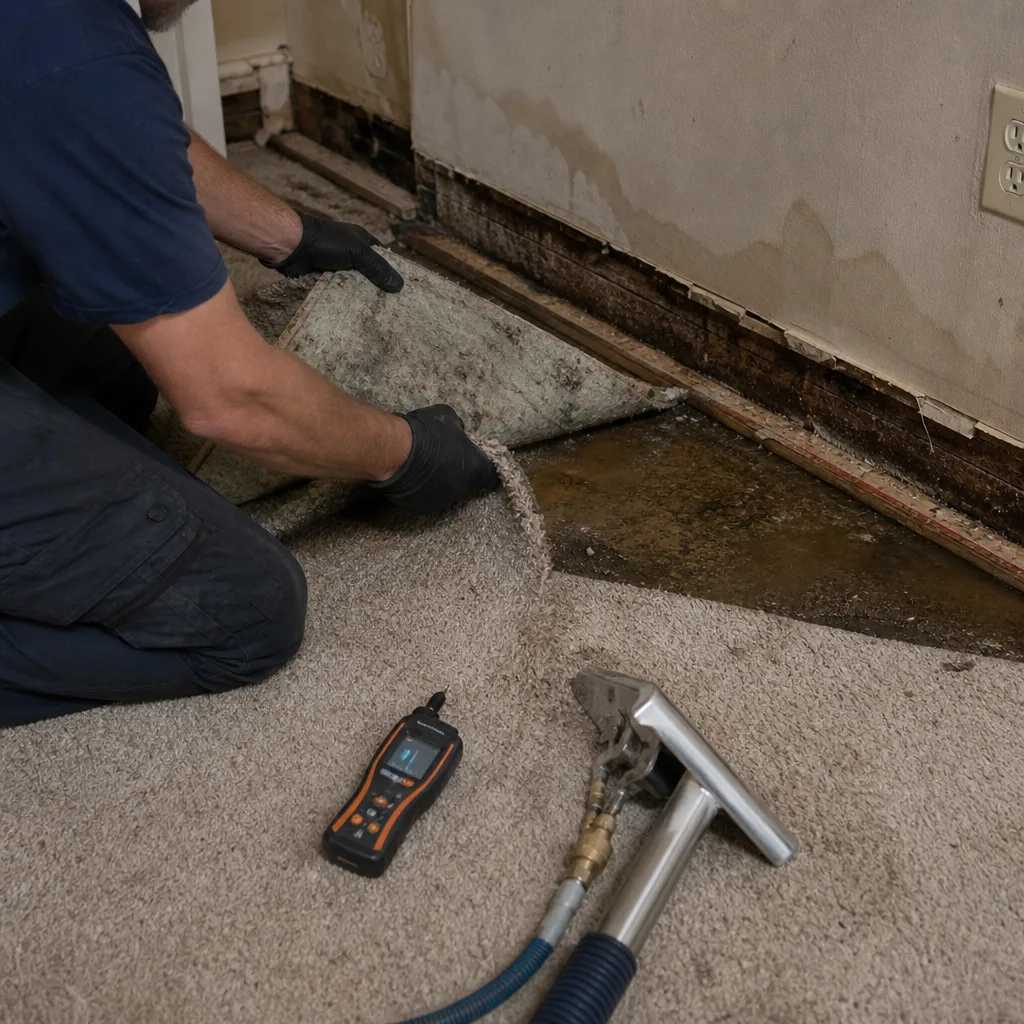
Structural Drying & Dehumidification
Drying a 1920s Ridgewood rowhouse takes patience, not just power. We place Dri-Eaz and XPOWER units on a moisture map, force dry behind lath with Injectidry systems where the cavity is sealed, and log readings until the wood hits the dry standard. Hidden moisture behind original plaster is the most common reason remediation fails. We don’t let that happen.
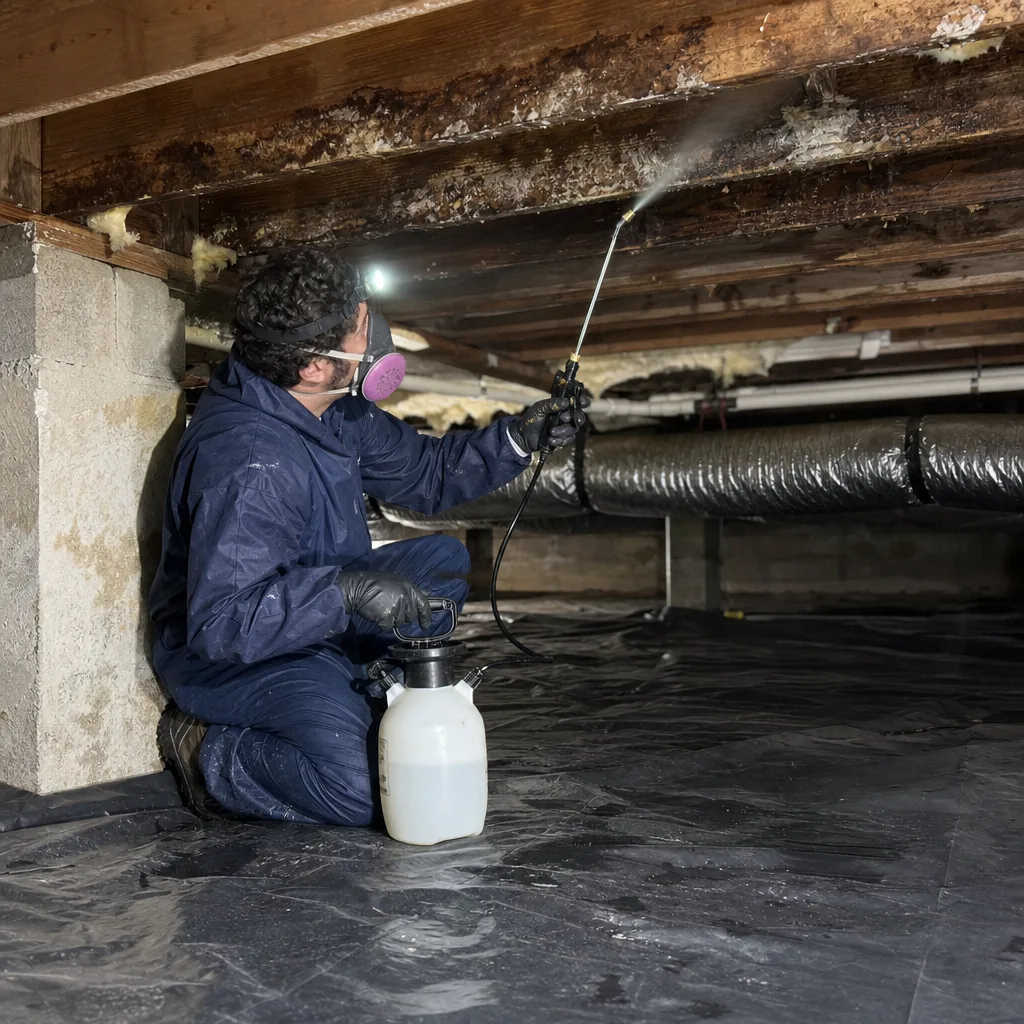
Flood Cleanup
When a Queens sewer main backs up into a Ridgewood basement, the water is Category 3. Porous materials get removed. Concrete and tile get antimicrobial treatment. The shared-slab question matters most here: we inspect the neighbor’s side and document what wicked through, because floodwater follows the path of least resistance.
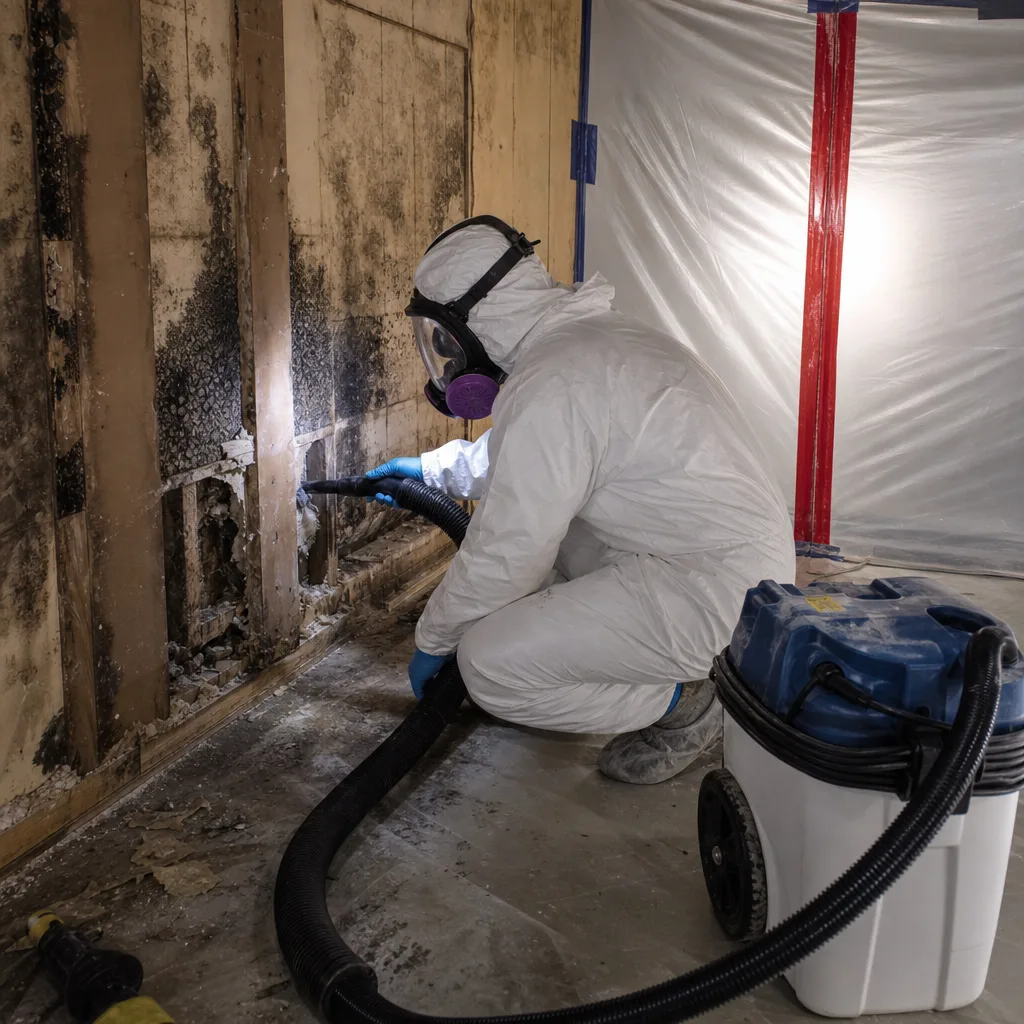
Burst Pipe Restoration
A frozen supply line in an unheated rear extension or an aged galvanized pipe behind the bathroom wall bursts fast and runs until someone shuts the main. We find and stop the source, extract, and dry the full path the water traveled, including wall cavities, flooring, and any downstairs room it found on the way down.
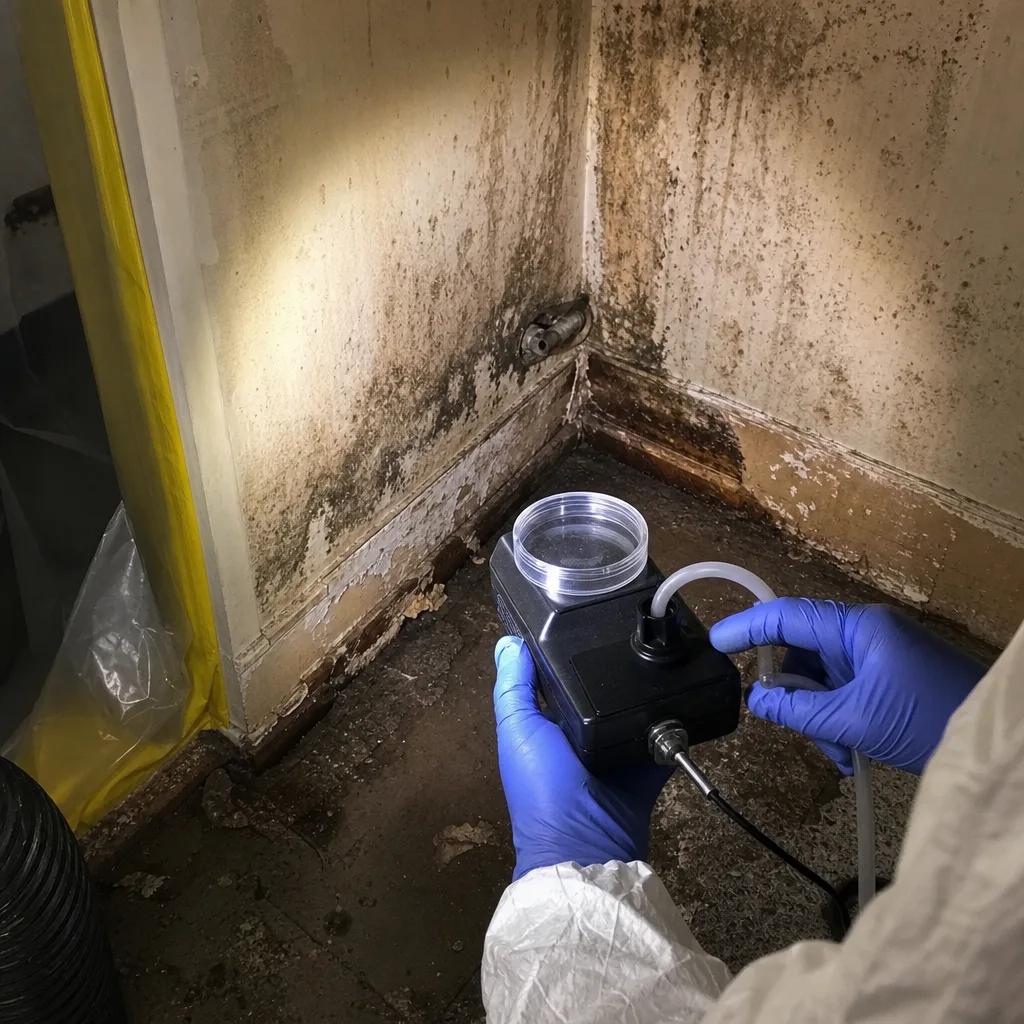
Basement Water Removal
Ridgewood basements were never designed to stay dry. Original masonry walls have no damp proofing, and the slab sits below grade on the wet side of the street. We pump, extract, treat, and dry, but we also tell you what’s structural seepage versus what’s a one-time event, because the fix is different.
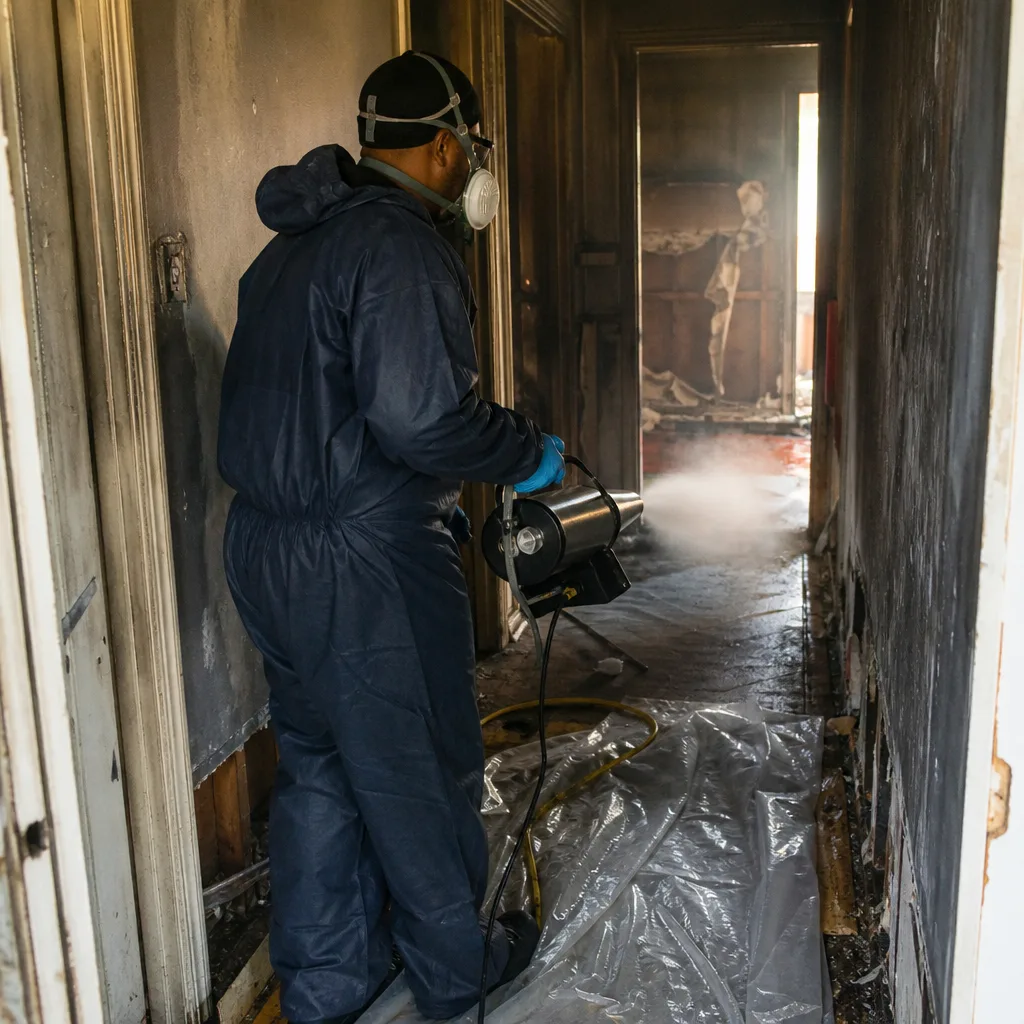
Ceiling & Roof Leak Water Damage
Ponding water on a flat Ridgewood roofline works through membranes slowly, then suddenly. By the time the ceiling stains, water has been moving through joists and plaster for days. We trace the full migration path, dry the structural members, and coordinate the exterior repair so the leak doesn’t just come back next storm.
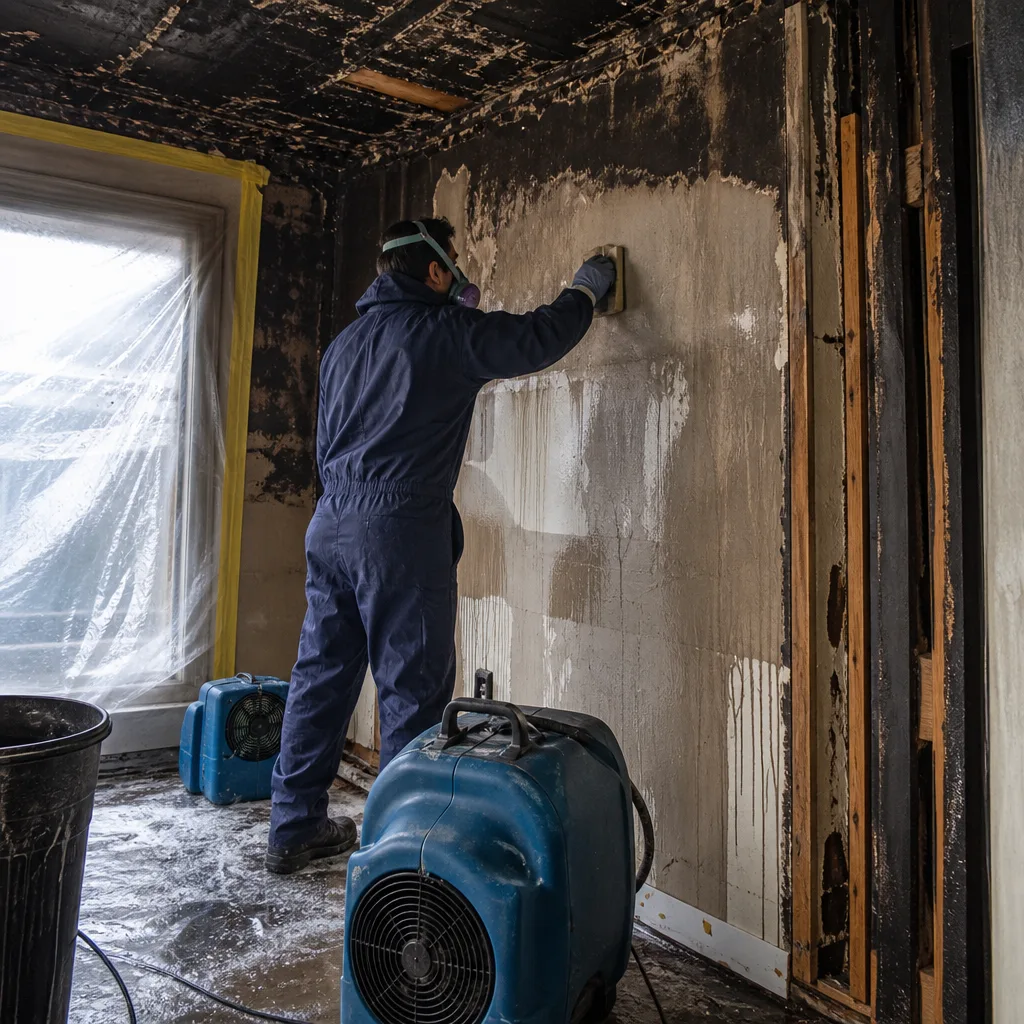
What happens when you call
- 1
A real person answersNo phone trees - you reach a local pro.
- 2
You get an upfront price rangeHonest numbers before anyone is dispatched.
- 3
A background-checked tech heads outLicensed & insured, dispatched right away.
- 4
You approve before work beginsNothing starts until you say go.
Water Damage Restoration Costs in Ridgewood, NY
Ridgewood pricing reflects the housing stock. Dense, attached, pre-war construction with shared walls and original finishes runs higher than a suburban drywall ceiling because drying takes longer and access is tighter. A straightforward basement extraction and dry in the 11385 or 11386 corridor typically runs $2,800 to $5,500 depending on the category of water and the square footage. A burst pipe that migrates through a party wall and forces drying on both units lands between $6,000 and $14,000. Category 3 sewage backups cost more again, often $8,000 to $20,000 once contaminated materials are removed and the slab is treated. What moves the number: how far water traveled, whether plaster versus drywall, whether the neighbor’s side is involved, and whether LPC review applies to exterior work. Free visual inspection comes first. We walk it with you, show you the readings, and hand you a written scope with real numbers before any equipment runs.
We Also Serve Cities Near Ridgewood
Our crews work the whole Queens border area, including Ridgewood, Woodhaven, Ozone Park, and Howard Beach. Same 45-minute response, same certified teams, same direct insurance billing across all of it.
Ridgewood Water Damage Restoration Questions, Answered
If a pipe bursts in my Ridgewood rowhouse, will my neighbor’s basement also get wet?
It’s more likely than you’d think. Ridgewood rowhouses share uninterrupted basement slabs beneath party walls. Water from a burst pipe or a failed cast-iron drain stack on your side travels laterally through the slab and can show up in the neighbor’s basement before either of you notices. We routinely scope two or three adjoining properties from a single point-of-origin event here. If you had a water event, tell your neighbor to check their side, and ask us to check the slab with a moisture meter. Call (716) 412-2972 and we’ll walk both sides.
How long does it take to dry out original plaster walls after a Ridgewood roof leak?
Longer than drywall would take, and cutting that time short is how hidden mold starts. Original plaster and lath absorbs a lot of water and releases it slowly. Depending on the cavity depth, the season, and whether we can get an Injectidry system inside the wall, expect active drying to run five to ten days, not two or three. We log readings daily against the dry standard and show you the log.
Do I need Landmarks approval before repairing water-damaged brick on my Ridgewood facade?
In many parts of Ridgewood, yes. If your building falls within or adjacent to the Ridgewood Historic District, exterior masonry repair, including mortar replacement on the yellow-brick facade, can trigger LPC review. Doing the work without checking can get you a stop-work order and an open wall cavity. We check the LPC map as part of our initial assessment and sequence interior drying while any exterior review works itself out.
Why is my Ridgewood basement damp every spring even though I’ve fixed the visible leaks?
The water table rises every spring as frozen ground thaws, and Ridgewood’s basements were built without damp proofing. The slab sits below grade, and groundwater moves through the masonry and up through the slab as capillary moisture. Visible leaks are one problem. This is another: seasonal groundwater that never has a visible source. We can tell you which you have and what actually helps.
Can you dry my basement without tearing out the original plaster ceiling?
Usually. On a recent job off Myrtle Avenue, we pulled category 2 water from a 1920s rowhouse after a drain stack cracked behind a party wall, ran XPOWER air movers and a Dri-Eaz dehumidifier in a 48-inch-wide basement stairwell, and used Injectidry to force dry the original plaster ceiling without opening the wall. We logged moisture every four hours and handed the neighbor’s assessor readings showing no water had wicked through the slab. Call (716) 412-2972 for a free visual inspection and we’ll tell you what your ceilings can take.
How fast can someone actually get to my Ridgewood rowhouse?
Within 45 minutes of your call, most times faster. We’re a local crew, not a franchise that schedules you for Thursday. Our dispatch board shows available certified teams, and the closest one gets routed to you while you’re still on the phone with the live dispatcher.
Will my insurance cover water damage in my Ridgewood home?
Most homeowner policies cover sudden and accidental water damage: a burst pipe, a failed water heater, a roof leak from a covered storm. They typically don’t cover long-term seepage, pre-existing moisture, or floodwater unless you have a separate flood policy. We photograph everything from the first hour, document the full migration path, and submit directly to your carrier with the moisture logs and scope they need.
What should I do in the first 30 minutes after discovering water in my Ridgewood home?
Shut the main water valve if you can find it safely, cut power to the affected area if the water reached outlets, move valuables and furniture up off the floor, and call us. Don’t run a shop vac on standing sewage water. Don’t open walls to see how far it went. Call (716) 412-2972 and we’ll walk you through the first six decisions on the phone.
Serving Ridgewood, NY - Our Local Coverage Area
We’re based in the Ridgewood area and know this community well. Use the map below to see our service coverage - if you’re nearby, we can almost certainly help.
Contact Floodline Restoration Co. in Ridgewood
Water in a Ridgewood rowhouse never waits for a convenient time. Neither do we. Our Water Damage Restoration team answers live 24 hours a day, every day, and our certified crews reach Ridgewood within 45 minutes. A real person picks up at 2 a.m., and extraction is running the same visit. We’ve spent over 42 years standing behind the work in this city, and every job is backed in writing by the 90-Day Done Right Promise, the Keystone Standard. No handoffs, no messenger work, no surprises on the bill. Call (716) 412-2972 for a free estimate, or to get a certified crew rolling now.
Written by Curt Bowman, Owner at Floodline Restoration Co., serving Ridgewood, NY and the surrounding Queens neighborhoods.