
Free visual inspection and a written scope of work before any mitigation begins - photos, moisture readings, and drying logs go in your claim file
The scope we write is the scope we bill. Anything new gets shown to you, in writing, before we touch it.
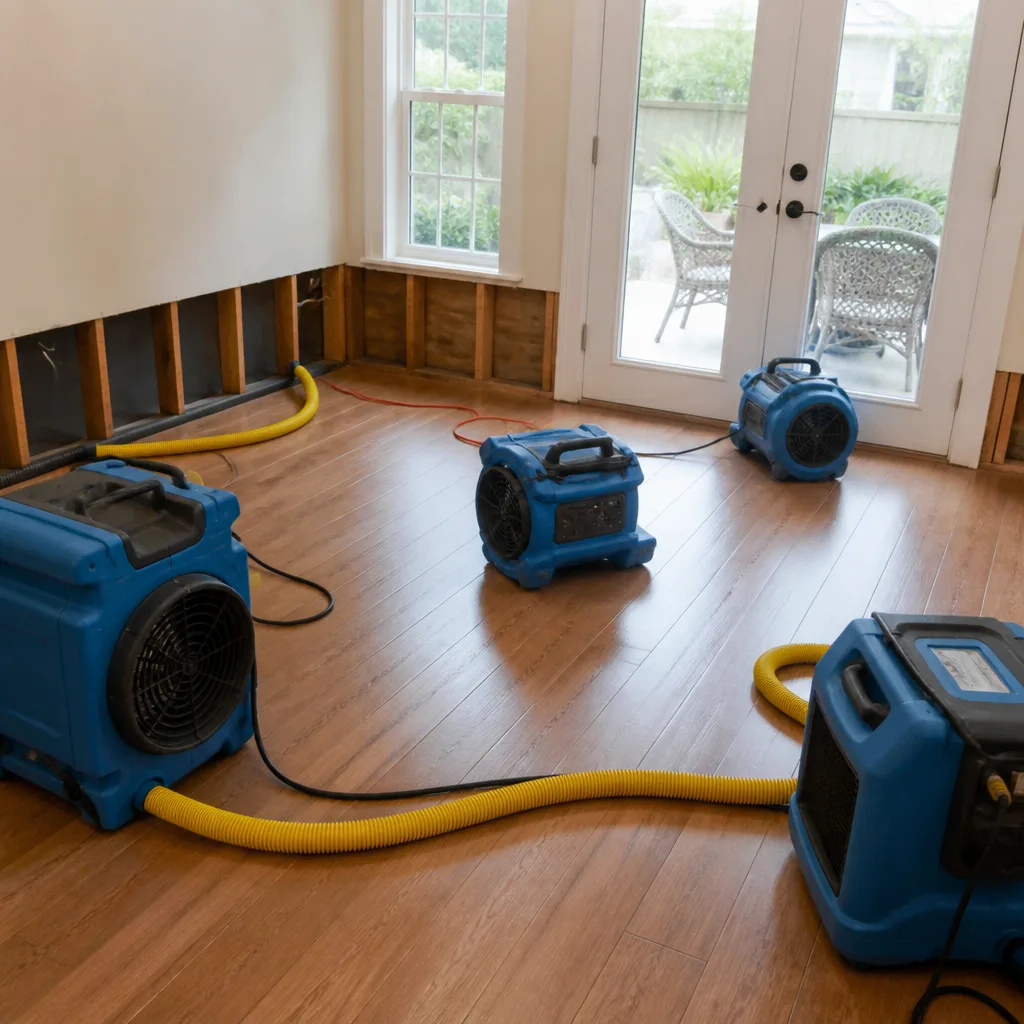
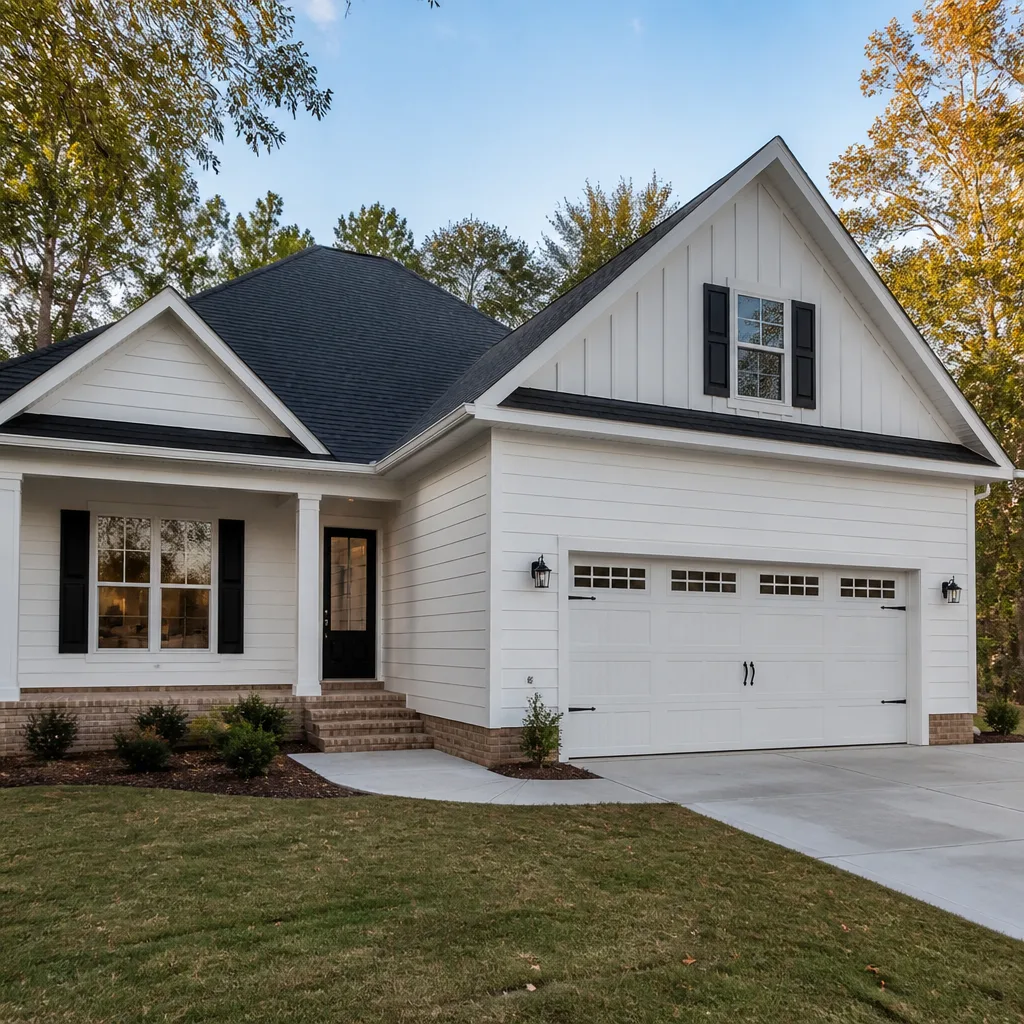
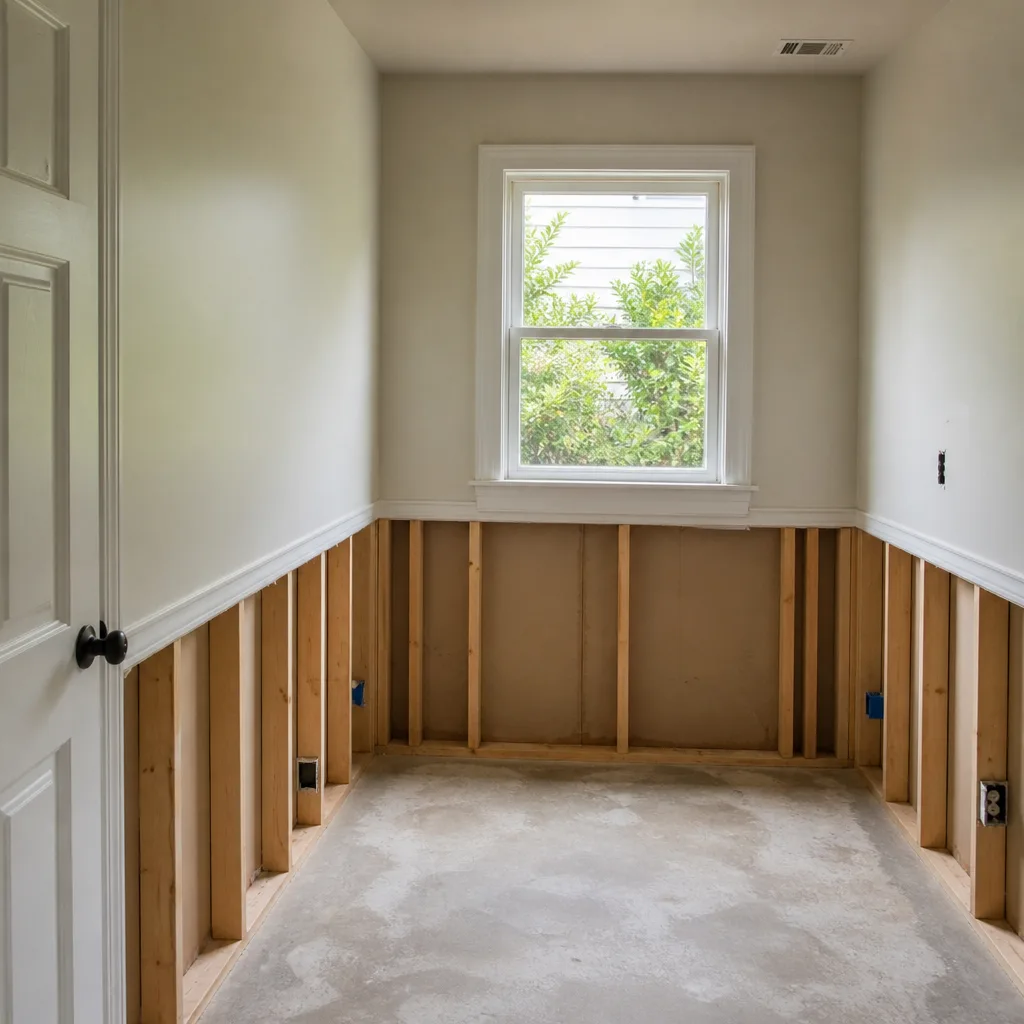
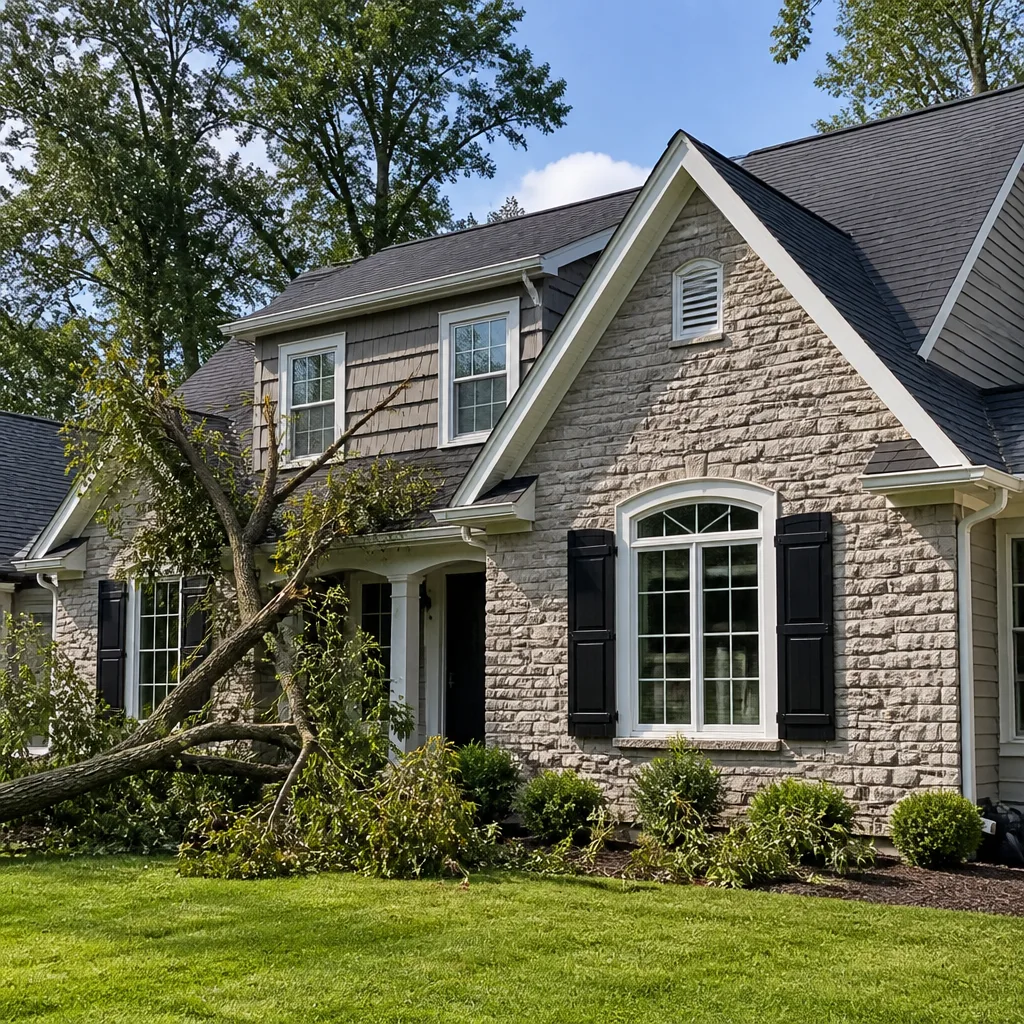
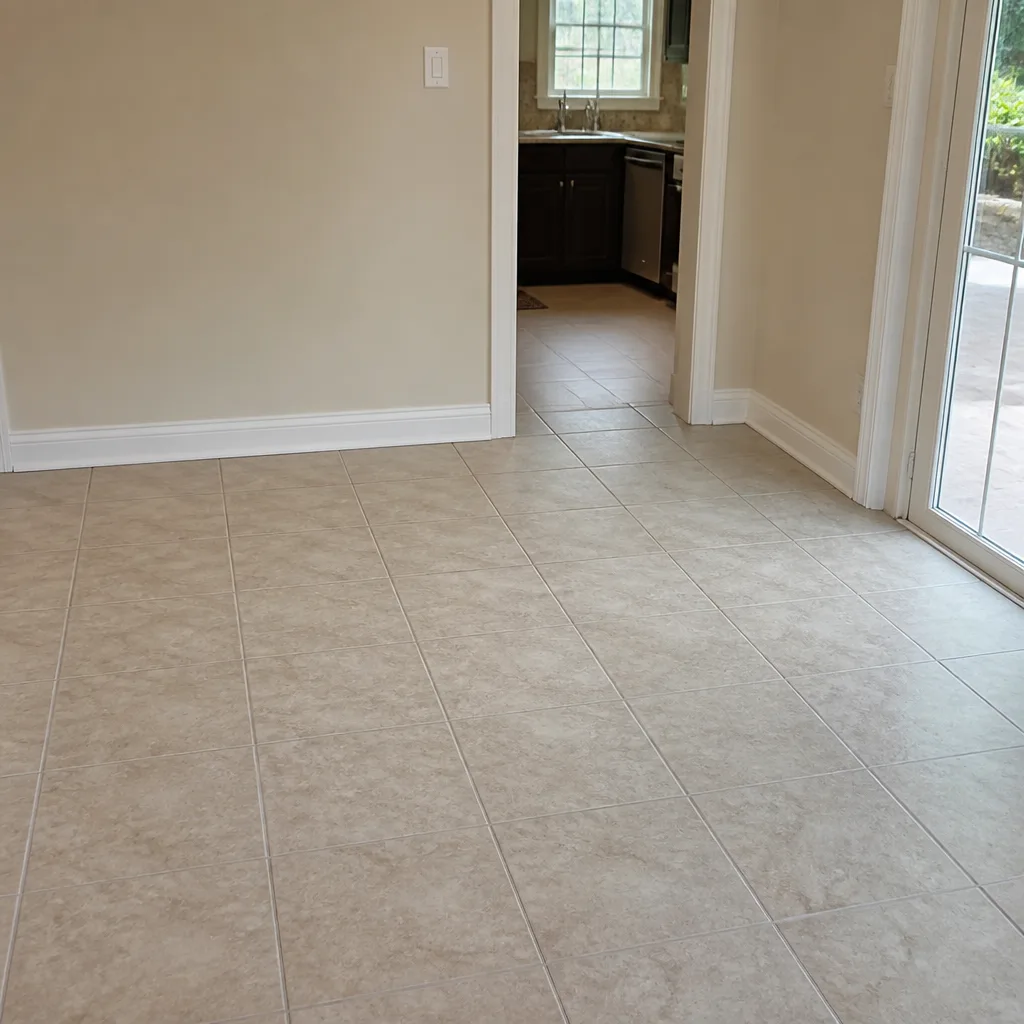
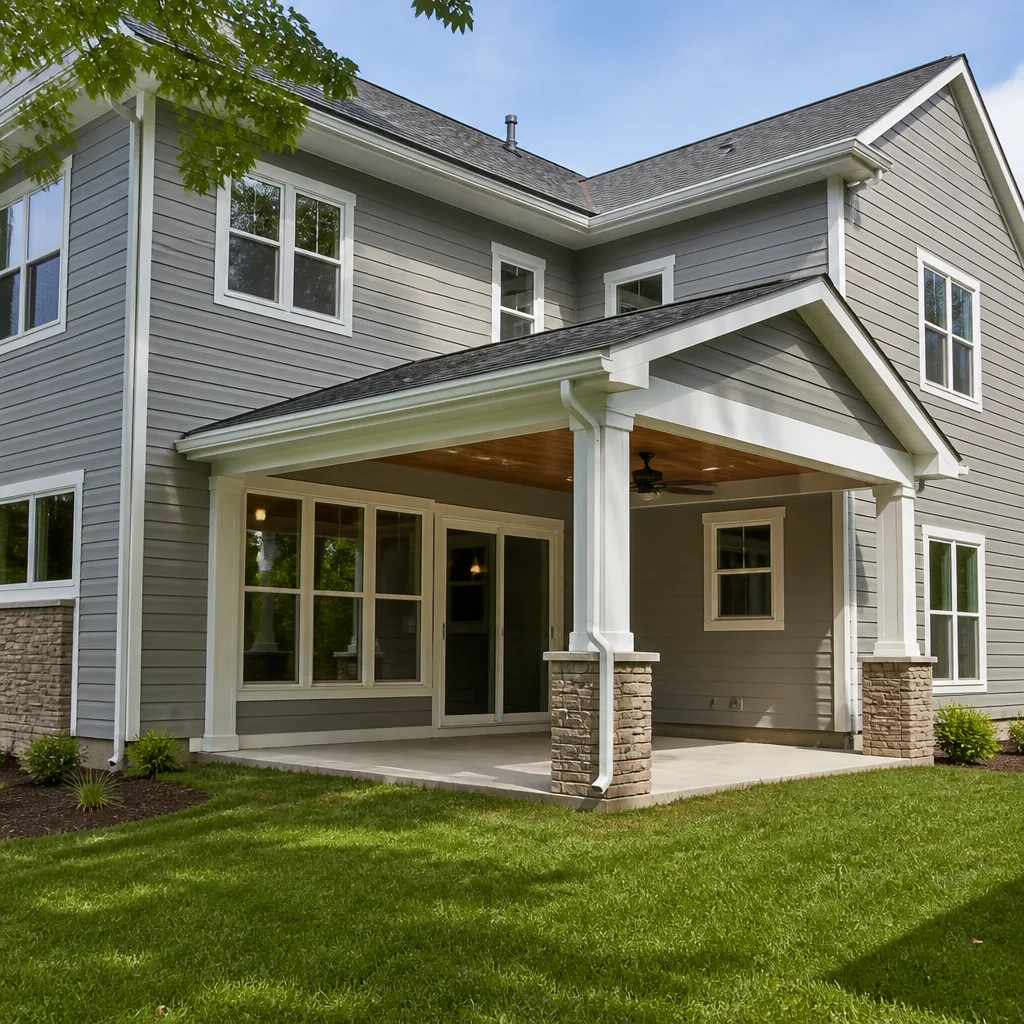
 Before
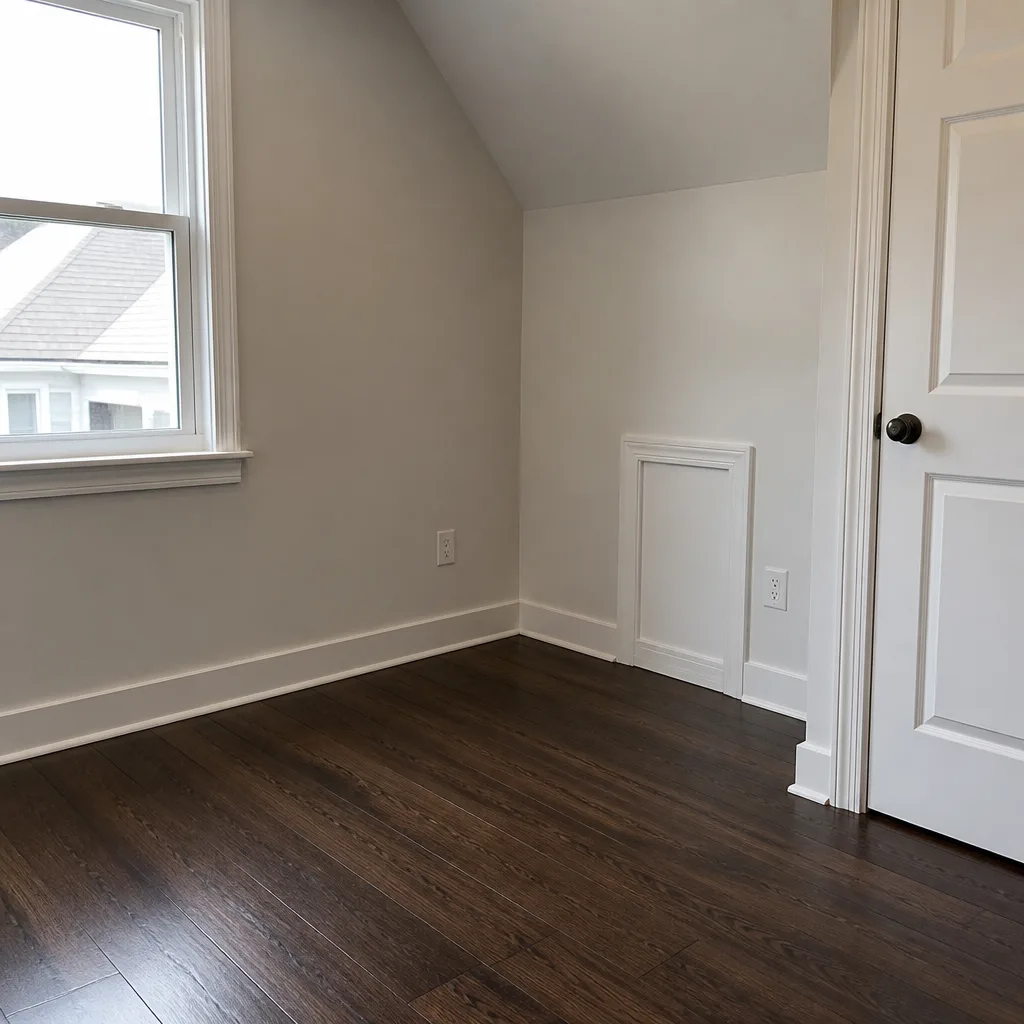 After
After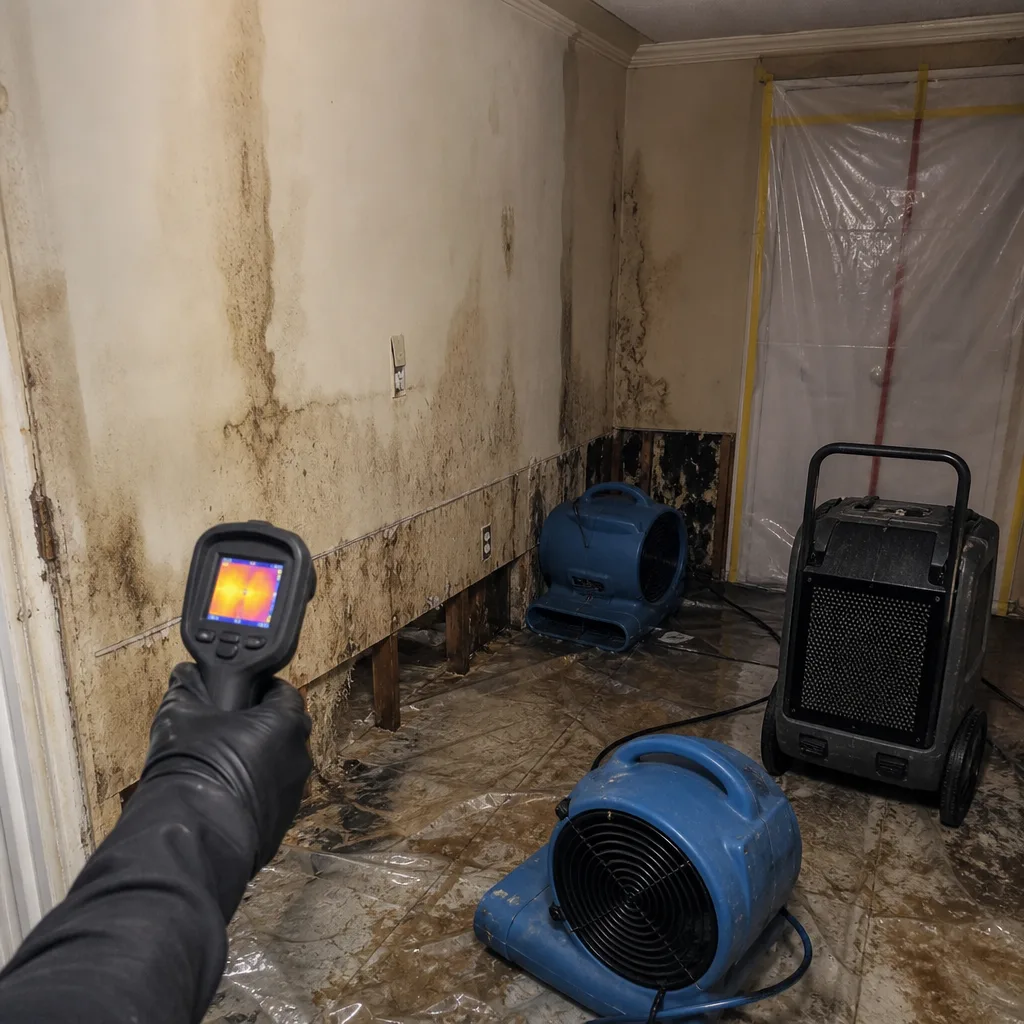 Before
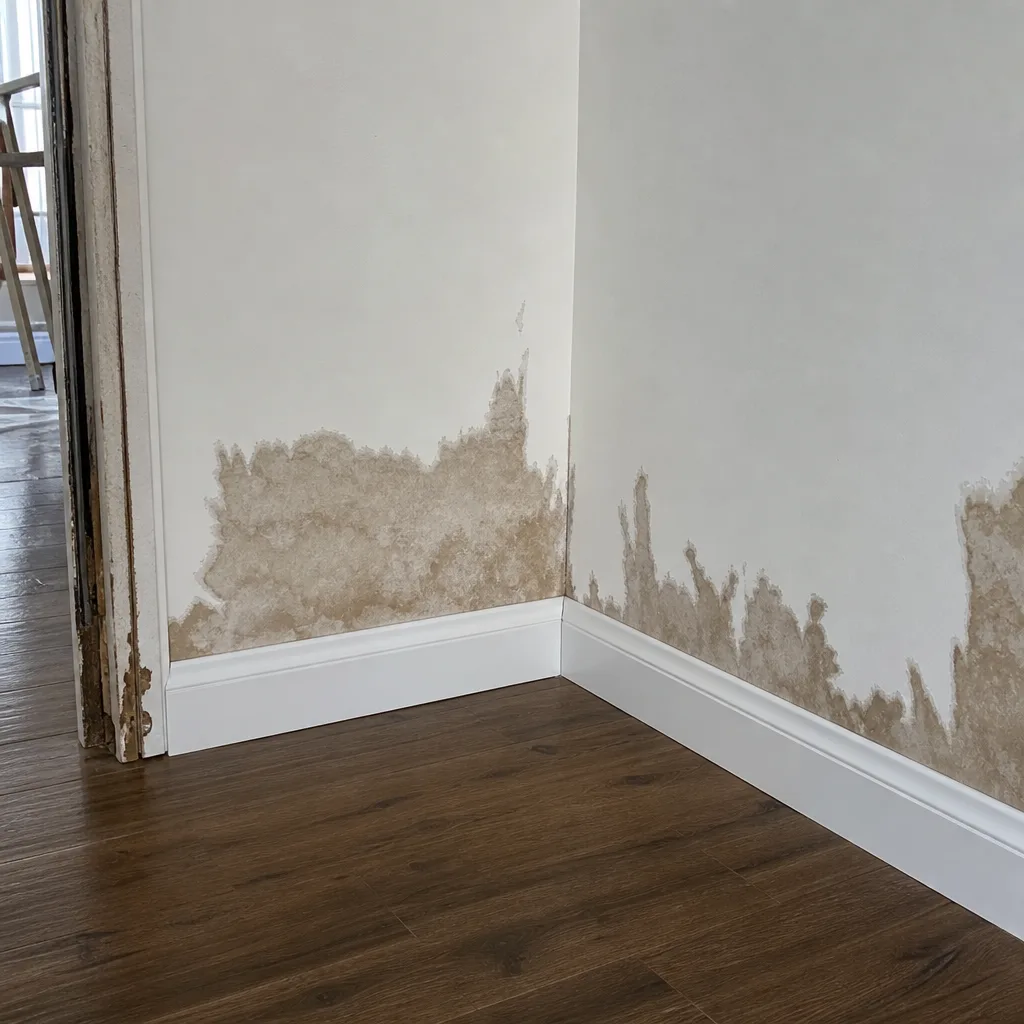 After
After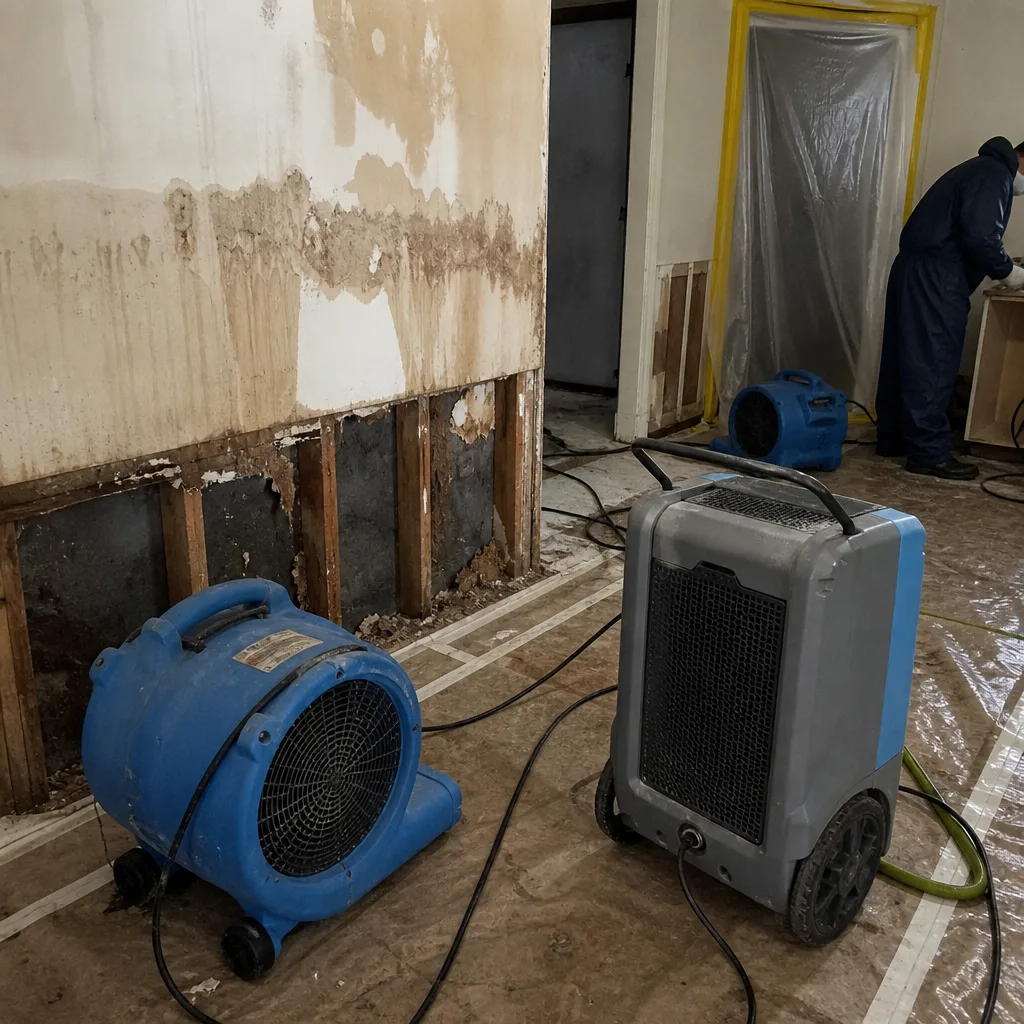 Before
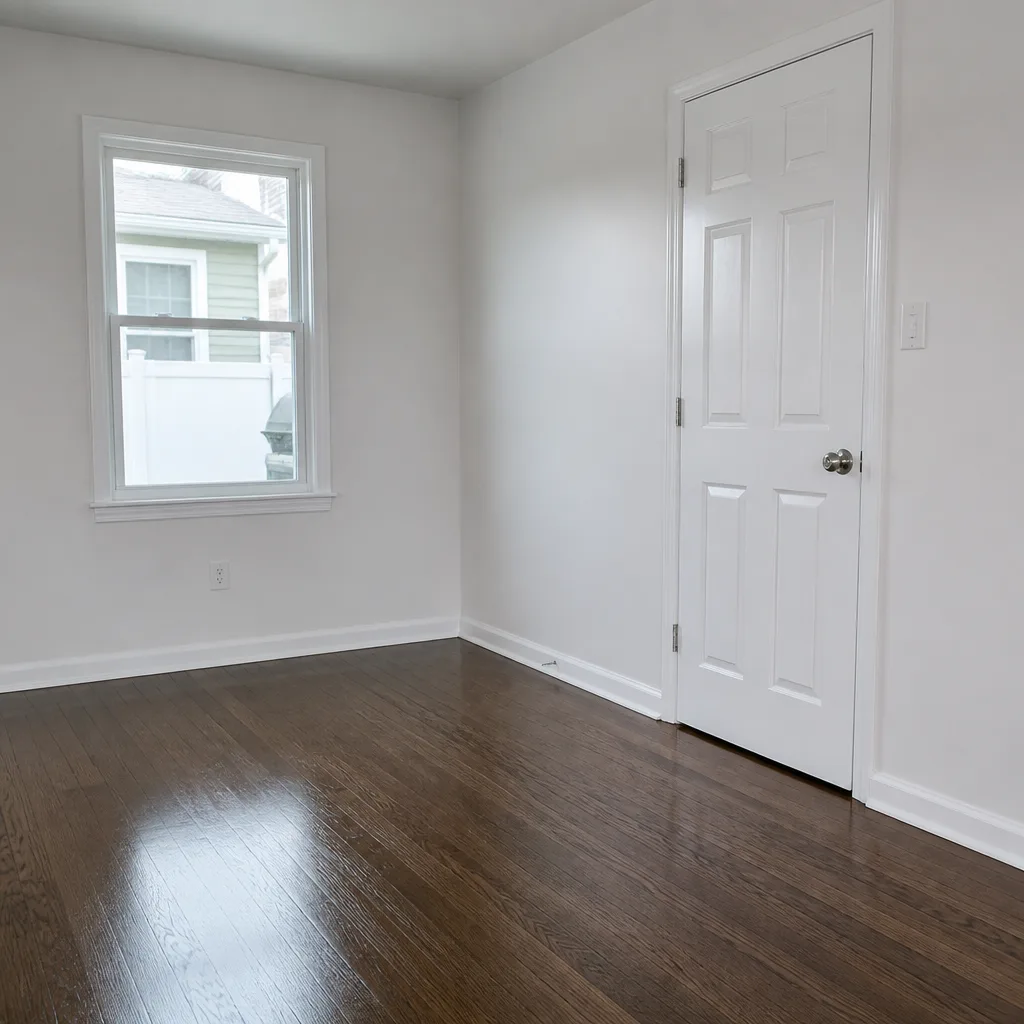 After
After24/7 Emergency Storm & Disaster Restoration in Glendale
Storm and disaster restoration in Glendale starts the moment you call (716) 412-2972. A live dispatcher answers at any hour, not a recording. Crews are dispatched from our New York City office into Glendale’s blocks immediately, and a free visual inspection happens before any work is scoped or priced. The first hour after a tree limb pierces a roof or a nor’easter drives water through a brick facade decides whether you’re facing a $2,000 dry-out or a $40,000 structural rebuild. We know Glendale’s row houses. We know how they fail. We’re already on the way.
Understanding Storm & Disaster Restoration Severity in Glendale Properties
Storm damage in Glendale runs on a severity scale most homeowners never see until it’s inside their walls. Water from a roof breach that has run down through two stories of original plaster is Category 2 at minimum, often Category 3 if it has picked up attic debris, rodent waste, or clay-tile sewer seepage along the path. What matters early is moisture mapping, not guesswork. A thermal imaging camera reads the wicking pattern inside the brick wythe and the party wall, and that reading tells us whether the neighbor’s side is already saturated. Soot and smoke from a storm-related electrical fire carry their own ladder: dry soot on a top-floor ceiling versus protein-based residue that has been pushed through forced-air ductwork. Each category changes the drying plan, the demolition plan, and the permit path. In Glendale’s pre-war attached stock, severity is rarely one address. It’s a line through the block.
Why Glendale Property Owners Choose Floodline Restoration Co.
- 45-minute response commitment for Glendale emergencies. When a storm blows out a window on Myrtle Avenue, our nearest crew is moving within the hour. We’ll be there when we say.
- A live person answers, 24/7. At 2 a.m. you get a dispatcher, not a voicemail. The same live-dispatch system has run our board since 2010.
- IICRC-certified technicians. Our crews hold WRT and FSRT certifications, plus AMRT where sewage or storm surge is in play. Background-checked and uniformed on every job.
- Free visual inspection before any work begins. No charge to look, map moisture, and tell you plainly whether this is a $900 dry-out or a full rebuild.
- Direct insurance billing. You never play messenger between our team and your carrier. We document, we estimate, we bill them directly.
- One team from extraction to reconstruction. The crew that pulls the water out is the crew that rebuilds the wall. No mid-job handoff to a stranger.
Our Storm & Disaster Restoration Process
Inspection & Assessment
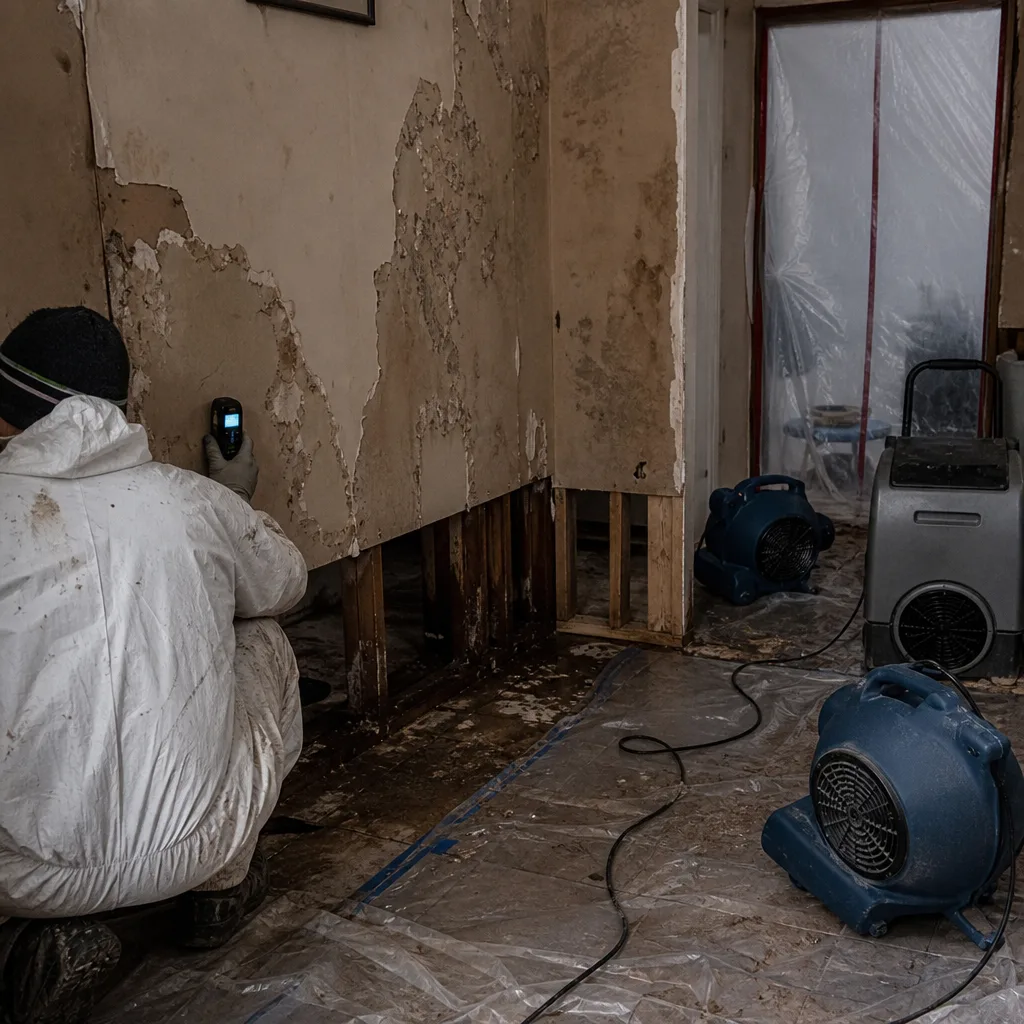
We arrive with thermal imaging cameras and hygrometers. The tech maps moisture inside walls, floors, and ceiling cavities, then checks the shared party wall on both sides. The reading we hand you is the scope, not a guess.
Extraction & Stabilization
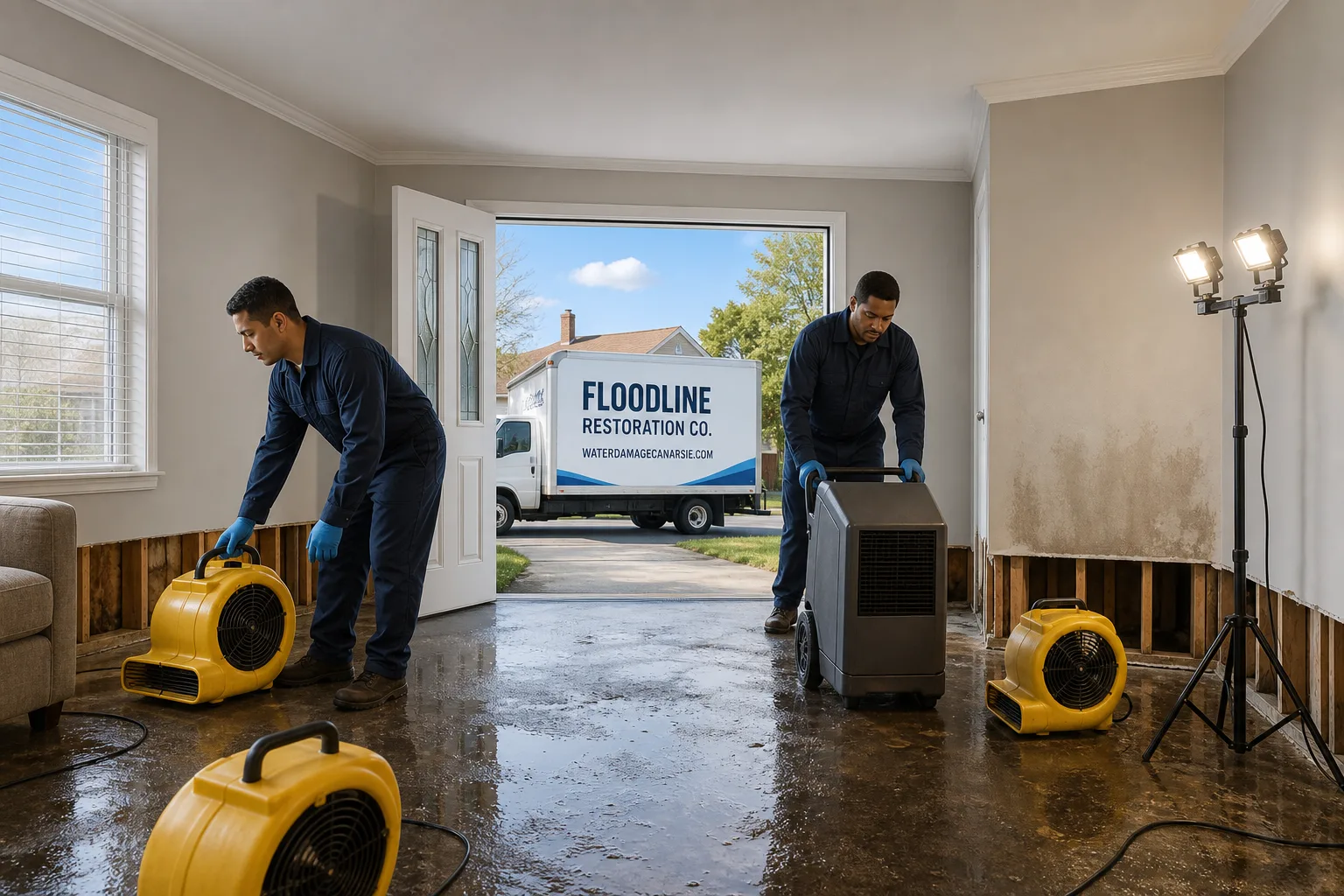
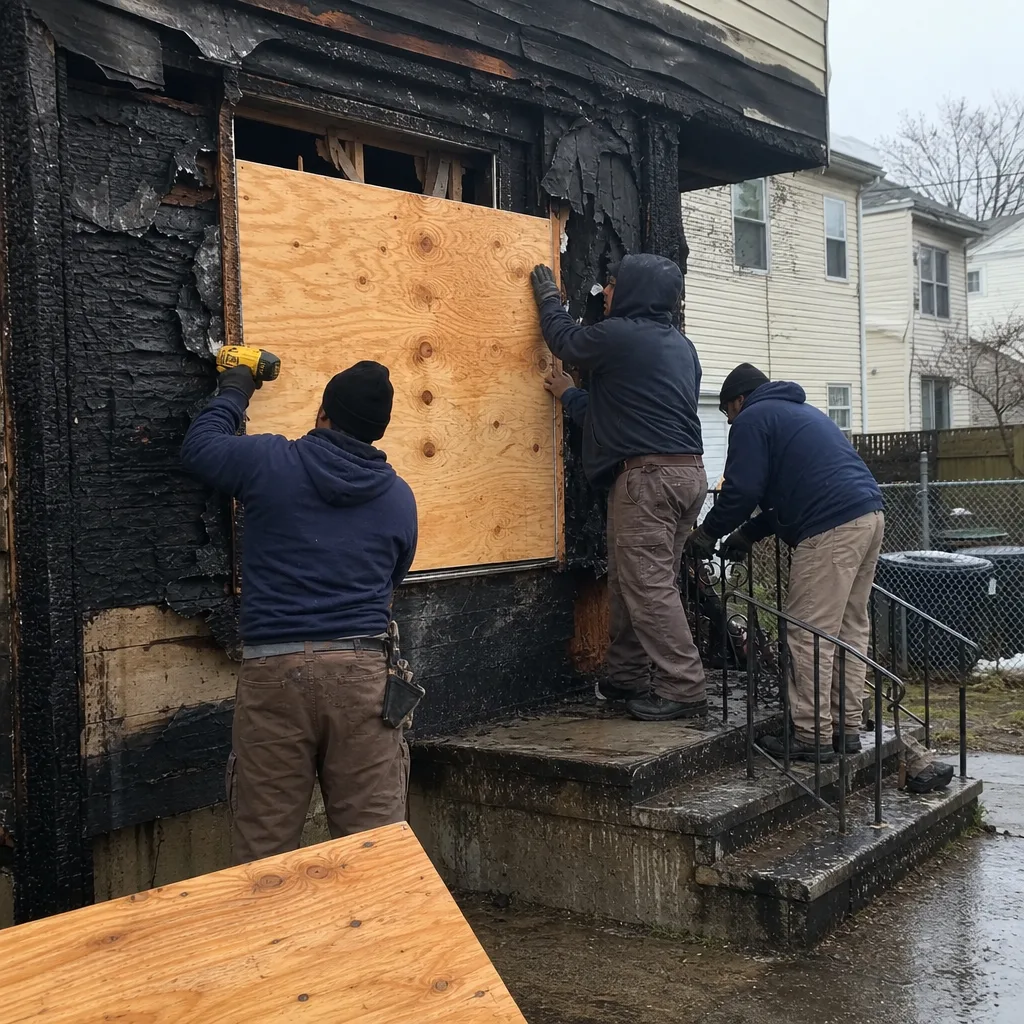
Standing water comes out with XPOWER extractors, and any storm cave-in or window blowout gets boarded and tarped within the same visit. Stabilizing the envelope stops the loss from spreading while we plan the drying grid.
Drying & Dehumidification
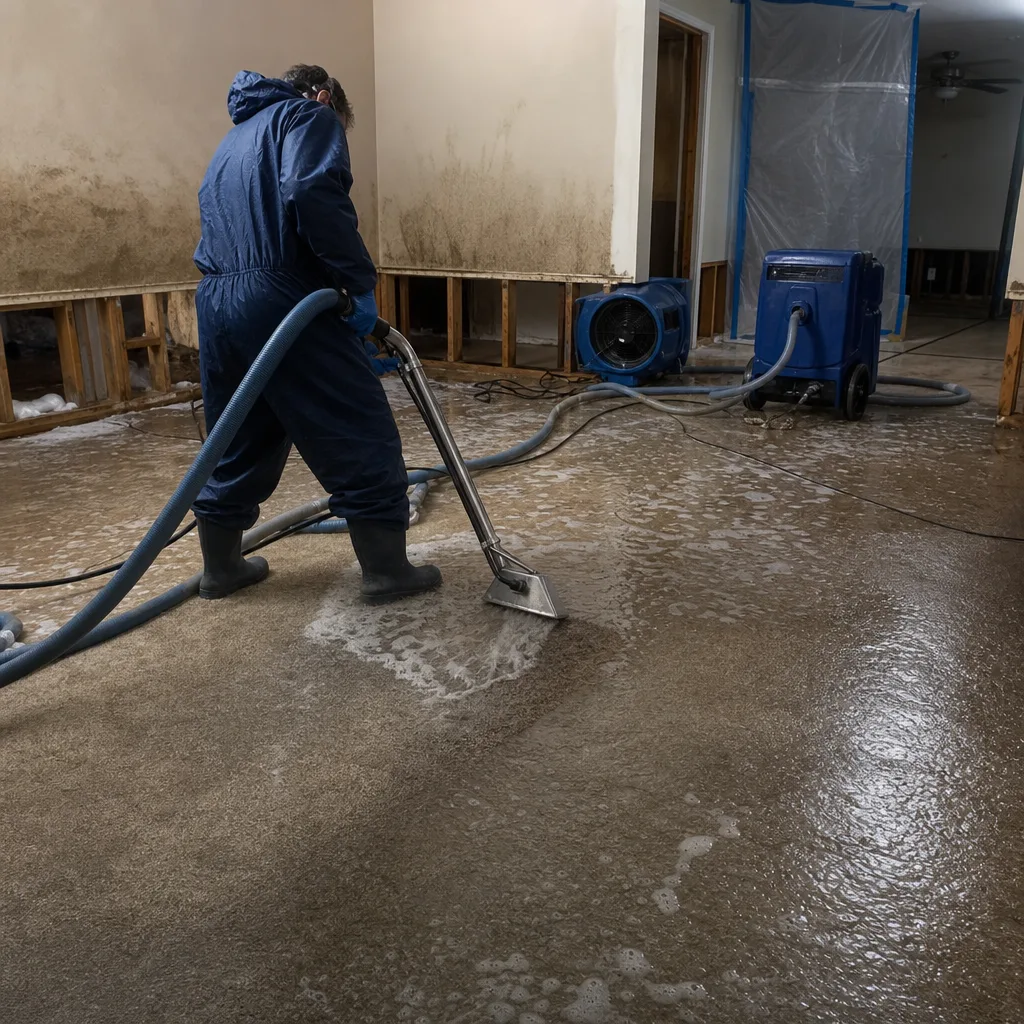
Dri-Eaz dehumidifiers and B-Air air movers run on a metered grid, positioned for the lateral wicking pattern, not just the obvious wet spot. Daily readings continue until the dry standard is met and the daily moisture log shows it.
Cleaning & Sanitization
Storm water often carries contaminants, so we clean and treat affected surfaces with professional-grade antimicrobials. HEPA air scrubbers run during any demolition to keep dust and mold spores from migrating into dry rooms.
Specialty Treatment for Storm Damage
If sewage backed up through a Glendale clay-tile lateral, we contain and remove it under Category 3 protocol. If wind-driven rain saturated original plaster, we assess whether to dry-in-place or cut and patch, preserving what can be saved.
Repairs & Restoration
The same crew that dried the job rebuilds it. Drywall, plaster, trim, roofing, or full structural repair, all run under the NYC Department of Buildings permits the job required from day one. Then the 90-Day Done Right Promise goes in writing.
Need Emergency Storm & Disaster Restoration in Glendale Now?
Crews minutes away, answering live 24 hours a day. The sooner we start, the less it costs.
Working With Your Insurance Company
Storm claims in Glendale get complicated fast because the damage often crosses a property line. When water wicks through a shared party wall, two carriers are suddenly in the room, and both want documentation. We build the file from the first hour: photos room by room, moisture readings from the day we arrive, daily drying logs, and a line-item scope of work that your adjuster can read without a phone call. We talk to them directly. You get a square deal: no surprises on the bill, and a written scope before any work starts. When the job is done, the 90-Day Done Right Promise covers the workmanship, in writing, no arguing.
What We Provide Your Insurer
- Thorough documentation of the loss
- Photos of all damage, room by room
- Moisture readings and drying logs
- A detailed, line-item scope of work
- Direct coordination with your carrier
Built for Glendale’s Loss Calendar
Glendale’s storm losses follow the seasons, and each season lands differently on these brick row houses. January freezes split original galvanized supply lines inside uninsulated wall cavities, sending water down through finished basements before anyone hears it. Spring thaw pushes groundwater against fieldstone and brick foundations, seeping into the basements that run the length of these blocks. Summer thunderstorms overwhelm the flat and low-slope built-up roofs common across Queens row house design, pooling water until it finds a seam. Nor’easters in the fall tear at aging cornices and drive wind-blown rain through brick facades where mortar joints have loosened over ninety winters. We plan crews around that calendar. And when a storm hits outside the pattern, the live dispatcher is still on the phone at whatever hour it is.
Storm & Disaster Restoration Across Glendale’s Neighborhoods
Response routes across Glendale follow the rowhouse grid, and each corridor has its own loss signature. Up around Myrtle Avenue and Cooper Avenue, the attached two-family brick rows are packed tight, and a single burst riser wicks through the party wall into the adjoining unit before the first truck arrives. Near the Glendale-Middle Village line along 73rd Street and 74th Street, we see more semi-detached homes with original clay-tile laterals, where storm flooding collides with sewer backups and turns a weather event into a Category 3 sewage job. Down toward the Union Turnpike corridor, finished basements are the rule, and they collect storm seepage from foundation cracks every time the water table rises. Over by Dry Harbor Road and the quieter residential blocks off Woodhaven Boulevard, the pattern is older roofs, slower to fail, but larger in the failure when they do. We dispatch to all of it with the same 45-minute commitment and the same free visual inspection.
Specialized Storm & Disaster Restoration Services We Offer in Glendale
Storm Damage Cleanup
We remove fallen trees, wind-blown debris, and scattered building materials from Glendale properties, then clear the path for drying and repair. A storm that strips brick coping or tears off a section of cornice leaves heavy, sharp debris on sidewalks and stoops. We clear it safely and document the whole loss for your carrier.
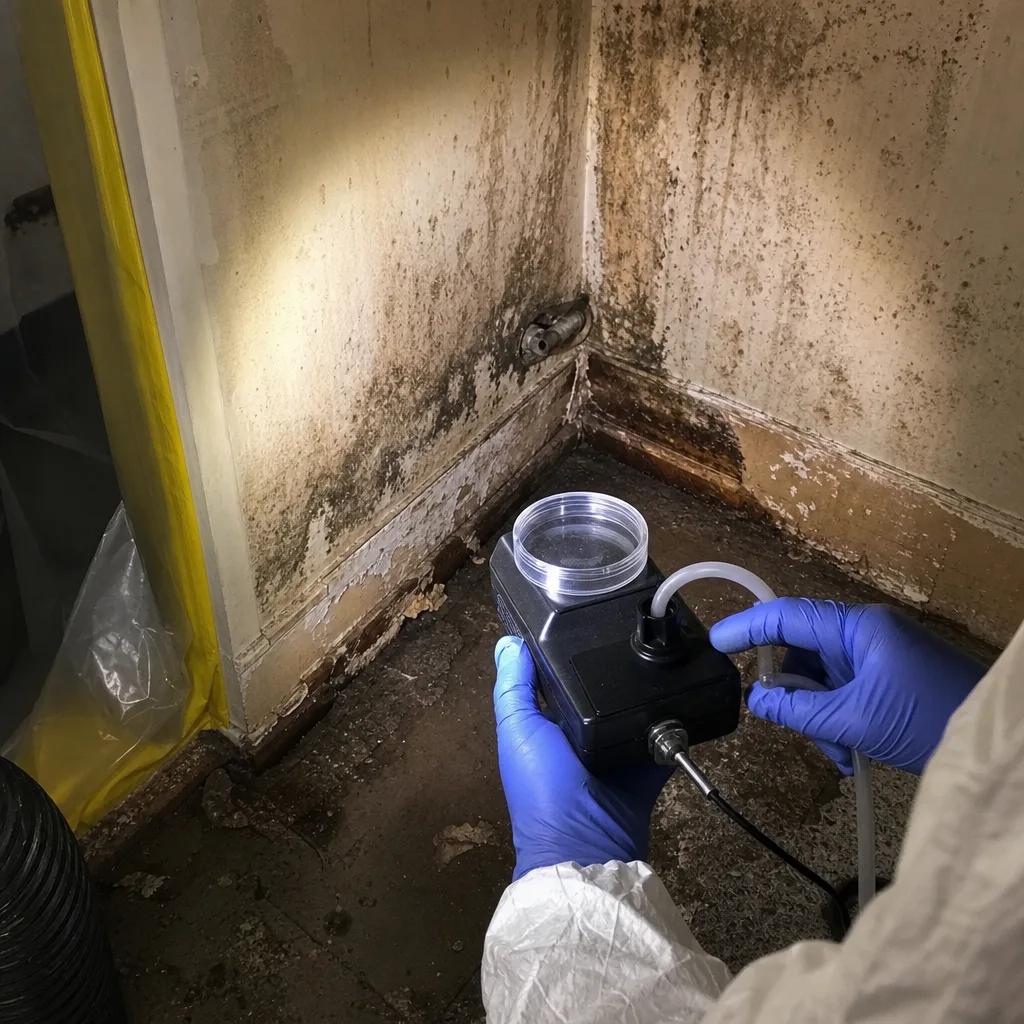
Flood Damage Restoration
Flash flooding and storm surge in Glendale’s finished basements means extraction, containment, and structural drying, plus the sewer lateral check that tells us whether contaminants are in the water. The same crew reads the moisture map on day one and runs the daily readings until the dry standard is met.
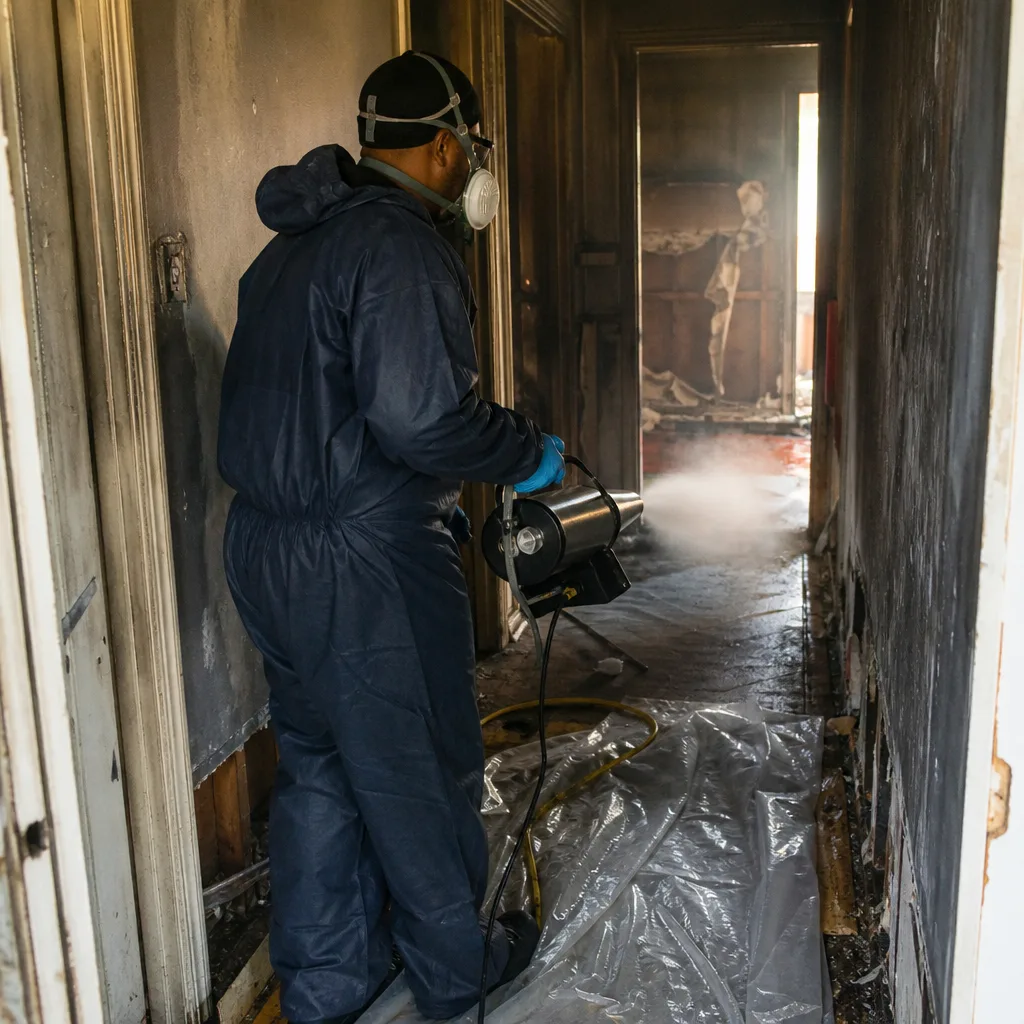
Emergency Board-Up
When a Glendale storm blows out a window or a tree limb goes through a wall on an attached brick row house, the envelope has to be secured immediately. We board up with professional-grade materials, sized to the opening, and tie the installation to the DOB permit path that governs the structural repairs behind it.
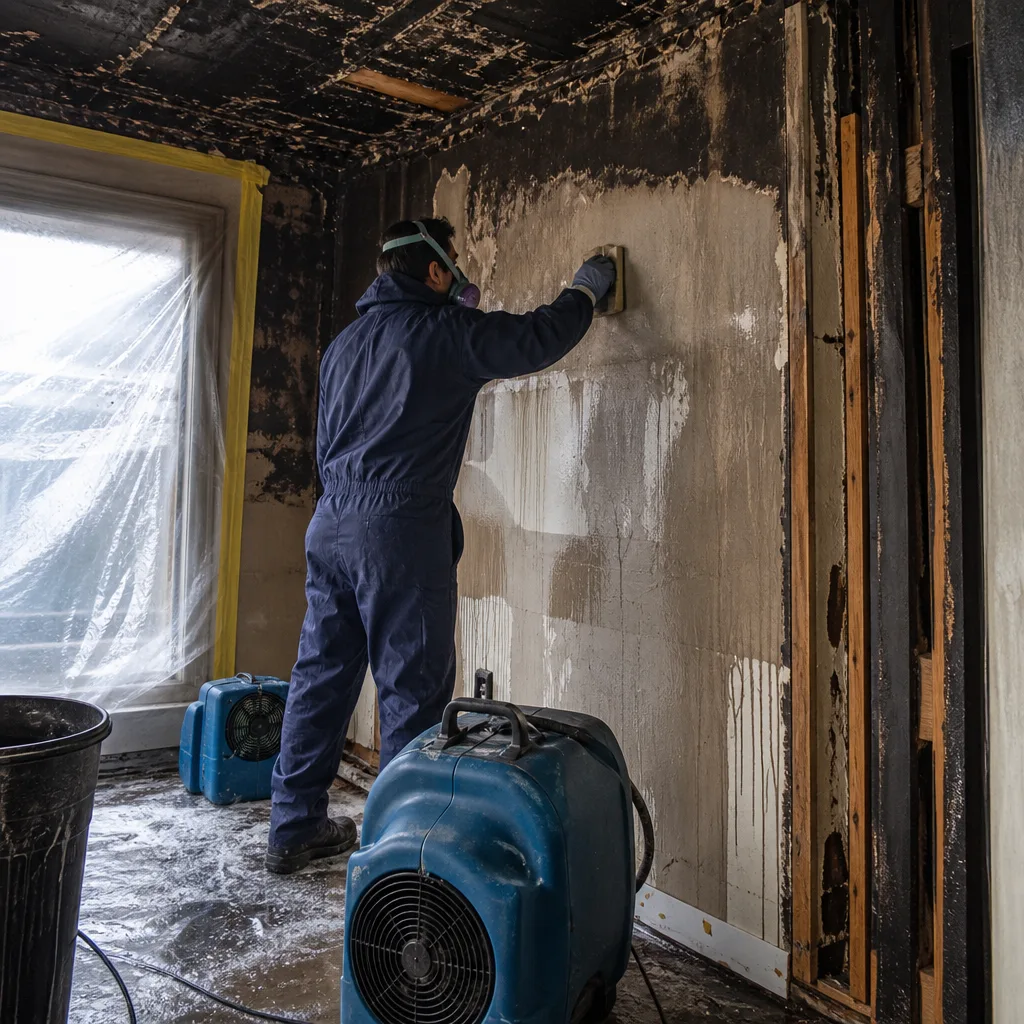
Roof Tarping
Flat and low-slope built-up roofs across Glendale pool water in heavy rain. We tarp over the failed section same day, stopping interior water migration through the party wall and buying time for a proper roof repair or reroof under permit. A tarp that’s properly tied off holds through the next nor’easter.
Debris Removal
After a storm, Glendale’s narrow shared driveways and stoops can bury themselves in tree limbs and broken masonry. We remove and haul debris, then stage the site so drying equipment can be placed without delay. If the debris is contaminated, it goes into proper disposal streams, not the curb.
What happens when you call
- 1
A real person answersNo phone trees - you reach a local pro.
- 2
You get an upfront price rangeHonest numbers before anyone is dispatched.
- 3
A background-checked tech heads outLicensed & insured, dispatched right away.
- 4
You approve before work beginsNothing starts until you say go.
Storm & Disaster Restoration Costs in Glendale, NY
Glendale pricing runs on the severity ladder and the building type. A straightforward flood clean-up with extraction and structural drying in a pre-war rowhouse basement typically runs $2,800 to $6,500. Emergency board-up and roofing tarping after a storm blowout lands between $800 and $2,400, depending on openings and roof geometry. A full storm restoration with plaster repair, trim preservation, and rebuild on one unit can run $12,000 to $35,000, and the number climbs when a neighboring unit is involved, as it often is on Glendale’s shared party walls. Insurance coverage moves the out-of-pocket number dramatically. The way to a firm figure is the free visual inspection: we map the moisture, read the scope, and hand you a written estimate before any work begins. Call (716) 412-2972 to schedule it.
We Also Serve Cities Near Glendale
Floodline Restoration Co. runs storm and disaster restoration crews into Canarsie, Coney Island, Flatlands, and Howard Beach, with the same 45-minute response commitment and the same live dispatch. If your property sits a few blocks outside Glendale’s lines, call us. We’ll tell you straight whether we serve the address.
Serving Glendale, NY - Our Local Coverage Area
We’re based in the Glendale area and know this community well. Use the map below to see our service coverage - if you’re nearby, we can almost certainly help.
Glendale Storm & Disaster Restoration Questions, Answered
Why does a roof leak in one Glendale row house often show up inside the neighbor’s unit before ours?
Because these 1920s to 1940s attached brick row houses share structural party walls, and water travels laterally through the brick and mortar before it shows itself. A roof leak on one side wicks through the shared wall into the adjacent unit’s plaster, often within 24 to 48 hours. The neighbor sees the stain first because the path through the wall is shorter than the path down through your own ceiling. This is why our moisture mapping always includes both sides of the party wall on Glendale jobs.
What does a finished basement in a Glendale pre-war row house mean for storm flooding category?
A finished basement that floods during a storm is usually Category 2 water at minimum: it has traveled over a floor, through a foundation crack, or back through a clay-tile sewer lateral before it settles in your finished space. If raw sewage is present, it’s Category 3, which requires containment, antimicrobial treatment, and removal of porous materials like carpet and pad. The finish level often hides migration behind drywall, so we cut to the true water line. The line the water left is where we start.
Why do we need NYC DOB permits before we can start drying and rebuilding after a burst pipe in Glendale?
Because Glendale’s attached row houses fall under NYC Department of Buildings rules that govern structural work on shared walls. When water has wicked into a structural party wall, the city requires permits before structural drying modifications or rebuild work can legally proceed. This is not a delay tactic, it’s the law. We know the DOB process and we move it forward from the first day. That’s what we mean when we say one team from extraction to reconstruction.
How fast can we tarp and board up a Glendale row house after a storm blows out a window or tears roofing?
We commit to a 45-minute response for Glendale emergencies, and tarping or board-up normally happens on the same visit. Securing the envelope stops water from entering and stops the loss from spreading into the party wall or the unit below. After stabilization, we scope the permanent repair and move the DOB permit path forward. Call (716) 412-2972 and a live person answers.
What happens to original plaster and trim in a Glendale row house after category 2 water damage?
We dry in place where the plaster is structurally sound and the contamination level allows it. Original plaster and period trim in these pre-war rowhouses are not replaceable from the local building supply, and we treat them that way. Where cutting is required, we remove only what cannot be saved and rebuild with materials that match the original profile. A lot of firms rip everything out. We preserve what the house gave you.
How long does storm restoration take on a typical Glendale row house?
Drying alone in a Glendale attached home typically runs 3 to 5 days once the envelope is stabilized and extraction is complete. Full restoration with plaster repair and rebuild depends on the permit path and the damage footprint, but a single-unit storm loss is commonly complete in 2 to 4 weeks. A multi-unit party wall job adds coordination time. We give you a written timeline at the scope meeting, and we hit it.
Can we stay in our Glendale home during storm restoration?
Often yes, but it depends on the severity and the area affected. If the storm loss is confined to a basement or a single room and containment is set properly, you can usually stay. If demolition is opening original plaster across two units or sewage is present, you’ll need to be out of the affected area for safety and drying efficiency. We’ll tell you straight at the inspection.
What should we do in the first 30 minutes after storm damage in Glendale?
Call (716) 412-2972. A live person answers. Then, if it’s safe, shut off electricity to the affected area and move valuables out of standing water. Do not walk through Category 3 water without proper protection, and do not open walls yourself. The first 30 minutes decides the size of the restoration job. The sooner we map the moisture, the smaller the rebuild.
If your Glendale property has taken storm or disaster damage, call (716) 412-2972 for a free visual inspection and a written scope. Floodline Restoration Co. has been on the board since 2010, and my crews are ready now. Done right, and backed in writing.
Written by Curt Bowman, Owner at Floodline Restoration Co., serving Glendale property owners with storm and disaster restoration.