
Free visual inspection and a written scope of work before any mitigation begins - photos, moisture readings, and drying logs go in your claim file
The scope we write is the scope we bill. Anything new gets shown to you, in writing, before we touch it.
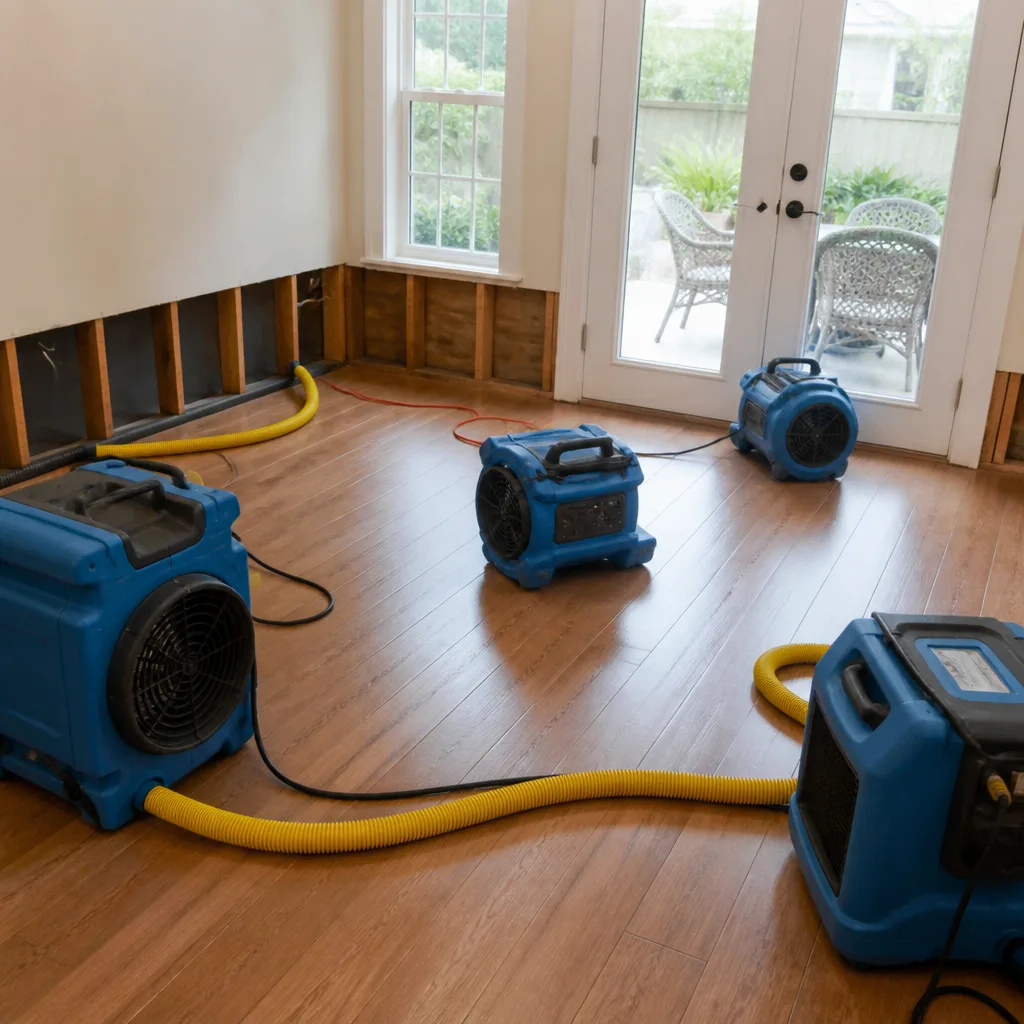
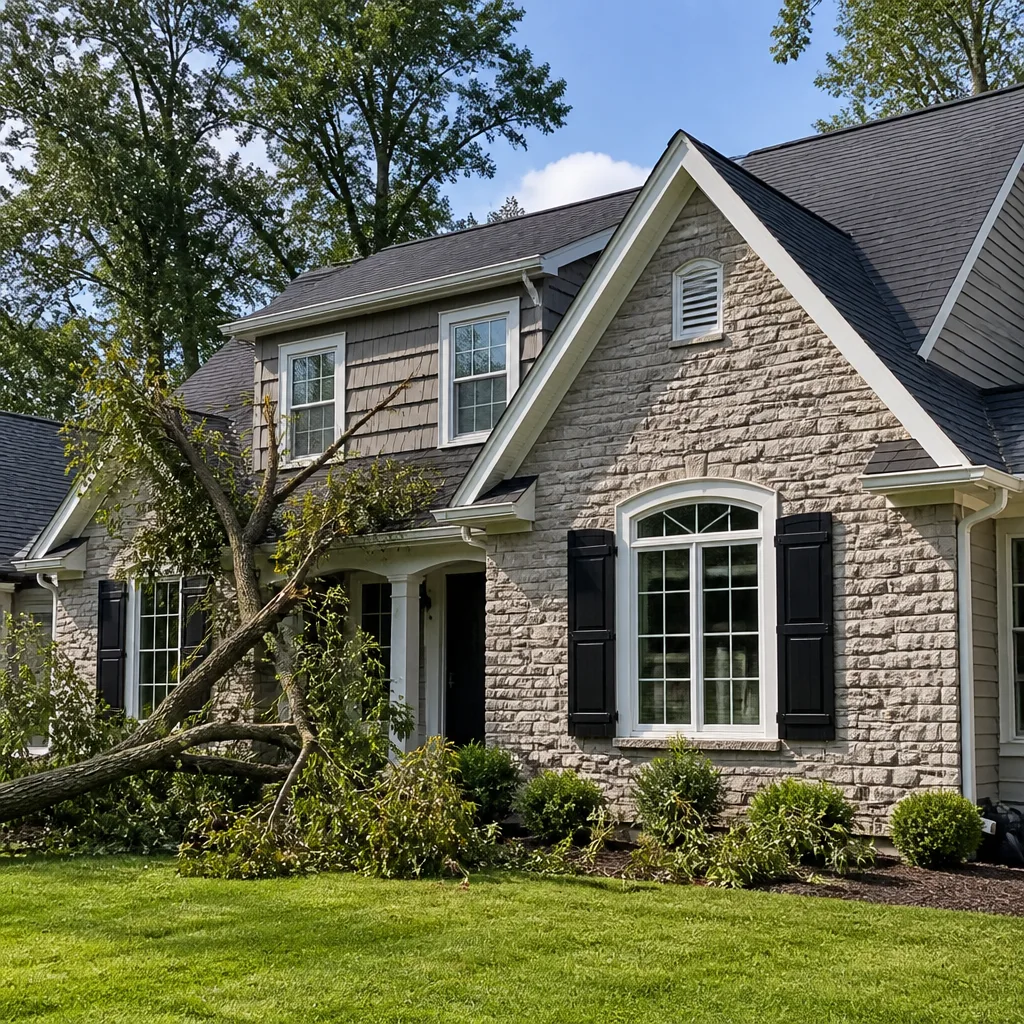
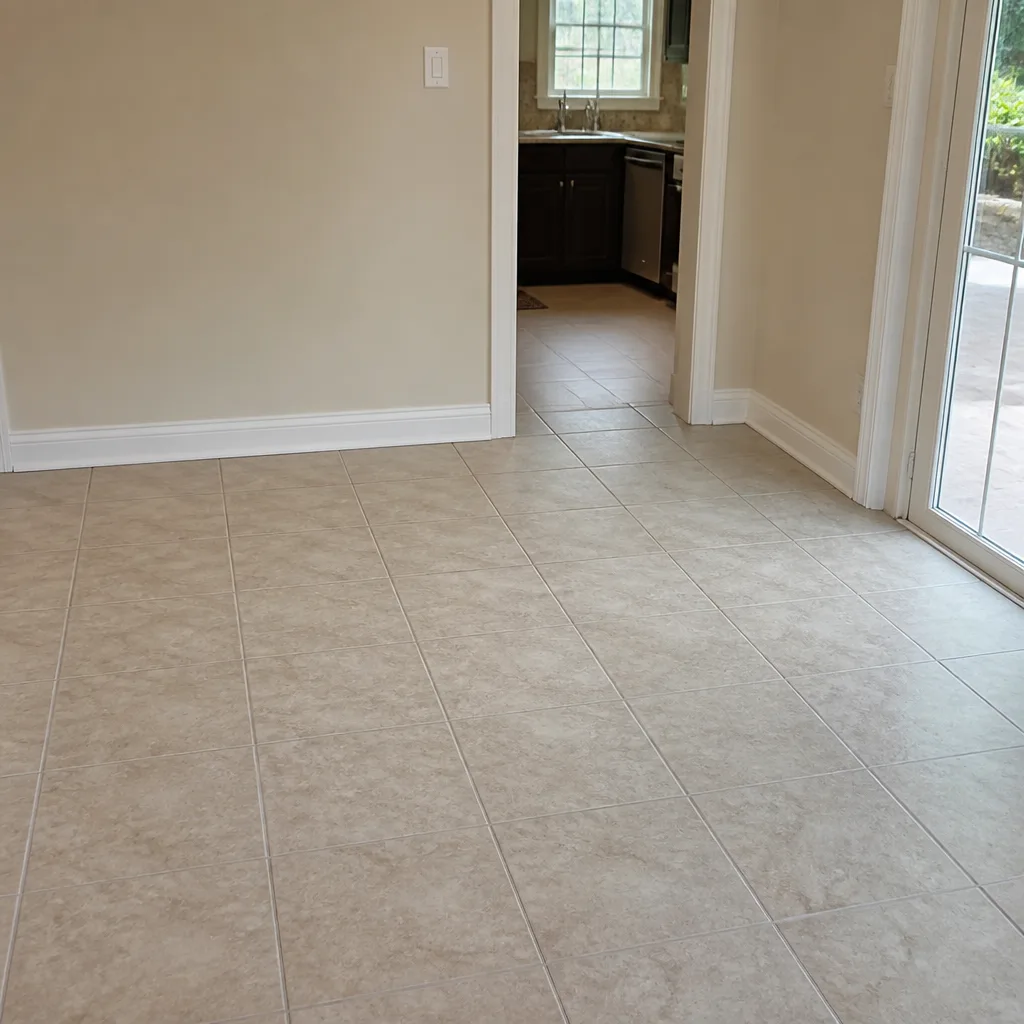
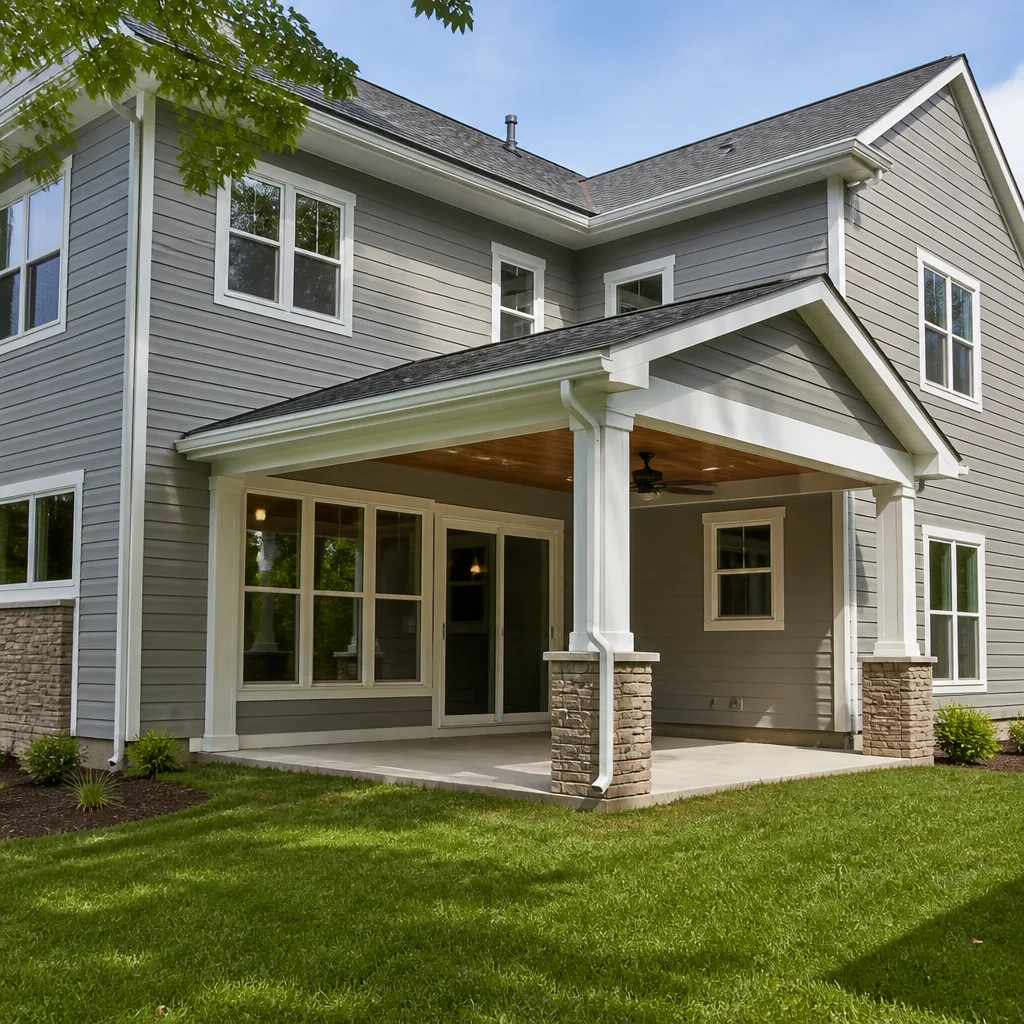
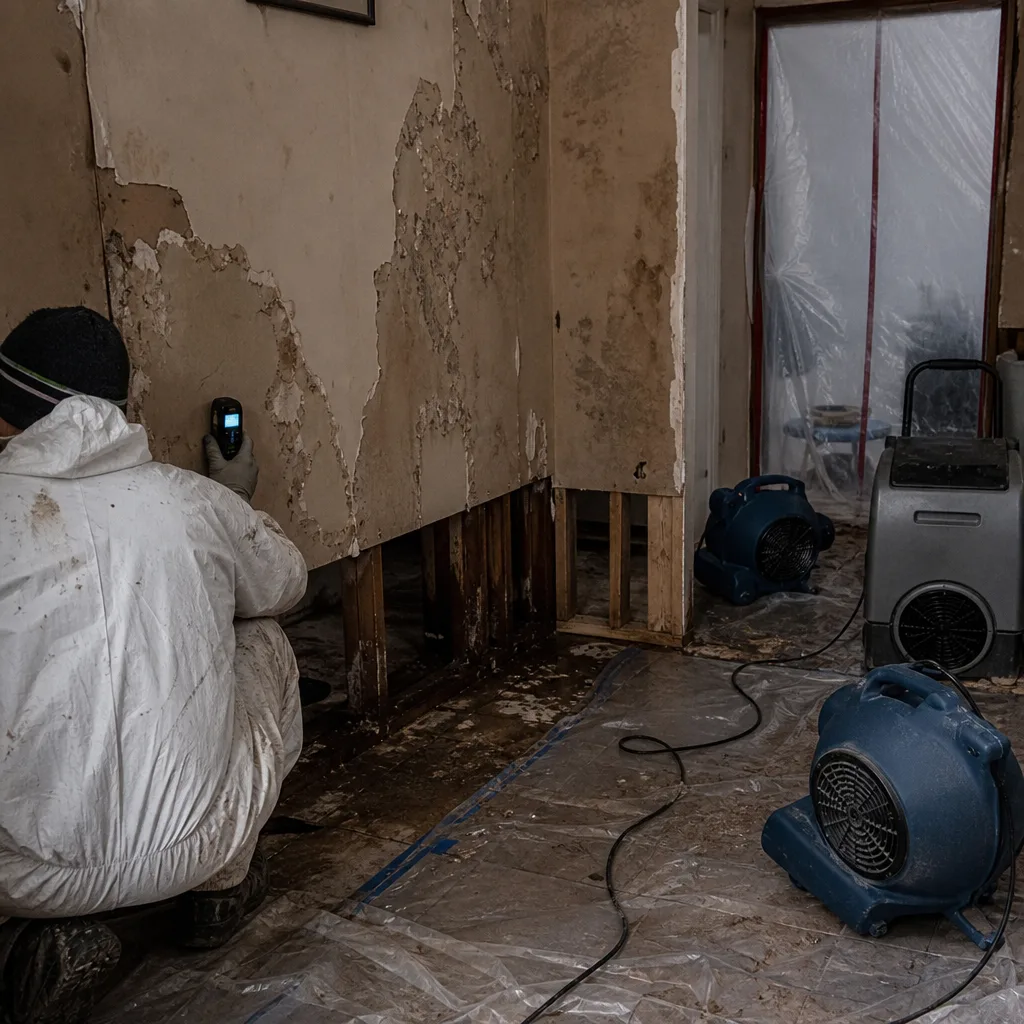 Before
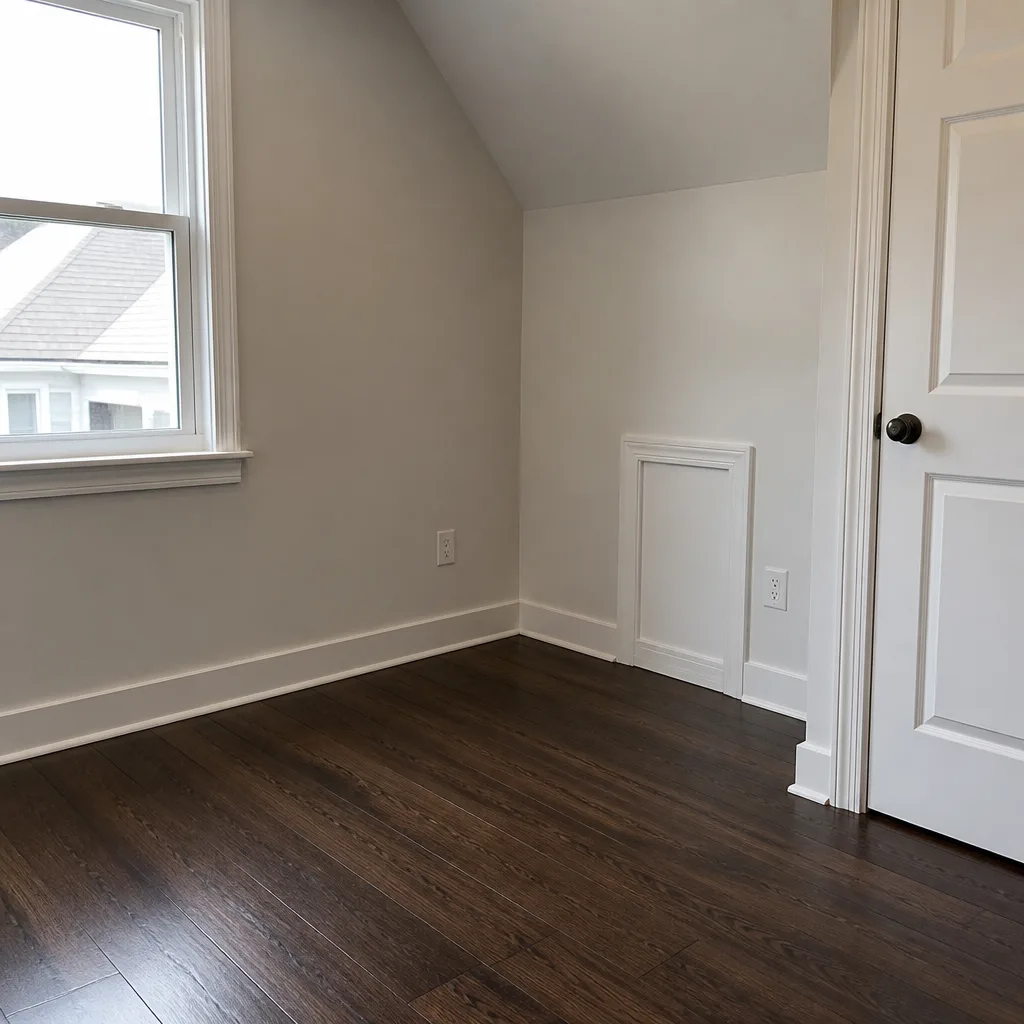 After
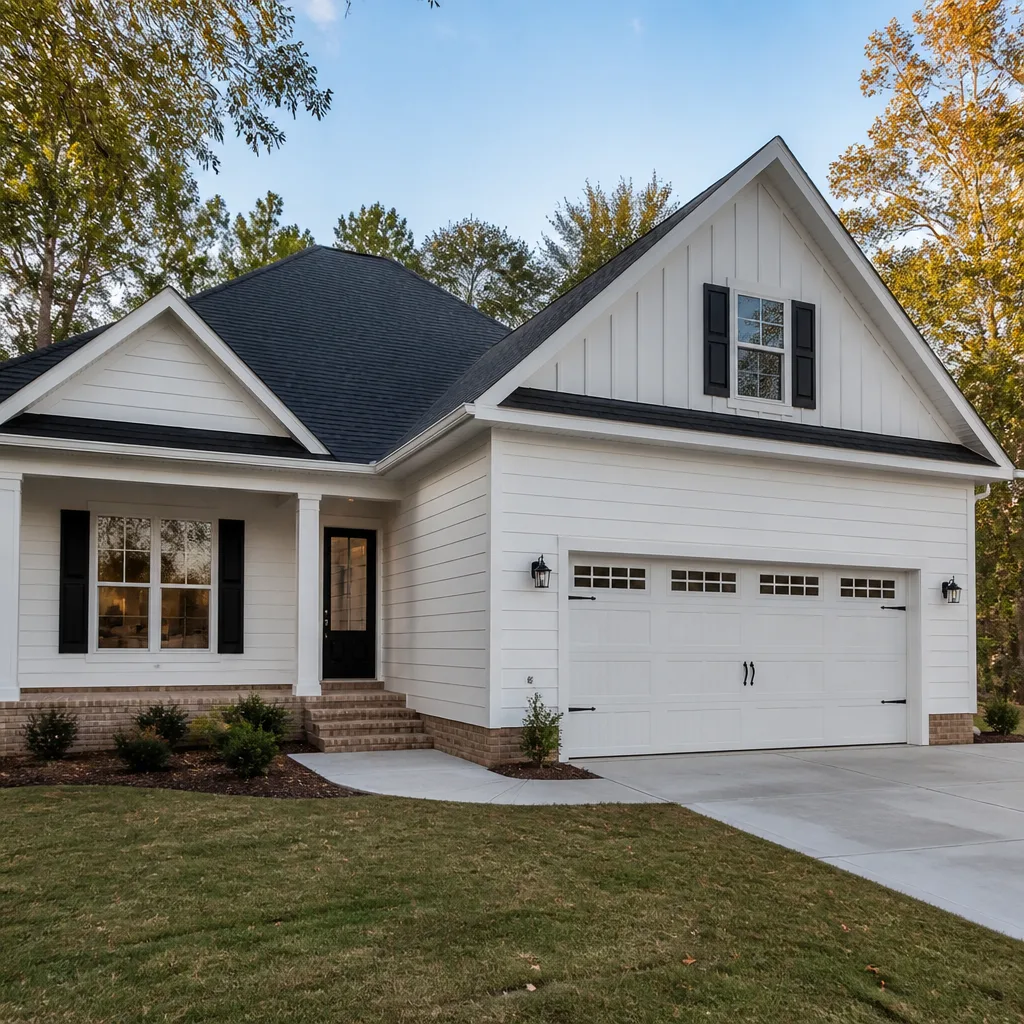
After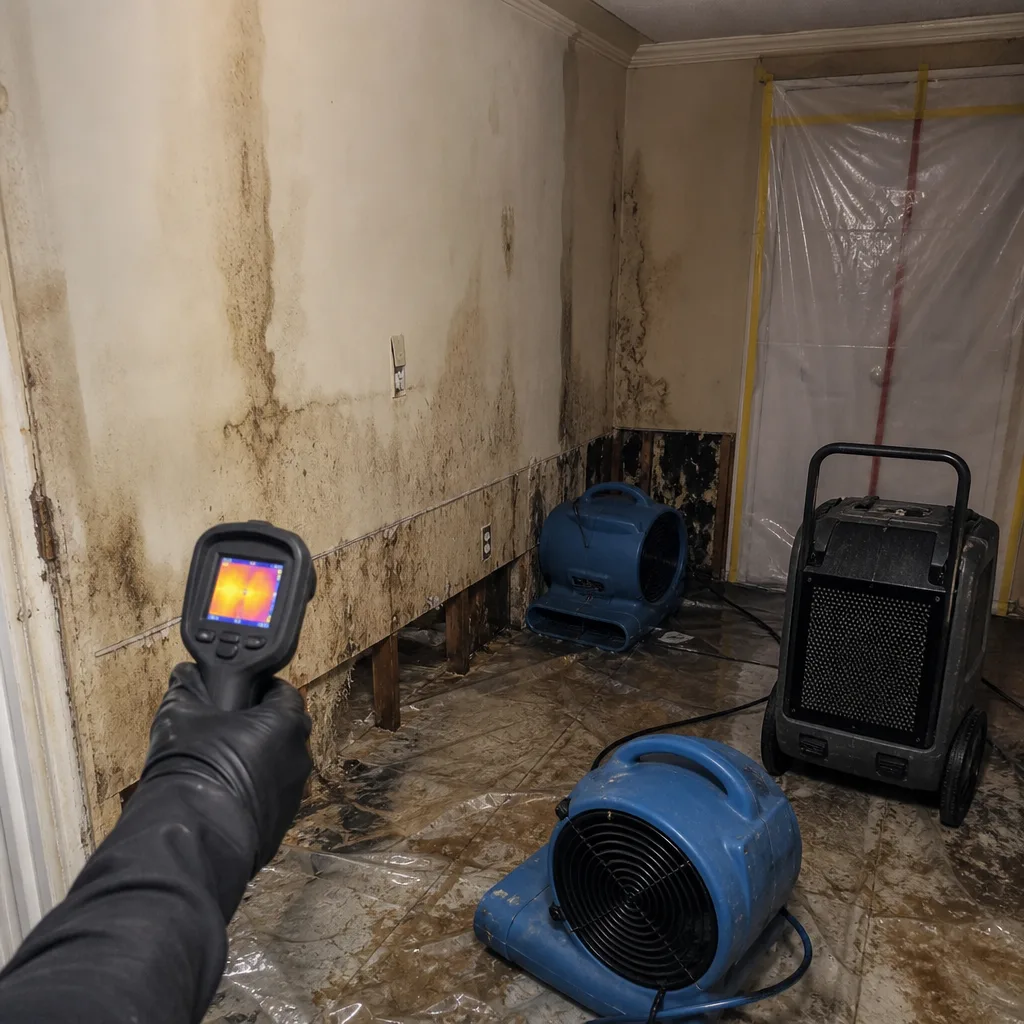 Before
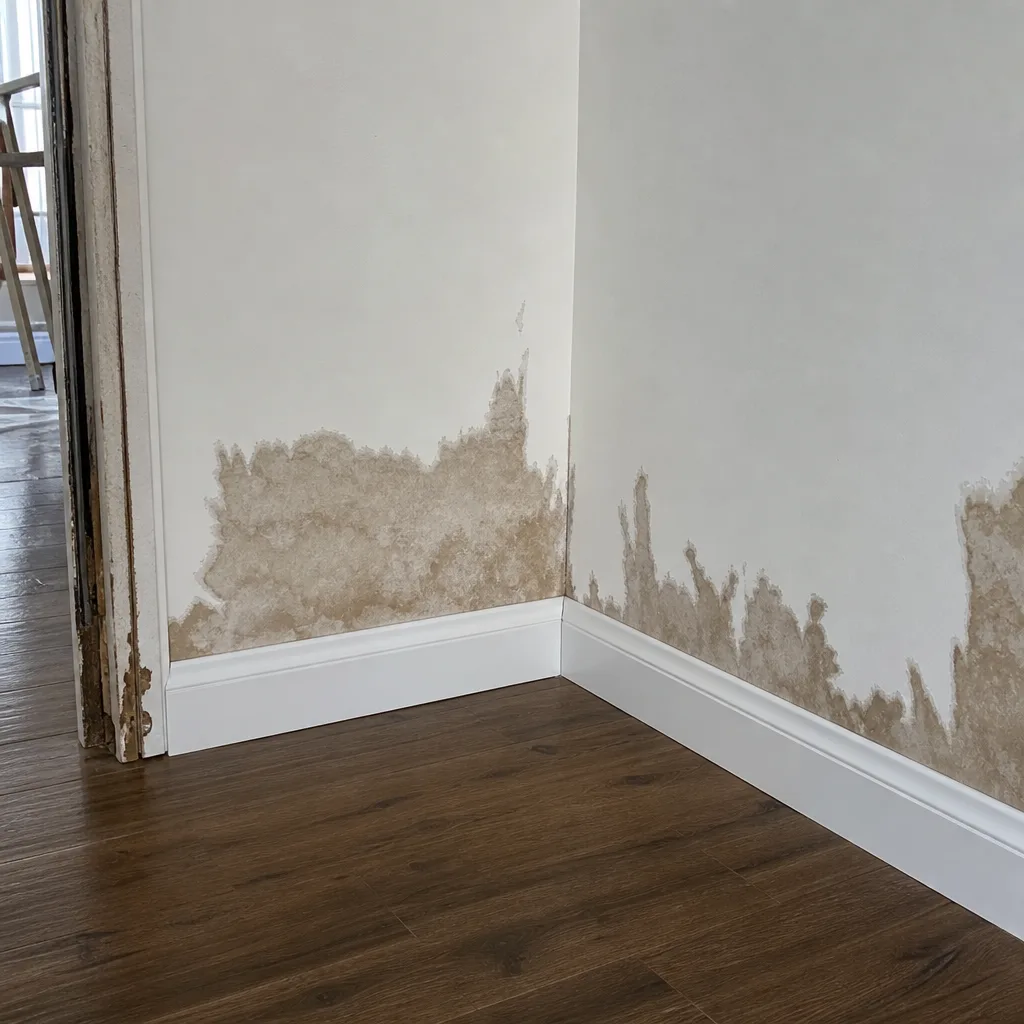 After
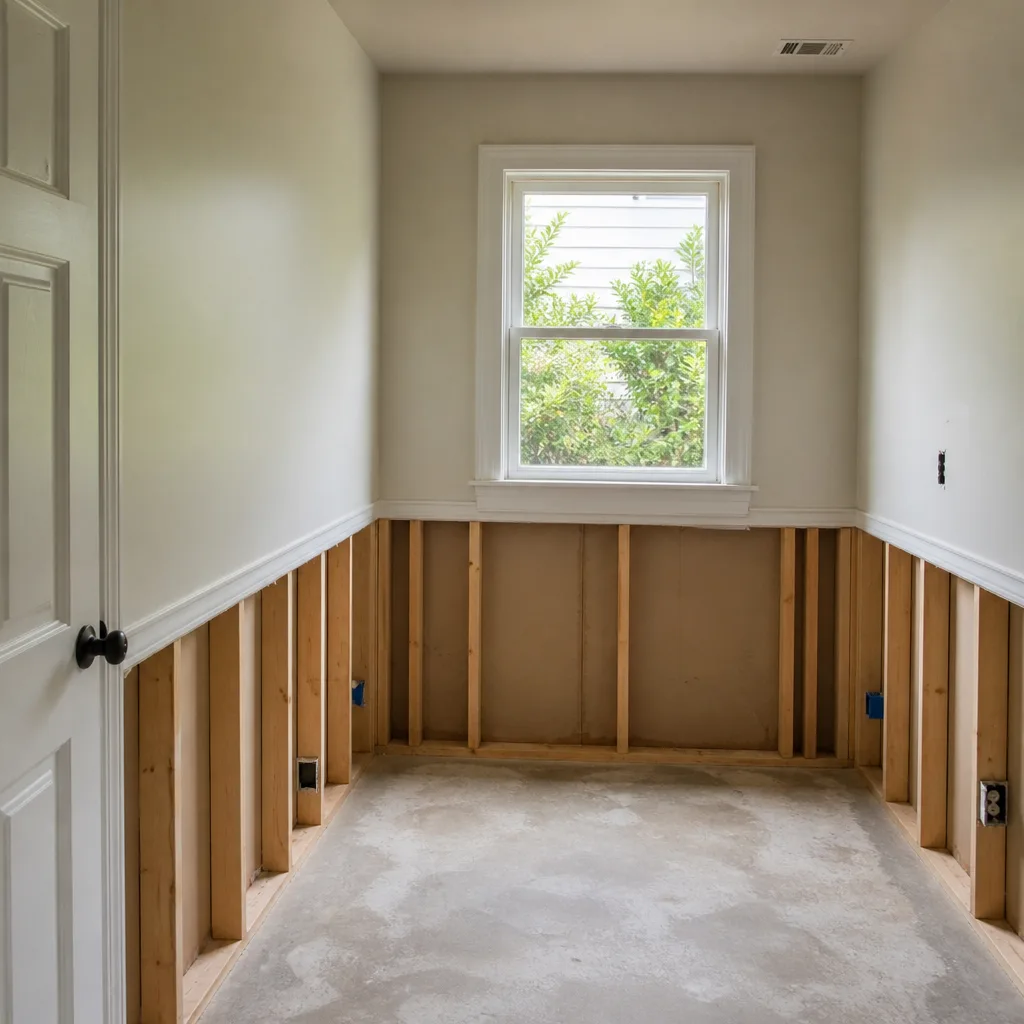
After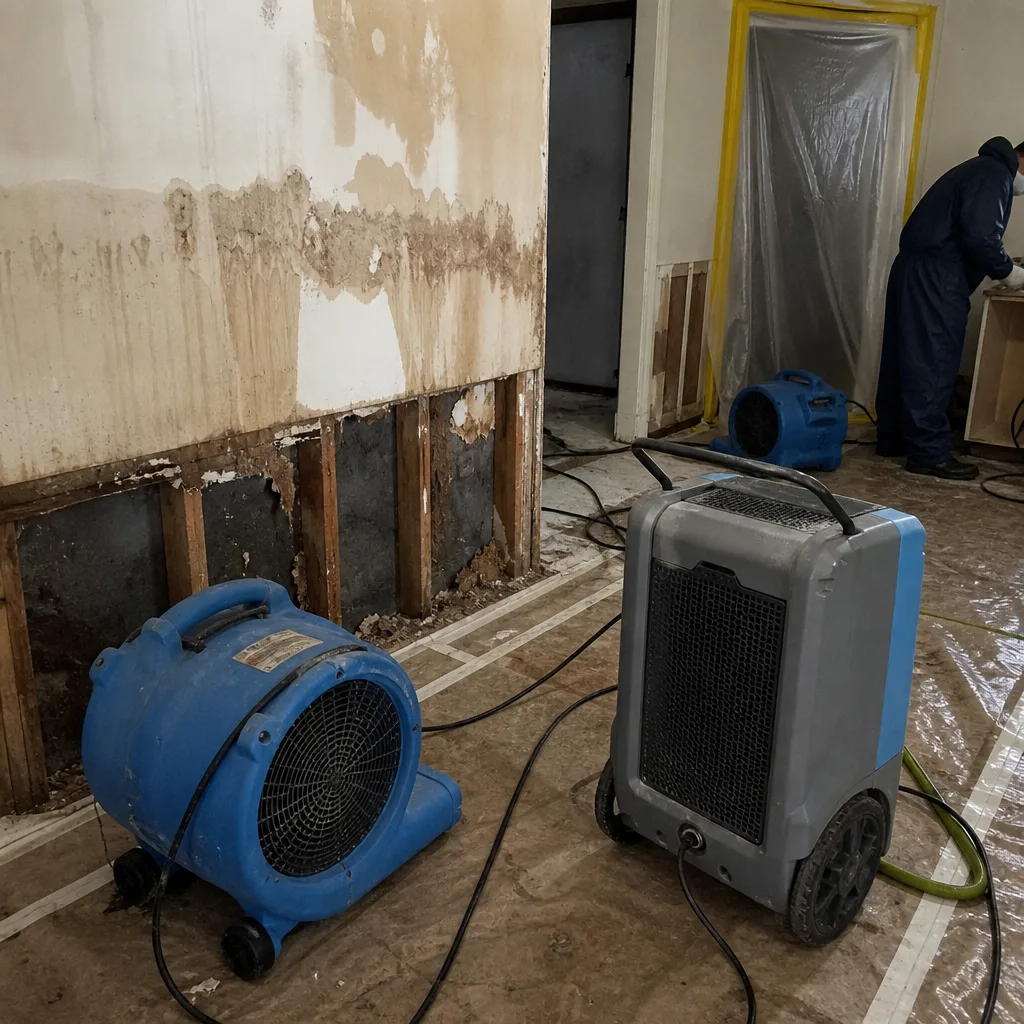 Before
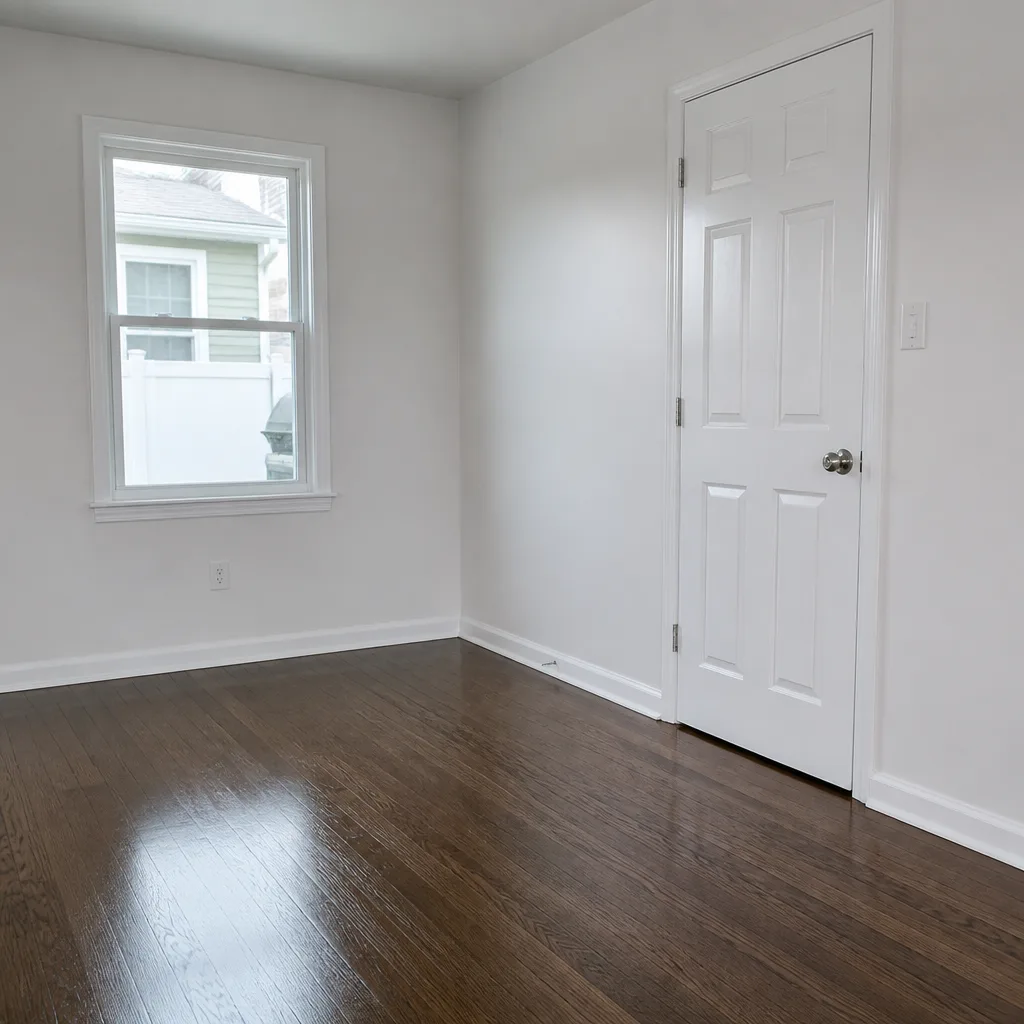 After
After24/7 Emergency Fire & Smoke Damage Restoration in East New York
Fire and smoke damage restoration in East New York typically runs $2,800 to $9,500 for a residential fire, with cleanup starting as soon as our crew arrives. We answer live at (716) 412-2972, 24 hours a day, and dispatch teams to East New York blocks within 45 minutes. The first hour after a fire matters because soot and smoke residue turn acidic fast, etching glass, corroding metal fixtures, and permanently staining painted walls and plaster. Every hour of delay makes restoration harder and more expensive. Call now and a certified crew starts the first visual inspection at no cost.
Understanding Fire & Smoke Damage Restoration Severity in East New York Properties
Not all smoke is the same. Wet smoke from slow-burning, smoldering fires leaves a thick, sticky residue that clings to every surface and requires solvent-based cleaning. Dry smoke from fast-burning fires produces a fine powder that settles into cracks, electrical outlets, and behind baseboards. Protein smoke, common in kitchen fires, is nearly invisible but leaves a stubborn, acrid residue that yellows painted surfaces over time. East New York’s pre-war rowhouses and attached brick homes from the 1910s through 1940s make this worse: continuous attic runs and shared party walls give smoke a direct path from one home into two or three neighbors. In NYCHA complexes like the Pink Houses and Linden Houses, built in the 1950s and 60s, hidden soot can travel through pipe chases and common ductwork far from the original fire room. Restoration here demands more than wiping walls. It takes thermal imaging to find hidden char, moisture mapping to catch water from firefighting, and HEPA air scrubbing to pull suspended smoke particles out of the air before they settle into porous plaster and lath.
Why East New York Property Owners Choose Floodline Restoration Co.
- 45-minute response commitment from our NYC-based dispatch to East New York blocks, from New Lots Avenue to Linden Boulevard.
- A live person answers every call, 24/7. Not a recording, not a menu. A dispatcher who knows fire restoration and starts the process immediately.
- IICRC-certified crews with FSRT (Fire & Smoke Restoration Technician) and WRT (Water Damage Restoration Technician) credentials on every job.
- Free visual inspection before any work starts, with a written scope agreed in advance.
- Direct insurance billing and adjuster coordination, so you never carry messages between us and your carrier.
- One team from board-up to rebuild. We handle extraction, drying, contents pack-out, and structural repair. No mid-job handoff.
Our Fire & Smoke Damage Restoration Process
Inspection & Assessment
We walk the entire property with thermal imaging and moisture meters, mapping soot residue types, hidden char, and water from firefighting. On East New York rowhouse blocks, this includes checking shared attic voids and party walls for smoke migration into adjacent homes.
Stabilization & Emergency Board-Up
We secure broken windows, doors, and roof openings immediately, preventing weather, vandalism, and further damage. On attached homes, we coordinate with neighboring owners so all affected units are protected at the same time.
Water Extraction & Drying
Firefighting water often causes as much damage as the fire itself. We extract standing water and run Phoenix air movers and dehumidifiers with daily moisture readings until dry standard is met, preventing mold from taking hold in basements and floor cavities.
Cleaning & Sanitization
We remove soot and residue using the right method for the residue type: dry sponges for protein smoke, solvent-based agents for wet smoke, and HEPA vacuuming throughout. Every surface gets cleaned, from ceilings to baseboards.
Odor Removal & Deodorization
Smoke odor hides in porous materials: plaster, lath, insulation, and wood framing. We use hydroxyl generators and thermal fogging, not just masking sprays, to neutralize odor at the source so it doesn’t return weeks later.
Repairs & Restoration
Charred framing gets replaced, drywall and plaster rebuilt, flooring restored, and paint applied. We deliver a finished home, not a construction site, with the 90-Day Done Right Promise in writing.
Need Emergency Fire & Smoke Damage Restoration in East New York Now?
Crews minutes away, answering live 24 hours a day. The sooner we start, the less it costs.
Working With Your Insurance Company
We handle the claim from the first hour. Our crews document everything: before photos, room-by-room damage logs, moisture readings, and a line-item scope of work that your adjuster can review without questions. We bill the carrier directly and speak to them on your behalf, so you don’t have to translate restoration terminology or argue about line items. A fire in an East New York attached rowhouse often involves two or three policies at once when neighbors share party walls. We coordinate parallel claims across multiple lots, which keeps remediation moving instead of stalling in adjuster review. The 90-Day Done Right Promise applies to every job, and we put it in writing.
What We Provide Your Insurer
- Thorough documentation of the loss
- Photos of all damage, room by room
- Moisture readings and drying logs
- A detailed, line-item scope of work
- Direct coordination with your carrier
Built for East New York’s Loss Calendar
Fire losses in East New York follow a pattern. January and February bring the highest risk of electrical fires in aging pre-war rowhouses with original knob-and-tube wiring or early Romex now carrying modern loads. Space heaters running on overloaded circuits in attached brick homes are a common ignition source. Spring brings a different problem: firefighting water from a winter fire that soaked into plaster and lath starts showing signs of mold as temperatures rise. Nor’easters complicate things further. The neighborhood’s combined sewer system, handling stormwater and sewage in one pipe, surcharges during heavy rain, sending contaminated backflow into basements across the flattest blocks near the Belt Parkway. When a fire happens during or after a nor’easter, we’re often managing both fire and sewage contamination in the same basement. Summer thunderstorms bring lightning-strike fires and, in NYCHA complexes, occasional electrical vault fires that send smoke through shared ductwork into multiple apartments. Knowing this calendar means we show up prepared for what East New York actually throws at us.
Fire & Smoke Damage Restoration Across East New York’s Neighborhoods
East New York stretches from Broadway Junction down to Jamaica Bay, and restoration work changes block by block. Around New Lots Avenue and Livonia Avenue, dense attached rowhouses built in the 1920s share party walls and continuous attic spaces, so a fire in one home sends smoke into two neighbors before anyone notices. Our crews set up containment barriers across all affected doorways on the same first visit. Up in Cypress Hills, near the border with Brooklyn’s Ridgewood, the housing stock mixes pre-war wood-frame and brick homes with newer construction, and access can be tight off Fulton Street. Near the Pink Houses and Linden Houses, fire restoration work in NYCHA buildings requires careful coordination with building management and often triggers asbestos surveys before any structural demolition. The low-lying blocks near Spring Creek and the Belt Parkway face a different risk: firefighting water pools in basements with nowhere to drain, especially when the combined sewer is already surcharged. We bring extra extraction equipment to these blocks as standard practice. Across Sutter Avenue and Pitkin Avenue corridors, commercial storefront fires often affect the apartments above them, which means coordinating residential restoration behind a commercial storefront with a single, unified scope of work.
Specialized Fire & Smoke Damage Restoration Services We Offer in East New York
Emergency Board-Up & Tarping
After a fire, an open window or burned-out door is an invitation to theft, vandalism, and more damage. We board up and tarp immediately, often before the fire department has fully cleared the scene. On East New York’s attached rowhouses, we secure shared openings too, since a damaged party wall leaves your neighbor exposed. Our Fire & Smoke Damage Restoration team carries board-up materials on every truck so there’s no return trip delay.
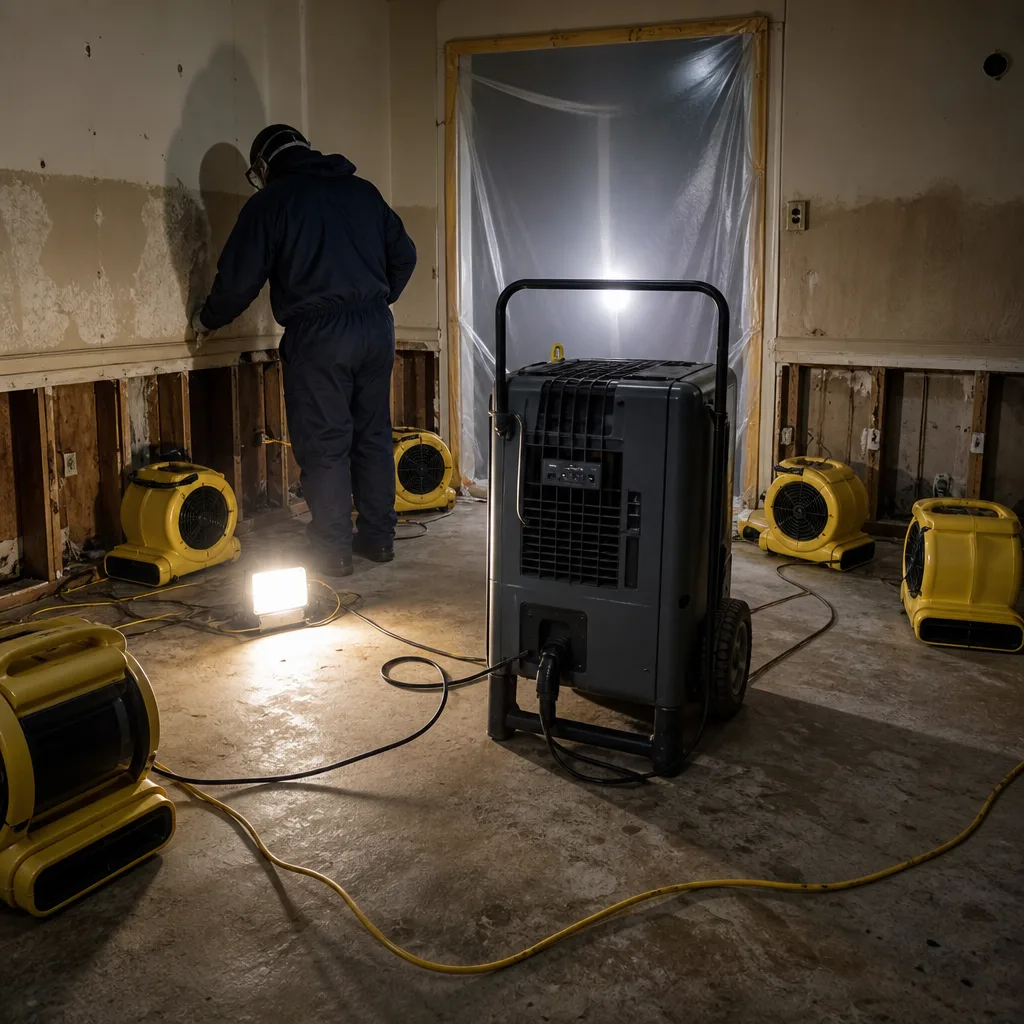
Smoke & Soot Removal
Soot is acidic and corrosive. Left alone, it etches glass, pits metal, and permanently stains painted walls within days. In pre-war East New York homes with original plaster and lath, soot works into the porous surface quickly. We remove it with the right method for the residue type, HEPA vacuuming every surface, and clean ceiling cavities and wall voids where smoke traveled through.
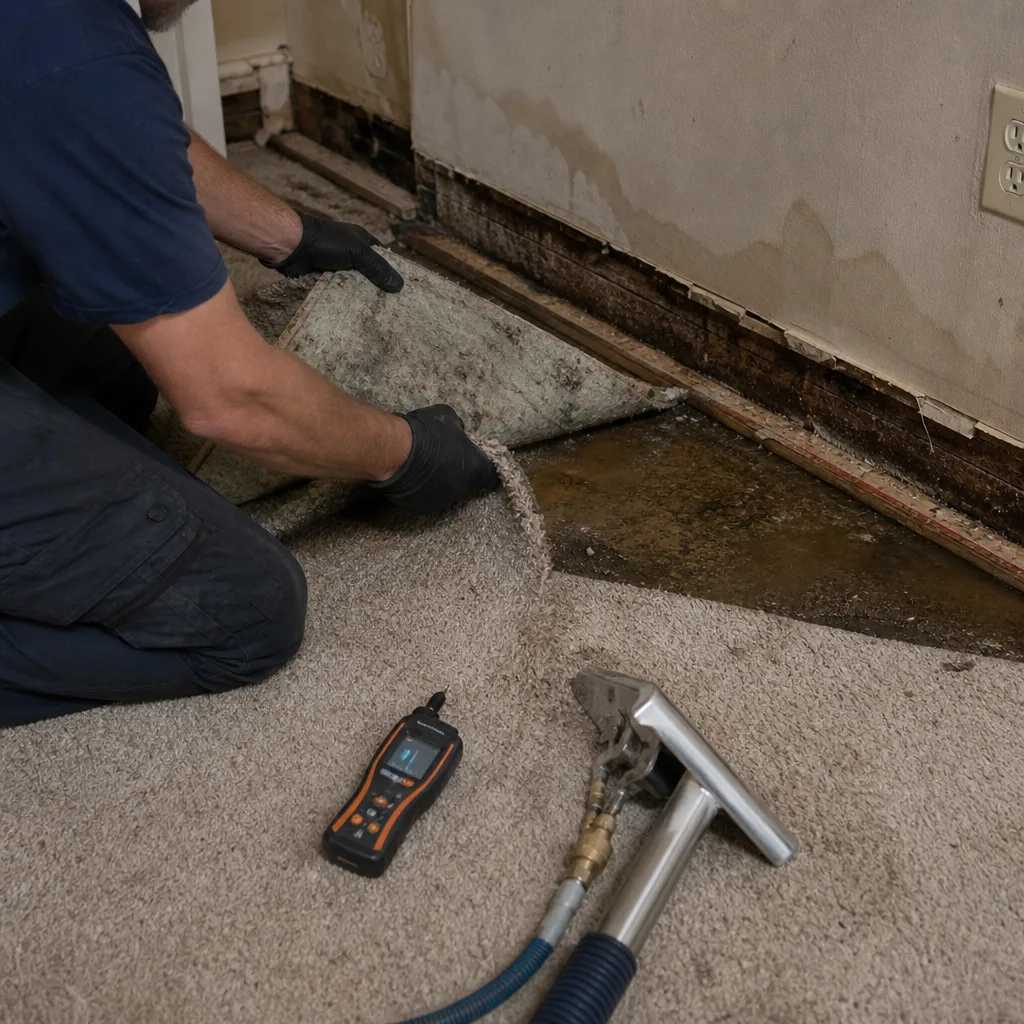
Odor Removal & Deodorization
Masking sprays don’t work on smoke odor in rowhouses with shared attics. The odor lives in porous materials: plaster, old lumber, insulation, fabric. We use hydroxyl generators and thermal fogging to neutralize odor molecules at the source. In attached homes, we treat shared attic voids too, because odor that migrated into a neighbor’s house will drift back into yours if left untreated.
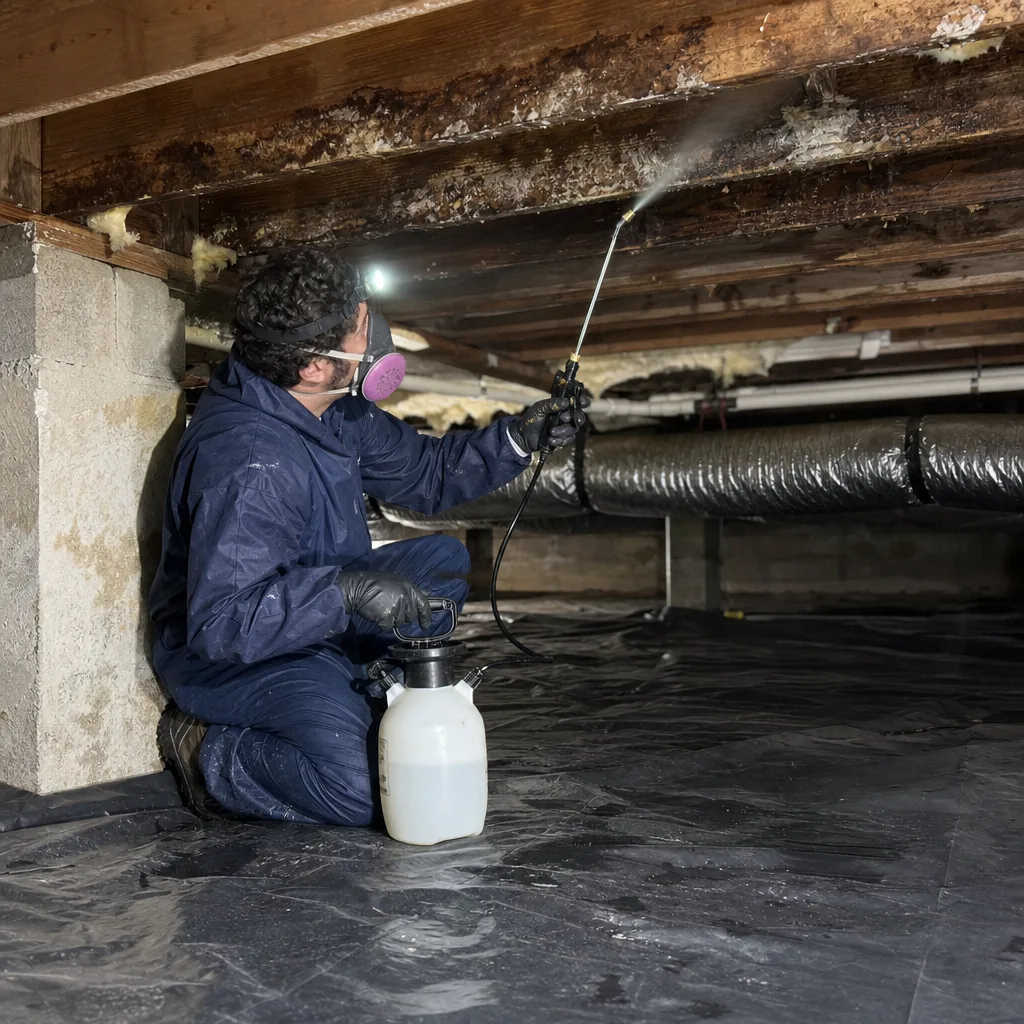
Contents Cleaning & Pack-Out
We inventory every item, pack out what’s salvageable, and clean it offsite with ultrasonic and HEPA processes. Furniture, clothing, dishes, electronics, documents. Items too damaged to save get documented for your claim. For East New York families displaced by a fire, we coordinate pack-out and storage so you can focus on a place to stay, not on boxes.
Structural Fire Repair
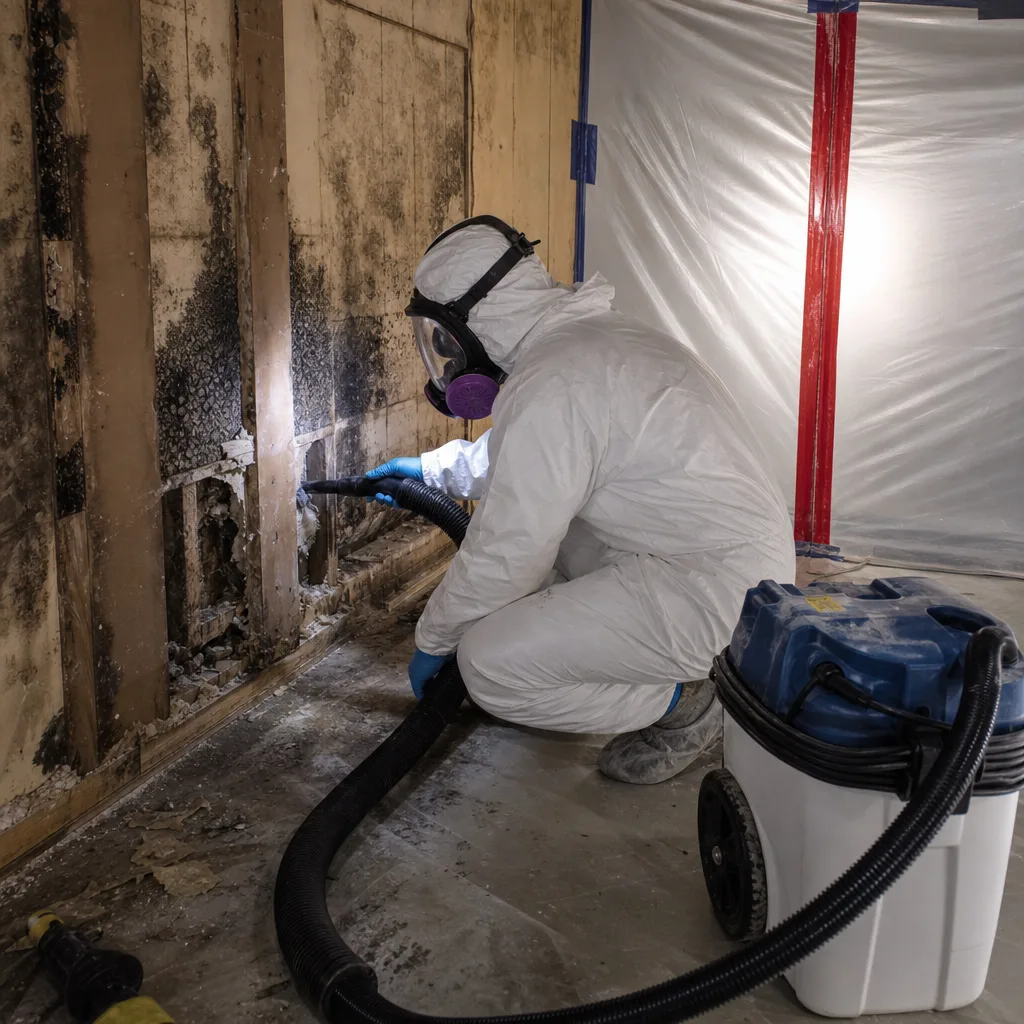
Charred joists, damaged load-bearing walls, compromised roofing. We remove burned framing, replace it to code, and rebuild walls, ceilings, and floors. In East New York’s older attached homes, structural repair often means matching original materials: plaster walls, hardwood flooring, period trim. Our crews do this daily, and the 90-Day Done Right Promise stands behind every repair.
What happens when you call
- 1
A real person answersNo phone trees - you reach a local pro.
- 2
You get an upfront price rangeHonest numbers before anyone is dispatched.
- 3
A background-checked tech heads outLicensed & insured, dispatched right away.
- 4
You approve before work beginsNothing starts until you say go.
Fire & Smoke Damage Restoration Costs in East New York, NY
For a typical residential fire in East New York, expect these ranges:
- Emergency board-up and tarping: $400 to $1,200
- Smoke and soot removal (single room): $800 to $2,500
- Full-home smoke and soot cleaning: $3,000 to $8,000
- Odor removal and deodorization: $500 to $2,000
- Contents cleaning and pack-out: $1,500 to $6,000 depending on volume
- Structural fire repair (per room): $2,000 to $12,000 depending on framing and finish work
What moves the price: square footage affected, residue type (wet smoke costs more to clean than dry smoke), whether structural framing needs replacement, and whether asbestos surveys or abatement are required, which is common in 1950s and 60s NYCHA buildings like the Pink Houses and Cypress Hills Houses. Most homeowner policies cover fire damage, including water from firefighting, minus your deductible. We provide a free visual inspection and a written line-item scope before any work starts, so you’ll know the exact number before you sign anything. Call (716) 412-2972 and we’ll come out at no cost.
We Also Serve Cities Near East New York
Our crews serve Fire & Smoke Damage Restoration in East New York and the surrounding neighborhoods: Canarsie, Coney Island, Flatlands, and Howard Beach. Same 45-minute response, same certified crews, same 90-Day Done Right Promise.
Serving East New York, NY - Our Local Coverage Area
We’re based in the East New York area and know this community well. Use the map below to see our service coverage - if you’re nearby, we can almost certainly help.
East New York Fire & Smoke Damage Restoration Questions, Answered
How does fire damage spread between attached rowhouses in East New York?
Fire and smoke spread through shared party walls, continuous attic runs, and connected floor cavities between attached rowhouses. Within minutes, smoke can travel from a fire in one home into two or three neighboring units, even when the fire itself never crosses property lines. That’s why our crews immediately contain all affected doorways and set up equipment across every impacted home on the first visit, not just the fire unit.
Do East New York NYCHA buildings require asbestos abatement before fire damage restoration?
Most 1950s and 60s NYCHA buildings like the Pink Houses, Linden Houses, and Cypress Hills Houses contain asbestos in floor tiles, pipe insulation, and joint compound. Before any structural demolition or wall removal can begin, an asbestos survey is legally required. If asbestos is found, licensed abatement must happen first. We coordinate this process as part of the scope of work so restoration doesn’t stall.
What happens if a fire causes water damage in my East New York basement?
Firefighting water collects in basements, especially in low-lying blocks near Spring Creek and Jamaica Bay where the terrain is flat and the combined sewer system can’t always handle the load. Standing water breeds mold within 48 to 72 hours. We extract the water immediately, run Phoenix air movers and dehumidifiers, and log daily moisture readings until the dry standard is met. If sewage backflow is present, we handle that as a separate contamination category with proper disinfection and containment.
Can you handle fire damage restoration in tight alley-load rowhouses with limited parking?
Yes. Many East New York rowhouses are alley-load, meaning equipment has to come through narrow side alleys with no street parking available. Our crews stage equipment in compact, wheeled configurations and work within tight clearances daily. We plan equipment staging before arrival so containment and extraction start quickly without blocked sidewalks or idling trucks on Pitkin Avenue or Sutter Avenue.
How quickly can mold start after a fire in an East New York rowhouse?
Mold can begin growing within 48 to 72 hours of water exposure, and firefighting water soaks into plaster, lath, insulation, and wood framing quickly in pre-war East New York homes. If the fire happened during a nor’easter or heavy rain, sewage backflow from the combined sewer system adds contamination on top. That’s why extraction and drying start on the same visit, not days later.
How fast can you actually get to my East New York home?
We commit to 45 minutes from call to arrival anywhere in East New York, including New Lots Avenue, Linden Boulevard, Pitkin Avenue, and the blocks near the Belt Parkway. A live dispatcher answers immediately and starts the crew roll right then. Call (716) 412-2972 and we’re on the way.
Will my insurance cover fire and smoke damage restoration?
Most homeowner policies cover fire damage, smoke and soot removal, water from firefighting, contents cleaning, and structural repair, minus your deductible. If neighboring attached homes are affected, each owner files against their own policy, and we coordinate the parallel claims so remediation moves forward together. We bill your carrier directly and document everything from the first hour.
What should I do in the first 30 minutes after a fire?
Call your insurer to open a claim, then call us at (716) 412-2972. Don’t enter the property until the fire department gives clearance. Don’t wipe soot off walls or surfaces yourself; doing so can grind it into porous plaster and make professional restoration harder and more expensive. Don’t use electrical appliances or turn on HVAC systems. Keep movement through the home minimal to avoid tracking soot into unaffected rooms.
On a dense rowhouse block off Pitkin Avenue, a second-floor electrical fire in a 1925 attached brick home spread smoke through shared attic voids into two neighboring houses. Our crew arrived within the hour, set up containment barriers across all three doorways, and used thermal imaging and moisture mapping to trace hidden char and water damage. We removed charred structural members, performed structural drying with Phoenix air movers and dehumidifiers, and coordinated pack-out and contents cleaning for all three owners, getting each unit back to pre-loss condition with a single coordinated scope of work.
East New York’s attached brick rowhouses and two- to three-family homes built from the 1910s through 1930s share continuous attic runs and party walls. A single kitchen fire or electrical fault routinely forces restoration crews to coordinate simultaneous mitigation and insurance claims across two or three adjacent homes before demolition can even begin. Most of inland Brooklyn, where detached homes limit cross-unit damage, doesn’t face this. We plan for it on every job in this neighborhood. It’s why our crews check adjoining units before starting work on the fire unit itself: catching smoke migration early means less damage for everyone, faster claims, and a restoration that actually holds.
The low-lying terrain near Spring Creek and Jamaica Bay leaves eastern East New York vulnerable to storm-surge flooding and ponding from heavy rain. During nor’easters, the aging combined sewer system, which handles stormwater and sewage in a single pipe, frequently surcharges and sends contaminated backflow into ground-floor apartments and basements across the flattest blocks near the Belt Parkway. When a fire and sewer backflow happen in the same property, restoration requires handling both simultaneously: fire cleanup upstairs, contamination control and water extraction downstairs. That’s our full-cycle Fire & Smoke Damage Restoration work, and we do it with the same crew from the first call to the final walkthrough.
Floodline Restoration Co. was founded in 2010 by Curt Bowman, built around a dispatch board and a promise: answer the phone with a person, show up when we say, and stand behind the work in writing. Every job carries the 90-Day Done Right Promise, also known as the Keystone Standard. Background-checked, uniformed technicians trained to IICRC, RIA, and IFA standards handle your home. We use Dri-Eaz and Phoenix equipment, plus XPOWER and B-Air where the job calls for it. Current offers: $50 off any repair over $250, $89 seasonal tune-up, and a 5% discount for seniors and veterans, always. Calls are answered live, 24 hours a day, every day. If your East New York home has fire or smoke damage, call (716) 412-2972 for a free visual inspection and a written scope. We’ll be there when we say, and we’ll stand behind it.
Written by Curt Bowman, Owner at Floodline Restoration Co.