
Last updated August 25, 2026
Free visual inspection and a written scope of work before any mitigation begins - photos, moisture readings, and drying logs go in your claim file
The scope we write is the scope we bill. Anything new gets shown to you, in writing, before we touch it.


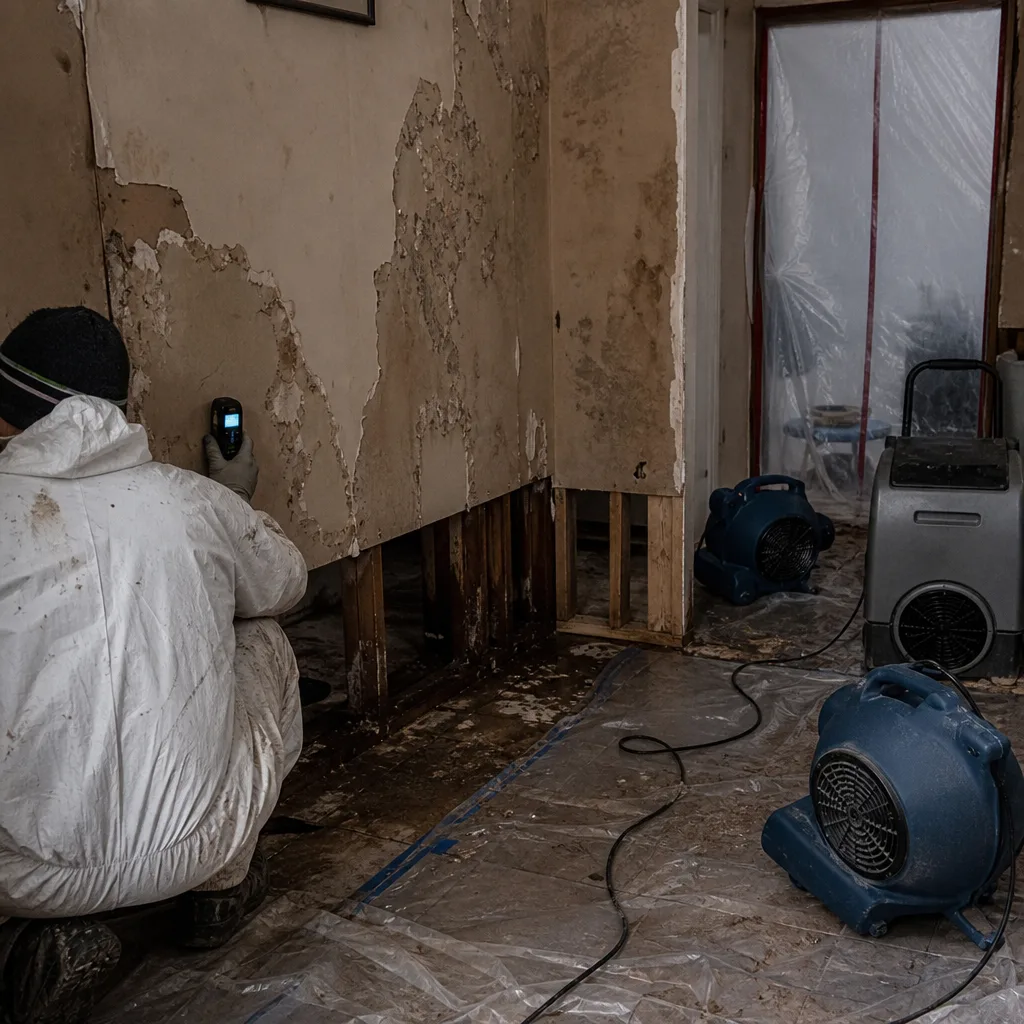 Before
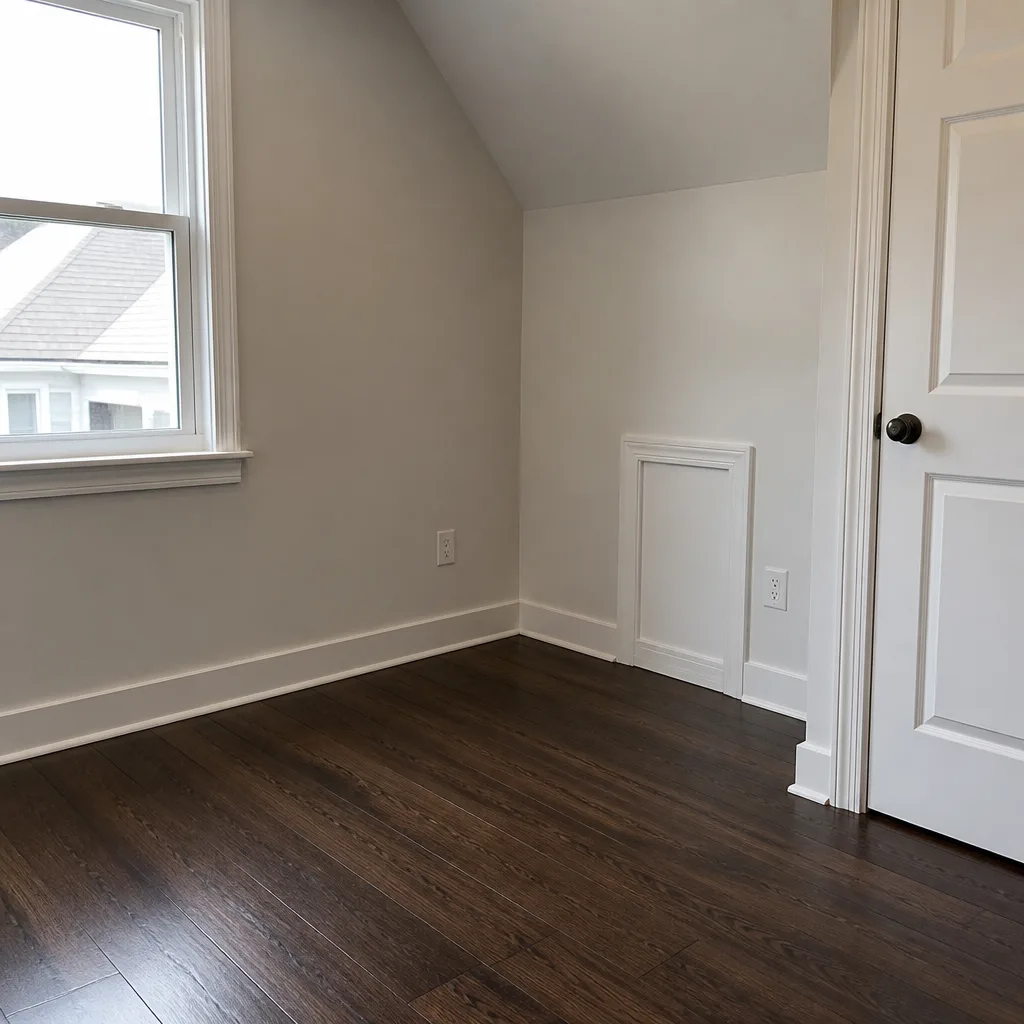 After
After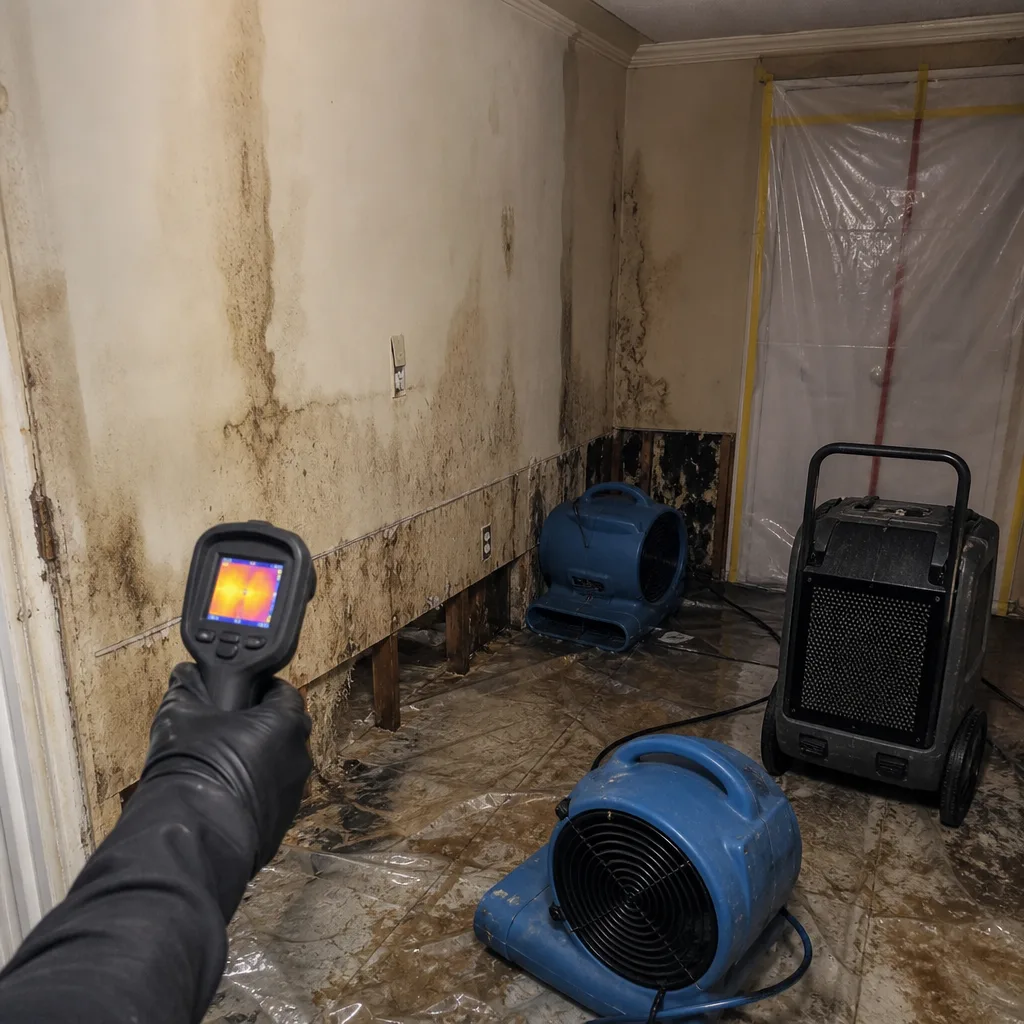 Before
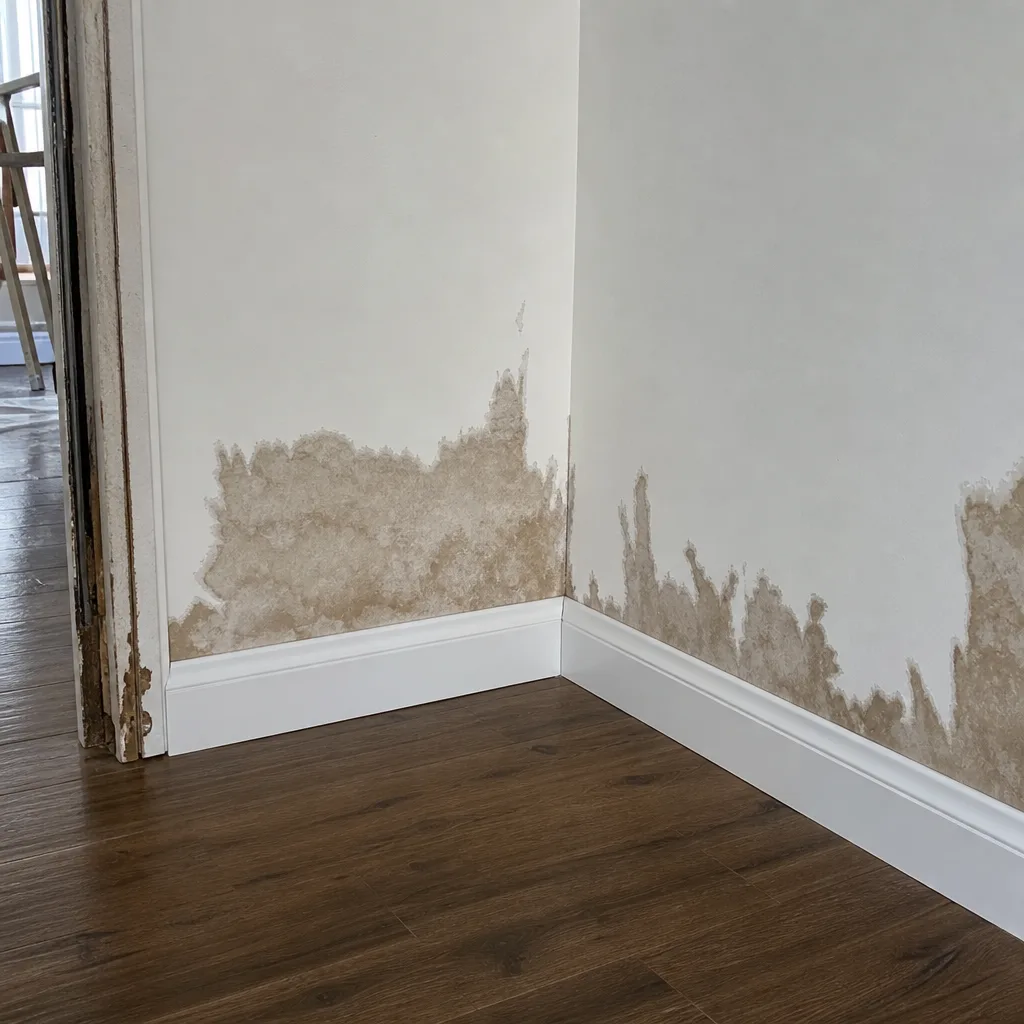 After
After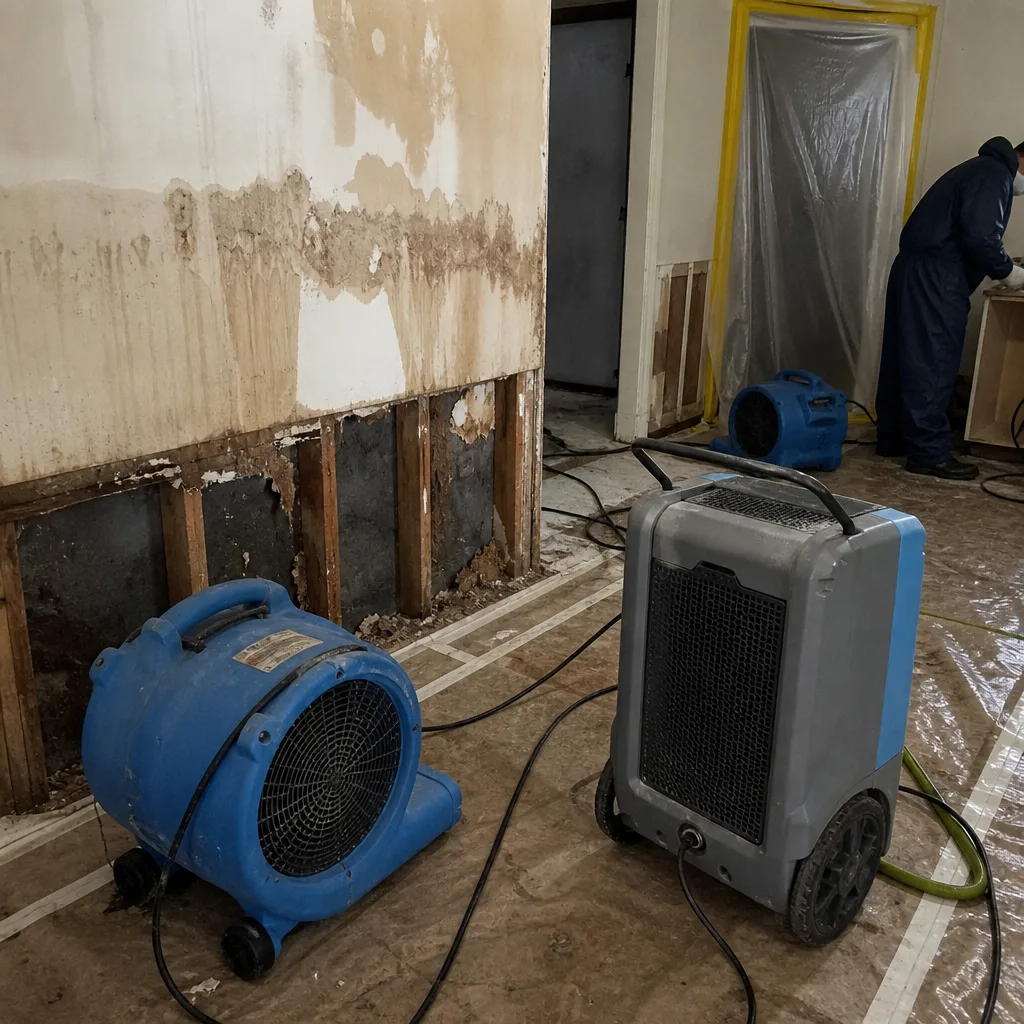 Before
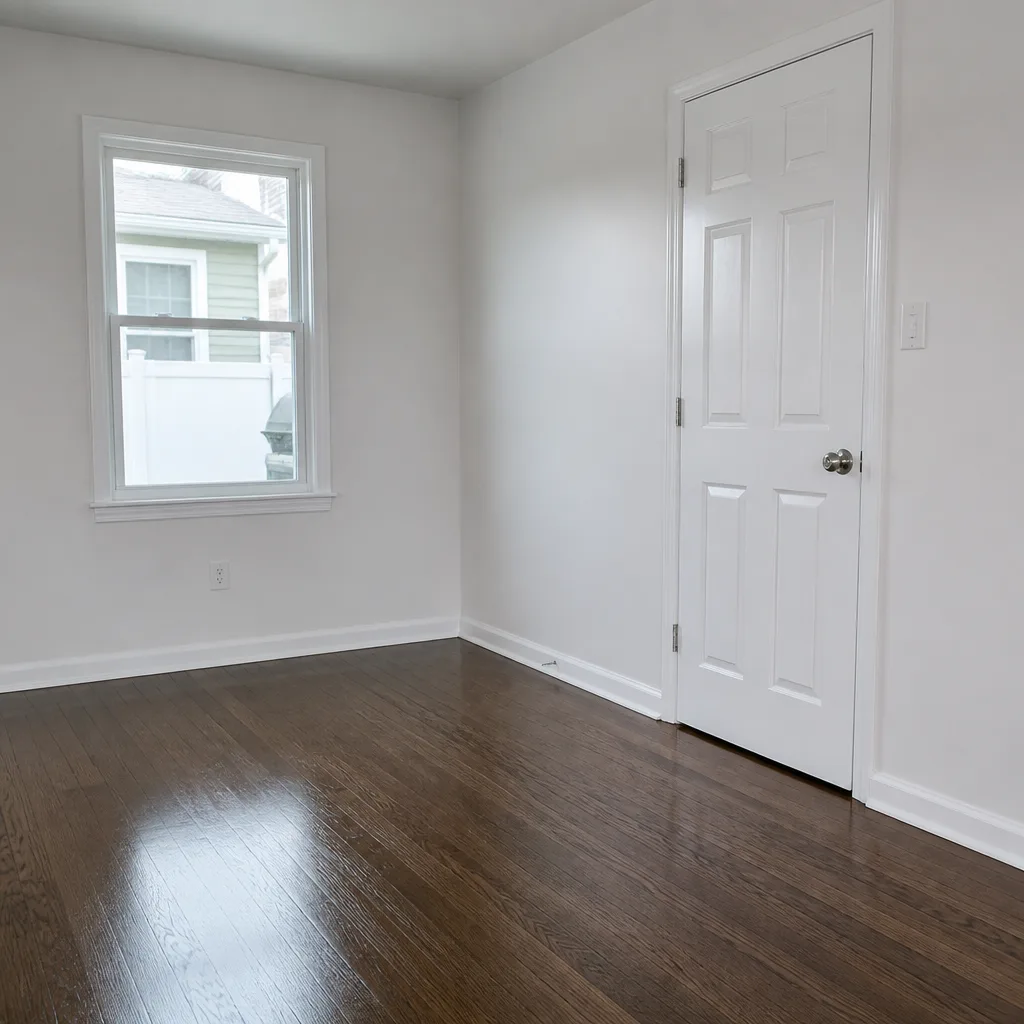 After
AfterSeasonal Damage Restoration Care for Canarsie: Year-Round Homeowner’s Guide
Most Canarsie homeowners don’t think about water damage until they’re standing in it. Here’s the counterintuitive part: the majority of serious restoration work we do in Canarsie didn’t start with a hurricane or a burst pipe. It started with months of small, quiet intrusions. A gutter that tilted two degrees off pitch. A window well that stopped draining after a heavy October rain. A crawl space that nobody checked because nobody wanted to go down there. By the time the damage becomes visible, the repair bill has usually tripled. This guide walks through what each season actually does to a Canarsie home, what to check, and when to stop checking and start calling.
Quick Answer
Seasonal damage restoration in Canarsie means doing the right maintenance at the right time: snowmelt and spring rain soak foundations in March and April, summer humidity feeds mold in poorly ventilated spaces from June through August, fall is the window for gutter and exterior sealing work, and winter freeze-thaw cycles crack concrete and burst uninsulated pipes. Catch issues early and you’ll handle them with a repair call instead of a full restoration. A seasonal tune-up runs $89 and takes a technician under an hour.
Table of Contents
- Winter in Canarsie: Freeze-Thaw Cycles and What They Break
- Spring Thaw: The Season That Reveals What Winter Hid
- Summer Humidity: Mold, Damp Crawl Spaces, and Window Condensation
- Fall Preparation: The Cheapest Restoration Is Prevention
- How to Spot Early Water Damage Before It Spreads
- Working With Insurance After Seasonal Damage
- What Seasonal Restoration Costs in Canarsie
- Common Mistakes to Avoid
- When to Call a Professional
- Frequently Asked Questions
Winter in Canarsie: Freeze-Thaw Cycles and What They Break
Canarsie sits close enough to Jamaica Bay that winter temperatures swing around the freezing mark almost every week from December through February. Water gets into a hairline crack in a foundation wall or a concrete walkway, freezes, expands by roughly nine percent, and widens that crack. Then it thaws, more water gets in, and the cycle repeats. After forty or fifty freeze-thaw cycles in a single winter, a hairline crack becomes a half-inch channel for spring groundwater.
What we see most often in Canarsie winters:
- Foundation cracks in older homes along Flatlands Avenue and Rockaway Parkway, especially where downspouts empty too close to the house.
- Burst pipes in uninsulated exterior walls, particularly in homes built before the 1960s remodel wave that added insulation to some but not all walls.
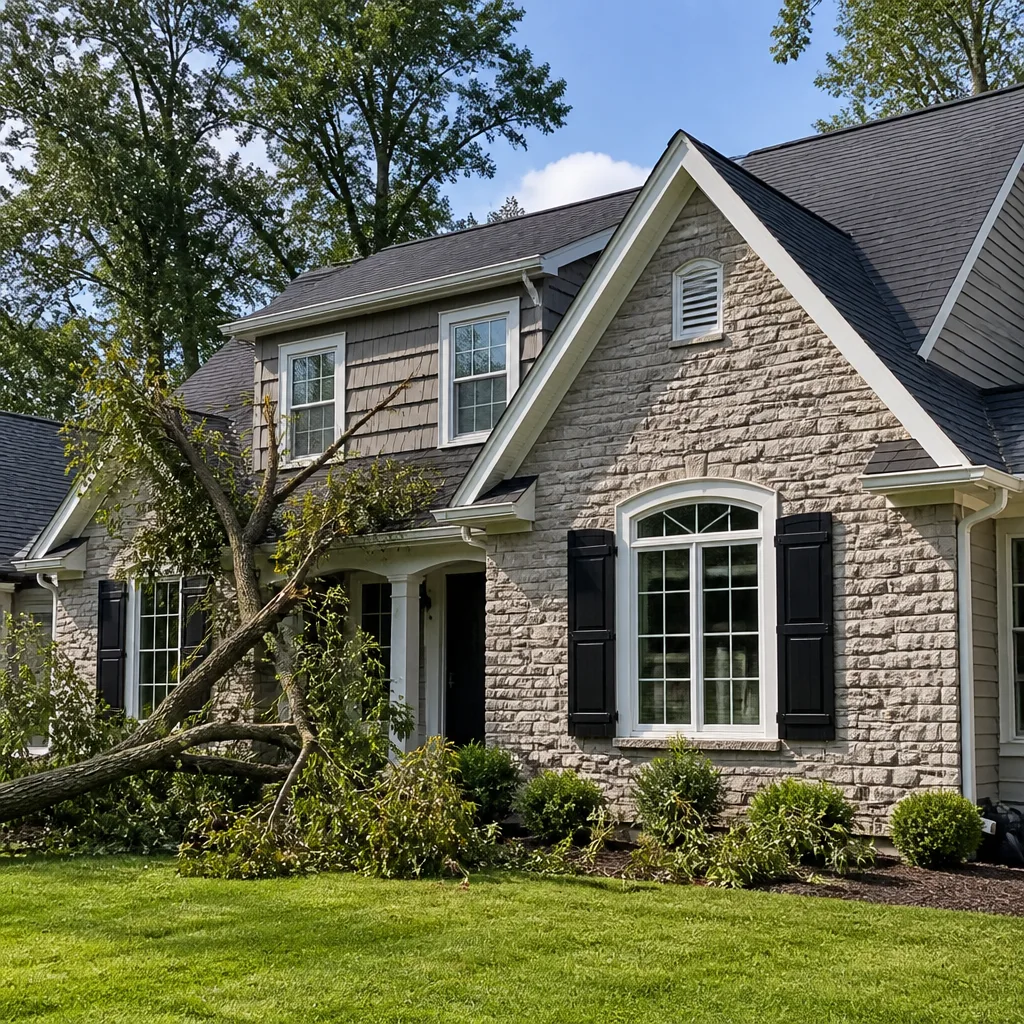
- Ice dam formation along roof edges, which pushes meltwater back under shingles and into attic spaces.
- Garage slab spalling where road salt and freeze-thaw combined to flake off the top layer of concrete.
- Walk the exterior after every hard freeze. Look for new cracks wider than a quarter’s edge or damp spots that never dry.
- Check downspout placement. Extensions should carry water at least four feet from the foundation, further if the grade slopes toward the house.
- Inspect the attic underside of the roof in mid-January. Frost on the sheathing or wet insulation means warm air is leaking into the attic and melting snow from below.
- Test the main water shutoff valve once a season. If a pipe bursts, knowing that valve turns freely saves thousands.
We run the $89 Seasonal Tune-Up all winter. It includes a foundation walk, downspout check, and a moisture reading in the basement or crawl space. Not a sales pitch. Just a defined list of checks with written findings in your hand afterward.
Spring Thaw: The Season That Reveals What Winter Hid
March and April in Canarsie bring the highest groundwater levels of the year. Snowmelt from northern Queens and Brooklyn filters down through the water table, and the soil around Canarsie’s foundations, much of it dense clay with pockets of sand fill, saturates. Homes that sat dry all winter suddenly show water in the basement after two days of thaw. The water didn’t come from the thaw itself in most cases. It came through the cracks winter created.
Spring is also when sump pump failures spike. A pump that ran fifteen minutes a day in winter can run four hours a day during a wet spring thaw. If the float is stuck or the discharge line is frozen or kinked, the basin overflows, and the backup arrives fast.
Our spring checklist for Canarsie homeowners:
- Test the sump pump by pouring a five-gallon bucket of water into the pit. It should cycle on and empty the pit in under 15 seconds.
- Check the battery backup, if you have one. Many Canarsie homes lose power during spring windstorms, and a pump without backup is just a hole in the floor when the lights go out.
- Inspect window wells. Fallen leaves and winter debris clog the drainage layer, and spring rain fills the well against the window frame.
- Walk the basement perimeter with a flashlight. Efflorescence, a white chalky residue on concrete walls, means water is moving through the block.
- Look at the ceiling under bathrooms. Pipe joints stressed by freeze-thaw can weep slowly, and the stain shows up in March.
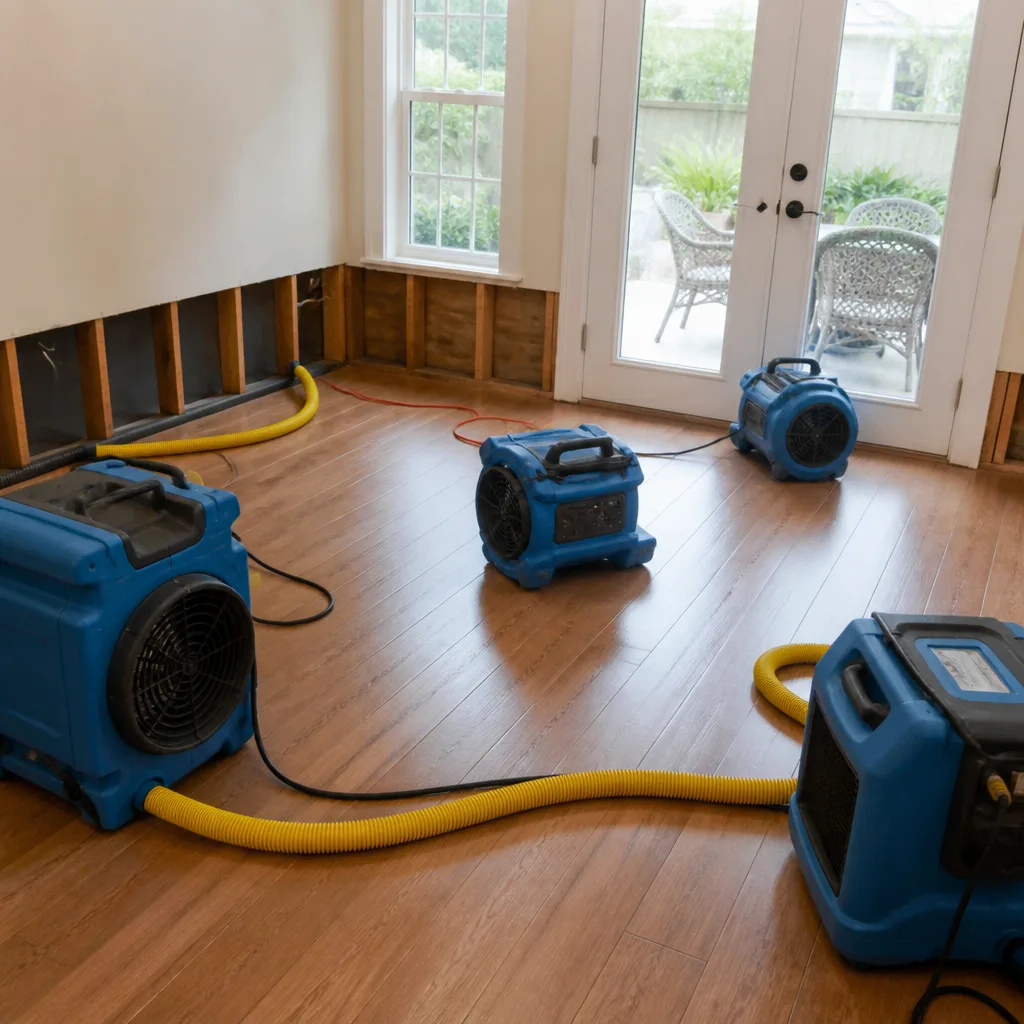
If you find water this spring, act within 48 hours. That’s the window before mold germination begins on drywall and wood. Extraction equipment on site the same day, professional-grade Floodline Restoration Co. Dri-Eaz dehumidifiers and Phoenix air movers running within hours, and a drying log that tracks moisture levels daily until the dry standard is met. That’s the approach that keeps a spring leak as a two-day inconvenience, not a six-week mold job.
Summer Humidity: Mold, Damp Crawl Spaces, and Window Condensation
Canarsie summers are humid. Jamaica Bay doesn’t cool the neighborhood so much as it steams it. Between June and September, the outdoor dew point regularly sits above 70 degrees, which means any surface at or below that temperature collects condensation. Basement walls, cold water pipes, toilet tanks, concrete floors. That condensation is all mold needs to start growing on drywall paper, wood framing, and stored cardboard.
Summer mold in Canarsie follows a predictable pattern:
- Crawl spaces without a vapor barrier on the dirt floor leak moisture upward all summer. Joists in those spaces are prime mold locations.
- Window condensation on single-pane windows in older Canarsie homes drips down and soaks into the sill and wall cavity below.
- Bathroom ceilings without a working exhaust fan accumulate surface mold on paint and drywall mud within six weeks of consistent humidity.
- Behind furniture against exterior walls. Air doesn’t move there, and the wall stays cool enough to condense.
Your summer routine:
- Run a dehumidifier in any space that smells musty or feels clammy. Keep it set between 45 and 50 percent relative humidity.
- Clean or replace HVAC filters monthly. A clogged filter raises indoor humidity and gives mold spores a place to grow.
- Check crawl space vents. Open them if your crawl space is vented style, and make sure the visible dirt has a plastic vapor barrier covering it.
- Pull furniture two inches off exterior walls for better airflow during July and August.
- Check for dampness under kitchen and bathroom sinks. Summer means more cold water running through pipes, and condensation drips onto cabinet bases.
If you find mold larger than about ten square feet, or mold that keeps returning after cleaning, don’t keep wiping it. Surface cleaning doesn’t remove what’s underneath or in the air. We use XPOWER air scrubbers and B-Air fans to contain and dry the space, then remove affected material and treat the studs. The 90-Day Done Right Promise applies to mold jobs the same as water jobs. If it comes back within 90 days, we come back and make it right. In writing.
Fall Preparation: The Cheapest Restoration Is Prevention
If there’s one season where a Canarsie homeowner can genuinely change their odds, it’s fall. October and early November offer dry weather, mild temperatures, and enough daylight after work to inspect and make repairs. Every dollar spent on exterior maintenance in fall saves multiples in restoration work in spring.
The fall prep list that matters most for Canarsie homes:
- Clean gutters and downspouts. Clogged gutters overflow against the fascia, rot roof edges, and dump concentrated water at the foundation. In Canarsie, with our mix of old-growth trees and new construction, leaf load is heavy by November 1st.
- Seal exterior cracks. Use a quality polyurethane caulk, not silicone, on foundation cracks and expansion joints. If a crack is wider than 1/8 inch, have it evaluated, not just caulked.
- Grade soil away from the house. Walk the perimeter. Where the ground slopes toward the foundation, add clean fill and slope it away six inches over the first ten feet.
- Cover window wells. Clear plastic well covers keep out leaves, rain, and snowmelt while still letting light in.
- Insulate exposed pipes. Pipe insulation is cheap and takes an afternoon. Pay attention to pipes in unheated garages, especially in the Flatlands and Georgetown areas where plumbing runs through exterior walls.
- Inspect the roof. Missing shingles, lifted flashing, or cracked vent boots show up clearly in fall light. Fix them before snow loads arrive.
- A musty, earthy smell that gets stronger after rain or in humid weather. That smell is microbial activity, and it means water has been present for a while.
- Paint bubbling or peeling on walls or ceilings with no obvious cause. Water pushes paint off the surface from behind.
- Warped or buckling floors, especially wood or laminate near exterior doors, under windows, or in kitchens and bathrooms.
- Stains that change shape. A fresh water stain grows. An old stain from a long-fixed leak stays the same. If it’s growing, the leak is active.
- Unexplained spikes in water bills. A silent leak behind a wall or under a slab can send your bill up half again without a single visible drop.
- Doors or windows that suddenly stick. Swelling wood frames are often the first sign of hidden moisture in walls.
- Sudden and accidental water damage is usually covered. A pipe that froze and burst, a wind-driven rain that pushed through a roof, a water heater that split open. Covered under most standard homeowners policies.
- Gradual damage is usually not covered. A slow leak behind a wall that’s been dripping for months won’t be covered because it was a maintenance issue, not a sudden event. That’s why fall inspections matter so much.
- Sewer backup is usually an add-on. Standard policies don’t cover sewer or drain backups unless you purchased the endorsement. Many Canarsie homeowners don’t know they don’t have it until they need it.
- Mold coverage varies widely. Some policies include limited mold remediation coverage. Some exclude it entirely. It depends on the origin of the mold and your policy language.
- Photo documentation. Take photos before anything gets moved. Wide shots of rooms, close-ups of damage. The more images, the better the claim.
- Keep the damaged materials. Don’t throw away flooring, insulation, or drywall before the adjuster sees it. They need to inspect the physical evidence.
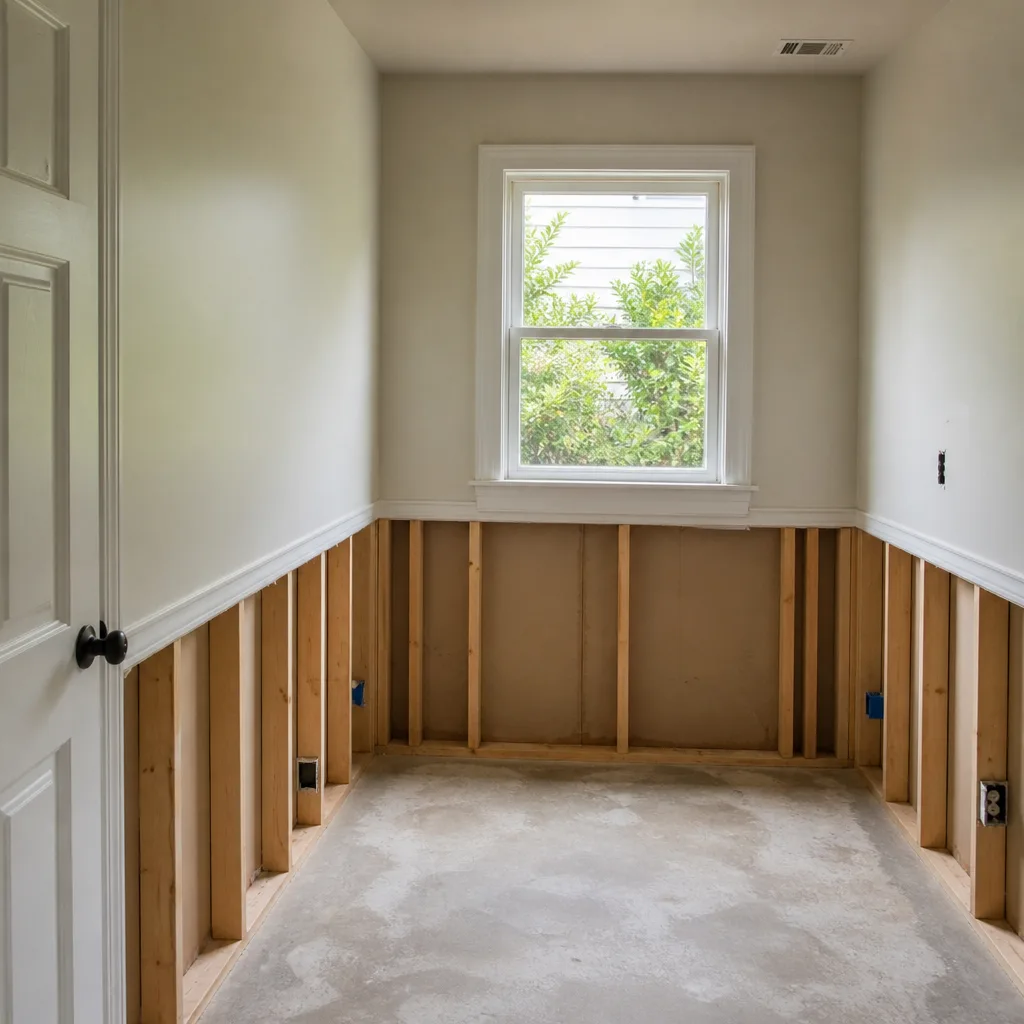
- Get a written scope. Before any restoration work begins, the estimate should be in writing, with clear line items for what gets removed, dried, treated, and rebuilt. No surprises on the bill.
- Ask about direct billing. We bill your insurance carrier directly. You deal with us, we deal with them. That removes the worst part of the whole process.
- Minor water extraction and drying for a single room: $900 to $1,800, depending on size, flooring type, and how long water sat.
- Full basement water damage restoration including drywall removal, drying, and treatment: $3,500 to $8,000 on average in Canarsie homes.
- Mold remediation for a contained area like a bathroom ceiling or closet: $1,500 to $4,000, depending on square footage and affected materials.
- Full mold remediation for a crawl space or large basement section: $6,000 to $12,000, including containment, equipment runs, and material removal.
- Exterior foundation crack sealing: $400 to $900 per crack, more if excavation is needed.
- Sump pump replacement including install and new discharge line: $650 to $1,400 for a quality cast-iron or stainless pump with backup.
- Waiting to see if it dries on its own. Drywall, insulation, and wood don’t air-dry in Canarsie’s humidity. They mold. Within 48 hours, fungi start growing. Act same day.
- Using a shop vac for a flooded room. A shop vac pulls surface water but leaves behind enough moisture in materials to feed mold. Professional extraction and drying equipment moves hundreds of gallons of water vapor out of the air per day.
- Painting over water stains without checking the source. The stain comes back within weeks. The water that caused it is still traveling through the wall or ceiling cavity.
- Ignoring small leaks because they’re “slow.” Slow leaks mean the materials have been wet longer. We’ve done mold jobs in Canarsie homes where the leak dripped for a year unnoticed behind a vanity.
- Blowing a sump pump discharge into the street or sidewalk. In winter, that water freezes into a dangerous ice sheet. Run it to a dry well or a drainage swale, not the public walk.
- Cleaning mold with bleach and calling it done. Bleach doesn’t kill mold roots in porous materials like drywall or wood. It bleaches the color so you can’t see it. The colony continues underneath.
- Filing an insurance claim before documenting everything. Photos first, claim second. Once the demolition starts, the evidence is gone.
We do a lot of $89 Seasonal Tune-Ups in October. A technician walks the property with you, checks the high-risk spots, tests for hidden moisture, and hands you a written list of findings. Nothing gets quoted unless you ask. It’s a square deal: you know what you have, and you decide what to do.
How to Spot Early Water Damage Before It Spreads
Water damage follows a predictable progression. First comes the water. Then comes the material damage: drywall swells, wood warps, paint bubbles. Then comes the secondary damage: mold, compromised framing, ruined insulation. Catch it in phase one, and you’re doing a repair. Catch it in phase three, and you’re doing a restoration.
Early signs every Canarsie homeowner should know:
When we respond to a water damage call in Canarsie, the first thing we do is map the moisture. Not guess. We use Dri-Eaz infrared cameras and penetrating moisture meters to find exactly how far the water traveled. The line the water left is where we start. From there, we contain, extract, dry, and document. Daily readings go into a moisture log that you keep a copy of, and your insurance carrier gets the same numbers.
Working With Insurance After Seasonal Damage
Most Canarsie homeowners have never filed a water damage claim before they need to file one. That’s normal. It’s also why people end up confused, underpaid, or stuck playing phone tag between contractor and adjuster. You don’t have to be the messenger.
Here’s how insurance typically works with seasonal damage in Canarsie:
What makes the process smoother:
We’ve been through hundreds of insurance claims with Canarsie homeowners since 2010. The ones that go smoothly share one thing in common: the homeowner documented everything, and the contractor worked directly with the carrier. That’s the team approach you want.
What Seasonal Restoration Costs in Canarsie
Local pricing matters. You can’t look up national averages and know what a Canarsie job will cost. Our market has its own rates for labor, disposal, materials, and the specific challenges of older homes mixed with newer construction.
Here’s what we tell homeowners to expect in Canarsie:
Current standing offers that apply to any of the above: $50 Off Any Repair Over $250, the $89 Seasonal Tune-Up, and a Senior & Veteran 5% Discount that never expires. Call (716) 412-2972 and a live person answers. Always.
Common Mistakes to Avoid
When to Call a Professional
Some jobs are honest DIY. Caulking a small crack, cleaning a gutter, adding a downspout extension, checking a sump pump. Those are maintenance tasks. But certain situations require professional response, and delaying makes the damage worse. Call a restoration company when water covers more than the floor of a single bathroom closet. Call when water has been sitting longer than 24 hours. Call when you see water coming through a ceiling, because that means the leak is above the ceiling and the path to it is hidden. Call when you see mold on more than one wall, or mold that returned after cleaning. Call when sewage backed up into the home, because sewage is a biohazard and needs professional containment and treatment. Floodline Restoration Co. offers free estimates in Canarsie. Call (716) 412-2972 and a live dispatcher answers, day or night. A certified crew can reach you the same day, and extraction equipment can be running the same visit.
Frequently Asked Questions
Do a full check twice a year: once in early fall before winter weather arrives, and once in mid-spring after the thaw. The $89 Seasonal Tune-Up covers the high-risk spots: foundation, downspouts, sump pump, basement moisture levels, and visible pipe joints. It takes under an hour and you get written findings.
Foundation water intrusion from clogged or poorly positioned downspouts. It’s the issue we see most often at Floodline Restoration Co., and it’s the easiest to prevent with a fall gutter cleaning and downspout extensions that carry water at least four feet from the house. Call (716) 412-2972 if you want a technician to walk your property and check the drainage.
Standard policies cover sudden and accidental water damage, like a burst pipe or a wind-driven roof leak during a storm. They don’t cover gradual seepage through a foundation or flood water rising from outside. Sewer backup requires a separate endorsement. We coordinate directly with your carrier on covered claims and bill them directly, so you’re not fronting the cost and waiting for reimbursement.
Same visit. Calls are answered by a live person at (716) 412-2972 around the clock, and a certified crew can be dispatched immediately. In most Canarsie locations, we arrive within 60 to 90 minutes of the call, and extraction equipment is running the same visit. That speed matters: every hour water sits, it wicks further up drywall and deeper into wood.
If the water was clean, the area dried completely within 48 hours, no drywall or insulation got saturated, and moisture readings show the materials are dry throughout, a surface clean and repaint can be enough. If water got behind walls, soaked insulation, or saturated drywall, painting over it hides the problem while mold grows underneath. A moisture map tells you which situation you have. We use thermal imaging and penetrating meters to see what’s behind the surface before deciding.
Yes. Every job we do is backed by the 90-Day Done Right Promise, in writing, with no arguing and no paperwork battles. If something we did isn’t right within 90 days, we come back and make it right at our cost. That’s the Keystone Standard, and it applies to seasonal tune-ups, water extraction, mold remediation, and full reconstruction jobs alike.
The Bottom Line
Canarsie’s seasonal cycles are predictable. Freeze-thaw winters crack foundations and burst pipes. Spring thaw brings groundwater and sump pump failures. Summer humidity feeds mold in basements and crawl spaces. Fall is your window to prevent all of it, and the cheapest restoration is the one you never need. Know the early signs, act within 48 hours when water appears, document everything, and call a professional before a small issue becomes a full restoration. The line the water left is where we start. That’s the Floodline way, and it’s how we’ve served Canarsie since 2010. Call (716) 412-2972 for a free estimate, a seasonal tune-up, or an emergency response. A live person answers, always.
Written by Curt Bowman, Owner at Floodline Restoration Co., serving Canarsie since 2010.