
Last updated August 25, 2026
Free visual inspection and a written scope of work before any mitigation begins - photos, moisture readings, and drying logs go in your claim file
The scope we write is the scope we bill. Anything new gets shown to you, in writing, before we touch it.
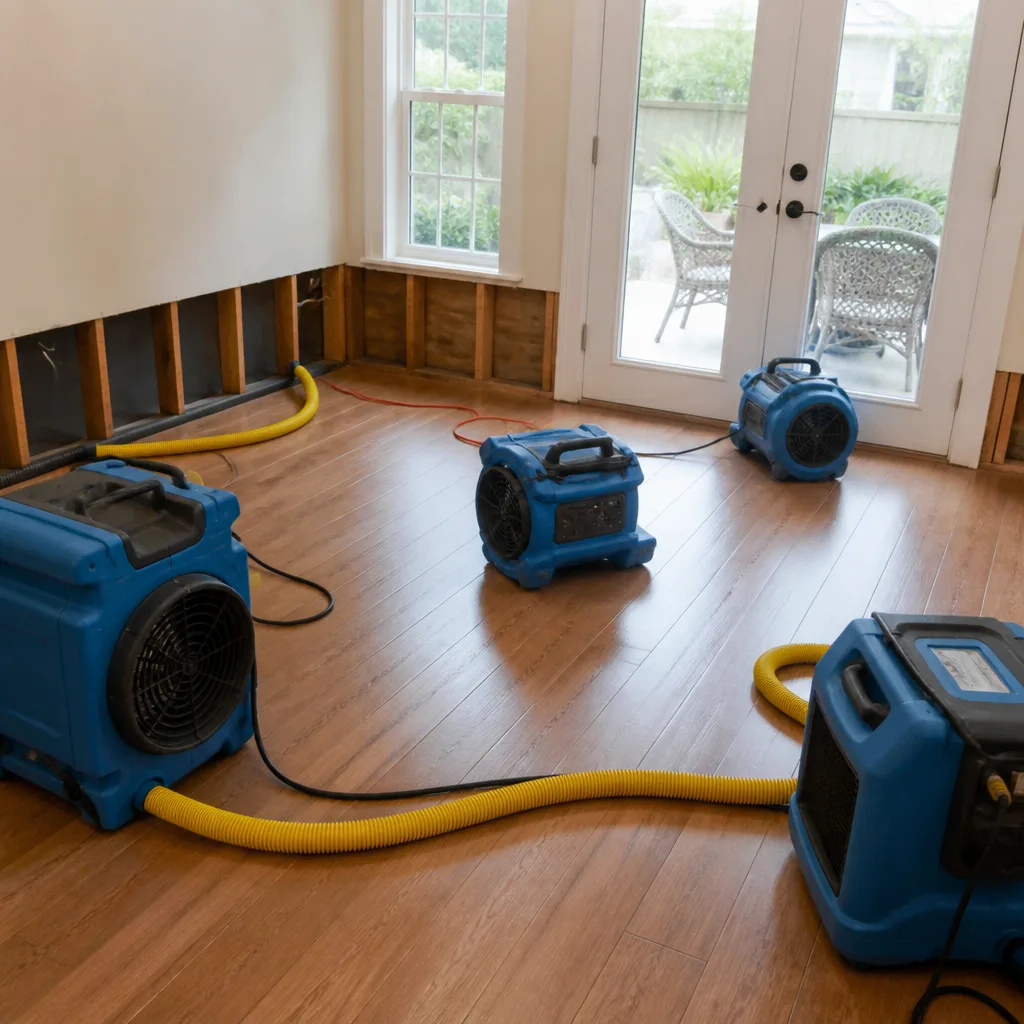
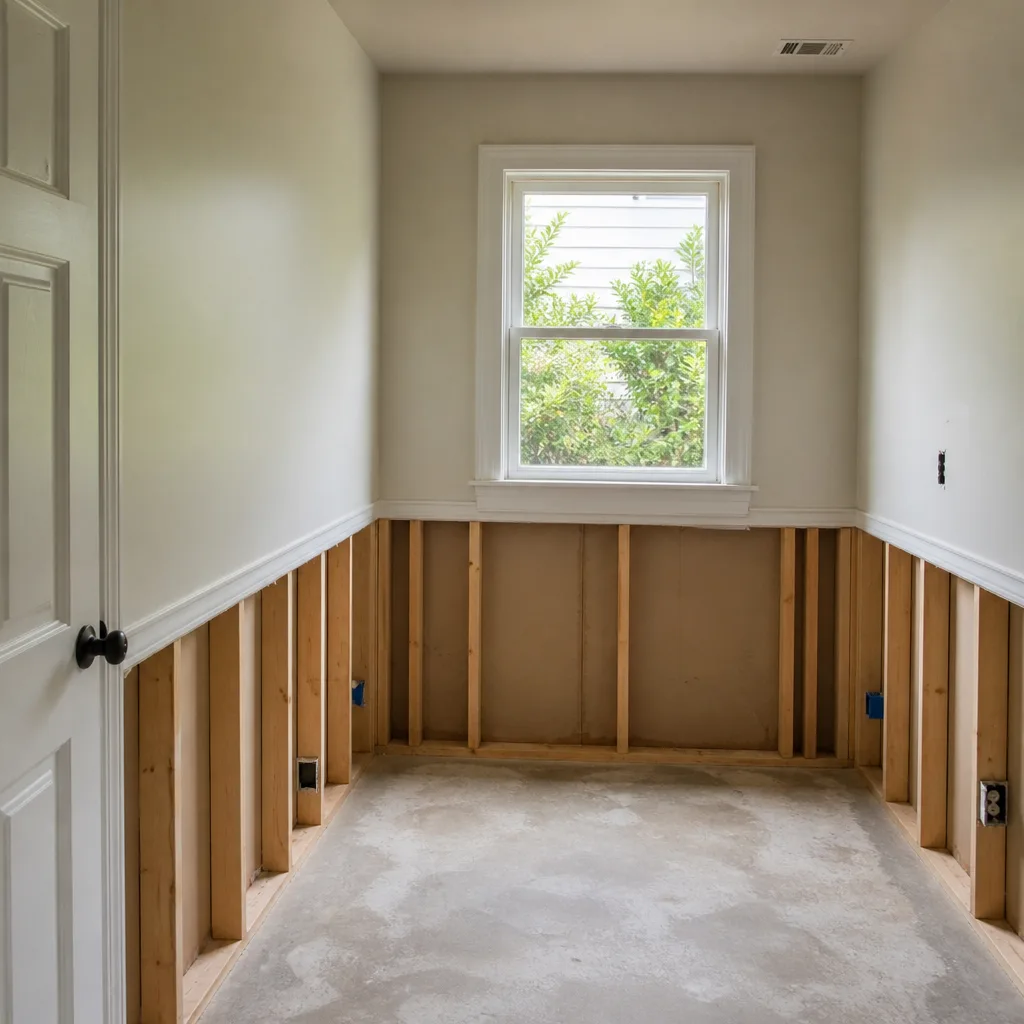
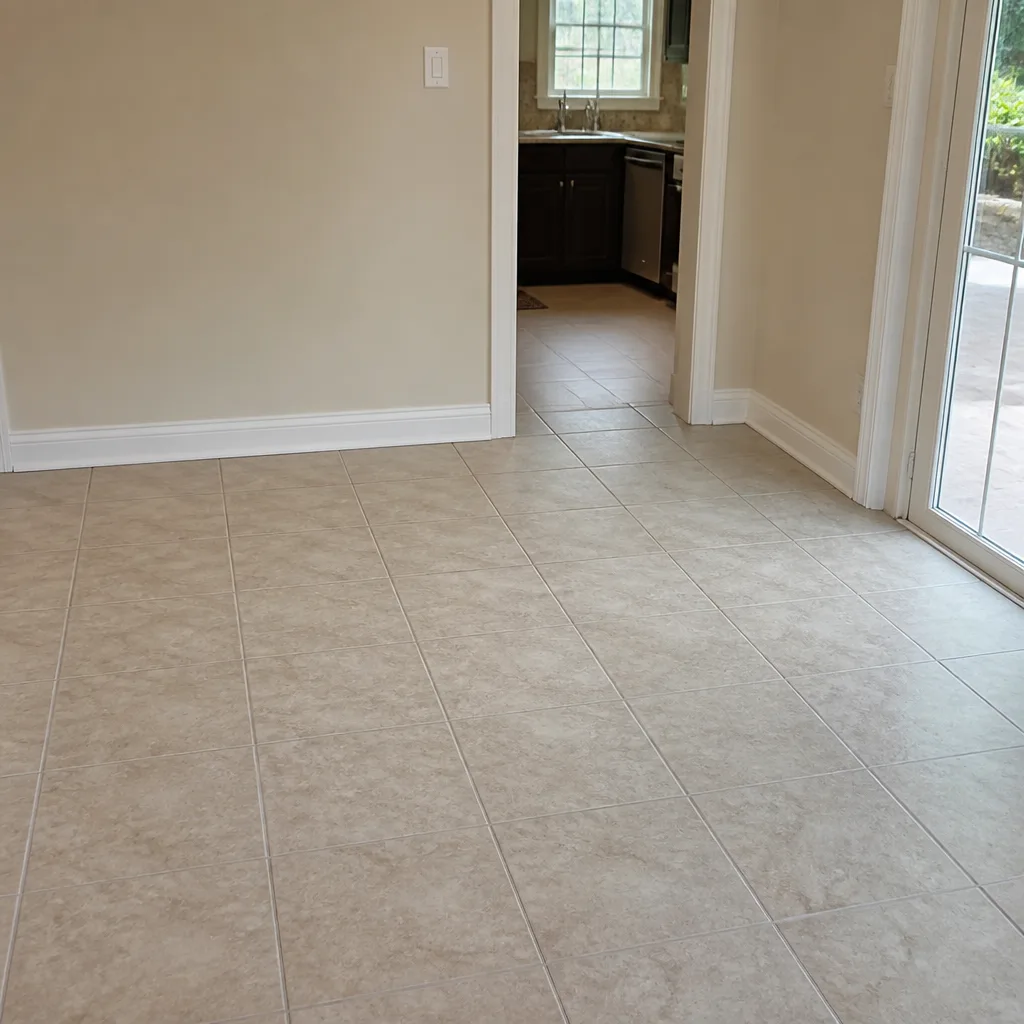
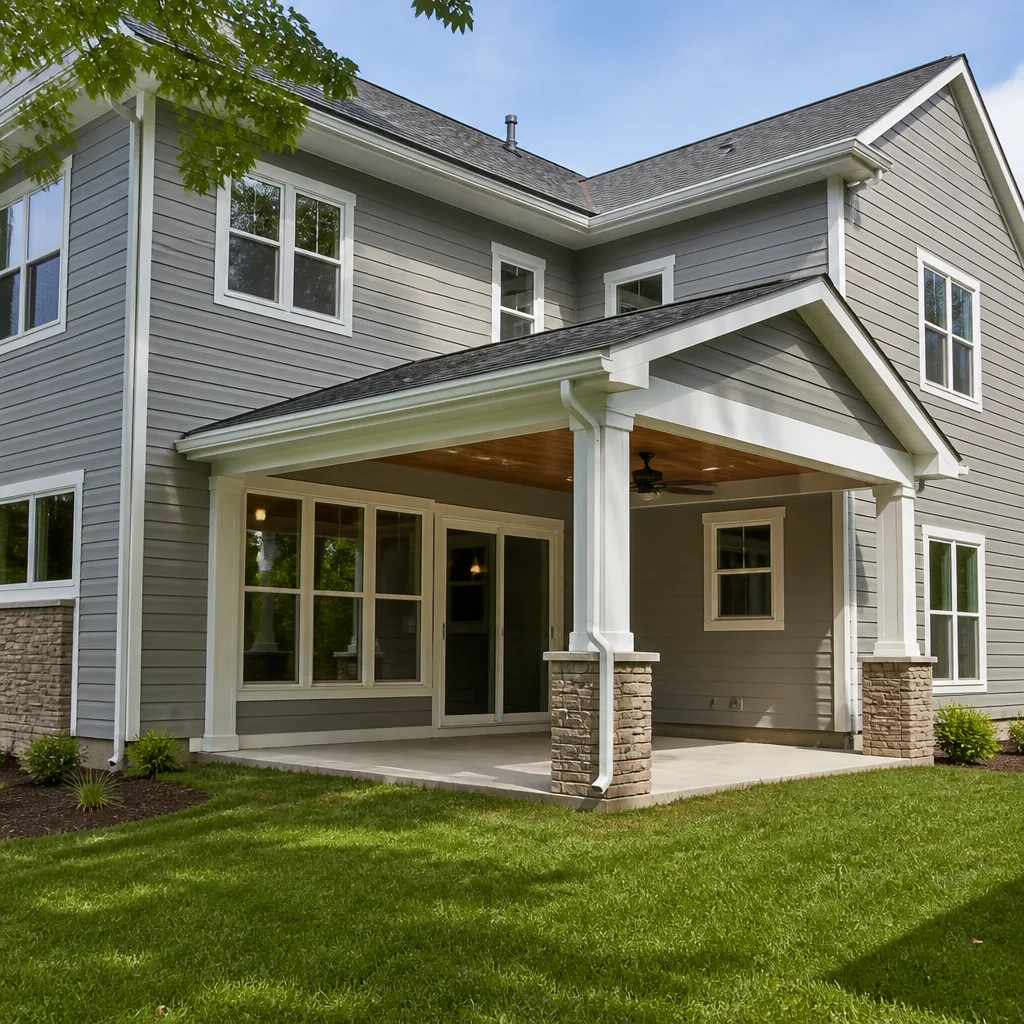
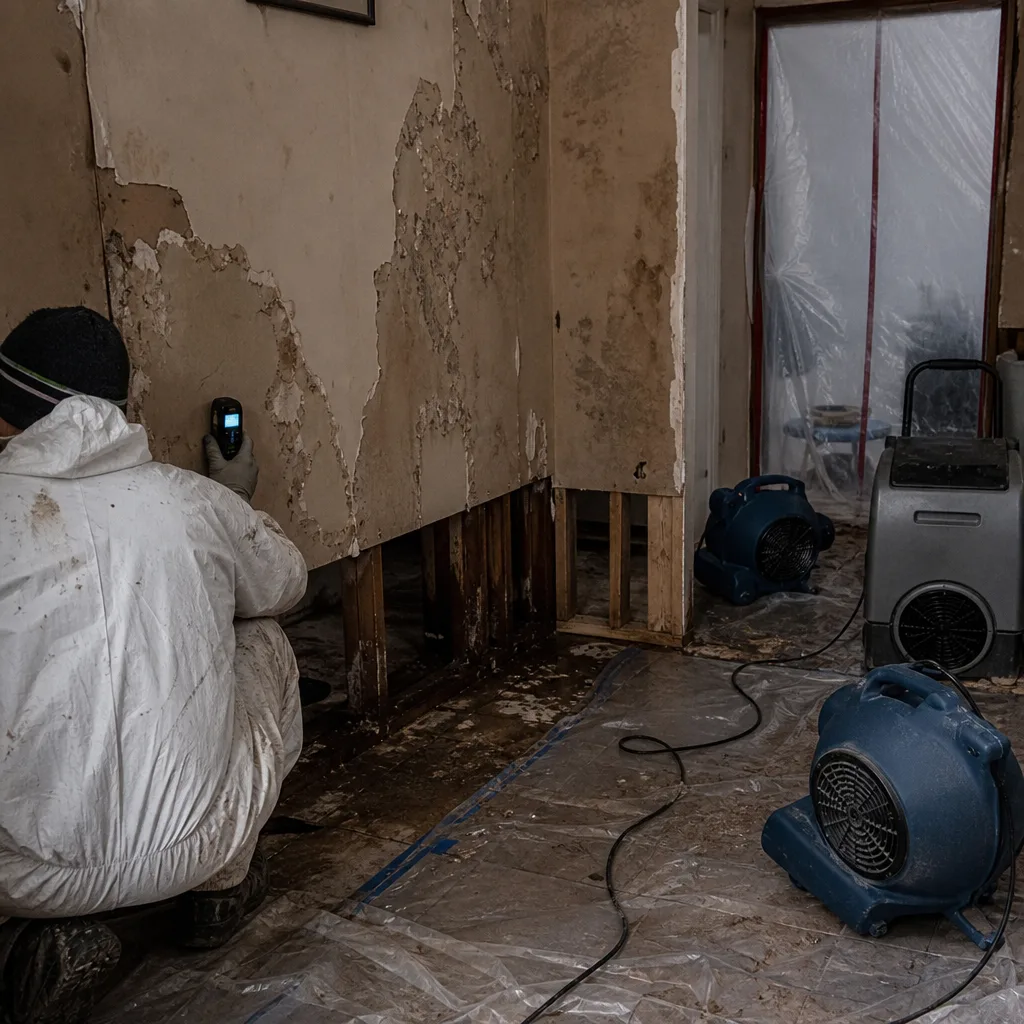 Before
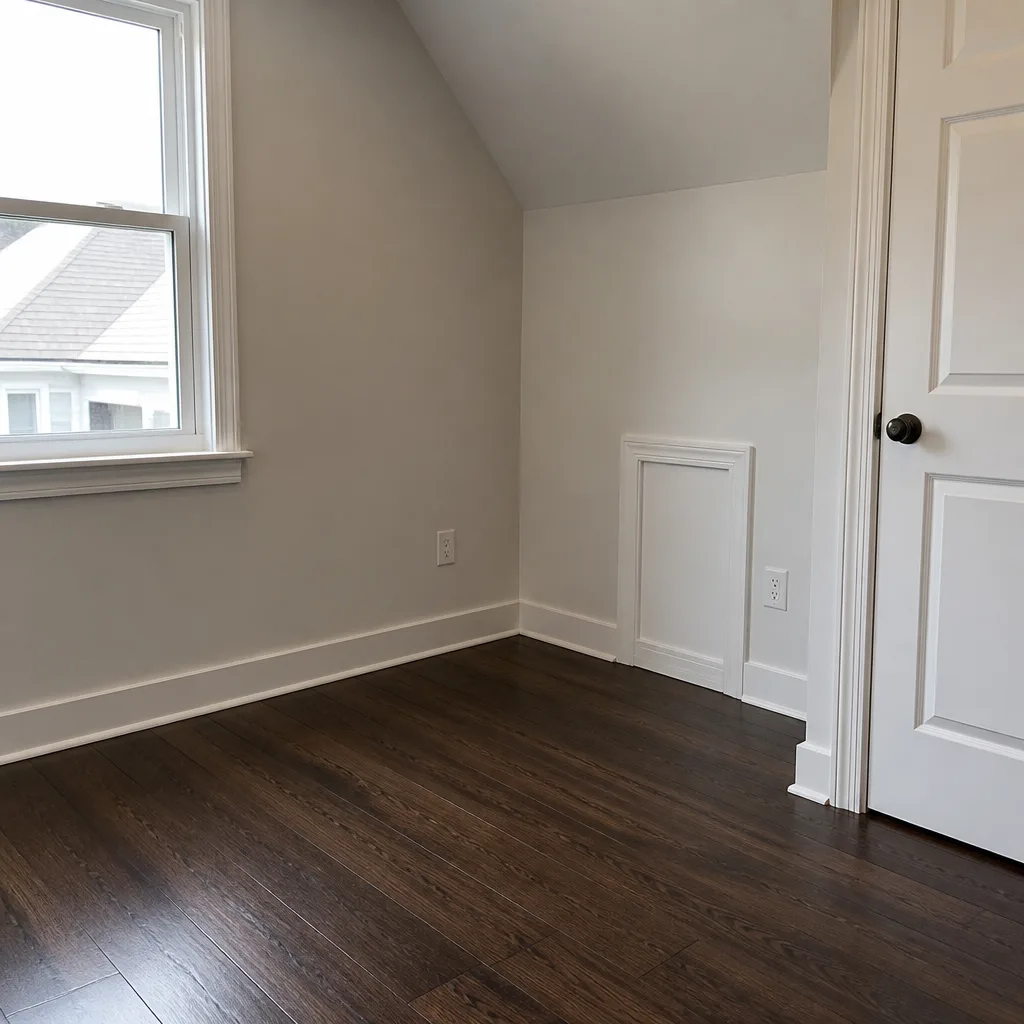 After
After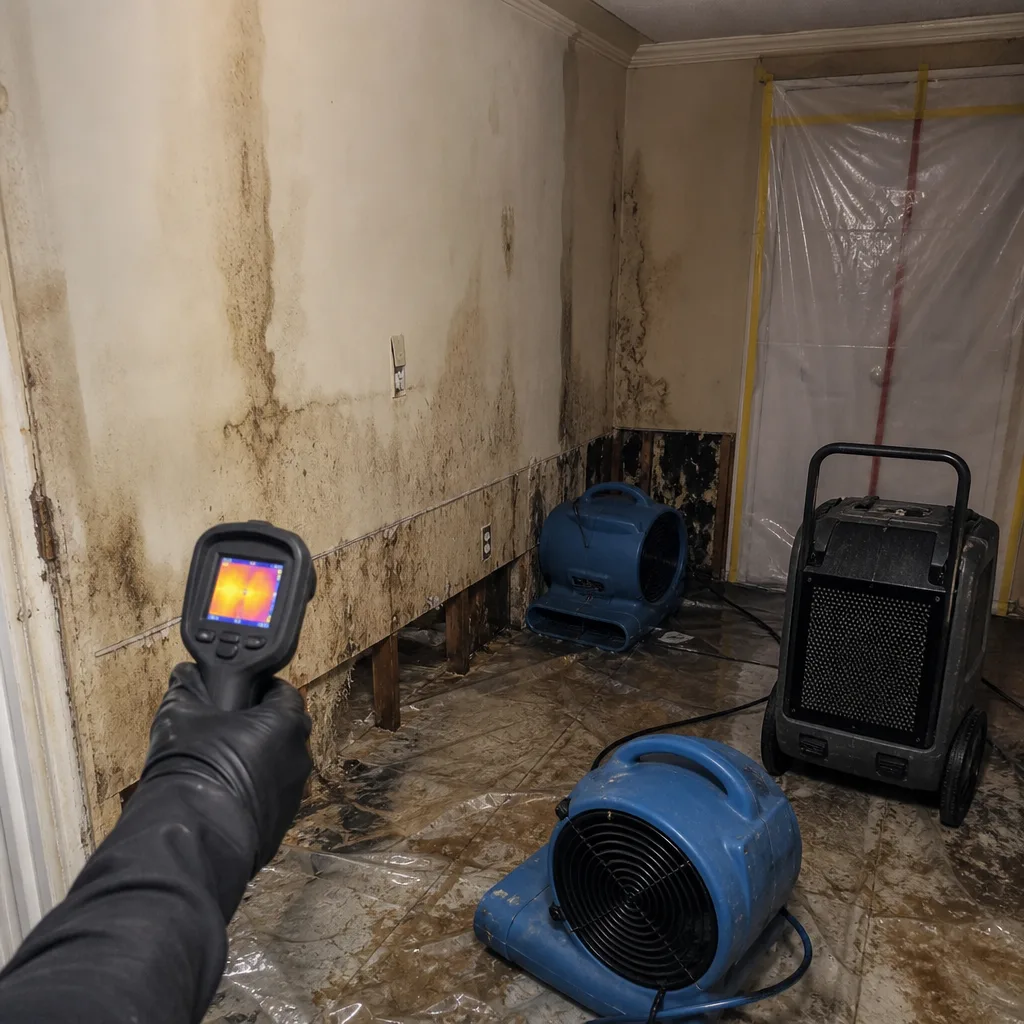 Before
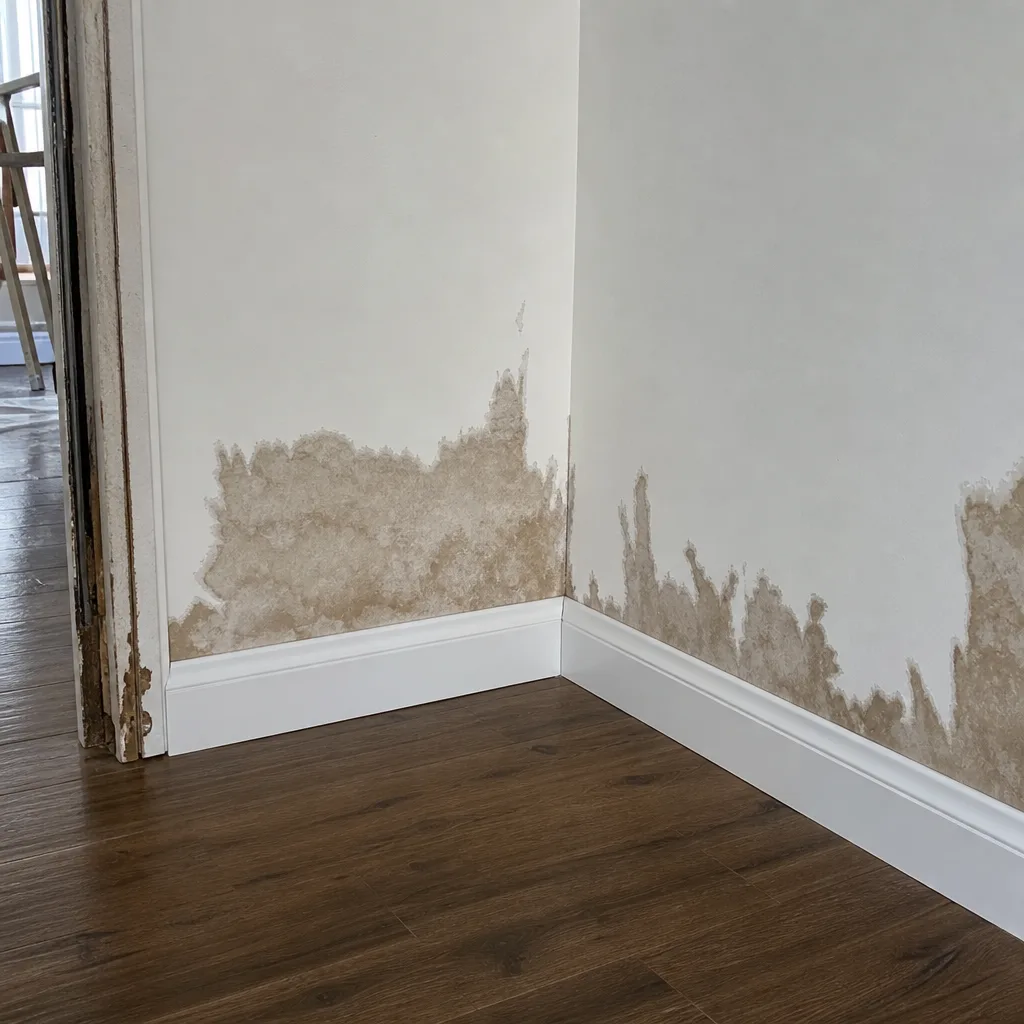 After
After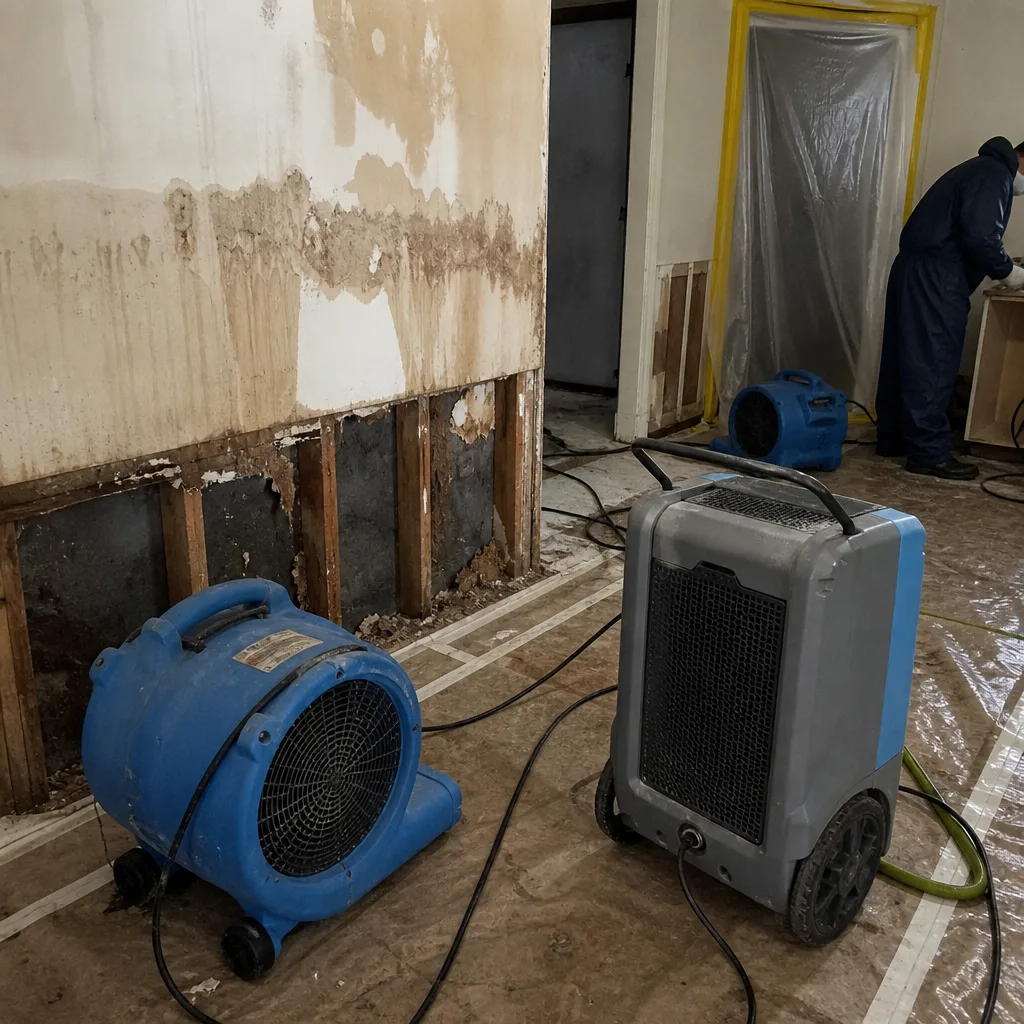 Before
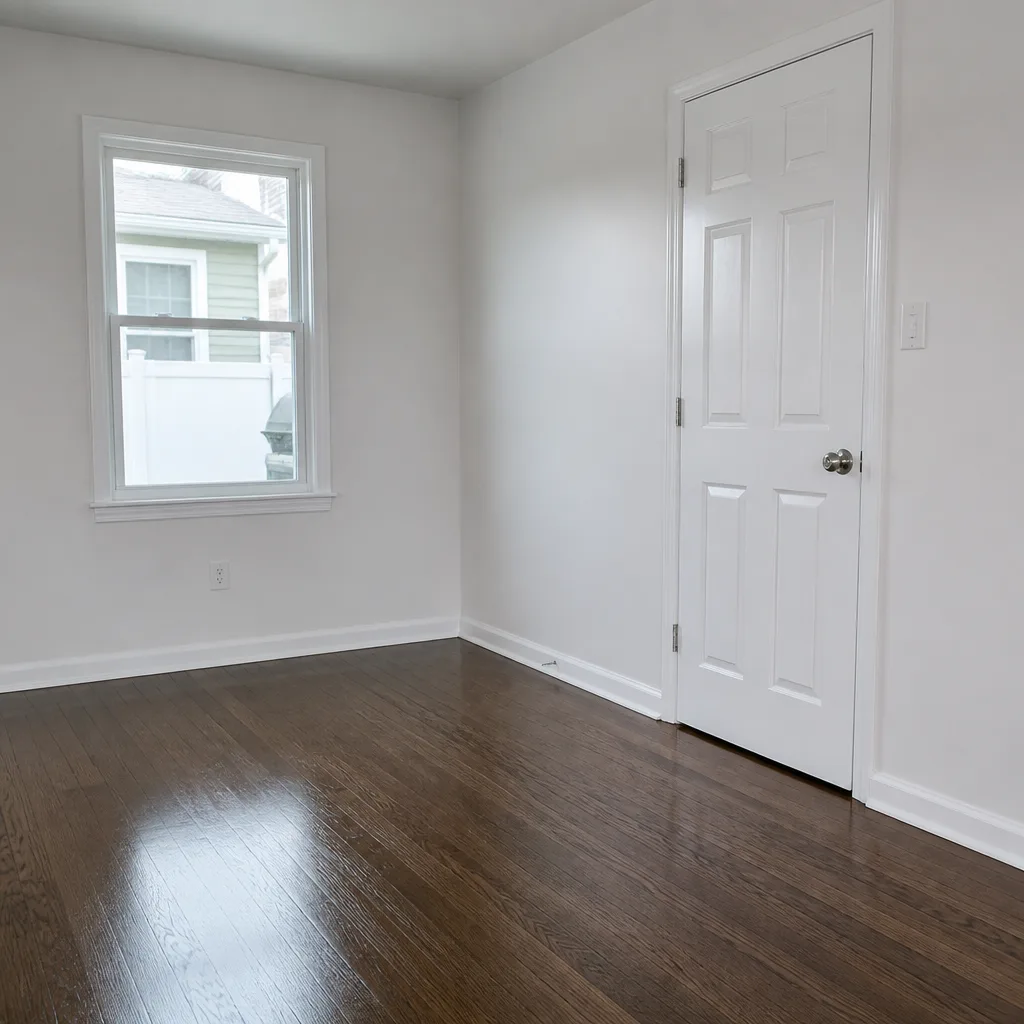 After
AfterHow to Hire a Damage Restoration Contractor in Canarsie: A Step-by-Step Guide
Most homeowners in Canarsie will hire a damage restoration contractor exactly once in their lives, and they’ll do it on the worst day they’ve had in years. Water is spreading, smoke is settling into every room, or mold is blooming behind baseboards. The contractor you pick decides whether the job gets done right or quietly done wrong. This guide walks you through every step: what to check before you sign anything, what questions to ask, how pricing actually works in this market, and how to spot the red flags that lead to a botched job.
Quick Answer
To hire a damage restoration contractor in Canarsie, start by confirming the company is licensed and insured to work in New York City, has a live 24/7 dispatch line, and is certified by a recognized body like the IICRC. Then ask for a written scope of work before any demolition or cleanup begins, verify they handle direct insurance billing with photo documentation, and read the guarantee carefully. A good contractor in Canarsie will put their warranty in writing, not just promise it over the phone.
Table of Contents
- Step 1: Confirm Credentials Before the Truck Arrives
- Step 2: Understand the Scope of Work Before It Starts
- Step 3: Get Pricing in Writing and Understand How Insurance Billing Works
- Step 4: Verify Equipment, Process, and the Dry Standard
- Step 5: Check the Guarantee and the Reputation Behind It
- Step 6: Understand the Canarsie Factor: Climate, Construction, and Codes
- Step 7: Ask the Questions That Matter
- Common Mistakes to Avoid
- When to Call a Professional
- Frequently Asked Questions
- The Bottom Line
Step 1: Confirm Credentials Before the Truck Arrives
The first call a Canarsie homeowner makes after discovering water damage is usually to the number on a flyer or the first name that comes up on the phone. That’s understandable when water is spreading across a kitchen floor. But before the crew shows up, you need to know three things: the company is licensed to work in New York City, carries liability and workers’ compensation insurance, and employs technicians trained to a recognized standard.
In our experience, the companies worth hiring will volunteer this information without being asked. They’ll have it printed on their paperwork, posted on their truck, and available on their website. A contractor who hesitates when you ask for a license number is telling you something important.
Here’s what to ask:
- Are you licensed to work in New York City? NYC has specific licensing requirements, and a Long Island or upstate license doesn’t transfer. Confirm the license covers work in Brooklyn, including Canarsie.
- Can you show me your certificate of insurance? You want liability coverage and workers’ comp. If a tech gets hurt on your property and the company isn’t insured, you could be liable.
- What certifications do your technicians hold? Look for IICRC (Institute of Inspection, Cleaning and Restoration Certification), RIA (Restoration Industry Association), or IFA (International Floodplain Association) standards. These aren’t decorative. They mean the technician has been tested on how to dry a structure properly, not just how to run a fan.
- Who is coming into my home? Ask whether technicians are background-checked and uniformed. In Canarsie, where many homeowners have lived in the same house for decades, letting strangers in during a crisis is a serious decision. A company that screens its people respects that.
Floodline Restoration Co. has built its name in this area since 2010, and every technician who walks through a Canarsie door is background-checked, uniformed, and trained to IICRC, RIA, and IFA standards. That’s not a sales pitch. It’s the baseline expectation for anyone working in your home.
Step 2: Understand the Scope of Work Before It Starts
The biggest source of homeowner complaints in the restoration industry is a moving scope. A crew shows up, starts ripping out drywall, and suddenly the job has grown from “dry this room” to “rebuild this wall,” and the bill has grown with it. The fix is simple in theory and rare in practice: get the scope of work in writing before any demolition, extraction, or drying begins.
A written scope should include:
- What is damaged - room by room, with notes on the extent of the damage.
- What will be removed - drywall, baseboards, flooring, insulation, or nothing at all.
- How the area will be dried - equipment type, number of units, and where they’ll be placed.
- What the dry standard is - the moisture content level the structure must reach before equipment comes out. This is a number, not a feeling.
- What happens after drying - will the same company handle repairs and reconstruction, or is that a separate bid?
- What it costs - a line-item estimate, not a lump sum.
In Canarsie, many homes are attached or semi-attached brick row houses. Water doesn’t respect property lines. A leak in your neighbor’s wall can become mold in yours, and a scope that doesn’t account for shared walls and party lines is incomplete. Ask the contractor how they’ll assess moisture in shared walls, and make sure the answer is in the written scope.
One more thing: if the contractor says they don’t need to write anything down, that’s the moment to call someone else. A handshake is not a scope of work. Every reputable restoration company in this industry works from a written document.
Step 3: Get Pricing in Writing and Understand How Insurance Billing Works
Restoration pricing in Canarsie varies by the type of damage, the square footage affected, and the materials involved. But the structure of the estimate shouldn’t vary at all. You want line items: extraction labor, demolition, hauling, equipment rental per day, daily monitoring, antimicrobial application, and reconstruction if applicable. A lump-sum number with no breakdown is a red flag, full stop.
Here’s what to expect in terms of pricing ranges for common jobs in Canarsie and throughout Brooklyn:
- Water extraction and drying for a single room: Typically $1,500 to $3,800, depending on how long the water has been sitting and whether flooring or baseboards need to come out.
- Sewage backup cleanup (Category 3 water): Usually $2,500 to $6,000, including proper disposal of contaminated materials and full disinfection. This is never a DIY job.
- Mold remediation for a bathroom or basement: Generally $1,800 to $5,500, depending on how far the mold has spread behind walls. In Canarsie basements with high humidity, we routinely find mold that extends well beyond the visible staining.
- Fire and smoke restoration for a kitchen fire: Typically $8,000 to $25,000, including structural cleaning, odor removal, and rebuild prep. Smoke gets into everything, and the cleaning phase is the part homeowners underestimate most.
- Full reconstruction after major water damage: Can run $15,000 to $60,000 or more, which is why direct insurance billing matters so much.
Speaking of insurance: if you’re filing a claim, you want a contractor who bills the carrier directly and documents everything with photos. The adjuster needs to see the moisture readings, the damaged materials before removal, and the daily log of drying progress. A contractor who says “we’ll figure the insurance out later” is setting you up to be the messenger between the crew and the carrier. That’s a role nobody wants.
Floodline Restoration Co. works on a no-hassle upfront pricing model with direct insurance billing. You see the numbers before work starts. The carrier sees the documentation. Nobody plays messenger.
Step 4: Verify Equipment, Process, and the Dry Standard
The equipment a restoration company uses tells you how serious they are about the job. Consumer-grade fans and a shop vac from a hardware store won’t dry a structure properly. Professional-grade equipment makes a measurable difference in how quickly the job gets done and whether mold gets a chance to take hold.
Look for these names in the contractor’s equipment list:
- Dri-Eaz - the industry standard for low-grain refrigerant dehumidifiers, used to pull moisture from the air and building materials.
- Phoenix - high-efficiency axial air movers and dehumidifiers, known for moving air across surfaces and accelerating evaporation.
- XPOWER - professional air movers and exhaust fans used for rapid evaporation and odor control.
- B-Air - commercial air movers and dryers, often used in larger spaces and basement jobs common in Canarsie homes.
The process matters as much as the equipment. A professional restoration job starts with moisture mapping: the tech reads the affected areas with a moisture meter, records the numbers, and sets a dry standard. Every day, someone comes back, takes new readings, and logs them. The equipment stays until the structure is actually dry, not until it “feels dry.”
Floodline Restoration Co. runs this process on every job in Canarsie: moisture-mapped from day one, daily readings logged until the dry standard is met, and the log handed to the homeowner and the carrier. The same crew that starts the job finishes it. That matters more than most people realize.
Step 5: Check the Guarantee and the Reputation Behind It
Every contractor will tell you they stand behind their work. Most won’t put it in writing. That’s the difference between a guarantee and a sales script.
Ask the contractor this question directly: “What happens if the work isn’t done right?” Listen to the answer. If you hear hesitation, qualifiers, or “well, it depends,” that’s a contractor who plans to argue with you later. If you hear a clear, specific answer, that’s a contractor who plans to make it right.
Floodline Restoration Co. has answered that question the same way since day one: the 90-Day Done Right Promise, known internally as the Keystone Standard. If it’s not done right, we make it right. That guarantee is given in writing, with no paperwork battles and no arguing. It’s tied to a values code called K.E.Y.S.: Krafted right, Every time, Your home first, Standing behind it.
Check reputation too, but check it in the right places. Online reviews help, but in Canarsie, the strongest signal is word of mouth. Ask a neighbor who had water damage two years ago who they used. Ask if the company answered the phone at night. Ask if the crew was still around when the final inspection happened. A company that’s been serving local communities for over 42 years doesn’t stay in business by leaving jobs half-done.
Floodline Restoration Co. was founded in 2010 by Curt Bowman, built around a dispatch board, not a sales desk. The company has grown the slow way, through neighbors telling neighbors, and through a reputation for finishing what we start.
Step 6: Understand the Canarsie Factor: Climate, Construction, and Codes
Canarsie has specific restoration challenges that a contractor based in, say, Staten Island or New Jersey might not anticipate. Understanding these local factors will help you pick the right company and ask the right questions.
First, the climate. Canarsie sits along Jamaica Bay, which means humidity is a constant factor, not a seasonal one. Summer months bring moisture off the water, and basement humidity runs high most of the year. That’s why proper dehumidification matters so much after any water event. A contractor who dries a Canarsie basement the same way they’d dry an upstate basement is setting the stage for mold.
Second, the housing stock. Much of Canarsie is brick rowhouses and semi-attached homes built between the 1930s and the 1960s. These houses have plaster walls, balloon framing in some sections, and shared party walls. Plaster holds water differently than drywall. Party walls allow moisture to move between homes. A local contractor knows this. An out-of-town crew might not.
Third, codes and permits. New York City has its own building code, its own permitting process, and its own requirements for restoration work, especially when structural elements are involved. If the job requires permits, the contractor should handle them. If the contractor says permits aren’t needed for work that clearly involves structural changes, that’s a problem.
Fourth, flood risk. Parts of Canarsie fall within FEMA flood zones, and after Superstorm Sandy, many homeowners had to navigate both flood insurance and restoration. If your home is in a flood zone, the restoration approach may need to account for FEMA requirements, elevation considerations, or specific materials standards. A contractor that’s worked in Canarsie since before Sandy knows what that means in practice, not just in theory.
Floodline Restoration Co. has handled every kind of damage this neighborhood throws at a house: Floodline Restoration Co. home service coverage includes water damage, mold remediation, fire and smoke damage, storm and disaster restoration, sewage cleanup, biohazard cleanup, and full reconstruction. The line the water left is where we start.
Step 7: Ask the Questions That Matter
Before you sign anything, run through these questions with the contractor on the phone or in person. Write down the answers.
- Will I talk to a live person at 2 a.m.? Water doesn’t wait for business hours. If the company routes you to voicemail after hours, find one that doesn’t. Floodline Restoration Co. has live phone dispatch 24 hours a day, 7 days a week. A live dispatcher picks up, not a recording.
- How fast can a certified crew actually reach Canarsie? “Fast” is a relative term. Ask for a specific answer: “We can have a crew at your door within X minutes or hours.” A company that can’t commit to a time is a company that hasn’t planned for emergencies.
- Who is doing the work - employees or subcontractors? Subcontractors aren’t inherently bad, but they can create accountability gaps. If something goes wrong, who owns the problem? Ask directly.
- Will the same crew handle drying and reconstruction? Many restoration companies stop at extraction and drying, then hand you off to a general contractor for rebuild. That handoff is where jobs go sideways. Floodline Restoration Co. keeps the job whole from first extraction to finished rebuild.
- How do you document the job for insurance? Ask about photos, moisture logs, and daily readings. If the contractor can’t answer clearly, your claim is at risk.
- What’s your warranty, and will you put it in writing? As covered above, this is the test that separates serious contractors from fly-by-night crews.
- Do you have references in Canarsie? A contractor who’s done good work in this neighborhood will have names to give. A contractor who hesitates may not have done work here at all.
Common Mistakes to Avoid
- Waiting to call. Water damage compounds by the hour. In Canarsie’s humid climate, mold can begin forming within 24 to 48 hours. The longer you wait, the bigger the job gets.
- Hiring on price alone. The cheapest bid in Brooklyn is rarely the right bid. A lowball estimate often means fewer days of drying, smaller equipment, and a crew that cuts corners. What looks like savings now becomes a mold problem later.
- Signing a lump-sum contract with no line items. A single number with no breakdown is a blank check. Without line items, you can’t negotiate, compare, or verify.
- Skipping the written scope. If the scope isn’t written down, the scope will grow. You’ll pay for that growth, and you’ll have no document to point to when you question it.
- Letting the contractor deal with insurance without your involvement. Direct billing is good. Direct billing with no transparency is not. You should see every document the contractor sends to your carrier.
- Ignoring the dry standard. If the contractor can’t tell you the target moisture content for your structure, they’re guessing. Guessing leaves water in the walls, and water in the walls becomes mold in the dark.
- Choosing a contractor that doesn’t do reconstruction. After drying comes rebuilding. If the drying crew disappears and a new contractor shows up, you’re managing two vendors, two schedules, and two bills. In Canarsie, where many homeowners are older and want the job done right the first time, that handoff is a recipe for stress.
When to Call a Professional
Call a professional the moment you see water where it shouldn’t be, smell smoke after a fire, spot mold on a wall or ceiling, or experience a sewage backup. These are not weekend projects. Water spreads through flooring and wicks up drywall. Smoke particles embed in every porous surface in the room. Sewage is a Category 3 contaminant that requires full PPE and proper disposal. Mold behind a wall is worse than mold you can see.
If you’re in Canarsie and dealing with any of these situations, Floodline Restoration Co. offers free estimates - call (716) 412-2972 and a live person will answer, day or night.
Frequently Asked Questions
Water damage restoration in Canarsie typically runs $1,500 to $6,000 depending on the size of the affected area, how long the water has been sitting, and whether sewage or flood water is involved. Extraction and drying for a single room averages $1,500 to $3,800, while sewage cleanup typically starts around $2,500. Call (716) 412-2972 for an exact quote - estimates are free.
A restoration company with live 24/7 dispatch can have a certified crew at your Canarsie door within an hour or two, and the extraction equipment running during that same visit. Floodline Restoration Co. answers the phone with a live person at any hour, so the call and the response happen together.
Most homeowner’s policies cover sudden and accidental water damage, like a burst pipe or an appliance failure, but not gradual leaks or flood damage from rising water. The best way to know for sure is to have a restoration contractor document the damage with photos and moisture readings, then work directly with your adjuster. Floodline Restoration Co. bills the carrier directly and provides the documentation the adjuster needs.
Household fans and a dehumidifier from a hardware store won’t dry the structure behind walls and under floors. Water wicks into drywall, subfloor, and framing, and moisture trapped in those materials becomes mold. Professional equipment like Dri-Eaz dehumidifiers and Phoenix air movers pulls moisture out of building materials, not just the air.
A restoration contractor specializes in assessment, water extraction, drying, and damage mitigation, and is trained to IICRC, RIA, or IFA standards for restoration work. A general contractor builds and remodels but may not have the equipment or training to dry a structure properly. The best arrangement is a restoration company that also handles reconstruction, so one crew owns the job from start to finish.
Yes. Floodline Restoration Co. serves the entire Canarsie neighborhood and the surrounding Brooklyn area, including homes near Flatlands Avenue, Avenue L, Seaview Avenue, and the waterfront blocks along Jamaica Bay. The company has worked in this community since 2010 and knows the housing stock, the humidity patterns, and the local code requirements.
The Bottom Line
Hiring a damage restoration contractor in Canarsie comes down to a few non-negotiables: a written scope before work starts, line-item pricing, technicians certified to a recognized standard, professional-grade equipment, direct insurance billing with documentation, and a guarantee in writing. The contractor you choose should answer the phone with a live person at any hour and keep the same crew on the job from first extraction to final rebuild. In this neighborhood, with its humidity, its brick rowhouses, and its decades-long homeowners, the right choice is a company that’s been here long enough to be held accountable. Floodline Restoration Co. is that company.
Written by Curt Bowman, Owner at Floodline Restoration Co., serving Canarsie since 2010.