
Quick Summary
Learning how to clean up a basement sewage backup safely is crucial because Category 3 wastewater introduces severe biohazard contamination, electrical hazards, and structural damage. Effective remediation requires immediately isolating the area, donning specialized personal protective gear, extracting standing blackwater, and applying rigorous disinfection and drying protocols. Homeowners can safely resolve extensive contamination by contacting Floodline Restoration Co.'s 24/7 emergency dispatch line for immediate biohazard containment, inspection, and professional extraction.
How to Clean Up Sewage Backup in Basement Safely & Fast
A sewage backup in your basement poses health risks to people and pets in your home. According to the U.S. Environmental Protection Agency (EPA), between 23,000 and 75,000 sanitary sewer overflows occur nationwide each year, an estimate that excludes sewage backups into buildings. FEMA identifies heavy rain, stormwater infiltration into sewer lines and manholes, cross-connections between storm and sanitary sewers, and flooded wastewater treatment plants as possible causes of sewer backups.[1]
When dealing with a backup, avoid contact with sewage, keep family members and pets away from contaminated areas, and contact your local health department or regulatory agency for guidance. If you are dealing with extensive contamination, consider professional assistance from specialists like Floodline Restoration Co.[2]
What You Need to Know Before Cleaning Basement Sewage
Contact with sewage should be avoided due to the risk of illness. Cleanup requires proper precautions and protective equipment to reduce exposure risks.
Critical Action Items for Sewage Backups
- Avoid contact: Keep family members and pets away from contaminated areas.
- Contact local authorities: Reach out to your local health department or regulatory agency for guidance.
- Consider professional assistance: Seek professional help if you are dealing with extensive contamination.
Essential PPE Checklist
Protective equipment to reduce exposure risks includes:
- Protective clothing
- Long rubber gloves
- Face splash shields
Step 1: Shut Off Power and Limit Exposure
According to EPA enforcement material, electrical power should be turned off before approaching contaminated areas.
Eliminating Electrical Hazards
- Turn off power: Ensure electrical power to the area is shut off before approaching or entering flooded spaces.
Restricting Access
- Keep the area clear: Ensure family members and pets remain away from the contaminated space.
Step 2: Equip Biohazard Protective Gear
Avoid skin and eye contact with sewage and contaminated water by wearing proper personal protective equipment.
Required Personal Protective Equipment (PPE)
Anyone entering or working near the affected area should wear:
- Protective clothing: Garments that protect skin and underlying clothes from contamination.
- Long rubber gloves: Rubber gloves to protect hands and arms during cleanup.
- Face splash shields: Shields to protect the face and eyes from splashes.
Post-Cleanup Washing
Wash exposed equipment, tools, clothing, and areas, then disinfect exposed items or areas with a mixture of 90 percent water and 10 percent household bleach.
Step 3: Water Removal
As recommended by Floodline Restoration Co., sewage and contaminated water should be removed safely. Cleanup may include wet vacuuming, surface cleaning, and disinfection.
Step 4: Assess and Remove Contaminated Materials
Need how to clean up sewage backup in basement?
We’re available now - call for a fast, free estimate.
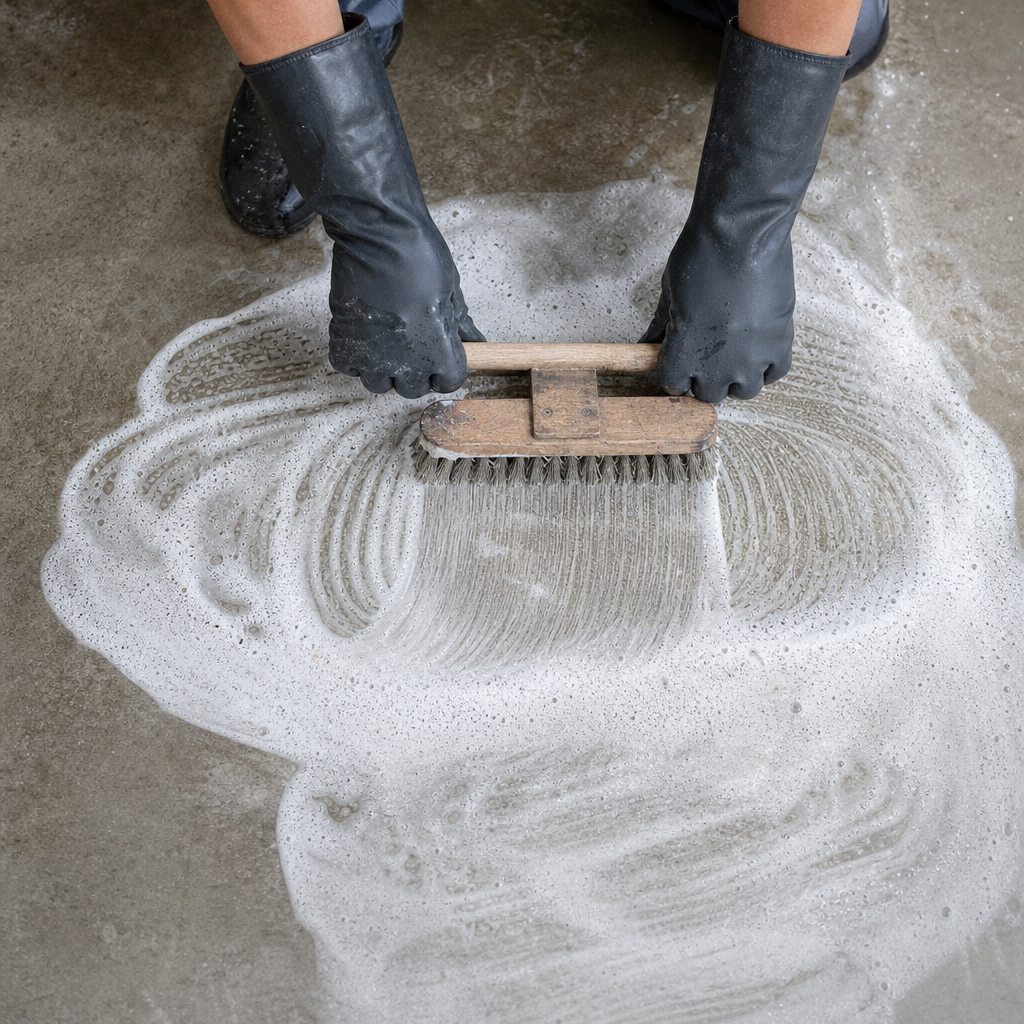
Exposed materials should be cleaned, disinfected, or removed depending on the extent of contamination. If extensive contamination is present, consider seeking professional assistance.
Step 5: Clean, Sanitize, and Disinfect Surfaces
Surfaces exposed to sewage must be thoroughly cleaned and disinfected.
EPA Cleaning and Disinfection Protocol
Follow EPA disinfection guidance for areas and items exposed to sewage:
- Wash surfaces and equipment: Wash exposed equipment, tools, clothing, and areas thoroughly.
- Disinfect: Disinfect exposed items or areas with a mixture of 90 percent water and 10 percent household bleach.
Step 6: Structural Drying and Ventilation
According to Floodline Restoration Co., proper drying is essential after water extraction, cleaning, and disinfection.
Drying Requirements
Affected areas should be dried thoroughly and must not be used until completely dry for at least 24 hours.
How Sewage Backups Damage Structural Components
Standing sewage and excess moisture can damage building components and surfaces if water is not removed and the area is not thoroughly dried.
Sewage Backup Cleanup Costs and Insurance Considerations
As noted by Floodline Restoration Co., costs for sewage cleanup vary based on the extent of the water damage and the size of the contaminated area.
Homeowners Insurance Coverage
Insurance coverage depends on the specific policy and the cause of the backup. Standard homeowners insurance commonly does not automatically cover sewer or drain backup.[4]
Frequently Asked Questions About Basement Sewage Cleanup
Is it safe to clean up raw sewage in my basement myself?
Direct contact with sewage should be avoided. Anyone in the area should use protective clothing, long rubber gloves, and face splash shields. According to EPA enforcement material, electrical power should be turned off before approaching contaminated areas. For extensive contamination, consider professional assistance.[5]
How long should a flooded basement dry before being used again?
Affected areas should be dried thoroughly and must not be used until they have been completely dry for at least 24 hours.
Does homeowners insurance cover sewage backup cleanup?
Coverage depends on the specific policy and the cause of the backup. Standard homeowners insurance commonly does not automatically cover sewer or drain backups.[3]
What items must be thrown away after contact with sewer water?
Exposed equipment, tools, clothing, and surfaces should be washed and then disinfected with a mixture of 90 percent water and 10 percent household bleach, while items with extensive contamination may need professional evaluation or removal.
When should I call a professional restoration company instead of DIY?
You should consider professional assistance from a provider like Floodline Restoration Co. if you are dealing with extensive contamination or if you cannot safely remove sewage, clean, and disinfect the affected areas.
Need how to clean up sewage backup in basement?
We’re available now - call for a fast, free estimate.
Sources
- STATE OF THE SEWERS 2024 – home4.nyc.gov – home4.nyc.gov (2025)
- Building Performance: Egress from Floodprone Basements – fema.gov (2025)
- Preventing Stormwater Contamination from Sanitary Sewage – epa.gov (2005)
- Congressional Record – congress.gov (2007)
- Grants and Forward Thinking Prevent Sewer Backup – fema.gov (2007)
Related reading: Local Water Damage Restoration Services – Call Now-10% Off – Same-Day Service – Free Estimate
Related reading: Water Damage Restoration Steps – Call Now-10% Off – Same-Day Service – Free Estimate
Related reading: Emergency Property Damage Restoration – 10% Off & Free Estimate – On-Site in 60 Minutes
Frequently Asked Questions
Can porous materials like carpeting and drywall be saved after a basement sewage backup?
Porous materials such as carpet padding, drywall, and insulation absorb Category 3 blackwater pathogens and generally cannot be salvaged through surface disinfection alone. These contaminated structural elements must be safely removed and disposed of according to biohazard protocols. Calling Floodline Restoration Co. ensures hazardous materials are safely stripped, preventing cross-contamination to the rest of your home.
How quickly do mold and airborne bacteria spread after a sewage backup?
Toxic mold spores and dangerous bacterial colonies can begin multiplying within 24 to 48 hours following a sewer overflow. Standard box fans are insufficient and can actually spread airborne contaminants throughout the living areas above. Floodline Restoration Co. deploys industrial air scrubbers and commercial dehumidifiers to sanitize indoor air and prevent secondary microbial growth.
What should I do immediately while waiting for emergency sewage remediation services?
Immediately turn off the electrical breakers to the flooded area, seal off connecting doors to upstairs living spaces, and stop running any household plumbing fixtures. Never enter standing wastewater without specialized biohazard protection. Contact the 24/7 dispatch team at Floodline Restoration Co. right away to mobilize certified technicians for immediate containment, visual assessment, and extraction.
About the author
 |
Marcus Thorne Marcus Thorne is a certified restoration specialist with over a decade of hands-on experience in emergency water and mold mitigation. Drawing on a background in construction management from the New York Institute of Technology, he translates complex restoration procedures into actionable advice for property owners navigating unexpected damage. |
Water damage, flood, or mold emergency?
We’re available now - call for a fast, free estimate.
Call Now - Free Estimate