
Last updated August 25, 2026
Free visual inspection and a written scope of work before any mitigation begins - photos, moisture readings, and drying logs go in your claim file
The scope we write is the scope we bill. Anything new gets shown to you, in writing, before we touch it.
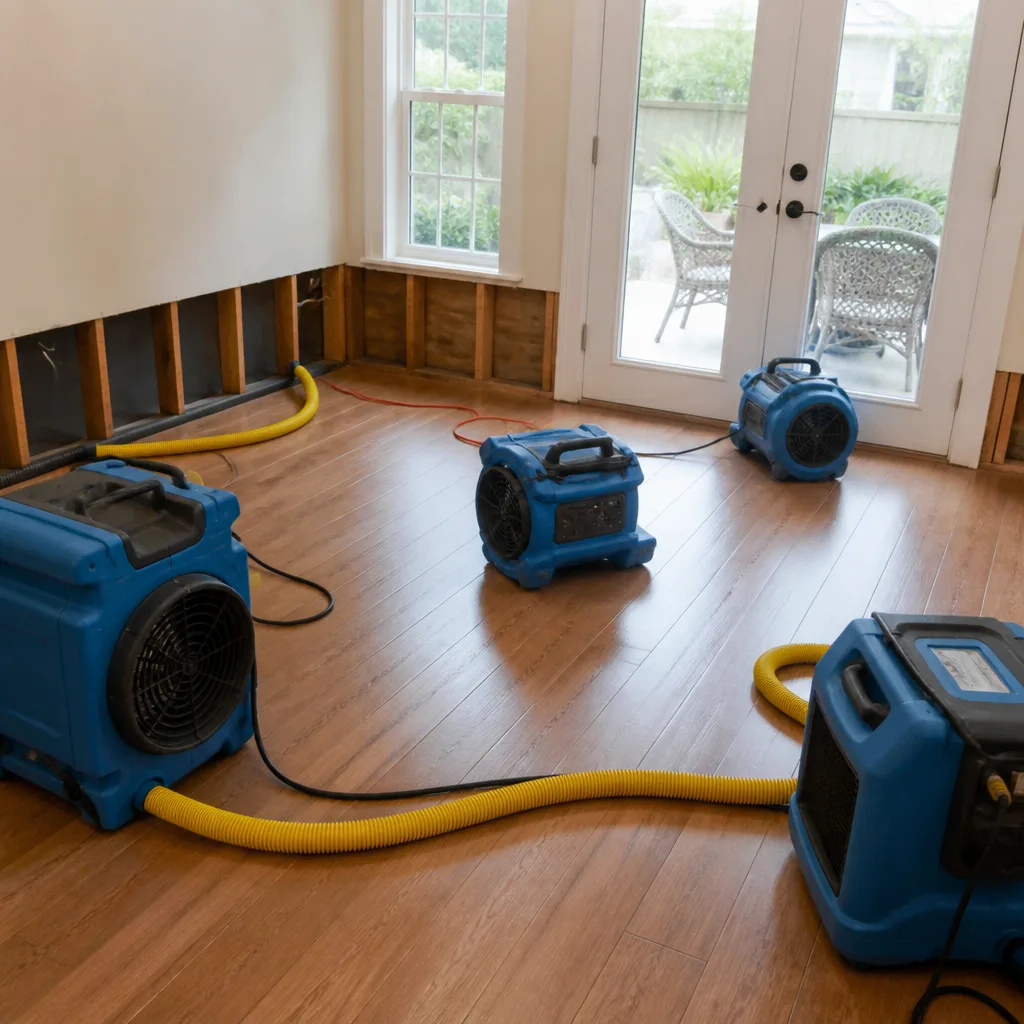
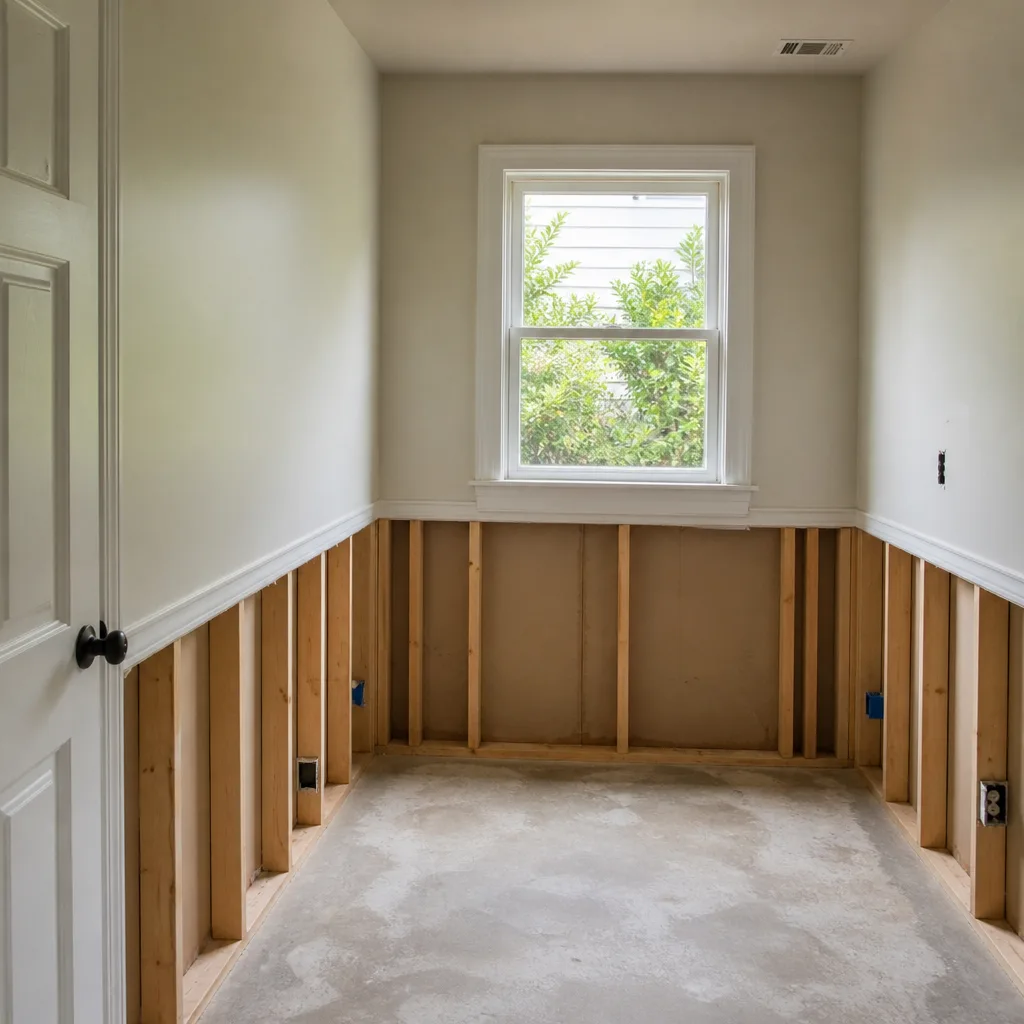
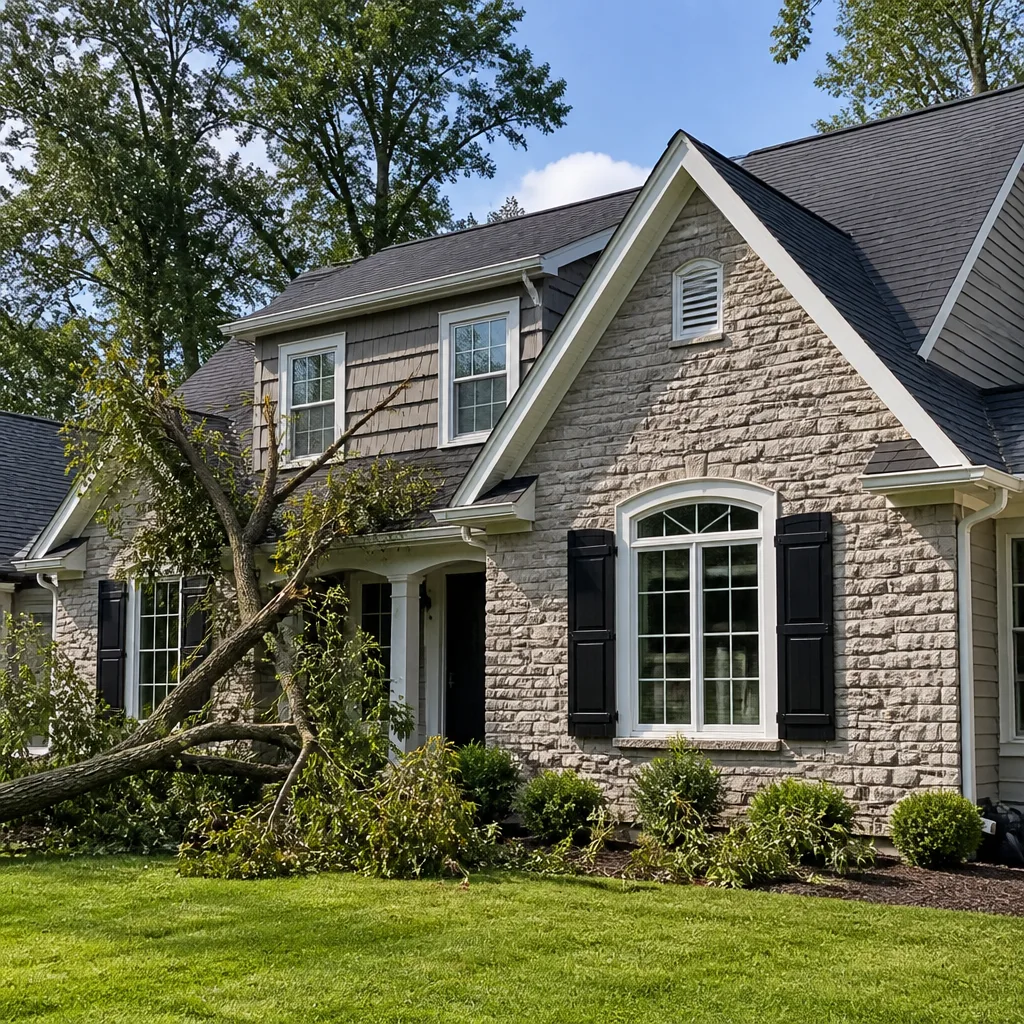
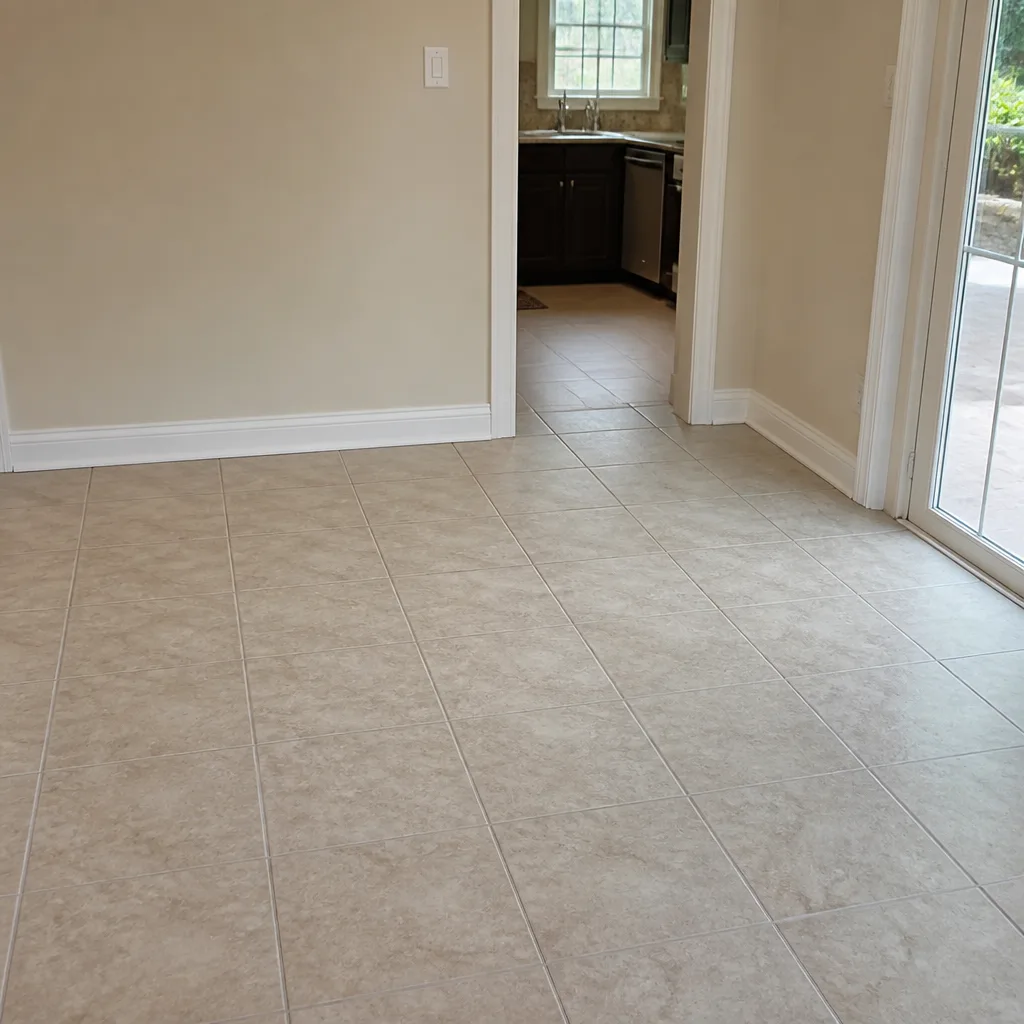
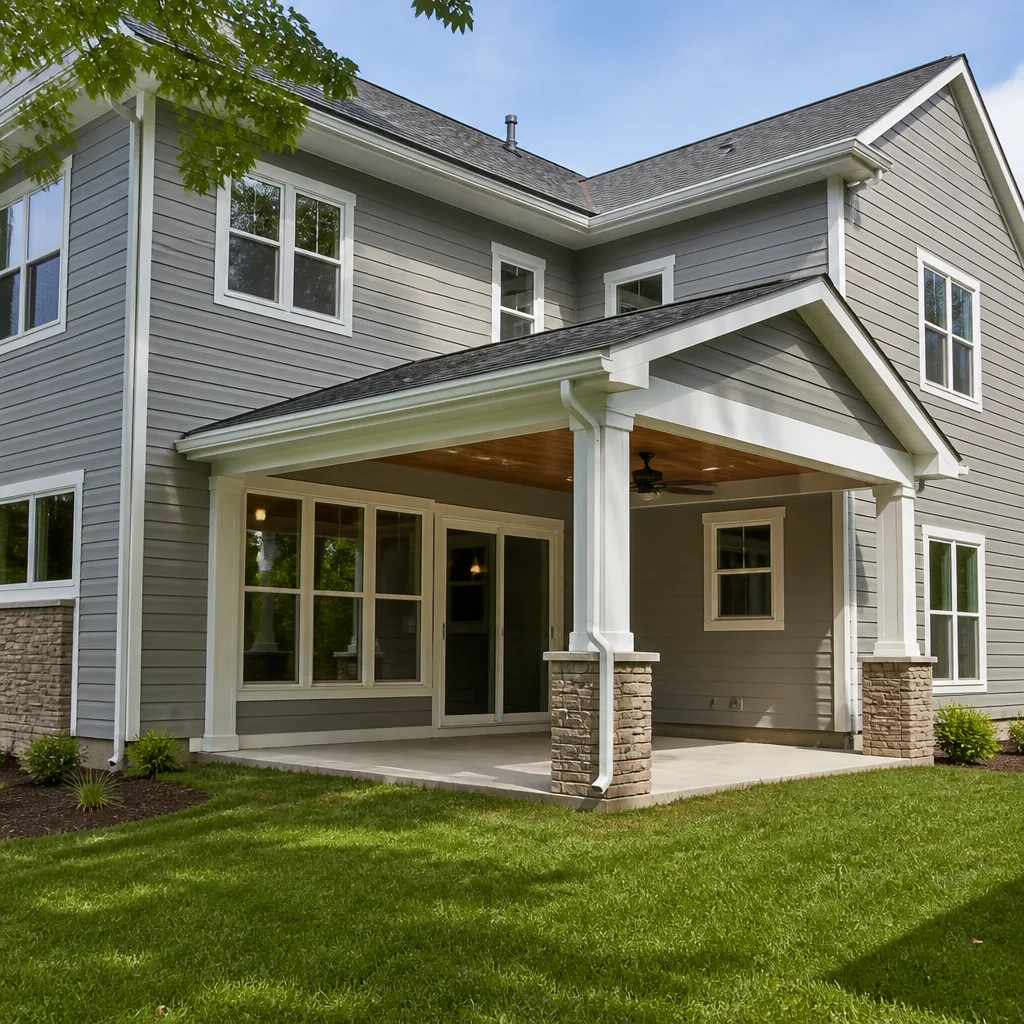
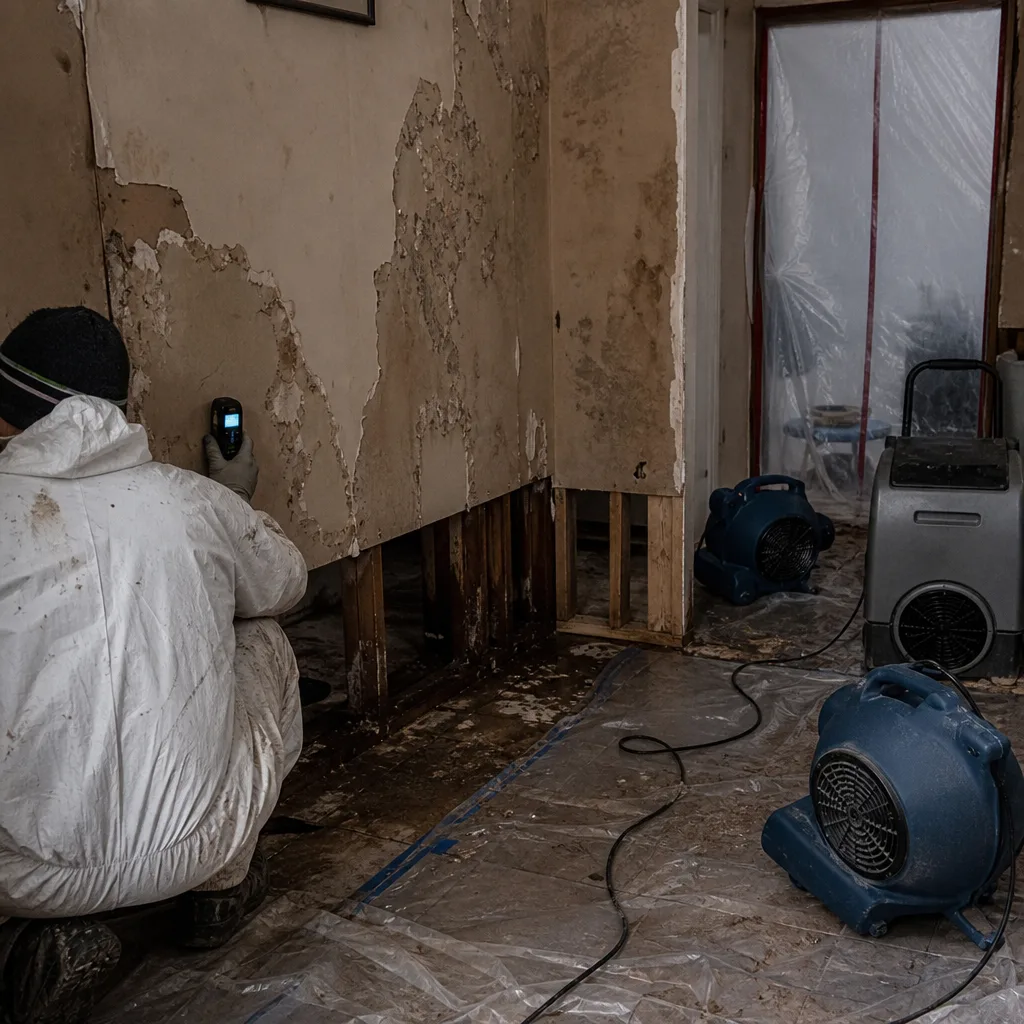 Before
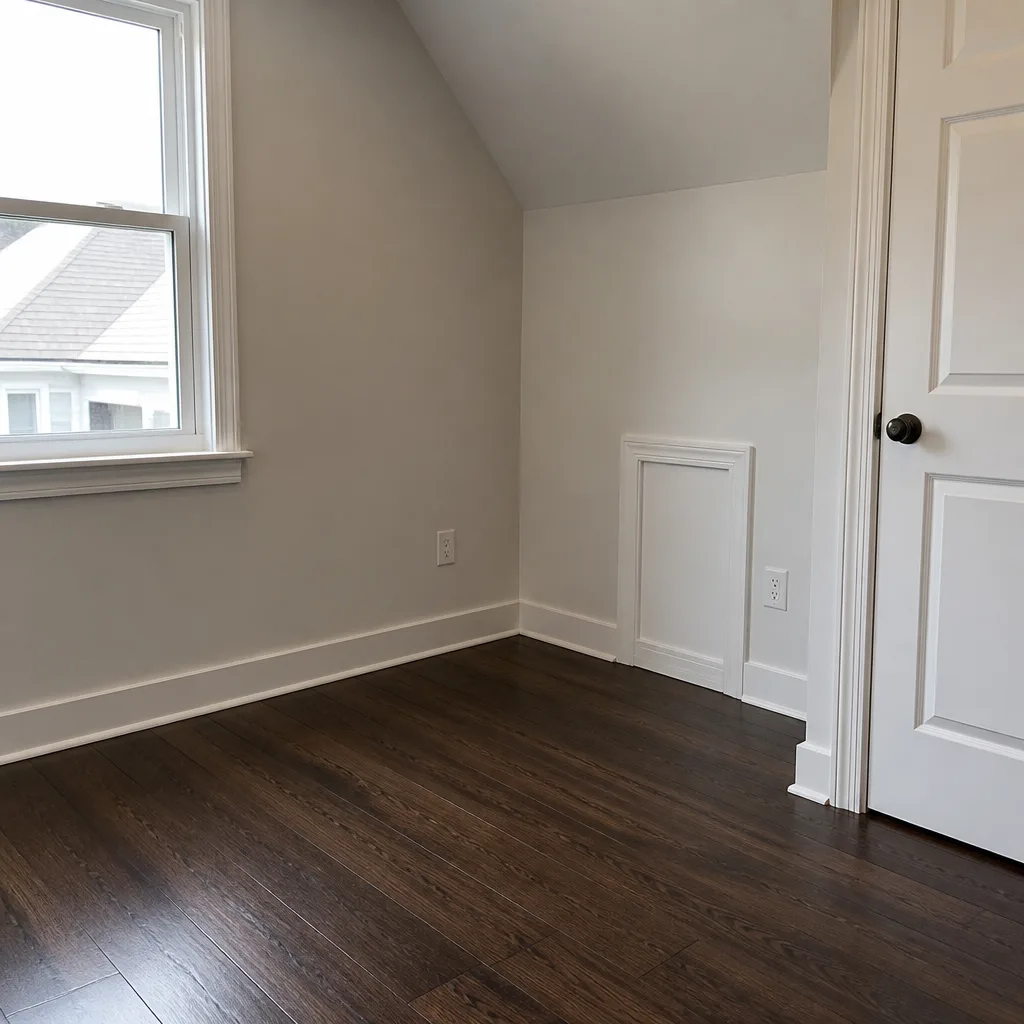 After
After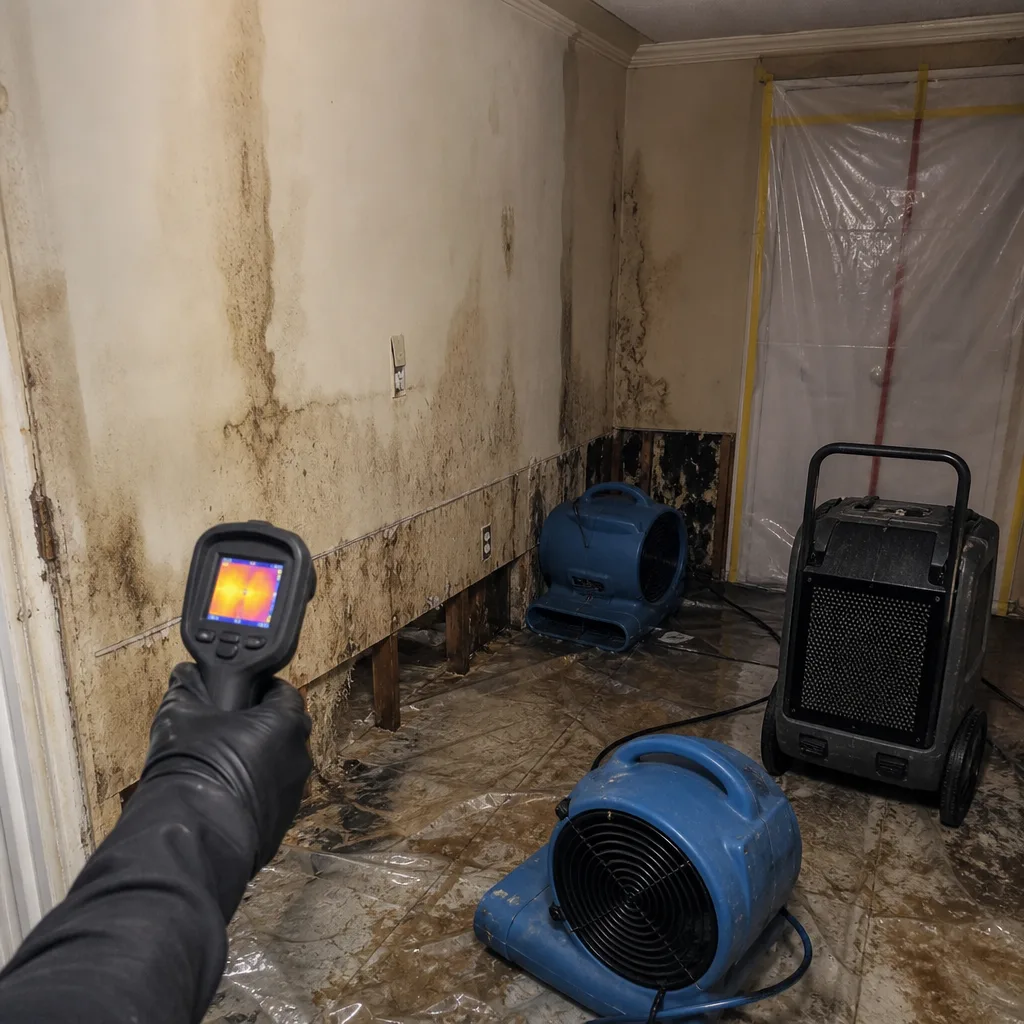 Before
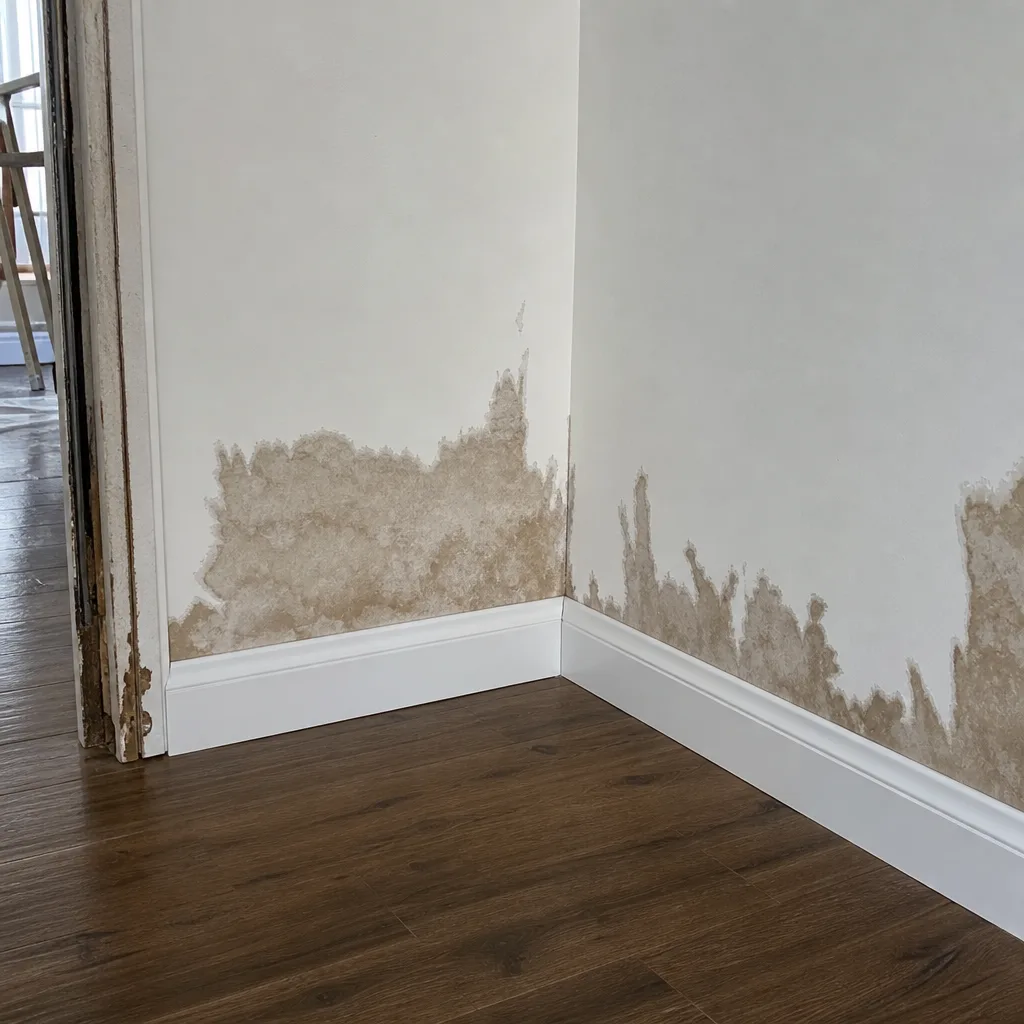 After
After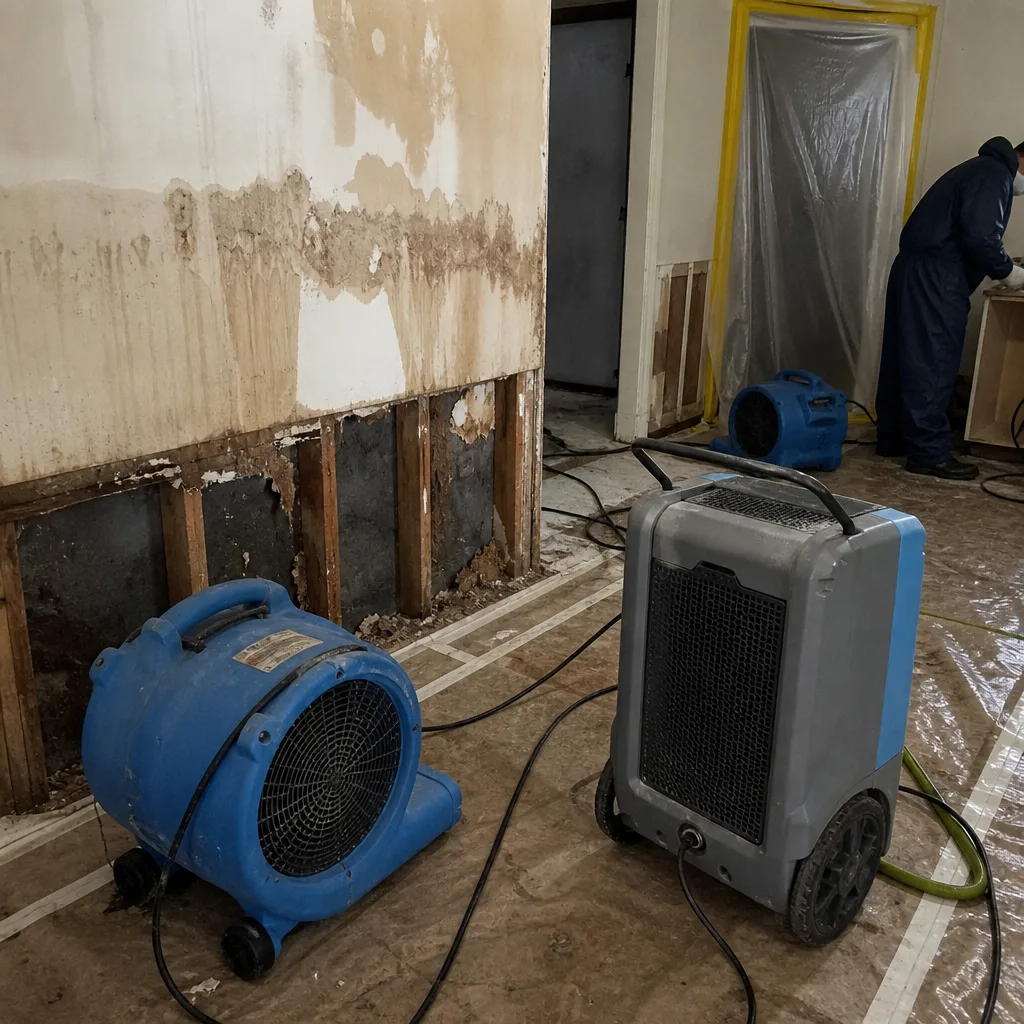 Before
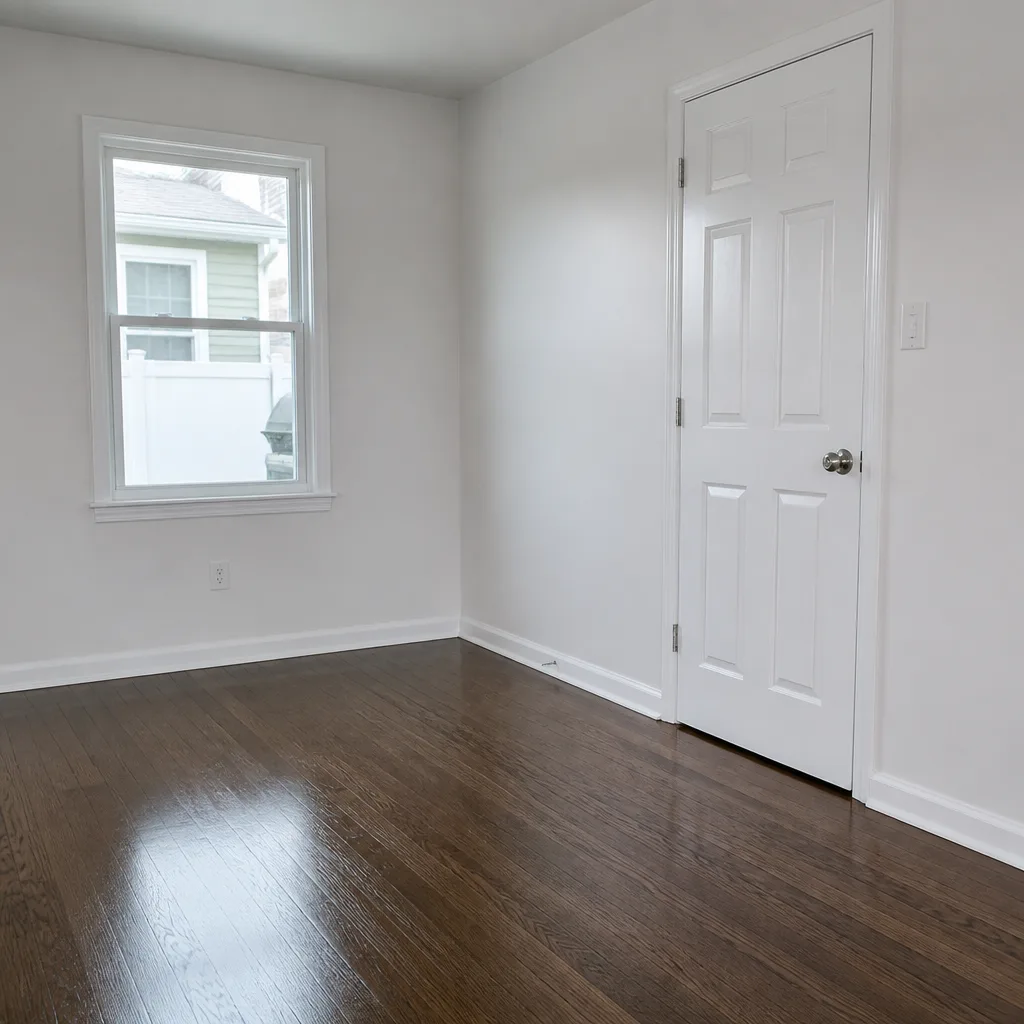 After
AfterDamage Restoration Permits, Codes & Inspections in NY: What You Need to Know
Most homeowners in New York discover the permit question at the worst possible moment: standing in a flooded basement at 2 a.m., or staring at a charred wall while the adjuster asks whether the electrical was brought up to code. The surprising truth is that emergency mitigation work such as water extraction and board-up rarely needs a permit, but the rebuild that follows almost always does. This guide walks through exactly what requires a permit, which codes govern restoration work in Canarsie and greater New York, how inspections actually work, and what happens when work is done without proper approvals. We’ve rebuilt enough homes in this borough to know that the permit path is rarely as tangled as it first looks.
Quick Answer
Emergency restoration work including water extraction, drying, board-up, and temporary shoring generally does not require a permit in New York State. Structural repairs, electrical, plumbing, and any work valued above a local threshold typically does. In Canarsie, Brooklyn, the NYC Department of Buildings issues permits for most restoration rebuilds, while electrical work falls under the city’s electrical code and fire damage involving load-bearing elements almost always triggers plan review.
Table of Contents
- When NY Restoration Work Requires a Permit
- When No Permit Is Needed: The Mitigation Window
- The NYC Codes That Govern Restoration Work
- How the Inspection Process Actually Works
- Canarsie-Specific Considerations: Flood Zones, Age of Housing, and Local Practice
- How Insurance and Permits Interact
- Selling a Home After Restoration: The Paper Trail
- Common Mistakes to Avoid
- When to Call a Professional
- Frequently Asked Questions
- The Bottom Line
When NY Restoration Work Requires a Permit
New York State leaves most permitting authority to local jurisdictions, and New York City has its own set of rules under the NYC Construction Codes. For restoration specifically, the line is not between “damaged” and “undamaged.” It is between mitigation and rebuild. The moment work crosses from stopping further damage into putting a structure back together, a permit is usually required.
Here is what generally triggers a permit in NYC and Canarsie:
- Structural repairs: Replacing sill plates, sistering floor joists, rebuilding bearing walls, or repairing roof trusses after fire or water damage.
- Electrical work: Rewiring circuits affected by water intrusion, replacing a panel damaged by fire, or adding new outlets during a rebuild. NYC requires a licensed electrician to pull an electrical permit, and the work must pass Electrical Inspection.
- Plumbing and gas lines: Replacing water-damaged supply lines, drain lines beneath a slab, or any gas piping touched by fire or flood.
- Wall and ceiling rebuilds of significant scope: Patching a small area of drywall does not need a permit. Reconstructing entire rooms, removing and replacing more than a threshold amount of wallboard, or altering partition layout does.
- Work above a certain dollar value: NYC uses a $5,000 threshold for some minor work exemptions, but restoration jobs typically exceed this once reconstruction begins. An Alt-2 filing (Alteration Type 2) is the standard permit type for restoration rebuilds that do not change use, egress, or occupancy.
Our crews work in Canarsie homes built from the 1920s through the 1960s, and we see one pattern more often than any other: a leak that rotted a joist end at the foundation wall. Replacing that joist is structural work, and it needs a permit and an inspector’s sign-off. Guessing wrong here can mean a stop-work order and a delayed insurance claim.
When No Permit Is Needed: The Mitigation Window
New York’s building codes draw a practical line between emergency response and construction. The goal is to let homeowners stop active damage immediately without waiting on a borough office that opens Monday morning. This matters in Canarsie, where a nor’easter can put three feet of water in a basement on a Saturday night.
Work that can typically proceed without a permit in NY includes:
- Water extraction and structural drying: Running pumps, extractors, air movers, and dehumidifiers to remove standing water and dry the building envelope.
- Board-up and roof tarping: Securing broken windows, doors, and damaged roof sections to prevent further intrusion.
- Temporary shoring and stabilization: Installing temporary supports to prevent collapse while a structural plan is prepared. Permanent shoring requires a permit.
- Debris removal and demolition of non-structural finishes: Cutting out wet drywall, removing ruined carpet and padding, tearing out damaged cabinetry, and disposing of waste.
- Mold remediation within a defined area: NYC does not require a separate mold-abatement permit for most residential work, though the NYC DOB and DEP regulate certain large-scale abatement. A certified remediation contractor handles containment, HEPA filtration, and disposal protocols.
- Applying antimicrobial treatments and sealing: Treating stud cavities with antimicrobials and applying sealers to stop mold before rebuild.
The practical takeaway from our work in Floodline Restoration Co. home is this: if a crew is taking material out or stopping water, no permit. If a crew is putting structure back, permit. The gray zone in between is where a licensed contractor who knows the local inspectors saves you from surprises.
The NYC Codes That Govern Restoration Work
New York City operates under its own set of codes, not the state’s Uniform Code that governs upstate New York. A restoration contractor working in Canarsie needs to navigate the NYC Building Code, NYC Electrical Code, NYC Plumbing Code, NYC Mechanical Code, and NYC Fire Code, all administered by the Department of Buildings. That is five separate books, and they do not always agree with each other.
The codes that matter most for restoration work:
- NYC Building Code (BC): Governs structural systems, fire resistance, materials, and occupancy. Chapter 4 covers existing buildings, and it includes allowances for repairs in kind so a rotted joist can be replaced with the same material without triggering a full upgrade.
- NYC Electrical Code: Adopted from the NEC with city amendments. Water-damaged wiring must be replaced, and that replacement must meet current code. A home built in 1955 will not have arc-fault breakers or GFCI protection in wet areas; restoration is the moment the city requires these upgrades.
- NYC Plumbing Code: Governs water supply, drain, waste, vent, and gas piping. A fire that melts a gas line means that line must be replaced and pressure-tested before the city signs off.
- NYC Fire Code: Controls fire suppression and alarm systems. If a fire damaged a residential sprinkler riser or the panel for a hardwired smoke-alarm loop, restoring those systems involves Fire Code compliance and often FDNY review.
- NYC Energy Conservation Code: If a restoration rebuild involves replacing more than a threshold amount of insulation or fenestration, energy-code triggers apply. This is how a small drywall patch becomes a required insulation upgrade.
One thing worth knowing if you live in Canarsie: many homes here were built before 1938, and the NYC DOB maintains records of far fewer permits and plans for pre-1938 buildings. That means restoration work on older Canarsie homes sometimes lands in a paperwork gray area where the contractor must file an existing-conditions plan or work from a professional’s certification that the work matches the original construction. A contractor who has not worked on pre-war Brooklyn housing will burn time and billable hours figuring that out.
How the Inspection Process Actually Works
The inspection sequence in NYC follows a predictable order, but the timing depends on the borough and the type of work. For a typical water-damage restoration rebuild in Canarsie, the process looks like this:
- Permit filing: A registered design professional (architect or engineer) or an expediter files the application with the DOB. Most restoration rebuilds file as Alt-2 alterations. The filing includes plans, scope of work, and cost estimates.
- Plan review: The DOB reviews the filing. Simple jobs can be approved in a week or two; anything touching structural elements or fire protection takes longer. Professional certification (previously called “self-certification”) can shorten this.
- Permit issuance: Once approved, the permit is pulled and posts on the job site. Work can legally begin at this point for the permitted scope.
- Rough inspections: Inspectors visit at defined milestones: structural framing, electrical rough-in, plumbing rough-in before walls close. The contractor or expediter schedules each inspection, and it happens within a window, not at an exact time.
- Corrections: If an inspector flags an issue, the contractor corrects it and calls for reinspection. This is normal; it happens on most jobs.
- Final inspection and sign-off: The final inspection closes the permit. For jobs involving fire restoration, the FDNY may have its own sign-off before occupancy is restored.
The realistic timeline in Canarsie is that permit issuance takes one to three weeks for a standard restoration rebuild, inspections run over two to six weeks depending on the scope, and final sign-off may lag the completion of the work. This is normal, and it is one reason insurance carriers expect restoration claims to take months, not weeks, to close completely.
Canarsie-Specific Considerations: Flood Zones, Age of Housing, and Local Practice
Canarsie sits at the southeastern edge of Brooklyn, bounded by Jamaica Bay to the south and Fresh Creek to the east. Large portions of the neighborhood fall within FEMA flood zones, including the AE zone, which carries a one percent annual chance of flooding. Hurricane Sandy hit this neighborhood hard, and the insurance and permitting landscape changed permanently after 2012.
Three Canarsie realities shape restoration permits and codes here more than in any other Brooklyn neighborhood we serve:
Flood zone compliance. If a home in the AE zone is substantially damaged defined as repair costs exceeding 50 percent of the building’s pre-damage market value the city requires elevation, floodproofing, or other compliance measures before rebuilding. It is a line no one wants to cross, and the math gets scrutinized closely by both the DOB and the insurance carrier. Canarsie homeowners who lived through Sandy are more alert to this than anyone.
Housing age and legacy wiring. Canarsie’s housing stock skews older. Homes along Avenue L, Avenue M, and the numbered side streets were built primarily from the 1920s through the 1960s. We commonly find cloth-coated wiring, undersized panels, and no GFCI protection in these houses. When water damage touches a wall with legacy wiring, the electrical inspector will require replacement to current code. That is a repair cost, and it is also a genuine safety improvement.
Local inspection rhythms. Brooklyn DOB inspections are scheduled through the borough office. In our experience, Canarsie jobs see roughly the same wait times as the rest of Brooklyn, but structural inspections after storm events get backed up. After a coastal storm, the DOB prioritizes emergency and unsafe-building cases. A homeowner with a damp-basement rebuild may wait longer for a routine inspection. A licensed contractor who knows this plans filing and scheduling accordingly.
How Insurance and Permits Interact
Insurance carriers do not require a permit for mitigation work, and they never have. The standard homeowner’s policy covers emergency water extraction, drying, board-up, and securing the property without any local approval. That is why the first phone call after a flood in Canarsie should always be to a restoration company that can start extraction the same visit.
The interaction changes when rebuild begins. Carriers expect any structural, electrical, or plumbing repair to be permitted, and they expect the permit to be closed and signed off before the final claim payment releases. Here is what that means in practice:
- Permit costs are covered: Building permit fees are a covered expense under most policies as part of the repair costs, within policy limits.
- Code upgrades are usually covered up to a point: Most policies include “building code upgrade” coverage, often 10 percent of the dwelling limit. If a 1960 home needs new breakers under current code, that upgrade draws from this pot.
- The carrier tracks closed permits: Adjusters typically ask for a copy of the final signed permit as a condition of releasing the final payment on rebuild work. An open permit at claim close delays the final check.
- Unpermitted work can void a claim: If a homeowner hires an unlicensed contractor for structural work, skips the permit, and the repair fails, the carrier may deny subsequent claims related to that failure. This is an ugly situation we have seen more than once in Brooklyn.
We bill carriers directly on restoration work, which means our team handles the permit paperwork, the inspection coordination, and the documentation the adjuster needs. The homeowner does not play messenger between us and the insurance company. That is part of how we work from the first moisture map to the final sign-off, and it matches the way we have served Canarsie for over 42 years under our current ownership since 2010.
Selling a Home After Restoration: The Paper Trail
New York’s property disclosure regulations changed in 2024, and sellers now disclose more about past damage than they used to. If a Canarsie home went through water, fire, or mold restoration, the paper trail matters at closing. The buyer’s inspector will look hard at the areas touched by restoration, and the buyer’s attorney may request permit history.
The sequence of events matters more than the events themselves:
- Closed permits with final sign-off: A restored home with closed permits is a curiosity to a buyer, not a red flag. The paperwork says the work was done to code and inspected.
- Open or missing permits: A home with an open DOB permit triggers a hold at closing and can delay a sale for weeks. A home with signs of structural repair and no permit record will likely kill the deal or force a price cut.
- Moisture logs and remediation records: Buyers and their inspectors respond to documented drying records, mold remediation certificates, and before-and-after photos. These are the homeowner’s strongest evidence that the restoration was done correctly.
We hand every homeowner a complete documentation package at the end of a project: the moisture log from day one through the dry standard, the permit and inspection record, the scope written before work began, and the 90-Day Done Right Promise in writing. When a Canarsie homeowner sells twenty years from now, that file is worth something.
Common Mistakes to Avoid
- Treating mitigation as if it is all the restoration needs. Extraction and drying stop the bleeding, but skipping the rebuild plan leads to a half-finished home and compounding damage behind the walls.
- Assuming a general handyman can handle structural repair without a permit. In Canarsie, replacing a rotted rim joist without a permit can trigger a DOB violation and complicate an insurance claim.
- Closing walls before the rough inspection. If the electrical or plumbing is covered before the inspector sees it, the contractor must tear it back open. We have seen this add two weeks to a Brooklyn rebuild.
- Not checking the contractor’s license against the NYC DOB database. A license that sounds good over the phone means nothing until it is verified. NYC maintains a public license lookup, and a legitimate contractor will never hesitate.
- Letting restoration drag into a remodel without telling the carrier. Once a project expands beyond the scope of the original claim, the supplemental claim process gets harder. Document the original condition and the necessity of each additional scope item.
- Ignoring the substantial damage rule in the flood zone. In Canarsie’s AE flood zone, crossing the 50 percent threshold triggers mandatory elevation or floodproofing. A full-scope restoration estimate that strays into that zone changes everything.
- Choosing a contractor who does not know Brooklyn’s inspectors. Local knowledge sounds like a sales line, but it is concrete: who reviews plans, how they interpret the code, what they flag on rough inspections. It saves time and stop-work orders.
When to Call a Professional
Some situations do not wait for office hours, and some problems worsen by the hour. Call a restoration professional the day of the event when water is standing, sewage is involved, or fire damage has compromised the structure’s security. Call before the DOB question even comes up when the damage touches load-bearing walls, electrical panels, or gas lines. And call a local contractor before signing any insurance settlement when the scope is large; the adjuster’s numbers reflect what is visible that day, and a full moisture map often reveals more.
Floodline Restoration Co. offers free estimates in Canarsie. Call (716) 412-2972, and a live person answers, day or night, not a recording.
Frequently Asked Questions
Emergency water extraction and drying do not require a permit anywhere in NYC, including Canarsie. The rebuild that follows structural repairs, electrical replacement, or plumbing work generally does require permits from the NYC Department of Buildings. The safest path is to separate mitigation from rebuild and file permits before any structural work begins.
A standard Alt-2 restoration permit in Brooklyn typically takes one to three weeks from filing to issuance. More complex jobs touching structural or fire-protection systems can take longer due to plan review. Inspections then run over two to six weeks depending on the scope. An experienced Brooklyn contractor plans this timeline into the project schedule rather than pretending it does not exist.
Most homeowner policies cover building permit fees as part of repair costs, and most include a building code upgrade allowance, often around 10 percent of the dwelling limit. That means a 1960s Canarsie home that needs updated breakers or GFCI protection during restoration typically has those upgrades covered up to the policy limit.
Unpermitted structural, electrical, or plumbing work can trigger a DOB violation, a stop-work order, and penalties. It can also complicate or void an insurance claim if the unpermitted repair fails. When a home with open or missing permits goes to sale, the closing can stall or the deal can fall apart.
Large sections of Canarsie fall within FEMA flood zones, including the AE zone near Jamaica Bay and Fresh Creek. If restoration costs exceed 50 percent of a home’s pre-damage market value, the city requires elevation or floodproofing compliance. The threshold is calculated carefully because it changes the entire scope of a project.
New York City does not require a separate residential mold-abatement permit for most homes. Remediation performed by a certified contractor follows containment, HEPA filtration, and disposal protocols. However, if mold damage requires structural rebuild, the rebuild triggers the normal building permit path.
The Bottom Line
Restoration permits in New York come down to one distinction: mitigation stops the damage without a permit, and rebuild puts the home back together with one. In Canarsie, that rebuild path runs through the NYC DOB, with its codes, inspections, and sign-offs, and the timeline is longer than most homeowners expect. Hiring a contractor who understands Brooklyn’s filing process, the flood-zone math, and the insurance documentation saves weeks of delay and genuinely bad outcomes. Done right, restoration leaves a homeowner with a closed permit, a documented moisture log, and a paper trail that holds value for decades.
Written by Curt Bowman, Owner at Floodline Restoration Co., serving Canarsie since 2010.