
Last updated August 25, 2026
Free visual inspection and a written scope of work before any mitigation begins - photos, moisture readings, and drying logs go in your claim file
The scope we write is the scope we bill. Anything new gets shown to you, in writing, before we touch it.
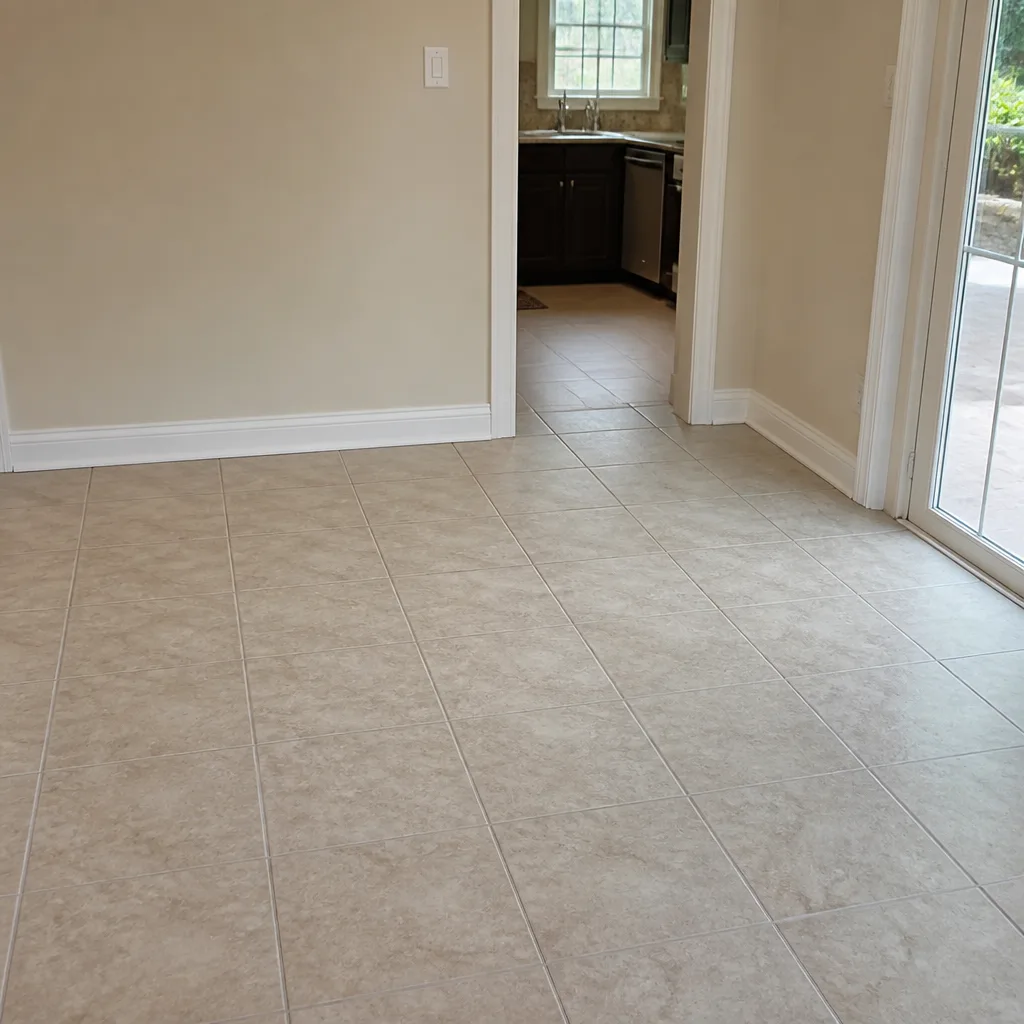
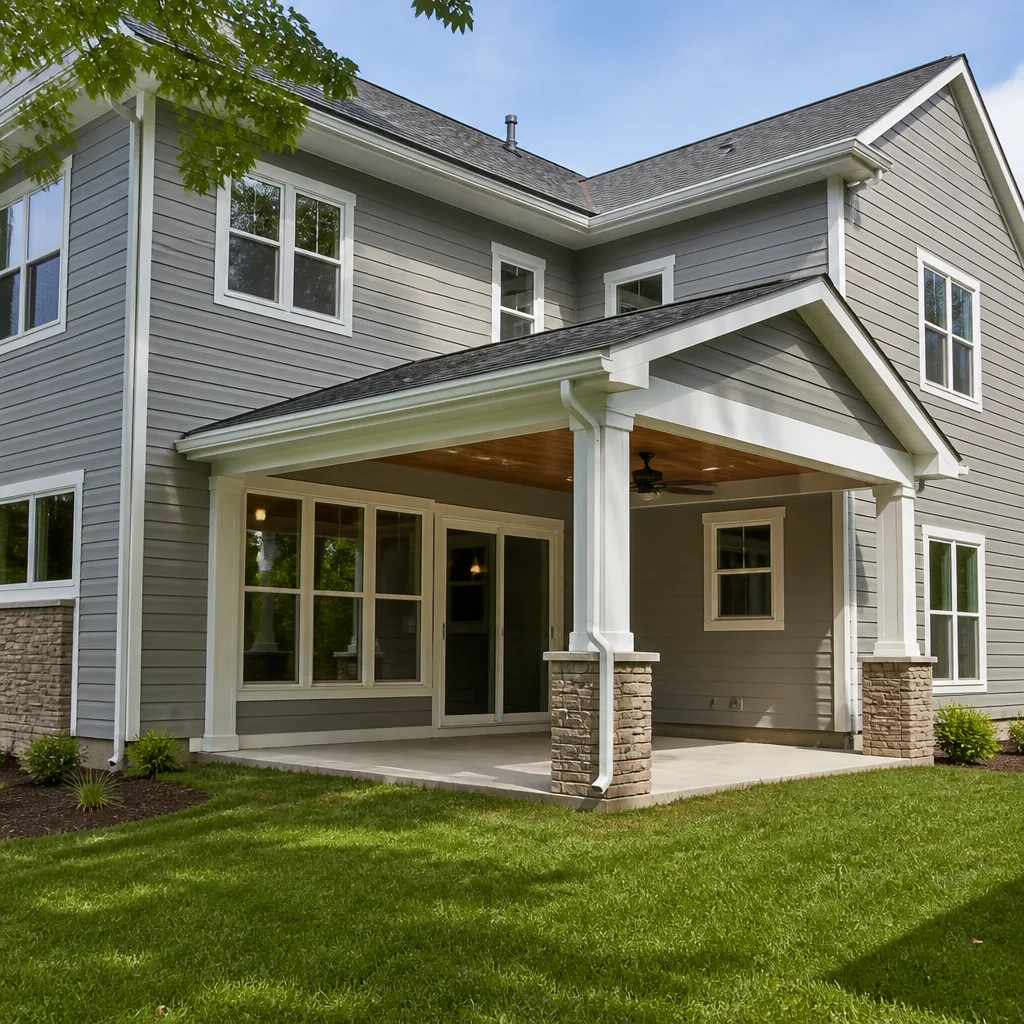
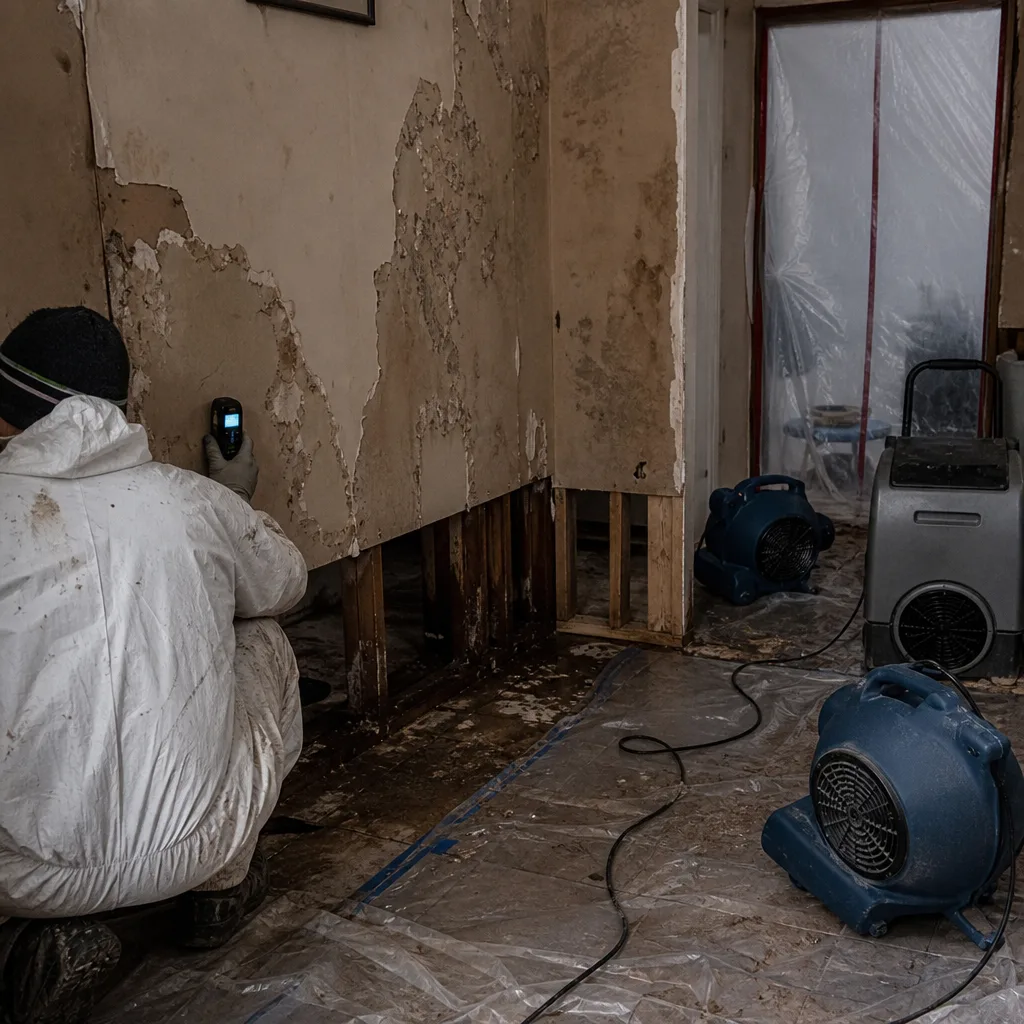 Before
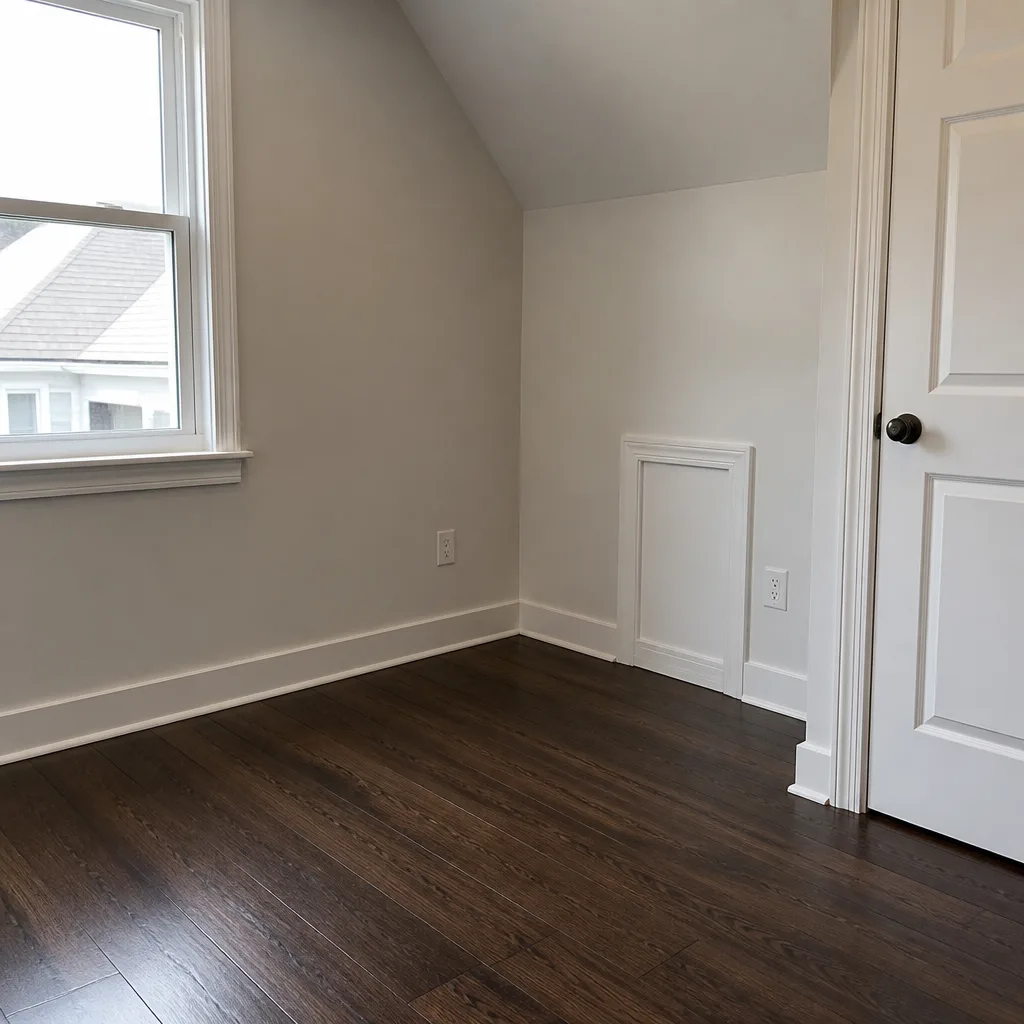 After
After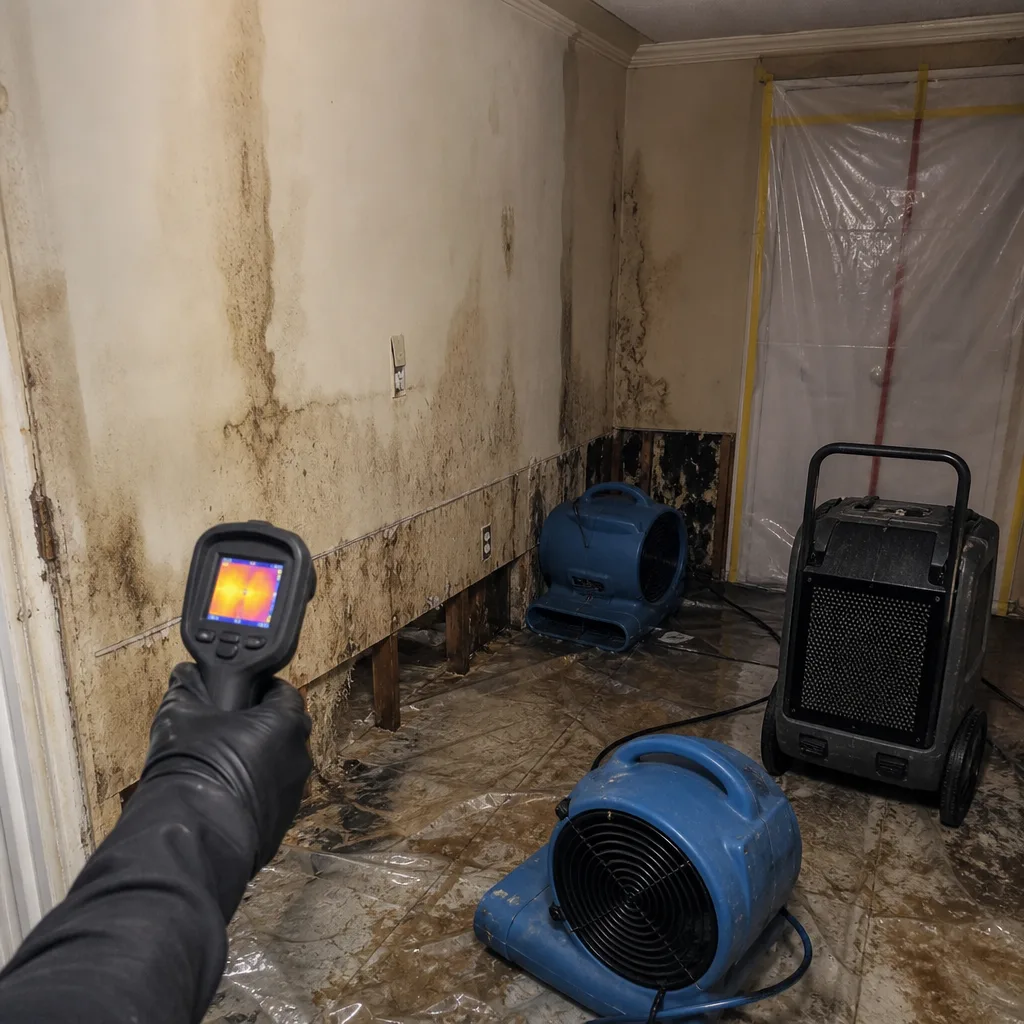 Before
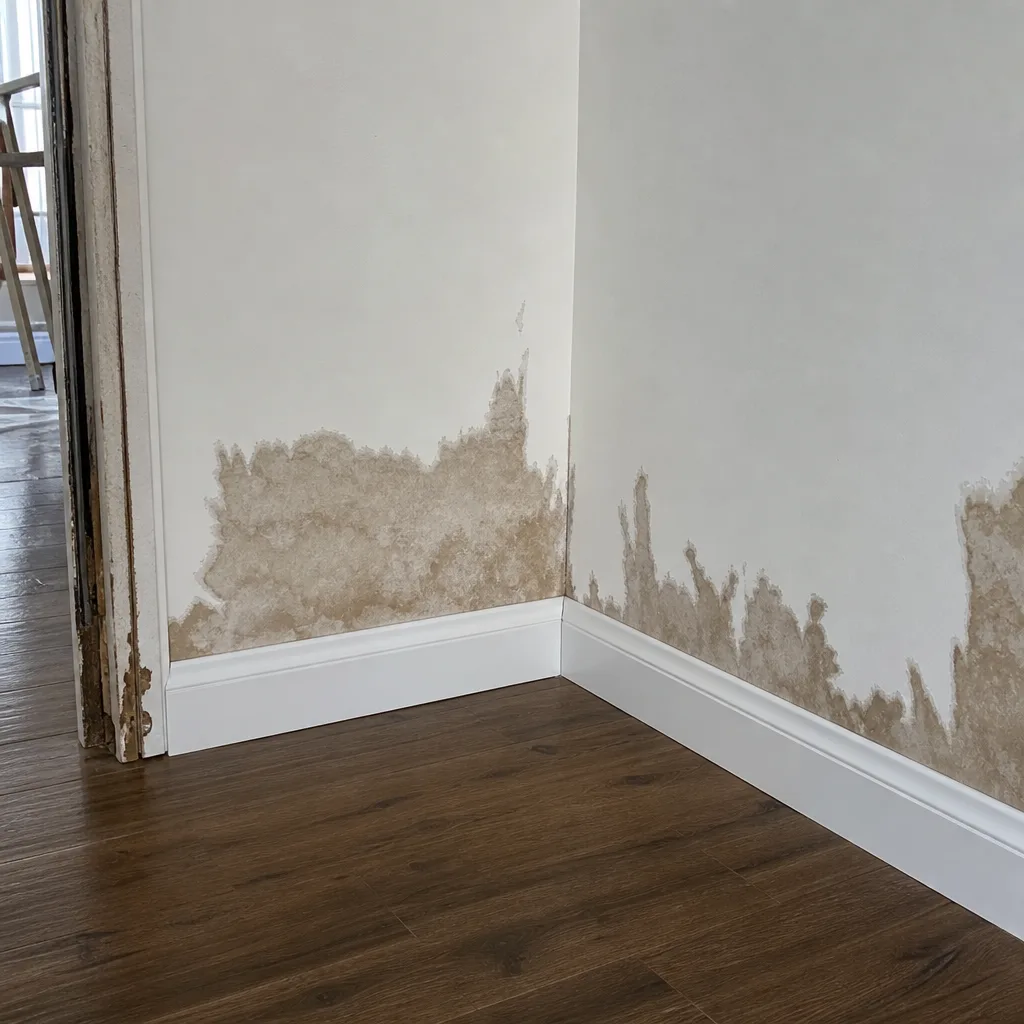 After
After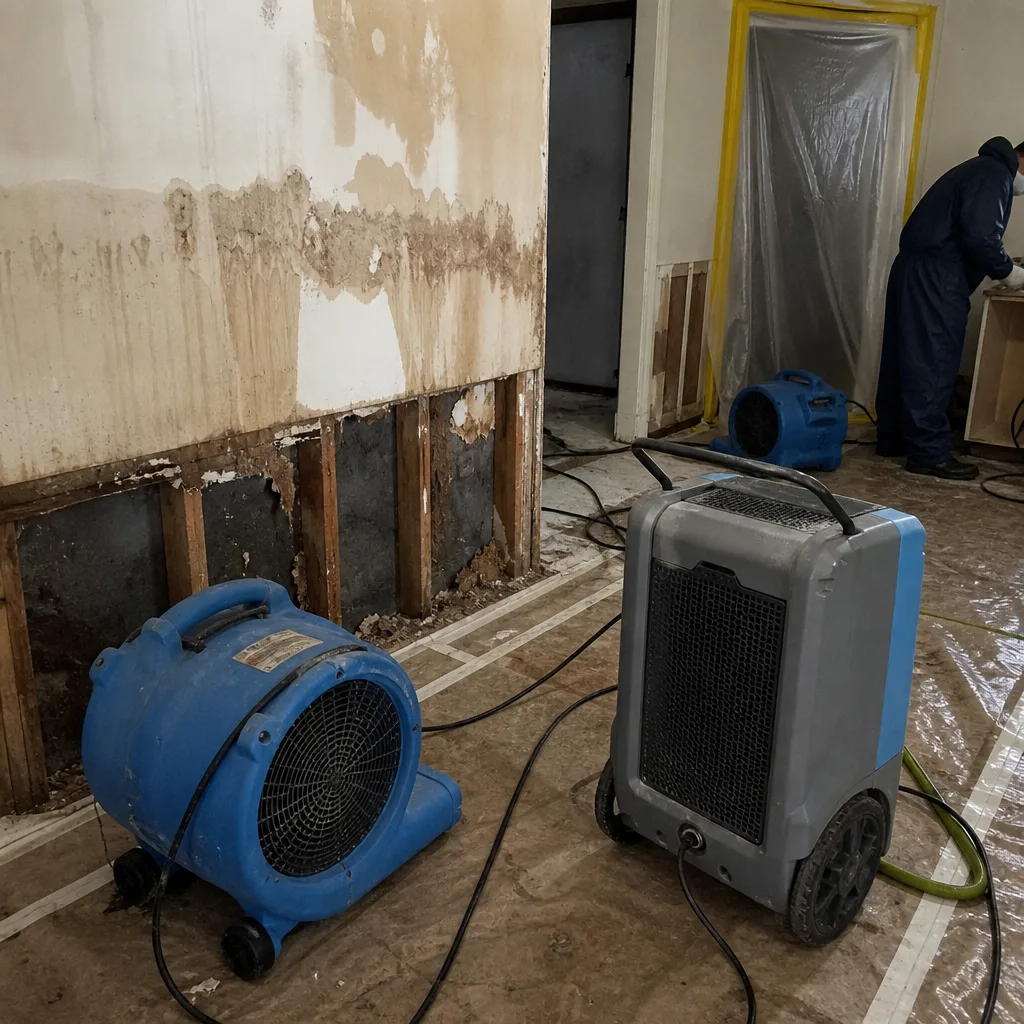 Before
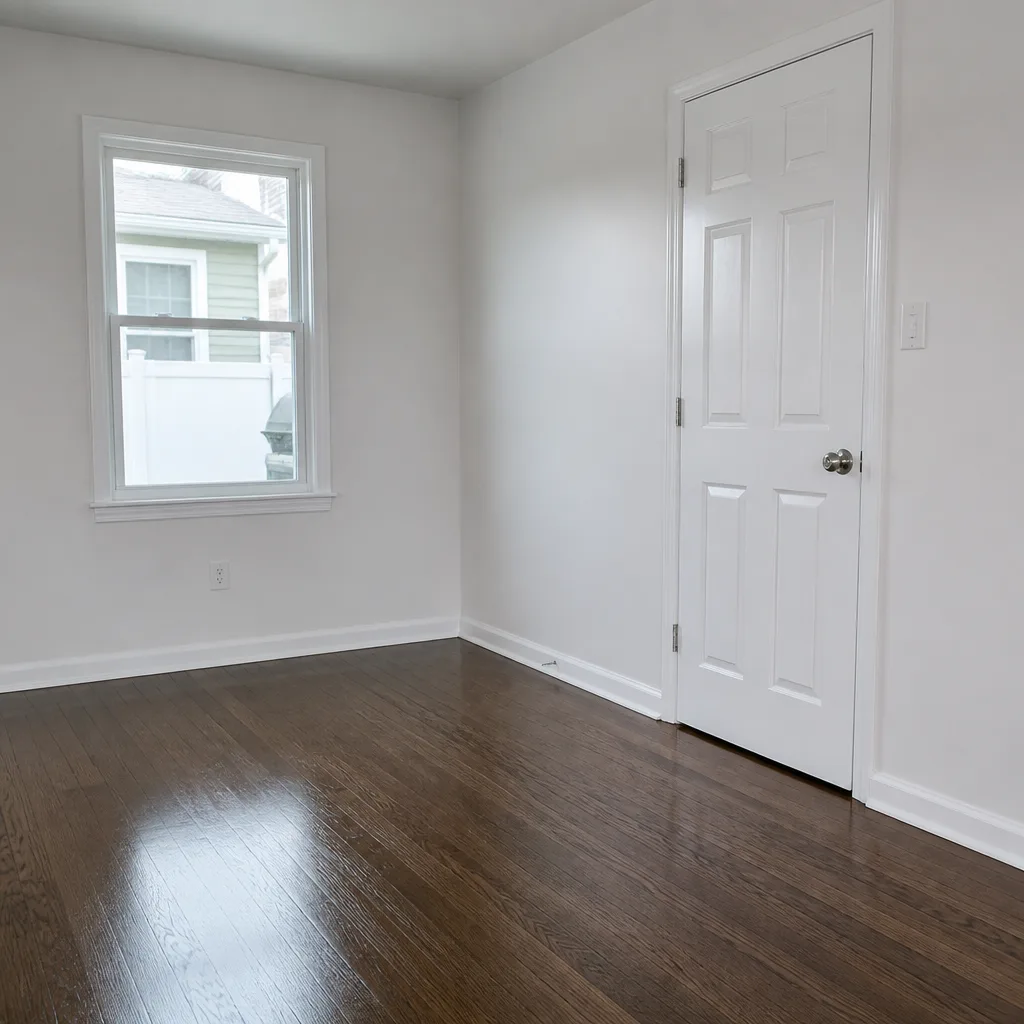 After
AfterThe Complete Guide to Damage Restoration in Canarsie
Most Canarsie homeowners discover their damage problem the same way: a ceiling stain that wasn’t there last month, a musty smell that hangs in the finished basement, or a water heater that gave out at 3 a.m. and left two inches of standing water on the floor. What happens in the first 48 hours after that discovery decides whether you’re looking at a $900 dry-out or a $40,000 rebuild. The worst damage in Canarsie is rarely the dramatic kind. It’s the slow leak behind a wall, the drain pan that’s been weeping for months, the roof flashing that let water in during six different storms before anyone noticed. This guide walks through what Canarsie homeowners actually face, what each type of damage costs, what insurance covers, and when a pro is the only sensible call.
Quick Answer
Damage restoration in Canarsie is the process of removing water, fire, mold, sewage, or storm damage from a home and returning it to safe, dry, livable condition through extraction, drying, remediation, and rebuild. For most Canarsie homeowners, that means acting within 24 to 48 hours of first noticing the problem, documenting the damage for the insurance carrier, and getting a certified restoration crew on site before moisture spreads into framing and drywall. The short version: fast action, written scope, direct insurance billing, and a company that stands behind the work in writing.
Table of Contents
- Water Damage Restoration in Canarsie
- Mold Remediation and Your Health
- Fire and Smoke Damage Restoration
- Storm and Disaster Recovery
- Sewage Cleanup and Biohazard Work
- Reconstruction After Damage: Getting the House Whole Again
- What Damage Restoration Costs in Canarsie
- How Insurance Works for Damage Restoration
- Common Mistakes to Avoid
- When to Call a Professional
- Frequently Asked Questions
- The Bottom Line
Water Damage Restoration in Canarsie
Water damage is the most common restoration job we handle in Canarsie, and it’s the one where speed matters most. Water moves through a house in predictable ways: down through floors, sideways through drywall, and into every porous material it touches. Untreated water damage starts showing secondary problems within 24 hours - warping baseboards, buckling laminate, swelling door frames, and the first signs of microbial growth in dark, damp cavities. Canarsie’s older housing stock, much of it built in the 1950s and 1960s, has plaster walls and solid wood framing that hold water longer than modern materials. A plaster wall that looks dry on the surface can still be holding 18 percent moisture inside, and that’s enough to feed mold for weeks.
Professional water damage restoration follows a specific sequence:
- Assessment and moisture mapping. Technicians use moisture meters and infrared cameras to find every wet surface, including spaces behind walls and under flooring that look dry.
- Water extraction. Standing water comes out first, using commercial extraction equipment rated for hundreds of gallons per minute. The faster standing water is gone, the less it wicks into surrounding materials.
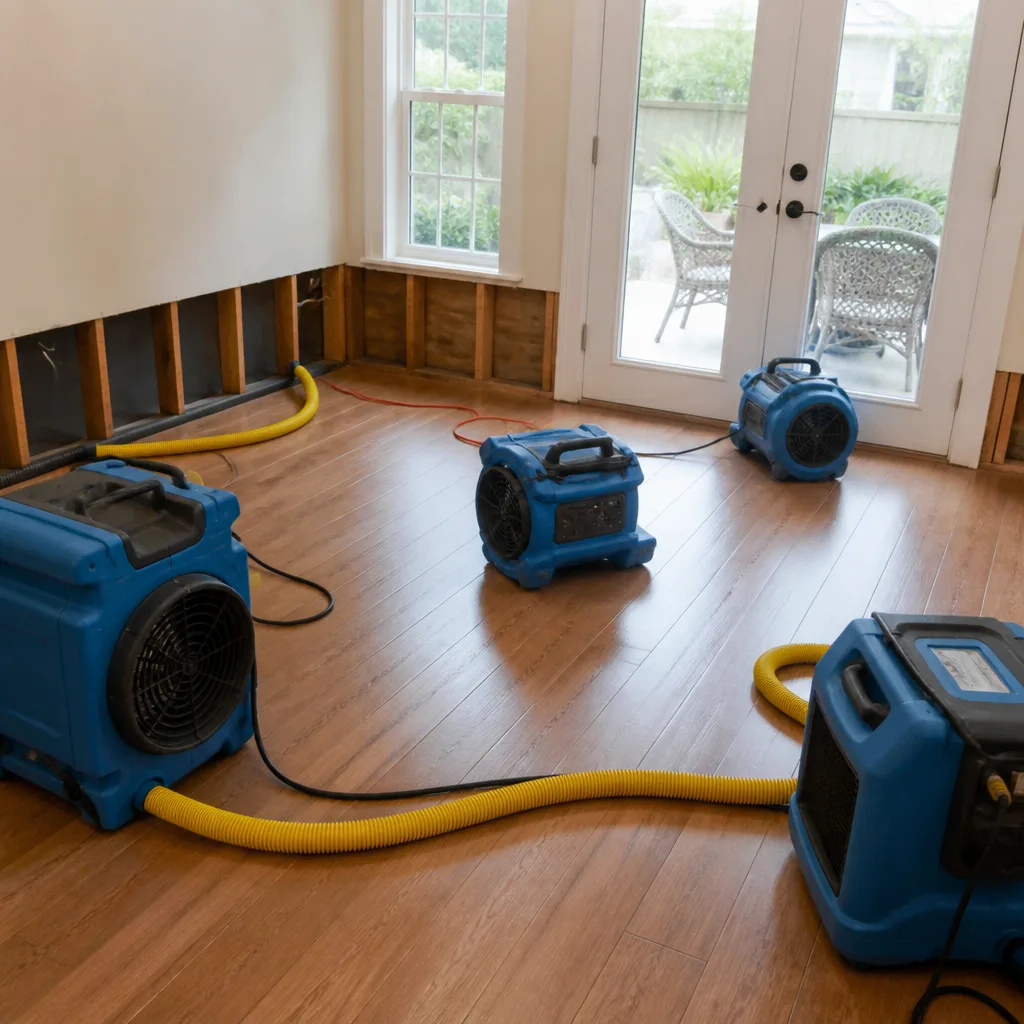
- Structural drying. Professional-grade air movers and dehumidifiers (we run Dri-Eaz and Phoenix equipment, plus XPOWER air movers and B-Air dehumidifiers on larger jobs) create the right conditions to pull moisture out of framing, subfloor, and drywall. This phase runs two to five days on average in Canarsie homes.
- Daily moisture readings. Every day, we log moisture content in the affected materials until the dry standard is met. The homeowner and the insurance carrier both get that log. It’s not a guess; it’s a measurement.
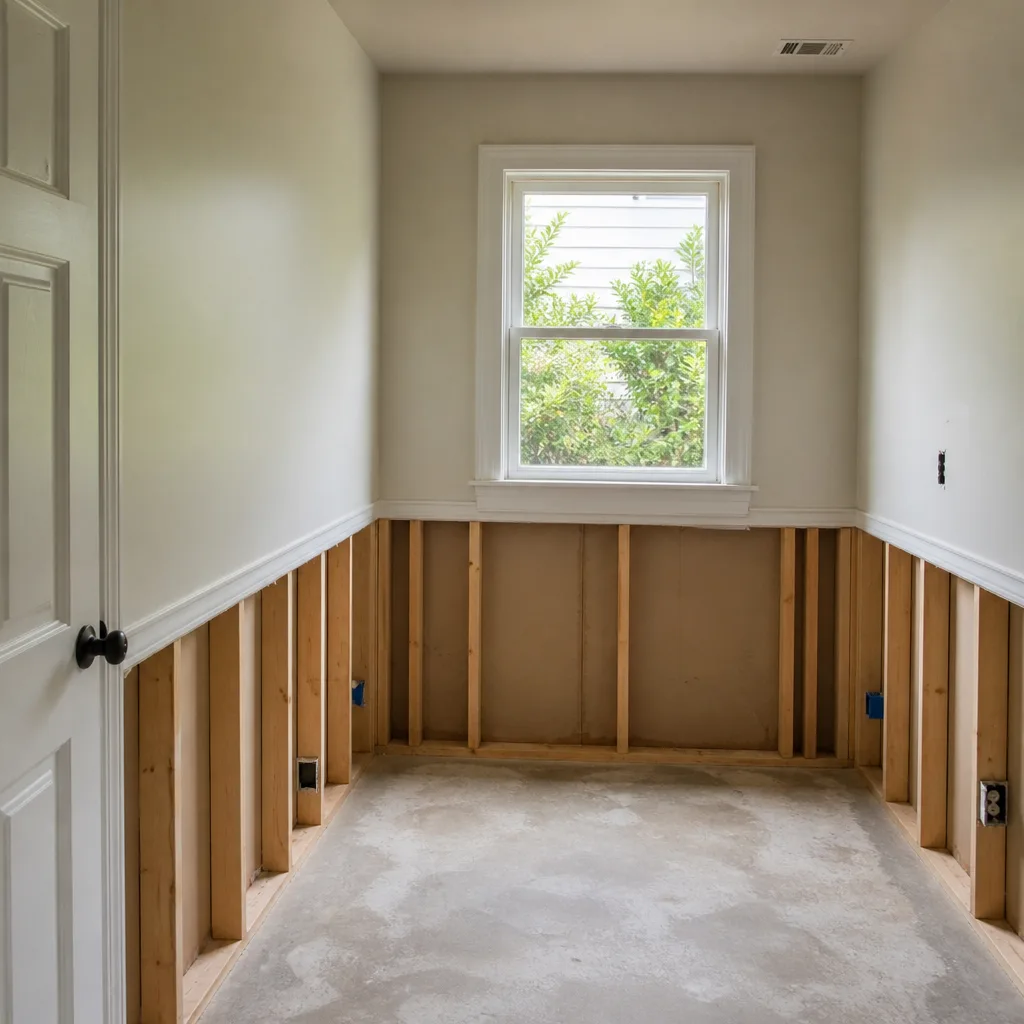
- Controlled demolition and disposal. Materials that can’t be dried - saturated insulation, crumbling drywall, delaminated flooring - come out, get bagged, and are disposed of properly.
- Cleaning and sanitizing. The affected area is cleaned with professional antimicrobial products to prevent secondary problems.
In Canarsie specifically, we see a pattern worth knowing about. Homes near Paerdegat Basin and the southern end of the neighborhood deal with groundwater pressure after heavy rain. Houses with finished basements on the north side of Flatlands Avenue often have older perimeter drains that haven’t been inspected in 20 years. And nearly every home in Canarsie has a boiler or water heater that sits in a basement corner, out of sight, until it fails. When a 40-gallon water heater lets go, it dumps 40 gallons in minutes, and that water finds the lowest point fast.
If you catch a leak early - before water has soaked into drywall or flooring - a thorough dry-out with professional equipment usually prevents the need for major demolition. That’s the cheapest possible version of water damage restoration, and it’s why we tell Canarsie homeowners to call the moment they notice a leak, not after a weekend away.
Mold Remediation and Your Health
Mold needs three things: moisture, organic material (drywall paper, wood, carpet), and time. Canarsie’s humid summers, combined with basements that run cool and damp, create ideal conditions for mold growth in homes that have any history of leaks or poor ventilation. The health concern is real, not theoretical. Mold spores can trigger allergic reactions, asthma flare-ups, and respiratory irritation, and the risk is higher for children, older adults, and anyone with a compromised immune system.
Mold remediation is not the same as cleaning. Cleaning removes visible surface mold. Remediation addresses the moisture source, removes affected materials, cleans contaminated surfaces, and verifies the problem is actually gone. In a Canarsie home with a mold problem, the typical sequence looks like this:
- Containment. The affected area is sealed with plastic sheeting and negative air pressure to prevent spores from spreading into clean parts of the house during the work.
- Source removal. The moisture source - a leaking pipe, a foundation crack, a failed sump pump, condensation - gets fixed first. Remediation without fixing the source is a temporary patch job.
- Material removal. Moldy drywall, insulation, carpet, and padding are cut out and bagged for disposal. Mold grows into porous materials; it can’t be fully cleaned out of them.
- HEPA cleaning and treatment. Remaining surfaces are vacuumed with HEPA-filtered equipment and treated with professional antimicrobial agents.
- Drying and verification. The area is dried to the proper standard, and a post-remediation inspection confirms the mold has been addressed.
The insurance angle on mold matters in Canarsie. Many homeowners’ policies have a mold coverage limit, often $5,000 to $10,000, and some exclude mold entirely unless it results from a covered water loss that was promptly reported. That’s why the adjustment after a leak matters. If a plumbing leak was fixed quickly and the mold is new and directly related, the carrier may cover remediation. If the mold is from long-term humidity and deferred maintenance, you’re often on your own. We bill carriers directly and coordinate with adjusters, because the paperwork on a mold claim is where homeowners most often get lost.
Mold is not something to scrub and ignore. If the affected area is larger than about 10 square feet, or if anyone in the house has respiratory issues, call a professional. Remediation done wrong spreads spores through the house and makes the problem worse.
Fire and Smoke Damage Restoration
A fire inside a home does damage in layers. The first layer is what burned: framing, cabinetry, belongings. The second is what smoke touched: every surface in the adjacent rooms, every textile, every piece of drywall. The third is what you can’t see without equipment: soot inside ductwork, smoke odor trapped in insulation, acidic residue that etches metal and corrodes wiring. A small kitchen fire in a Canarsie rowhouse can leave the entire first floor smelling like smoke for months if the cleanup only addresses the visible burn area.
Fire restoration starts with securing the property - boarding up openings and tarping damaged roofs - then moves through structural assessment, debris removal, soot and odor treatment, and finally rebuild. The sequence matters. Soot is acidic and moves through a house in ways that surprise homeowners. It travels upward with heat, settles into fabrics and porous surfaces, and gets pulled through the HVAC system. If you don’t clean ductwork and replace filters, the first time the heat kicks on in November, the smoke smell comes back.
In Canarsie, attached and semi-attached housing creates a specific challenge: smoke and soot from a neighbor’s fire can enter adjacent homes through shared walls, attics, and crawlspaces. We’ve worked several jobs where a homeowner’s own fire was contained to one room, but smoke traveled through the common wall and left the neighbor’s front bedroom needing full soot cleanup and odor treatment. Your own policy may cover that under certain conditions, with the neighbor’s liability policy handling it under others. The key is documenting everything with photos the day it happens.
Odor removal is the hardest part of fire restoration to get right. It requires more than painting and air fresheners. Professional methods include hydroxyl generators, ozone treatment, thermal fogging, and sealing. The exact combination depends on the fire, the materials burned, and the house. A cigarette-smoke odor from a previous owner is a different job than a grease fire or an electrical fire. In our experience, the homeowners who are happiest with fire restoration are the ones who let the full odor-treatment protocol run its course rather than rushing to repaint.
Storm and Disaster Recovery
Canarsie sits in a coastal flood zone, and anyone who has lived here for more than a decade remembers Superstorm Sandy. The neighborhood took some of the worst flooding in Brooklyn, with water measured in feet rather than inches across the southern end of the neighborhood. Storm damage is different from a plumbing leak in one important way: the water is usually contaminated. Floodwater carries sewage, fuel, salt, silt, and whatever else it picked up along the way. A storm-damaged basement isn’t a drying job; it’s a removal job first.
Storm restoration in Canarsie typically involves:
- Debris and sediment removal. Floodwater leaves a layer of mud and debris that contains whatever the water carried. That layer gets removed before drying starts.
- Contaminated water extraction. Black water extraction equipment and proper PPE are mandatory, not optional. Floodwater is not clean.
- Structural drying. After contaminated materials come out, the structural drying process is the same as for clean water: professional equipment, daily moisture readings, documented dry standards.
- Sanitization. Every surface in contact with floodwater gets treated with professional disinfectants. This is not optional.
- Rebuild. Flood-damaged walls, flooring, and cabinetry are rebuilt to current code, which in a flood zone often means elevation considerations and flood-resistant materials.
The insurance picture for storm damage is complicated in Canarsie. Standard homeowners’ policies do not cover flood damage. That requires flood insurance, usually through the National Flood Insurance Program or a private carrier. Wind damage, however, is typically covered. The distinction between wind-driven rain and rising floodwater can be worth thousands of dollars on a claim, and this is exactly where a restoration company that works directly with adjusters earns its keep. We document what happened, photograph the damage before anything is moved, and communicate with the carrier in their language.
Since Sandy, many Canarsie homeowners have raised mechanicals - boilers, water heaters, electrical panels - above flood level. If your equipment is still at floor level in a basement, that’s worth fixing before the next storm, not after. The cost of raising a water heater is measured in hundreds. The cost of replacing it after a flood, plus the dry-out and rebuild, is measured in thousands.
Sewage Cleanup and Biohazard Work
Sewage backup is a category of water damage, but it’s the category that requires the most caution. Raw sewage contains bacteria, viruses, and parasites. Any material it touches - carpet, drywall, stored belongings, the lower portion of furniture - is considered contaminated and should be removed. Cleanup requires full PPE, proper containment, and strict sanitizing protocols. This is not a job for rubber gloves and bleach from under the sink.
A sewage backup in a Canarsie home usually traces to one of three causes: a clogged or collapsed house sewer line, a blocked or overburdened municipal main backing up through the floor drain, or a sump pump failure during heavy rain. The age of Canarsie’s infrastructure matters here. Older sewer laterals made of clay pipe crack and shift over decades, and tree roots find their way in. When the city’s combined sewer hits capacity during a heavy storm event, the hydrostatic pressure pushes sewage back into basements through floor drains and below-grade toilets. We’ve seen that happen repeatedly in the blocks south of the L train.
The restoration protocol for sewage includes:
- Extraction and removal of contaminated materials using black water protocols.
- Structural cleaning and sanitization of all surfaces in the affected area.
- Drying and moisture verification. Sewage water is still water, and structural drying still matters.
- Clearance testing to verify the space is safe for occupants, particularly in homes with children, older adults, or anyone with health conditions.
Biohazard cleanup - which includes crime scene remediation, unattended death cleanup, and hoarding-related cleanup - follows similar containment and sanitation protocols, with additional care around bloodborne pathogens and emotional sensitivity. If you’re a homeowner facing this situation, you need a professional who handles it discreetly and completely. The emotional weight of these jobs is heavy enough without a homeowner also doing the physical cleanup.
Reconstruction After Damage: Getting the House Whole Again
This is where restoration and remodeling meet, and where the industry most often fails homeowners. A water damage contractor extracts, dries, and then hands you a referral to a rebuild contractor. The rebuild contractor hasn’t seen the moisture map, doesn’t know what was removed and why, and starts from square one. You pay for one company to dry and another to rebuild, and when something doesn’t line up, you’re the messenger between them and your insurance carrier.
The alternative is full-cycle restoration: one crew handles extraction, drying, remediation, and rebuild. That’s how Floodline Restoration Co. works - starting at the Floodline Restoration Co. home base of operations and following every job through to the finished rebuild. The same technicians who read the moisture meter on day one hang the drywall on day ten. The same company that logged daily moisture readings is the one that applies the final coat of paint. There’s no handoff, no inherited crew, and no gap in accountability.
Rebuild work after damage includes:
- Drywall replacement and finishing after water, mold, or fire removal.
- Flooring replacement - tile, hardwood, laminate, and carpet - matched to the existing rooms where possible.
- Cabinetry and millwork, particularly after kitchen fires or lower-level flooding.
- Painting and finishing to return the space to its pre-damage condition.
- Mechanical and electrical repairs where water or fire affected systems - done by licensed trades, not general labor.
Rebuild work is scoped and priced in writing before it starts, like a remodel. We don’t promise same-day rebuild. We promise a written scope, a schedule, and a crew that shows up when we say. In Canarsie, where many homeowners have lived in their house for 20 years and raised their kids there, the goal is to make the house feel like home again - not like it survived a disaster. That means matching trim profiles in older homes, sourcing period-appropriate hardware where it matters, and paying attention to the details that make a house feel cared for.
What Damage Restoration Costs in Canarsie
Restoration pricing depends on the scope of the damage, the materials affected, and the time required. These are real ranges from jobs we’ve priced in Canarsie and the surrounding area, not generic national averages from a search engine. Use them as a guide, not a quote - every job is different.
| Service | Typical Range in Canarsie | Notes |
|---|---|---|
| Small water dry-out (single room, caught early) | $800 - $1,800 | Extraction, air movers, dehumidifier, 2-3 days of drying, daily readings. |
| Full basement water damage (finished basement) | $3,500 - $8,000 | Extraction, demolition, drying, disposal, and rebuild of drywall and flooring depending on extent. |
| Mold remediation (single bathroom, contained) | $1,200 - $3,000 | Containment, removal, HEPA cleaning, treatment, drying. |
| Whole-basement mold remediation | $5,000 - $15,000 | Depends on material removal, sq. footage, source repair, and rebuild. |
| Small kitchen fire restoration | $3,000 - $12,000 | Soot cleanup, odor treatment, cabinet and surface repair or replacement, paint. |
| Sewage backup cleanup (unfinished basement) | $2,000 - $5,000 | Black water protocols, extraction, sanitation, drying. Does not include plumbing repair to the line itself. |
| Storm flooding cleanup (finished basement) | $4,000 - $20,000+ | Amount varies widely with depth, contamination, material removal, and rebuild scope. |
| Full rebuild after major damage | $20,000 - $100,000+ | Depends on square footage, finish level, and code upgrades required. |
Several factors push Canarsie jobs toward the higher end of these ranges. Older homes with plaster walls cost more to demo and rebuild than modern drywall construction. Finished basements with custom trim work cost more to restore than unfinished utility spaces. Homes in the flood zone may require code upgrades during the rebuild - elevation, flood-resistant materials, backflow prevention - that add cost but also add long-term value. And access matters. A narrow Canarsie rowhouse with no rear yard may require all materials to enter through the front door and up a flight of stairs, which adds labor time.
The most expensive restoration job is the one that starts small and spreads. A $400 leak under a sink that goes unnoticed for three weeks becomes a $6,000 cabinet, drywall, and flooring replacement. A $150 water heater pan that wasn’t installed directs $4,000 of water into a finished basement. The cheapest insurance against restoration cost in Canarsie is checking the places you don’t look: under sinks, behind the washing machine, at the base of the water heater.
We offer no-hassle upfront pricing. You get a written scope before the work starts, not a number that grows as the crew discovers things. And we bill the carrier directly on covered losses, so you’re not floating thousands of dollars while the claim crawls through processing.
How Insurance Works for Damage Restoration
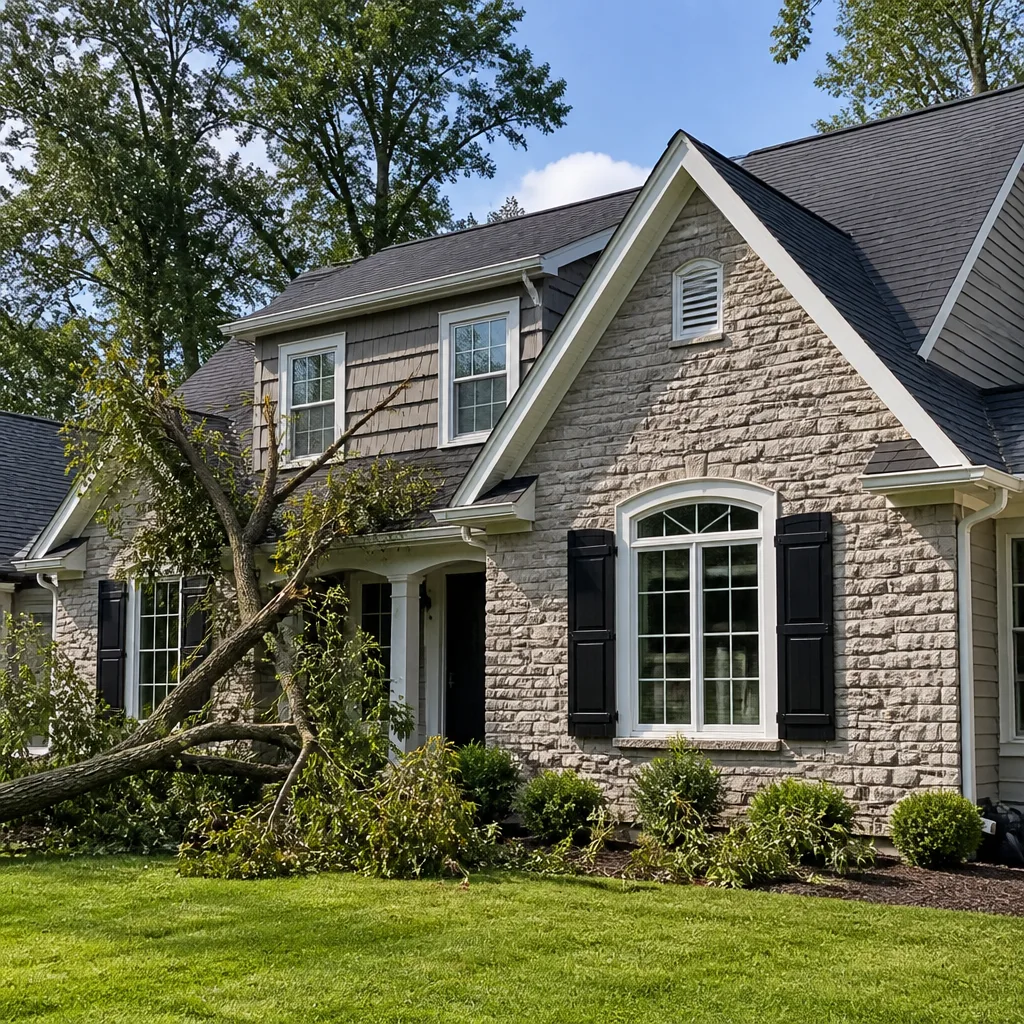
Insurance covers most types of sudden and accidental damage - a burst pipe, a water heater failure, a kitchen fire, a wind-blown tree through the roof. It does not cover gradual damage. That’s the line that matters most. A pipe that bursts overnight and floods the kitchen is a covered loss. A pipe that’s been leaking behind the wall for six months, slowly rotting the studs and feeding mold, is usually labeled a maintenance issue and denied.
Flood damage is the big exception in Canarsie. Standard homeowners’ policies exclude flooding. That is a separate policy, and given this neighborhood’s flood history, it’s a conversation every Canarsie homeowner should have with their agent before the next major storm. Fire and smoke damage are generally covered, though coverage limits and exclusions vary by policy. Sewage backup caused by a sudden, accidental event is often covered under a standard policy or an add-on endorsement, but backup caused by years of root intrusion into a clay lateral may not be. Mold is usually covered only when it results from a covered water loss that was promptly addressed, and coverage is often capped.
Here’s the sequence that gives a Canarsie homeowner the strongest insurance position:
- Call your insurance carrier the day you discover the damage. Most policies require prompt notice. Waiting hurts your claim.
- Take photos of everything before anything is moved. Phone photos with timestamps are strong documentation.
- Mitigate to prevent further damage. Most policies require you to take reasonable steps - shutting off the water, covering the roof opening, extracting standing water. Failing to mitigate can reduce or void coverage.
- Keep everything you remove. Don’t throw away soaked drywall or damaged cabinets until the adjuster has seen them, or until your restoration company has documented them thoroughly.
- Get a written scope from your restoration company. A professional, itemized scope with photos beats a homeowner’s estimate of the damage every time.
We work directly with adjusters for Canarsie homeowners, every day. We know how claims work, what documentation carriers ask for, and how to communicate in their process. Homeowners should not be the messenger between a restoration company and an insurance carrier. That’s how claims stall, and how homeowners get stuck holding unpaid invoices. We initiate the billing directly with the carrier - not because it’s easy, but because it’s the right way to run the job.
Common Mistakes to Avoid
- Waiting to see if the problem resolves itself. Water damage does not resolve. It spreads, soaks, and grows mold. A wet spot on the ceiling that’s “looked fine for now” is hiding a bigger problem above the drywall.
- Running a consumer dehumidifier from the hardware store and calling it done. A small dehumidifier pulls maybe 30 pints a day from the air. A professional unit pulls 150 to 250 pints a day. The difference is the difference between a dry stud and a mold colony.
- Throwing away the evidence before the adjuster sees it. Homeowners understandably want the wet carpet gone, but the wet carpet is the documentation. Take photos, save a sample, and keep the adjuster informed before disposal.
- Believing bleach kills mold. Bleach removes surface staining but it does not kill mold growing inside porous materials like drywall and wood. It also adds moisture to the surface, which is the opposite of what you want.
- Skimping on moisture documentation during the rebuild. If you don’t have moisture readings showing the structure was dried to standard before the walls were closed, you inherit a risk. The next buyer’s inspector will find it, or the mold will.
- Assuming flood coverage is included. It isn’t. This is the most expensive misunderstanding a Canarsie homeowner can have.
- Overlooking the HVAC system after a fire or smoke event. Smoke smell that returns months after the fire is usually coming from the ductwork. It should be cleaned or replaced as part of the restoration scope.
When to Call a Professional
Any time you have standing water in the home from a burst pipe, storm flooding, or sewage backup, call a professional before you do anything else. The immediate risks are real - electrical shock, contaminated water, structural compromise - and the first hour of professional action saves more money than any hour that follows. If you smell a persistent musty odor, see visible mold larger than a dinner plate, or have a family member with respiratory issues, call. If a fire touched your home, even a small one, call - soot and smoke damage extend far beyond the burn area. In Canarsie, Floodline Restoration Co. offers free estimates and answers the phone at any hour. Call (716) 412-2972, describe what you’re seeing, and a real person will tell you what comes next.
Frequently Asked Questions
Floodline Restoration Co. has a live dispatcher answering calls 24/7, 365 days a year. When you call, a real person picks up - not a recording. The goal is to get a certified crew on site the same visit, with extraction equipment running the day you call. In Canarsie, that usually means within hours, not days. Call (716) 412-2972 and ask for the current dispatch time - we’ll give it to you straight.
Sudden and accidental water, fire, and storm damage is generally covered by a standard homeowners’ policy, with flood being the major exception. Flood damage requires separate flood insurance. We can’t tell you over the phone what your specific policy covers, but we can review your coverage details, document the damage, and work with your adjuster directly. The earlier you call, the stronger the claim.
It depends on the material and the extent of the contamination. Hard, non-porous surfaces like tile and sealed concrete can often be cleaned and sanitized. Porous materials like drywall, carpet pad, and insulation absorb moisture and contaminants through their entire thickness. If the affected area is larger than about 10 square feet, or if sewage or floodwater was involved, full remediation is the only way to actually solve the problem. A cleaning alone leaves the contamination in place and sets up a repeat problem.
It’s a written guarantee that covers every restoration and rebuild job we complete in Canarsie and beyond. If something isn’t done right within 90 days of the work, we make it right - no paperwork battles, no arguing. It’s called the Keystone Standard internally, and it’s built on a simple code: Krafted right, Every time, Your home first, Standing behind it. We put it in writing because a promise that isn’t written down is just a sales pitch.
Small, single-room dry-outs typically run $800 to $1,800. Full finished-basement water damage restoration runs $3,500 to $8,000 on average in Canarsie, depending on materials and rebuild scope. Sewage cleanup adds cost due to black-water protocols. The only way to get an exact number is to see the job - which is why we provide free estimates. Call (716) 412-2972 and we’ll schedule a site visit, usually the same day.
Yes. We document the damage, prepare a written scope, and bill the carrier directly on covered losses. Homeowners shouldn’t have to translate between a restoration company and an insurance company. We speak the carrier’s language, provide the documentation they need, and keep you informed at each step. You still make the final calls about your home - we just handle the busywork of the claim.
We serve Canarsie and the surrounding neighborhoods of southeast Brooklyn, including Flatlands, Mill Basin, Georgetown, East Flatbush, and Marine Park. If you’re unsure whether you’re in our service area, call (716) 412-2972 - if we can’t get to you, we’ll tell you so honestly and point you in the right direction.
The Bottom Line
Damage restoration in Canarsie comes down to speed, documentation, and a company that sees the job through to the end. Water, mold, fire, storm, and sewage problems in older Brooklyn homes don’t wait for convenient timing, and the difference between a small dry-out and a major rebuild is often just the first 48 hours. Act quickly, document the scene, call your carrier, and work with a restoration company that puts its promises in writing. Floodline Restoration Co. has served Canarsie since 2010, with live dispatch 24/7, certified technicians, and a 90-Day Done Right Promise that means what it says. If something has already gone wrong in your home, call (716) 412-2972 - a real person will answer, and we’ll be there when we say.
Written by Curt Bowman, Owner at Floodline Restoration Co., serving Canarsie since 2010.