
Quick Summary
Commercial water damage in urban facilities creates immediate structural decay, secondary cross-tenant liabilities, and steep business interruption losses if standing water is not rapidly contained. Floodline Restoration Co. provides a single-source solution for Brooklyn businesses by deploying certified mitigation crews via 24/7 live dispatch within 45 minutes to handle industrial water extraction, structural drying, and direct insurance claims management. Readers will learn how to navigate mitigation phases across all water contamination categories, evaluate structural restoration costs, and immediately mobilize emergency teams to safeguard operational continuity.
Commercial Water Damage Restoration in Brooklyn
When standing water enters your commercial space, our emergency response team deploys to extract water, dry structural assemblies, and stabilize daily operations. Commercial water damage restoration costs vary based on the affected area’s size, severity, contamination classification, and required drying complexity. Because water damage is one of the most common causes of property loss and commercial insurance claims, every hour of delay lets moisture creep deeper into structural assemblies, running up business interruption losses.[2]
Floodline Restoration Co. gives you a direct, single-source response without automated answering services or third-party handoffs. Our certified technicians handle industrial water extraction, structural drying, and full structural rebuilds while working directly with your insurance adjuster. Call our 24/7 live dispatch line now for prompt on-site arrival, a thorough visual inspection, and a clear, written scope of work.
Commercial Water Damage Restoration: Fast Action, Costs, and What to Expect
Commercial Water Damage Restoration: Fast Action, Costs, and What to Expect in brief: Commercial water damage restoration involves rapid water extraction, structural drying, thermal moisture mapping, and decontamination to return a commercial property to operational condition. Professional response starts immediately, with certified crews arriving on-site to pump out standing water, track moisture metrics, and prevent mold growth within shared party walls and concrete sub-slabs.
Water damage is one of the most common causes of property loss and commercial insurance claims, including supply line ruptures and drainage backups. The ultimate restoration price reflects the size of the loss, contamination level, and structural drying complexity.[3]
Immediate Mitigation Timeline
Commercial architecture, especially attached retail storefronts and office spaces, requires immediate containment to stop moisture from travelling through sub-slabs and shared brick party walls. Floodline Restoration Co. uses 24/7 live dispatch for rapid response, arresting capillary absorption before tenant disputes or business downtime expand.
Key Deliverables During First 24 Hours
- Direct deployment of commercial water extraction services and thermal infrared moisture mapping.
- Placement of dehumidifiers to help prevent mold colonization within the initial 24 to 48 hour window.
- Establishment of photographic scopes and documentation for insurance adjuster review.
Emergency Water Damage Restoration
Emergency water damage restoration halts operational downtime through immediate supply shutoffs, bulk extraction, and controlled environmental stabilization. Swift structural mitigation protects commercial inventory, server rooms, and mechanical equipment from elevated humidity levels before porous drywall and subfloors suffer permanent damage.
Signs of Structural Water Intrusion in Commercial Facilities
In urban facilities, water moves quickly through sub-slab capillary action and masonry party walls. Unaddressed moisture moving across boundary walls frequently causes hidden mold growth and triggers secondary liability claims from adjoining tenants. Property managers must detect this concealed dampness quickly to prevent structural decay and avoid extensive professional mold removal costs.
Rapid Extraction and Stabilization Protocols
Water leaks in commercial buildings can lead to massive structural losses if left standing. Certified crews minimize loss severity through an emergency cleanup protocol:
- Rapid Dispatch and Containment: Live 24/7 dispatch sends a response crew promptly to execute active utility shutoffs and set up temporary power distribution.
- High-Volume Extraction: Extraction units pull standing water from basement mechanical rooms, retail floorplates, and storage areas.
- Stabilization: Dehumidifiers and air scrubbers pull moisture out of the air to shield multi-tenant assets from secondary condensation damage.
Flood Damage Restoration
Commercial flood damage restoration removes overland storm runoff, extracts silt and biohazards, and dries structural foundations. Swift stabilization stops sub-slab capillary action and lateral moisture migration through shared party walls, reducing cross-tenant structural liability.
Managing Storm Surge and Coastal Inundation
Coastal surges and seasonal storms push water into low-lying commercial facilities. When stormwaters breach foundations, Floodline Restoration Co. mobilizes commercial water extraction services right away to relieve hydrostatic pressure against foundation walls and basement slabs.
Category 3 Water Sanitization and Silt Extraction
Overland floodwater carries Category 3 silt and biological contaminants into porous masonry. Emergency flood cleanup follows three core steps:
- Sludge and Silt Removal: Pumping out runoff and clearing heavy silt deposits off subgrade concrete slabs.
- Antimicrobial Treatment: Sanitizing porous concrete block walls before microbes activate during the critical 24-to-48-hour post-flood window.
- Structural Drying: Deep-drying shared demising walls to stop lateral moisture transfer and lower overall mold remediation expenses.
Mold Remediation
Commercial mold remediation stops fungal colonization following water intrusion through containment, HEPA air filtration, and antimicrobial decontamination. Mold spores can germinate on wet drywall, ceiling tiles, and structural timber within 24 to 48 hours of water exposure, creating health and liability concerns in multi-tenant commercial spaces.
Commercial Mold Identification and Air Quality Containment
In commercial properties with shared walls, moisture quickly seeps into adjacent units. Remediation specialists build physical containment barriers equipped with negative air machines to isolate work zones, stopping spores from drifting into adjoining offices or retail storefronts.
HEPA Air Scrubbing and Structural Decontamination
To protect building occupants and keep mold cleanup costs under control, the remediation process follows three steps:
- Air Scrubbing: Continuous HEPA filtration captures airborne spores and particulates.
- Porous Material Removal: Controlled tear-out and bagging of unsalvageable water-damaged drywall and insulation following water extraction.
- Fungicidal Treatment: Application of registered antimicrobial agents across exposed wall framing and masonry footings.
Sewage Cleanup
Need commercial water damage restoration?
We’re available now - call for a fast, free estimate.
Commercial sewage cleanup requires immediate biohazard containment, bulk waste extraction, and sanitization to eliminate dangerous blackwater pathogens. In multi-tenant commercial buildings, municipal backups quickly penetrate porous masonry and migrate across shared party walls, requiring certified technicians to eliminate cross-tenant contamination and health risks.
Category 3 Blackwater Hazard Mitigation
Municipal sewer main overloads and commercial plumbing stack failures release hazardous Category 3 blackwater loaded with bacteria and contaminants. Managing these biohazards requires a strict workflow:
- Set up sealed containment barriers and negative air pressure to keep airborne pathogens out of clean tenant suites.
- Run heavy-duty extraction equipment alongside biohazard removal for non-salvageable porous building materials.
Disinfection and Odor Neutralization Protocols
Teams treat subterranean slabs and structural footings with disinfectants. Technicians then run air treatment equipment to neutralize sewer odor compounds, restoring safe indoor air quality so businesses can reopen quickly.
Fire and Smoke Damage Restoration
Commercial fire and smoke damage restoration stabilizes properties impacted by both structural charring and high-volume fire suppression water. Immediate intervention neutralizes acidic soot on mechanical systems, extracts standing water from floors, and stops moisture from soaking through shared party walls into neighboring commercial units.
Combined Water Mitigation and Structural Soot Removal
Fire sprinkler heads release large volumes of water during an emergency. Rapid commercial water extraction services must deploy alongside air scrubbers to pump out suppression water, preserve load-bearing assemblies, and prevent sub-slab moisture accumulation before secondary decay affects adjacent spaces.
Soot Encapsulation and Corrosive Residue Cleaning
Trained technicians manage containment, water removal, and restoration:
- Neutralize soot deposits on structural joists, electrical panels, and HVAC duct networks.
- Run dehumidifiers and HEPA filtration units to dry structural materials and scrub smoke particles from the air.
- Apply specialized sealants to framing timber and masonry surfaces before completing final build-back work.
Burst & Frozen Pipes in Commercial Properties
Commercial pipe bursts release pressurized water through vertical utility chases, saturating multi-level subfloors and porous brick party walls. Prompt commercial water damage restoration stabilizes the plumbing lines, speeds up structural drying, and stops water from traveling laterally into adjoining businesses, preventing costly multi-tenant claims.[1]
Managing High-Pressure Water Losses in Multi-Story Buildings
Supply line bursts and freeze breaks represent some of the most common commercial property claims. When sub-freezing temperatures rupture main risers or overhead sprinkler pipes, industrial extraction crews must intervene immediately to remove cascading water before it ruins retail inventory, office equipment, or electrical risers below.
Cavity Drying Behind Party Walls
To dry masonry structures without gutting structural walls unnecessarily, specialized cavity-drying equipment is deployed:
- Technicians connect targeted drying systems along baseboard lines to direct air into wet wall cavities.
- Continuous airflow pulls trapped moisture out of wall cavities, drying wet structural framing and helping prevent mold growth.
Commercial Basement Flooding Cleanup
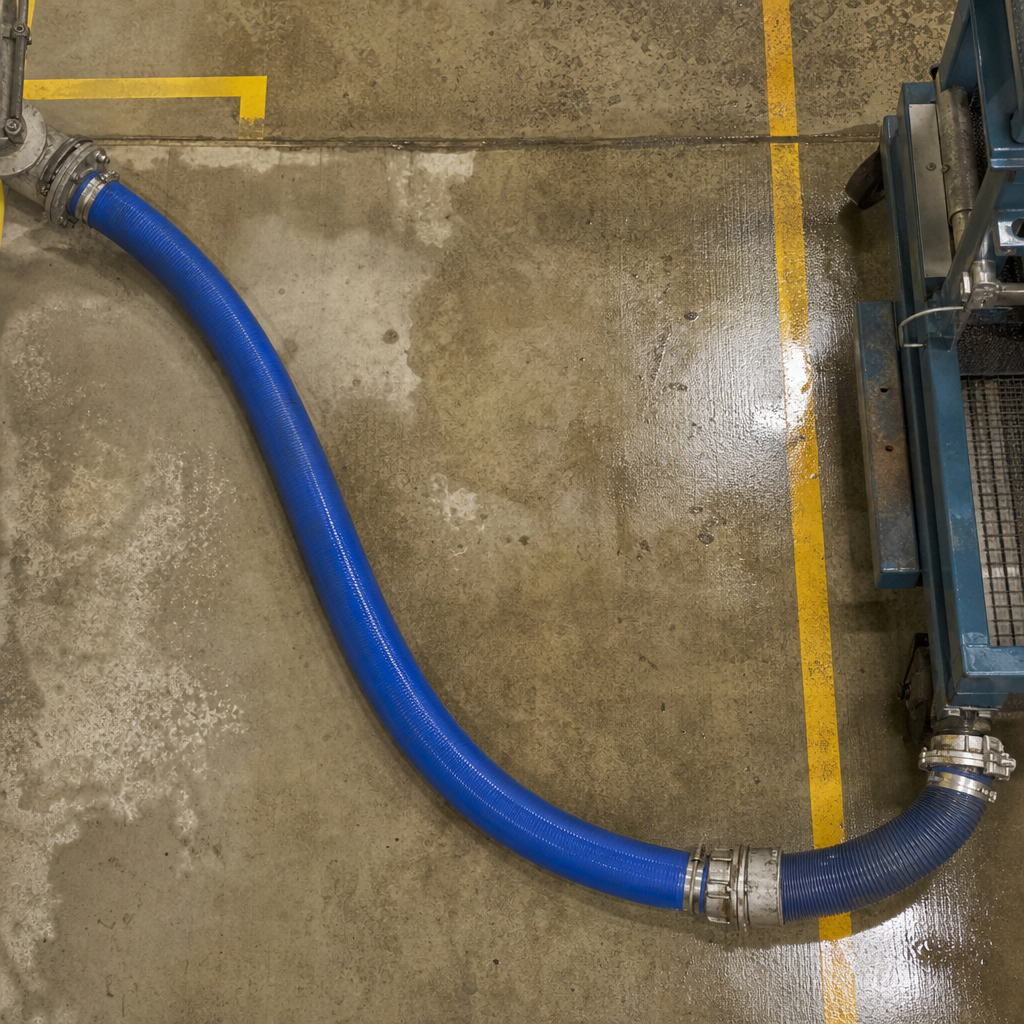
Commercial basement flooding cleanup requires rapid water extraction, sub-slab pressure relief, and dehumidification to stabilize below-grade foundations. In urban properties, standing water penetrates concrete slabs and wicks laterally across shared masonry party walls into adjacent tenant spaces. Swift professional intervention halts deep moisture migration and reduces multi-tenant structural risks.
Sub-Slab Hydrostatic Pressure and Capillary Action
When high water tables or failed sump pumps flood a basement, hydrostatic pressure pushes water upward through pores and micro-cracks in the concrete. Unchecked sub-slab moisture leads to damaged flooring and persistent indoor air quality issues across the entire building footprint.
Industrial Pumping and Deep Dehumidification
Floodline Restoration Co. resolves below-grade flooding through structured drying procedures:
- Rapid Extraction: Deploying submersible pumps and industrial extractors for rapid flood cleanup.
- Dehumidification: Operating dehumidification systems to draw trapped moisture from concrete slabs and structural framing.
- Moisture Monitoring: Tracking moisture baselines across perimeter walls to verify structural dryout.
Roof Leaks & Storm Damage Mitigation
Commercial roof leak and storm damage mitigation stops rainwater intrusion from torn membranes and blocked roof drains before gravity pulls water down through structural decking and shared party walls. Immediate restoration stabilizes the building envelope, removes overhead collapse hazards, and protects multi-story commercial facilities from vertical water damage.
Flat Commercial Roof Drainage Failures
During heavy downpours, clogged scuppers and membrane splits create standing rooftop ponds that stress flat roof decks. Flashing details around HVAC units and parapet walls are common failure points. Prompt response helps relieve rooftop weight loads and extract water before it breaches lower tenant units.
Emergency Tarping and Ceiling Structural Stabilization
Saturated acoustical ceiling tiles absorb water quickly and can collapse without warning onto retail sales floors or office workspaces. Technicians follow a structured stabilization sequence:
- Remove waterlogged ceiling tiles and inspect compromised grid systems to ensure site safety.
- Install heavy-duty exterior tarps or covers over damaged roof sections.
- Set up continuous moisture monitoring along interior masonry walls to track and halt water migration.
Commercial Sewage Backups and Biohazard Extraction
Need commercial water damage restoration?
We’re available now - call for a fast, free estimate.
Commercial sewage backups and biohazard extraction require immediate containment, bulk waste removal, and sanitization to neutralize pathogenic Category 3 blackwater. Fast mitigation halts biohazard migration through porous party walls and concrete sub-slabs, eliminating contamination risks for adjoining businesses.
Commercial Restroom and Grease Trap Overflow Solutions
Restaurant grease trap clogs and plumbing stack blockages push contaminated wastewater across dining and kitchen floor assemblies. Without prompt extraction, this wastewater soaks through floor slabs and travels into neighboring commercial units. Technicians isolate affected utility chases and extract biohazards to protect shared boundary walls.
Biohazard Decontamination Steps
Handling commercial biohazards requires certified safety procedures to protect building staff, tenants, and customers:
- Erect plastic containment zones with air filtration to keep airborne contaminants out of adjacent spaces.
- Perform controlled removal and disposal of contaminated, non-salvageable drywall, trim, and flooring.
- Apply multi-stage antimicrobial washes using registered disinfectants.
- Verify surface sanitization to provide documentation that satisfies commercial health inspections.
Mold After Water Damage: Stopping Spores in 24 to 48 Hours
Stopping mold growth after commercial water intrusion requires drying the space within 24 to 48 hours before dormant spores germinate. When business owners ask how fast mold grows after water damage, active colonies can take hold within 48 hours if indoor moisture levels remain high. Restoration crews halt this timeline by pulling moisture out of shared party walls and flooring assemblies.
The Critical Drying Window for Commercial Facilities
Standard household fans only blow air across wet surfaces, leaving bound moisture trapped inside dense materials and concrete slabs. Commercial water extraction and high-capacity dehumidifiers are necessary during initial cleanup to keep mold from spreading into adjoining tenant spaces and driving up remediation bills.
Moisture Monitoring and Humidity Control
Lowering indoor relative humidity stops fungal reproduction. Floodline Restoration Co. monitors moisture readings across all affected assemblies, giving property owners documented proof of structural drying progress.
Parts & Components We Repair
Commercial water damage restoration requires comprehensive structural reconstruction for building assemblies soaked during a loss. Teams repair structural framing, finished surfaces, and mechanical systems to resolve moisture damage across shared commercial properties.
Structural Framing, Walls, and Flooring Systems
- Wall and Ceiling Finishes: Waterlogged drywall, structural plaster, acoustic drop-ceiling tiles, and metal suspension grids.
- Flooring Assemblies: Cupped hardwood, buckled commercial laminate, VCT tile, saturated carpet, and swollen plywood subfloors.
- Structural Millwork: Wood wall studs, heavy timber joists, metal track framing, commercial cabinetry, and baseboards.
Mechanical, Electrical, and HVAC Components
Below-grade flooding quickly damages utility connections, HVAC components, and foundation masonry. Saturated air pathways require immediate decontamination to prevent indoor air quality hazards. Following bulk water extraction, crews clean and sanitize HVAC ductwork, replace soaked insulation, inspect flooded electrical components, and evaluate basement foundation footings.
What Does Commercial Water Damage Restoration Cost?
Commercial water damage restoration costs vary based on the size of the affected area, severity of damage, contamination classification (clean, grey, or blackwater), and structural drying complexity. Line items document drying equipment, selective demolition, and labor costs for insurance adjusters.
Commercial Restoration Price Breakdown
| Service Phase | Clean Water (Cat 1) | Grey Water (Cat 2) | Blackwater / Sewage (Cat 3) |
|---|---|---|---|
| Extraction & Drying | Standard high-volume pumping and dehumidification | Extraction with targeted surface sanitization | Heavy waste extraction and deep structural drying |
| Containment & Decon | Minimal containment needed | Targeted air scrubbing and washdowns | Full sealed negative air containment zones |
| Party-Wall Remediation | Cavity airflow and non-invasive drying | Targeted cavity drying and antimicrobials | Controlled material removal and structural sanitizing |
Factors Influencing Overall Business Claim Costs
The total cost of a commercial water claim depends on the size of the loss, severity, contamination category, drying complexity, and the extent of business interruption. Starting extraction within the first few hours prevents mold colonization and protects load-bearing masonry, significantly reducing overall repair costs. Sudden and accidental water damage may be covered under commercial property policies, while flooding and other specific exclusions may not be. Floodline Restoration Co. provides clear scopes and works directly with insurers.
Commercial Water Damage Restoration Service Areas
Commercial restoration requires crews ready to dispatch quickly to stop water from migrating through shared party walls and building slabs. Floodline Restoration Co. mobilizes rapid response teams to contain water losses before property damage and business interruption escalate.
Commercial and Waterfront Districts
Response units cover commercial properties, retail storefronts, and industrial facilities. Low-lying waterfront businesses frequently deal with sub-slab capillary moisture during high tides and heavy storms. Fast extraction stabilizes concrete foundations before dampness seeps into neighboring commercial spaces.
Urban Commercial Centers
Because mold multiplies rapidly in unventilated masonry spaces, prompt mobilization allows crews to begin extraction and drying immediately, protecting commercial property owners from expensive secondary remediation across shared walls.
Frequently Asked Questions About Commercial Water Restoration
Frequently Asked Questions About Commercial Water Restoration in brief: Commercial restoration costs depend on the water source, area size, severity, and structural drying complexity. Floodline Restoration Co. provides 24/7 live dispatch with prompt arrival, certified technicians, and direct communication with insurance carriers to resolve claims smoothly.
Managing commercial property damage requires clear timelines, accurate pricing, and prompt physical response. Fast mitigation stops moisture from creeping through shared party walls and saturating concrete slabs, keeping adjoining businesses protected and open.
Local Costs, Turnaround Times, and Insurance Coverage
How much does restoration cost, and does insurance cover it?
Commercial restoration costs vary based on the affected square footage, severity of the loss, contamination level, and drying complexity. Sudden and accidental water damage may be covered under commercial property policies, while flooding and other specific exclusions may not be. Floodline Restoration Co. documents the scope of work and coordinates directly with your insurance adjuster.
How quickly will crews arrive, and how do you protect operations?
The local pros are dispatched promptly upon receiving your call via 24/7 live dispatch to start extraction and stabilization. To keep mold from germinating within the 24-to-48-hour window, technicians place drying equipment and physical containment barriers immediately, allowing neighboring offices or storefronts to continue their daily operations safely.
Need commercial water damage restoration?
We’re available now - call for a fast, free estimate.
Sources
- Water Damage Insurance Claims Statistics (2026) – consumeraffairs.com (2026)
- Managing Water Damage Risk Involves Planning, Diligence – NAIOP – naiop.org (2021)
- Global Claims Review 2022 | AGCS – commercial.allianz.com (2022)
Frequently Asked Questions
Can our business remain operational while commercial water mitigation is underway?
Yes, in many clean and grey water scenarios, certified crews can isolate damaged sections using plastic containment barriers and HEPA negative air scrubbers. Floodline Restoration Co. establishes targeted work zones and discrete equipment pathways so unaffected commercial suites, offices, and retail floors can safely continue daily operations.
How do technicians dry moisture trapped inside shared party walls without heavy demolition?
Crews utilize non-invasive cavity-drying systems connected along baseboard lines to inject high-velocity, dehumidified air directly into wet wall interiors without tearing down structural framing. Floodline Restoration Co. combines targeted airflow with infrared thermal imaging to track moisture evaporation within dense masonry and drywall until dry baselines are met.
What documentation is provided to support our commercial property insurance claim?
Adjusters require photographic records of the initial intrusion, thermal moisture maps, daily psychrometric drying logs, and an itemized line-item scope of work. Floodline Restoration Co. coordinates directly with your insurance carrier from day one, submitting real-time structural documentation to expedite claim approvals and verify proper mitigation.
About the author
 |
Sarah Miller Sarah Miller is a certified water damage restoration specialist with over eight years of experience serving the Canarsie, NY area. Holding a degree in Environmental Science from Brooklyn College, she specializes in emergency response protocols and navigating complex insurance claims for both residential and commercial properties. Her practical expertise helps property owners understand the nuances of restoration costs and effective prevention strategies. |
Water damage, flood, or mold emergency?
We’re available now - call for a fast, free estimate.
Call Now - Free Estimate