
Free visual inspection and a written scope of work before any mitigation begins - photos, moisture readings, and drying logs go in your claim file
The scope we write is the scope we bill. Anything new gets shown to you, in writing, before we touch it.
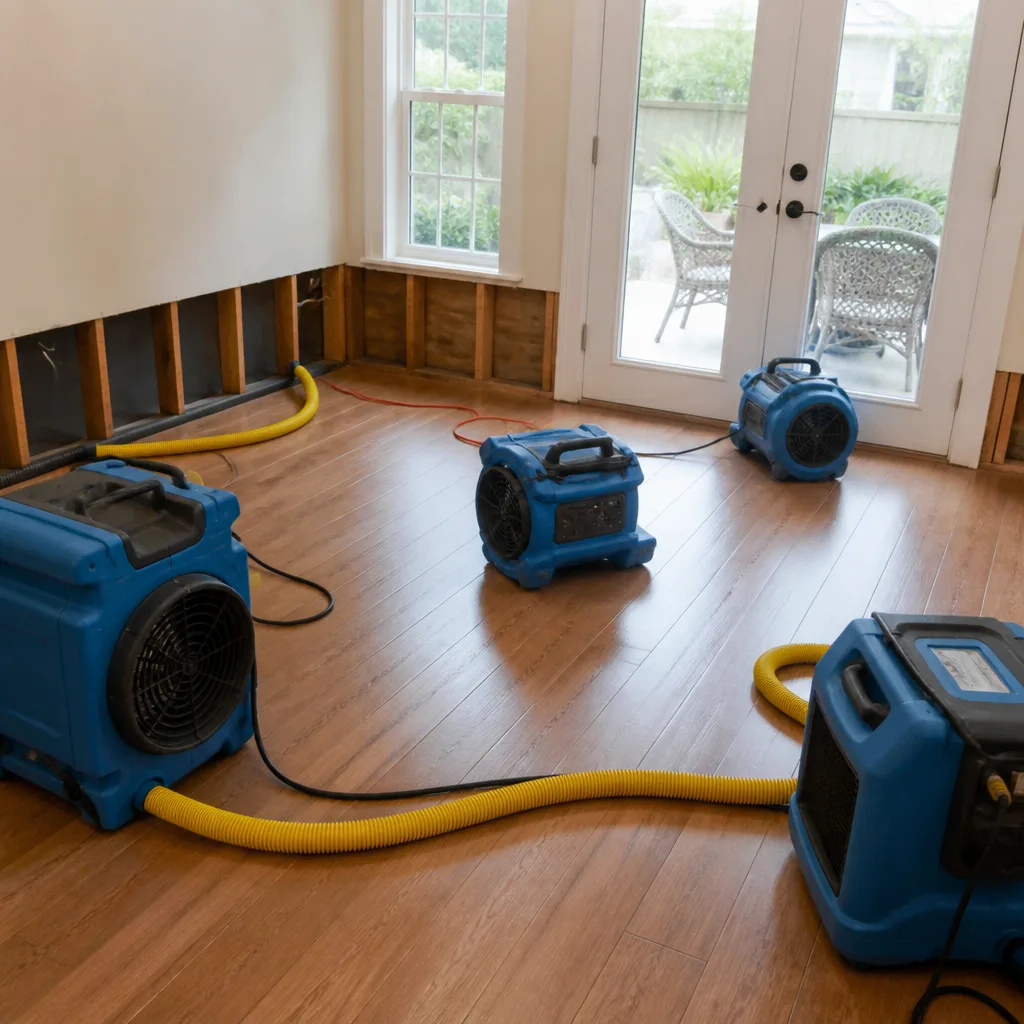
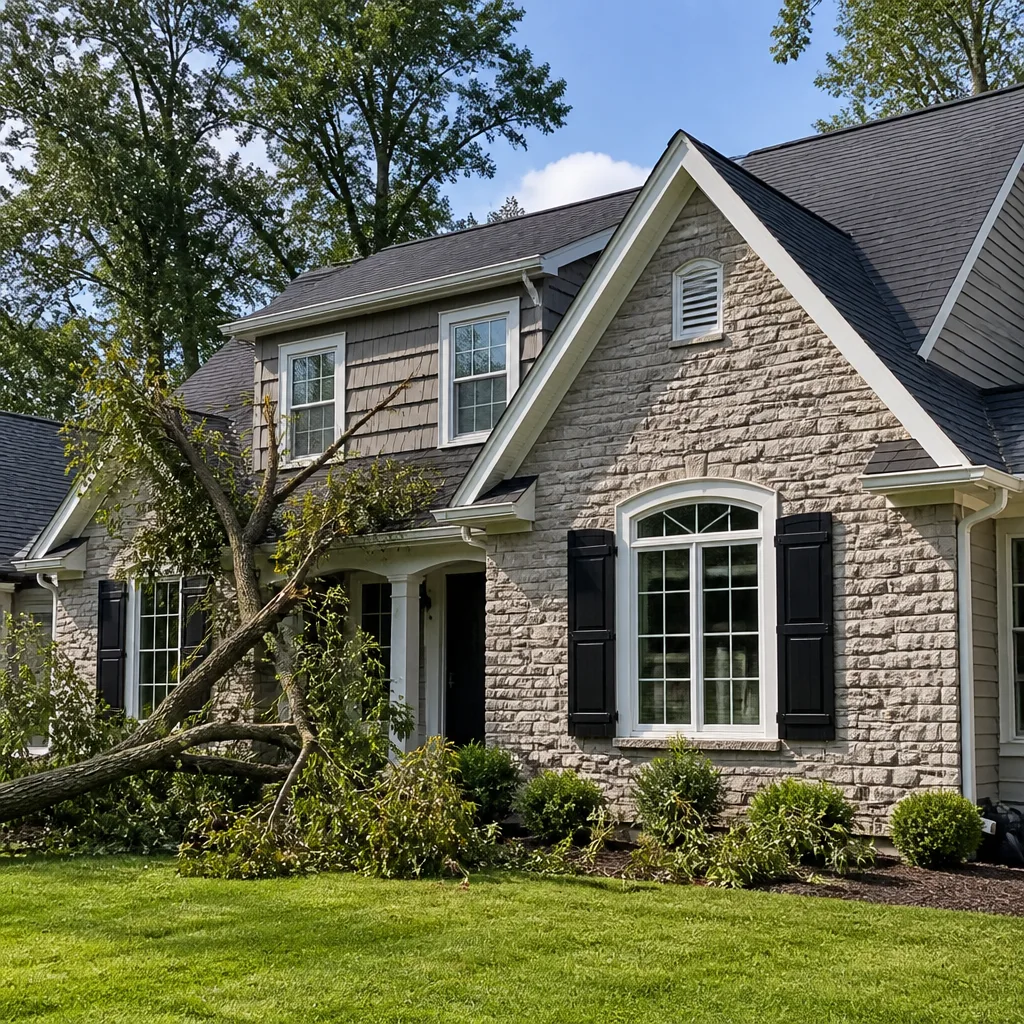
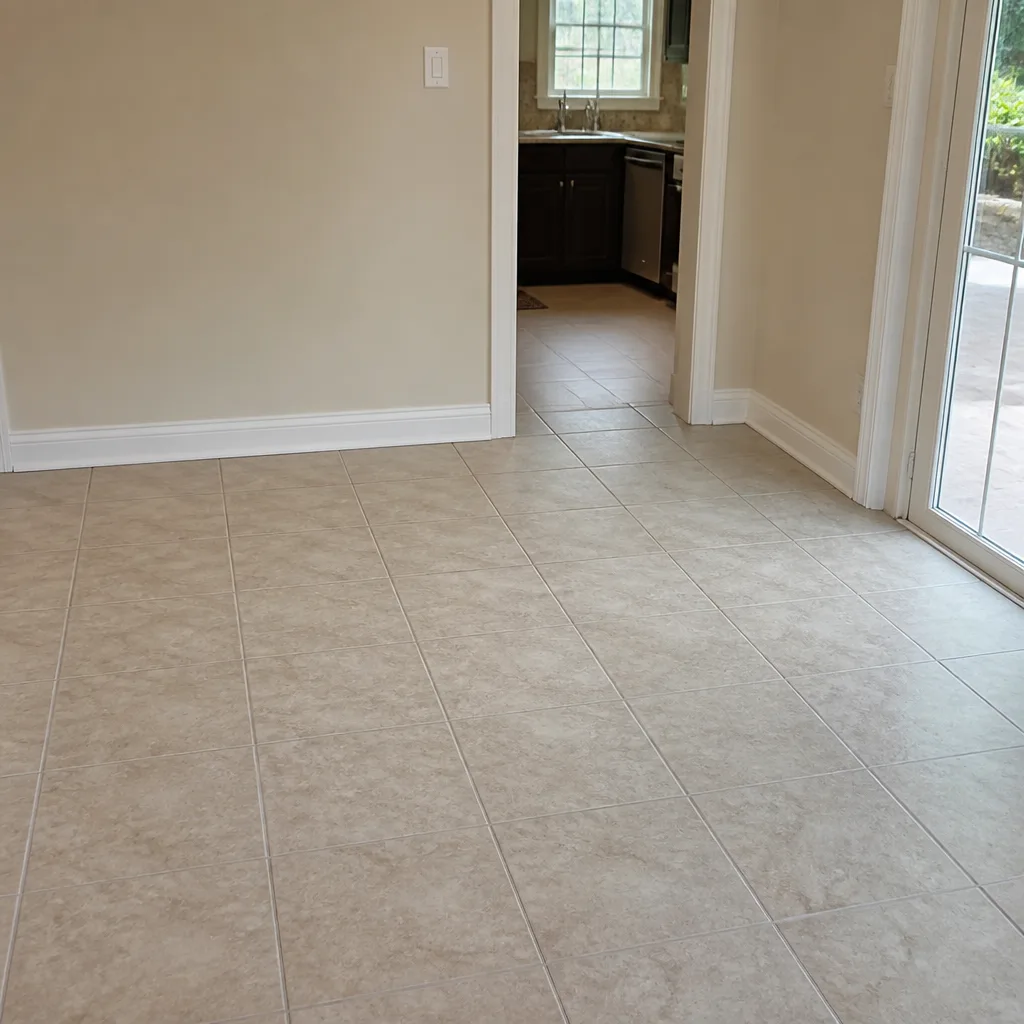
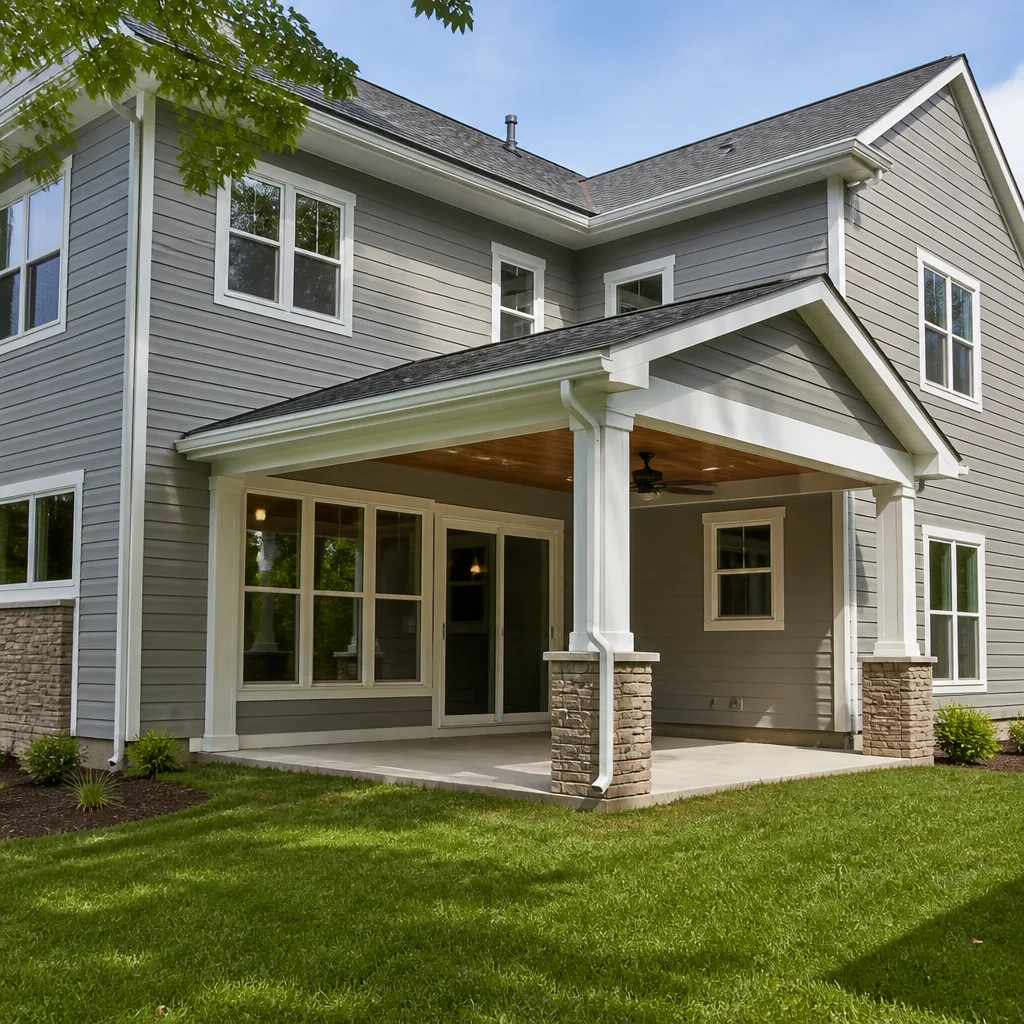
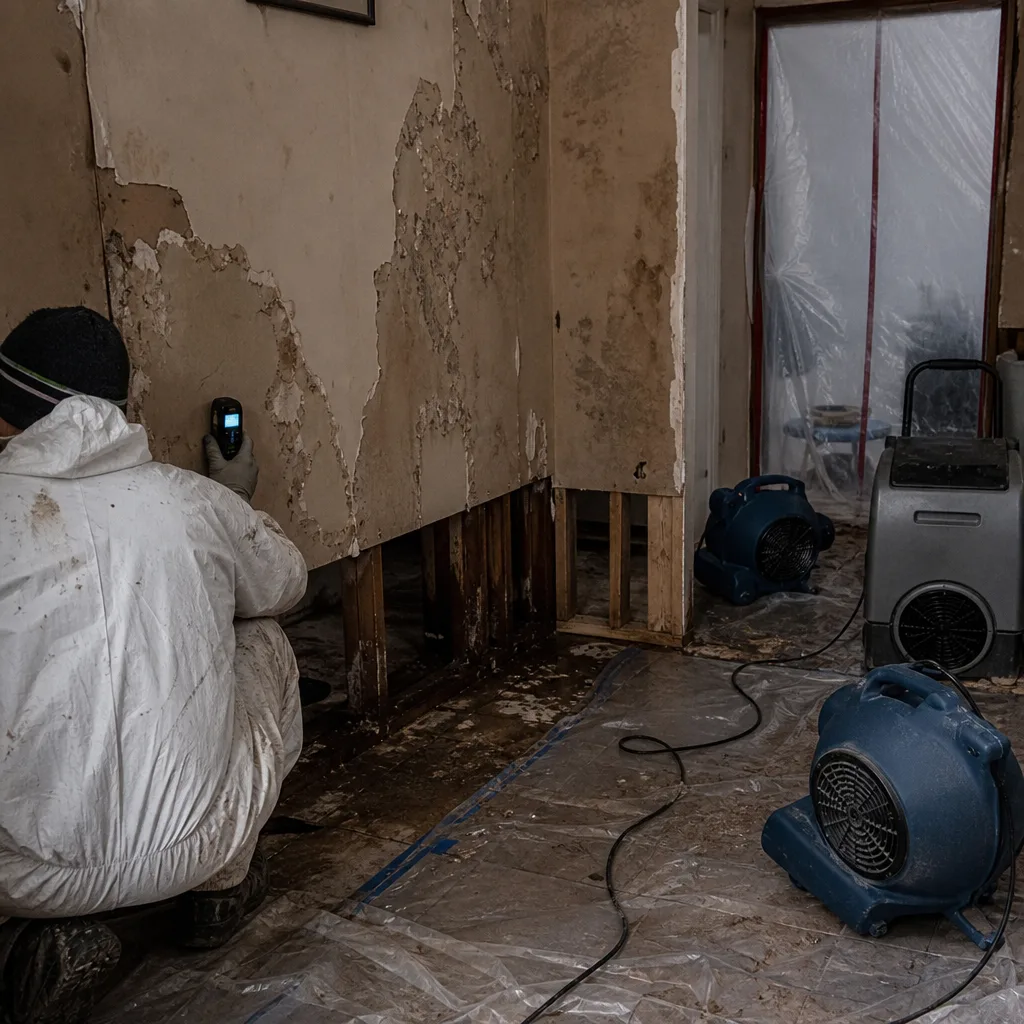 Before
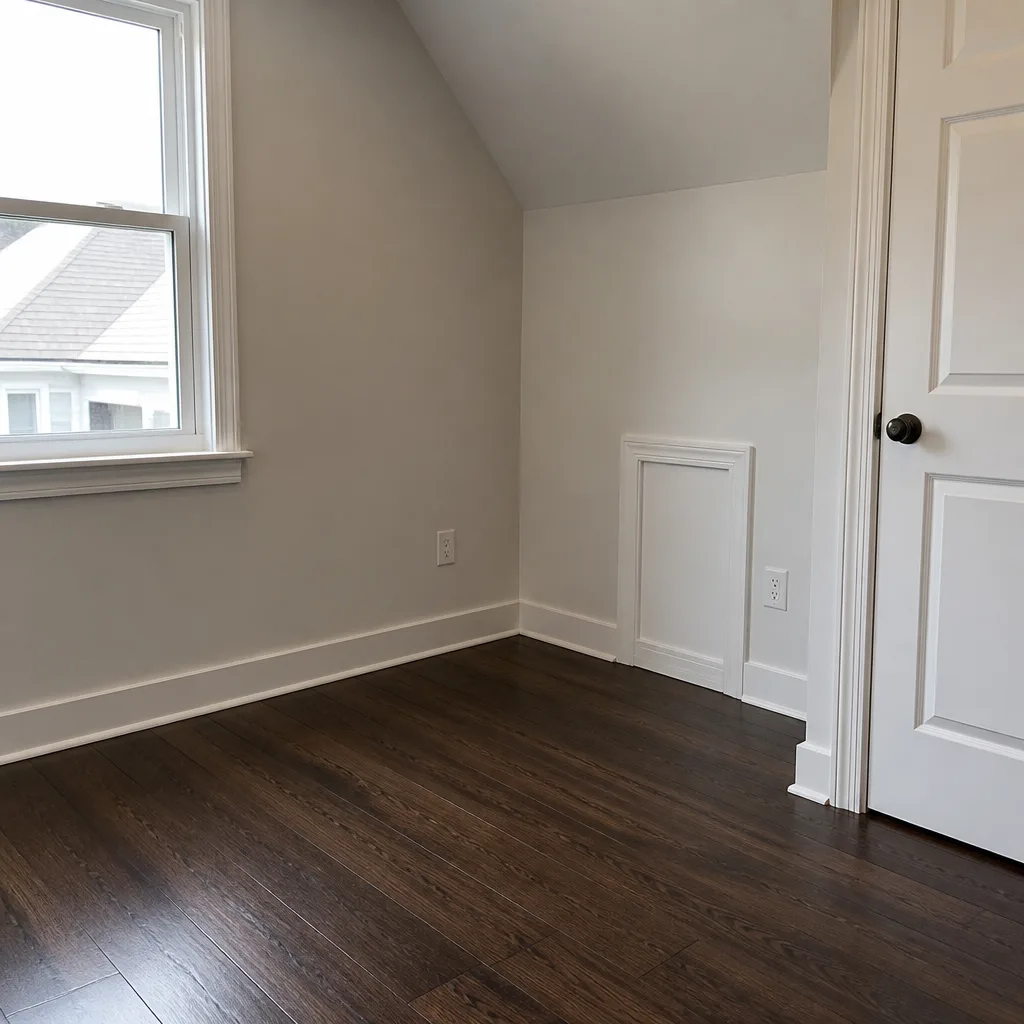 After
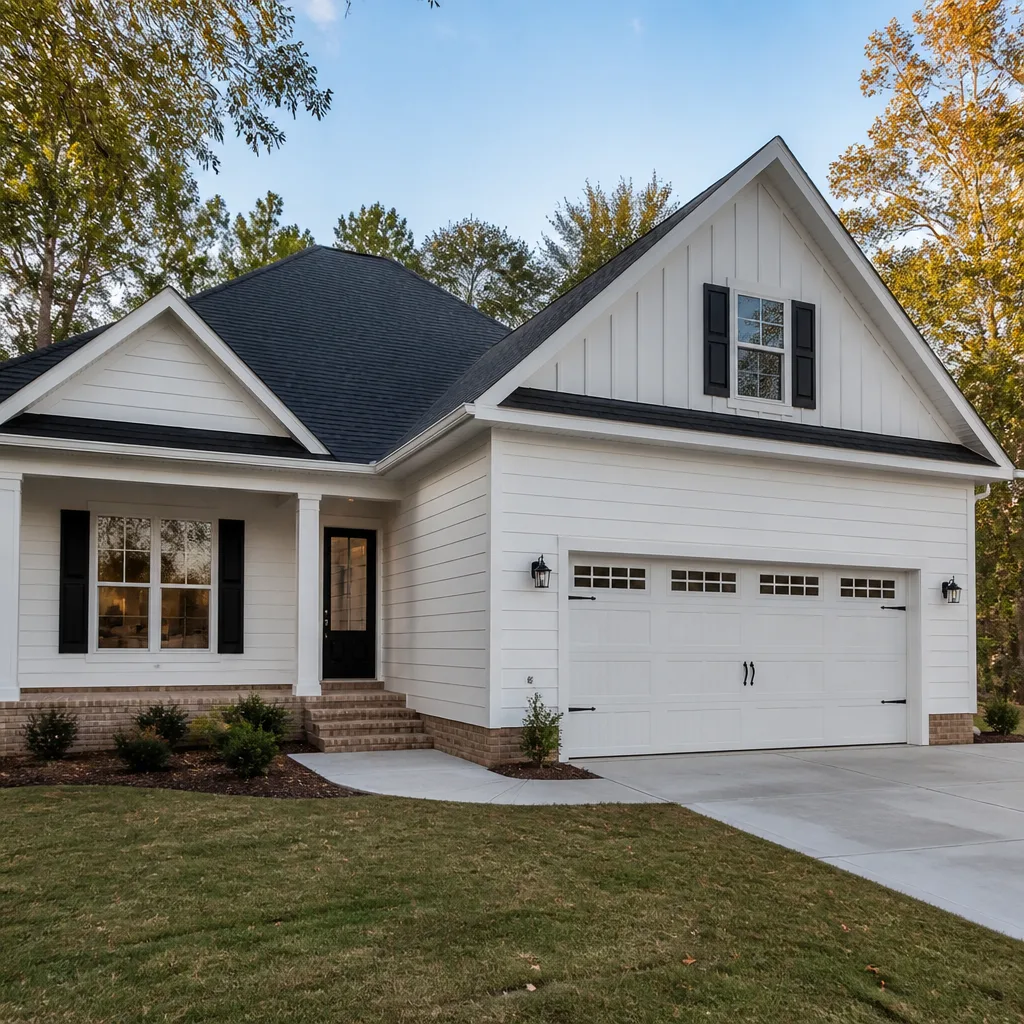
After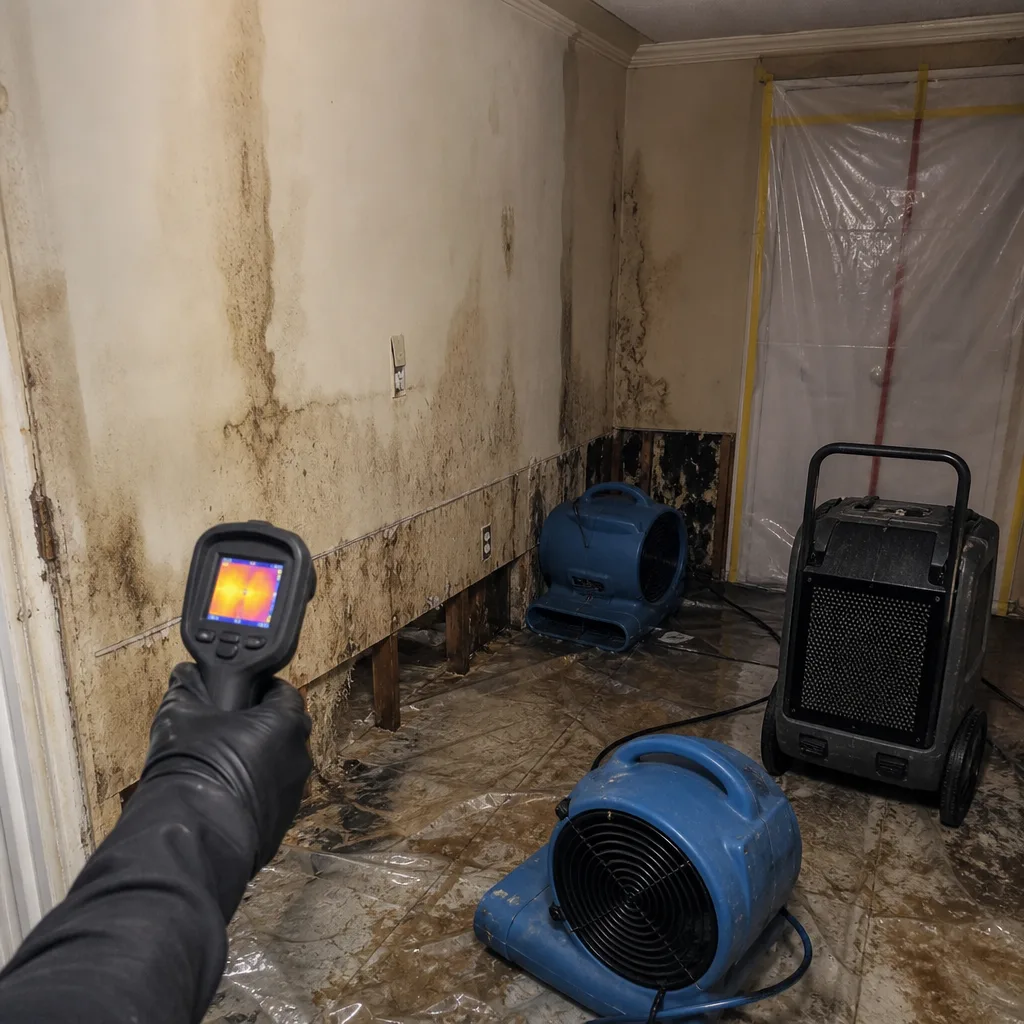 Before
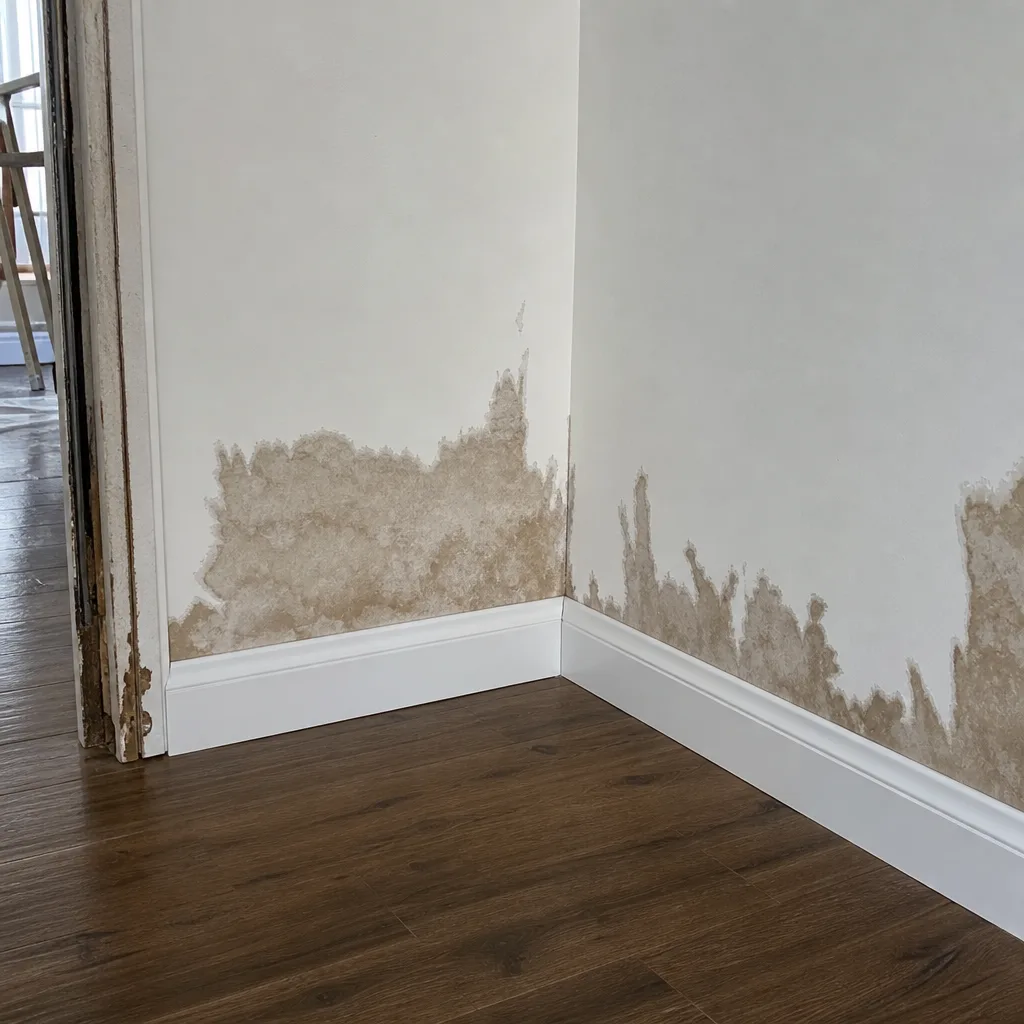 After
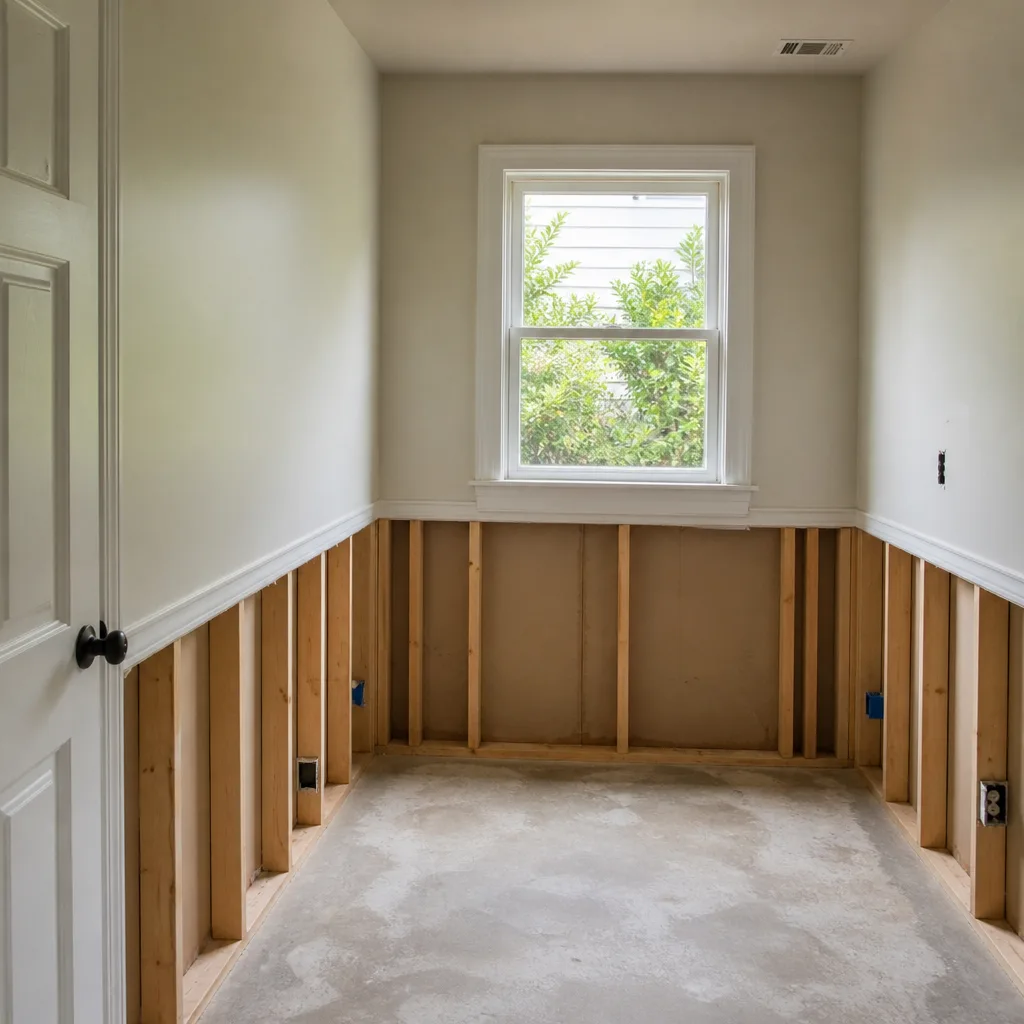
After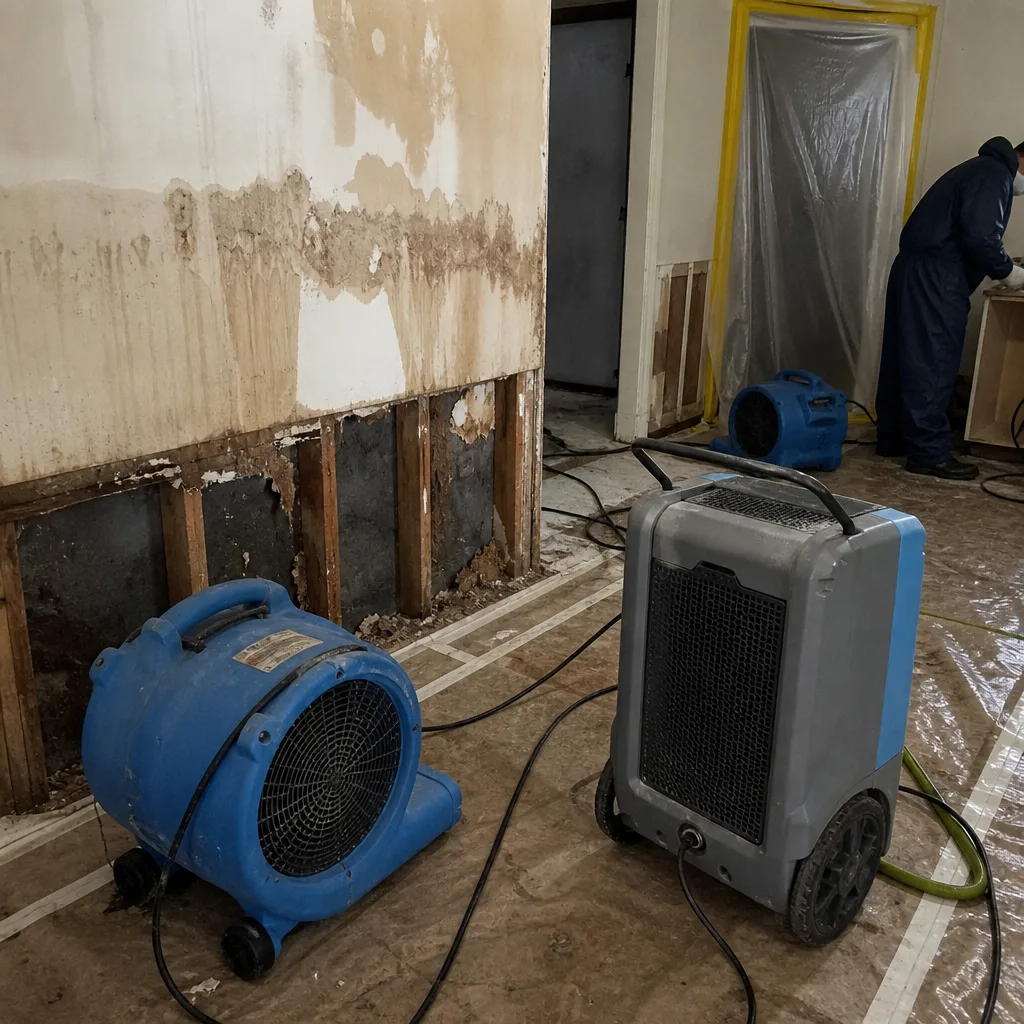 Before
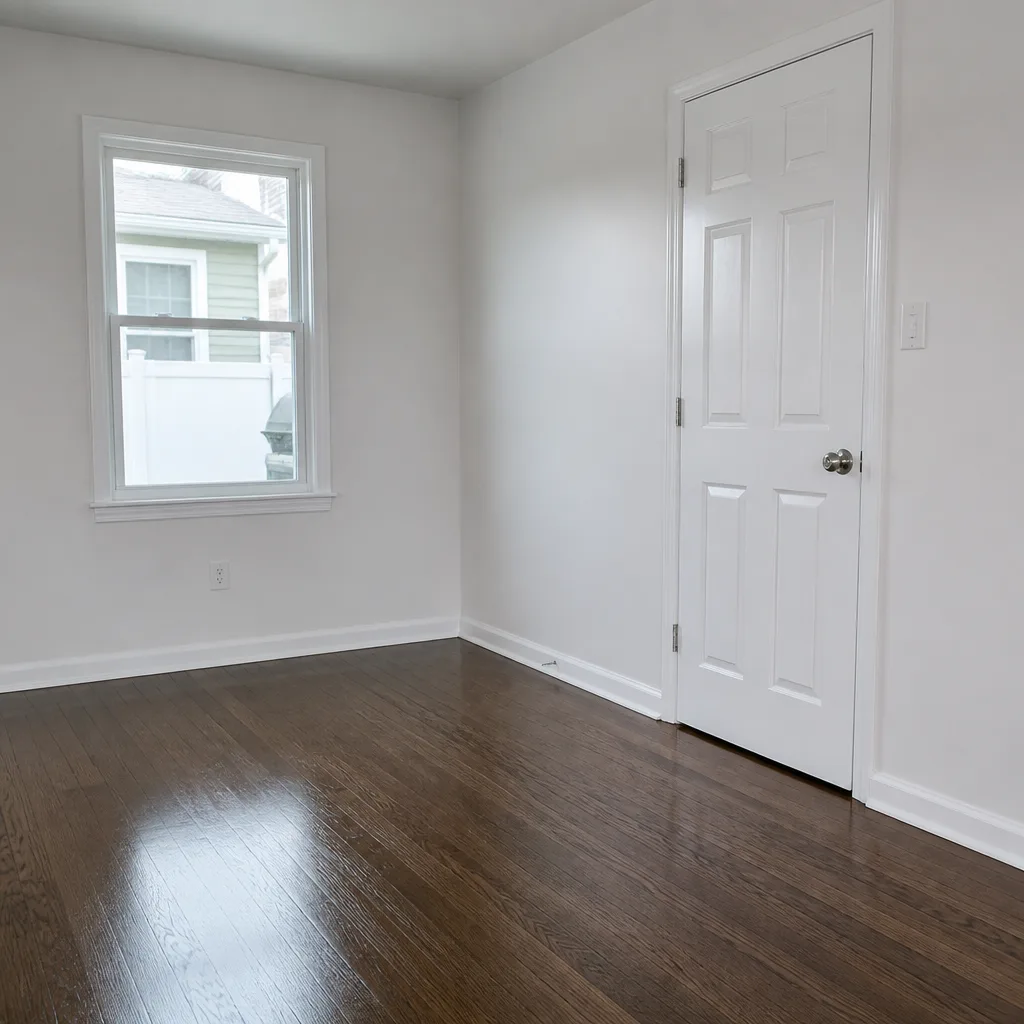 After
After24/7 Emergency Biohazard & Crime Scene Cleanup in Coney Island
Biohazard and crime scene cleanup in Coney Island typically runs $1,500 to $6,000 depending on the scope, the size of the affected area, and whether structural materials need removal. Our crews reach Coney Island properties within 45 minutes of your call, around the clock. If you’re standing in the aftermath of a trauma, an unattended death, or an infectious disease exposure right now, call (716) 412-2972. A live dispatcher answers. A real person, not a recording, at two in the morning.
We’re Floodline Restoration Co. We’ve been doing this work since 2010, and we do it in Coney Island’s particular conditions: salt air, post-Sandy elevated bungalows, NYCHA high-rises with flood-scarred basements, and tight one-way streets where parking a response vehicle takes local knowledge. Biohazard cleanup in Coney Island isn’t the same job as biohazard cleanup in Flatbush. The ocean is a block away, the air carries salt, and the building stock has been through things most inspectors never see.
If blood, bodily fluids, or decomposition materials are present on your property, do not attempt to clean them without proper containment. Bloodborne pathogens like hepatitis B, hepatitis C, and HIV can survive on surfaces for days. Human decomposition fluids carry bacteria that can sicken anyone exposed. This is not a bleach-and-paper-towels situation. It’s a containment, disinfection, and disposal job that follows OSHA bloodborne pathogen standards, and it needs to start within hours, not days. Call (716) 412-2972 now for a free visual inspection and a written scope of work.
Understanding Biohazard & Crime Scene Cleanup Severity in Coney Island Properties
Biohazard severity runs in three tiers, and Coney Island’s building stock makes each one behave differently than it would inland. Tier one is surface blood and bodily fluid on non-porous materials like tile, linoleum, or sealed concrete. This is the most straightforward, but it still requires hospital-grade disinfectants with proper dwell time, not a quick wipe. Tier two is blood or fluids that penetrated porous materials: the oak floor in a 1920s bungalow off Neptune Avenue, the drywall in a NYCHA apartment, the grout in a pre-war bathroom. Porous materials wick biological material downward and outward, and in Coney Island’s humidity, that material doesn’t dry cleanly. It feeds bacterial growth. Tier three is decomposition after an unattended death, which involves aerosolized bacteria, insect activity, and the kind of odor that saturates everything it touches. In a wood-frame bungalow, those odors travel through wall cavities and attic spaces faster than anyone wants to think about.
Coney Island’s elevation makes this worse. The whole peninsula sits at or barely above sea level in FEMA flood zones AE and VE. That means the subfloors and crawlspaces in the early 20th century bungalow blocks near Mermaid Avenue and Surf Avenue are shallow, damp, and often open to salt air after post-Sandy elevations. Biological material doesn’t dry here the way it does in a heated inland basement. It stays wet longer, it seeps farther, and it requires longer dwell times for disinfectants to be effective. A cleanup that takes four hours in Bensonhurst might take six in Coney Island because the materials simply hold moisture differently.
Why Coney Island Property Owners Choose Floodline Restoration Co.
- 45-minute response commitment to Coney Island – Our dispatchers know the approach routes: Neptune Avenue, Mermaid Avenue, Surf Avenue, the Belt Parkway exit at Cropsey. We’ll be there when we say.
- 24/7 live answer, guaranteed – A dispatcher picks up every call. Day, night, holiday, nor’easter. Not a voicemail tree.
- IICRC-certified crews – Our technicians carry IICRC certifications including AMRT (Applied Microbial Remediation Technician) and WRT (Water Restoration Technician). Background-checked, uniformed, and trained to handle bloodborne pathogen exposure.
- Free visual inspection – Before any work begins, we walk the scene, document what we see, and hand you a written scope. No pressure, no vague promises.
- Direct insurance billing – We communicate with your carrier directly. We don’t hand you a bill and tell you to fight it out with State Farm or Travelers. That’s our job.
- One team, start to finish – The same crew that sets containment handles the final disinfection and any structural repair. No mid-job handoff, no unfamiliar faces at your door on day three.
Our Biohazard & Crime Scene Cleanup Process
Inspection & Assessment
We start by determining the category and extent of contamination. We inspect the affected room, the materials involved, and what’s below and around it. In Coney Island’s elevated bungalows, that means checking the undercarriage for breaches where biohazard aerosols could escape, and checking whether salt-corroded ductwork has already compromised the containment zone.
Containment & Stabilization
We seal the area with 6-mil poly sheeting and establish negative air pressure with HEPA-filtered air scrubbers. Here’s the Coney Island twist: in elevated bungalows, the open undercarriage below the floor means we often have to seal subfloor penetrations first. Otherwise the pressure differential leaks, and biohazard particles migrate into the living space through every tiny gap.
Removal of Contaminated Materials
Porous materials that absorbed blood or fluids – carpet, drywall, insulation, upholstery, sometimes sections of flooring – are cut out and double-bagged for regulated medical waste disposal. In older Coney Island homes, this often includes materials that were already compromised by years of salt air and never fully dried after past storms.
Cleaning & Disinfection
We clean all remaining surfaces, then apply EPA-registered, hospital-grade disinfectants with the correct dilution and dwell time. Nothing is skipped: baseboards, door handles, light switches, window sills. Every surface that a droplet could have touched gets treated.
Specialty Treatment: Salt-Air & Corrosion Considerations
In Coney Island, this step is non-negotiable. We check garage door hardware, HVAC components, and exposed fasteners for salt-driven corrosion that could compromise the containment zone. We clean and seal what we can. We document what can’t be salvaged. We use HEPA air movers and negative air machines to keep salt-laden dust and any remaining biohazard aerosol from migrating.
Verification & Restoration
We run ATP surface tests to verify that biological contamination levels are at or below the threshold for a clean environment. Then we handle repairs: drywall, paint, flooring, whatever the room needs to be whole again. One crew, one company, one name on the work.
Need Emergency Biohazard & Crime Scene Cleanup in Coney Island Now?
Crews minutes away, answering live 24 hours a day. The sooner we start, the less it costs.
Working With Your Insurance Company
Most homeowners’ policies cover biohazard cleanup when it’s tied to a covered event: a crime, an accident, a death in the home. What matters is documentation from the first hour. We photograph everything before we touch it, then throughout the process. We log moisture readings on porous materials. We provide your adjuster with a line-item scope of work that meets industry standards. And we talk to your carrier directly, so you’re not relaying messages between a claims office and a cleanup crew. If you have a flood insurance claim through the NFIP because of a storm-related biohazard loss in Coney Island, we’re familiar with that process too. The paperwork is different, and we’ve done it dozens of times since Sandy.
What We Provide Your Insurer
- Thorough documentation of the loss
- Photos of all damage, room by room
- Moisture readings and drying logs
- A detailed, line-item scope of work
- Direct coordination with your carrier
Built for Coney Island’s Loss Calendar
Biohazard and crime scene cleanup in Coney Island has a seasonal rhythm, whether people realize it or not. Deep winter brings the cold-weather isolation cases: an elderly neighbor in a bungalow no one has seen for a week, a heat failure that turns a living room into a crime scene of a different sort. The salt air doesn’t take the season off either. By February, garage door springs and opener chains on Surf Avenue and Neptune Avenue are covered in corrosion bloom, and when a trauma happens, the door won’t close. That’s not a nuisance. That’s a containment failure waiting to happen.
Spring brings the first thunderstorms and the reminder that half the crawlspaces in Coney Island are shallow, damp, and barely sealed. Summer is when the beach traffic peaks, and with it, the incidents on streets like Stillwell Avenue and West 8th where the boardwalk meets the residential blocks. Fall’s nor’easters push salt spray up every side street, and the corrosion accelerates. None of this stops us from working. It just means we show up knowing what a Coney Island property looks like in October versus April, and we plan the containment accordingly.
Biohazard & Crime Scene Cleanup Across Coney Island’s Neighborhoods
Coney Island is not one neighborhood. It’s a patchwork, and each patch has its own response profile. The bungalow blocks around Mermaid Avenue and West 15th through West 33rd are wood-frame homes built in the 1910s and 1920s, many raised on concrete piers after Sandy. Those piers created open undercarriages, and those undercarriages are now the single biggest variable in any biohazard cleanup we do there. The containment has to work from below, not just from within.
The NYCHA high-rises along Surf Avenue and West 23rd through West 27th have a different problem. These are brick towers with basement mechanical rooms that flooded in 2012 and, in many cases, were never fully remediated. A biohazard cleanup in a NYCHA apartment or basement means dealing with layered contamination: the incident itself, plus the mold and corrosion history underneath it. Near the amusement district, around Stillwell Avenue and the boardwalk, the properties are mixed commercial and residential. Trauma and overdose calls happen here with a regularity that no one wants to talk about, and the cleanup has to account for foot traffic, storefronts, and the very public nature of the work.
Over toward West 8th Street and the aquarium, the blocks are tighter, the homes smaller, and the parking worse. Our crews know to stage on Neptune and walk in with equipment carts. That local knowledge saves an hour on scene, and an hour shapes how far contamination has spread by the time we start.
Specialized Biohazard & Crime Scene Cleanup Services We Offer in Coney Island
Our Biohazard & Crime Scene Cleanup team handles every type of biological contamination you’re likely to face on this peninsula. Some jobs are straightforward. Some require the full weight of what we know about Coney Island’s salt air, elevated structures, and storm history.
Crime Scene Cleanup
When law enforcement releases a scene, we take over. Blood, tissue, fingerprint dust, tear gas residue, whatever’s left. In Coney Island, we typically see crime scenes in two contexts: apartments in the NYCHA towers and private homes in the bungalow blocks. Each requires a different containment strategy, and we plan accordingly.
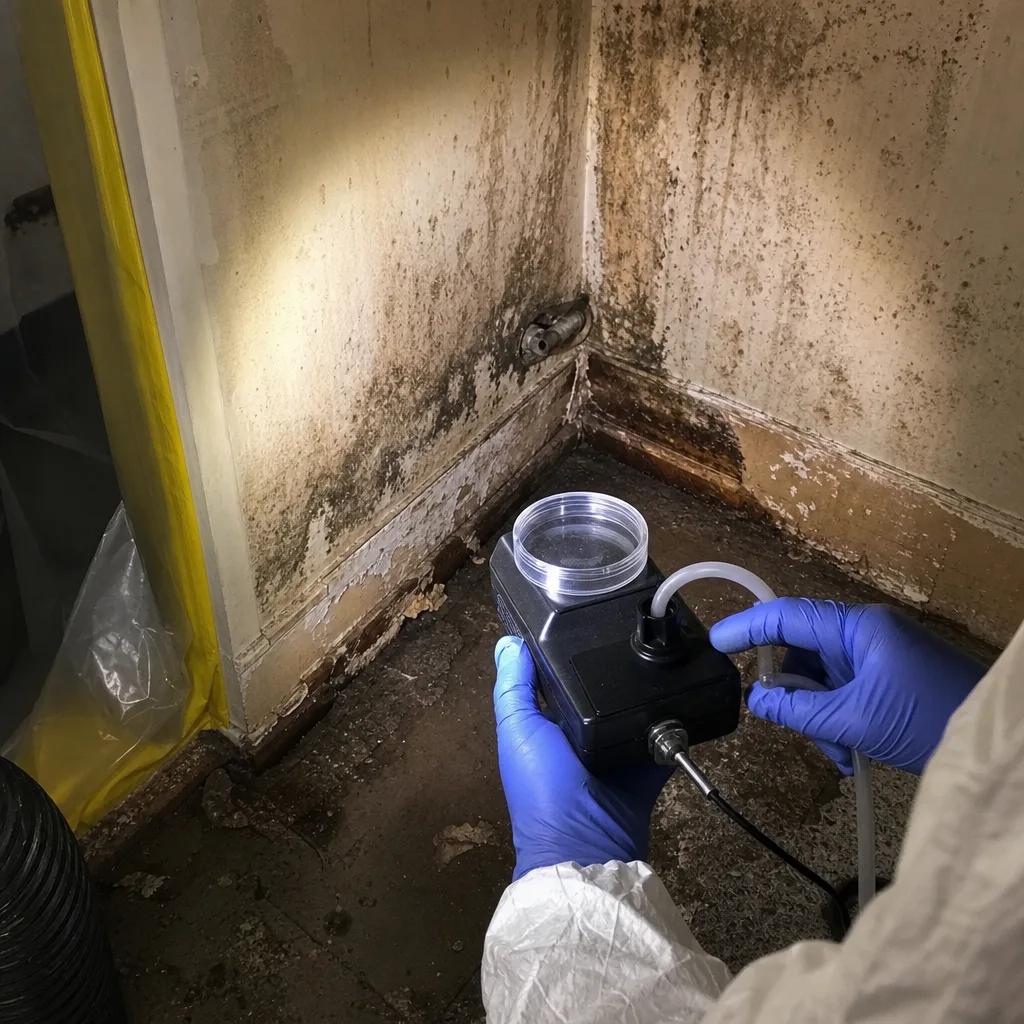
Trauma & Unattended Death Cleanup
This is the heaviest work we do, and the most common reason homeowners call us. Decomposition fluids penetrate floors, walls, and subflooring. In a Coney Island bungalow, they often penetrate through to the open undercarriage below, where salt air has already weakened the joists and decking. The cleanup requires removing more material than a comparable job inland, because the porosity and moisture conditions are different. We handle it with respect for the family and with containment that actually holds.
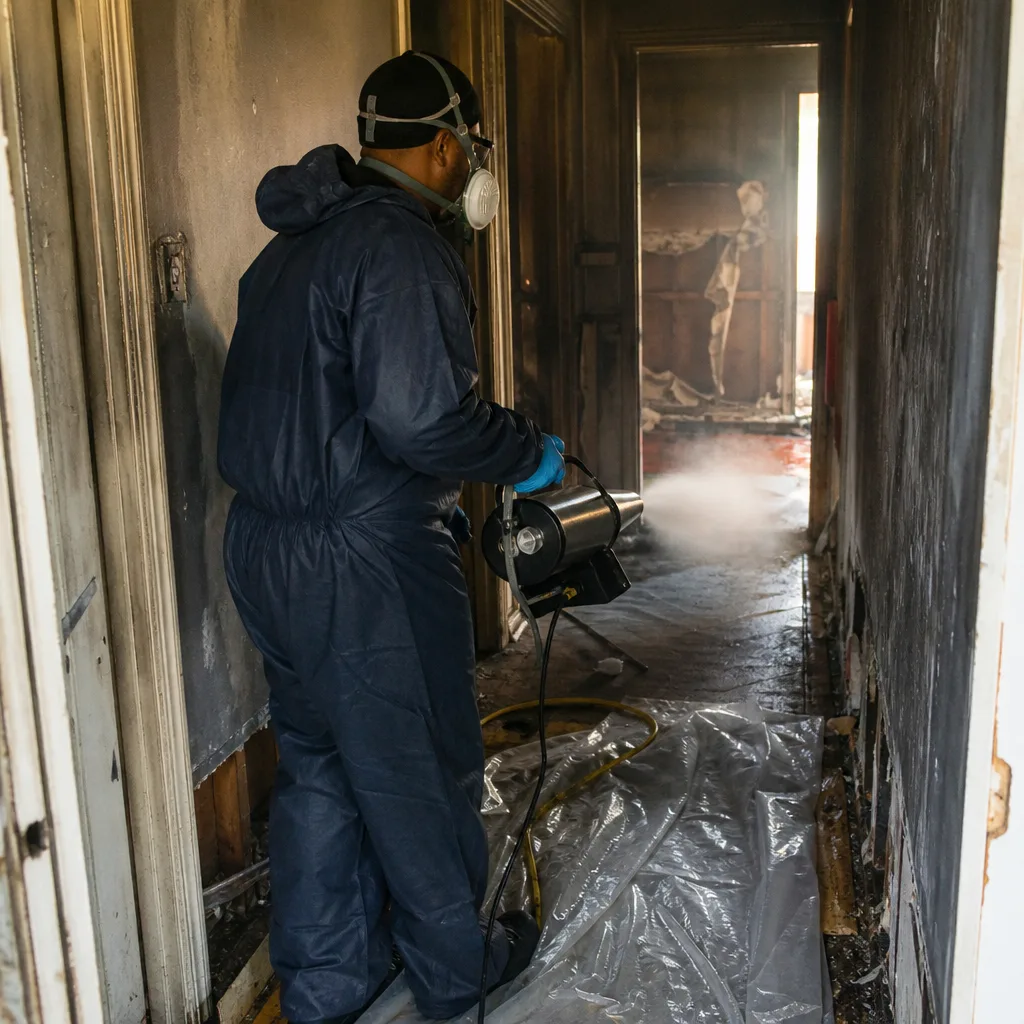
Hoarding Cleanup
Hoarding situations produce a specific biohazard profile: decomposing food, animal waste, rodent infestations, and in most cases, years of deferred structural damage. In Coney Island’s small bungalows, the volume of material is usually manageable, but the structural weakness underneath it is not. We work room by room, and we coordinate with mental health professionals when the family requests it.
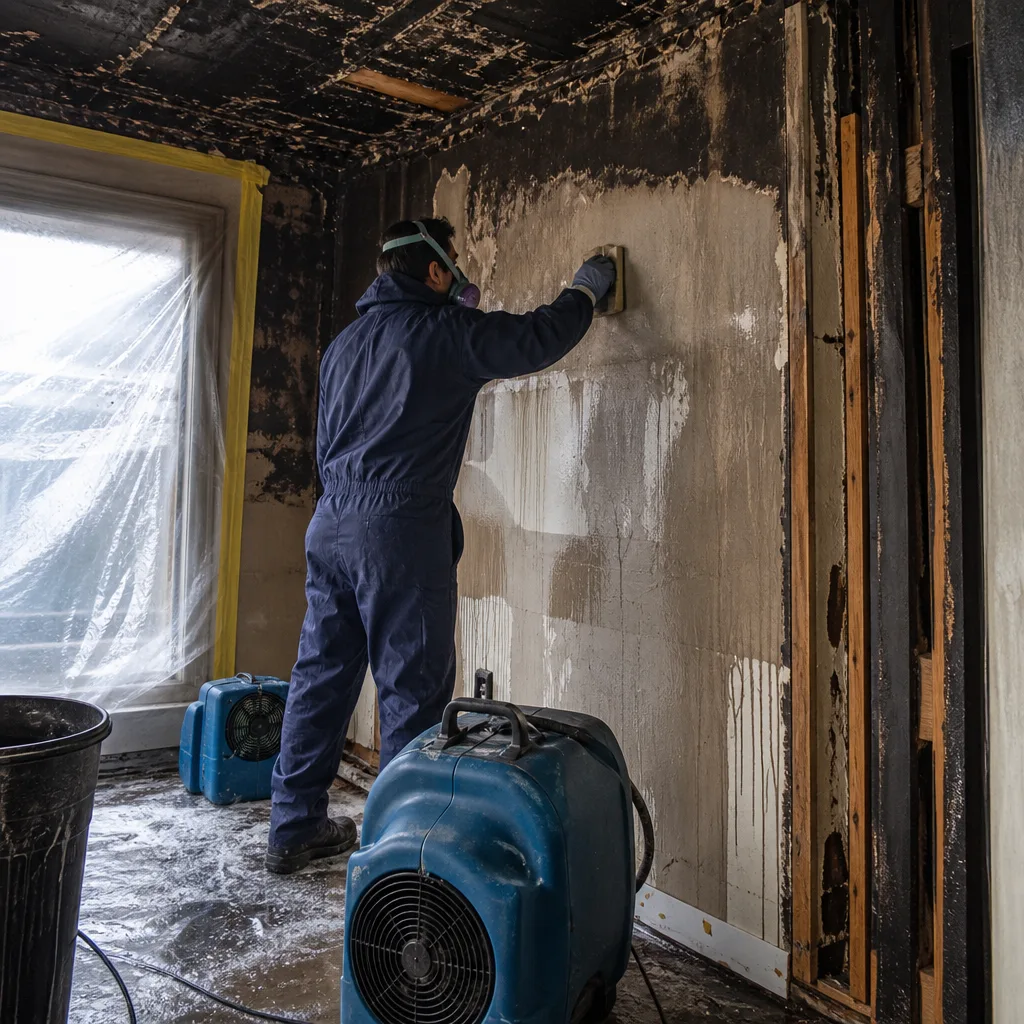
Blood & Bodily Fluid Cleanup
Blood spills from accidents, injuries, or medical events are more dangerous than they look. Bloodborne pathogens survive on surfaces, and in Coney Island’s humidity, they survive longer. Our crews wear full PPE: respirators, protective suits, boot covers, multiple glove layers. We clean, disinfect, and verify with ATP testing before we call the job done.
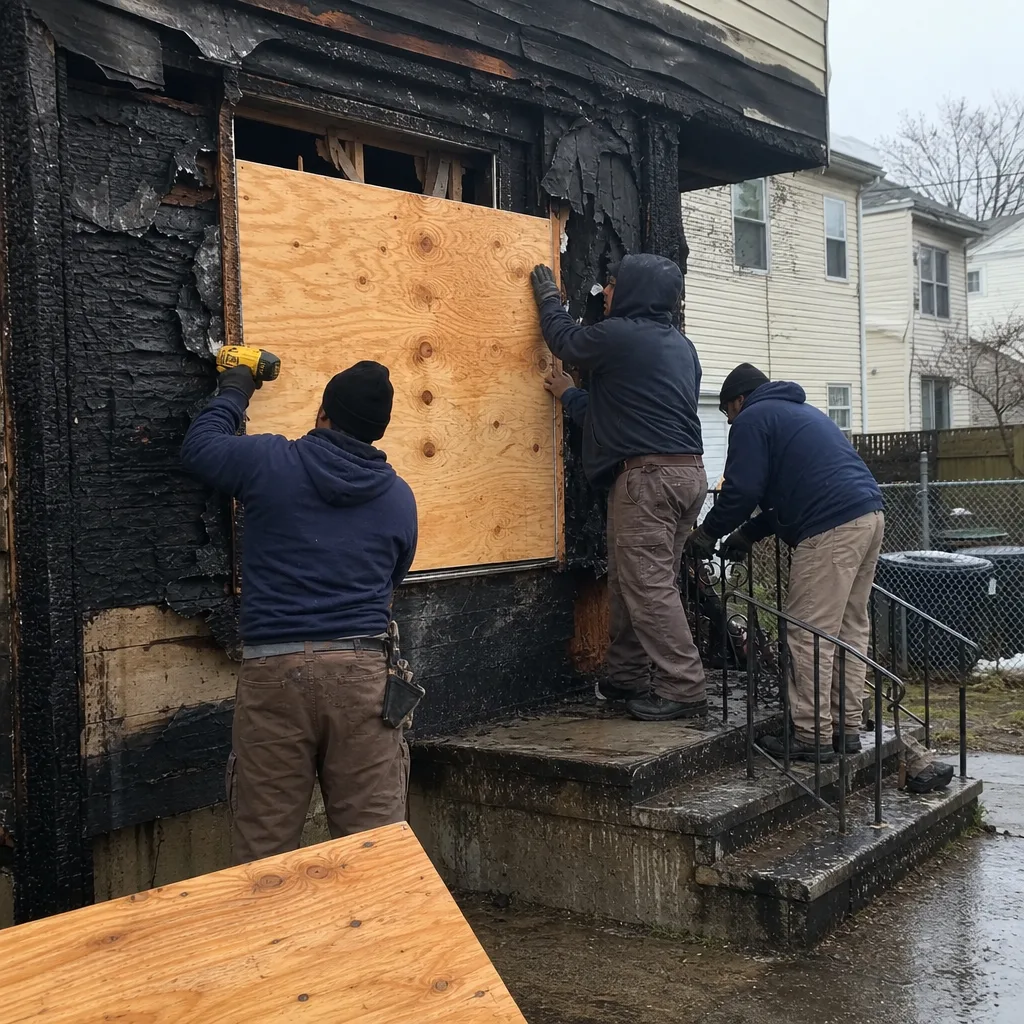
Infectious Disease Disinfection
COVID showed everyone why this matters. But Coney Island has dealt with infectious disease in shared buildings for decades: NYCHA hallways, community rooms, and public spaces. We use EPA-registered disinfectants with proven kill claims against the specific pathogens involved, and we document everything for building management or insurers.
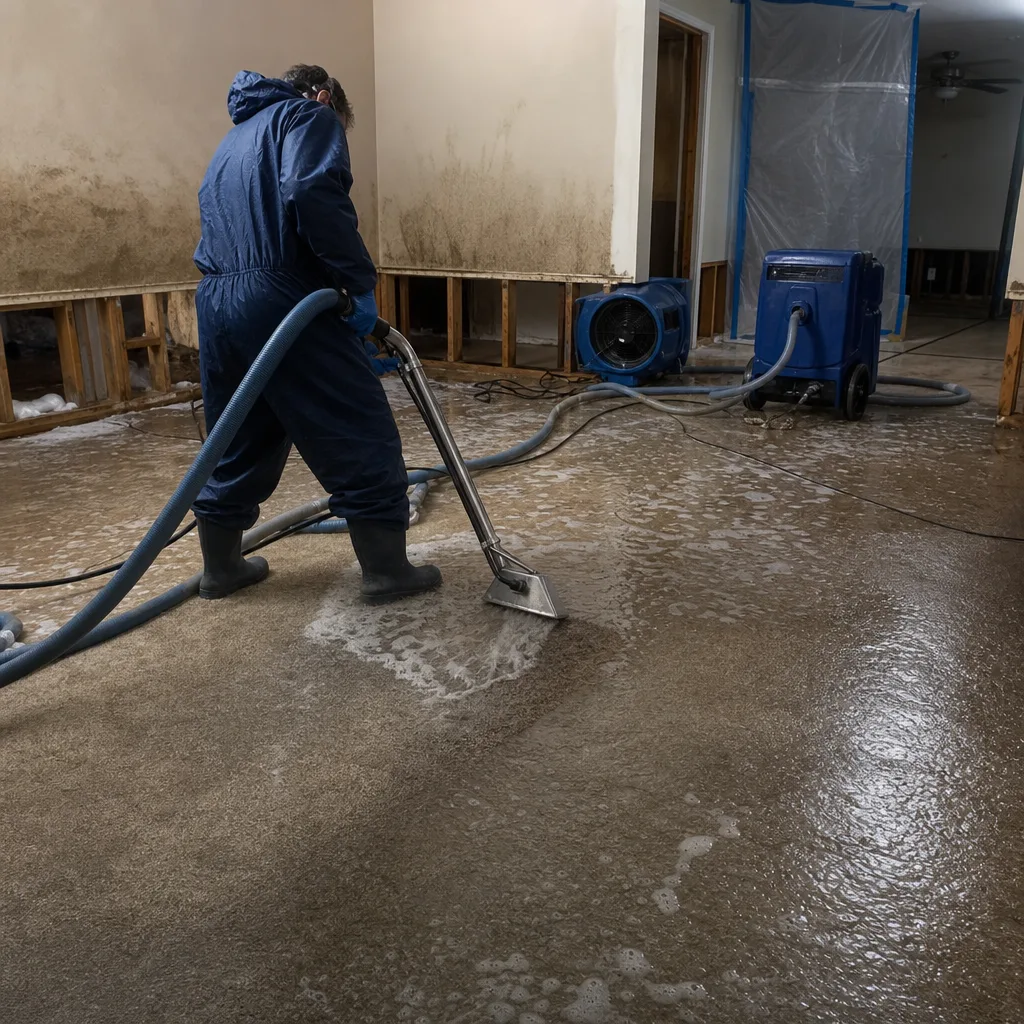
What happens when you call
- 1
A real person answersNo phone trees - you reach a local pro.
- 2
You get an upfront price rangeHonest numbers before anyone is dispatched.
- 3
A background-checked tech heads outLicensed & insured, dispatched right away.
- 4
You approve before work beginsNothing starts until you say go.
Biohazard & Crime Scene Cleanup Costs in Coney Island, NY
A straightforward blood cleanup on a non-porous surface in Coney Island runs $800 to $1,500. A full trauma or unattended death cleanup in a bungalow, with removal of flooring and subflooring and containment that has to reach the undercarriage, runs $3,000 to $8,000. A NYCHA basement or a hoarding situation with structural involvement can go higher. Most jobs land in the $1,500 to $6,000 range. What moves the price: the category of contamination, the square footage, the materials affected, whether the contamination reached below the floor, and whether salt-air corrosion has already damaged the framing or ductwork. If insurance is involved, your carrier typically covers the full scope, subject to your deductible. We provide a free visual inspection and a written estimate before any work begins. No surprises on the bill. Call (716) 412-2972 and we’ll walk you through it.
We Also Serve Cities Near Coney Island
Our Coney Island crews also cover Canarsie, Flatlands, Howard Beach, and Spring Creek. Same 45-minute response commitment, same live answer any hour of the day or night. If you’re on the border of any of those neighborhoods, call (716) 412-2972 and we’ll tell you exactly when we can be there.
Serving Coney Island, NY - Our Local Coverage Area
We’re based in the Coney Island area and know this community well. Use the map below to see our service coverage - if you’re nearby, we can almost certainly help.
Coney Island Biohazard & Crime Scene Cleanup Questions, Answered
Do I need to worry about salt air affecting biohazard cleanup in my Coney Island bungalow?
Yes. Salt air accelerates corrosion on the very components that make containment work: garage door tracks, HVAC ductwork, and the fasteners that hold subflooring to joists. In an elevated bungalow, the open undercarriage from post-Sandy pier lifts means salt air has been eating at the framing and mechanical systems for a decade or more. Before we set negative air containment, we inspect the subfloor penetrations and the undercarriage. If there’s a breach, the pressure differential fails, and biohazard particles can migrate into living space. We seal what needs sealing, document what we find, and factor any repair work into the scope. Call (716) 412-2972 for a free inspection that accounts for Coney Island’s specific conditions.
How quickly should biohazard cleanup begin after trauma in a Coney Island property?
Within hours, not days. Bloodborne pathogens and decomposition bacteria multiply quickly in Coney Island’s humid, salt-heavy air. The longer biological material sits, the deeper it penetrates into porous materials like wood flooring and drywall, and the more surface area has to be removed. We dispatch crews 24/7 and reach Coney Island properties in about 45 minutes. Starting fast is the difference between cleaning a surface and tearing out a floor. Call (716) 412-2972 any hour.
Does the category of water matter if there’s blood or bodily fluid mixed in?
Yes, and it matters more in Coney Island than most places. If blood or bodily fluids are mixed with storm surge water or sewage, you’re dealing with Category 3 water, which carries bacteria, viruses, and parasites on top of the bloodborne pathogen risk. That combination requires a different disinfection protocol and more aggressive material removal. In post-Sandy Coney Island, we’ve seen basement crime scenes and trauma sites where seawater had already saturated the space before the incident occurred. The cleanup has to address both layers. We’re trained to identify the category and treat it correctly.
Can you handle a biohazard cleanup in a NYCHA high-rise basement after a crime, given the flood history?
Yes. We’ve done these jobs. NYCHA basements in Coney Island flooded during Sandy, and many still carry mold and corrosion history underneath the visible surfaces. A biohazard cleanup in that environment means layering bloodborne pathogen protocol on top of existing mold and moisture remediation. We set containment, handle the biohazard material, then assess what the flood history means for the structural materials we need to clean or remove. The work is more involved than a standard apartment cleanup, but it’s work we know how to do. Call (716) 412-2972 and we’ll come out to assess.
How does the salt air affect blood cleanup on garage door hardware in Coney Island?
Garage door hardware rusts fast here. Springs, rollers, hinges, tracks, opener chains. When there’s blood on garage door hardware from an injury or a crime scene, the salt-corrosion issue compounds it. Porous rusted surfaces hold biological material in places you can’t reach with a wipe. We use cleaning agents that break down the bio-material, then treat the metal. If the hardware is too corroded to clean properly, we recommend replacement and handle it in the same visit. The goal is a door that closes and seals, because if it won’t close, the containment zone isn’t complete.
How fast can you actually reach a Coney Island address?
Within about 45 minutes from your call. We know the approach routes: Belt Parkway to Cropsey Avenue, Neptune Avenue east or west, Stillwell Avenue from the north. We run a live dispatch board, not a sales desk, and a certified crew is always on rotation for Coney Island and the surrounding neighborhoods. If you’re in the middle of an emergency, don’t wait. Call (716) 412-2972 and tell the dispatcher your cross streets. We’ll give you a real ETA.
Will my insurance cover biohazard cleanup, or is this out of pocket?
Most homeowners’ policies cover biohazard cleanup when it’s connected to a covered event: a crime, an accident, a death in the home, a fire. What makes the claim go smoothly is documentation. We photograph everything, log every step, and provide your carrier with a line-item scope of work. We bill the carrier directly. If your loss is tied to a storm and you’re working through an NFIP flood claim, we know that process too. The key is calling us early, before the scene is disturbed. Call (716) 412-2972 and we’ll document everything from the first hour.
What should I do in the first 30 minutes after discovering a biohazard situation?
Do not enter the affected area. Do not try to clean it. Do not move anything. Close the door if you can do so without entering, keep people and pets away, and call us at (716) 412-2972. If it’s a crime scene, call 911 first and wait for law enforcement to release the scene. Then call us. The first 30 minutes determine how much material has to be removed later. The less it’s disturbed, the smaller the job, and the less it costs.
Written by Curt Bowman, Owner at Floodline Restoration Co., providing Biohazard & Crime Scene Cleanup in Coney Island, NY since 2010.