
Quick Summary
This guide details typical sewage backup cleanup costs, which generally range from $2,000 to $10,000 or between $7 and $15 per square foot for Category 3 blackwater remediation depending on structural contamination. Floodline Restoration Co. provides transparent pricing, rapid biohazard extraction, and comprehensive insurance claim documentation to prevent dangerous microbial growth and minimize structural repair bills. Homeowners can reach Floodline Restoration Co.'s 24/7 live dispatch for an immediate 45-minute emergency response, free on-site visual inspection, and seamless direct insurance billing.
Sewage Backup Cleanup Cost – Fast 24/7 Response Guide
Most residential sewage backup cleanup costs range from $2,000 to $10,000. For severe Category 3 blackwater losses involving finished basements, shared wall cavities, or ruined subfloors, cleanup and structural repairs can exceed $25,000. Because raw sewage carries bacteria, viruses, and parasites, contaminated water quickly penetrates porous building materials. The faster you stop the spread and extract the waste, the lower your final restoration bill will be.
Professional restoration crews, such as Floodline Restoration Co., handle sewage emergencies with structured remediation protocols. Cleanup often includes extraction, disinfection, drying, and sometimes demolition. Detailed documentation of moisture levels and photo logs helps support insurance claims during an emergency.[3]
Average Sewage Backup Cleanup Rates and Key Takeaways
Professional sewage remediation averages $7 to $15 per square foot for Category 3 blackwater containment. Your final invoice depends on the volume of water, how long it sat, how far it traveled into framing or subfloors, and whether demolition is needed to clear contaminated materials.
Key Cost Ranges
Industry estimates from sources like Bob Vila place typical residential sewage cleanup between $2,000 and $10,000, with major structural losses reaching $25,000 or higher. HomeGuide data shows that overall square footage, standing water depth, and secondary repairs determine the final bill. In attached properties, costs can rise if wastewater seeps into shared framing or party walls.
Why National Cost Calculators Miss Urban Realities
Generic online estimators assume detached single-family homes with isolated slabs. In Brooklyn neighborhoods like Canarsie, where attached brick row houses and semi-attached homes share party walls and utility lines, sewage rarely stays in one place. Backed-up wastewater often moves horizontally along sill plates and shared joist spaces. Category 3 biohazards demand prompt containment, HEPA air scrubbing, and EPA-registered antimicrobials to prevent cross-contamination and long-term structural decay.
What Does Sewage Backup Cleanup Cost?
Need sewage backup cleanup cost?
We’re available now - call for a fast, free estimate.
Standard sewer backup cleaning costs reflect the labor, specialized equipment, and protective gear required to safely handle biohazards. Municipal data highlights how costly these events can be. For example, a Baltimore City basement backup feasibility study reported an average emergency cleanup cost of $3,636.11 per residential event (Mayor and City Council of Baltimore City, 2021). Depending on the scope of work, overall residential cleanup costs generally fall between $2,000 and $10,000, though severe cases can exceed $25,000.[1]
Standard Breakdown of Restoration Services
Professional remediation, as practiced by Floodline Restoration Co., often includes extraction, disinfection, drying, and sometimes demolition depending on the extent of damage.
| Restoration Phase | Remediation Scope |
|---|---|
| Biohazard Extraction | Removal of standing blackwater, bulk waste, and sludge |
| Disinfection and Decontamination | Antimicrobial wash, EPA-grade sanitizers, and HEPA air scrubbing |
| Structural Drying and Dehumidification | Commercial desiccant or LGR dehumidifiers and high-velocity air movers |
| Controlled Demolition and Repairs | Flood cuts to drywall, subfloor removal, and structural reconstruction if needed |
Cost Per Square Foot and Biohazard Factors
Expect to pay between $7 and $15 per square foot for Category 3 blackwater mitigation. When contaminated water enters crawl spaces or finished basements, technicians must use protective equipment, establish negative air pressure, and safely haul away biohazardous waste. Any quote that skips containment or moisture mapping puts your property at risk for hidden microbial growth.
Basement and Subfloor Contamination: Repair vs Replace Decisions
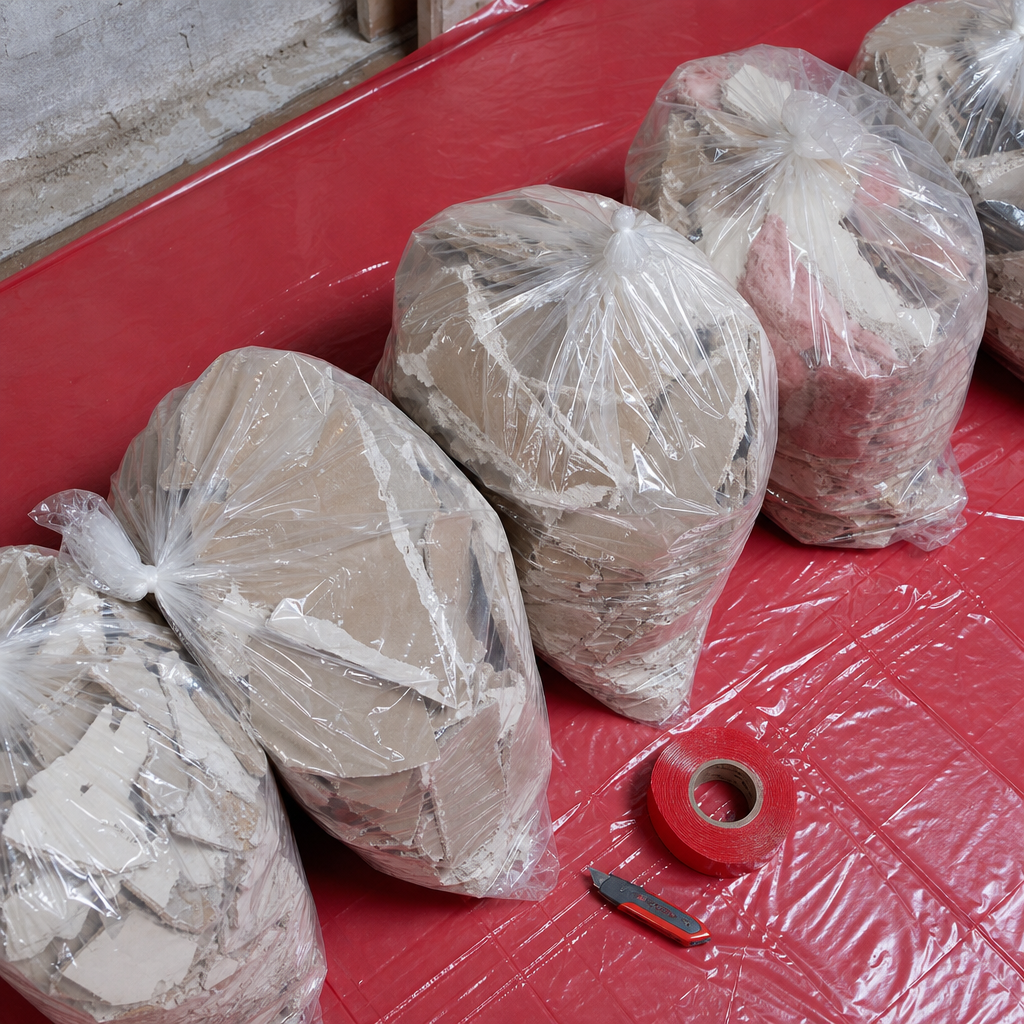
Determining whether materials can be saved comes down to porosity and saturation time. While solid concrete and heavy structural framing can usually be sanitized and dried in place, porous coverings like carpets, pads, and laminate flooring must be removed and safely discarded.
Identifying Blackwater Intrusion in Porous Materials
In low-lying coastal areas near Paerdegat Basin and Jamaica Bay, high groundwater tables and overloaded storm mains increase backflow risks. When sewage enters a finished basement, it quickly gets trapped beneath floating floors and behind baseboards. If raw sewage sits on plywood or oriented strand board (OSB) subflooring for more than a few hours, the wood layers swell and absorb pathogens, requiring tear-out rather than simple surface cleaning.
Structural Drying vs Subfloor Tear-Out Thresholds
Certified technicians, including those at Floodline Restoration Co., follow strict industry standards (such as IICRC S500) to separate salvageable structural elements from non-salvageable materials:
| Substrate Material | Restoration Protocol | Salvage Outcome |
|---|---|---|
| Poured Concrete and Masonry | Deep antimicrobial wash, extraction, and direct heat/airflow drying | Salvageable |
| Plywood and OSB Subflooring | Controlled cut-out to expose, sanitize, and dry underlying joists | Replace Required |
| Carpet, Underlayment, and Laminate | Immediate biohazard removal and disposal | Non-Salvageable |
Once porous items are cleared, technicians run commercial dehumidifiers and air movers to pull trapped moisture from concrete and structural framing.
Drywall, Insulation, and Cabinet Damage: Containment Protocols
Need sewage backup cleanup cost?
We’re available now - call for a fast, free estimate.
Blackwater wicks upward through porous gypsum drywall and fiberglass insulation via capillary action. Removing contaminated materials well above the moisture line under controlled negative air pressure prevents bacteria and mold spores from circulating into your living spaces.
The Wicking Effect in Finished Basements and Ground Floors
In finished basements along Rockaway Parkway and Flatlands Avenue, wastewater can climb several inches above the visible water line within hours. Restoration teams use a three-step containment approach:
- Isolate the work zone: Seal off HVAC supply vents, returns, and doorways with heavy poly sheeting to contain airborne contaminants.
- Make clean flood cuts: Cut drywall and strip insulation 12 to 24 inches above the highest wet point to ensure no trapped moisture remains inside the wall cavity.
- Sanitize open framing: Treat all exposed wall studs and plates with EPA-registered antimicrobial agents before setting up drying equipment.
Cabinetry Salvage and Mold Prevention
Base cabinets made of particleboard or pressed wood swell quickly when exposed to sewage. Because the glue breaks down and the porous wood traps bacteria, these units cannot be sanitized and must be replaced. Solid wood cabinets can sometimes be saved if treated promptly. Industrial dehumidifiers and air scrubbers must run continuously during the first 24 to 48 hours to prevent mold from colonizing damp wall cavities.
Navigating Insurance Coverage, Municipal Riders, and DIY Risks
One of the most common surprises for homeowners is finding out that standard hazard insurance policies exclude drain and municipal sewer backups. Sewage backup coverage usually requires a separate endorsement or rider.
Water Backup Riders Explained
Standard homeowners policies routinely exclude municipal sewer backups, and obtaining sewage backup coverage usually requires a separate endorsement. Without this endorsement, all mitigation and reconstruction expenses come out of pocket. Professional restoration companies like Floodline Restoration Co. provide daily psychrometric logs, itemized estimates, and photo records to help support claims with adjusters.
Professional Remediation vs DIY Cost Comparison
Using a standard shop vacuum to clean raw sewage is hazardous. Household vacuums exhaust bioaerosols directly into the room, spreading airborne bacteria. Household bleach also fails to penetrate deep into porous wood framing, leaving underlying bacteria intact.
| Feature | DIY Cleanup | Professional Remediation |
|---|---|---|
| Biohazard Extraction | Partial, high contamination risk | Full extraction with commercial truck-mounts |
| Insurance Documentation | None, high risk of claim denial | Full photo logs and moisture records |
| Labor and Training | Unprotected personal labor | IICRC-certified technicians (WRT and AMRT) |
| Air Quality Control | No containment or HEPA filtration | Negative air machines and HEPA scrubbing |
Frequently Asked Questions About Sewage Cleanup
How much does sewage cleanup cost on average?
Most residential cleanups cost between $2,000 and $10,000. Severe cases involving extensive structural damage or finished basements can exceed $25,000.
Does homeowners insurance cover sewage backup cleanup?
Standard policies generally do not cover sewer backups unless you have an explicit water backup and sump overflow rider. Coverage limits on these riders usually range from $5,000 to $25,000 depending on your policy selections.
What factors influence the total cost of raw sewage removal?
Key cost factors include the square footage of the affected area, the depth of the standing water, how long the sewage sat, the types of materials contaminated (carpet, drywall, subflooring), and the amount of structural demolition required.
Can I clean up a sewage backup myself to save money?
Cleaning raw sewage yourself is unsafe. Category 3 water contains harmful pathogens, viruses, and parasites. Inadequate extraction and drying also lead to hidden mold growth and long-term structural rot that can cost significantly more to fix later.
How much does sewage damage restoration cost per square foot?
Category 3 blackwater remediation generally costs between $7 and $15 per square foot. Cleanup often includes extraction, disinfection, structural drying, and sometimes demolition.[2]
What emergency fees apply for 24/7 sewage extraction services?
Depending on the contractor, emergency response calls during nights, weekends, or holidays may carry an additional dispatch or emergency service fee. Restoration professionals, such as the team at Floodline Restoration Co., typically provide a clear scope of work before major restoration begins.
Need sewage backup cleanup cost?
We’re available now - call for a fast, free estimate.
Sources
- MAYOR AND CITY COUNCIL OF BALTIMORE CITY – publicworks.baltimorecity.gov (2021)
- Long term plan report for basement backups – publicworks.baltimorecity.gov
- Sewage Backup Cleanup: What to Do, Costs & Safety – septictankhub.com (2025)
Related reading: Sewage Cleanup Cost | 10% Off & Free Estimate | Same-Day Service
Related reading: Water Mitigation Cost – Call Now-10% Off – Same-Day Service – Free Estimate
Frequently Asked Questions
How do I get an accurate sewage backup cleanup estimate before work begins?
Because wastewater damage varies widely based on saturation depth and material porosity, generic calculators cannot provide precise pricing. Floodline Restoration Co. eliminates cost uncertainty by providing a free on-site visual inspection and a detailed, itemized scope of work before starting remediation.
How quickly must sewage extraction begin to avoid expensive structural demolition?
Raw sewage begins permanently contaminating porous subfloors, insulation, and framing within just a few hours of contact. Calling Floodline Restoration Co.'s 24/7 live dispatch secures an immediate 45-minute emergency response to extract blackwater before structural framing and subfloors require total tear-out.
Can sewage cleanup costs be billed directly through my insurance carrier?
Yes, professional remediation services can be billed straight to your insurer if you carry a water backup endorsement. Floodline Restoration Co. handles direct insurance billing, supplying adjusters with detailed moisture mapping, photo logs, and IICRC-compliant documentation to ensure your claim is processed smoothly.
About the author
 |
Sarah Miller Sarah Miller is a certified water damage restoration specialist with over eight years of experience serving the Canarsie, NY area. Holding a degree in Environmental Science from Brooklyn College, she specializes in emergency response protocols and navigating complex insurance claims for both residential and commercial properties. Her practical expertise helps property owners understand the nuances of restoration costs and effective prevention strategies. |
Water damage, flood, or mold emergency?
We’re available now - call for a fast, free estimate.
Call Now - Free Estimate