
Last updated August 25, 2026
Free visual inspection and a written scope of work before any mitigation begins - photos, moisture readings, and drying logs go in your claim file
The scope we write is the scope we bill. Anything new gets shown to you, in writing, before we touch it.


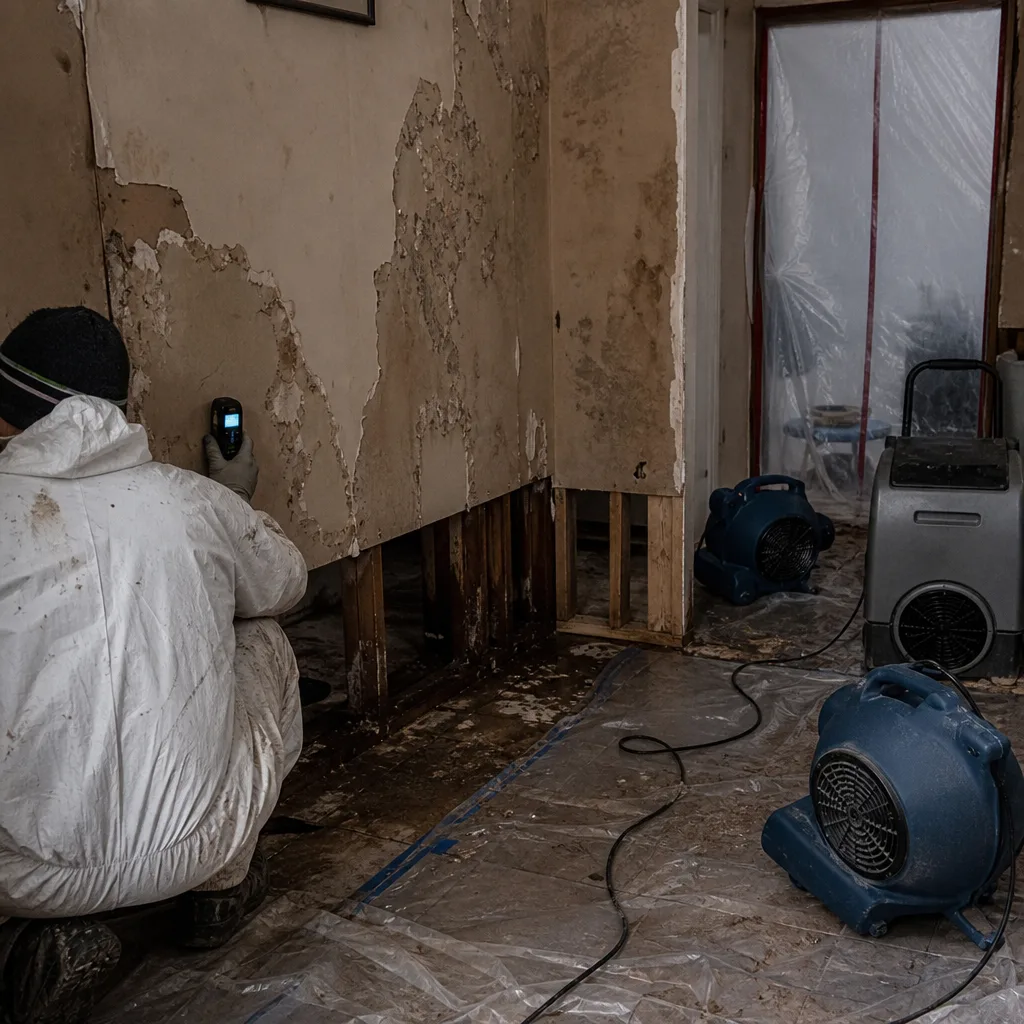 Before
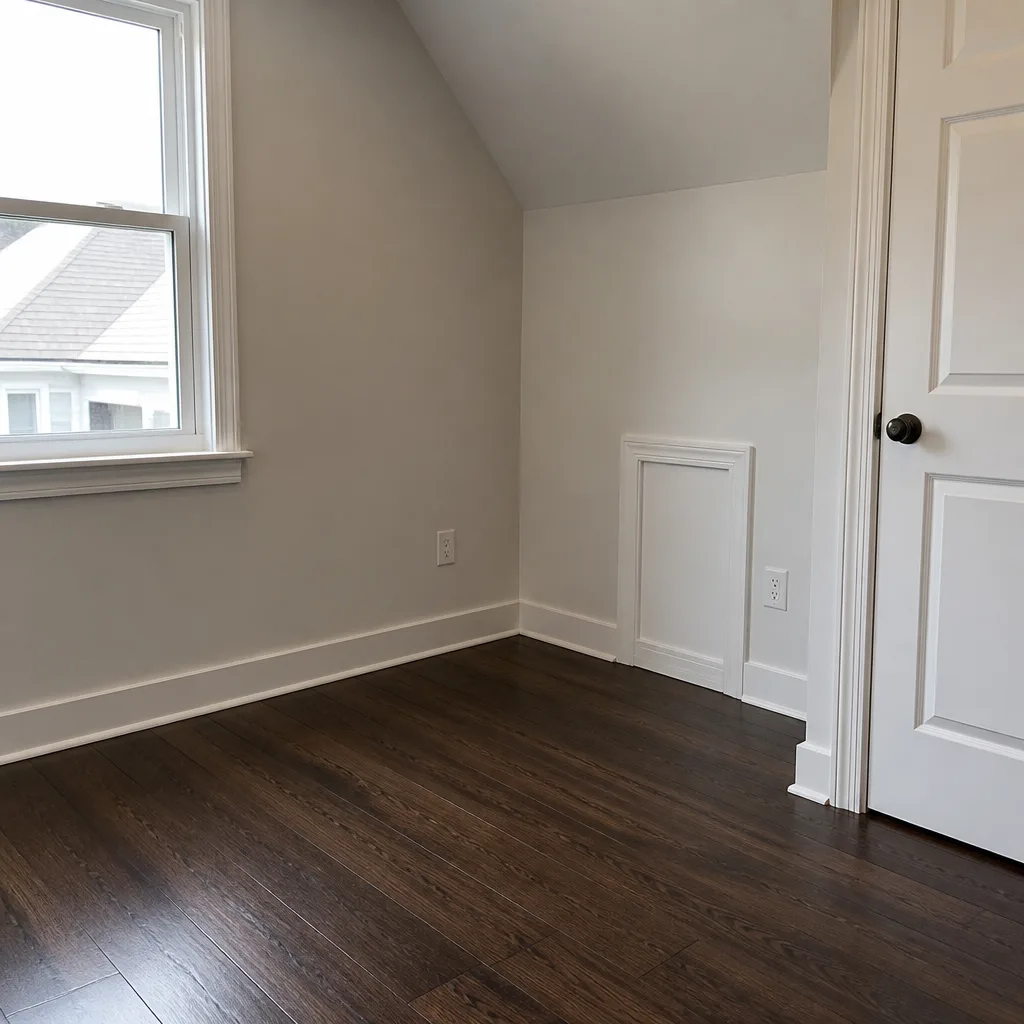 After
After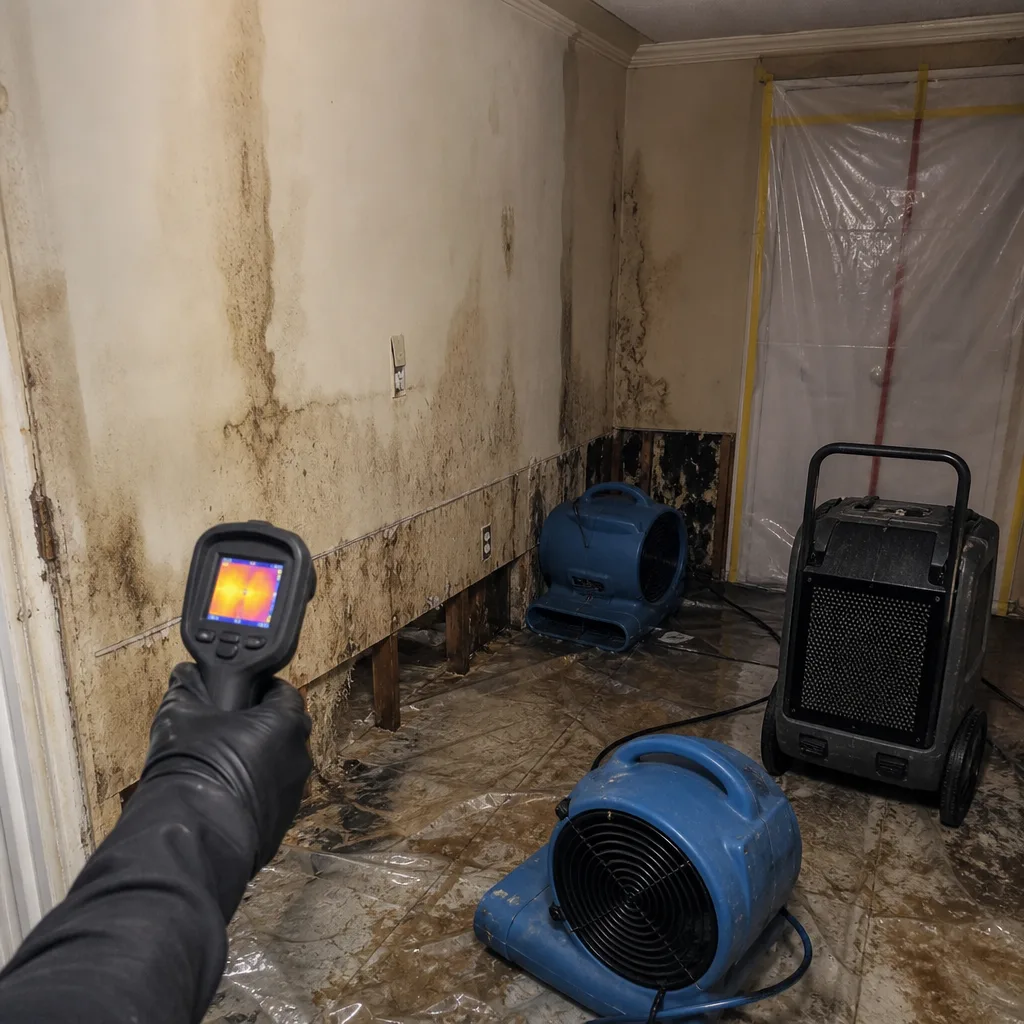 Before
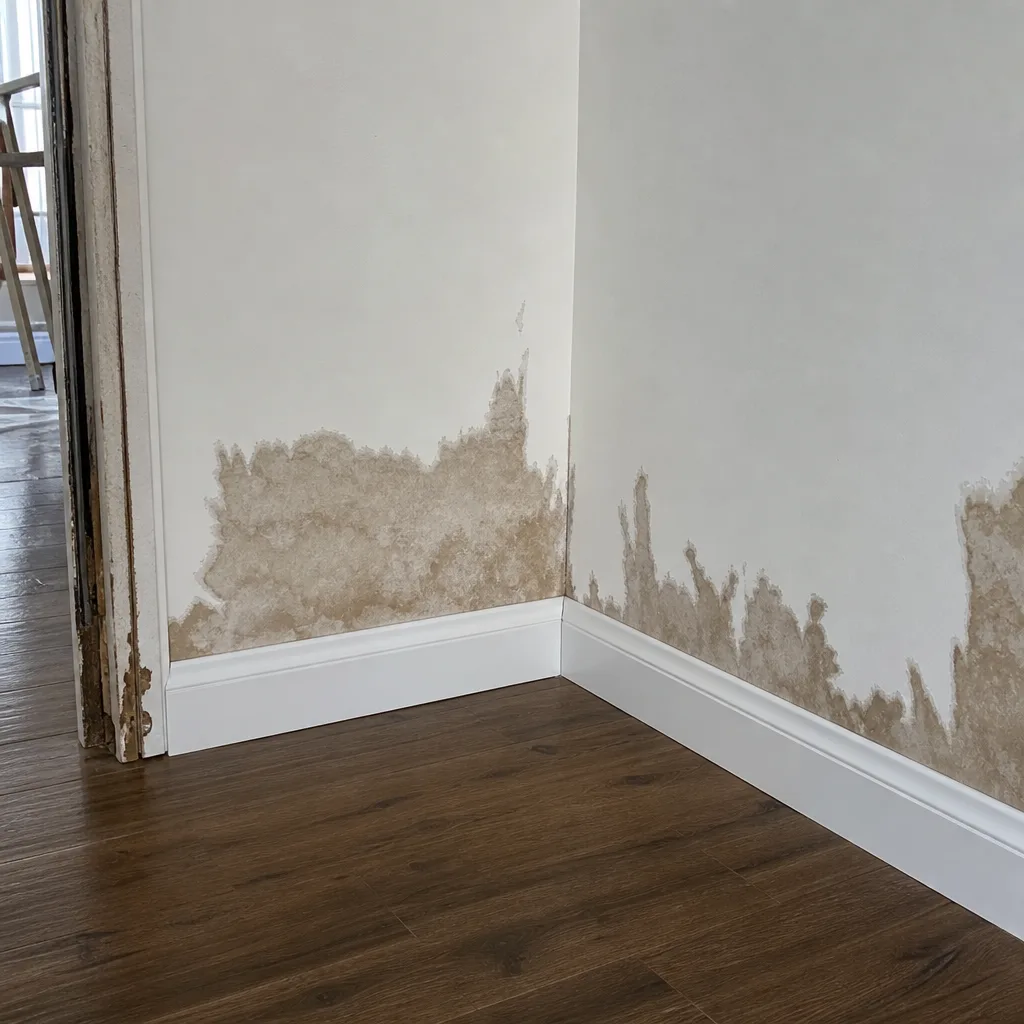 After
After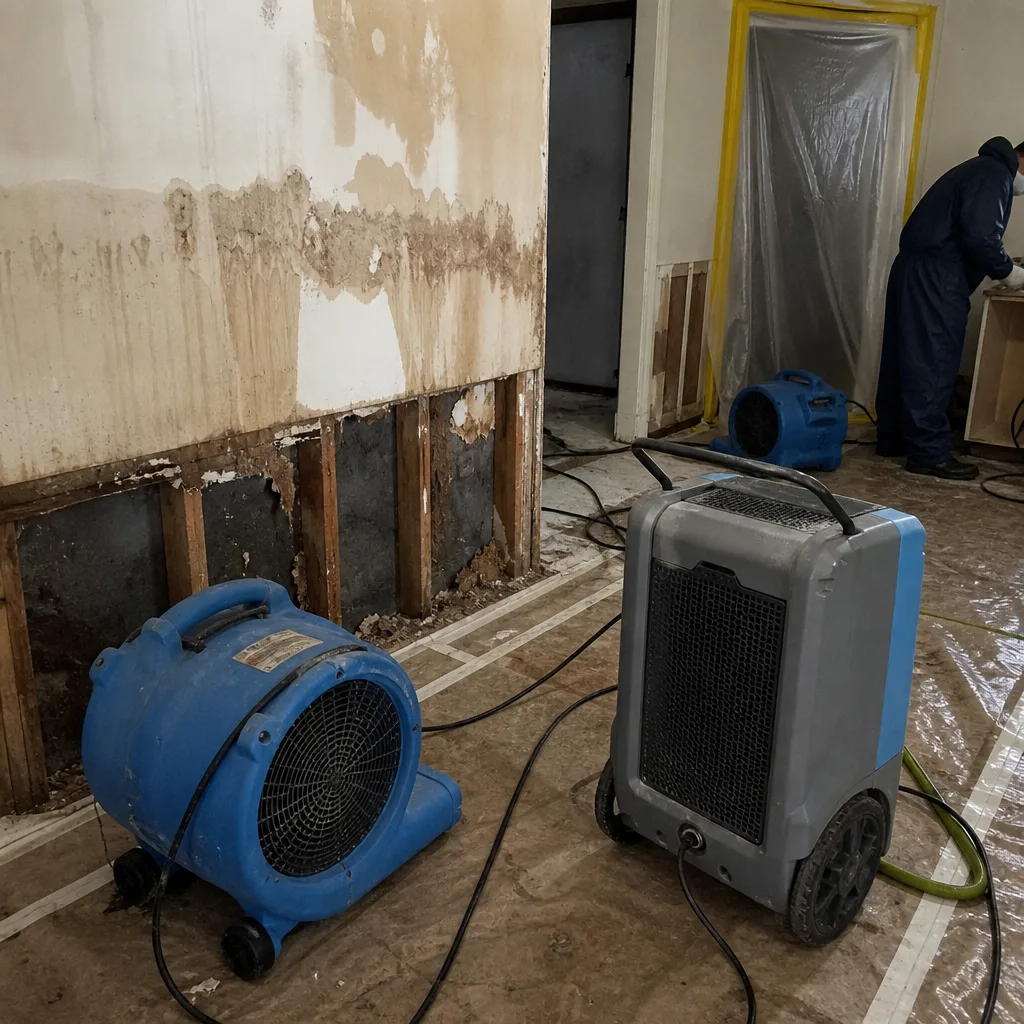 Before
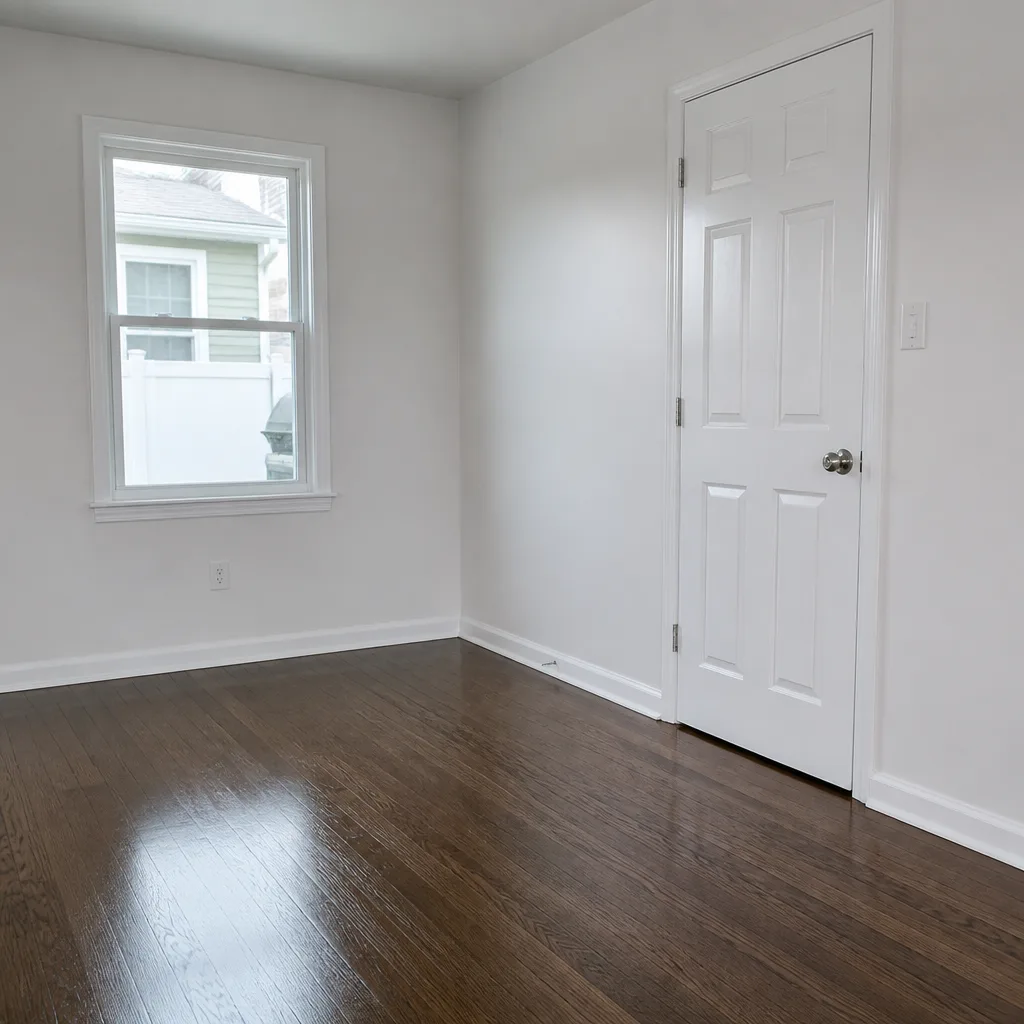 After
AfterDIY vs Professional Damage Restoration: The Canarsie Homeowner’s Decision Guide
Water finds the path of least resistance, and in Canarsie it often finds that path through a bulkhead door, a basement window well, or a brick foundation that has been quietly wicking moisture since the Reagan administration. What starts as a damp corner becomes a restoration project faster than most homeowners expect, and the first decision you make, the one about whether to grab a shop vac or pick up the phone, sets the course for everything that follows. This guide lays out what a Canarsie homeowner can realistically handle, what requires a certified crew, what things actually cost in our corner of Brooklyn, and where the line is between a weekend project and a damage claim. You will finish with a clear sense of which path fits your situation, your house, and your budget.
Floodline Restoration Co. home is where our story starts, and we have spent more than a decade drying out, cleaning up, and rebuilding Canarsie homes after water, fire, mold, and storm damage. We wrote this guide because we answer these questions on the phone every single day, and we would rather you have the answers in writing before you need them.
Quick Answer
For small, clean-water spills on non-porous surfaces where you can dry everything within 24 to 48 hours, a careful DIY approach in Canarsie is reasonable. For any water that sat for more than two days, any sewage or gray water, any mold visible beyond a small surface patch, any fire or smoke damage, or any water trapped behind walls or under flooring, professional restoration is the only path that protects both your structure and your health. Most Canarsie homes fall into the second category because basements here are old, foundations breathe groundwater, and moisture hides in places a fan cannot reach.
Table of Contents
- The Canarsie Moisture Problem: Why Our Basements Act This Way
- What You Can Realistically DIY (and What It Actually Costs)
- What Requires a Professional, No Exceptions
- The Hidden Damage You Cannot See: What Home Inspectors in Canarsie Miss
- Costs: DIY vs Professional Restoration in Canarsie
- Insurance: How Carriers Actually Pay for Restoration Work
- Step-by-Step: How a Professional Restoration Job Unfolds in Canarsie
- Why Drying Science Beats a Fan and a Prayer
- Common Mistakes to Avoid
- When to Call a Professional
- Frequently Asked Questions
- The Bottom Line
The Canarsie Moisture Problem: Why Our Basements Act This Way
Canarsie sits low and flat, bounded by Jamaica Bay to the south and Fresh Creek Basin to the east. The water table here is high, the soil is dense clay, and the streets east of Rockaway Parkway were largely built on reclaimed marshland. That means the groundwater that stays politely underground in, say, Mill Basin or Marine Park is more likely to push against and then through Canarsie foundation walls after a heavy rain, a nor’easter, or a winter thaw. We see foundation seepage in Canarsie basements after storms that do not even flood the streets.
The housing stock matters too. Most Canarsie homes were built between 1920 and 1960, and the typical basement was never intended to be dry, finished living space. It was a utility area with a boiler, a coal bin, and poured concrete floors designed to tolerate dampness. When homeowners in Canarsie finished those basements decades later, adding drywall, carpet, and paneling, they created exactly the organic, absorbent material that holds moisture and feeds mold. The result is that a leak that would have been a nuisance in 1940 is now a restoration project involving flooring removal, drywall cutting, and drying equipment that runs for days.
And then there is the salt air. Homes closer to the bay, in the Paerdegats and along Seaview Avenue, deal with higher ambient humidity and faster corrosion on exposed metal surfaces including sump pump components, electrical connections, and water heater tanks. A corroded sump pump that fails during a March rainstorm is one of the most common calls we take in Canarsie every spring.
What You Can Realistically DIY (and What It Actually Costs)
Let us be honest about what a careful homeowner can handle. The deciding factors are the source of the water, the volume, the surfaces it touched, and the time it has been sitting.
Category 1 water is clean water from a supply line, a faucet, a shower, or rainwater that has not been contaminated. If you have a Category 1 spill of a few gallons, on tile or sealed concrete, and you catch it within an hour, you can likely manage it yourself. Here is a realistic DIY budget for a small, clean-water event in Canarsie:
- Shop vac rental or purchase: $40 to $90 for a rental, $80 to $180 to buy a mid-range unit
- Box fans and a dehumidifier: $150 to $300 for a residential dehumidifier, plus $25 to $50 per fan
- Cleaning supplies (bleach-free disinfectant, microfiber cloths, contractor bags): $35 to $70
- Moisture meter: $30 to $60 for a basic pin-type meter
- Baseboard or cove molding replacement, if needed: $2 to $4 per linear foot, or about $60 to $120 for a typical Canarsie basement wall
That puts a realistic small-job DIY budget at roughly $300 to $600, not counting your time, your back, and the effort of hauling everything out. The work itself is straightforward: extract the standing water, run the fans and dehumidifier, and check the moisture meter every 12 hours until surfaces read dry. But here is the catch we see repeatedly in Canarsie: the water you can see is only half the story. Water follows gravity and capillary action. It runs under the wall plate, into the gap between the foundation and the floor, behind the baseboard, and up the drywall from the bottom edge. Within 72 hours, that trapped moisture begins supporting microbial growth, and now a $400 DIY project becomes a $4,000 mold remediation project. If the moisture meter still reads elevated after 48 hours, stop and call someone who does this full time.
What Requires a Professional, No Exceptions
Certain situations are not DIY territory, and the honest guidance is to move to a professional immediately. Every hour of delay adds cost, spreads contamination, or both.
Sewage or Category 3 water. If the water came from a toilet overflow, a broken sewer line, or a backed-up floor drain in a Canarsie basement, it contains pathogens including E. coli, salmonella, and hepatitis A. This is not a cleaning project. It requires full PPE, extraction of contaminated material, and antimicrobial treatment with EPA-registered products. We treat every sewage loss as a biohazard job because that is what it is.
Water that sat for more than 48 hours. Once Category 1 water sits, it becomes Category 2 or Category 3. Bacteria breed, drywall wicks the water upward, and mold spores that are present in every Canarsie basement find a nutrient source. The 48-hour mark is a hard line in restoration, not a suggestion.
Fire or smoke damage of any meaningful size. Smoke and soot are chemically active. They continue to etch and discolor surfaces for weeks after the fire is out. The residues from burning plastic, synthetic carpet, and upholstery are toxic and require professional-grade HEPA filtration, air scrubbing, and chemical sponges that most homeowners have never heard of. Fire damage restoration in Canarsie homes also involves water damage from the firefighting effort, which compounds everything.
Mold beyond a small surface patch. The EPA guideline is widely accepted: mold growth of less than 10 square feet on a non-porous surface like tile can be cleaned by a homeowner with proper protection. Beyond that, or any mold on drywall, carpet, or behind a wall cavity, requires containment, negative air pressure, HEPA vacuuming, and removal of the affected material. Disturbing mold without containment sends spores throughout the house, and your HVAC system becomes a distribution network.
Structural water damage. If a floor is sagging, a ceiling is bowed, or a wall is soft to the touch, the water has compromised structural material. That means the joist or stud is losing its load-bearing capacity. A professional assessment determines whether the member can be dried or must go. This is not a judgment call we leave to a homeowner.
The Hidden Damage You Cannot See: What Home Inspectors in Canarsie Miss
Here is a hard truth from 15 years of restoration work in Brooklyn: the water you cannot see causes more damage than the water you can. Water moves through building assemblies in ways that are invisible until they are not.
Water travels laterally through the capillary pathways in wood and drywall. A leak at the base of a Canarsie foundation wall can wick six, twelve, even eighteen inches up the drywall before you see a stain. By the time the stain appears, the drywall has been wet for days or weeks, and the paper backing has begun to break down. We have opened Canarsie walls where the visible damage was a two-foot stain and the actual damage ran the full height of the stud bay and across two additional bays.
Fiberglass insulation in basement stud cavities acts like a sponge, holding water against the wood framing and accelerating rot. And here is what surprises most Canarsie homeowners: a musty smell that comes and goes is a mold signal, not just an old-house quirk. Your nose is a detection instrument. If you smell earth, dampness, or that distinct “basement smell” that intensifies after rain, the moisture problem is active and ongoing. Fans and dehumidifiers mask the symptom; they do not stop the source.
We use moisture meters, thermal imaging cameras, and hygrometers to map the true extent of a water event, and we run drying equipment until the readings say the structure is dry, not until the surface feels dry to the touch. There is a difference, and that difference is measured in percentage points of moisture content in wood and drywall across a period of days. When we hand a Canarsie homeowner the moisture log, it shows daily readings from every affected zone until the dry standard is met. That log is also what we give to your insurance carrier. It is objective evidence of a complete dry-out, and it is the document that separates professional restoration from “we ran some fans for a few days.”
Costs: DIY vs Professional Restoration in Canarsie
Costs in Canarsie run slightly lower than Manhattan or the North Shore of Long Island, but higher than many parts of the country because labor is union-influenced, disposal fees in Brooklyn are real, and the older housing stock creates more unknowns. Here is what we see in the Canarsie market as of 2026:
| Job Type | DIY Range | Professional Range | Notes for Canarsie |
|---|---|---|---|
| Small clean-water spill (under 10 gallons, tile or concrete floor) | $300 - $600 | $800 - $1,500 | Professional includes extraction, drying, and moisture verification |
| Finished basement flood (drywall, carpet, under-slab water) | Not realistic | $3,500 - $8,000 | Includes flooring removal, wall cutting, drying, and reset |
| Sewage or black water cleanup in basement | Never DIY | $4,000 - $12,000 | Biohazard protocols, disposal, antimicrobial treatment |
| Small surface mold patch (under 10 sq ft, non-porous surface) | $50 - $150 | $500 - $1,500 | Professional includes containment and clearance testing |
| Mold behind basement walls or under flooring | Never DIY | $2,500 - $7,000 | Material removal and rebuild of affected zones |
| Kitchen fire, smoke damage to attached rooms | Never DIY | $6,000 - $25,000 | Depends on structural involvement and soot penetration |
These ranges reflect Canarsie job conditions, the age of your home, and whether the work is billable through insurance. The single biggest driver of cost in a Canarsie restoration job is how long the water was allowed to sit. We can dry a Category 1 flood caught within hours for a fraction of what the same flood costs after a weekend at the shore. Call early; the math always favors it.
Insurance: How Carriers Actually Pay for Restoration Work
Most Canarsie homeowners have a standard HO-3 policy, and restoration coverage depends on the cause of loss. Sudden, accidental water damage from a burst supply line, a failed water heater, or storm-driven water through a roof or window is generally covered. Water from a backed-up sewer line requires a specific rider or endorsement, and many Canarsie homeowners do not have it. That conversation is worth having with your carrier before you ever need it, and worth confirming in writing.
Gradual leaks are where carriers draw the line. A slow leak from a supply valve, a cracked shower pan, or a weeping foundation wall that has been active for months, the carrier will often argue this was a maintenance issue, not a covered loss. The burden of proof matters here. We document everything at the start of a job: photos, moisture readings, and a written scope of the affected area. That documentation becomes the basis of your claim. We also bill the carrier directly on covered jobs, which means we handle the paperwork, the adjuster communication, and the supplementary estimates. You should never have to play messenger between us and your insurance company. That is the point of hiring a restoration company that does this every day: we know how the claim process works because we are in it with every adjuster in the Brooklyn market.
One note for Canarsie specifically: homes in the AE or VE flood zones near the bay may have separate NFIP or private flood insurance, and that coverage has its own rules, deductibles, and claim process. If your home is in the flood zone and you have a claim, the sequence matters: call us, call your carrier, and start the documentation immediately. The carrier will send an adjuster, and having a professional moisture map and photo log from day one prevents the kind of lowball first offer that plagues flood claims.
Step-by-Step: How a Professional Restoration Job Unfolds in Canarsie
When we respond to a Canarsie home, the job unfolds in a defined sequence. Understanding this sequence helps you evaluate any restoration company, because the ones who skip steps are the ones who leave moisture behind and walk away.
- Inspection and scoping. A certified technician arrives, walks the affected area, and maps the moisture using a moisture meter and thermal imaging. We find the full extent of the water, not just the visible part. You get a written scope and a clear price before work begins.
- Water extraction. Standing water comes out first, using truck-mounted or portable extraction equipment. The faster this happens, the less damage spreads. On sewage jobs, this step happens under full PPE with containment in place.
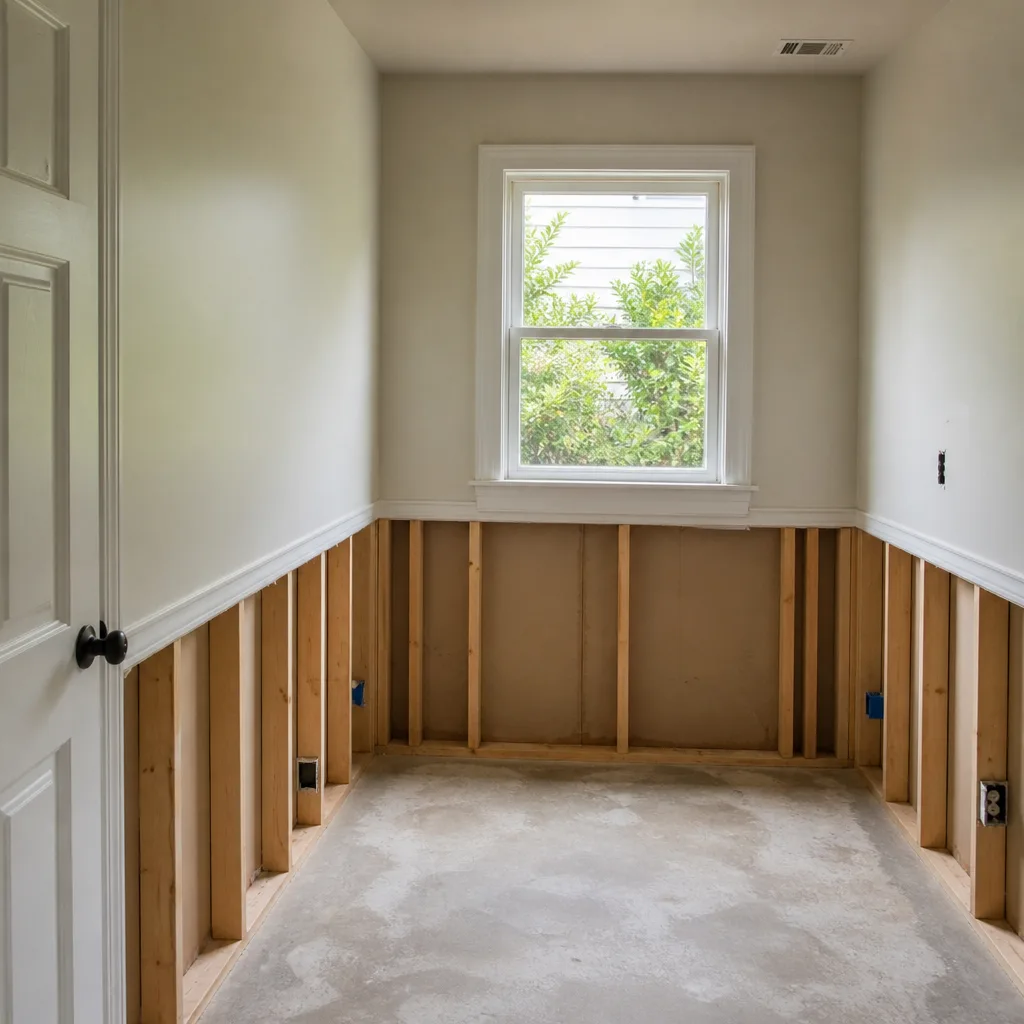
- Containment and material removal. Affected drywall, carpet, pad, and trim come out only if they cannot be saved. We set up plastic containment to isolate the work area, preventing drywall dust and mold spores from going into the rest of the house.
- Antimicrobial application. On any Category 2 or 3 water or mold job, we treat the exposed framing and concrete with an EPA-registered antimicrobial. This step prevents the mold bloom that follows almost every flood.
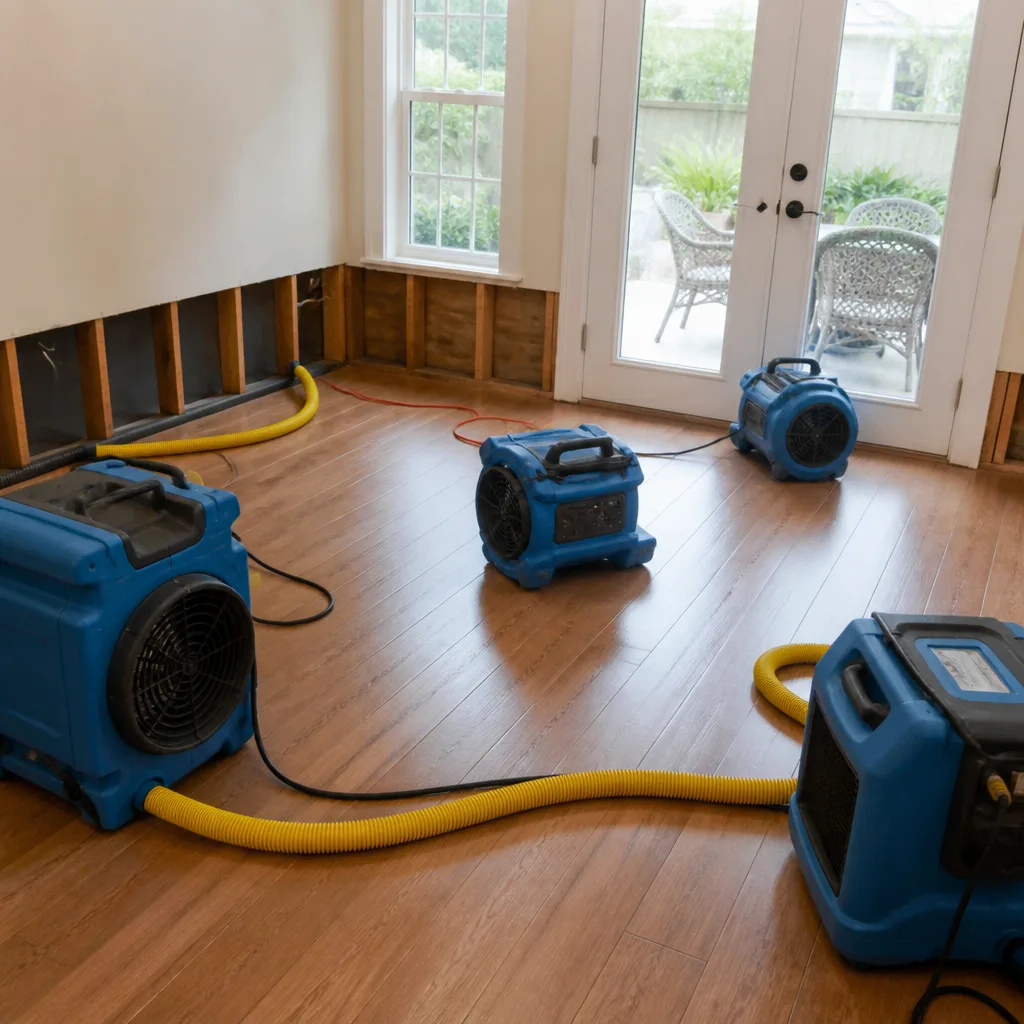
- Drying and dehumidification. We set up professional-grade air movers and dehumidifiers. On most Canarsie basement jobs we run Dri-Eaz and Phoenix equipment because these are the machines built for structural drying. Daily moisture readings are logged, and we do not pull the equipment until the dry standard is met.
- Clearance and documentation. When the readings hold at dry across consecutive readings, we photograph everything, compile the moisture log, and hand you and your carrier the full record. If we are rebuilding, we move into the reconstruction phase with the same crew.
- Rebuild and finish. New drywall, insulation, flooring, and trim go in. We finish with paint, and then we walk the job with you. The 90-Day Done Right Promise is in writing: if something is not right, we come back and make it right. No paperwork battles, no arguing.
Why Drying Science Beats a Fan and a Prayer
A box fan moves air across a surface and evaporates the water into the room. That evaporated moisture then condenses on the next cool surface it finds, which in a Canarsie basement is often the underside of the floor joists, the back of a wall, or the cold foundation wall itself. You have moved the water, not removed it. This is the classic DIY failure mode: the floor feels dry, the homeowner stops, and six weeks later the mold shows up on the wall behind the baseboard.
Professional drying is engineered. We calculate the cubic feet of the affected space, the moisture load in the materials, and the psychrometric conditions of the room. We position air movers to create airflow across the wet surfaces in a specific pattern, not just blowing air in the general direction of the problem. Dehumidifiers pull water out of the air and we remove it through hoses to a drain. On a framed wall cavity, we may use an Injectidry system that forces dry air into the cavity itself, drying from the inside out. These are the techniques that dry a wall assembly in 3 to 5 days instead of 3 to 5 weeks, and the difference is structural integrity and mold prevention. We use Dri-Eaz, Phoenix, XPOWER, and B-Air equipment because these brands have proven themselves on thousands of jobs in Brooklyn basements exactly like yours.
The homeowner who calls us after a DIY attempt gone wrong is common enough that we have a name for it internally: a second-chance dry-out. The first attempt, the fans and the home dehumidifier and the hope, does not work. The flooring cup, the baseboards swell, and the smell returns. The second-chance dry-out almost always costs more than if we had been called first, because we now have to remove material that could have been saved, and sometimes the mold has already taken hold. We are glad to help on those jobs, and we would rather you not need them.
Common Mistakes to Avoid
- Waiting to see if it dries on its own. In a Canarsie basement with high groundwater and salt air, it will not dry on its own. Water trapped in building cavities stays there. Every day of waiting expands the damage and the bill.
- Using a household bleach solution on mold. Bleach is not an EPA-registered mold killer on porous surfaces. It bleaches the color but leaves the roots, and the water in the bleach feeds the mold. The stain comes back, and you have added moisture to the wall.
- Skipping the moisture verification step. Surfaces can feel dry while the material behind them is still at 25 percent moisture content. Without a moisture meter, you are guessing. Guessing is how second-chance dry-outs happen.
- Trusting the first adjuster’s number without documentation. Insurance settlements are negotiable. If you do not have a professional moisture log and photo documentation from day one, the carrier has no reason to move. With documentation, the math changes in your favor.
- Letting a handyman cut out drywall before the moisture is mapped. If drywall is removed without containment, mold spores spread. If the right areas are not removed, the problem comes back. The order of operations matters.
- Ignoring the source and treating the symptom. A sump pump that failed in a Canarsie rainstorm will fail again. A foundation crack that leaks in April will leak in the next nor’easter. Dry-out without source correction is a recurring tax.
- Assuming your policy covers everything. Sewer backups, gradual leaks, and flood zone events often live outside standard HO-3 coverage. Read your policy, call your agent, and ask specific questions before you need the answer.
When to Call a Professional
Call a professional restoration company when the water is contaminated, when it has touched drywall or flooring, when it has been sitting more than 48 hours, when you smell mold but cannot see it, when the structure feels soft or sagging, or when any fire or smoke damage has occurred. Those are the bright lines. If you are on the fence, call anyway and ask for an honest assessment. Floodline Restoration Co. offers free estimates in Canarsie, and a technician will tell you plainly whether the job is within your reach or requires professional work, without any pressure to sign. Call (716) 412-2972 and speak to a live person, day or night. A live dispatcher answers at 2 a.m. and a certified crew can reach a Canarsie address the same visit, with extraction running before the next hour is done.
Frequently Asked Questions
Floodline Restoration Co. answers every call with a live dispatcher, 24 hours a day, every day of the year, and a certified crew can reach a Canarsie address the same day, including nights and weekends. Call (716) 412-2972 and you will speak to a person who can dispatch immediately, not a recording.
Sudden, accidental water damage from a burst pipe, failed appliance, or storm is typically covered under a standard HO-3 policy, while sewer backups, gradual leaks, and flood events often require additional endorsements or separate coverage. Floodline bills the carrier directly on covered jobs and documents everything from the first moisture reading so your claim has the evidence it needs.
A standard Canarsie basement dry-out takes 3 to 5 days of active drying with professional equipment, depending on the amount of water, the materials affected, and how long the water sat. We take daily moisture readings and do not pull the equipment until the dry standard is met, and you receive the full moisture log.
The EPA guideline allows homeowner cleaning of mold under 10 square feet on a non-porous surface, using protective gear and proper methods, but any mold on drywall, carpet, or in a wall cavity requires professional containment and removal. In a Canarsie basement, visible mold is often the small sign of a larger hidden colony.
A finished Canarsie basement flood typically costs $3,500 to $8,000 for professional extraction, drying, and material reset, while a small clean-water spill caught immediately may be handled for a few hundred dollars in DIY supplies. The cost driver is almost always time: the longer the water sits, the higher the bill. Call (716) 412-2972 for a free, written estimate with no obligation.
If the water was clean, the surfaces non-porous, and the spill caught within 24 to 48 hours, surface cleaning and drying may be sufficient; anything beyond that requires extraction, drying, and often material removal. A professional inspection with a moisture meter gives you the honest answer, and Floodline provides that inspection free in Canarsie.
Floodline Restoration Co. deals directly with your insurance carrier, including the adjuster, the claim documentation, and the billing, so you are never the messenger between us and the insurance company. We hand the moisture log and photo evidence to your carrier, and we negotiate the scope based on what the structure actually needs.
The Bottom Line
Most Canarsie homeowners can handle a small, clean-water spill with a shop vac, some fans, and a moisture meter, if they catch it immediately and verify it is actually dry. Beyond that, damage restoration is a trade with science behind it, and the cost of guessing wrong is higher than the cost of calling a professional. We are a local company that has been serving Canarsie for over 15 years, with background-checked, uniformed technicians trained to IICRC, RIA, and IFA standards, and every job backed by the 90-Day Done Right Promise in writing. When the water comes, call (716) 412-2972 and speak to a live person. We will be there when we say.
Written by Curt Bowman, Owner at Floodline Restoration Co., serving Canarsie since 2010.