
Last updated August 25, 2026
Free visual inspection and a written scope of work before any mitigation begins - photos, moisture readings, and drying logs go in your claim file
The scope we write is the scope we bill. Anything new gets shown to you, in writing, before we touch it.
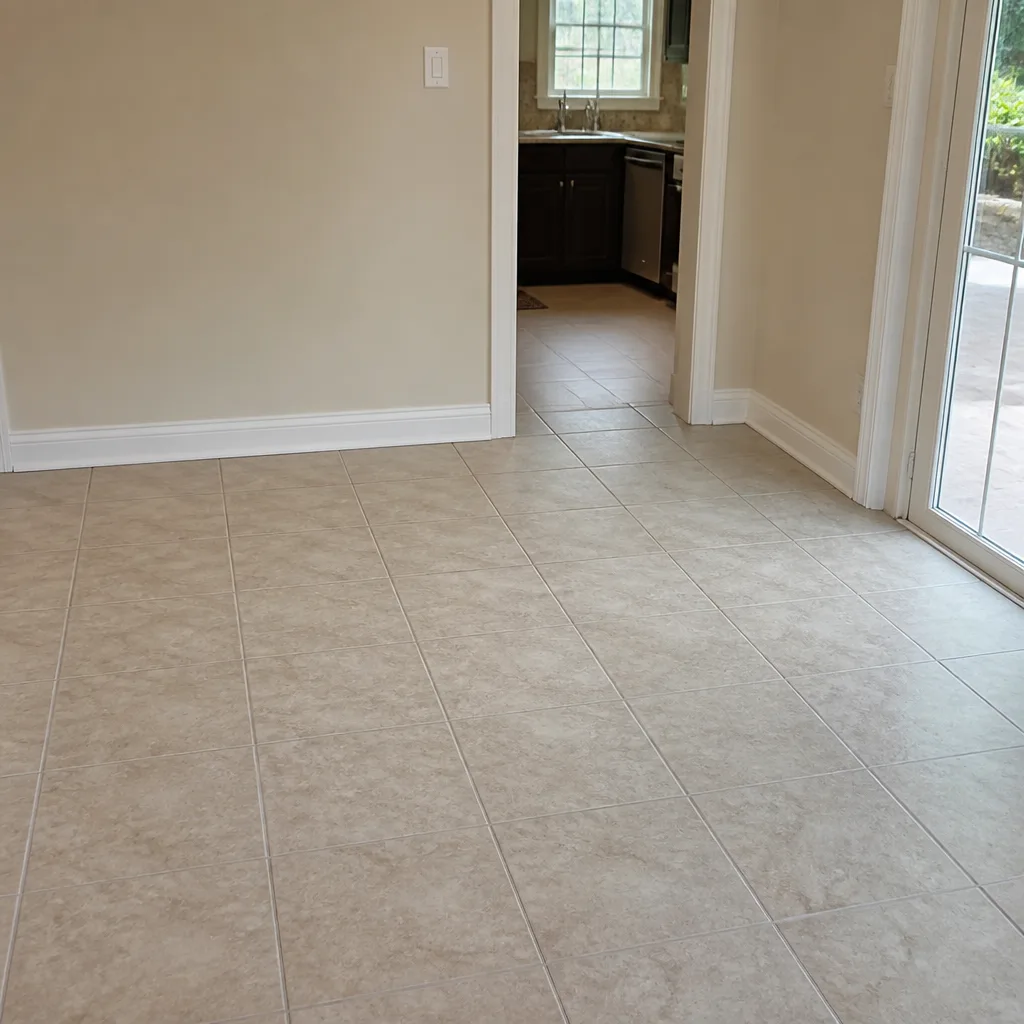
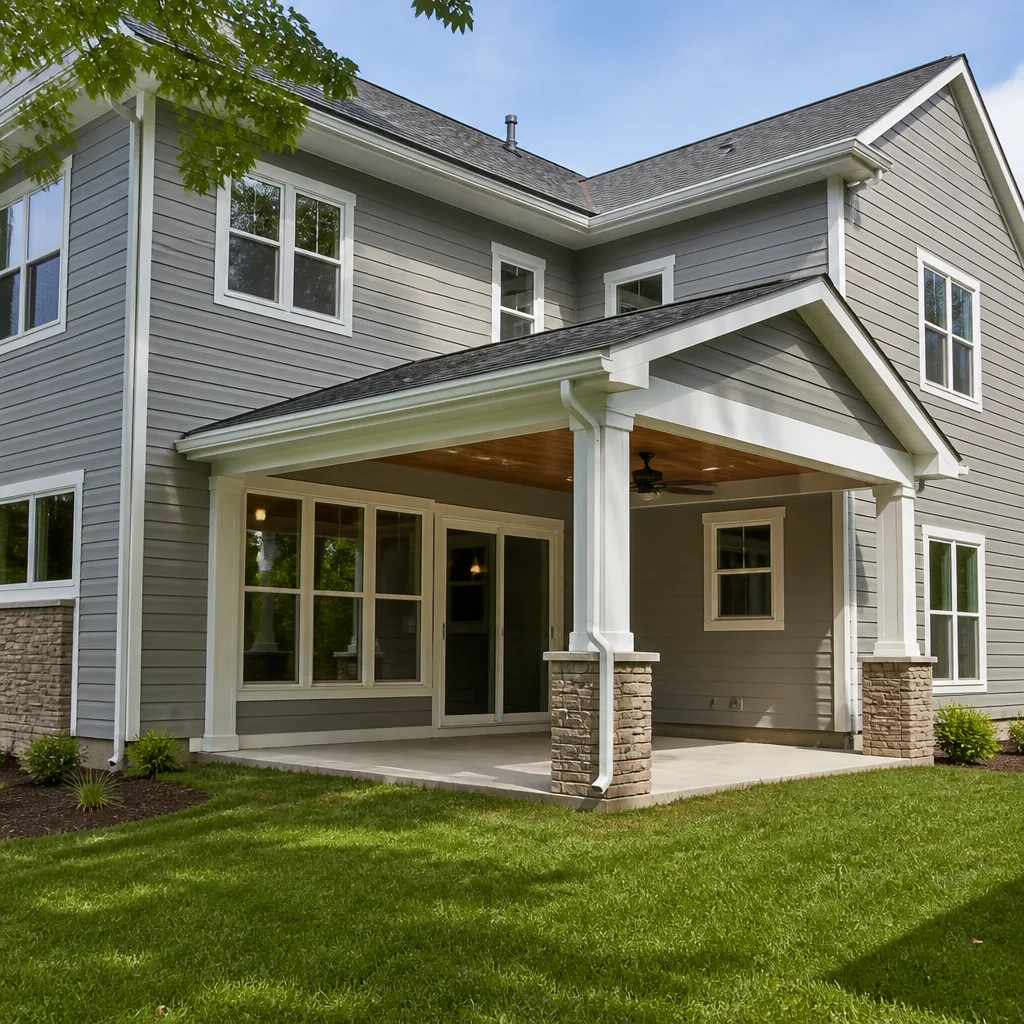
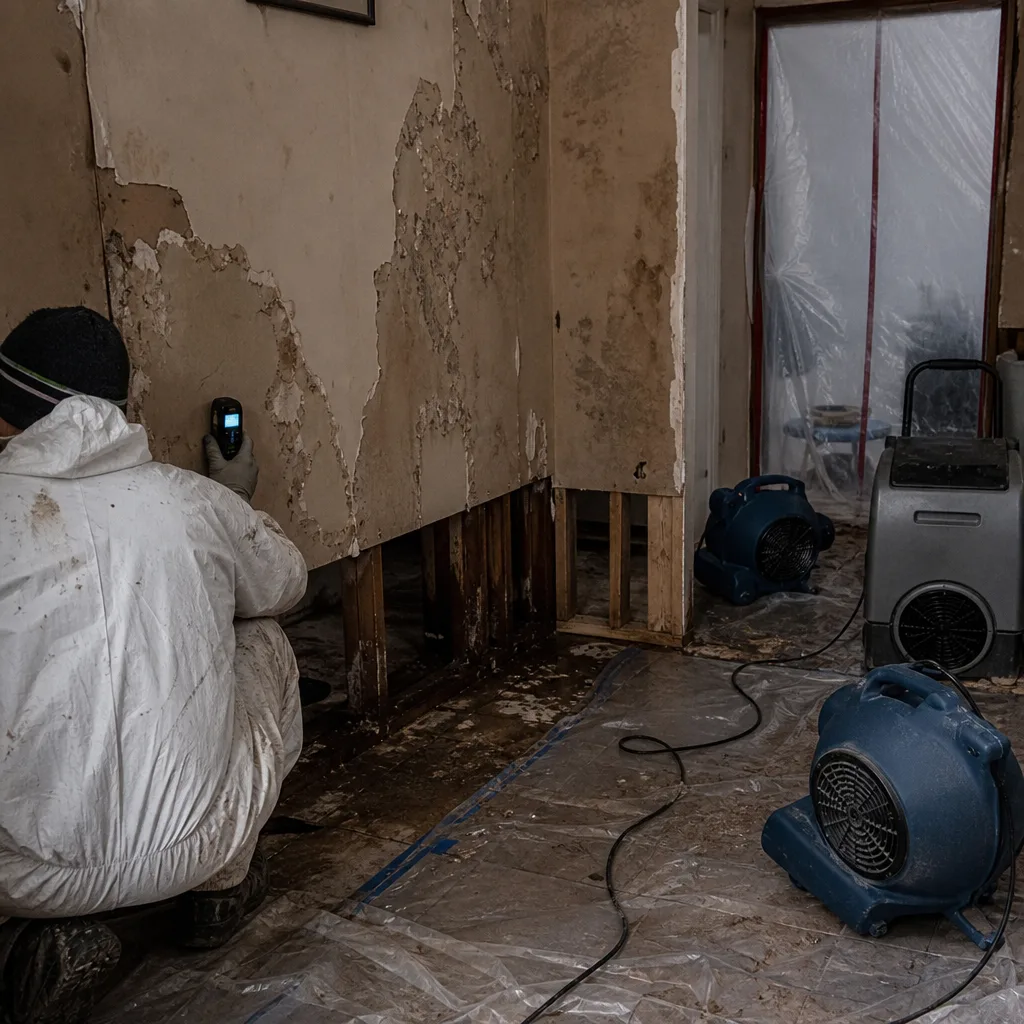 Before
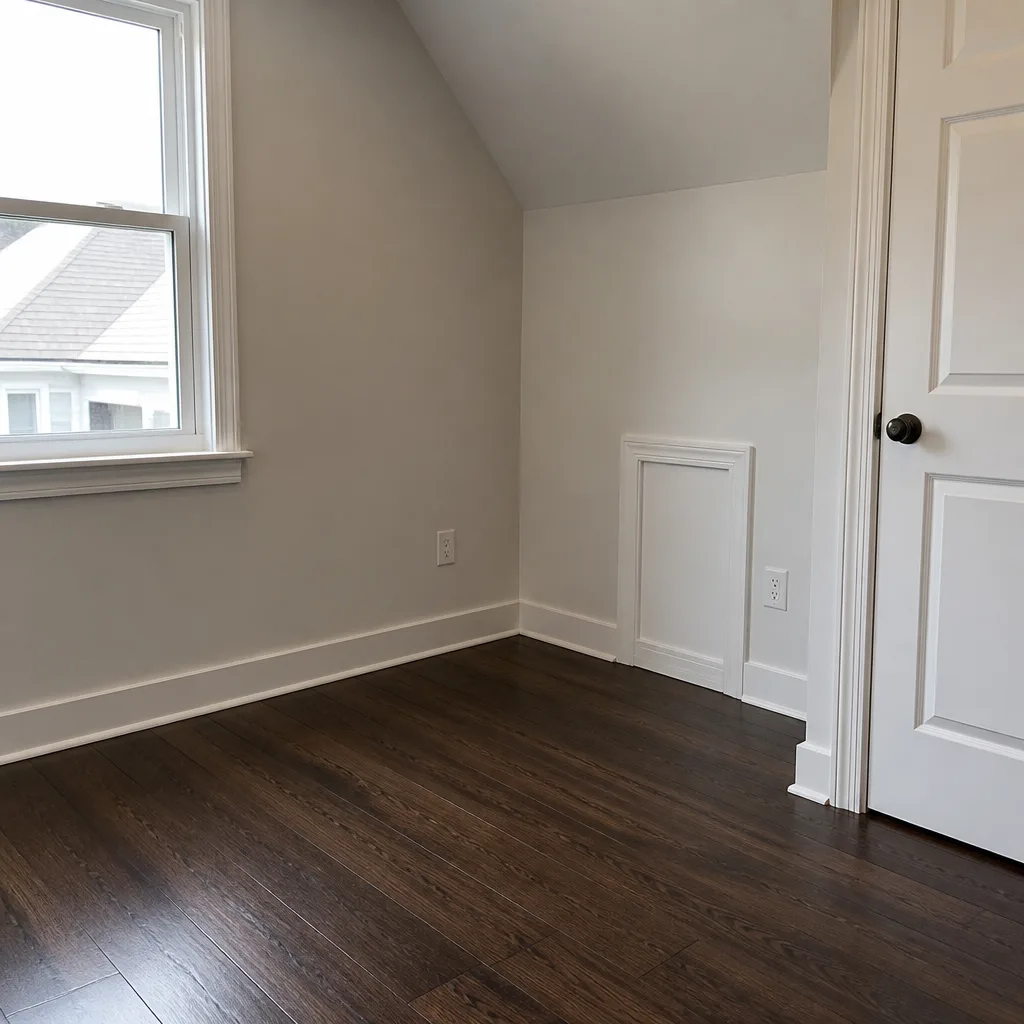 After
After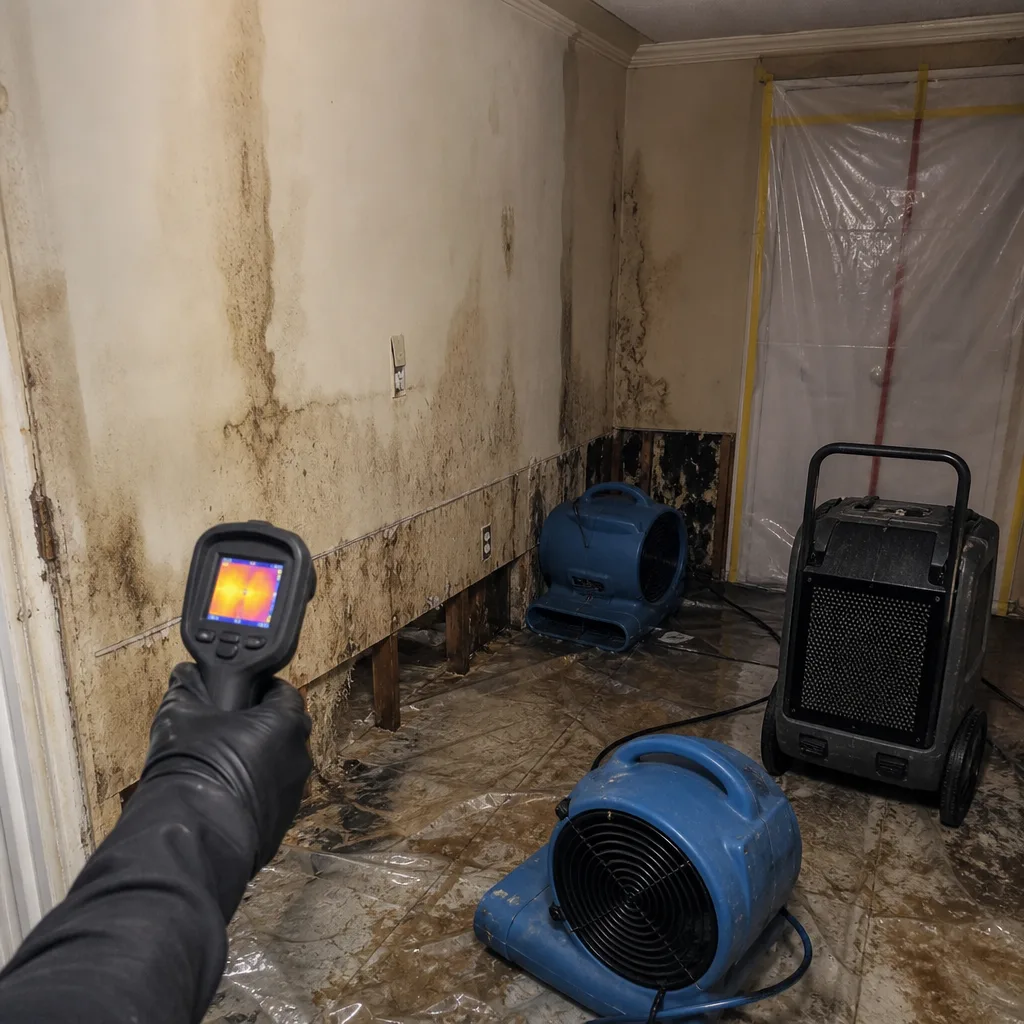 Before
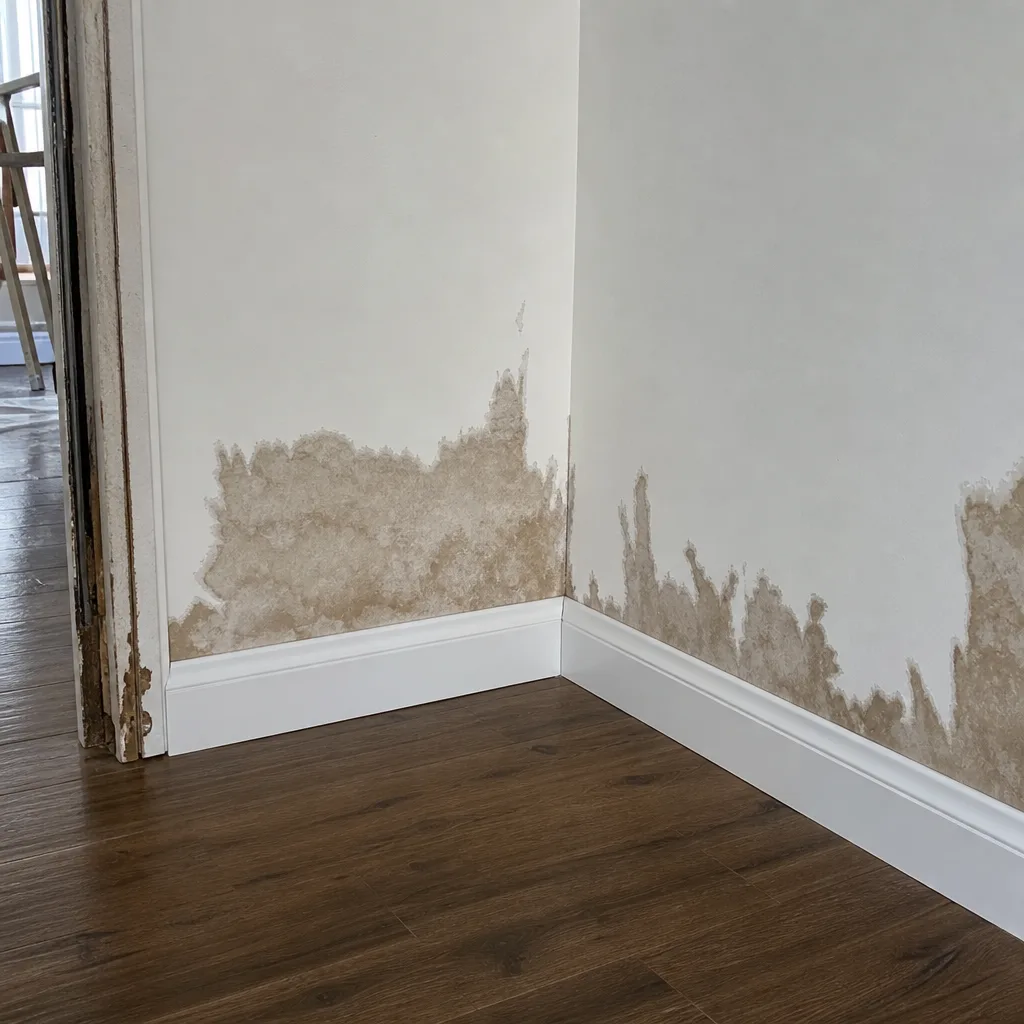 After
After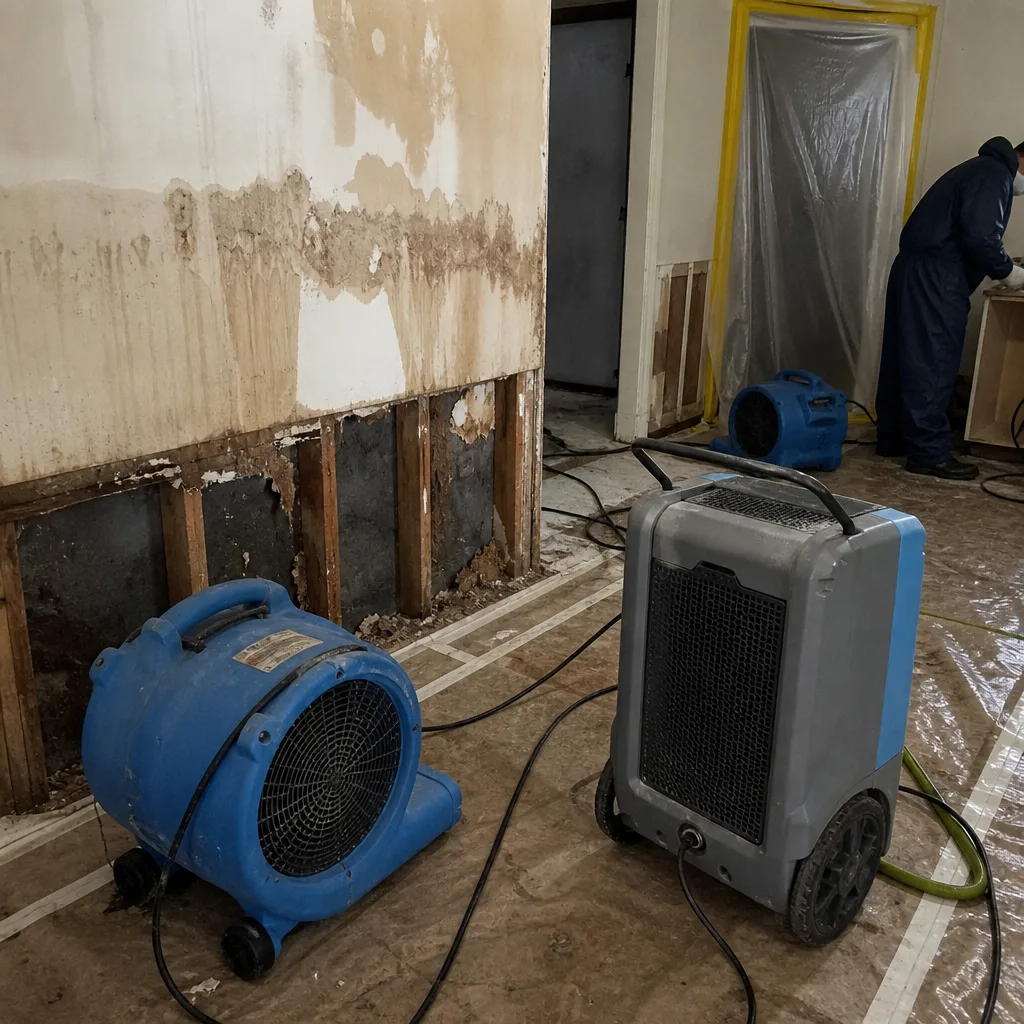 Before
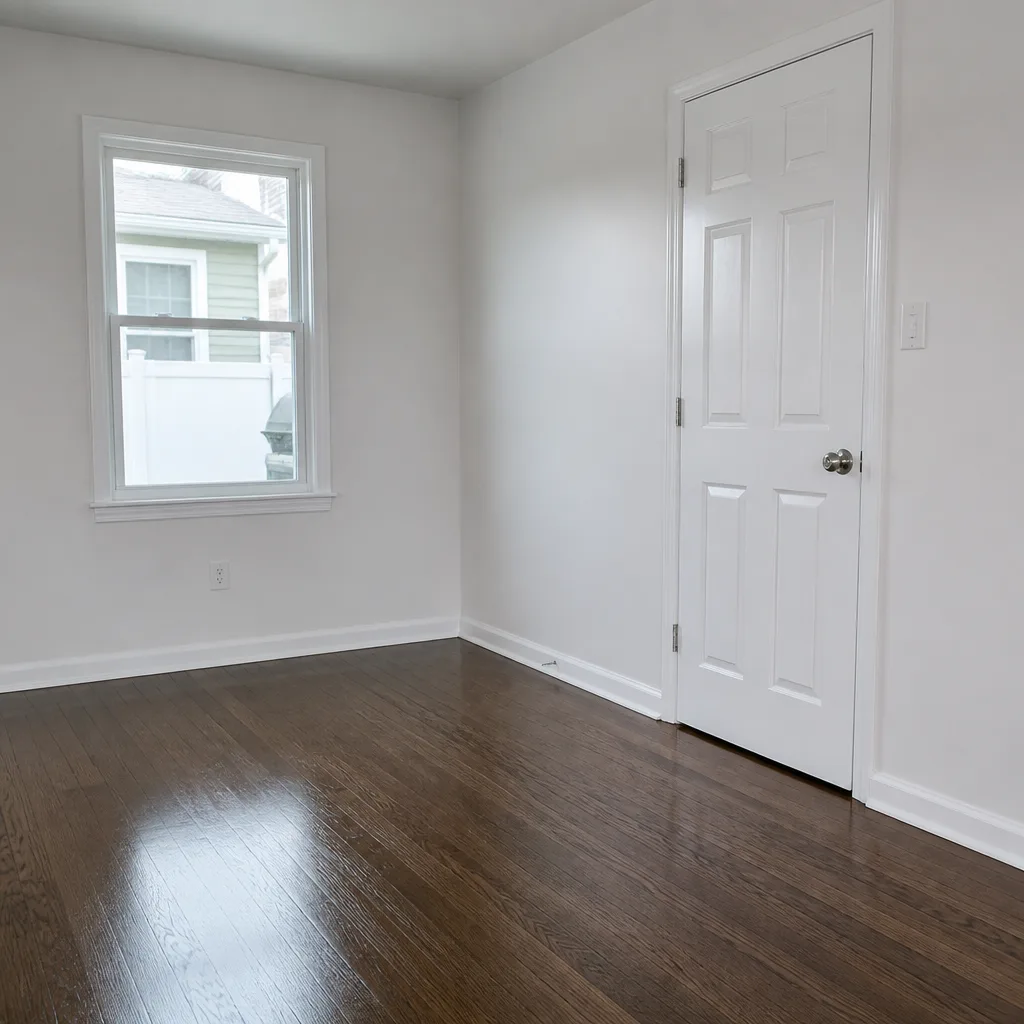 After
AfterDamage Restoration Cost Breakdown: The Canarsie Homeowner’s Reference for 2026
Here’s a number most Canarsie homeowners never hear until it’s too late: the average water damage claim in Brooklyn runs between $3,500 and $7,000, but the gap between a $2,000 cleanup and a $14,000 rebuild usually comes down to the first 48 hours. Not the storm, not the pipe, not the luck of the draw. The clock. This guide walks you through what restoration actually costs in Canarsie in 2026, where the money goes, what drives the price up or down, and how to avoid paying twice for the same job. You’ll learn what a fair quote looks like, which line items deserve scrutiny, and when spending more up front saves you thousands on the back end.
Quick Answer
Damage restoration in Canarsie typically costs between $1,800 and $25,000 depending on the source, square footage affected, and how quickly mitigation begins. Water extraction and drying for a single room usually runs $1,800 to $4,500, mold remediation averages $2,200 to $6,800, and fire or sewage damage often exceeds $10,000 when rebuild work is included. Call (716) 412-2972 for a written, line-item estimate specific to your home, because no two Canarsie basements dry the same way.
Table of Contents
- Water Damage Restoration Costs
- Mold Remediation Costs
- Fire and Smoke Damage Costs
- Sewage Cleanup Costs
- How Insurance Changes the Math
- What Actually Drives the Price
- Hidden Costs That Catch Homeowners Off Guard
- Common Mistakes to Avoid
Water Damage Restoration Costs
Water damage restoration in Canarsie homes averages $1,800 to $4,500 for a single room with clean water from a supply line. A finished basement flooded to ankle height from a storm or washing machine overflow typically lands between $4,000 and $9,000. Whole-home flooding that reaches walls and flooring on multiple levels crosses $12,000 without blinking. These numbers come from the daily reality of Brooklyn’s housing stock: semi-attached brick homes with basements below grade, finished decades ago, sitting on clay-heavy soil that holds water against foundation walls long after the rain stops.
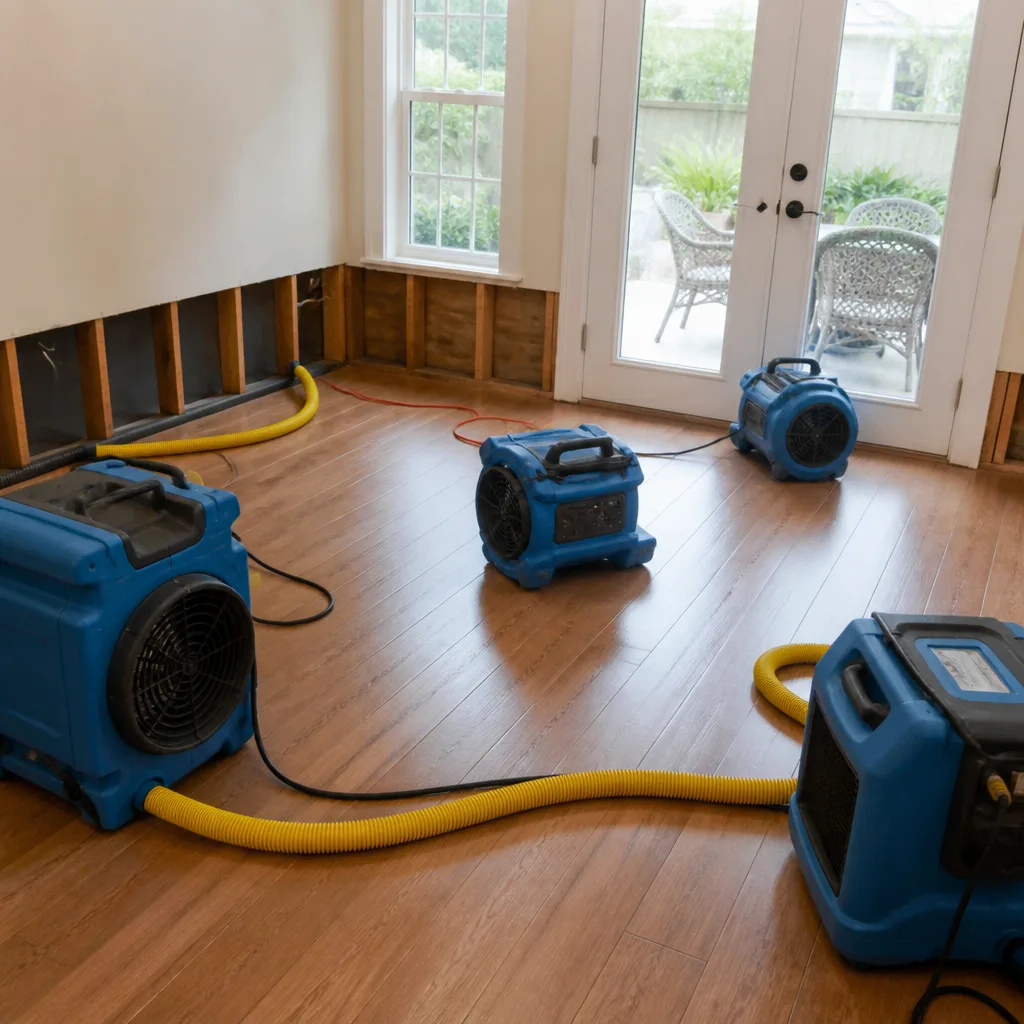
The cost breaks into three clear stages. Extraction comes first: removing standing water with professional-grade pumps and extraction units. Drying follows, using equipment like Dri-Eaz, Phoenix, XPOWER, and B-Air units: industrial dehumidifiers and air movers placed on a moisture map built from actual readings, not guesses. Sanitizing and deodorizing close it out. Each day of active drying in a Canarsie basement runs $150 to $400 in equipment alone, which is why single-visit extraction matters. We run extraction the same visit, because every hour of standing water in a Canarsie basement wicks deeper into drywall, baseboards, and the wood framing behind it.
Here’s the breakdown most homeowners never see on a competitor’s quote:
- Emergency extraction: $450 to $1,200 for typical single-room flooding
- Structural drying (3 to 5 days): $900 to $2,500 depending on square footage and materials
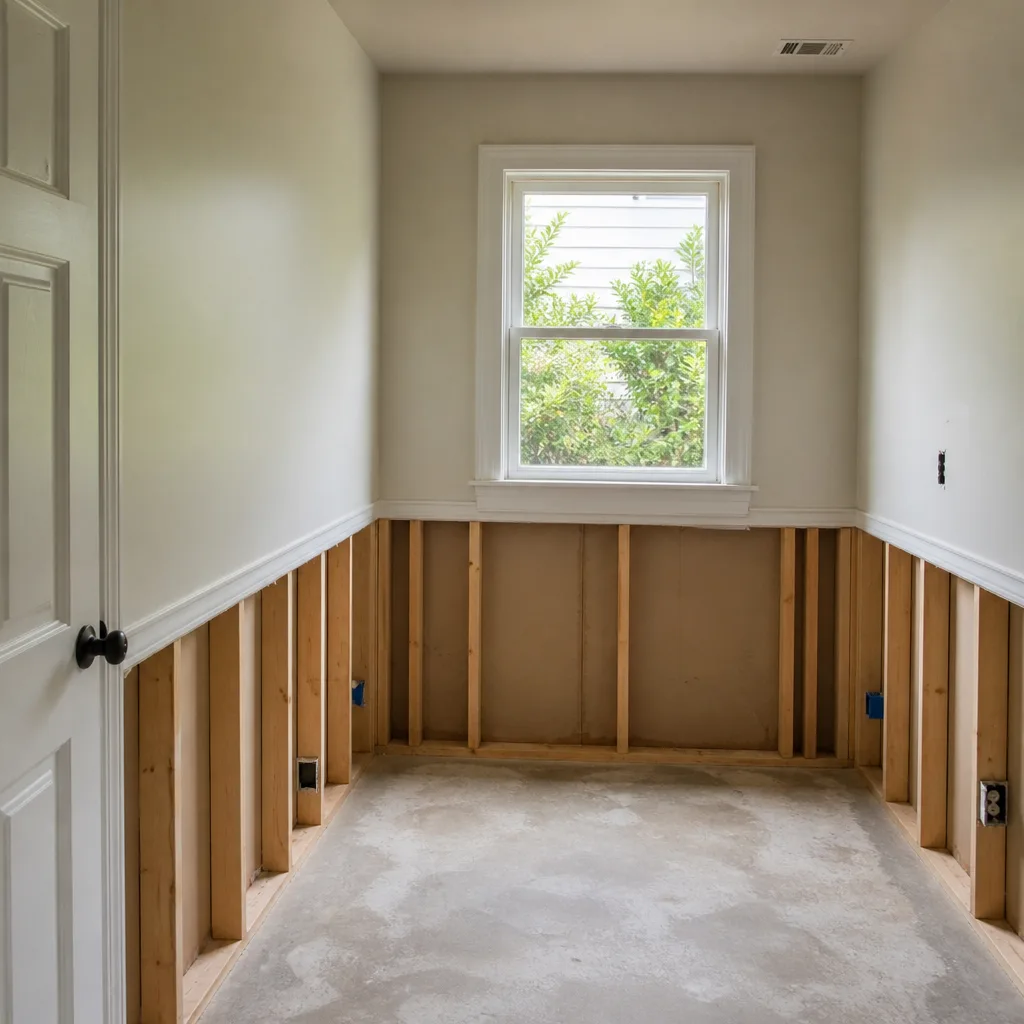
- Baseboard and drywall removal: $300 to $900 per affected room
- Flooring removal and disposal: $400 to $1,800 depending on flooring type
- Antimicrobial application: $250 to $700
- Moisture mapping and daily readings: $200 to $500 total
Older Canarsie homes add specific complication. The pre-war and mid-century build quality varies wildly. We’ve walked into homes on flat blocks near Avenue L where the original plaster walls held up beautifully after a supply line break, and homes on Paerdegat Basin blocks where modern drywall turned to oatmeal in twenty-four hours. That variance is exactly why written, line-item pricing matters. You should see the moisture map, the equipment placement plan, and the daily readings log. Not a story about why the bill grew.
Mold Remediation Costs
Mold remediation in Canarsie averages $2,200 to $6,800 for typical bathroom, kitchen, or basement outbreaks under 100 square feet. Larger infestations that reach behind walls, into HVAC ductwork, or across framing push past $10,000. The price tracks the containment requirements as much as the cleanup itself: sealing off the work area, running negative air pressure, bagging and disposing of contaminated material, and passing a clearance test afterward.
What determines whether you’re at the low or high end of that range?
- Location of the mold. A visible patch on drywall is simple. Mold behind wainscoting, under finished basement flooring, or inside a bathroom ceiling cavity means demolition first, remediation second.
- Species and spread. Cladosporium and penicillium are common and manageable. Stachybotrys (black mold) requires stricter containment and costs 40 to 60 percent more per square foot.
- Moisture source. If the moisture that fed the mold is still active, remediation means nothing. The source gets fixed first, whether that’s a leaking foundation wall on a Canarsie block with high water table, a bathroom exhaust vented into the attic, or a refrigerator line weeping behind the cabinet.
- Clearance testing. Post-remediation verification by a third-party hygienist runs $350 to $800. Skip this and you’ll never know if the job actually worked.
We’ve seen Canarsie homeowners quoted $1,200 for what turned out to be bleach-and-paint jobs. That’s not remediation. That’s covering up a problem that returns in four months. Real remediation in a Brooklyn rowhouse means containment, HEPA filtration, removal, cleaning, drying to standard, and a moisture log handed to you and your carrier at the end. Anything less is a band-aid on a wound that’s still wet underneath.
Fire and Smoke Damage Costs
Fire and smoke restoration in Canarsie runs from $4,500 for a contained kitchen fire to $45,000 or more for structure fires affecting multiple rooms and the roofline. The costs stack because fire damage is never just fire damage. You’re paying for water from the suppression effort, smoke that has permeated every porous surface, and rebuild work that follows after the cleaning crew leaves.
A typical Canarsie kitchen fire claim in 2026 looks like this:
- Emergency board-up and tarping: $800 to $2,000
- Soot and smoke cleaning of affected rooms: $2,500 to $6,000
- Ozone or hydroxyl odor treatment: $500 to $1,200
- Content cleaning and pack-out: $1,000 to $4,000 depending on what survived
- Cabinet and countertop replacement: $4,000 to $12,000
- Paint, trim, and finishing: $1,800 to $5,000
The odor is what catches Canarsie homeowners off guard. Smoke works its way into wood grain, insulation, books, clothing, the filter of your HVAC system. If the odor treatment is skipped or skimped, you’ll smell that fire every humid August afternoon for years. And in Canarsie, where summer humidity hangs over the flats, that odor comes back hard. Proper odor removal is not a spray. It’s a process: hydroxyl generators, HEPA air scrubbing, sealant application on structural wood, and multiple passes over affected contents. Ask any estimator how many days of odor equipment are included. If the answer is “we’ll see,” get another estimate.
Sewage Cleanup Costs
Sewage cleanup in Canarsie costs between $3,000 and $10,000, with the higher end reserved for finished basements where contaminated water reached walls, flooring, and stored belongings. Sewage is the most expensive category of water damage per square foot because everything the water touches becomes controlled waste. Anything porous is removed and disposed of. That’s not us upselling. That’s New York State code and basic safety.
Category 3 water (sewage, river water, storm surge) carries pathogens that no amount of surface cleaning neutralizes. The process looks like this:
- Containment. The affected area gets sealed off from the rest of the home with plastic sheeting and negative air pressure.
- Gross removal. Solid waste and the worst of the water get removed first.
- Cutting and disposal. Drywall, baseboards, carpet, pad, and any porous finish material below the waterline gets cut out and bagged as regulated waste.
- Structural cleaning. Framing, concrete, and remaining hard surfaces get cleaned with antimicrobial solutions.
- Drying. The structure dries to standard under equipment before any rebuild begins.
- Verification. Moisture readings confirm the space is ready for reconstruction.
Canarsie’s combined sewer system means heavy rain events can push sewage back through floor drains in basements across the neighborhood. Homes on streets with older lateral connections see this more than newer construction. If you’re in one of the blocks near Canarsie Park or the southern end toward Belt Parkway, a check valve on your main line costs $1,500 to $3,500 and is the cheapest insurance you’ll ever buy against a $8,000 sewage cleanup.
How Insurance Changes the Math
Most Canarsie homeowners discover the hard way that insurance does not cover all water damage equally. A sudden pipe burst? Covered under most standard policies. A slow leak behind a wall that has been dripping for six months? Often denied as maintenance. Flooding from rising water? Only covered under separate flood insurance through the NFIP or a private carrier. Sewage backup? Requires a specific rider on many Brooklyn policies.
The adjuster is not your adversary, but they are not your advocate either. They work for the carrier. That’s why the single most valuable thing a restoration company can do is document everything photographically and bill the carrier directly. Floodline Restoration Co. has always billed carriers directly, which means you never get stuck playing messenger between a restoration crew and a desk adjuster who wants to question every line item. The moisture log, the daily readings, the equipment placement photos: all of it goes straight to the adjuster.
Here’s what that means for your wallet:
- Your deductible still applies. Typical Canarsie homeowners policies carry a $1,000 to $2,500 deductible for water damage claims.
- Depreciation vs. replacement cost. Cheaper policies pay actual cash value, which means you eat the depreciation on carpet, drywall, and cabinets. Replacement cost policies pay the full number.
- Direct billing saves you from floating thousands. When the restoration company bills the carrier directly, you’re not waiting for reimbursement on a $7,000 emergency.
- The 90-Day Done Right Promise matters here. If the work fails and the carrier already paid out, you’re the one fighting for a second claim. A written guarantee that the work gets made right without paperwork battles changes that math entirely.
What Actually Drives the Price
Five things move the number on any Canarsie restoration quote more than anything else. Understanding these means you can compare estimates intelligently instead of just picking the lowest number and hoping.
Square footage of affected area. A 200-square-foot basement corner is a different job than a 1,200-square-foot finished basement. Equipment count, labor hours, disposal volume: all scale directly with area.
Water category. Clean water from a supply line is the cheapest to mitigate. Gray water from a dishwasher or washing machine carries contamination and costs 20 to 30 percent more. Black water from sewage or storm surge doubles the labor and disposal costs.
Age of construction. Canarsie homes built before 1978 may have asbestos in flooring, insulation, or joint compound. Any disturbance triggers abatement requirements, which add $2,000 to $8,000 to a project. Even newer homes hide less obvious problems: cheap sheet vinyl over particle board underlayment that swells and disintegrates, or strapping that wicks moisture into surprising places.
Drying difficulty. Finished basements in Canarsie dry slower than you’d expect. Below-grade concrete holds moisture. Closed cell foam insulation traps it. The high summer humidity slows evaporation. Equipment run time determines a big slice of the bill, and humidity in this neighborhood means equipment runs longer.
Response speed. This one’s counterintuitive. The faster someone with the right equipment gets there, the lower the final bill, because less material reaches the point of no return. Staying home for a day and “just letting it dry” converts a $1,800 extraction into a $6,000 demolition. Speed is not a sales tactic in restoration. It’s the single largest cost-control lever you have.
Hidden Costs That Catch Homeowners Off Guard
The price on the invoice is rarely the whole story. These are the costs Canarsie homeowners tell us they weren’t prepared for:
- Disposal fees. Wet drywall, carpet, and insulation weigh more than you think, and Brooklyn transfer stations charge by weight. $400 to $1,000 per job is normal, and the cheap quotes usually exclude it.
- Temporary storage. If contents need pack-out while drying and rebuilding happen, a storage container or climate-controlled unit runs $150 to $400 weekly. A fire job with a full pack-out can take 8 to 12 weeks before contents return.
- Permit costs. Structural rebuilds in Canarsie trigger DOB permits. $500 to $2,000 depending on scope, plus expeditor fees if you want the permit pulled faster than standard review.
- Asbestos testing. Any home built before 1978 should get tested before drywall comes out. $350 to $800 for the test, thousands more if abatement is required.
- Electric and plumbing rework. When you’re opening walls anyway, you’ll find dated wiring and questionable plumbing. The restoration covers what the water touched. Upgrading knob-and-tube wiring or replacing a corroded drain stack is additional work outside the claim.
- Matching finishes. Your 2002-era LVT flooring and your 2002-era wall texture are not coming back. Matching means replacing more than the damaged area, or living with a visible patch. Most homeowners choose matching.
We tell every Canarsie homeowner the same thing: the bid you can trust is the one that lists these items as line items instead of “contingency.” A written scope agreed before work starts means the surprise costs become choices, not ambushes.
Common Mistakes to Avoid
- Waiting to call. Every hour of standing water in a Canarsie basement means more drywall and flooring hits the dumpster instead of the drying rack. The house doesn’t get better by itself.
- Hiring a general handyman for category 3 water. Sewage cleanup requires containment, regulated waste disposal, and antimicrobial treatment. A guy with a wet-vac and a fan is not the same thing.
- Accepting the lowest bid without a written scope. The cheap estimate almost always excludes disposal, daily monitoring, or the rebuild. You find out after the walls are open.
- Not reading your policy before the emergency. Knowing whether you have sewage backup coverage or flood insurance before the water rises changes how fast you act and what you authorize.
- Skipping the moisture log. If the restoration company can’t show you daily moisture readings proving the structure hit the dry standard, the job isn’t done, no matter how sturdy it looks.
- Rebuilding over trapped moisture. This is the big one. Drywall over a damp sill plate means mold blooms inside the wall cavity a year later, and your insurance carrier will not pay twice for the same mistake.
When to Call a Professional
If water has been standing for more than four hours, call. If the water came from a drain line, toilet, or sewer backup, call before you touch anything. If you smell something musty and can’t find the source, call before the mold makes its presence obvious through the drywall. If smoke from a fire has settled into every room of the house, call before the odor cures into the wood. A professional assessment costs you nothing at Floodline Restoration Co., and it tells you whether you’re looking at a $3,000 drying job or a $15,000 rebuild before you commit to anything. Floodline Restoration Co. offers free estimates in Canarsie, call (716) 412-2972.
Frequently Asked Questions
Water damage restoration in Canarsie typically costs $1,800 to $4,500 for a single-room clean water incident, with finished basement floods ranging $4,000 to $9,000. The final number depends on square footage, water category, and how quickly extraction begins. Call (716) 412-2972 for a written estimate, because every Canarsie home dries differently and you deserve to know the real number before work starts.
Most Canarsie homeowners policies cover sudden water damage like pipe bursts, but gradual leaks, flood water, and sewage backup often require separate coverage or get denied outright. Floodline Restoration Co. documents everything photographically and bills your carrier directly, so you’re never stuck arguing line items with an adjuster who never saw the job site. Check your policy’s declarations page for the specific perils listed under water damage.
A live dispatcher answers the phone at Floodline Restoration Co. 24 hours a day, 7 days a week, and a certified crew reaches most Canarsie homes within hours, not days. Extraction starts the same visit. In restoration, the fast response is not a convenience, it’s the difference between drying a basement and replacing it.
If the water is clean and the area is under 100 square feet with no wicking into walls, professional drying may be enough. If there is any mold growth, any sewage or gray water, or any moisture trapped behind drywall, full remediation is the only option that doesn’t return in six months. A visual assessment and moisture readings answer this question definitively, and the assessment is free.
The 90-Day Done Right Promise means if the work isn’t done right, we make it right, in writing, with no paperwork battles and no arguing. It’s the Keystone Standard at Floodline Restoration Co., and it applies to every job we take in Canarsie. If the drying fails, the mold returns, or the rebuild doesn’t hold up, we come back and fix it.
Canarsie sits low relative to Jamaica Bay, with a high water table and older combined sewer lines that back up during heavy rain. Homes in the southern blocks near Belt Parkway and the low-lying streets around Paerdegat Basin see more hydrostatic pressure against foundation walls, which means more seepage and more sewage backup events than higher-ground Brooklyn neighborhoods. A backwater valve and regular sump pump maintenance prevent most of these failures.
The Bottom Line
Damage restoration in Canarsie costs $1,800 to $25,000 depending on source, size, and speed of response. The homeowners who pay the least are the ones who call fastest, demand written scopes, and understand their insurance policy before the water rises. The homeowners who pay the most wait, hire the cheapest bid without reading it, and rebuild over moisture that never dried. Floodline Restoration Co. has served Canarsie since 2010 with the same standard on every job: extraction to rebuild under one crew, documented moisture readings from day one, direct insurance billing, and the 90-Day Done Right Promise in your hands before the first piece of equipment rolls off the truck. Floodline Restoration Co. home is where you’ll find us, with a live person answering at (716) 412-2972, any hour, any day.
Written by Curt Bowman, Owner at Floodline Restoration Co., serving Canarsie since 2010.