
Last updated August 25, 2026
Free visual inspection and a written scope of work before any mitigation begins - photos, moisture readings, and drying logs go in your claim file
The scope we write is the scope we bill. Anything new gets shown to you, in writing, before we touch it.



 Before
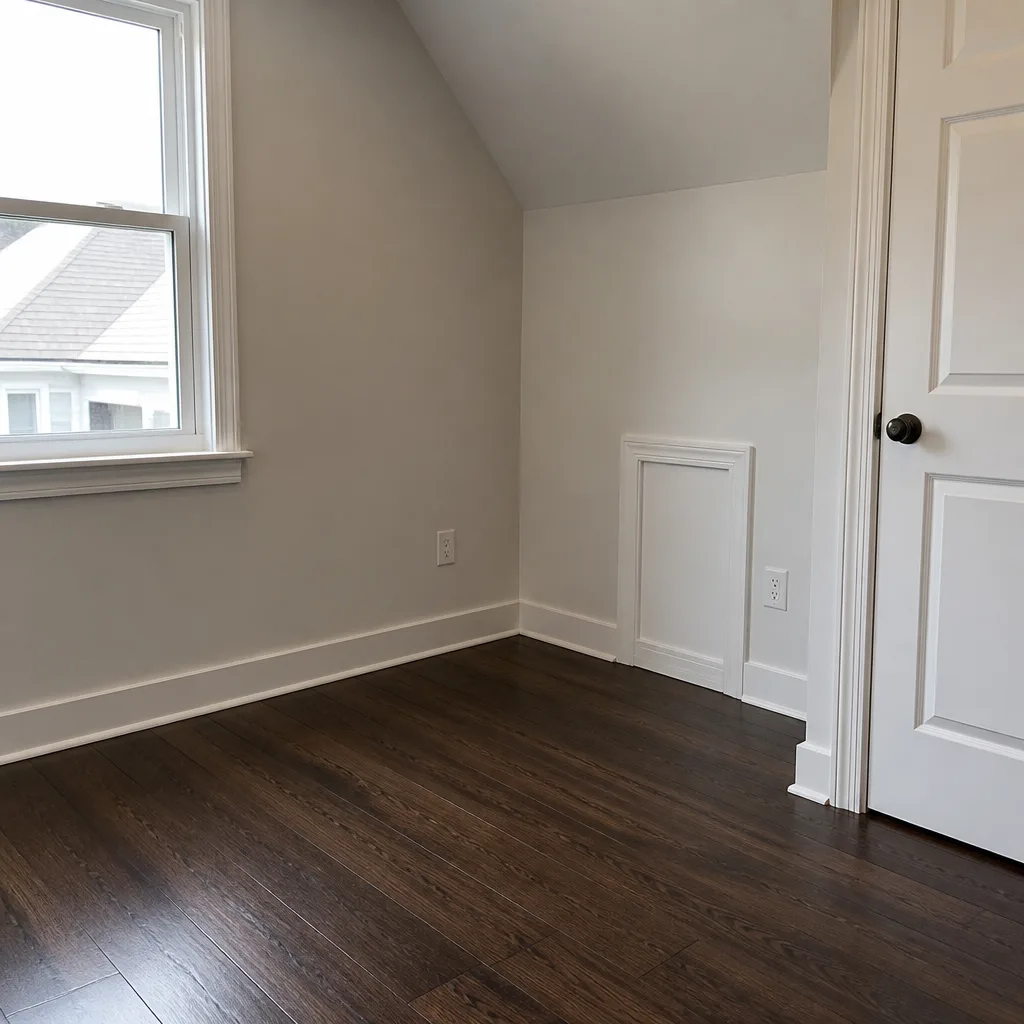 After
After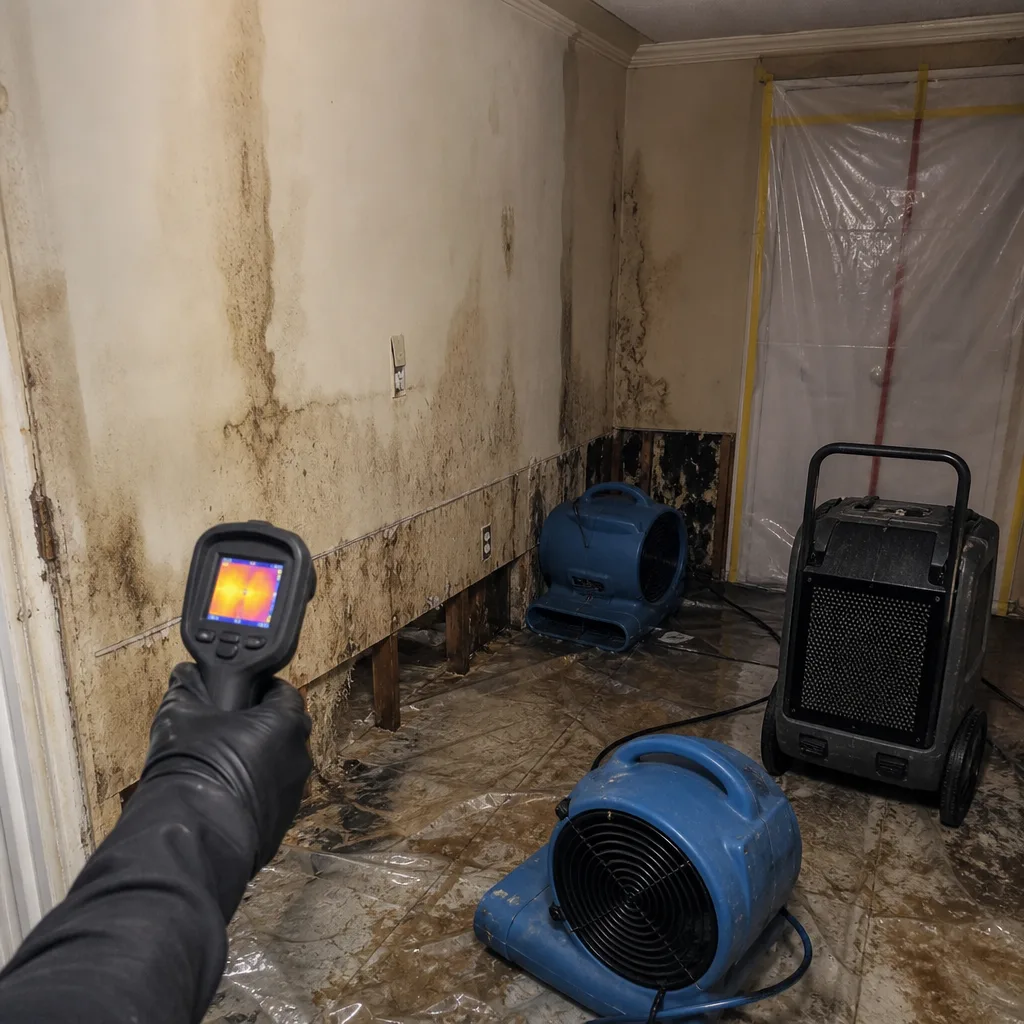 Before
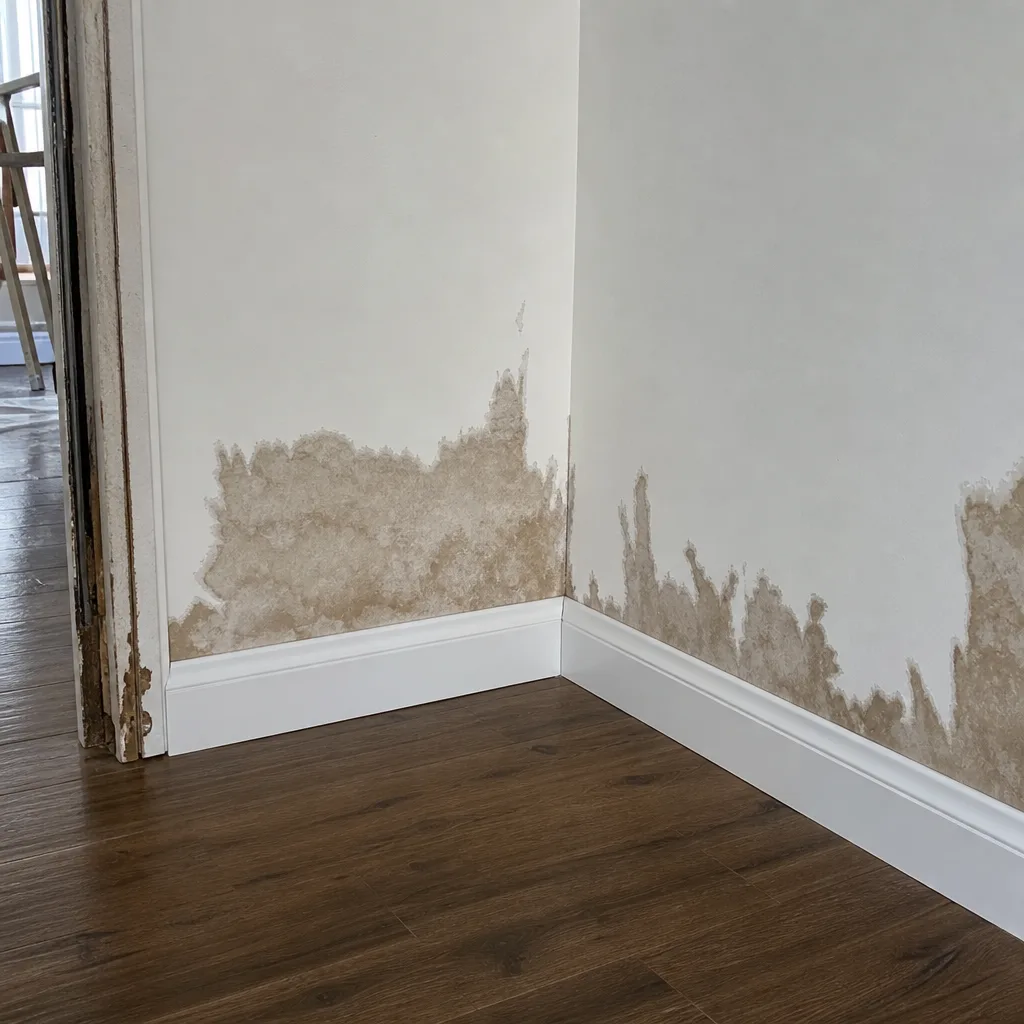 After
After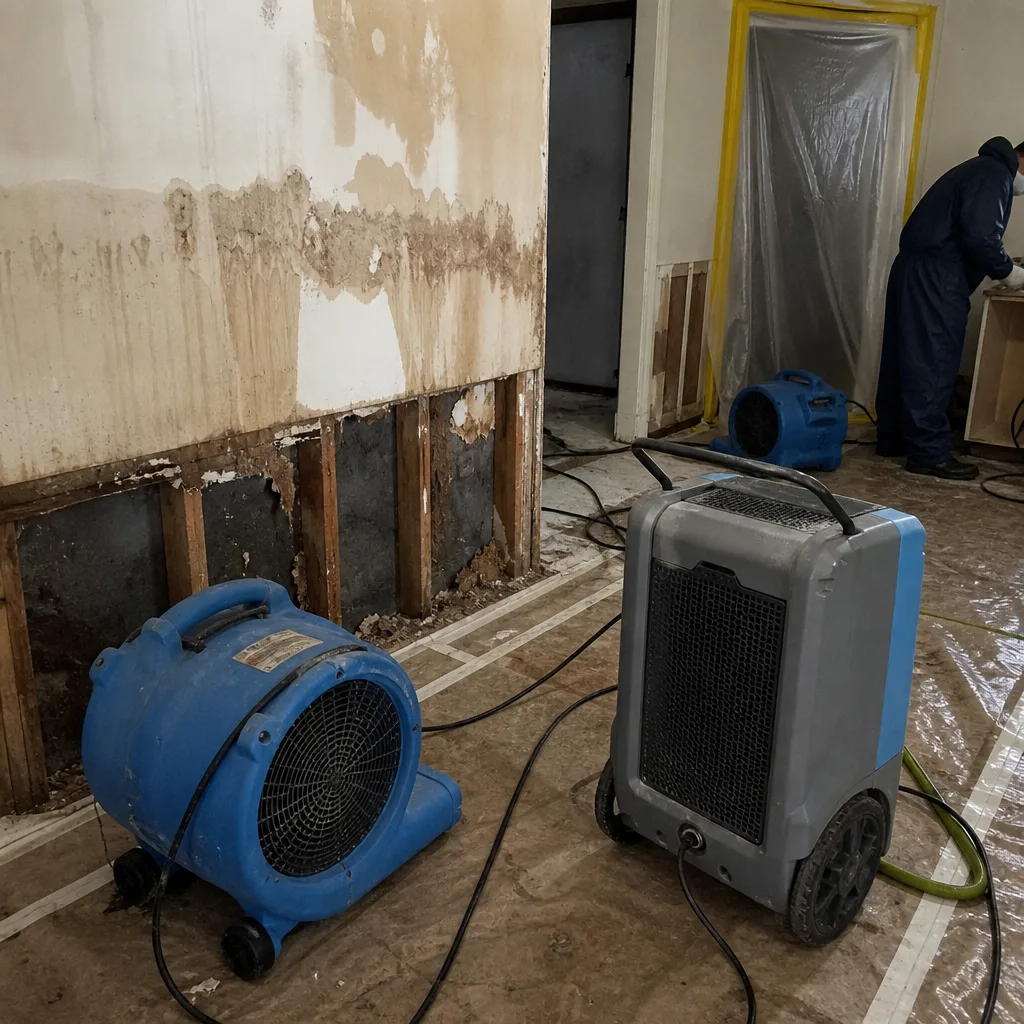 Before
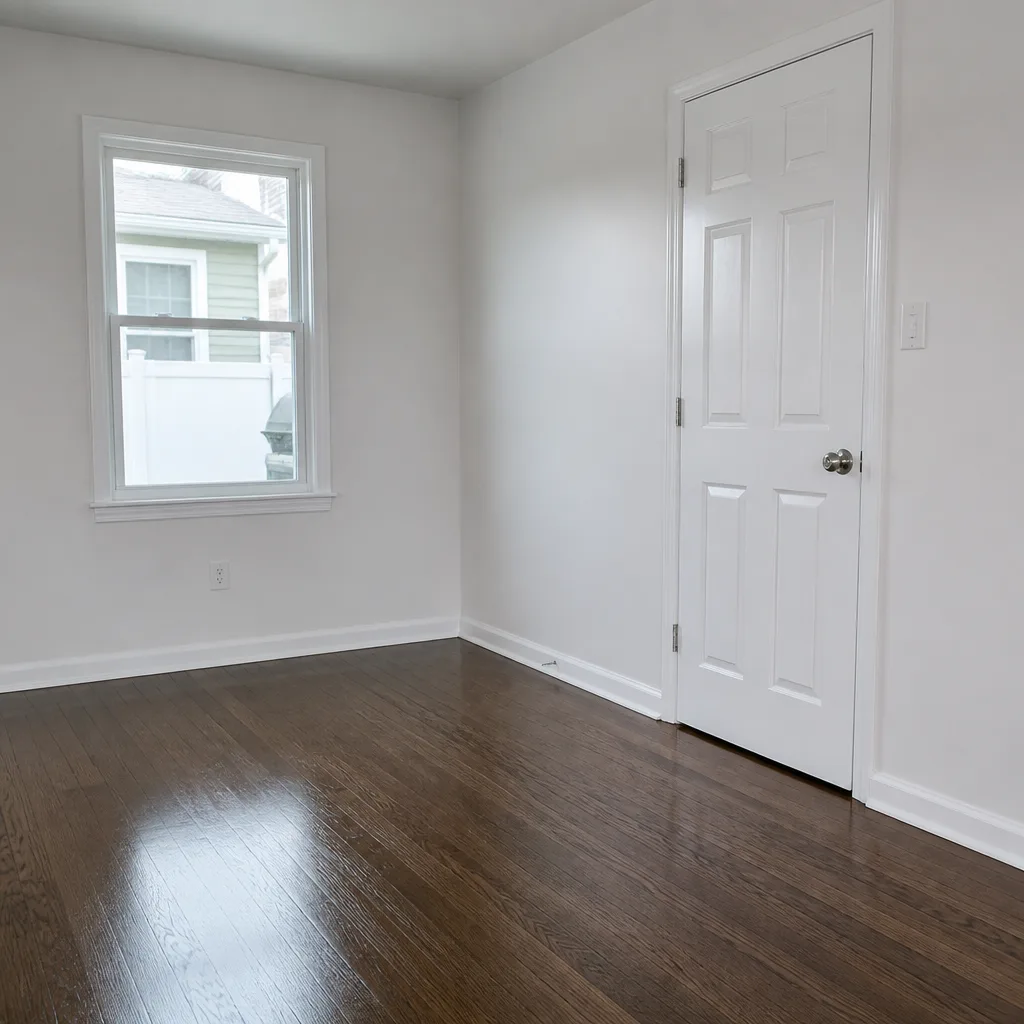 After
AfterDamage Restoration Warning Signs: A Canarsie Homeowner’s Reference Guide
Most Canarsie homes show damage long before the homeowner notices it. By the time a stain appears on the ceiling or a musty smell registers, the problem has often been working behind the wall for weeks or months. Water travels sideways through framing and wicks up drywall, mold colonizes in wall cavities, and smoke residue from a small kitchen fire can settle into ductwork you cannot see. This guide walks through the warning signs that matter in a coastal Brooklyn neighborhood like Canarsie, what each sign actually means, and which ones need a professional response within hours rather than days.
Quick Answer
The most common early warning signs of hidden damage in Canarsie homes are unexplained musty odors, discoloration or staining on walls and ceilings, paint that bubbles or peels without a clear cause, baseboards that warp or separate from the wall, and a spike in utility bills that suggests a slow leak. In a coastal neighborhood with older housing stock and shallow water tables, these signs point to issues that get more expensive the longer they wait. A professional moisture assessment is the fastest way to confirm what you are looking at.
Table of Contents
- Water Damage Warning Signs in Canarsie Homes
- Mold Warning Signs You Should Not Ignore
- Fire and Smoke Damage Warning Signs After a Small Fire
- Sewage Backup Warning Signs
- Storm and Flood Damage Warning Signs Near Canarsie’s Waterfront
- Hidden Damage: What Lurks Behind Walls and Under Floors
- Common Mistakes to Avoid
- When to Call a Professional
- Frequently Asked Questions
- The Bottom Line
Water Damage Warning Signs in Canarsie Homes
Water damage is the most common restoration call we get in Canarsie, and it is rarely a single dramatic event. More often it is a slow drip from a supply line behind a bathroom wall, a pinhole leak in a copper pipe under a kitchen sink, or condensation from an air handler in a crawlspace that has been wet for months. The signs are easy to read once you know what to look for.
Signs you can see:
- Ceiling stains - brown or yellow rings on ceiling drywall, often with a darker center. In Canarsie rowhouses and attached homes, a ceiling stain can mean a roof leak, a second-floor plumbing issue, or condensation from an attic space that is not venting.
- Bubbling or peeling paint - when moisture pushes through drywall, it separates the paint film from the surface. This looks like blisters or flaking patches and is often the first visible sign of a leak inside a wall.
- Warped or cupped flooring - hardwood and laminate absorb moisture and swell. Boards that lift at the edges, buckle in the middle, or feel spongy underfoot point to water underneath the floor, not on it.
- Baseboards pulling away - swelling drywall pushes baseboards off the wall, leaving gaps and cracked caulk lines. This is one of the most reliable early indicators in Canarsie homes with original plaster and lath construction.
- Staining at wall-to-floor joints - dark lines where drywall meets the slab or subfloor indicate moisture wicking upward, a common pattern in Canarsie’s flood-prone blocks near Fresh Creek and Paerdegat Basin.
What these signs mean
Visible water damage is almost always the tip of the problem. Water that reaches the surface of drywall has already saturated the internal cavity. The water you cannot see is wicking sideways along framing, soaking insulation, and creating the conditions for mold growth within 24 to 48 hours. By the time a Canarsie homeowner sees a ceiling stain, the source has typically been active for weeks.
- Trace the stain to the nearest water source, plumbing line, roof penetration, or appliance.
- Check the floor directly beneath the stain for swelling, softness, or a musty smell.
- Do not paint over the stain. Paint seals moisture in and accelerates deterioration behind the surface.
- Call for a moisture assessment. A professional with a thermal imaging camera and moisture meter can map the actual spread of water inside the wall, floor, or ceiling cavity.
In our experience in Canarsie, a small ceiling stain in a first-floor kitchen often traces back to a failed wax ring on a second-floor toilet, and the damage travels down inside the wall cavity for several feet before it becomes visible. The repair is never as simple as patching the drywall.
Mold Warning Signs You Should Not Ignore
Mold is a symptom of a moisture problem that has not been solved. In Canarsie’s humid coastal climate, mold grows faster than in drier inland areas, and older homes with uninsulated exterior walls and single-pane windows create the warm, still air pockets mold needs. The warning signs fall into three groups: smell, sight, and health.
The smell test
A musty, earthy, or damp-sock odor that comes and goes, or lingers in a single room, is the most common first warning sign in Canarsie homes. If the smell strengthens when the HVAC system runs, the mold is likely growing in or near the ductwork or in a wall cavity the system draws air through. If the smell is stronger on certain days, humidity changes are activating the colony.
The visual signs
- Discolored patches on walls, ceilings, or baseboards - black, green, gray, or white and powdery.
- Dark staining around window frames where condensation collects in winter.
- Fuzzy or slimy spots on the back of furniture placed against exterior walls.
- Staining on ceiling tiles or drywall in bathrooms with poor exhaust ventilation, common in older Canarsie homes that were built before mechanical ventilation codes.
Health warning signs
Persistent coughing, sneezing, headaches, or worsening asthma symptoms that improve when you leave the house can point to elevated mold spore counts indoors. If more than one person in the household notices the same pattern, take it seriously. Mold does not need to be visible to be affecting indoor air quality.
The practical rule in Canarsie: if you can smell mold but cannot find it, the colony is behind a wall, under a floor, or in a ceiling cavity. Testing can confirm the presence of elevated spore counts, but the more urgent question is where the moisture is coming from. Mold cannot survive without water. Stop the water, dry the structure, and the mold stops growing. Removing the visible mold without fixing the moisture source is a temporary fix that always fails.
Fire and Smoke Damage Warning Signs After a Small Fire
A kitchen fire that is contained in minutes can still leave damage that shows up weeks later. Smoke does not stay in the room where the fire happened. It moves through the house on air currents, deposits residue on cool surfaces, and settles into porous materials like drywall, carpet, upholstery, and wood. In Canarsie’s attached homes, smoke can also travel into neighboring units through shared wall cavities and floor assemblies.
Signs of smoke damage that outlast the fire:
- Lingering smoke odor that returns when humidity rises or the house warms up. This indicates smoke residue embedded in porous materials, not just in the air.
- Yellowing or discoloration on walls, ceilings, and light fixtures. Smoke residue is acidic and shows up as an oily film or yellow-brown tint, especially on surfaces that were painted white.
- Soot staining around air vents - the HVAC system pulled smoke through the return ducts and deposited soot on vent covers and nearby surfaces.
- Corrosion on metal surfaces - smoke residue accelerates rust and pitting on appliances, electronics, and plumbing fixtures. This can appear weeks after the fire.
- Persistent headaches or respiratory irritation among household members, caused by residual particulate matter in carpets, drapes, and furniture.
Smoke damage is not just cosmetic. The residue left behind is acidic and continues to degrade surfaces it sits on. A small cooking fire can leave enough residue in a Canarsie living room that professional cleaning with commercial-grade equipment becomes necessary. We use HEPA-filtered air scrubbers and specialized smoke-removal chemistry on these jobs, and the difference between a surface cleaning and a real smoke mitigation is measurable in the air quality afterward.
Sewage Backup Warning Signs
Sewage backups are the most hazardous of the common damage events, and they give warnings before they become catastrophic in many cases. Canarsie’s sewer lines are a mix of older clay pipe and newer PVC, and the neighborhood’s flat grade means water moves slowly through the system. Tree roots, grease buildup, and aging infrastructure put pressure on the lines that run from older attached homes.
Early warning signs of a developing sewer backup:
- Multiple drains backing up at once - if flushing a toilet causes water to rise in the tub or a floor drain, the blockage is in the main line, not a single fixture.
- Gurgling sounds from toilets, sinks, or drains when water is running elsewhere in the house. That is air being displaced through a line that is partially blocked.
- Sewage odor coming from drains - a persistent foul smell that is not fixed by cleaning the trap indicates a blockage downstream.
- Water pooling around floor drains in the basement - often the first visible sign in Canarsie homes with below-grade laundry or utility rooms.
- Toilets that flush slowly or incompletely for no clear reason, especially if the problem is new and affects more than one bathroom.
Sewage water contains bacteria, viruses, and pathogens that pose real health risks. Any porous material that sewage touches - drywall, carpet, insulation, unfinished wood - should be removed, not cleaned. The affected area needs professional extraction, disinfecting, and drying with the same standards used in hospital-grade biohazard cleanup. This is not a DIY project, and a homeowner should never enter a sewage-affected area without proper protective equipment.
Storm and Flood Damage Warning Signs Near Canarsie’s Waterfront
Canarsie sits at the edge of Jamaica Bay, and the blocks closest to Fresh Creek, Paerdegat Basin, and the Belt Parkway feel the effects of coastal flooding differently than the interior streets near Remsen Avenue or Rockaway Parkway. After Hurricane Sandy, many Canarsie homeowners learned that flood water leaves a signature that appears in stages: the immediate wetting, the delayed wicking, and the long-term material failure.
Post-storm warning signs to watch for:
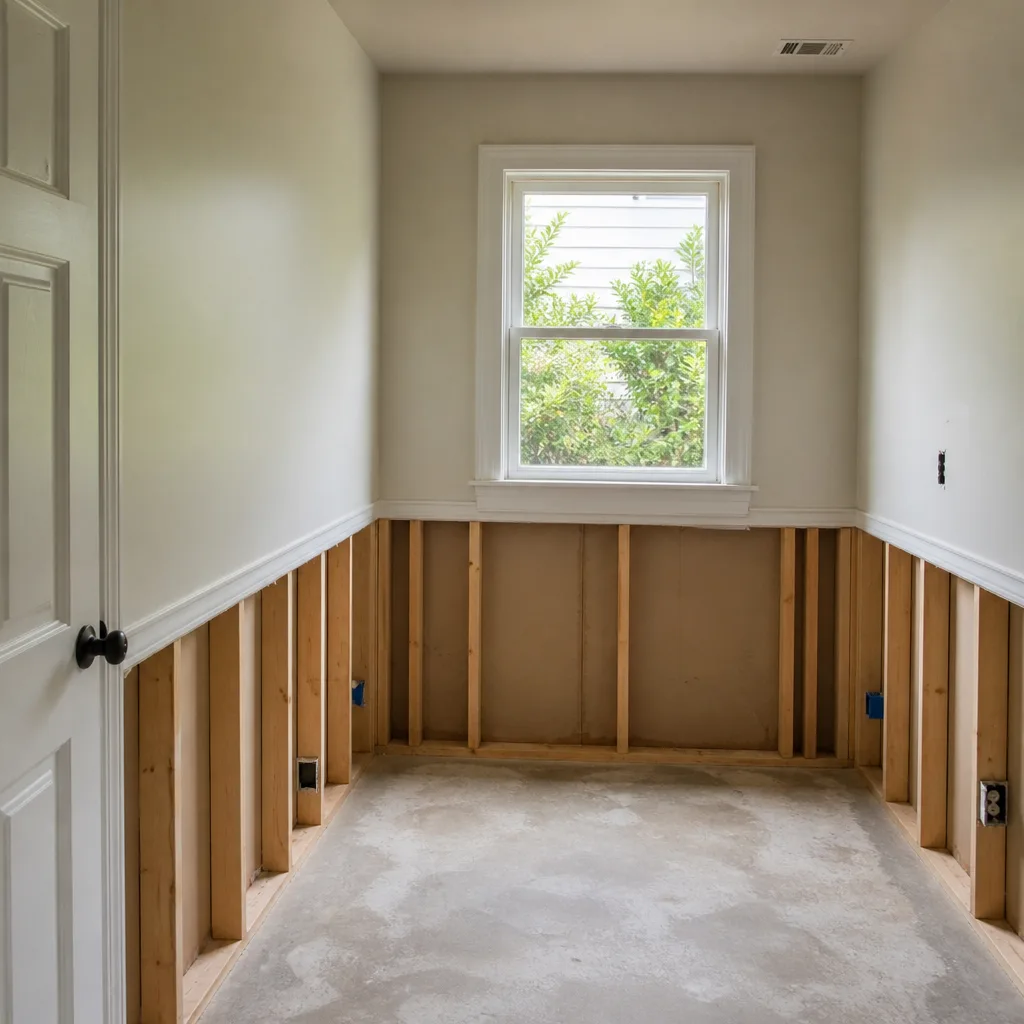
- Water lines on foundation walls - the line the water left is where we start. If you see a tide mark on a basement wall after a storm, everything below that line has been exposed, even if it is dry to the touch now.
- Efflorescence - a white, powdery residue on masonry surfaces. This is salt and minerals left behind as water evaporates from concrete or brick, common in Canarsie basements after coastal flooding.
- Rust on electrical boxes, furnace cabinets, or water heater bases - flood water reaches mechanical systems long before it reaches living space, and corrosion is a sign the equipment was submerged.
- Doors and windows that stick or bind after a storm. Swelling from absorbed moisture changes the geometry of frames, even after visible water has been removed.
- Silt or debris in the tracks of sliding doors or the corners of the garage - evidence that flood water reached areas you did not see covered at the time.
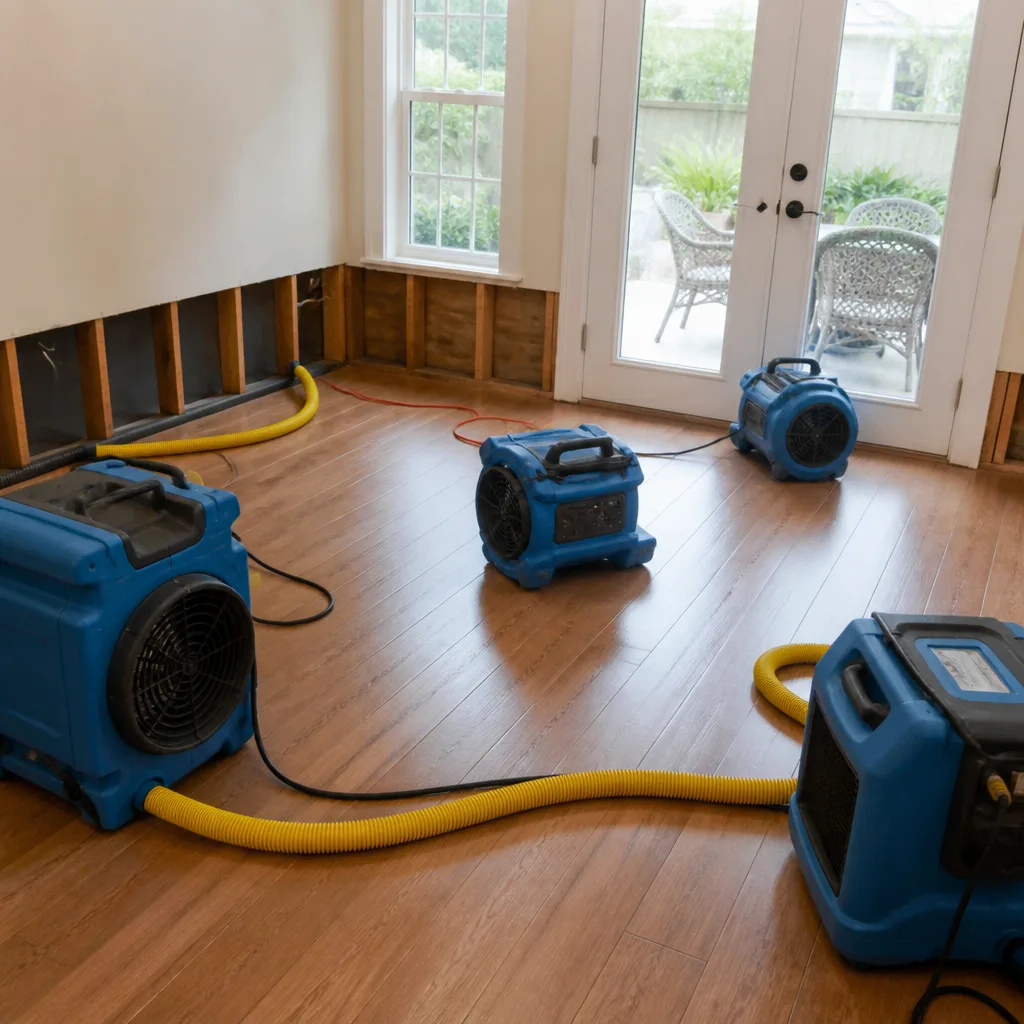
If your Canarsie home flooded even a few inches, the drying job is not done when the visible water is gone. Water trapped in wall cavities, under tile, and inside insulation continues to cause damage for months. Professional-grade drying equipment from brands like Dri-Eaz and Phoenix is designed to pull trapped moisture out of building materials through controlled air movement and dehumidification, a process a household fan or open window cannot replicate.
Hidden Damage: What Lurks Behind Walls and Under Floors
The most expensive restoration jobs we handle in Canarsie are the ones where the warning signs were present for a long time and were explained away. A musty smell in the guest room became “just an old house smell.” A soft spot by the back door became “just the floor settling.” By the time the problem became impossible to ignore, the repair scope had doubled or tripled.
Areas where hidden damage concentrates in Canarsie homes:
- Behind tub and shower surrounds - failed grout, cracked caulk, and loose tiles let water into the wall framing every time the shower runs. The damage is invisible until the tile is removed.
- Under kitchen and bathroom sinks - slow drips from supply lines or drain connections soak the cabinet floor and wick into the subfloor beneath.
- Around windows and exterior doors - flashing failures and failed seals channel rainwater into the wall cavity. In Canarsie’s older brick homes, this is a leading source of hidden rot.
- In crawlspaces and attics - these spaces are rarely visited, and moisture problems there can go years without detection. A damp crawlspace feeds mold growth in the floor system above.
- Inside HVAC ductwork - condensation in ducts, or water that entered through storm flooding, creates hidden reservoirs of moisture and mold that then blow through the house.
The professional assessment process
- Visual inspection - a trained restoration technician walks the affected area and maps visible signs against potential sources.
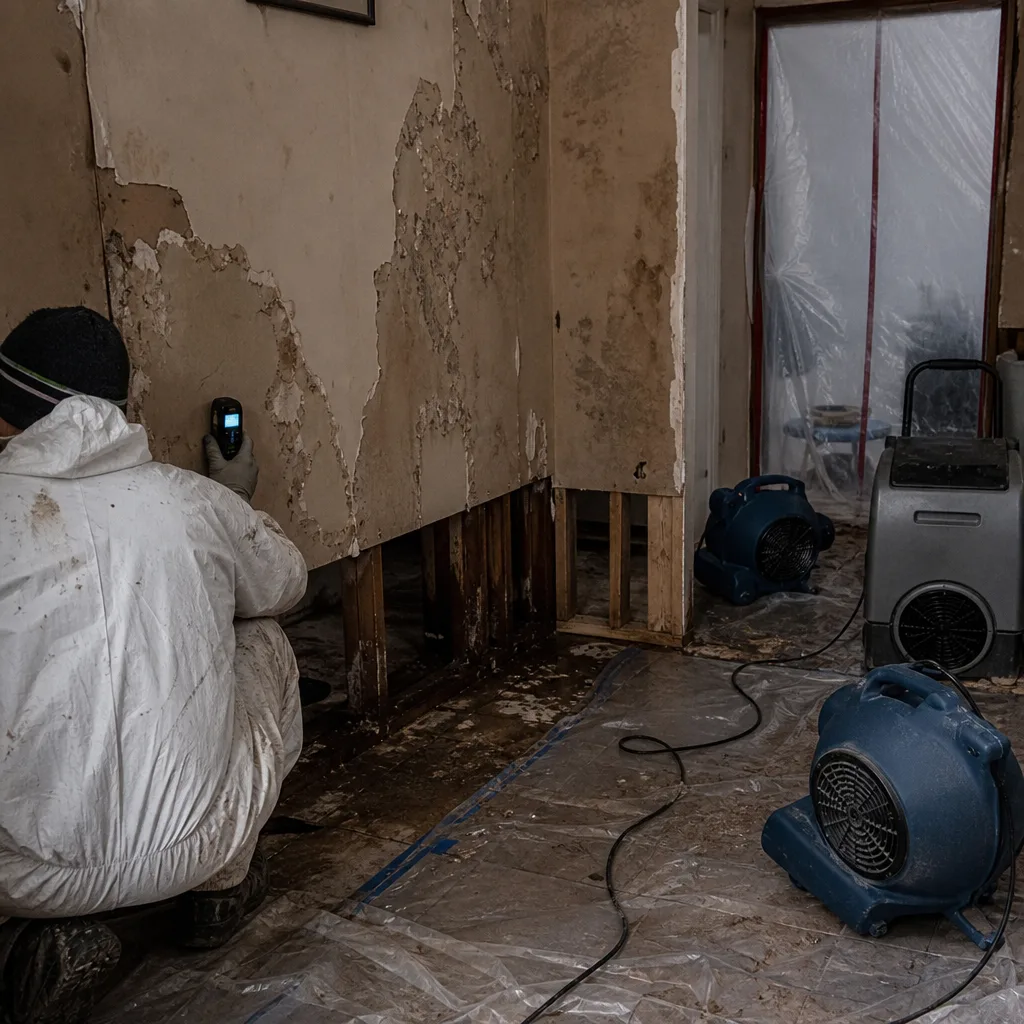
- Moisture mapping - using a moisture meter to take readings at multiple points across walls, floors, and ceilings. This creates a map of where water is, not just where it shows.
- Thermal imaging - an infrared camera detects temperature differences that indicate moisture hidden inside cavities, even through drywall.
- Source identification - the assessment locates the actual water source, not just the wet area. Fixing the source is step one; drying the structure comes after.
- Drying plan - with the moisture map in hand, the restoration company sets up drying equipment sized to the actual water load and establishes a dry standard to hit before equipment comes out.
This is the process we follow at Floodline Restoration Co. home on every water job in Canarsie, and the moisture log from day one through final dry standard is handed to the homeowner and the insurance carrier. No guessing, no equipment running longer than it needs to.
Common Mistakes to Avoid
- Painting over water stains. Paint traps moisture in the drywall and accelerates mold growth behind the fresh coat. The stain returns within weeks, and the repair is now larger. In Canarsie homes with plaster walls, trapped moisture also causes the plaster to crumble faster.
- Relying on household fans to dry a flood. A box fan moves air across the surface but does not pull moisture from inside drywall, flooring, or framing. Proper structural drying requires commercial-grade air movers and dehumidifiers sized to the water load.
- Assuming mold is gone because it stopped smelling. Mold can go dormant when conditions dry out, then reactivate when humidity returns. If the colony is not removed and the moisture source is not fixed, the problem comes back. The smell returning on humid days is the tell.
- Waiting to file an insurance claim. Policies typically require prompt mitigation after a covered loss. Waiting weeks to report water damage can lead to a claim denial for secondary damage. In Canarsie, where storm-related flooding requires FEMA documentation in some cases, the delay costs real money.
- Using bleach on mold. Bleach kills surface mold but does not penetrate porous materials like drywall and wood, and its high water content can actually feed the colony deeper in the material. Professional mold remediation requires different chemistry and containment protocols.
- Ignoring a small ceiling stain in a room that is not used daily. Hidden damage does not slow down because no one is watching it. A small stain grows into a larger repair while the ceiling is out of sight in a spare bedroom or finished basement corner.
- Trying to dry sewage water with towels. Any porous surface sewage touches must be removed and replaced. Attempting to clean it yourself spreads contamination and creates a biohazard that professional remediation then has to contain.
When to Call a Professional
Call a professional when the warning sign points to water you cannot see, mold you can smell but not locate, smoke residue that has settled into surfaces, or any sewage contact. A ceiling stain that has been there more than a few days, a musty odor that returns after cleaning, a floor that feels soft underfoot, or drain backups in multiple fixtures all warrant a professional assessment. The assessment tells you what you are actually dealing with, and the cost of the assessment is small compared to the cost of waiting. Floodline Restoration Co. offers free estimates in Canarsie - call (716) 412-2972 and a live dispatcher will answer, day or night.
Frequently Asked Questions
Hidden water damage usually announces itself through smell, staining, or surface changes: a musty odor that persists, paint that bubbles or peels, baseboards pulling away, or a wall that feels cool and damp to the touch. In many Canarsie homes, a moisture meter reading is the only way to confirm water inside a wall cavity before it becomes visible. Call (716) 412-2972 for a free moisture assessment if you suspect hidden water.
Mold can begin growing within 24 to 48 hours in Canarsie’s humid coastal climate, especially during the summer months when indoor humidity stays elevated. The faster the structure is dried to the dry standard after a water event, the less chance mold has to establish. Professional drying with Dri-Eaz or Phoenix equipment typically reaches the dry standard in three to five days, depending on the water load.
Most homeowner policies cover sudden and accidental water damage, like a burst pipe or a storm-related leak, but not slow leaks that occurred over time. Sewage backup coverage is often a separate endorsement. Floodline Restoration Co. bills your insurance carrier directly and provides photo documentation of the damage, the drying log from day one, and a written scope of work, so you never have to play messenger with the adjuster. Call (716) 412-2972 and we will walk you through your specific policy.
In many cases, yes, but it depends on the size of the affected area and whether the mold is contained behind walls or open to living space. Professional mold remediation uses containment barriers and HEPA-filtered negative air machines to keep spores from spreading during removal, which allows most homeowners to remain in unaffected rooms. If the contamination is extensive or a household member has respiratory issues, temporary relocation may be advisable.
Our 90-Day Done Right Promise, which we call the Keystone Standard, says that if the work is not done right, we make it right within 90 days of completion, in writing, with no arguing. It covers the workmanship of the restoration and rebuild we perform, and it is tied to our internal K.E.Y.S. values code: Krafted right, Every time, Your home first, Standing behind it. If something is not right, call us and we will come back.
We answer the phone with a live person 24 hours a day, 7 days a week, and dispatch is handled from our operations center, not a call center. For water emergencies in Canarsie, a certified crew is typically on site the same visit, with extraction running before they leave. Call (716) 412-2972 and a live dispatcher will get your address and send the nearest available crew.
The Bottom Line
Damage in a Canarsie home does not announce itself with a knock on the door. It shows up as a faint odor, a small stain, a soft spot in the floor, or a gurgling drain - signs that are easy to dismiss but expensive to ignore. The pattern we have seen over 42 years of serving the community is consistent: the faster a warning sign is investigated, the smaller the repair and the lower the final cost. If something in your home looks or smells wrong, trust that instinct. A professional assessment costs nothing at Floodline Restoration Co., and the information it gives you is worth more than any guess. Call (716) 412-2972 and a live person will answer. We will be there when we say.
Written by Curt Bowman, Owner at Floodline Restoration Co., serving Canarsie since 2010.