
Last updated August 25, 2026
Free visual inspection and a written scope of work before any mitigation begins - photos, moisture readings, and drying logs go in your claim file
The scope we write is the scope we bill. Anything new gets shown to you, in writing, before we touch it.
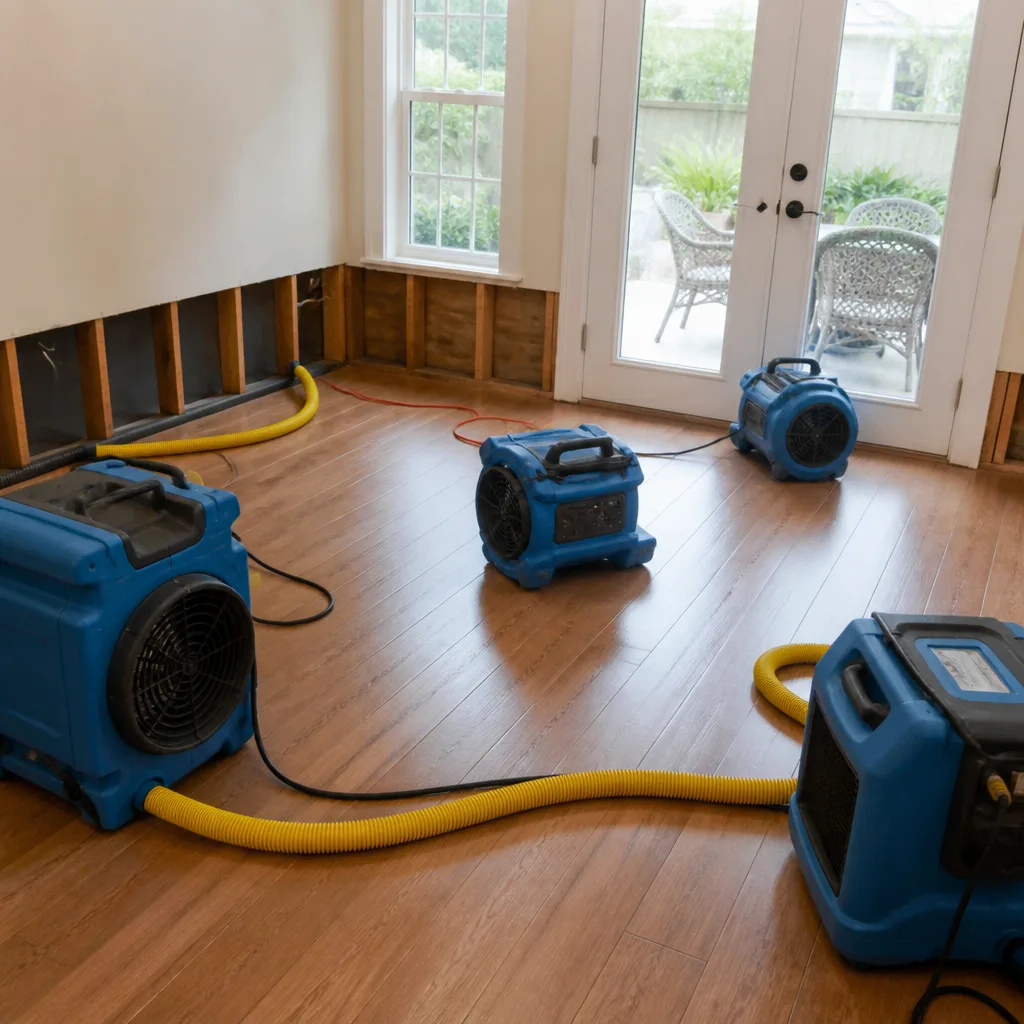

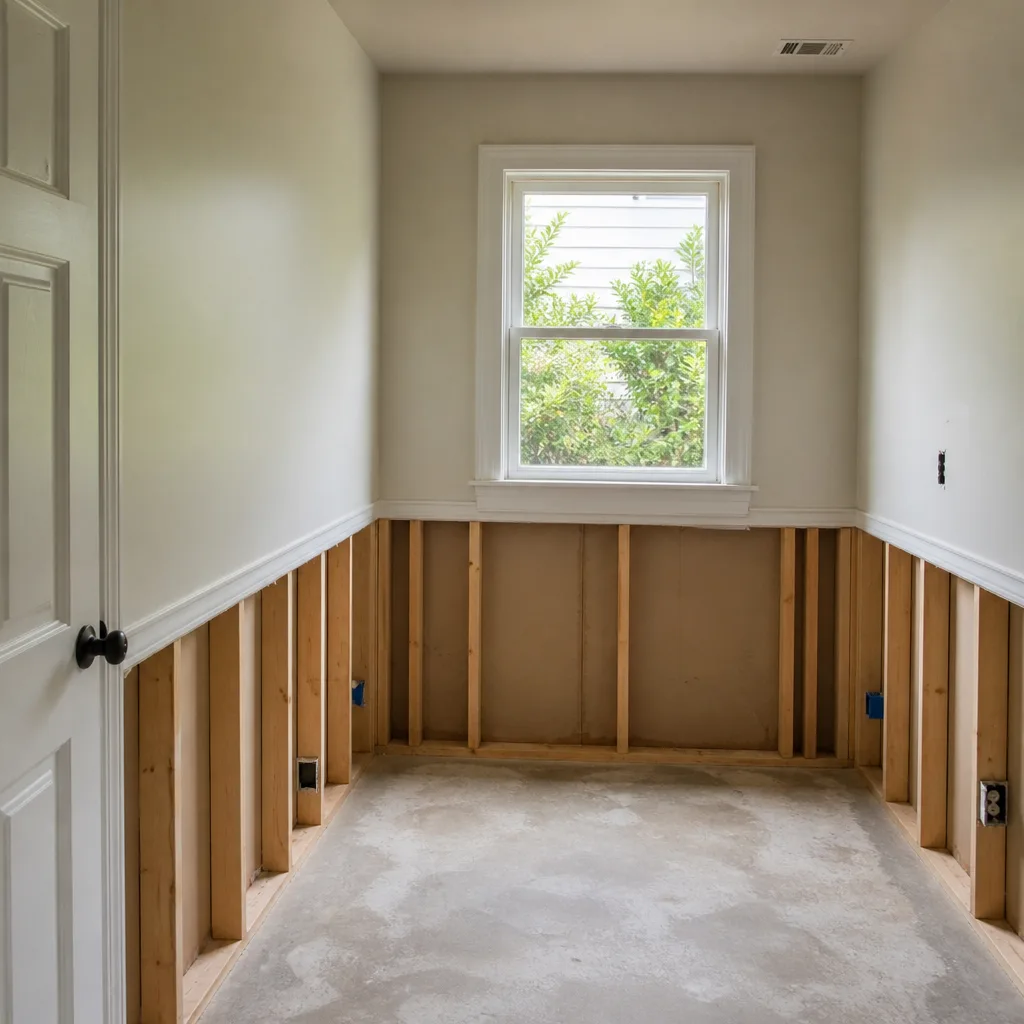

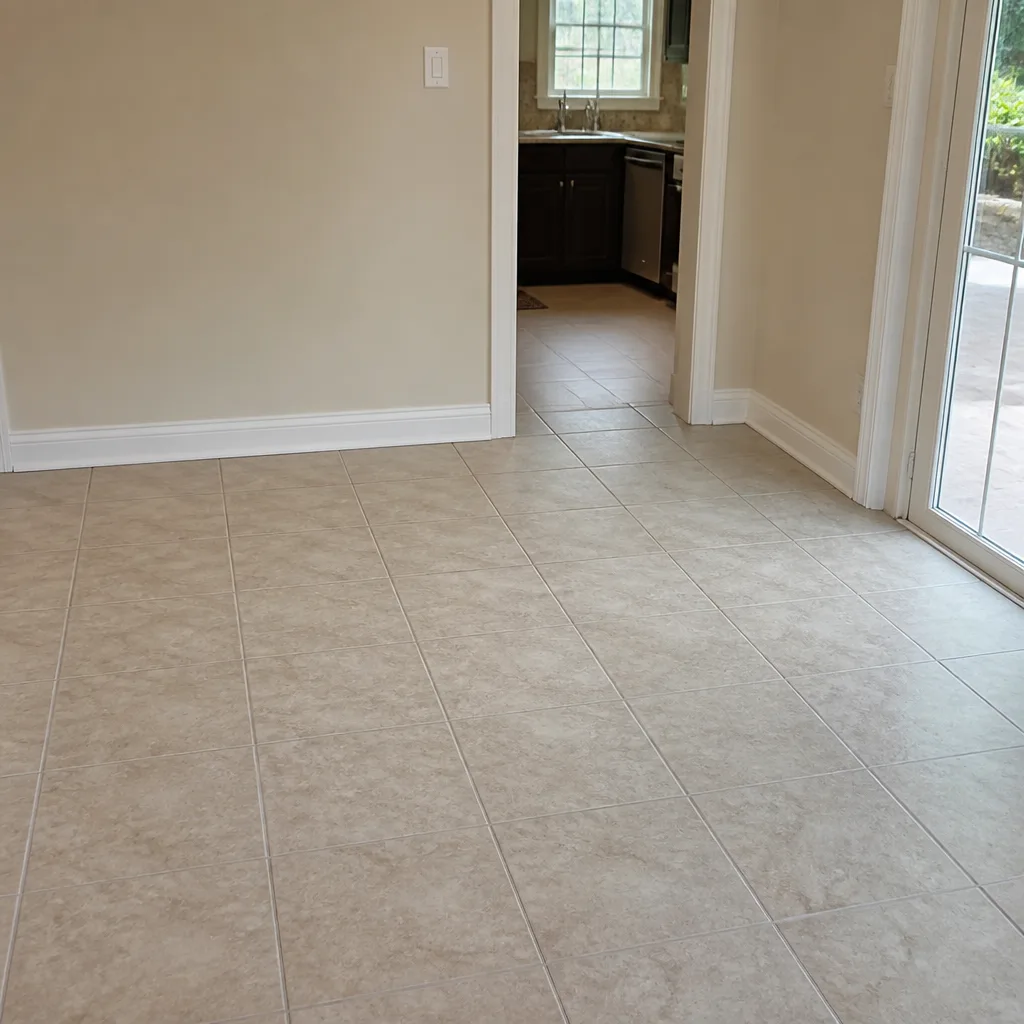

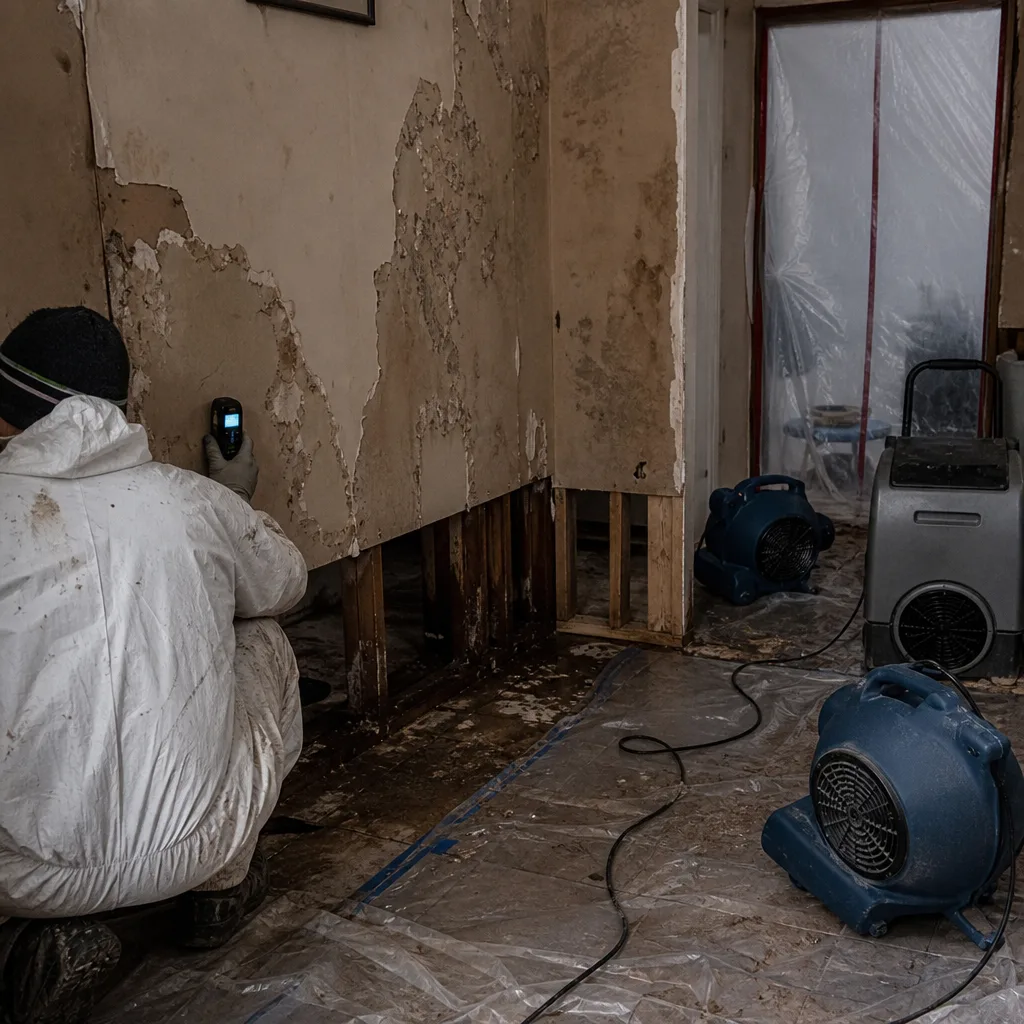 Before
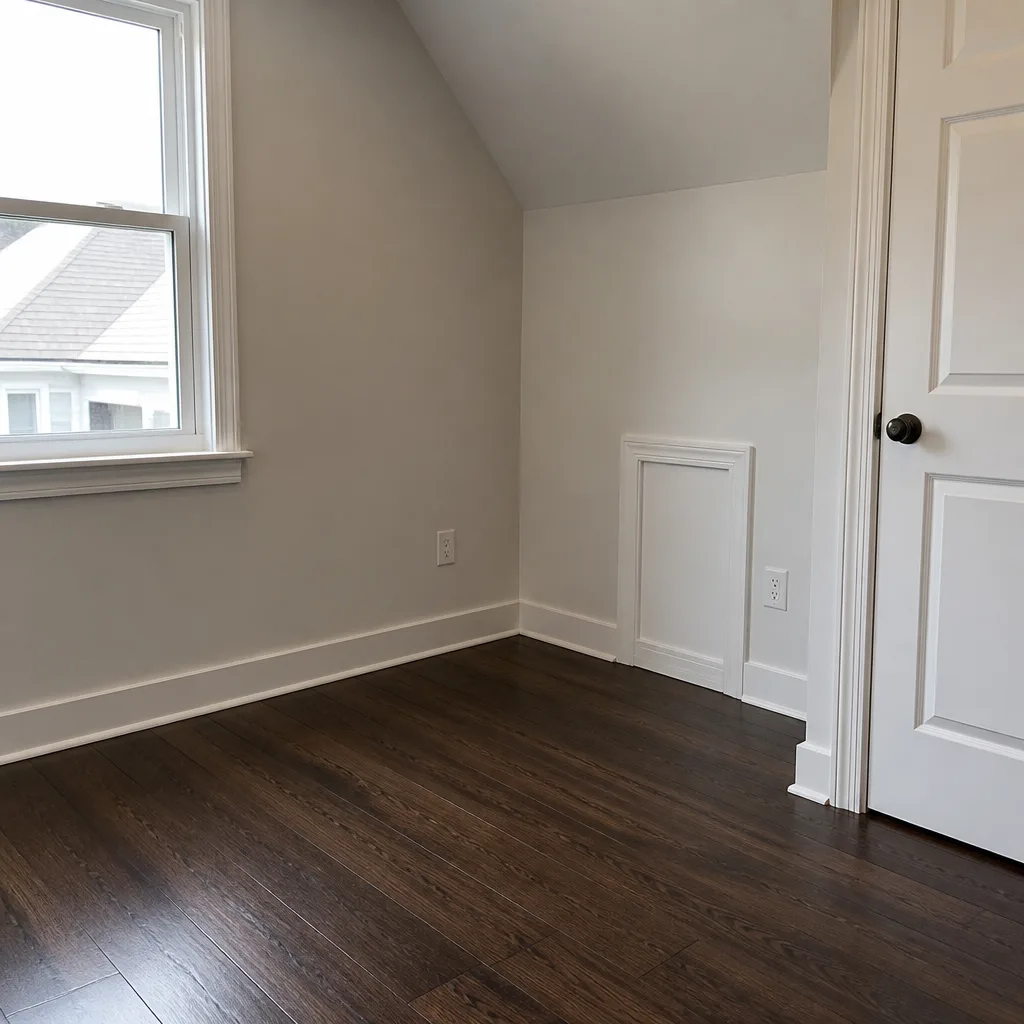 After
After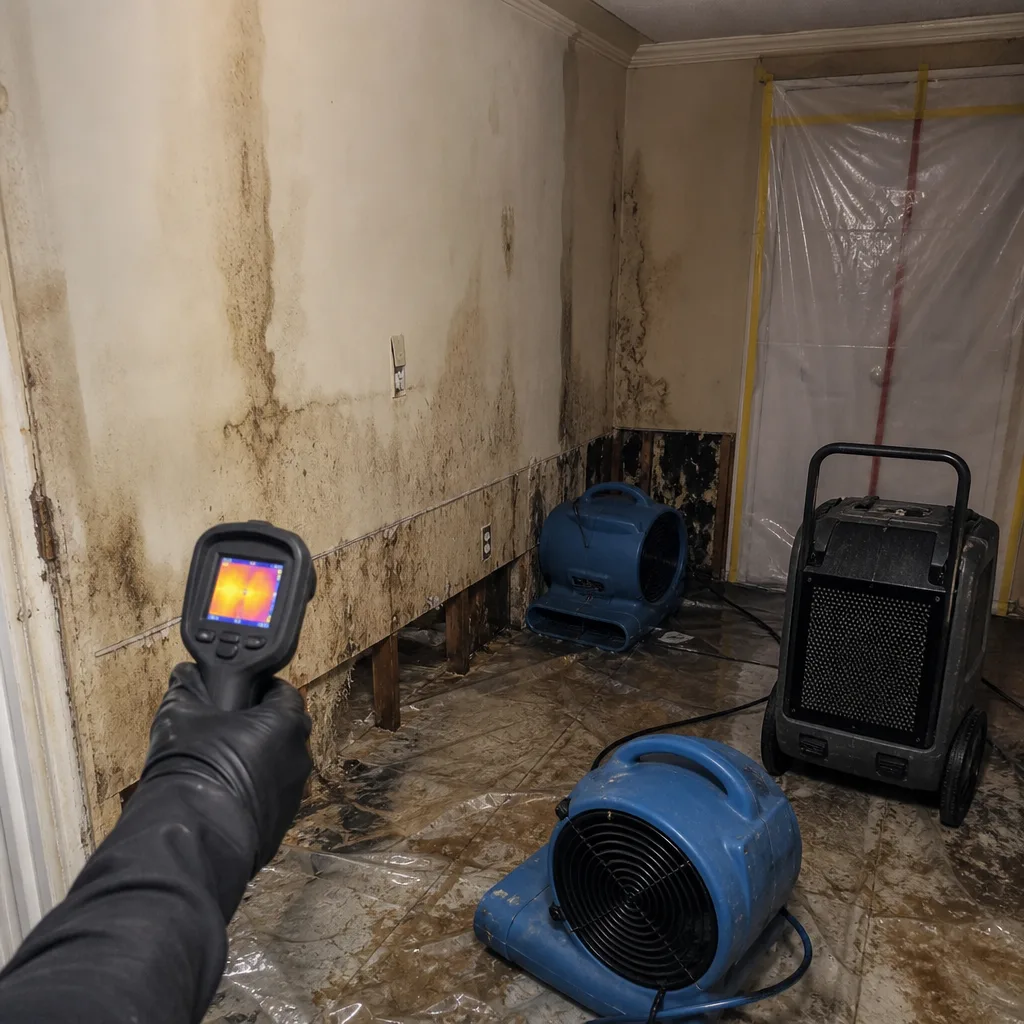 Before
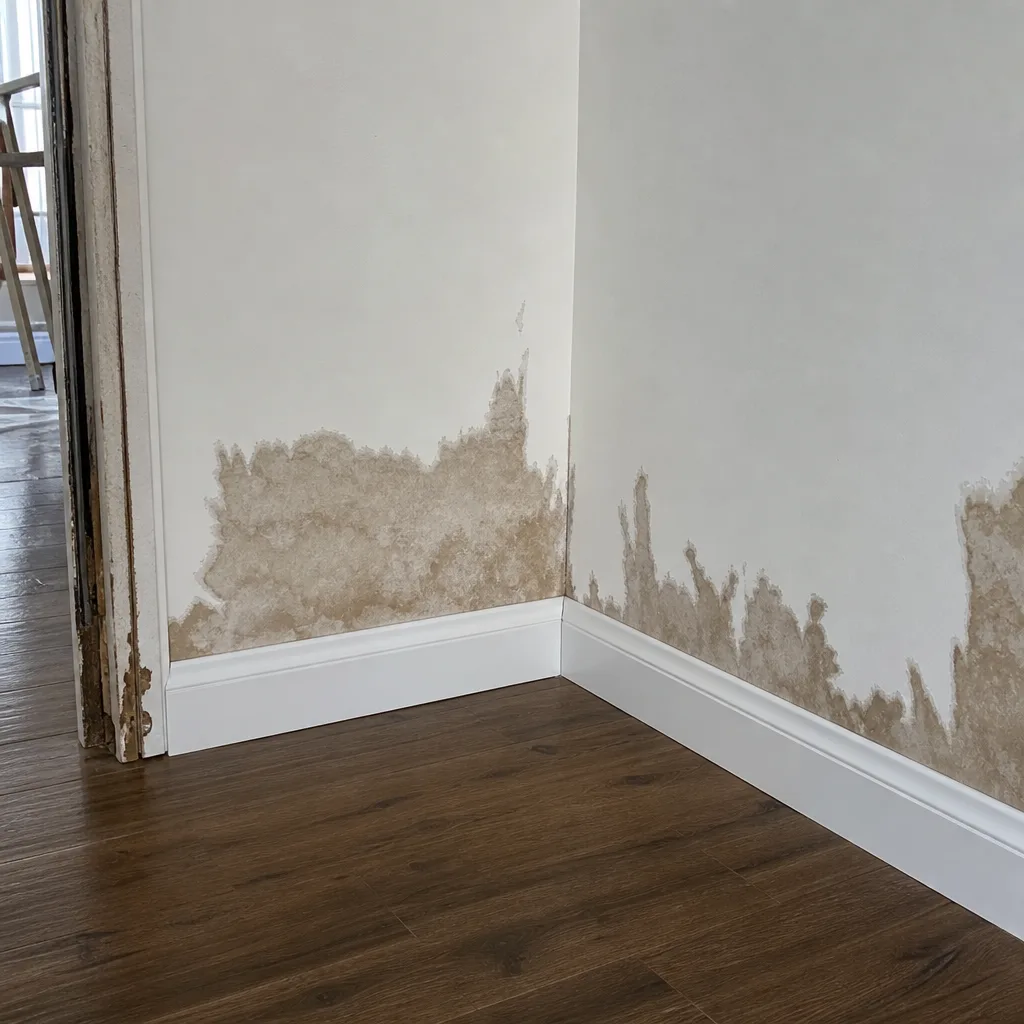 After
After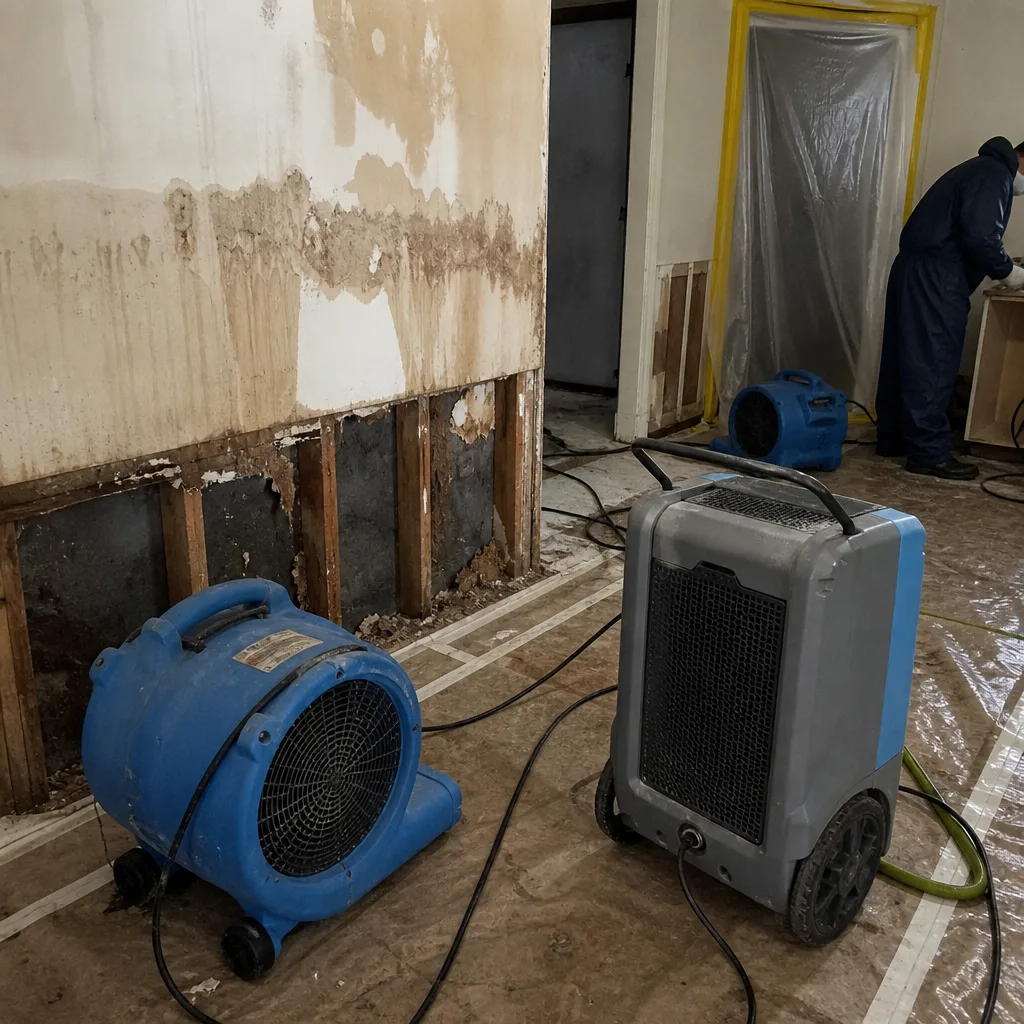 Before
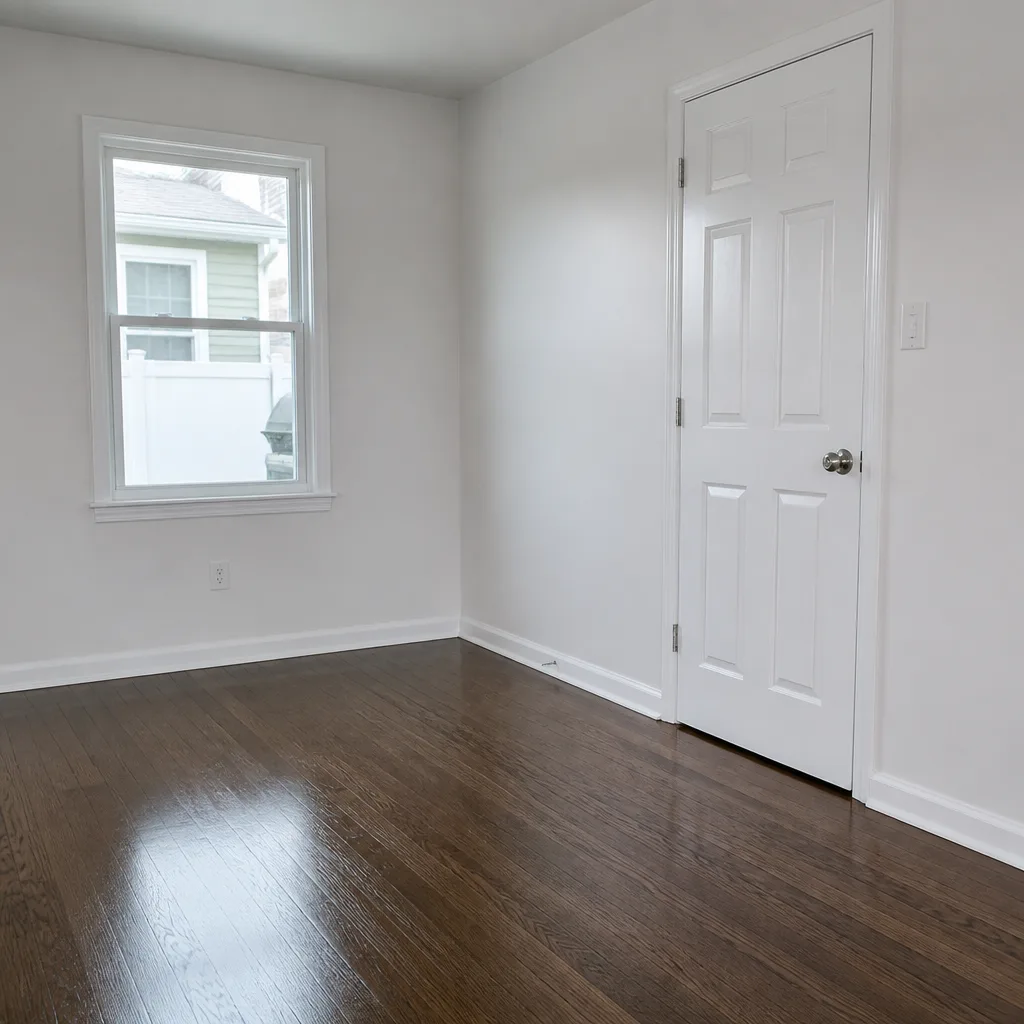 After
AfterWater Damage Restoration Maintenance Checklist for Canarsie Homeowners
Most homeowners in Canarsie don’t think about water damage until they’re standing in it. The truth is that a slow leak behind a bathroom wall or a gutter that’s been quietly failing for two seasons causes more structural damage in this neighborhood than any hurricane. The clay-heavy soil around Paerdegat Basin and the nor’easter season Atlantic storms both push water toward foundations, but what really wrecks homes here is deferred maintenance. This guide gives you a month-by-month checklist that can prevent most water damage. If you own a home in Canarsie, this is the maintenance routine that keeps the floodline off your walls and your insurance premiums from climbing.
Quick Answer
A water damage prevention checklist for Canarsie homeowners should focus on grading and drainage, gutter and downspout function, sump pump testing, appliance and supply line inspection, basement waterproofing, and seasonal storm preparation. The most effective routine is a quarterly walk-through timed to spring thaw, summer storms, fall leaf drop, and winter freeze-thaw cycles. Done consistently, these checks catch 90 percent of the issues that lead to structural water damage before they require restoration.
Table of Contents
- Grading and Drainage: Your First Line of Defense in Canarsie
- Gutters and Downspouts: The Quarterly Ritual Every Canarsie Home Needs
- Sump Pump and Basement Waterproofing Checks
- Appliance and Supply Line Inspection
- Seasonal Storm Preparation for Canarsie Weather
- Moisture Detection: What to Check Inside Your Walls and Ceilings
- Insurance and Documentation: What to Keep Before Water Shows Up
- Common Mistakes to Avoid
- When to Call a Professional
- Frequently Asked Questions
- The Bottom Line
Grading and Drainage: Your First Line of Defense in Canarsie
Every water damage restoration job we’ve run in Canarsie starts with a question: where did the water come from? The answer, more often than people expect, is the ground outside. If the soil around your foundation slopes toward the house, you’re inviting water into your basement every time it rains. Canarsie sits low and flat, with a high water table and soil that drains slowly after a heavy coastal storm. Homes along Flatlands Avenue, near Seaview Park, and through the numbered streets between Remsen and Avenue J deal with standing groundwater that lingers for days.
Here’s the check you should do twice a year, in April and October:
- Walk the full perimeter of your house after a dry week. Look at the soil line where it meets the foundation.
- The ground should slope away from the foundation at least six inches over the first ten feet. If it doesn’t, water pools against your slab or footing.
- Check for low spots where water collects after rain. In Canarsie, we see this constantly in yards that were filled decades ago and have settled.
- Make sure no mulch beds or planter boxes are holding water against the sill plate. Mulch is fine, but it should not touch wood.
- Inspect any exterior stairwells, window wells, or basement entry doors for debris that blocks drainage.
Regrading a yard is not a weekend job, and we don’t recommend homeowners attempt it with a wheelbarrow and a couple of bags of topsoil from the hardware store. A proper fix involves excavated soil, compacted fill, and sometimes a French drain or a curtain drain running to daylight or a sump. What we can tell you from years of pulling wet drywall out of Canarsie basements: money spent on exterior drainage is always cheaper than the restoration bill for a finished basement that took on three inches of water during a July thunderstorm.
Gutters and Downspouts: The Quarterly Ritual Every Canarsie Home Needs
Your gutters are the first mechanical system that fails in a water damage scenario. The reason is simple: nobody looks at them until water is spilling over the edge. In Canarsie, the leaf drop from the old-growth trees around the houses near Canarsie Park and the stretch of sycamores along Seaview Avenue packs gutters by late October. Once gutters clog, water spills down the fascia, runs behind the siding, and saturates the wall cavity. We’ve opened walls on houses where the gutter had been overflowing for six months and found the sheathing so soft you could push a screwdriver through it by hand.
Quarterly routine:
- After the last frost in April, clear all gutters and downspouts. Use a garden trowel and a bucket, not a hose. Flushing a clogged downspout with a hose just pushes the clog deeper into the drain.
- In August, check gutters again. Summer thunderstorms drop sudden volume, and a gutter half-clogged with mulch from spring planting will overflow.
- In November, after the leaves have peaked, do the year’s most important cleaning. Canarsie homes with big sycamores and oaks may need this done twice in November.
- In December, check that gutter hangers are still solid and that the pitch still runs toward the downspout.
Downspouts deserve more attention than they get. A downspout should discharge at least six feet from the foundation. If yours dumps water right at the corner of the house, you’ve built a water delivery system for your basement. Extend the discharge line, or better yet, tie it into an underground pipe that runs to the curb or the backyard. We recommend splash blocks as a temporary fix only. They erode out of position in one good Canarsie rain.
Sump Pump and Basement Waterproofing Checks
A sump pump is the last line of defense when groundwater rises. In Canarsie, where the water table sits high and storm sewers back up during coastal events, the sump pump runs more often than homeowners realize. The problem is that most sump pumps are never tested until the day they’re needed, and that’s the day you find out the float switch has corroded or the check valve is stuck shut.
What to do every quarter:
- Lift the float by hand and confirm the pump kicks on. If it hums and doesn’t pump, the impeller is fouled or the motor is dead.
- Pour a five-gallon bucket of water into the pit. The pump should cycle on and clear the water in under 30 seconds.
- Check the discharge line outside. In freezing weather, a discharge line that’s frozen solid will burn out the pump fast.
- Browse the pit for sediment and gravel. Debris in the pit shortens pump life and jams check valves.
- If your pump is more than seven years old, replace it before storm season. A quality Zoeller or Liberty pump costs $200 to $450 at local supply houses. We pull dead pumps out of Canarsie basements every spring that were older than the car in the driveway.
Basement waterproofing in a neighborhood like Canarsie isn’t a one-time event. Older homes with stone-and-mortar foundations, many built in the 1940s and 1950s, breathe through the masonry. Modern waterproofing paints trap that moisture in the wall and spall the face off the block or stone. We see failed paint systems all the time. What works is exterior excavation and membrane, or an interior perimeter drain that leads to a sump with a reliable pump. Both are professional jobs with real cost, but both work. Waterproofing paint is a maintenance patch, not a solution.
Appliance and Supply Line Inspection
While Canarsie homeowners worry about storms and rising groundwater, the quiet majority of water damage we respond to comes from inside the house. Supply lines to washing machines, dishwashers, ice makers, and water heaters fail without warning. A braided stainless supply line costs about $15 and takes ten minutes to replace. The damage from a burst rubber line that runs while you’re at work for eight hours routinely exceeds $12,000 in a finished space.
Checklist:
- Replace rubber washing machine hoses with braided stainless lines. Rubber degrades from the inside, so a hose that looks fine on the outside can be one pressure spike from bursting.
- Look at the water heater. If there’s rust at the base, weeping from the tank, or a pressure relief valve that drips, the unit needs service or replacement before it dumps 40 gallons onto the floor.
- Under every sink, run your hand along the supply lines and the p-trap. Moisture, drips, or corrosion need attention. Don’t ignore a slow drip. Slow drips are how mold starts behind cabinets.
- Check the dishwasher connection. Canarsie kitchens with older dishwashers often have a supply line that’s been kinked or chafed against the cabinet frame for a decade.
- Inspect the ice maker line behind the refrigerator. These tiny plastic lines fail often, and because the refrigerator sits against the wall, the leak hides until the floor buckles.
We use a Dri-Eaz moisture meter to map the extent of a leak behind cabinetry and floors. Homeowners can’t see inside a wall cavity, but they can check for the signs: soft spots in the baseboard, a musty smell under the sink, or a floor that’s started to cup. Any of those signs mean water has been sitting where it shouldn’t. The longer it sits, the more the restoration grows, which is why we push homeowners to act when they first notice a change, not when the damage is undeniable.
Seasonal Storm Preparation for Canarsie Weather
Canarsie gets every kind of water event: nor’easters that pound the coast from October through March, summer thunderstorms that drop an inch of rain in forty minutes, and the occasional remnant of a tropical system that lingers over Brooklyn. Each season has its own preparation routine, and the homeowners who follow it are the ones who stay dry.
Spring thaw (March through April):
- Clear snow and ice away from foundation walls before meltwater runs toward the house.
- Reconnect and inspect downspout extensions that froze or shifted over winter.
- Walk the property and look for erosion channels from winter runoff.
- Test the sump pump before the first heavy rain of the year.
Summer storms (June through August):
- Keep gutters clear of spring debris, because summer downpours test volume capacity.
- Inspect window wells and basement entry drains for blockages.
- Check outdoor grading, especially after the spring planting season has shifted soil.
- Ensure the dehumidifier in the basement is running and draining correctly. Canarsie summers are humid, and a damp basement in July is a mold invitation.
Fall leaf season (September through November):
- Clean gutters at least twice during leaf drop.
- Trim tree branches that overhang the roof. Falling branches during nor’easters punch holes in roofs.
- Blow out or drain any irrigation system lines before the first freeze.
- Check roof flashing around chimneys, vents, and skylights before winter storms find the gaps.
Winter freeze cycles (December through February):
- Keep the heat at or above 55 degrees in the house to prevent pipe freezes in exterior walls.
- Insulate exposed pipes in the basement and garage in Canarsie homes with unheated spaces.
- Know where the main water shutoff is and make sure it turns easily. In a burst pipe situation, the fastest way to stop the damage is to kill the water at the source.
- Watch for ice dams on the roofline. Canarsie homes with poor attic insulation get ice dams that force water back under shingles and into ceiling cavities.
Moisture Detection: What to Check Inside Your Walls and Ceilings
Water damage that stays hidden becomes mold damage. That’s not a scare tactic; it’s biology. Mold starts growing in 24 to 48 hours when organic material stays wet. A slow leak inside a wall cavity, the kind nobody notices for weeks, is exactly how colonies start in Canarsie homes, especially the older frame houses near Rockaway Parkway and the attached brick rows on the north side of the neighborhood.
Walk through your house every season and look for these signs:
- Discoloration on ceilings, especially after heavy rain. A brown or copper-colored stain means water has pooled above the drywall.
- Bubbling paint or peeling wallpaper. Moisture behind the finish pushes the surface away.
- Warped or cupping wood floors near exterior doors, bays, or under windows.
- Baseboards that are soft or swollen at the bottom edge.
- A persistent musty smell in a closet or basement corner. Trust the nose. Musty smell without a visible source is a moisture problem.
- Visible condensation on windows, pipes, or foundation walls. Chronic condensation means a humidity problem that will eventually rot wood and grow mold.
We map every water job with a moisture meter before we touch a wall. The meter tells us where the water truly ends, not where the visible stain stops. The biggest mistake homeowners make is assuming that because the drywall looks dry, the wall is dry. Paper-faced drywall wicks water far from the source. A stain the size of a dinner plate often means water traveled three feet in every direction through the wall cavity. The difference between the visible wet area and the actual wet area is the difference between a patch-and-paint job and a full restoration with drying logs.
Insurance and Documentation: What to Keep Before Water Shows Up
The time to understand your homeowners insurance is not while water is pouring through your ceiling. Most standard policies cover sudden and accidental water damage, like a burst pipe or a storm surge. They do not cover slow leaks, seepage, or maintenance failures. In Canarsie, where groundwater intrusion is common, that distinction matters. A sump pump failure that floods your finished basement may require a separate endorsement that many homeowners don’t have until they need it.
Build a water damage file and keep it somewhere you can reach it fast. Your file should include:
- A copy of your current policy declarations page, with your agent’s phone number.
- Photos of your home’s major systems: water heater, boiler, electrical panel, sump pump, and washing machine hookup. In a damage claim, before-and-after documentation speeds the process significantly.
- A written inventory of high-value items stored in the basement or on lower floors. If the basement floods, you won’t remember the exact brand of the treadmill or the year of the water heater, and the adjuster needs that detail.
- The phone number of your restoration company. When water is active, you want a crew on the way while you’re still on the phone with the carrier.
At Floodline Restoration Co., we bill the insurance carrier directly on covered losses and we hand the homeowner and the adjuster the same documentation: a moisture log, a scope of work, and a final dry standard report. That transparency removes the homeowner from the middle of the negotiation. We also photo-document everything from the first walkthrough to the final rebuild, which means no adjuster has to guess what the wall looked like when we opened it.
Common Mistakes to Avoid
- Treating waterproofing paint as a fix. It traps water in masonry and spalls the face off old foundations. If the ground outside is against the wall, the water pressure will win every time.
- Ignoring a slow drip under a sink. A drip at one drop per second wastes 2,000 gallons a year and soaks the cabinet base. What starts as a $20 cartridge replacement becomes a cabinet tear-out and a mold remediation if left for a year.
- Waiting for the basement to flood before testing the sump pump. Pumps fail silently. The day you need it is the day you should have tested it the week before.
- Firing a hose down a clogged downspout. The clog just moves deeper into the underground drain. Pull the downspout off and clear the clog mechanically.
- Running a dehumidifier without ever cleaning the filter. A clogged filter kills airflow and turns the unit into a fire hazard. Clean the filter monthly during summer operation.
- Assuming the homeowner’s policy covers everything. Gradual water damage and sump pump failure are excluded or need endorsements on most standard policies. Read the policy before the water shows up.
- Painting over a ceiling stain without fixing the leak. The stain comes back, and the water migrates sideways into the wall cavity. Fix the source first. Then patch and paint.
When to Call a Professional
Call a professional the moment you see water where water doesn’t belong. Active water from a burst pipe, a leaking water heater, or a backed-up sewer needs immediate mitigation: extraction, drying, and moisture mapping before the damage spreads into walls and flooring. If you find a musty smell without a visible source, a professional with a moisture meter can find the hidden wet area before mold takes hold. If water has been sitting for more than 48 hours, assume mold is already present and bring in a trained crew. If your basement floor has water after every rain, there’s a drainage problem that needs a permanent fix, not another shop vac session. Floodline Restoration Co. home has served Canarsie since 2010 with free estimates. Call (716) 412-2972 any time, day or night, and a live person will answer.
Frequently Asked Questions
Test your sump pump every three months by pouring a five-gallon bucket of water into the pit and confirming the pump cycles on and clears the water in under 30 seconds. Canarsie’s high water table and storm sewer backups mean the pump may run often during coastal storms, so quarterly testing is a minimum, not a luxury.
The most common cause we see in Canarsie is groundwater intrusion through foundation walls and basement floors, followed closely by burst supply lines to washing machines and water heaters. The flat topography and clay soil around Paerdegat Basin and the numbered streets mean groundwater pressure against foundations is a year-round concern.
You can handle the quarterly maintenance: gutter cleaning, sump pump testing, supply line inspection, and visual walkthroughs. But grading corrections, basement waterproofing, and moisture mapping inside wall cavities require professional equipment and experience. If you’re not sure what you’re looking at, call a restoration company for a walkthrough before water becomes a problem.
Mold starts growing in 24 to 48 hours when porous materials stay wet and the humidity is high. Canarsie summers provide exactly the right conditions, which is why a wet basement in July needs professional drying, not box fans, and the dry standard should be verified with a moisture meter before walls are closed back up. Call (716) 412-2972 if you suspect a hidden leak.
Most standard policies cover sudden and accidental damage like a burst pipe or wind-driven rain, but groundwater seepage and sump pump failure usually require separate endorsements. Since Canarsie sits low with a high water table, the time to check your policy is before the storm, not during it. A restoration company that bills the carrier directly can also help you understand the scope while the claim is processed.
Shut off the water at the main if the source is a supply line or appliance, kill the power to the affected area if water has reached outlets or the panel, and call a restoration company immediately. Extraction should start the same visit with professional equipment, because every hour of standing water spreads into walls and flooring. A live person answers at (716) 412-2972 around the clock.
The Bottom Line
Water damage in Canarsie doesn’t come with much warning. The houses here sit low and flat, the groundwater rises, the nor’easters blow in, and the supply lines inside your walls age on a timeline nobody watches. The maintenance checklist is simple: grade the soil away from the house, clean the gutters every quarter, test the sump pump before you need it, replace old hoses and supply lines, and walk the house seasonally looking for stains, smells, and soft spots. If you find water, call fast. If you’re not sure what you’re looking at, call anyway. A free estimate costs nothing. A finished basement restoration costs real money, and the difference comes down to the hours between the first drip and the first phone call.
For water damage help in Canarsie, call (716) 412-2972 any time. A live dispatcher answers 24/7, and estimates are free.
Written by Curt Bowman, Owner at Floodline Restoration Co., serving Canarsie since 2010.