

Free visual inspection and a written scope of work before any mitigation begins - photos, moisture readings, and drying logs go in your claim file
The scope we write is the scope we bill. Anything new gets shown to you, in writing, before we touch it.
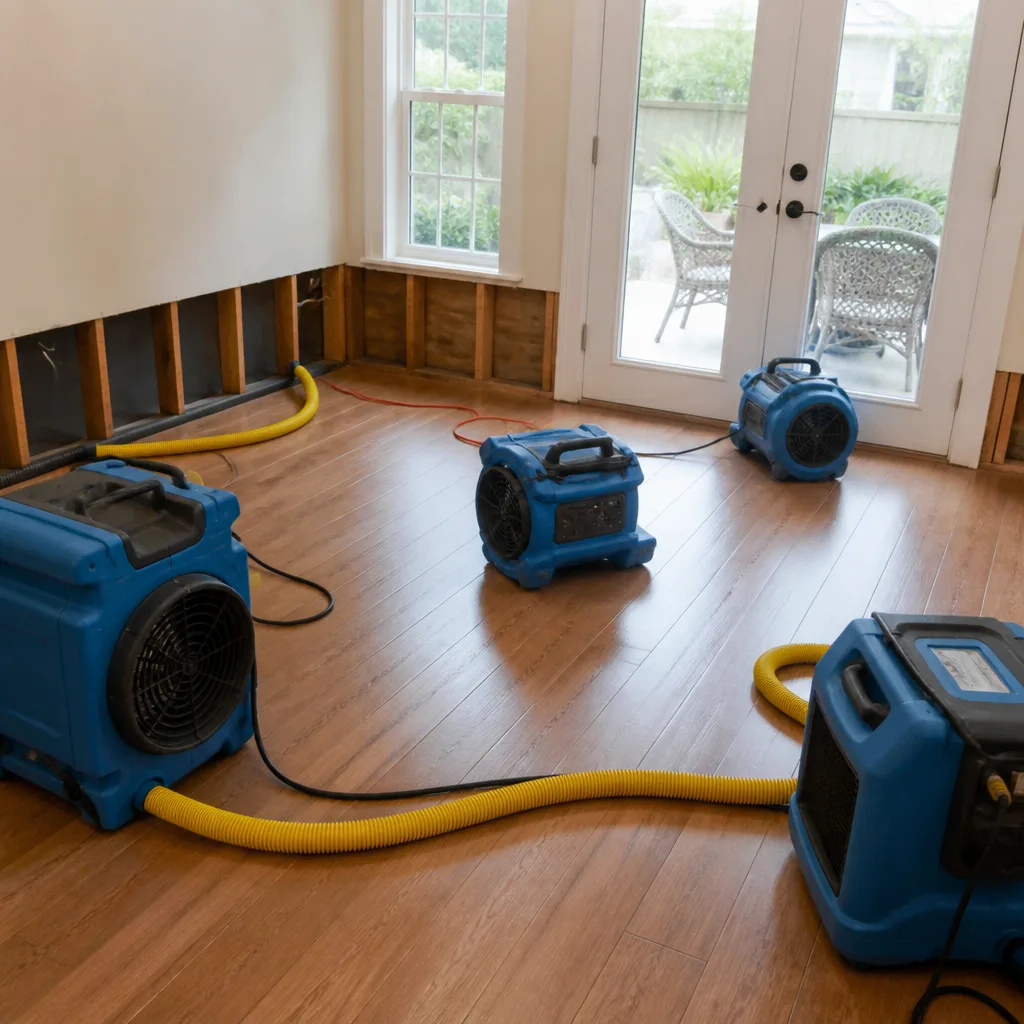
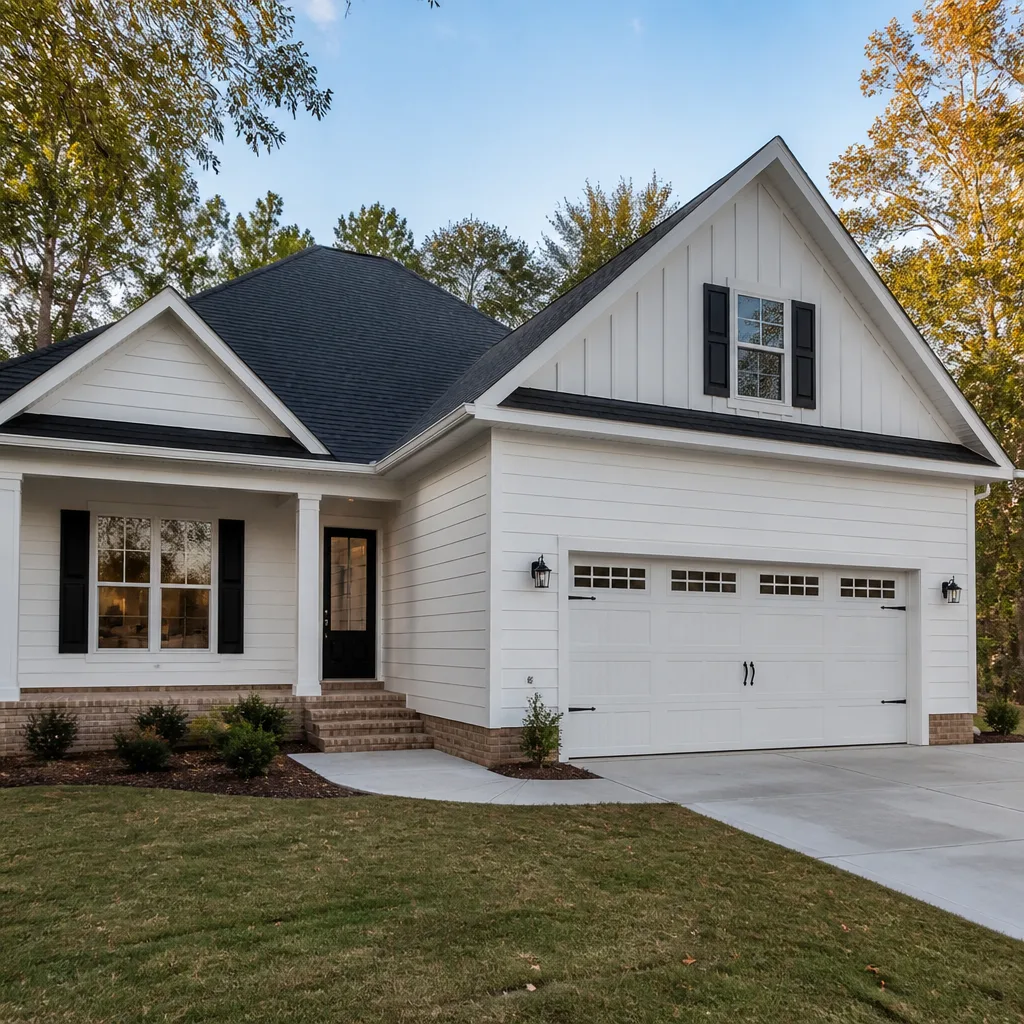
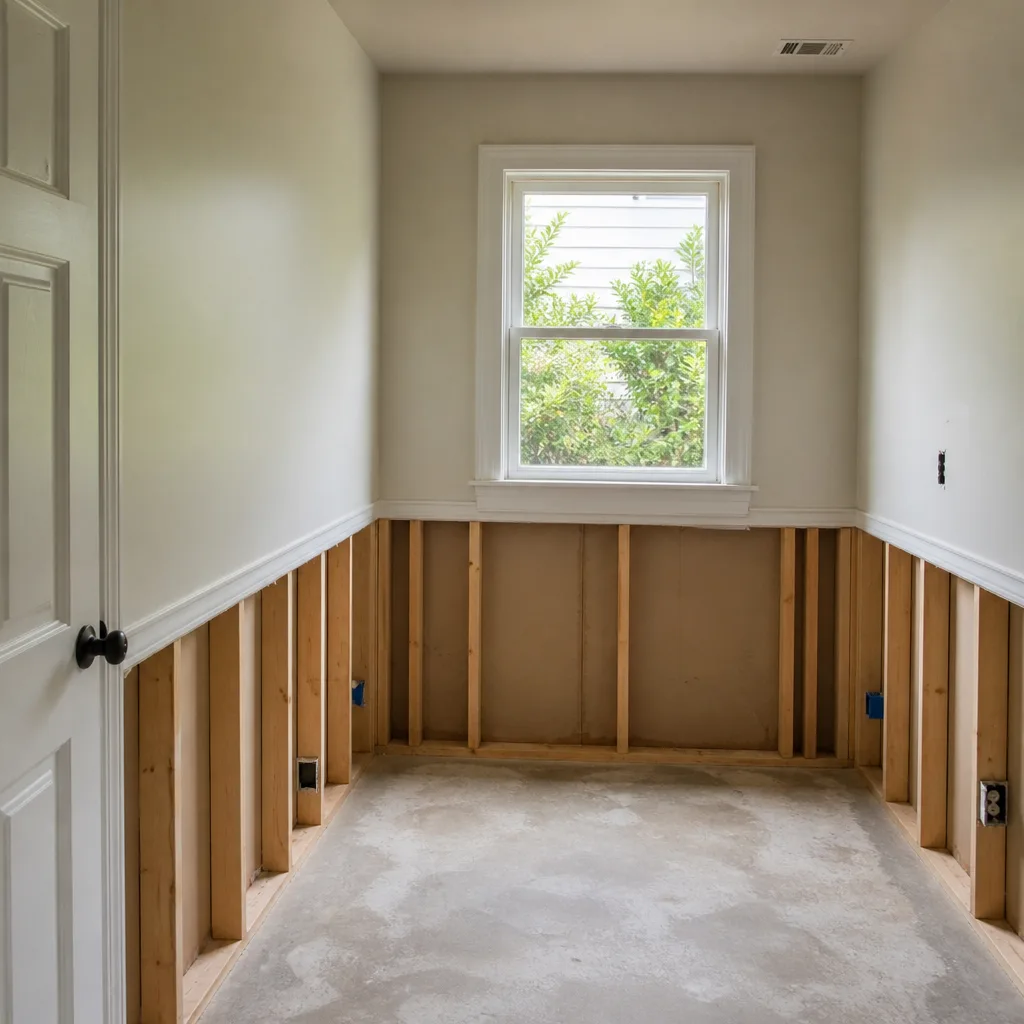
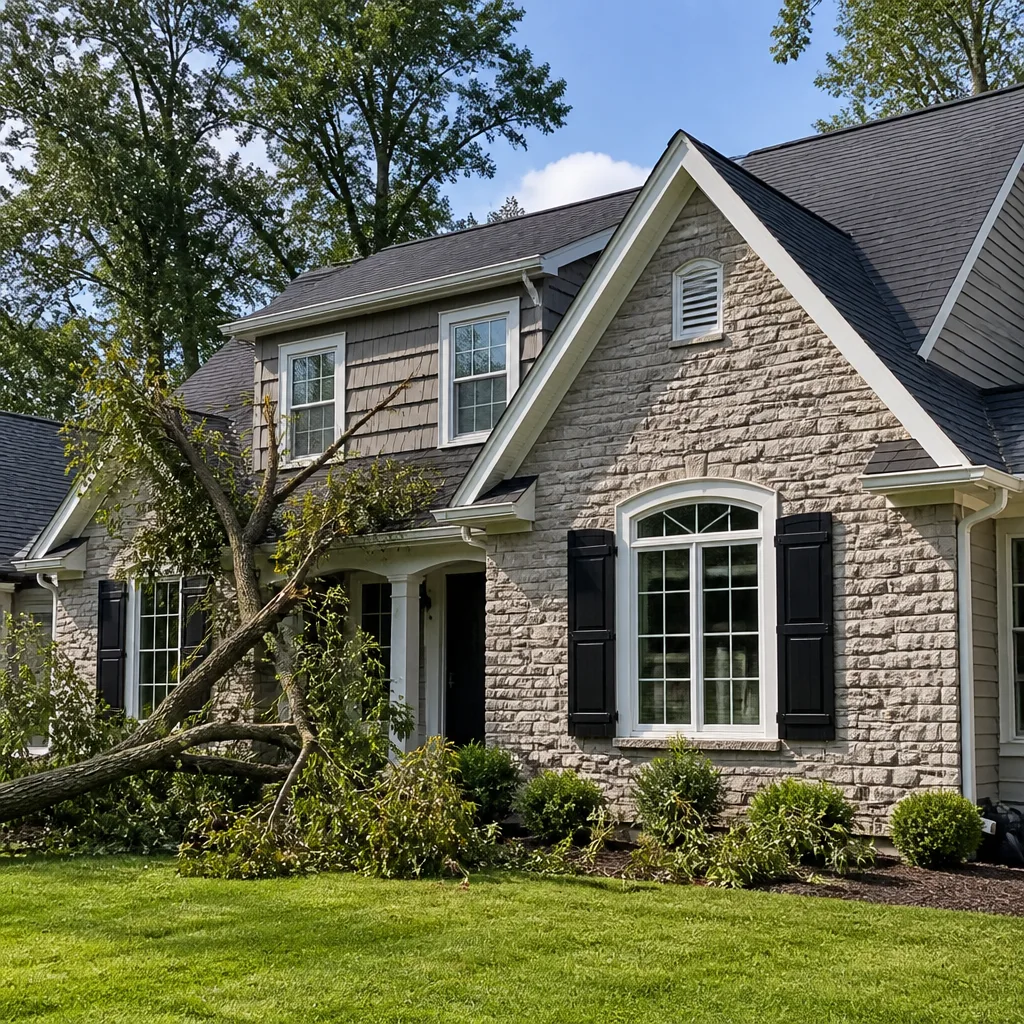
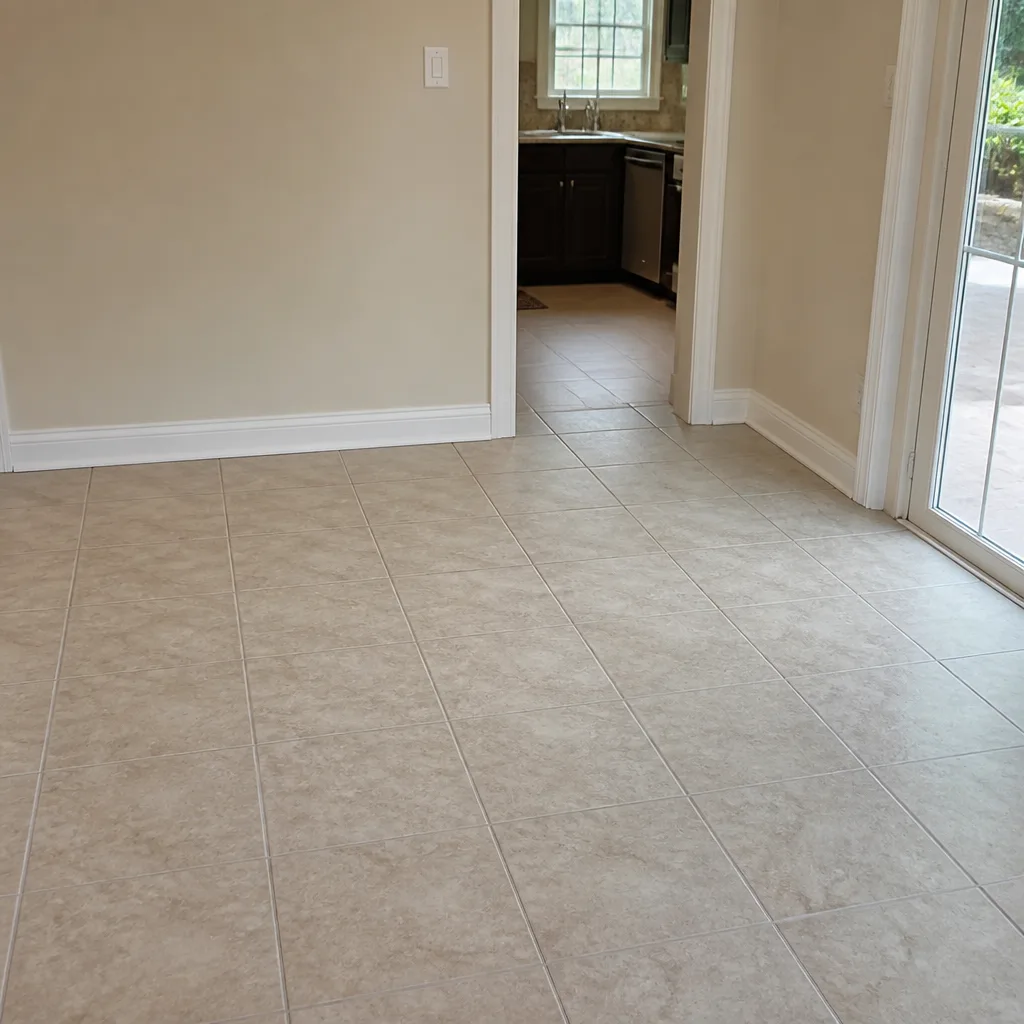
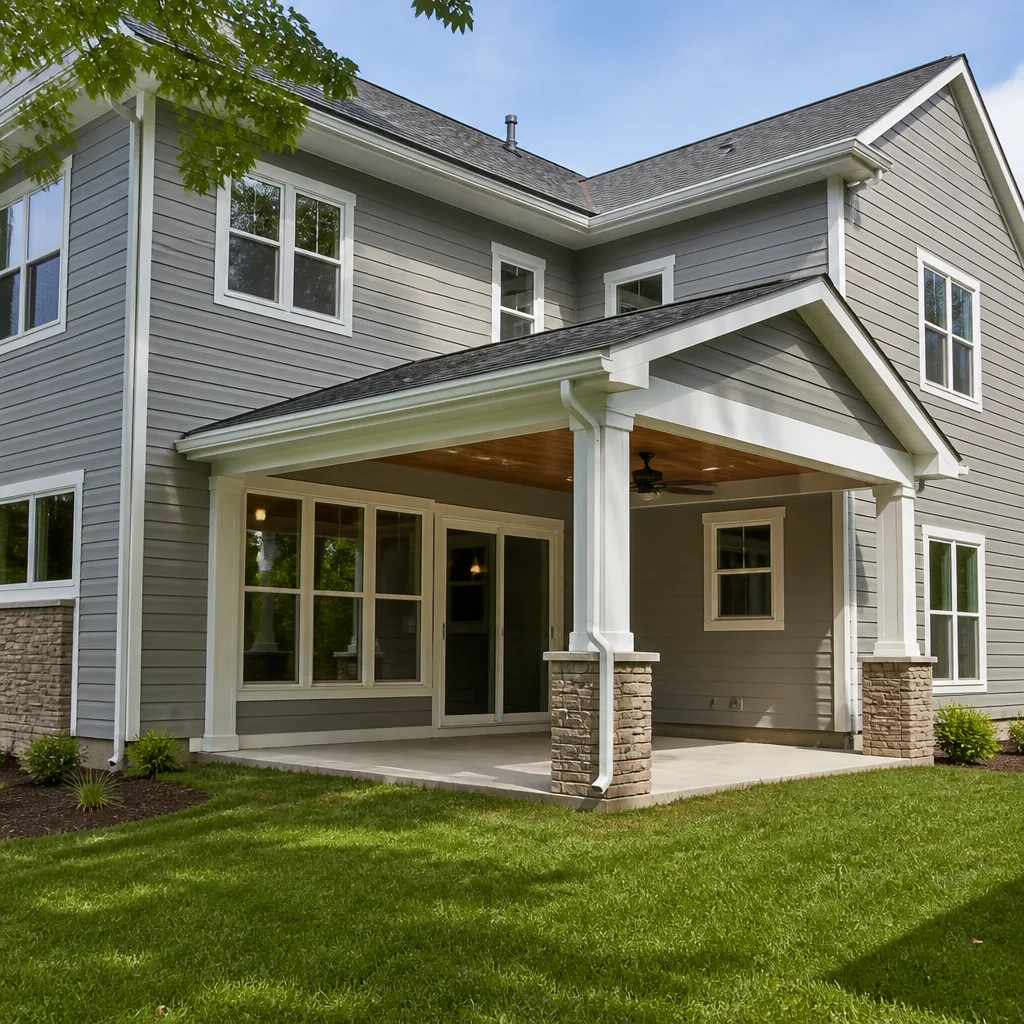
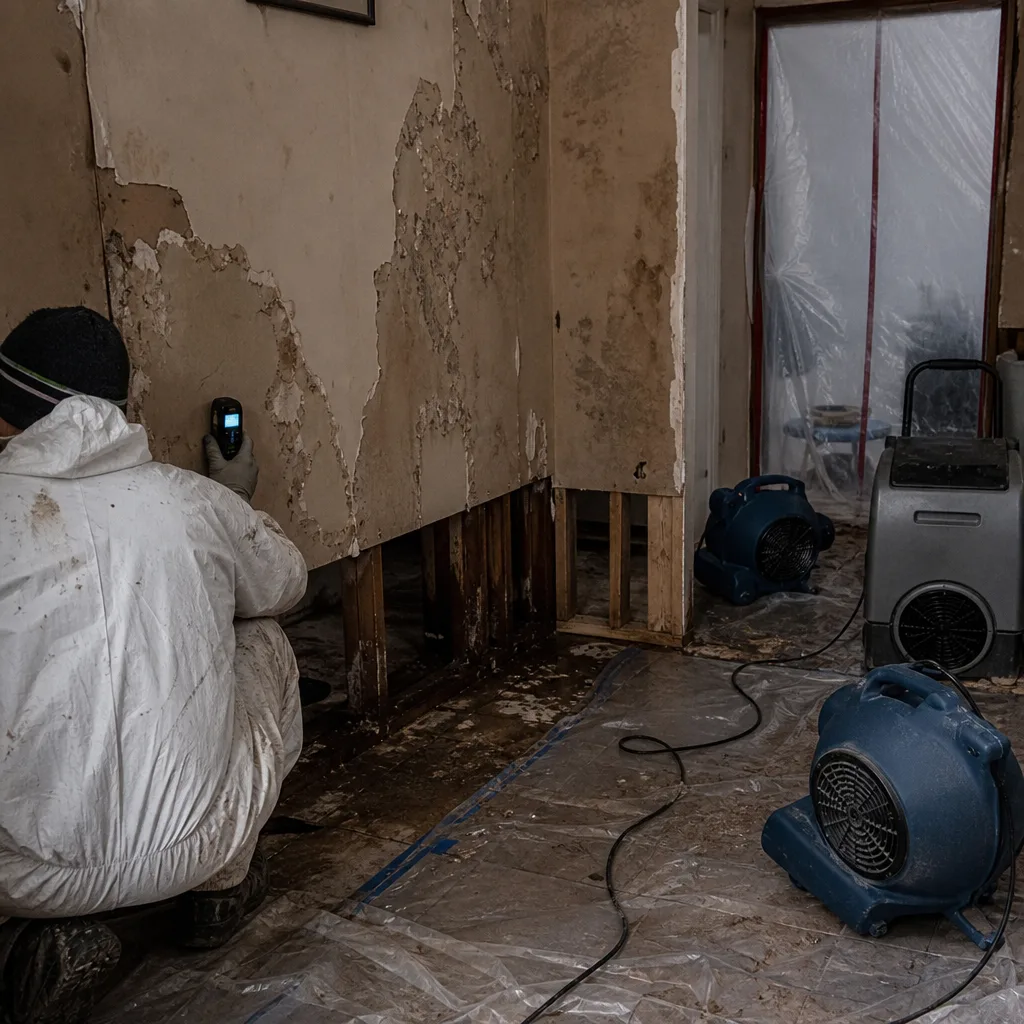 Before
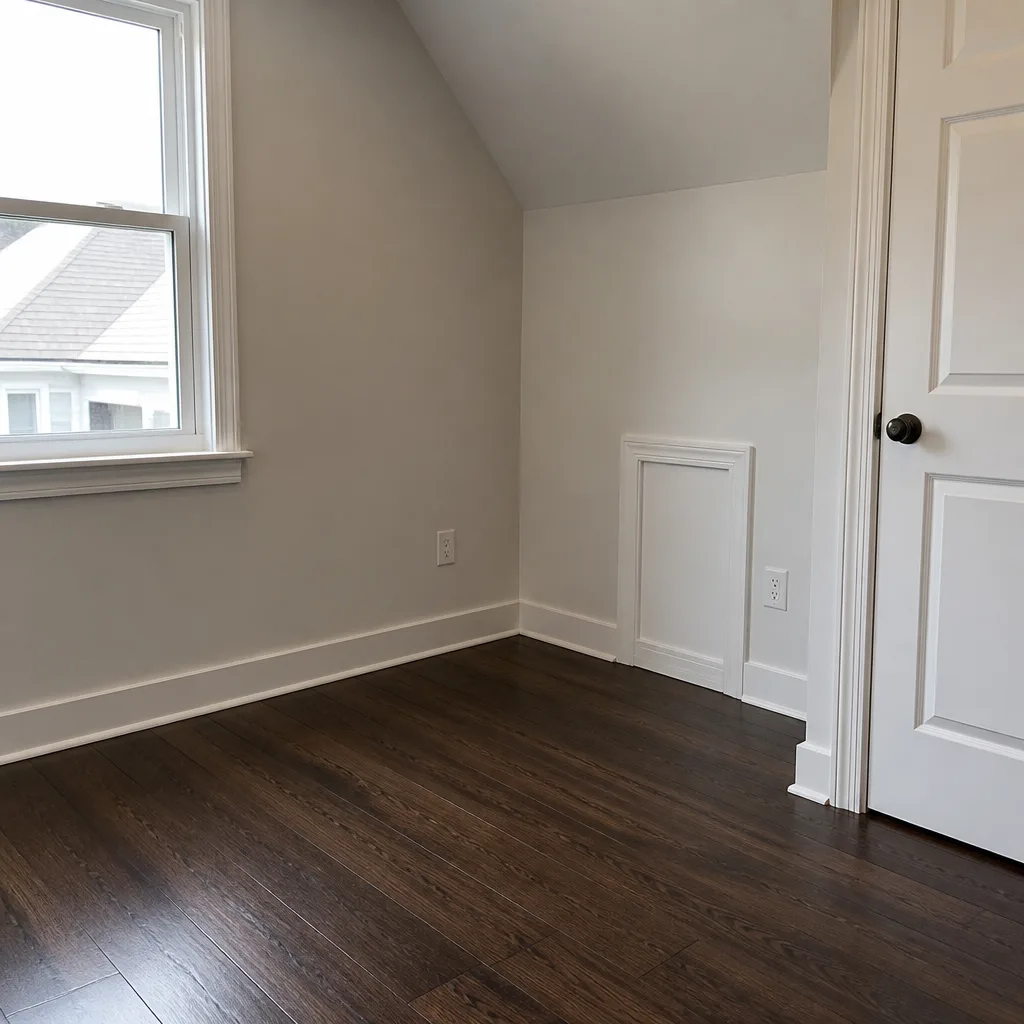 After
After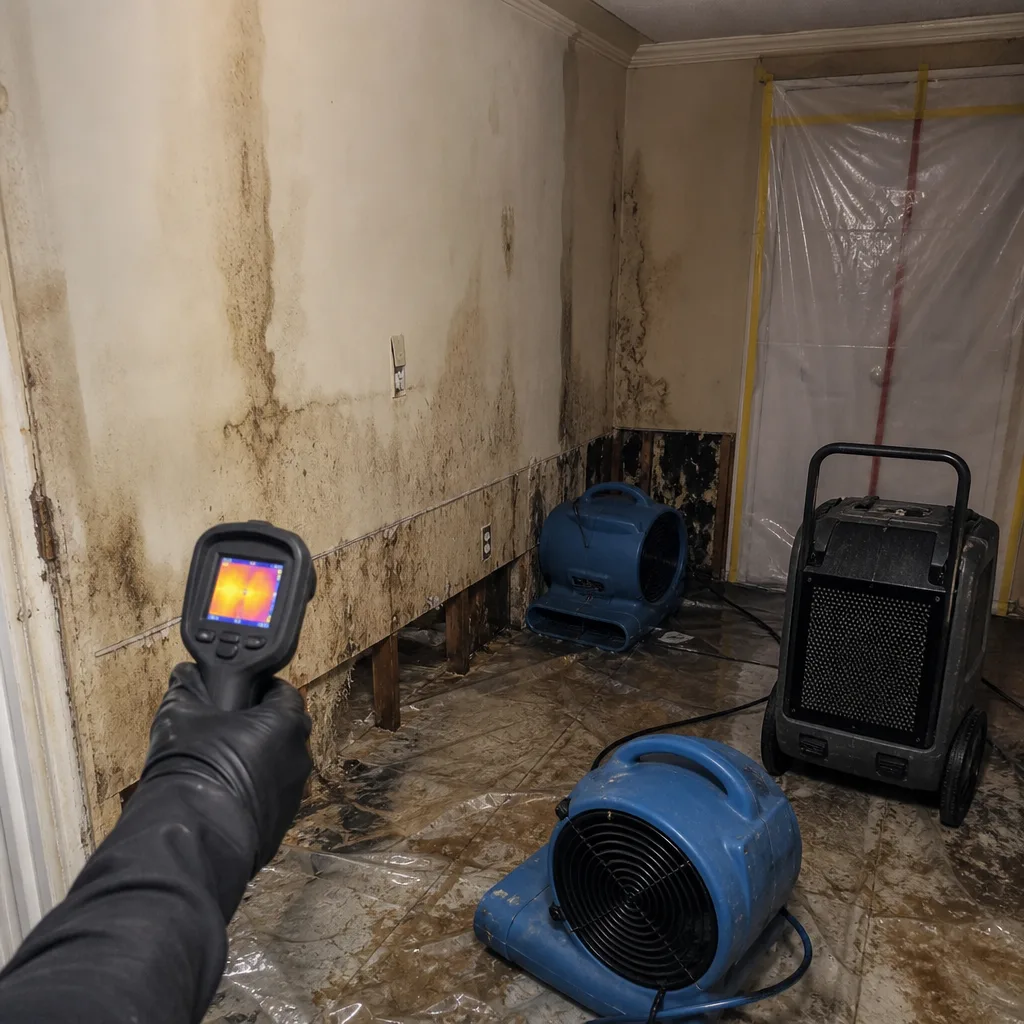 Before
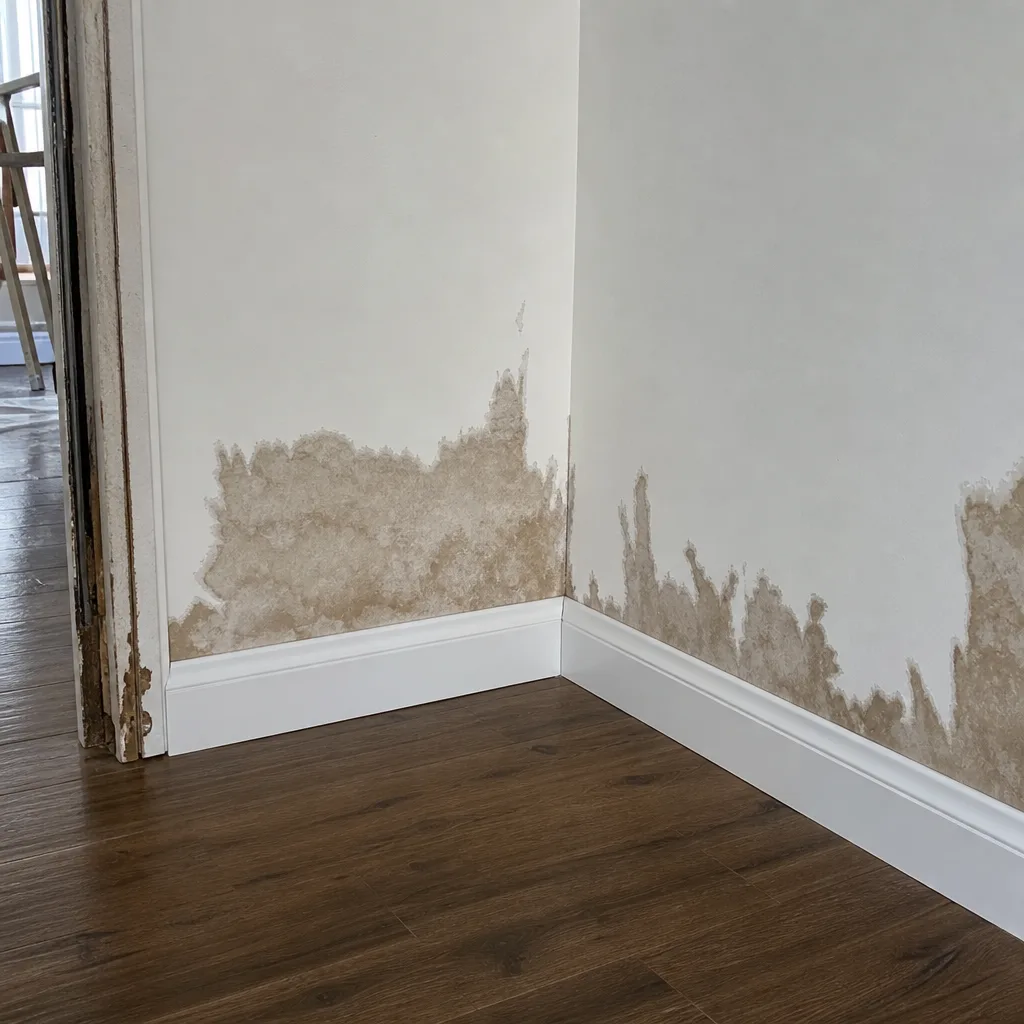 After
After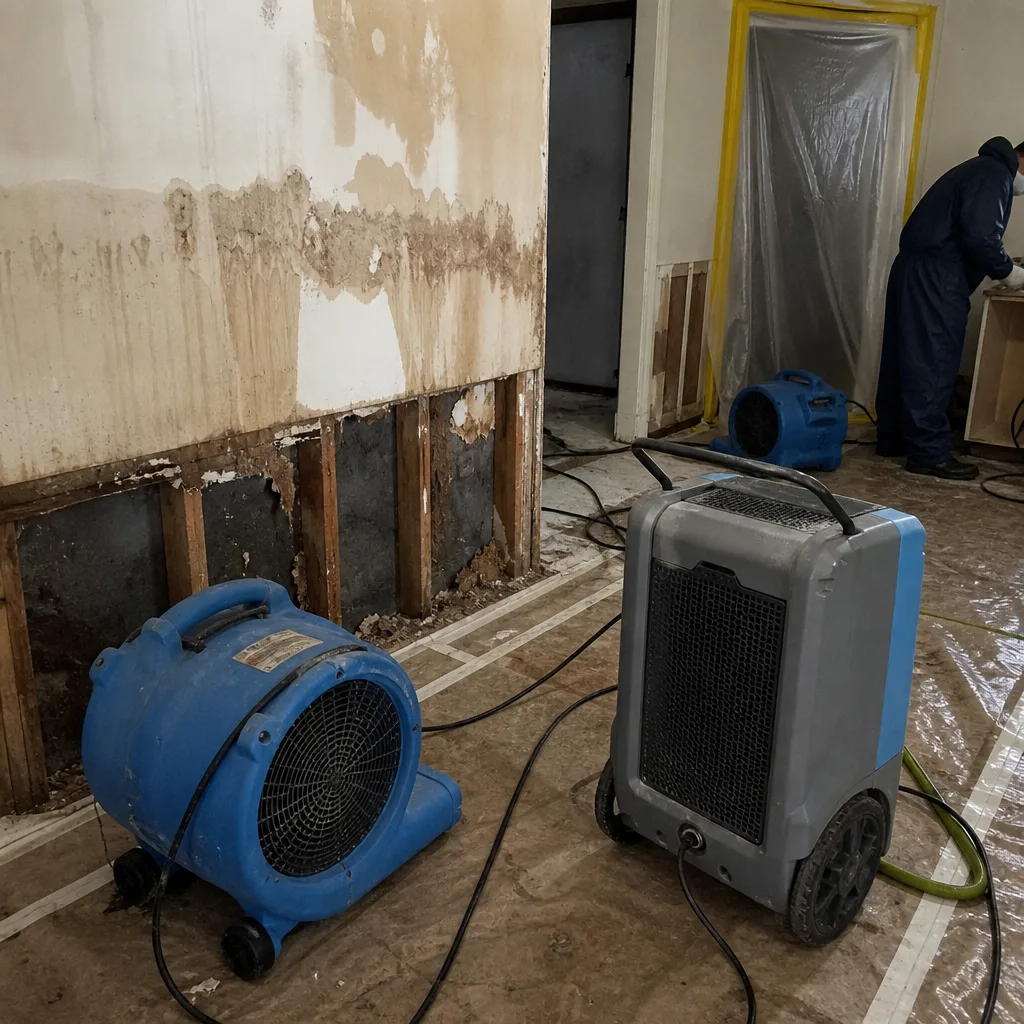 Before
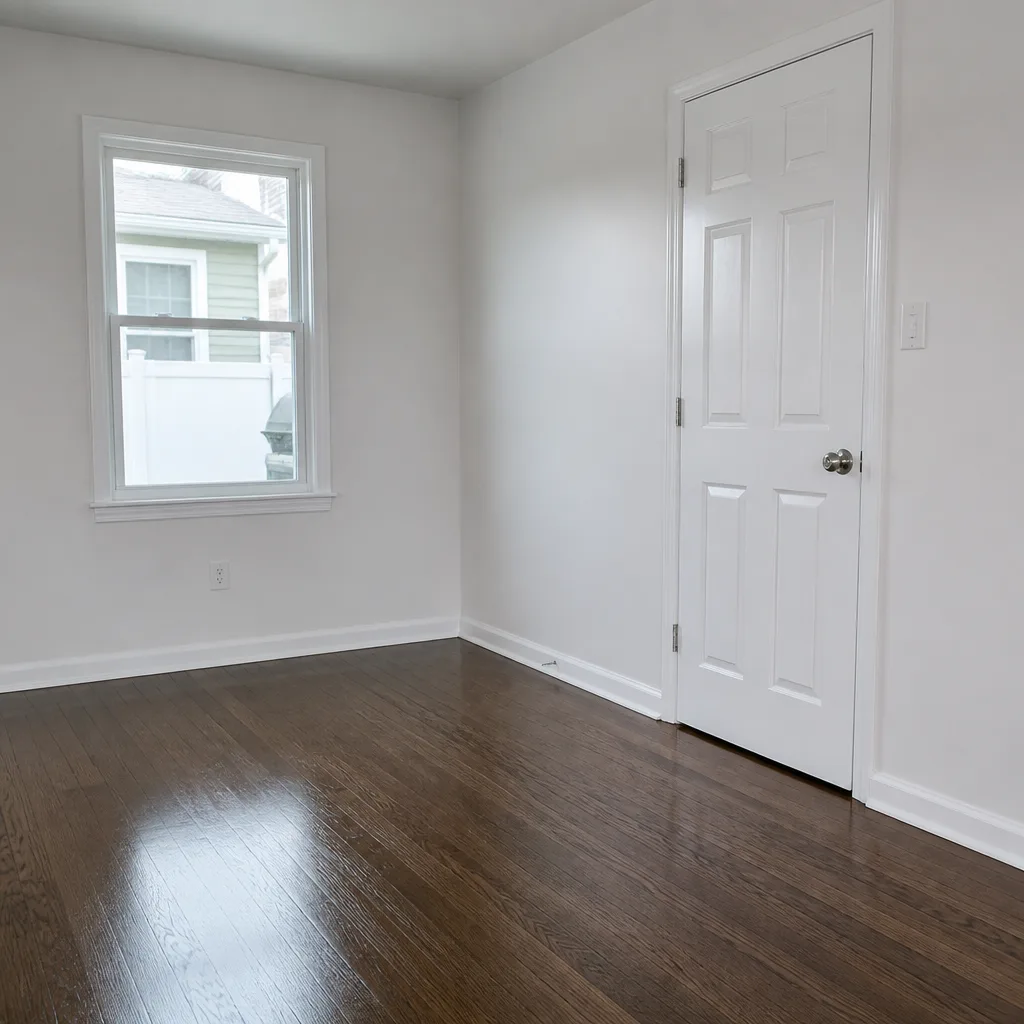 After
After24/7 Emergency Storm & Disaster Restoration in Ridgewood
Storm damage in Ridgewood moves fast, and so do we. A live dispatcher answers at (716) 412-2972 any hour, any day. When a nor’easter tears off a roof section or a sewage backup pushes into two basements, the first hour sets the cost and the timeline. Water and wind intrusion compound against brick, plaster, and shared walls. Our Storm & Disaster Restoration teams stage locally and reach Ridgewood blocks quickly, with a free visual inspection and a written scope before work starts. We don’t hand the job off after extraction. The same certified crew dries, repairs, and rebuilds, and our 90-Day Done Right Promise in writing backs every Ridgewood job.
Understanding Storm & Disaster Restoration Severity in Ridgewood Properties
Severity in Ridgewood usually runs along one axis: water category. A cracked supply line in a 1920s cast-iron stack is a Category 1 event, often limited to one floor but still soaking original plaster lath. Nor’easter-driven roof leaks and sewage backups push harder, introducing Category 3 water, the kind that carries bacteria and demands containment, HEPA air scrubbing, and full disinfection, not just drying. Soot from a storm-related electrical fire behaves differently depending on what burned, from dry wood soot to corrosive protein soot that etches brass and copper within 48 hours. Ridgewood’s rowhouses complicate every category because party walls and uninterrupted basement slabs let moisture migrate sideways. A dry source unit with a damp adjoining slab is not a finished job, it’s a mold claim waiting for spring. Our IICRC-certified crews map moisture across property lines before declaring anything dry.
Why Ridgewood Property Owners Choose Floodline Restoration Co.
- Live answer, not a recording: A real dispatcher picks up at 2 a.m. and schedules a Ridgewood crew immediately.
- 45-minute response commitment: For water and sewage emergencies in Ridgewood, we’re on site fast, because lateral wicking through shared slabs doesn’t wait.
- Certified, background-checked crews: IICRC-trained in WRT, FSRT, and AMRT standards, uniformed, and accountable to Curt Bowman and the Keystone Standard.
- Free visual inspection: We assess storm damage, tarping needs, and moisture spread before you commit to anything.
- Direct insurance billing: We document every phase and coordinate with your adjuster, so you’re not the messenger.
- One team, start to finish: Extraction, drying, historic-brick repair, and rebuild, same company, same dispatch board.
Our Storm & Disaster Restoration Process
Inspection & Assessment
We start with thermal imaging and hygrometers to trace moisture through plaster walls and under slabs, including the neighbor’s side of the party wall. Photos are taken room by room before anything moves.
Extraction & Stabilization
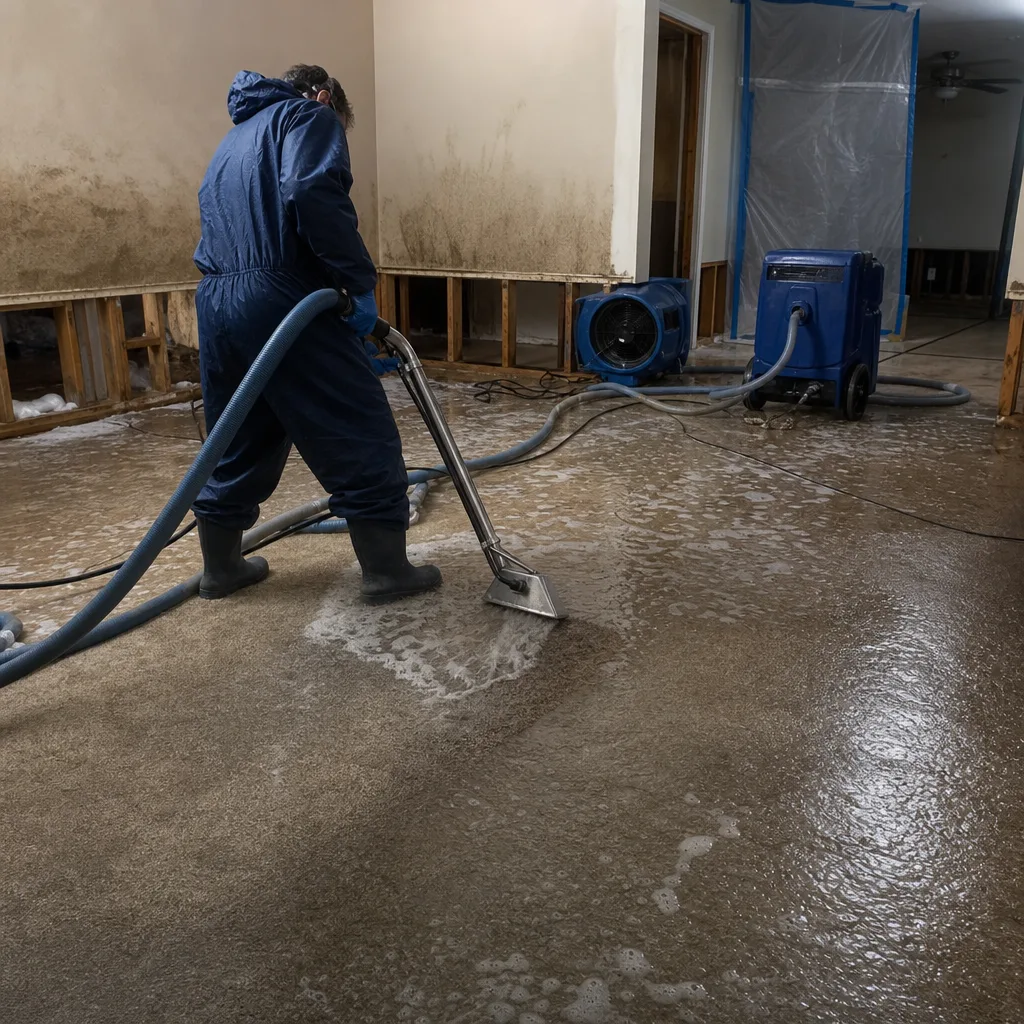
Truck-mounted Phoenix pumps remove standing water. For sewage backups, Category 3 containment goes up first. We tarp roofs and board up openings the same visit to stop further intrusion.
Drying & Dehumidification
Dri-Eaz and XPOWER air movers plus desiccant and refrigerant dehumidifiers run on a drying plan with daily moisture readings. Ridgewood’s plaster and brick release water slower than drywall, so the logs back the timeline.
Cleaning & Sanitization
Hospital-grade disinfectants on affected surfaces, HEPA scrubbing for airborne particulates, and soft-washing for historic brick where pressure could damage old mortar.
Historic Fabric Treatment
Where storm damage exposed brick or mortar, we specify historically matched lime-based mortar, not Portland, to match Ridgewood’s buff brick and avoid trapping moisture that accelerates spalling.
Repairs & Restoration
Plaster restoration, reframing, finish flooring, and full rebuild. The same background-checked crew that answered the first call finishes the last coat, then hands you the moisture log and the written 90-Day Done Right Promise.
Need Emergency Storm & Disaster Restoration in Ridgewood Now?
Crews minutes away, answering live 24 hours a day. The sooner we start, the less it costs.
Working With Your Insurance Company
Insurance claims for Ridgewood storm damage hinge on documentation from hour one. We photograph standing water, soot patterns, missing shingles, and the damp line on the neighbor’s side of the basement before cleanup begins. Our adjusters speak to your carrier directly, with industry-standard line-item scopes, not vague repair estimates. When a sewage backup crosses from your half of the basement slab into theirs, we document the origin, the migration path, and the drying standard for each side, so the claim doesn’t stall over which policy pays. You get a square deal: no surprises on the bill, direct billing to the carrier, and our 90-Day Done Right Promise in writing.
What We Provide Your Insurer
- Thorough documentation of the loss
- Photos of all damage, room by room
- Moisture readings and drying logs
- A detailed, line-item scope of work
- Direct coordination with your carrier
Built for Ridgewood’s Loss Calendar
Ridgewood’s storm calendar starts heavy in January, when deep freezes split supply lines inside uninsulated cavities of 100-year-old rowhouses. A cracked pipe behind a plaster wall goes unnoticed until water presents on the ceiling below, or on the neighbor’s side. March and April bring the thaw, when snowmelt finds every failed mortar joint in a yellow-brick facade and saturates wall cavities. Summer thunderstorms drop flash rain that overwhelms cast-iron drains and sends water across basement slabs later into neighbors’ cellars. Then September through November, nor’easters punish flat and low-slope rooflines, ponding water over aging membranes until ceiling leaks cascade down multiple floors in one building. Every season here has a signature failure mode, and every mode respects party walls.
Storm & Disaster Restoration Across Ridgewood’s Neighborhoods
Near Myrtle Avenue, commercial-storefront buildings with residential above see a different set than the brick rowhouse blocks off Fresh Pond Road: longer façade runs, older roof penetrations, and more foot and vehicle traffic complicating sidewalk tarping. Around the Seneca Avenue corridor and the blocks west toward the Ridgewood Historic District, attached brick rows from 1908 to 1925 make the shared-slab problem the dominant loss pattern. Over by Catalpa and Onderdonk Avenues, where mature street trees canopy entire blocks, we see more wind-loaded limb damage to cornices and parapets, plus gutter failures that dump water at foundations. The blocks south of Metropolitan Avenue toward the 11385 edge are tightly packed, with basement access often only through front areaways, which changes how we move extractors and air movers into a Category 3 cleanup. In Ridgewood, the distances are short, but the architecture is consistent: attached, brick, historic, and stubborn about drying.
Specialized Storm & Disaster Restoration Services We Offer in Ridgewood
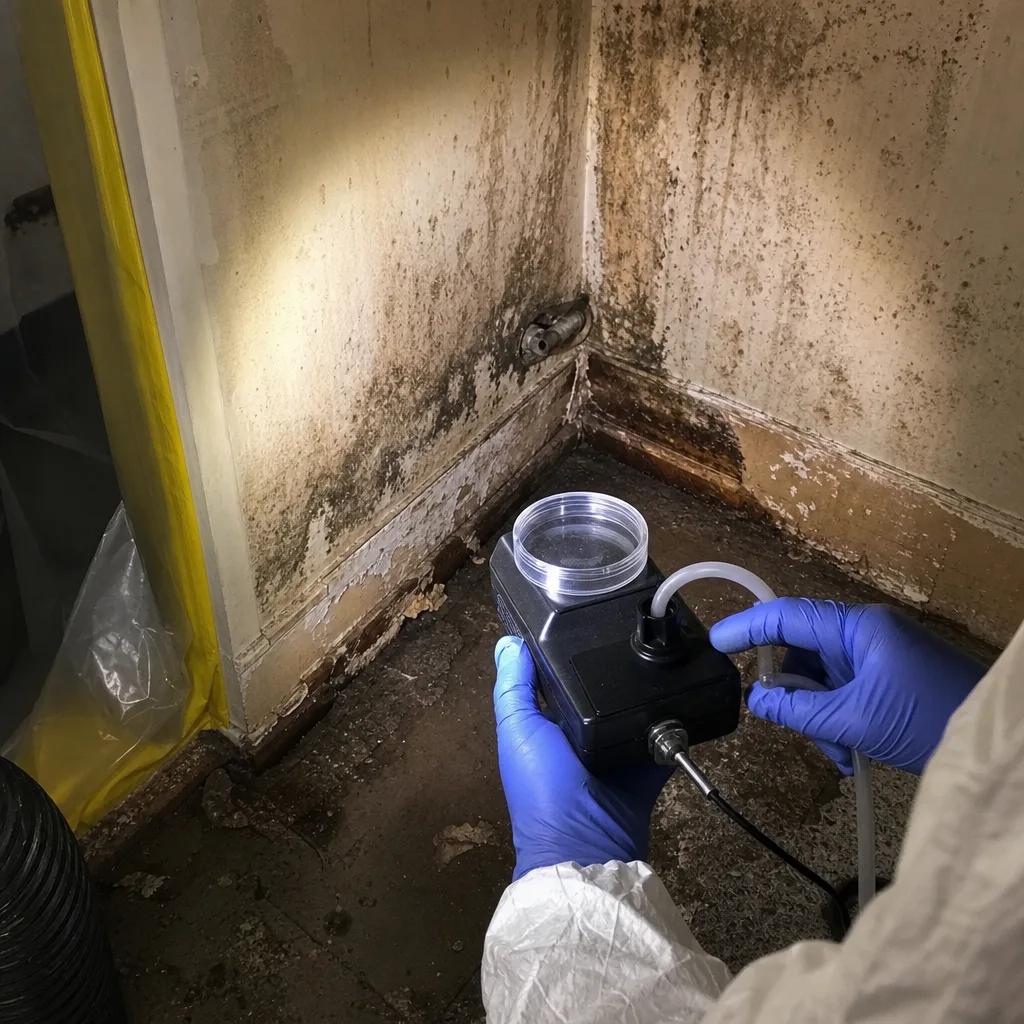
Flood Damage Restoration
When water rises through a Ridgewood basement slab or pours in from a roof failure, we extract first, then moisture-map across the slab, including under the party wall. Flood restoration here is not a single-unit fix; it’s a building-scale read on where water traveled.
Emergency Board-Up
Broken windows from flying debris or a storm-loosened door need quick, secure closure. We board up with fitted panels that respect the building’s historic trim and keep rodents, weather, and uninvited guests out until permanent repair.
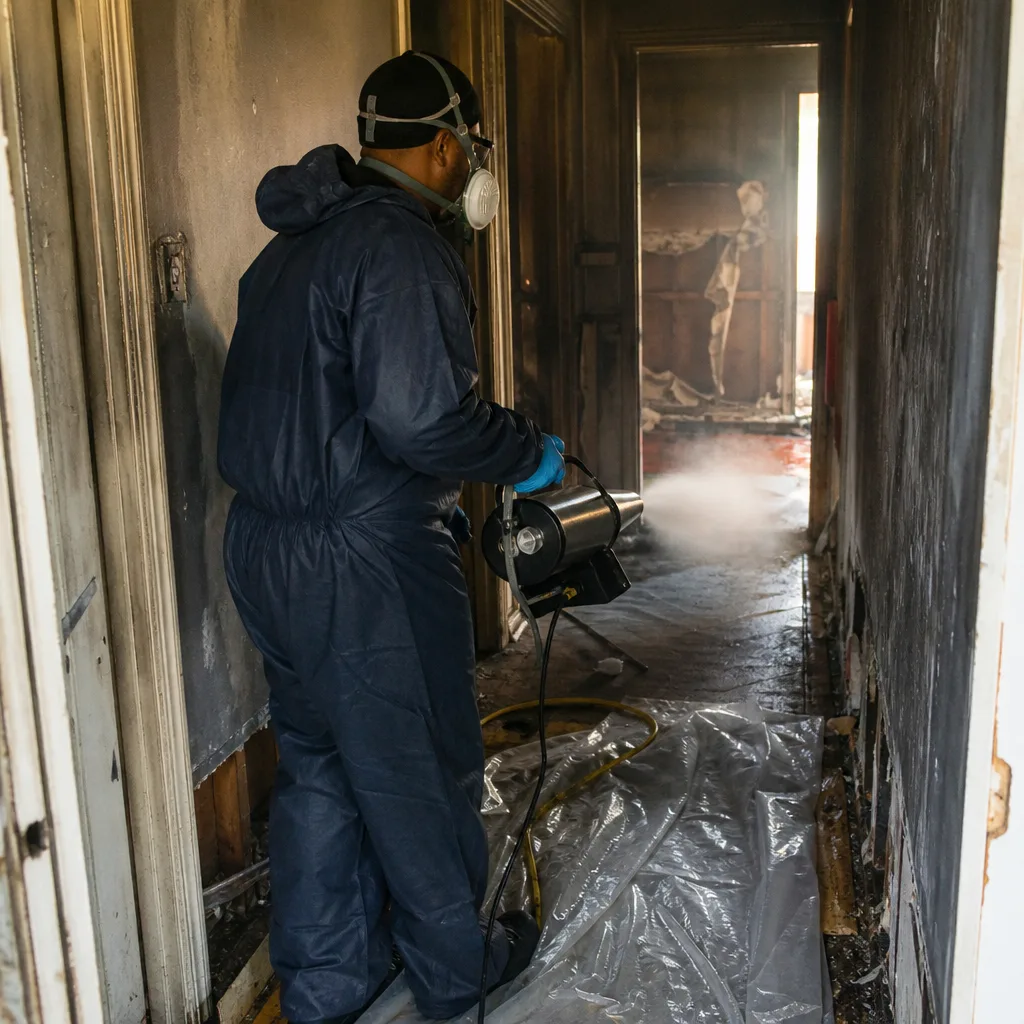
Roof Tarping
Nor’easter damage on Ridgewood’s flat and low-slope rooflines needs watertight tarping the same day. We anchor tarps for wind load, not just rain, and document the temporary cover for your adjuster. On historic-district rowhouses, we check Landmarks Preservation Commission review status before disturbing exterior fabric.
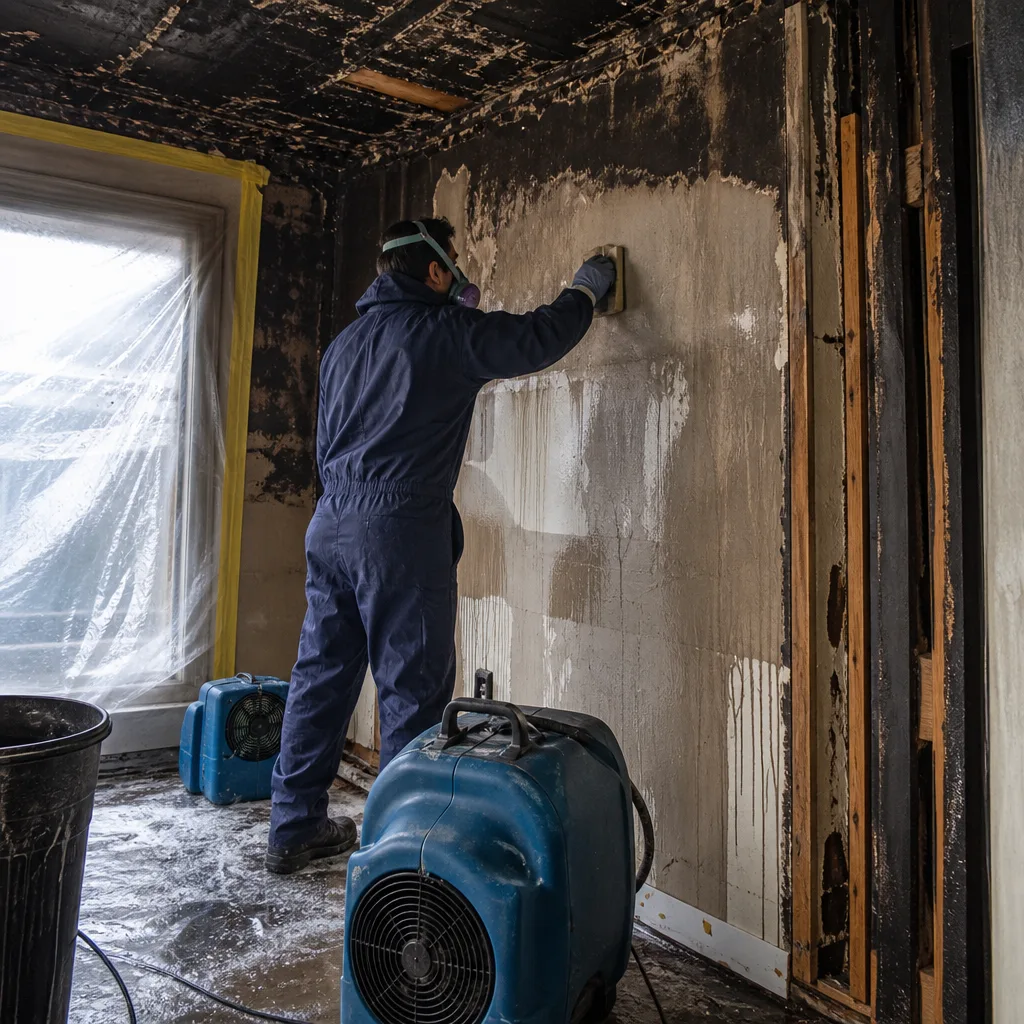
Storm Damage Cleanup
Downed tree limbs, shattered glass, and wind-scattered debris around Ridgewood yards, sidewalks, and areaways. We remove, haul, and then look beneath the obvious: water follows gravity and finds basement steps, window wells, and cracked mortar behind the debris.
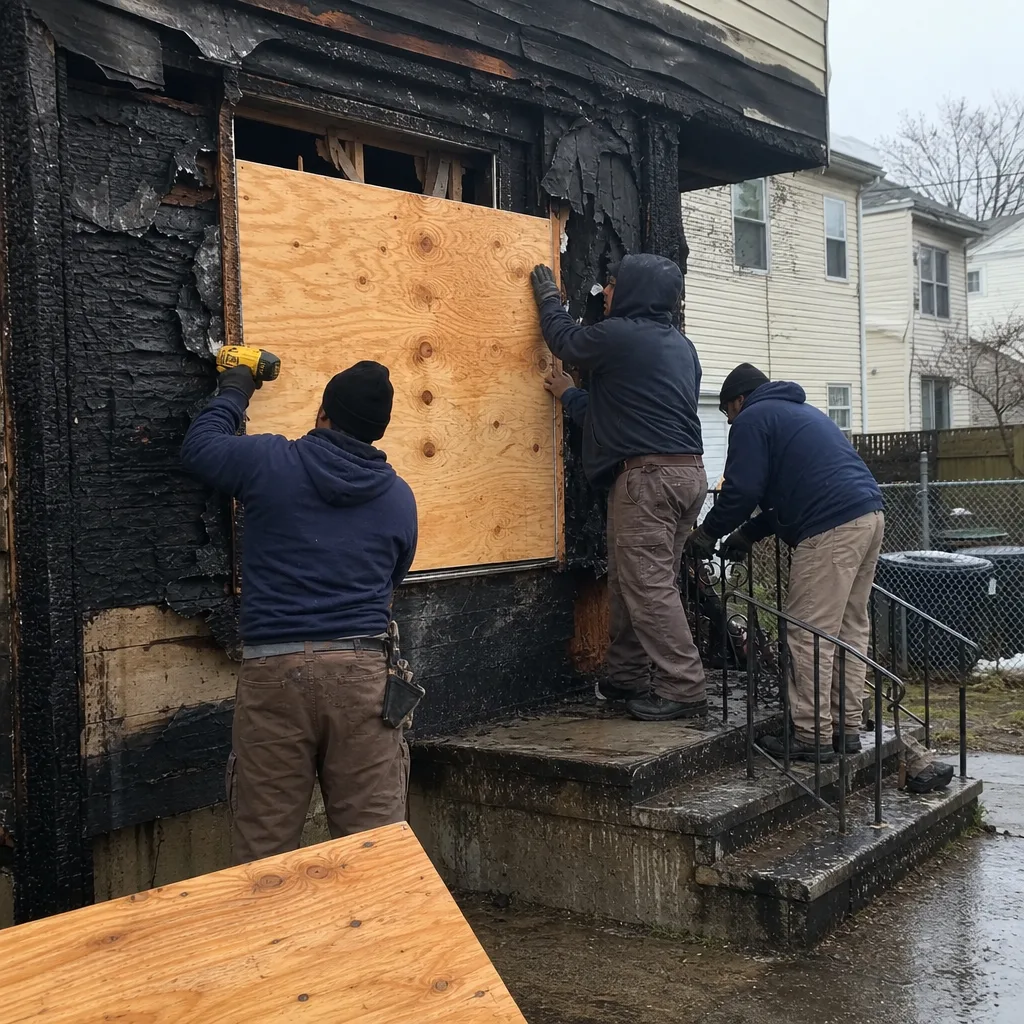
Debris Removal
After a storm, debris piles block access and hide hazards. We clear Ridgewood areaways, backyards, and flat roofs, then inspect the exposed surfaces for damage the debris was masking.
What happens when you call
- 1
A real person answersNo phone trees - you reach a local pro.
- 2
You get an upfront price rangeHonest numbers before anyone is dispatched.
- 3
A background-checked tech heads outLicensed & insured, dispatched right away.
- 4
You approve before work beginsNothing starts until you say go.
Storm & Disaster Restoration Costs in Ridgewood, NY
A typical storm-damage cleanup in Ridgewood, without structural rebuild, runs $800 to $2,400. Emergency board-up for a storefront or rowhouse window runs $350 to $900. Roof tarping for a flat or low-slope Ridgewood roof runs $650 to $1,800 depending on access and wind anchoring. Flood extraction and Category 3 sewage cleanup across a shared slab will commonly land between $3,500 and $9,000, factoring containment, two basements, and multiday drying. Full rebuilds after a nor’easter ceiling collapse start around $8,000 and scale with plaster, brick matching, and LPC review. Insurance usually covers storm events, but sewer backups often depend on endorsement, which is why we document origin clearly. A free visual inspection gets you a firm, line-item scope before you spend anything.
We Also Serve Cities Near Ridgewood
Floodline Restoration Co. runs storm and disaster crews into Woodhaven, Ozone Park, and Howard Beach as well. The call comes to the same live dispatcher, and the same standards apply.
Ridgewood Storm & Disaster Restoration Questions, Answered
How does Ridgewood’s shared basement slab change the drying timeline after a sewage backup?
It extends the drying timeline by 2 to 4 days on average, because two basements must reach the dry standard, not one. Lateral wicking through an uninterrupted slab means moisture readings on the neighbor’s side can stay elevated even after your half dries. We run separate drying plans on each side and don’t pull air movers until both logs clear.
What does ‘historically matched mortar’ mean for storm-damaged Ridgewood brick repair?
It means lime-based mortar mixed to match the color, texture, and strength of the original buff-brick pointing, not bagged Portland mix. Modern Portland is too hard and non-breathable; it traps moisture behind the mortar and accelerates spalling. On Ridgewood rowhouses from 1900 to 1930, that mistake reopens the original water path. Our repair order specifies historically matched mortar for any facade work.
Will my board-up or roof tarping trigger Landmarks Preservation Commission review in Ridgewood?
Tarping and emergency board-up do not require LPC review, as they’re temporary stabilization. Permanent exterior repairs, including cornice replacement, masonry repointing, or any change to the facade on a historic-district rowhouse, may require an LPC permit. We check review status before starting permanent work so you don’t get a stop-work order mid-repair.
How do you handle a Category 3 flood when the neighbor’s basement is also affected through the party wall?
We set containment across both basements, moisture-map the full slab to confirm the migration path, and run one coordinated drying plan with separate logs for each owner. The origin unit’s insurance typically drives the primary claim, but we document both sides equally so adjusters can settle without a fight over boundaries. Both owners get the 90-Day Done Right Promise in writing.
Why does mold appear months after a nor’easter in my Ridgewood attic?
Because water trapped in a low-slope roof cavity behind a failed membrane doesn’t dry on its own, it incubates. Ridgewood’s flat and low-slope rooflines pond after nor’easters, and the moisture sits inside unvented cavities through winter before blooming as visible mold in spring. The fix is drying the cavity to standard, not just wiping the visible mold.
How fast can someone actually get to my Ridgewood property?
A live dispatcher answers immediately, and we commit to 45 minutes for water and sewage emergencies in Ridgewood. Storm call volume after a nor’easter fills a dispatch board, but we stage crews locally and run more than one team during named events.
Do I really need full restoration, or just a cleanup?
That depends on water category and spread. A clean-water puddle dried the same day may only need cleanup. A sewage backup or roof leak that sat for hours requires containment, drying, and disinfecting, not a mop. The free visual inspection answers this honestly, with thermal imaging and moisture readings, not a sales script.
Who deals with my insurance adjuster?
We do. You’ll get a line-item scope, photos, moisture logs, and direct carrier coordination. You don’t carry paperwork between adjuster and contractor. If the claim questions a line item, our documentation answers it. Call (716) 412-2972 for an exact quote, estimates are free.
Serving Ridgewood, NY - Our Local Coverage Area
We’re based in the Ridgewood area and know this community well. Use the map below to see our service coverage - if you’re nearby, we can almost certainly help.
What to Do in the First 30 Minutes After Storm Damage in Ridgewood
Shut off power if water is rising near outlets. Move what you can to higher ground, especially anything sitting on basement slabs that wick sideways. Don’t walk through standing water if you can see sewage coloring, it’s Category 3 and carries bacteria. Call (716) 412-2972 and describe the water’s color, where it’s coming from, and whether you can see it near a party wall. Take phone photos of everything before anything moves. A live dispatcher will talk you through the next steps and get a Ridgewood crew rolling. The first hour controls whether your neighbor is involved in the cleanup too: water moving through a shared slab doesn’t announce itself.
Written by Curt Bowman, Owner at Floodline Restoration Co., serving Ridgewood and Queens with certified restoration crews.