
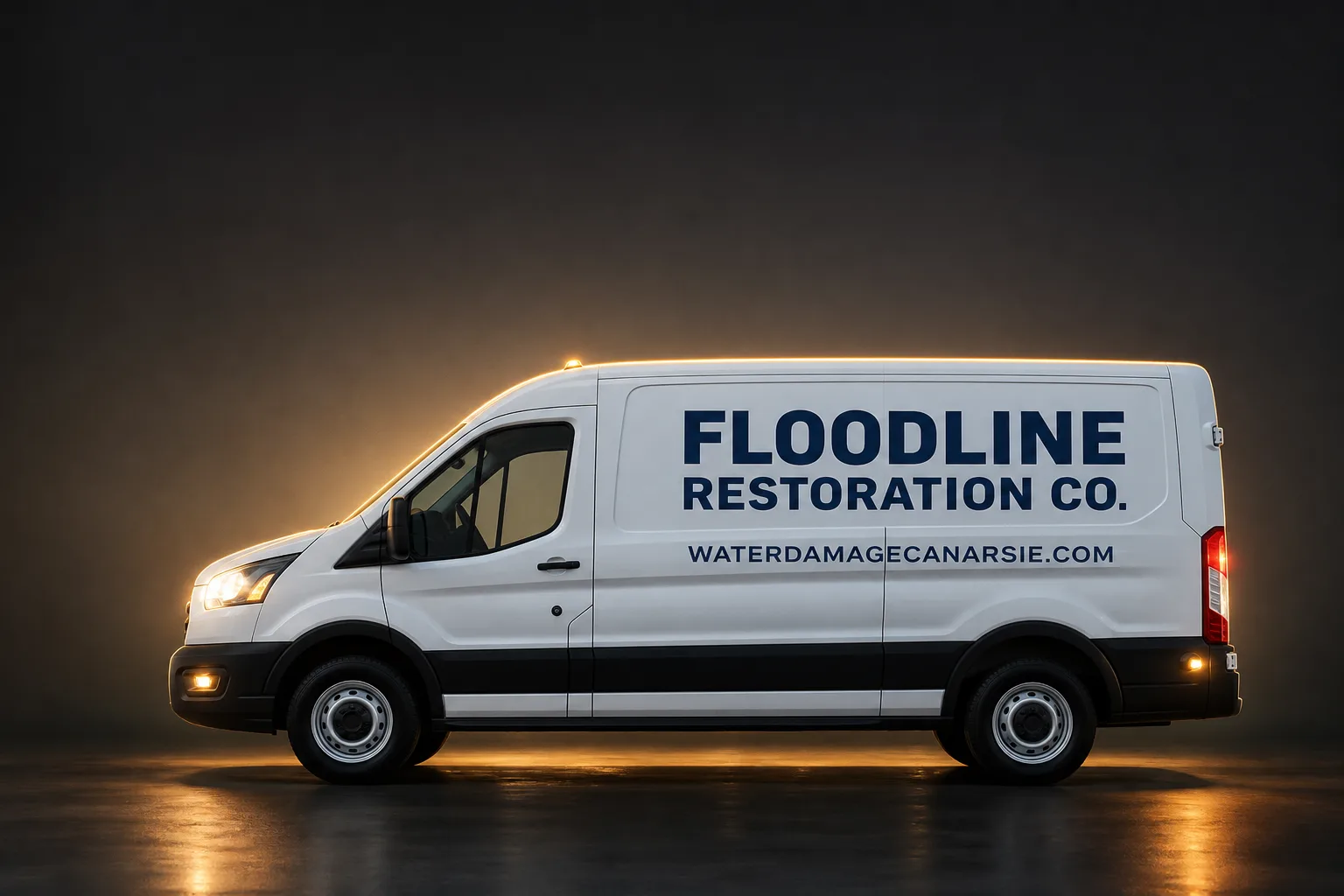
Free visual inspection and a written scope of work before any mitigation begins - photos, moisture readings, and drying logs go in your claim file
The scope we write is the scope we bill. Anything new gets shown to you, in writing, before we touch it.
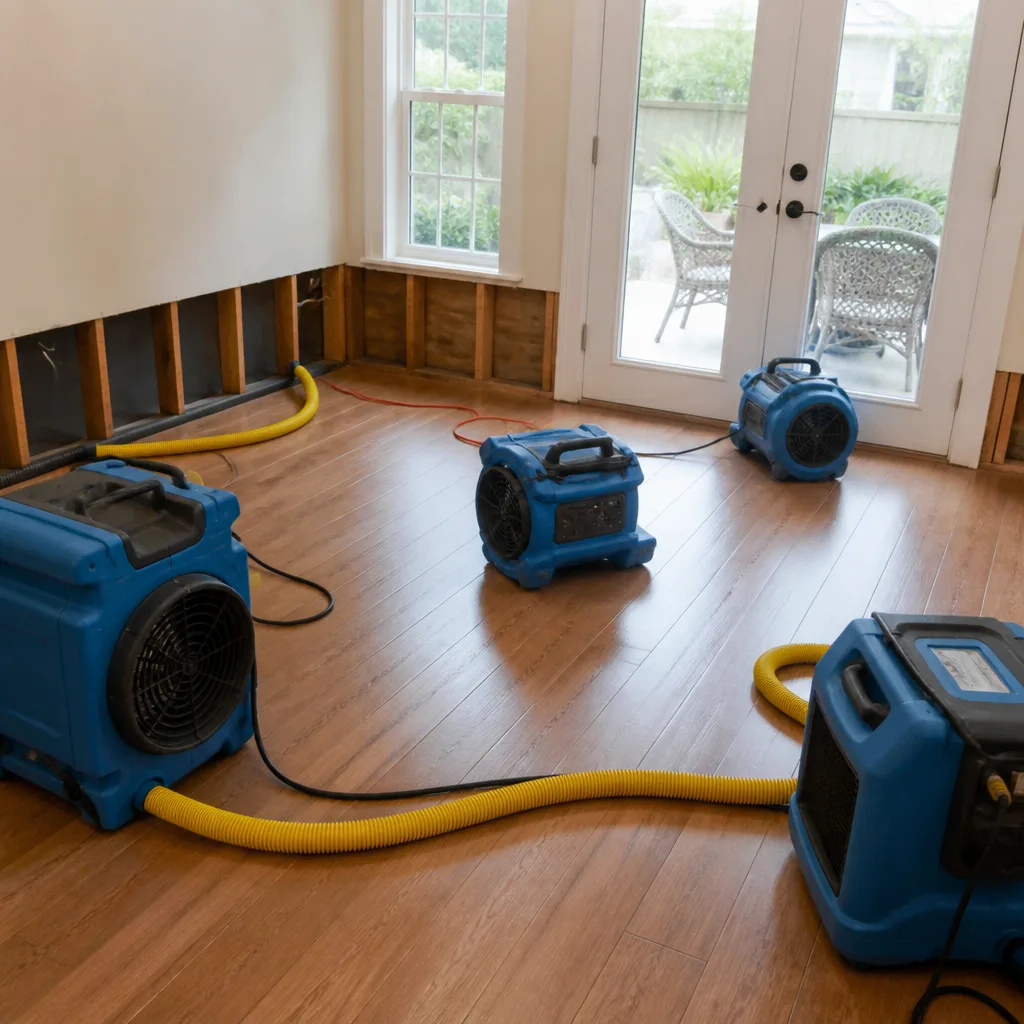
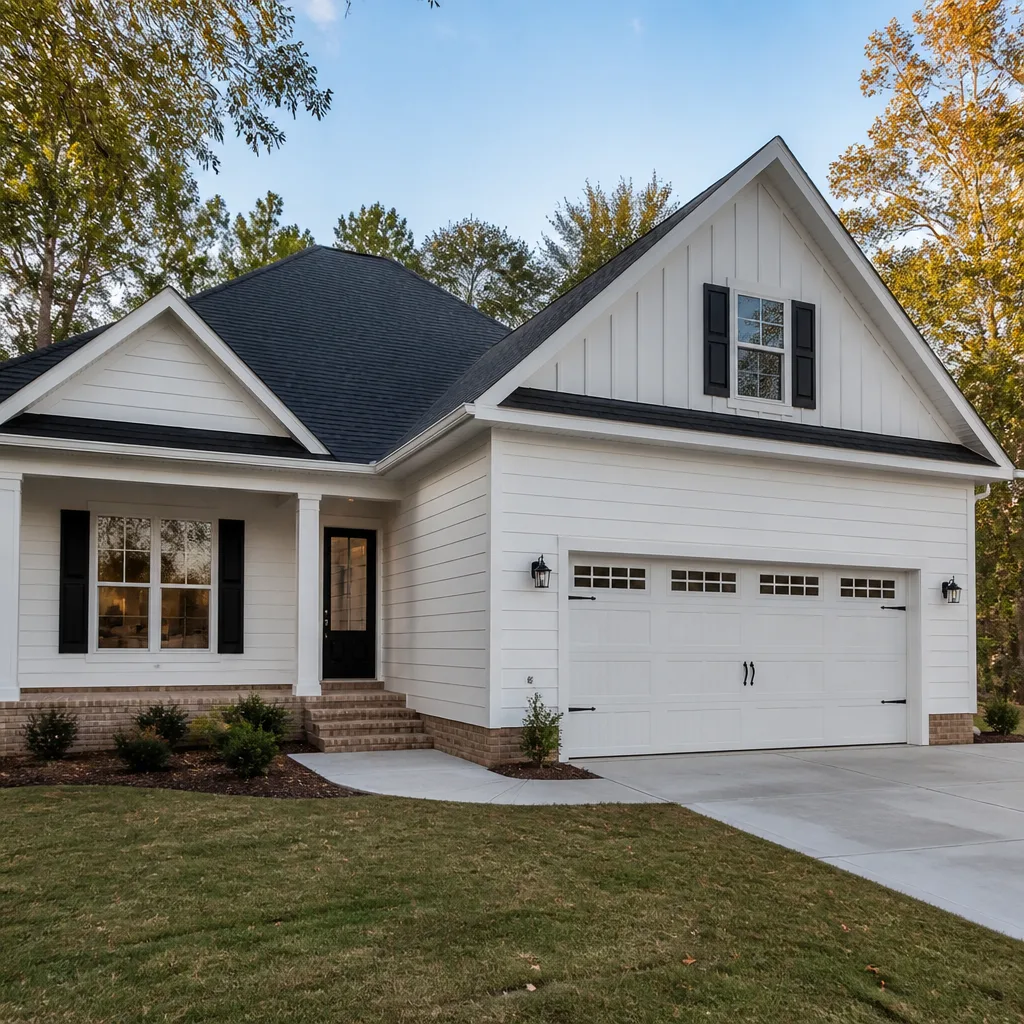
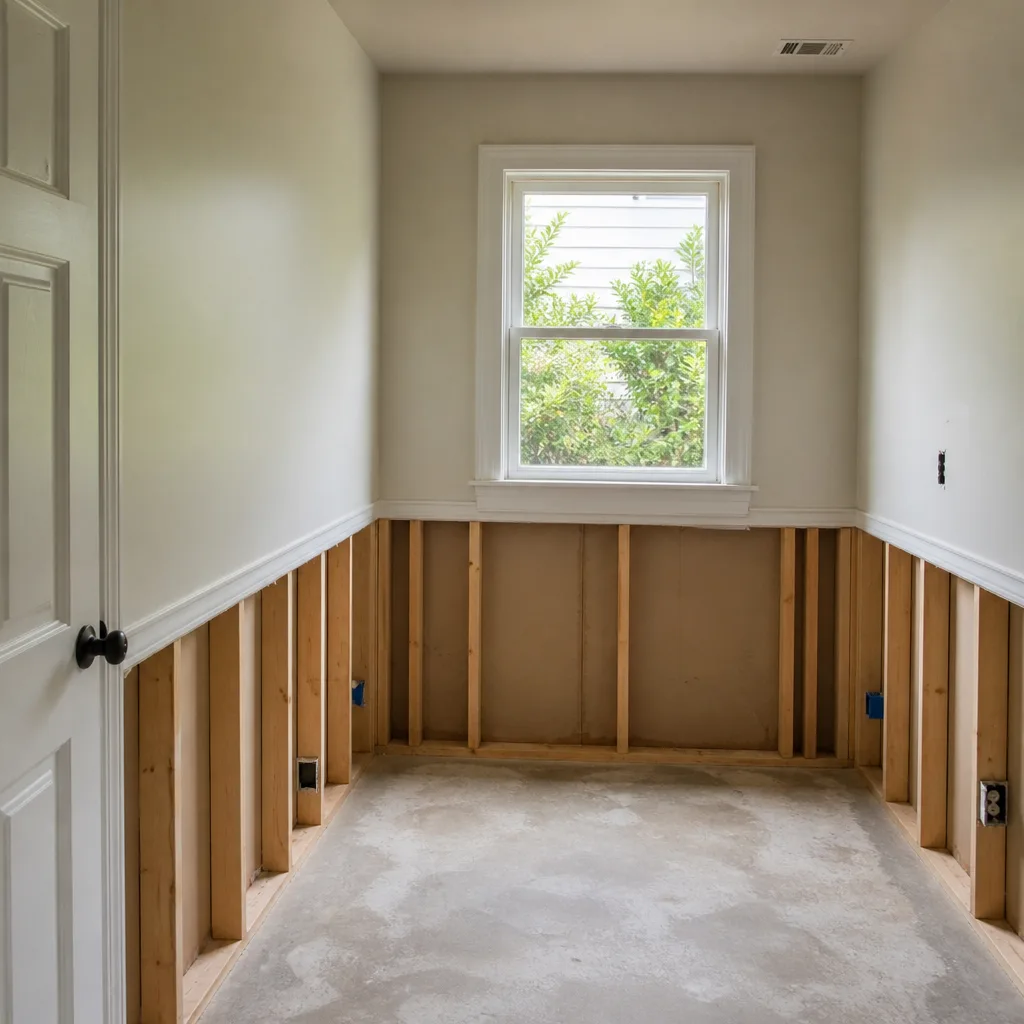
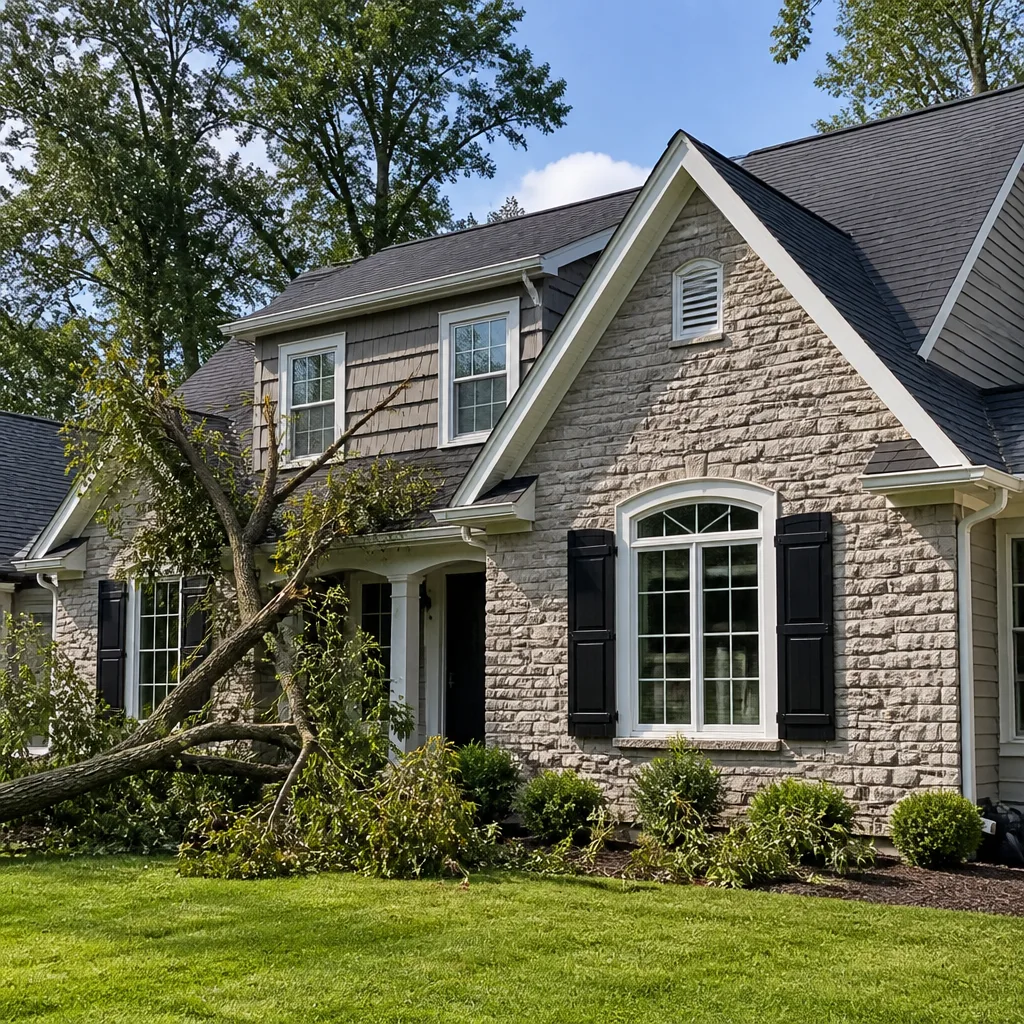
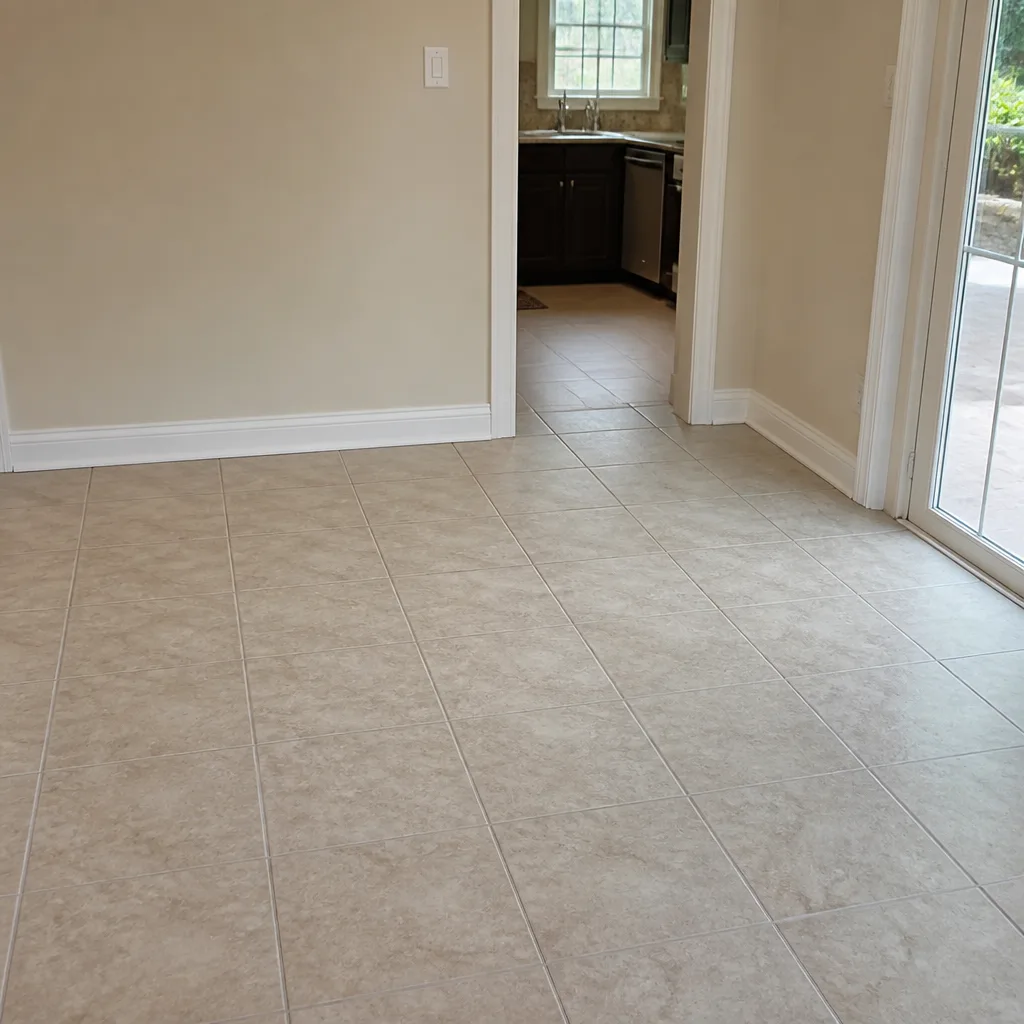
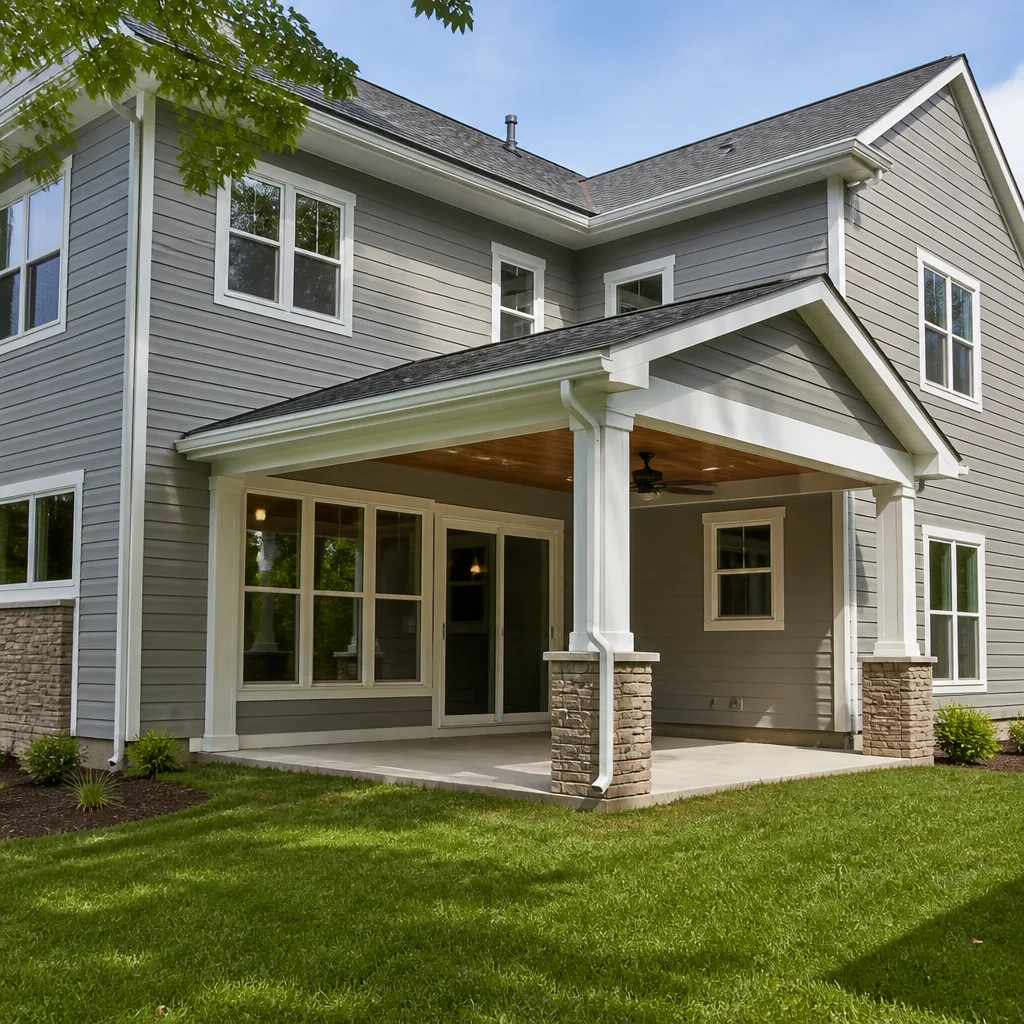
 Before
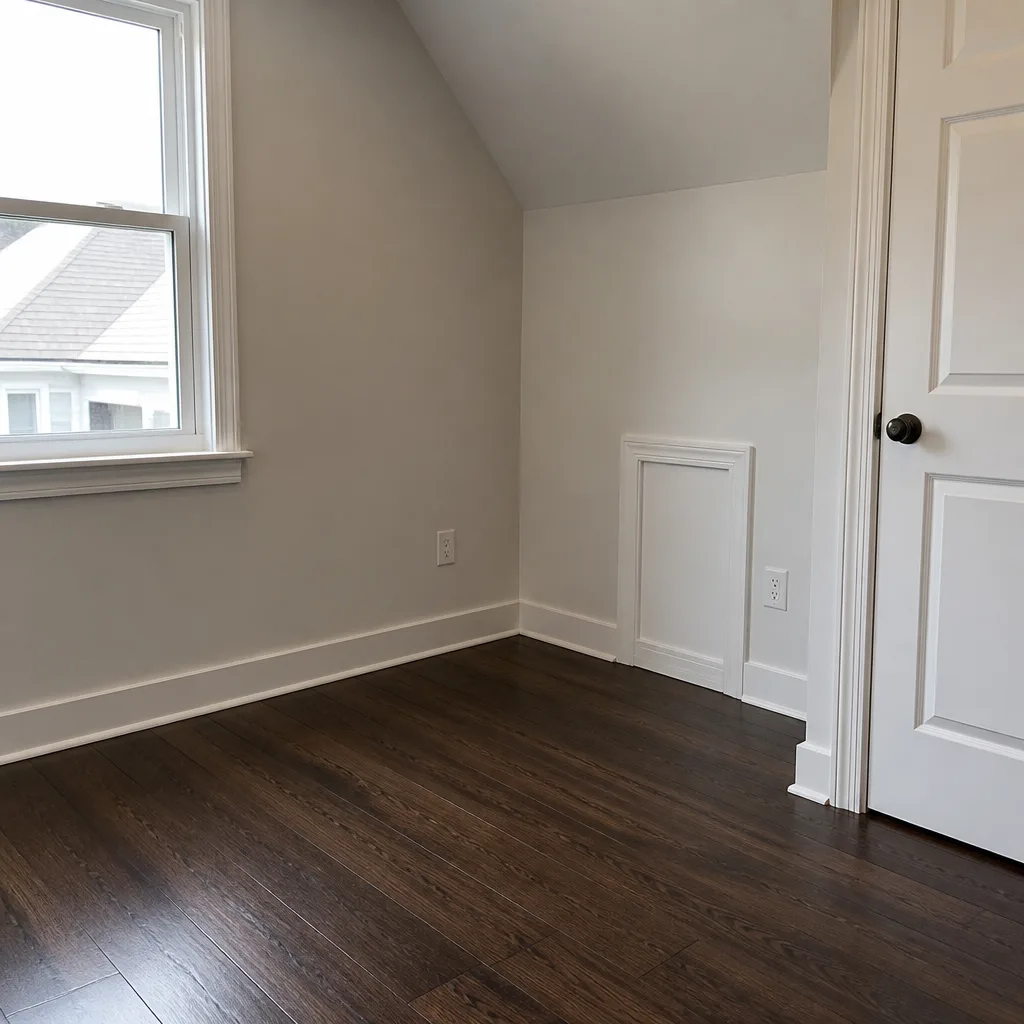 After
After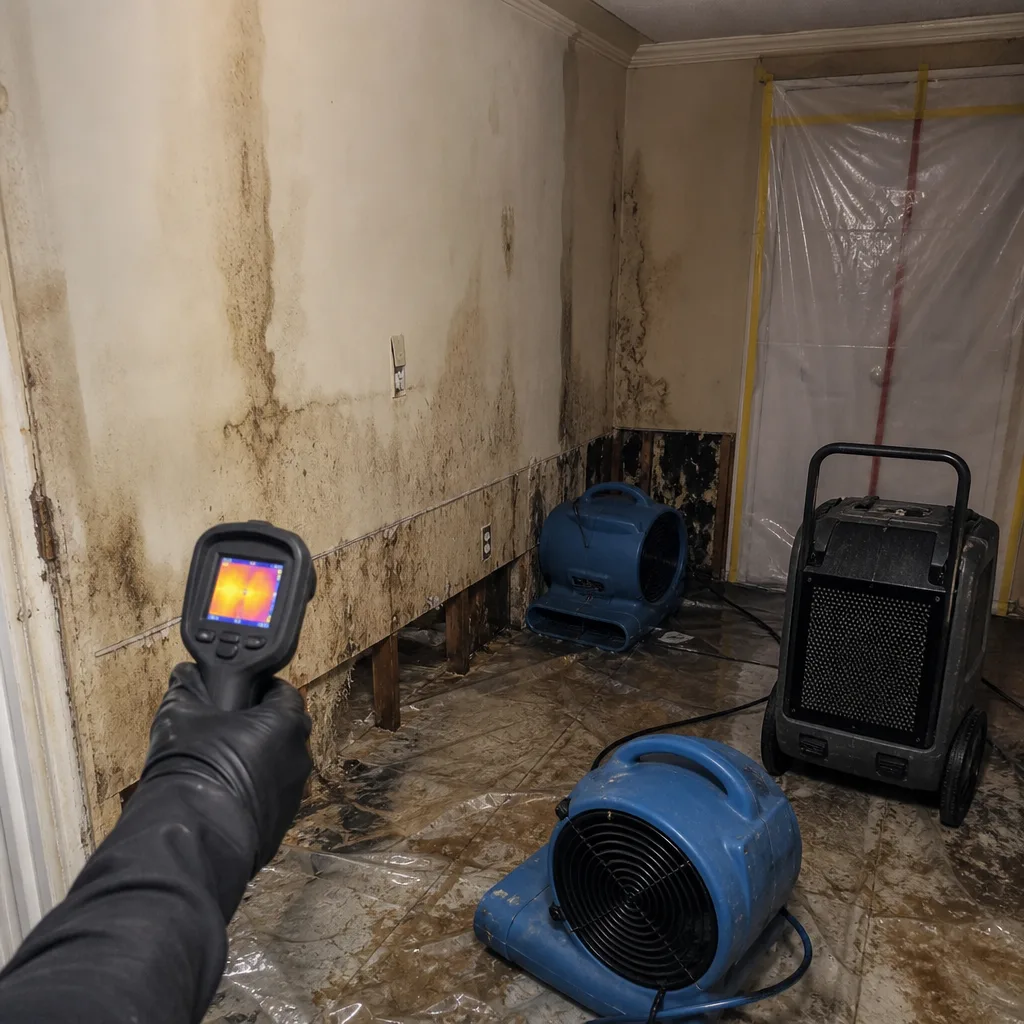 Before
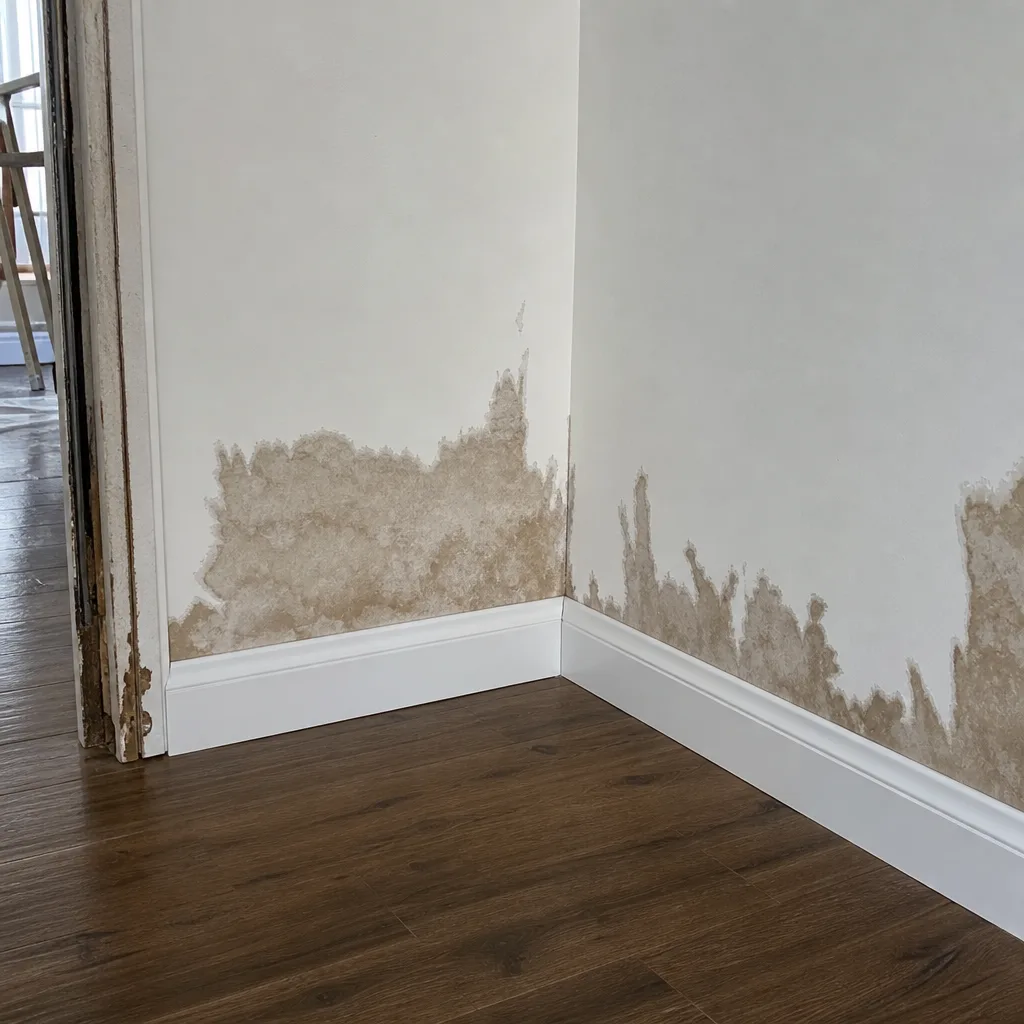 After
After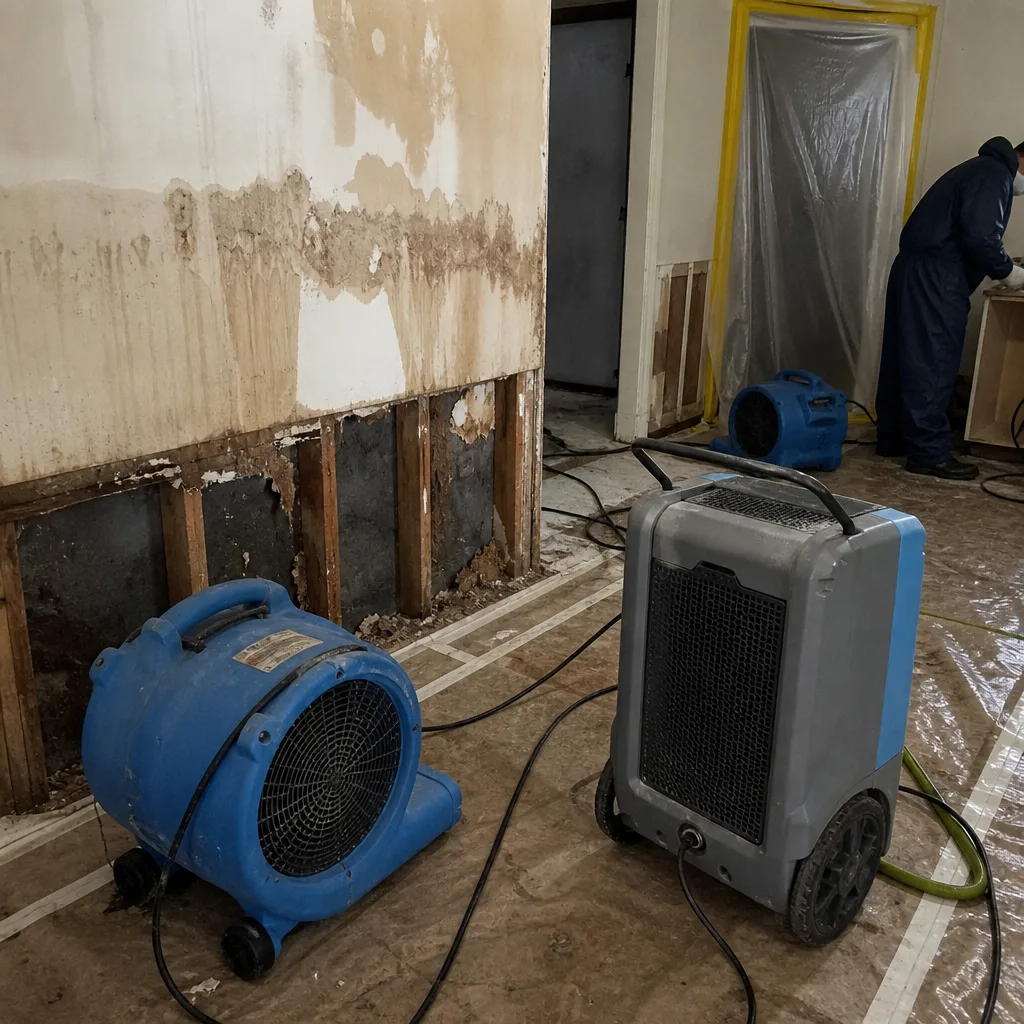 Before
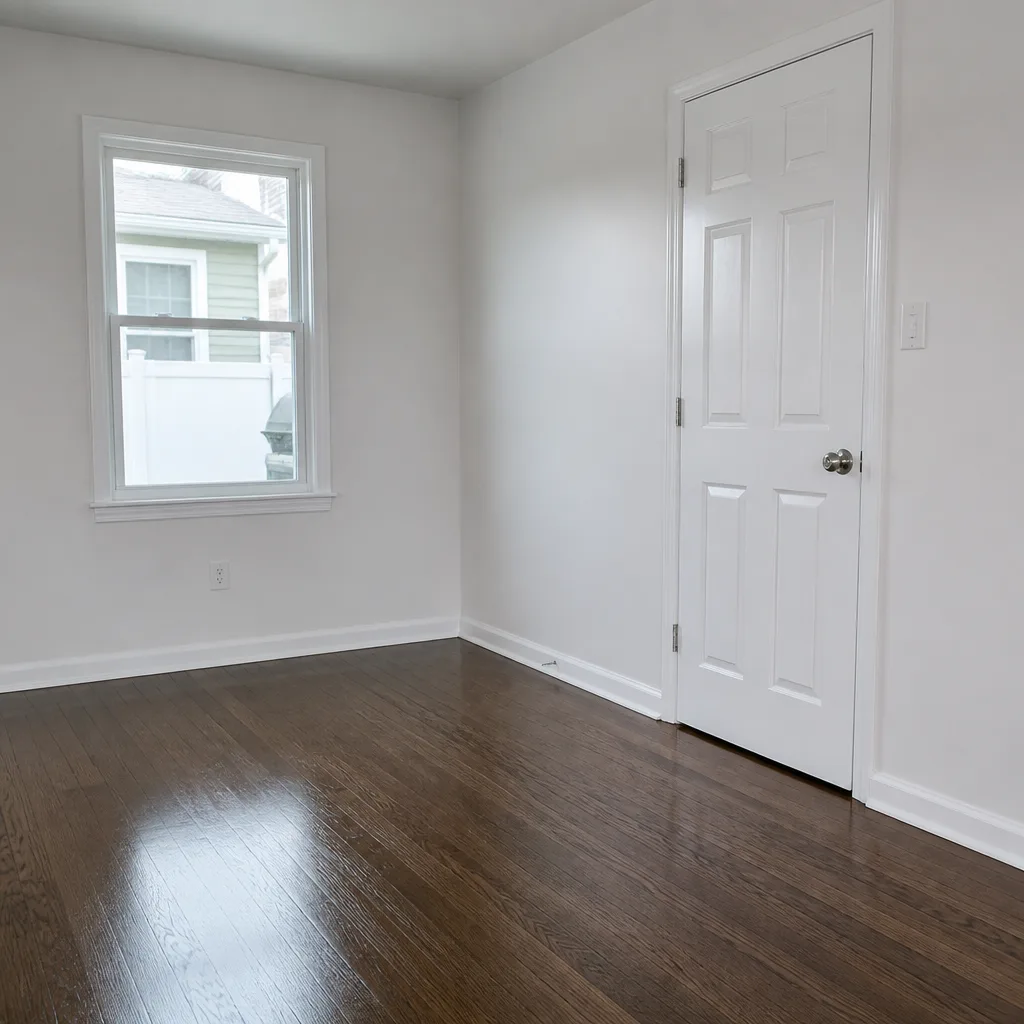 After
After24/7 Emergency Storm & Disaster Restoration in Canarsie
Storm damage in Canarsie doesn’t wait for business hours, and neither do we. Floodline Restoration Co. answers the phone with a live dispatcher at any hour, every day of the year, and our crews are staging in the Canarsie area before the storm has fully passed. When a nor’easter pushes Jamaica Bay over its banks or a summer squall tears roofing off Paerdegat Basin homes, the first hour determines whether you’re facing a cleanup or a gut renovation. Call (716) 412-2972 the moment you see water moving toward finished space, and a background-checked, uniformed technician will be dispatched to your address. We offer a free visual inspection on every storm loss, with extraction equipment on the truck so mitigation starts the same visit. Saltwater moves fast through Canarsie’s brick foundations. So do we.
Need Emergency Storm & Disaster Restoration in Canarsie Now?
Crews minutes away, answering live 24 hours a day. The sooner we start, the less it costs.
Understanding Storm & Disaster Restoration Severity in Canarsie Properties
Storm losses in Canarsie break into three water categories, and they matter more here than almost anywhere else in Brooklyn. Category 1 is clean rainwater from a leaking roof or window. Category 2 carries contaminants, typical of street-level runoff that enters through a failed bulkhead or foundation crack. Category 3, the one we see after every Jamaica Bay surge, is grossly contaminated floodwater carrying sewage, fuel, and salt. Canarsie’s housing stock, mostly 1950s through 1970s brick detached and semi-detached homes, responds to Category 3 water differently than frame construction. Brick and concrete block wick saltwater deep into the wall system, where it hides from surface-level drying. We use thermal imaging and penetrating moisture meters to map that hidden saturation, then structure the dry-out around what the masonry actually absorbed. Below-grade finished basements, common throughout Canarsie from East 92nd Street to the Paerdegat Basin, sit at or below the water table during surge events. Those spaces need containment, air scrubbing, and often full interior demolition down to the masonry before drying can begin. Skipping the category assessment or treating saltwater like a freshwater pipe break is how Canarsie homeowners end up with mold behind freshly painted walls six months later.
Why Canarsie Property Owners Choose Floodline Restoration Co.
- 45-minute response commitment to Canarsie. We stage crews locally when a coastal storm is forecast, so extraction often starts within the hour of your call.
- A live person answers at 2 a.m. Not a recording. Not a call-back later. A dispatcher who can send a certified crew to your block.
- IICRC-certified technicians on every job. Our crews hold WRT, FSRT, and AMRT certifications, trained specifically for water loss, fire and smoke, and applied microbial remediation.
- Free visual inspection before any work begins. We assess the loss and give you a written scope. No work starts until you understand exactly what we’re doing and why.
- Direct insurance billing. We talk to your adjuster, send the photos, the moisture logs, and the line-item estimate. You never carry paperwork between us and the carrier.
- One team from extraction to reconstruction. The same crew that removes the salt-saturated drywall is the one that hangs and finishes the new drywall. No handoffs. No inherited work.
Our Storm & Disaster Restoration Process
Inspection & Assessment
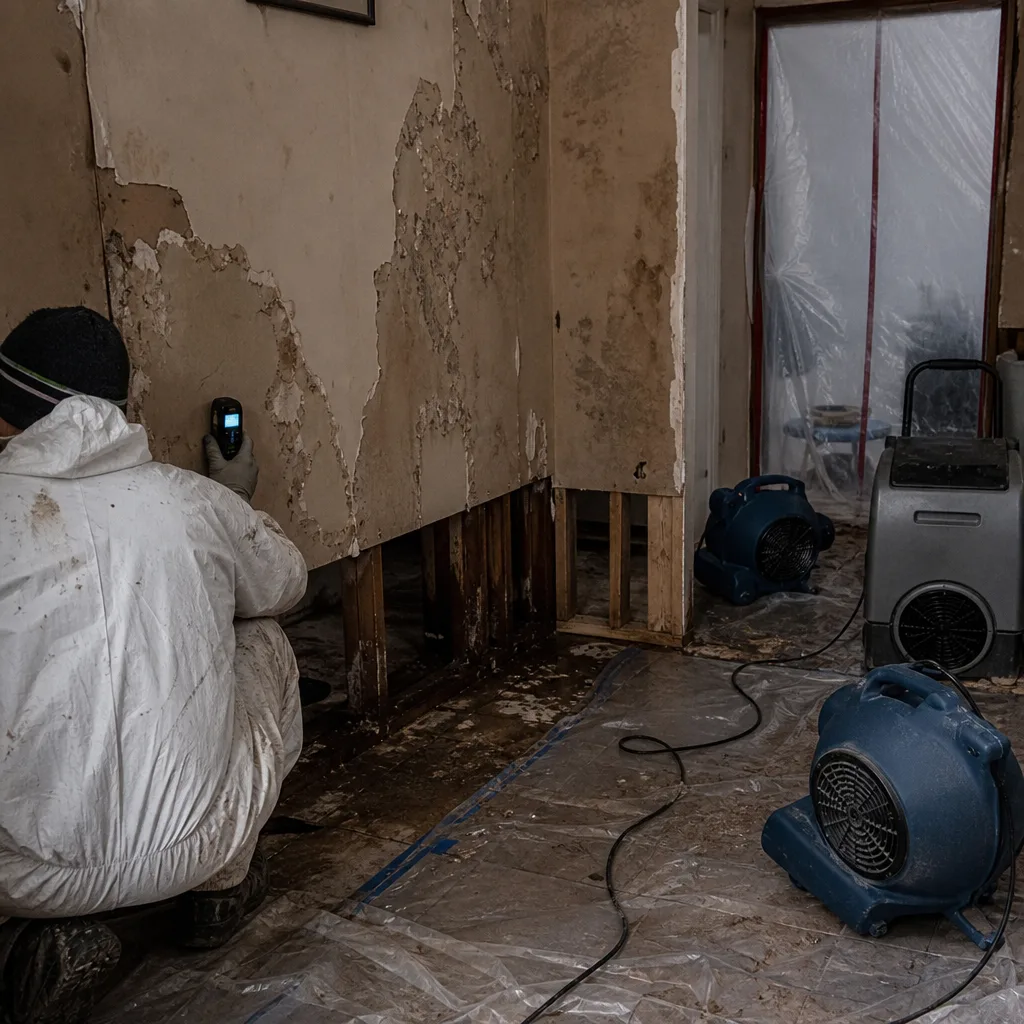
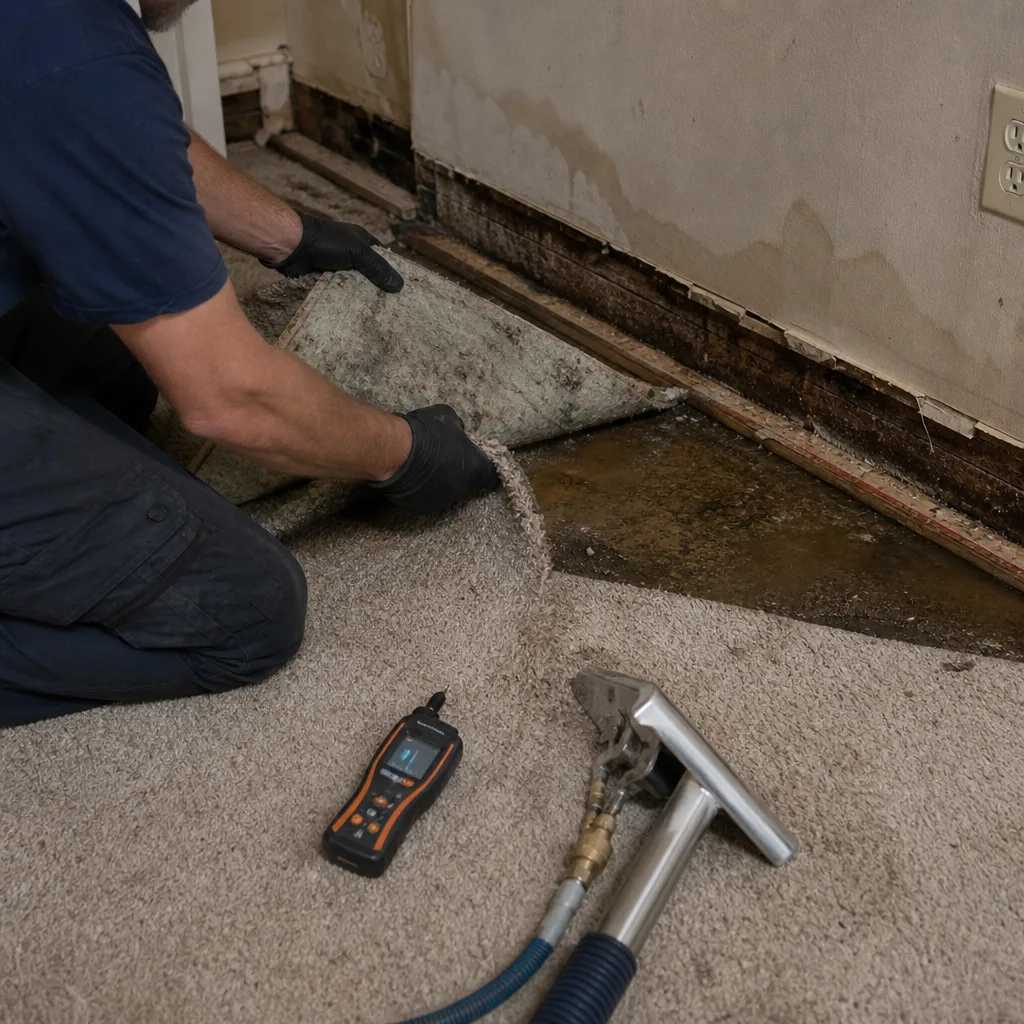
We walk the property, identify the water category, map moisture migration with thermal imaging and penetrating meters, and determine what needs to come out versus what can be dried in place. Canarsie’s brick construction means we check the foundation walls, not just the floors.
Extraction & Stabilization
Standing water comes out with truck-mounted and portable extraction units. For saltwater losses, we immediately stabilize the environment: remove saturated contents, cut flood cuts into affected drywall, and begin salt-neutralizing washes on exposed masonry before drying equipment runs.
Drying & Dehumidification
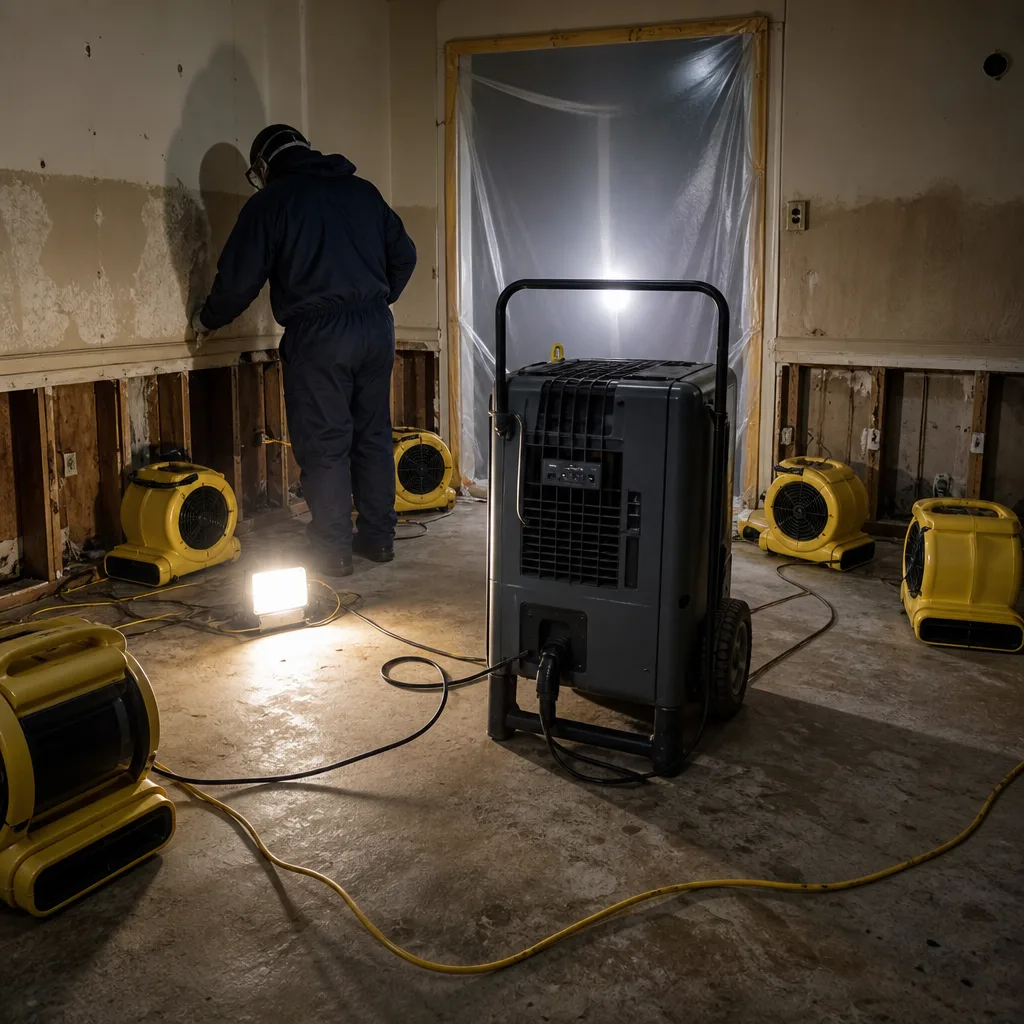
We set up Dri-Eaz and Phoenix dehumidifiers with XPOWER air movers to create the airflow and vapor pressure differential needed to pull water from brick, concrete, and framing. Daily moisture readings are logged and shared with you and your carrier until the dry standard is confirmed.
Cleaning & Sanitization
Saltwater leaves residue that freshwater doesn’t. We clean affected surfaces with appropriate antimicrobial treatments, run HEPA air scrubbers where containment is active, and address the efflorescence and corrosion salt leaves behind on masonry and electrical systems.
Salt-Crystal Neutralization
This is the step most restoration companies skip, and in Canarsie it’s the one that prevents callbacks. Brick foundations and concrete block walls get a chemical wash that neutralizes embedded salt crystals. Without it, salt keeps pulling moisture from the air for months, feeding mold and efflorescence.
Repairs & Restoration
Once the structure is dry, we rebuild: drywall, trim, flooring, and any electrical or mechanical work the surge damaged. The same crew handles the entire job, and the work is backed by our 90-Day Done Right Promise in writing.
Working With Your Insurance Company
Most Canarsie storm and flood losses we handle are covered claims, and the difference between a smooth settlement and a fight starts with documentation on day one. We photograph every room before we move anything. Moisture readings go on a written log with timestamps. The scope of work gets written in industry-standard language your adjuster recognizes. Floodline Restoration Co. sends all of this directly to your carrier and coordinates with the adjuster by phone, so you don’t spend your days chasing paperwork. If the adjuster wants to walk the property, we’ll be there with the log and the thermal images. Direct billing means approved work gets paid by the carrier per the scope, and you’re informed at every step.
What We Provide Your Insurer
- Thorough documentation of the loss
- Photos of all damage, room by room
- Moisture readings and drying logs
- A detailed, line-item scope of work
- Direct coordination with your carrier
Built for Canarsie’s Loss Calendar
Canarsie has a storm season, and it runs roughly from August through April. Late summer brings the remnants of tropical systems, the kind that push storm surge up through Jamaica Bay and into the streets around Fresh Creek Basin. Autumn and winter are nor’easter season, and those are the storms that do the most structural damage in Canarsie: sustained northeast winds drive bay water into streets, over bulkheads, and down into finished basements through foundation cracks and window wells. Winter adds wind-driven rain that tests every aging roof south of Flatlands Avenue. Spring thaw doesn’t hit Canarsie the way it hits inland neighborhoods, because our problem is tidal, not groundwater. When a coastal flood warning is posted for Jamaica Bay, we move crews into Canarsie before the surge arrives. That pre-staging is why our 45-minute response commitment holds even when the whole neighborhood floods at once. Most storm restoration demand here arrives in clusters, dozens of homes at a time. We plan for that.
Storm & Disaster Restoration Across Canarsie’s Neighborhoods
The blocks east of East 80th Street down toward the Paerdegat Basin sit low and flat, with finished basements that take water through window wells and foundation seams after even a moderate surge. Bay-facing homes between Seaview Avenue and the water, especially around East 92nd onto East 108th, carry the full force of Jamaica Bay and lose roofs, siding, and basement contents in nor’easter events. The Rockaway Parkway corridor, with its mix of driveways and tight lot lines, sees more wind-damage claims than anywhere else in the neighborhood, siding torn off, fences down, roof edges peeled back. South of Flatlands Avenue, the brick attached homes built in the ’60s respond differently than the detached homes north of the parkway, but both need salt-neutralization after a flood because the construction is masonry, not frame. Our crews know the response routes into Canarsie from the New York City office, we use Flatlands Avenue, Rockaway Parkway, and the Belt to get to every block without getting caught behind flooded underpasses. When the whole neighborhood is dark and the sewers are surging, route selection is the difference between a 40-minute response and a two-hour one.
Specialized Storm & Disaster Restoration Services We Offer in Canarsie
Storm Damage Cleanup
After a coastal storm, Canarsie yards and basements collect everything the bay sends in: mud, debris, salt residue, and anything that floated in from the streets. We remove it, clean the affected surfaces, and treat the salt contamination before it corrodes your mechanicals and eats at your foundation’s face.
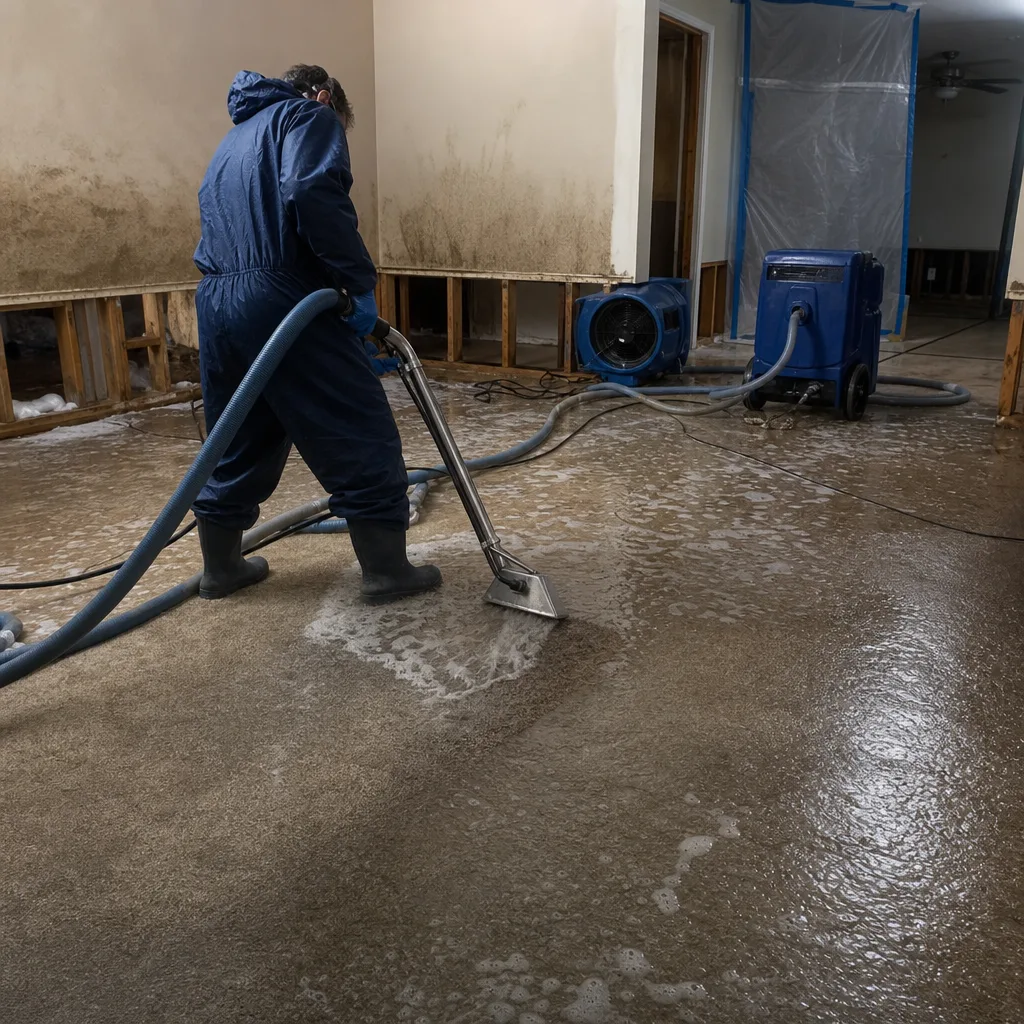
Flood Damage Restoration
Saltwater flood restoration in Canarsie is a different trade than freshwater water damage. We treat the water, not just remove it. That means salt-neutralizing washes on brick and block, aggressive drying of the masonry mass, and realistic cut-lines on finished basements where the drywall has been saturated with Category 3 water. Most below-grade finished spaces in Canarsie need drywall removal and replacement after a surge, not heroic drying. We tell you that up front.
Emergency Board-Up
A nor’easter takes windows, doors, and sometimes whole roof sections off Canarsie homes in one night. We board openings with proper fastening, not a sheet of OSB and a prayer. Board-up isn’t the end of the work, it’s the start, but it keeps the rain out and the structure secure until the rebuild scope is written and approved.
Roof Tarping
Wind damage along the Bay-facing blocks of Canarsie opens roofs fast. We tarp damaged sections with heavy-gauge material and nail-and-cap or batten fastening that holds through the next 40-knot gust. Tarps buy you the time to file a claim and schedule a real roof repair without the interior taking more water.
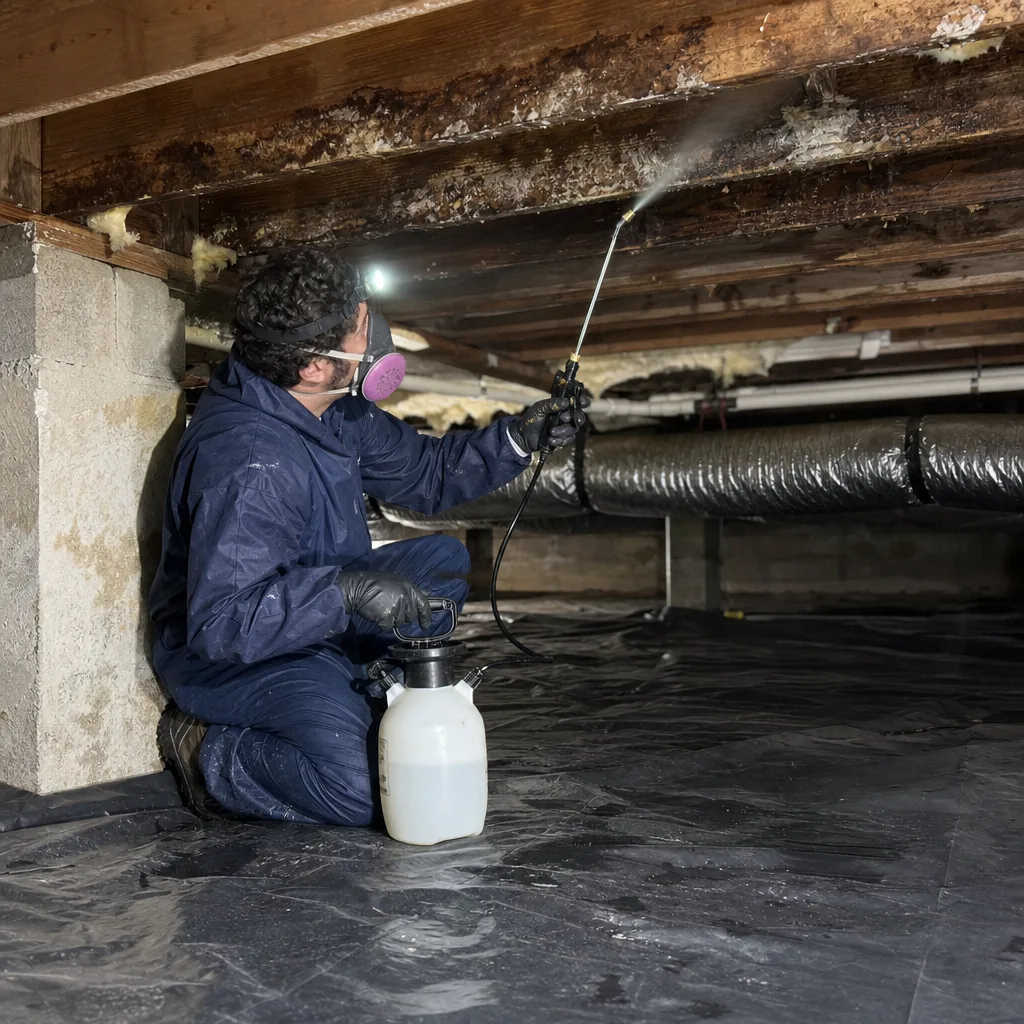
Debris Removal
Storm debris in Canarsie includes the roofs and fences of your neighbors, plus bay grass, salt-wet insulation, and ruined contents. We haul it out, handle the heavy lifting, and separate what your carrier needs photographed before disposal. Left in place, wet debris keeps the humidity high and the dry-out slow. It comes out on day one.
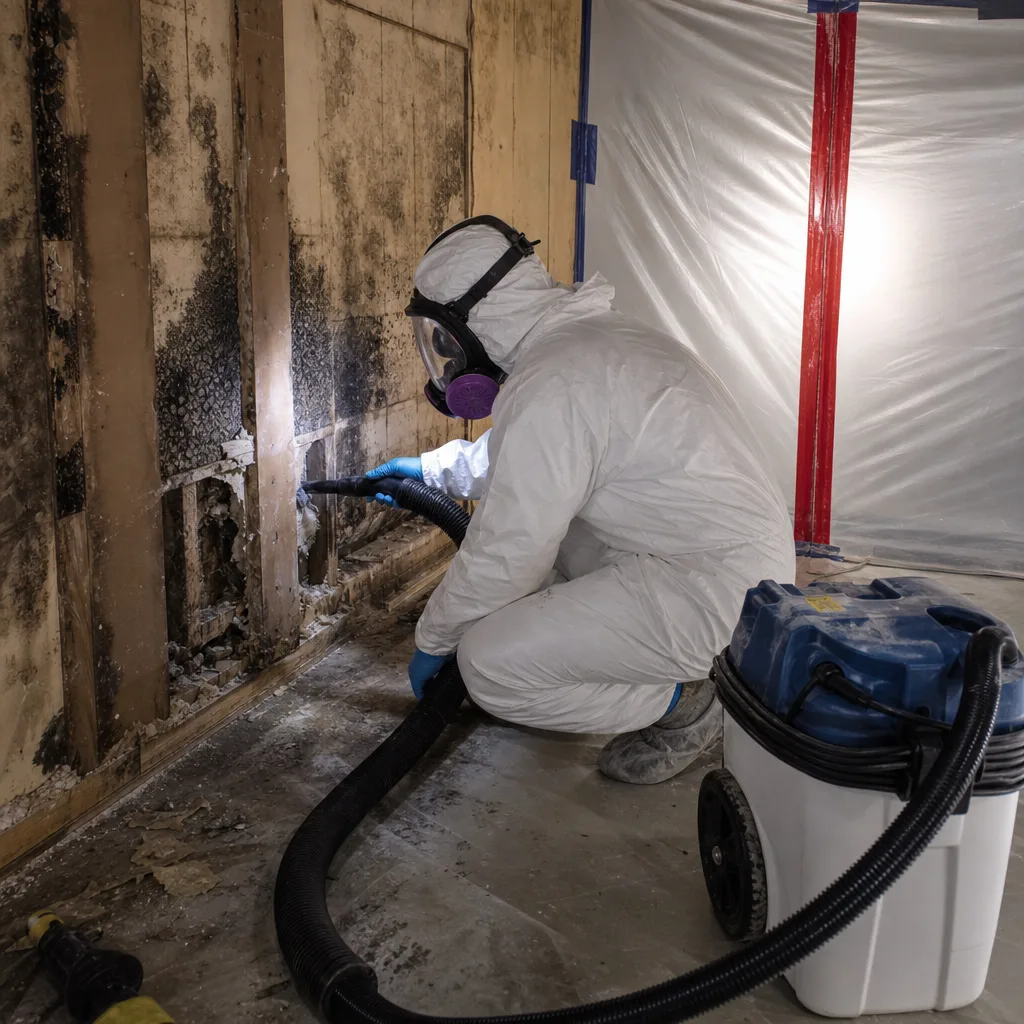
What happens when you call
- 1
A real person answersNo phone trees - you reach a local pro.
- 2
You get an upfront price rangeHonest numbers before anyone is dispatched.
- 3
A background-checked tech heads outLicensed & insured, dispatched right away.
- 4
You approve before work beginsNothing starts until you say go.
Storm & Disaster Restoration Costs in Canarsie, NY
Canarsie storm restoration pricing runs on the scope, not the clock. A straightforward Category 1 roof leak with dry-out and minor repairs typically lands between $1,800 and $4,500. The saltwater surge losses are the expensive ones: a finished basement that takes Category 3 water into drywall, carpet, and furniture usually runs $18,000 to $45,000 in Canarsie, because the work includes full content removal, flood cuts, salt-neutralization of masonry, containment, drying, and rebuild back to finished condition. Emergency board-up starts around $350 for a single window or door and runs up to $1,500 for multiple openings. Roof tarping on a Canarsie rowhouse or detached home ranges from $700 to $2,200 depending on roof pitch and access. Drying equipment costs are a line item, usually $75 to $150 per day per piece, and your carrier pays most of that on a covered claim. Debris removal runs $500 to $3,000 depending on volume and landfill fees. The free visual inspection is how you get a fixed number instead of a range: we walk the loss, measure the saturation, and write a scope with a price before work starts. Call (716) 412-2972 and we’ll be there the same day. Senior and veteran homeowners get 5% off, always.
We Also Serve Cities Near Canarsie
Floodline Restoration Co. runs storm and flood crews into Canarsie plus Coney Island, Flatlands, Howard Beach, and Spring Creek. Whether you’re on a Bay-facing block in Canarsie or a few blocks inland near the Fresh Creek Basin, the team covering your neighborhood is the same one that will stand behind the work with the 90-Day Done Right Promise in writing.
Serving Canarsie, NY - Our Local Coverage Area
We’re based in the Canarsie area and know this community well. Use the map below to see our service coverage - if you’re nearby, we can almost certainly help.
Canarsie Storm & Disaster Restoration Questions, Answered
Why does Canarsie flood damage require saltwater-specific mitigation that Flatbush doesn’t?
Canarsie floods from Jamaica Bay storm surge, which delivers corrosive saltwater that gets absorbed into brick foundations and concrete block walls. Salt crystals left in masonry keep pulling humidity for months, causing mold and efflorescence. Inland neighborhoods like Flatbush flood from freshwater pipe breaks and roof leaks, where standard drying works. Our Storm & Disaster Restoration team neutralizes the salt during the initial dry-out, a step that prevents callbacks here and would be wasted effort inland.
How quickly can you start water extraction in Canarsie after a nor’easter surge?
Within 45 minutes of your call in most cases. We pre-stage crews in the Canarsie area when a coastal flood watch is posted for Jamaica Bay, so we’re already minutes from your street when the water comes over the bulkhead. Call (716) 412-2972 and a live dispatcher sends the nearest available crew immediately.
Does your Canarsie storm restoration include documenting moisture readings for insurance?
Yes. Every drying job includes daily moisture readings logged with timestamps and room locations. We send those logs directly to your adjuster along with photos from before any work begins, thermal images of hidden saturation, and the line-item scope. Direct insurance billing means the carrier pays approved work per the scope, and you’re not stuck chasing paperwork.
Will I need to remove my finished basement drywall after saltwater flooding in Canarsie?
Almost always, yes. Saltwater-saturated drywall in a below-grade Canarsie basement cannot be dried to a safe standard; it’s contaminated with Category 3 water and will wick salt into the framing behind it. We cut clean flood lines, remove the wet material, treat the masonry, then rebuild the space back to finished condition with the same crew. Call (716) 412-2972 for a free inspection and we’ll tell you exactly what needs to come out before any work begins.
Can emergency board-up and roof tarping in Canarsie handle wind damage from coastal storms?
Yes, and we treat both as emergency work. We fasten boards with structural screws, not finish nails, and use heavy-gauge tarps with batten strips that hold through the next nor’easter. Board-up and tarping are stop-loss measures: they keep rain out and secure openings until the full repair scope is written and approved. Estimates for tarping and board-up are part of the free inspection.
How long does saltwater flood drying take in Canarsie brick homes?
Three to seven days is typical once the wet materials are removed and the salt-neutralized masonry is exposed. Brick and block dry slower than frame construction because they hold water in mass, not just on surfaces. We run Dri-Eaz dehumidifiers and XPOWER air movers continuously and verify dryness with penetrating moisture meters before we close the walls back up.
Can I stay in my Canarsie home during storm restoration?
For flood losses involving Category 3 water, we recommend you stay elsewhere during extraction, demolition, and drying. The air is carrying contamination from the floodwater and mold spores from wet materials. For a Category 1 roof leak with isolated drying, staying is usually fine. We’ll tell you honestly at inspection. Your carrier often covers temporary living expenses on covered claims.
What should I do in the first 30 minutes after storm water enters my Canarsie home?
Shut off electricity to affected areas at the breaker if you can do so without standing in water. Move what you can to higher ground. Do not use a shop vac or household vacuum on floodwater. Then call (716) 412-2972. The faster extraction starts, the less saltwater gets absorbed into your brick and framing, and the cheaper the restoration. Document with phone photos while you wait, and don’t touch the electrical panel with wet hands.
Written by Curt Bowman, Owner at Floodline Restoration Co., serving Canarsie and the surrounding Brooklyn communities.
For emergency storm and disaster restoration in Canarsie, call (716) 412-2972 now. A live person answers, day or night, and the crew that arrives is certified, background-checked, and carrying the equipment to start work the same visit. Free inspection, written scope, direct insurance billing, and the 90-Day Done Right Promise in your hands. Done right, and backed in writing.