
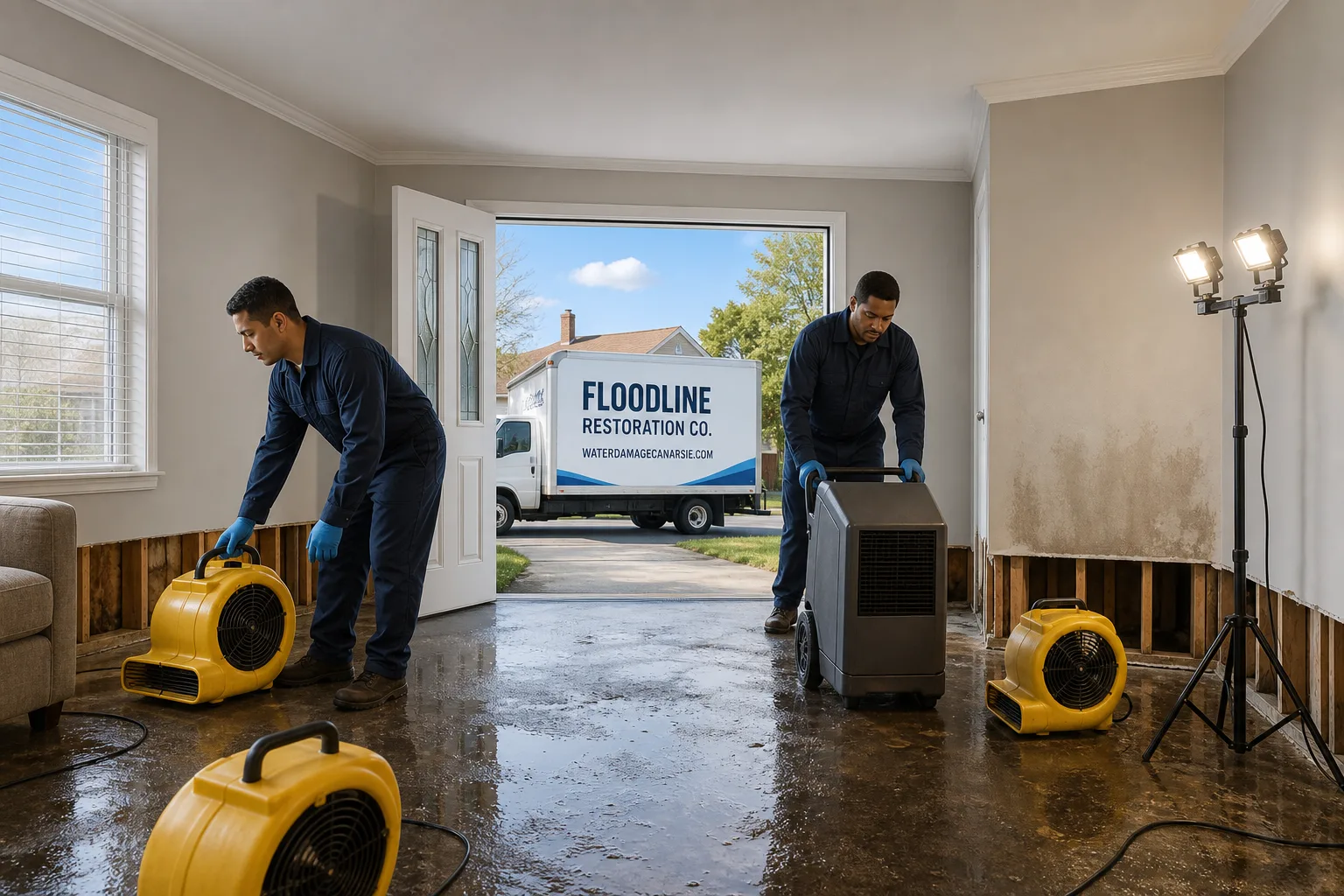
Free visual inspection and a written scope of work before any mitigation begins - photos, moisture readings, and drying logs go in your claim file
The scope we write is the scope we bill. Anything new gets shown to you, in writing, before we touch it.
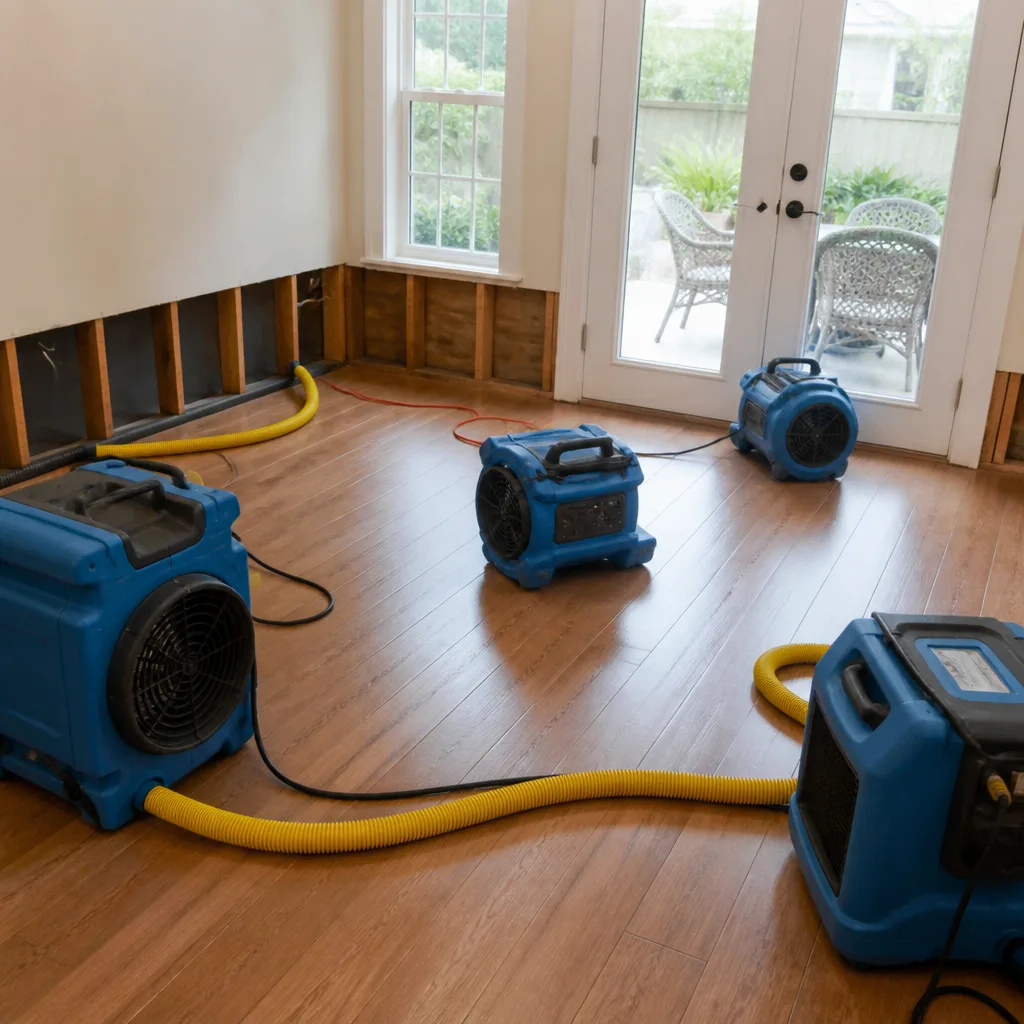
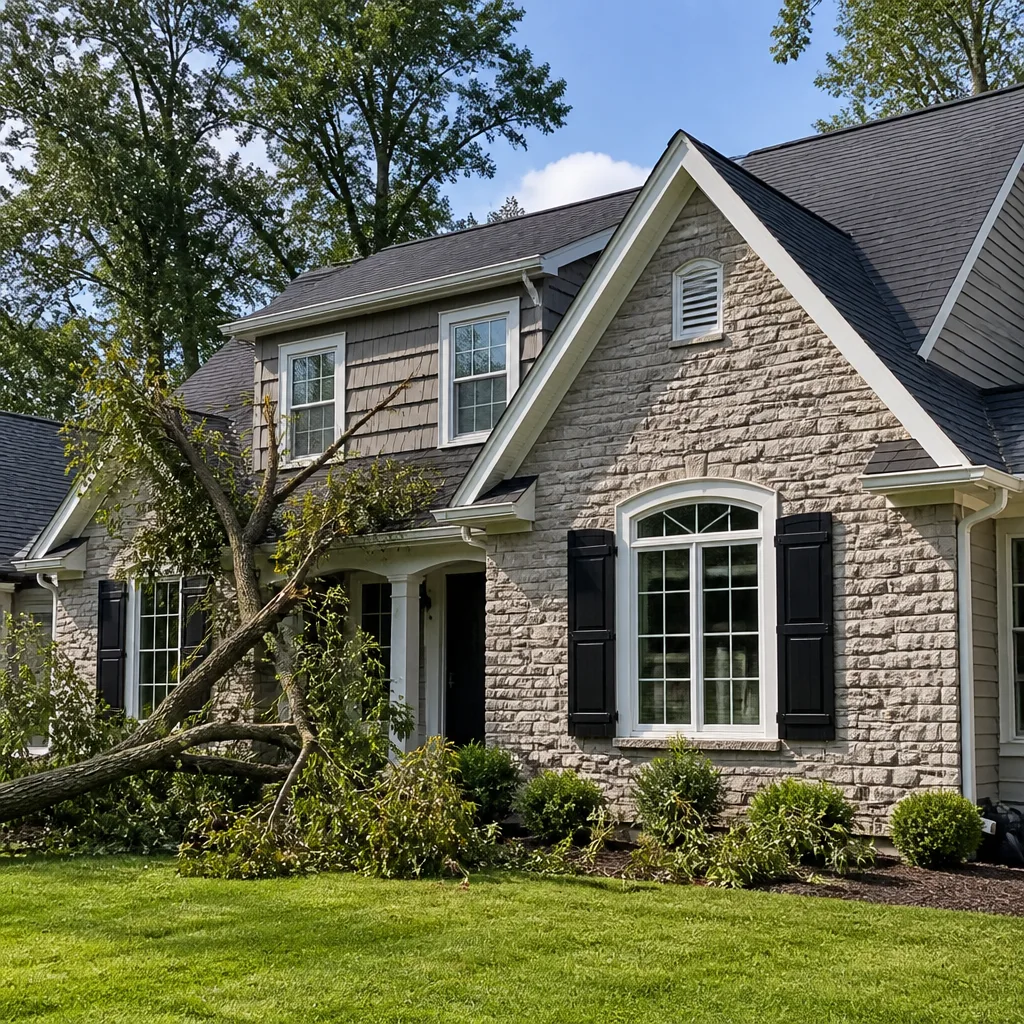
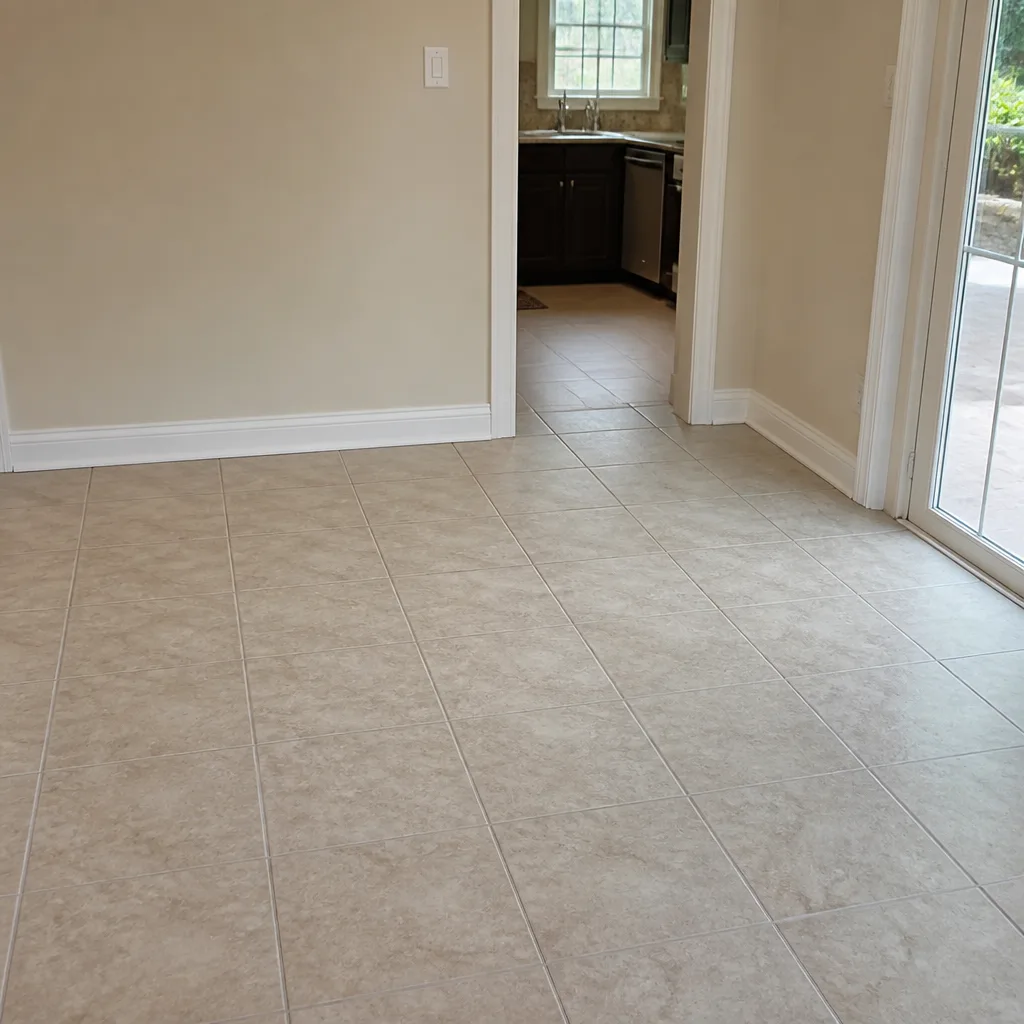
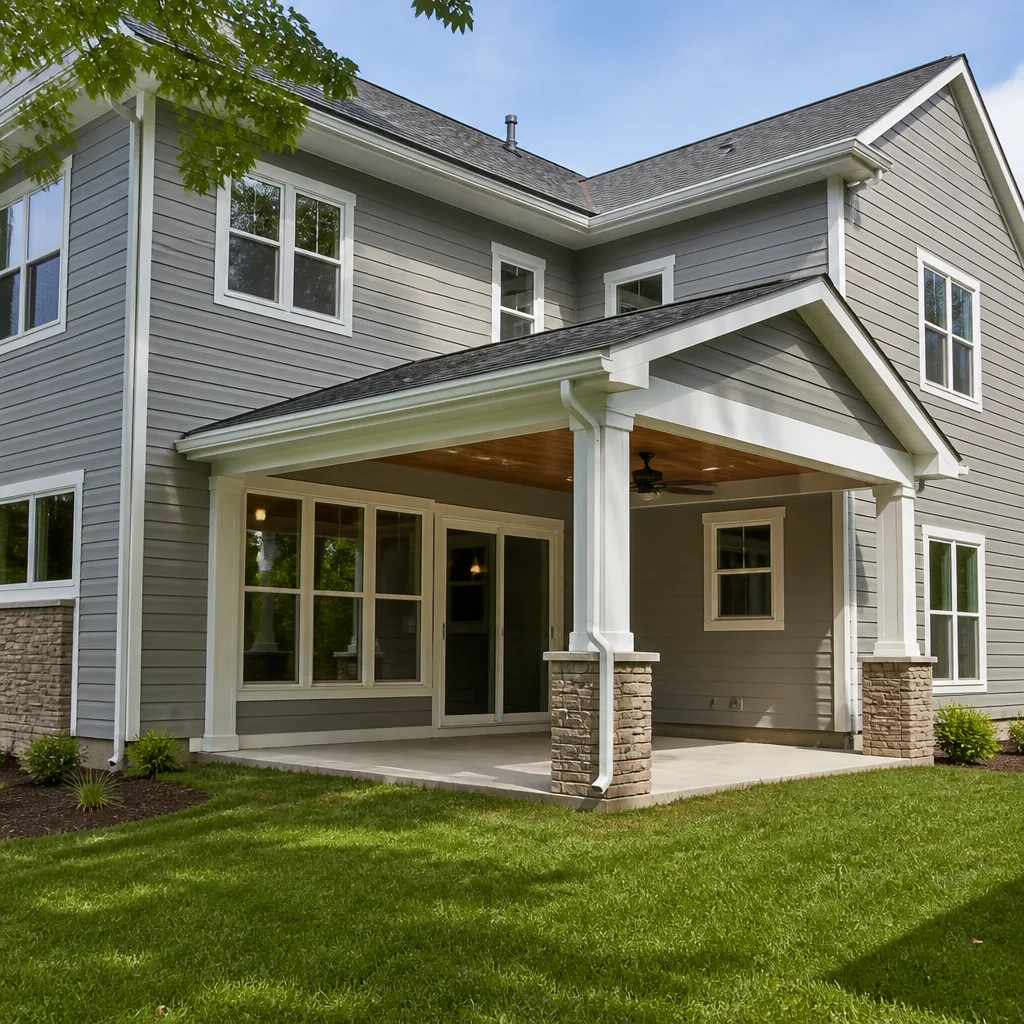
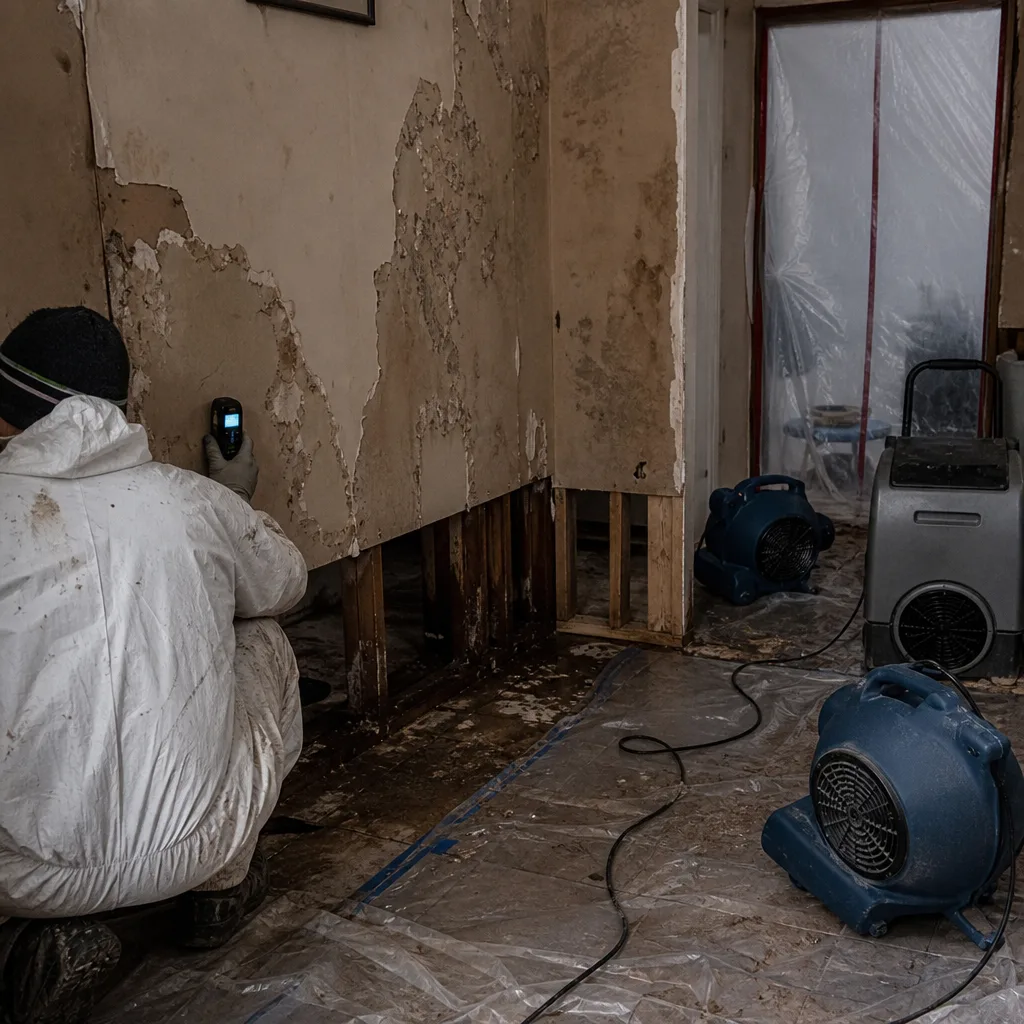 Before
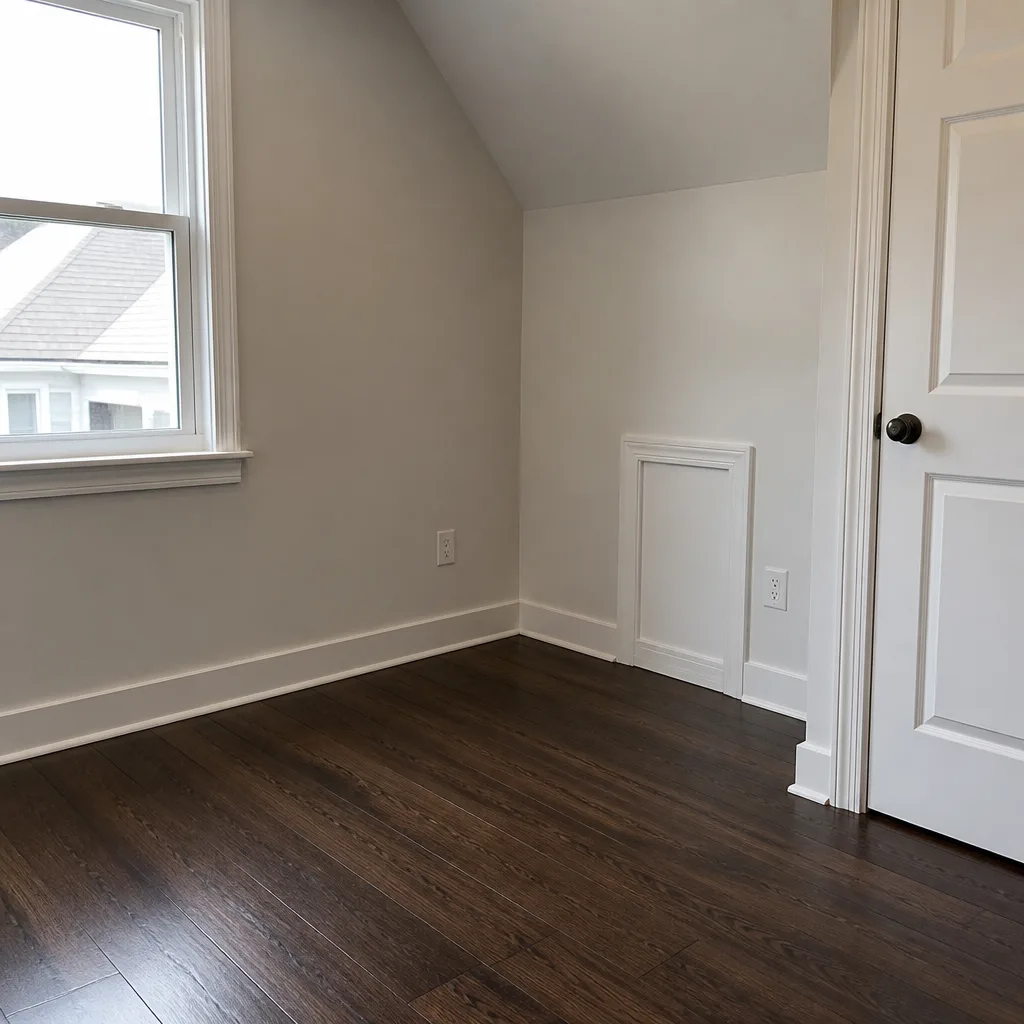 After
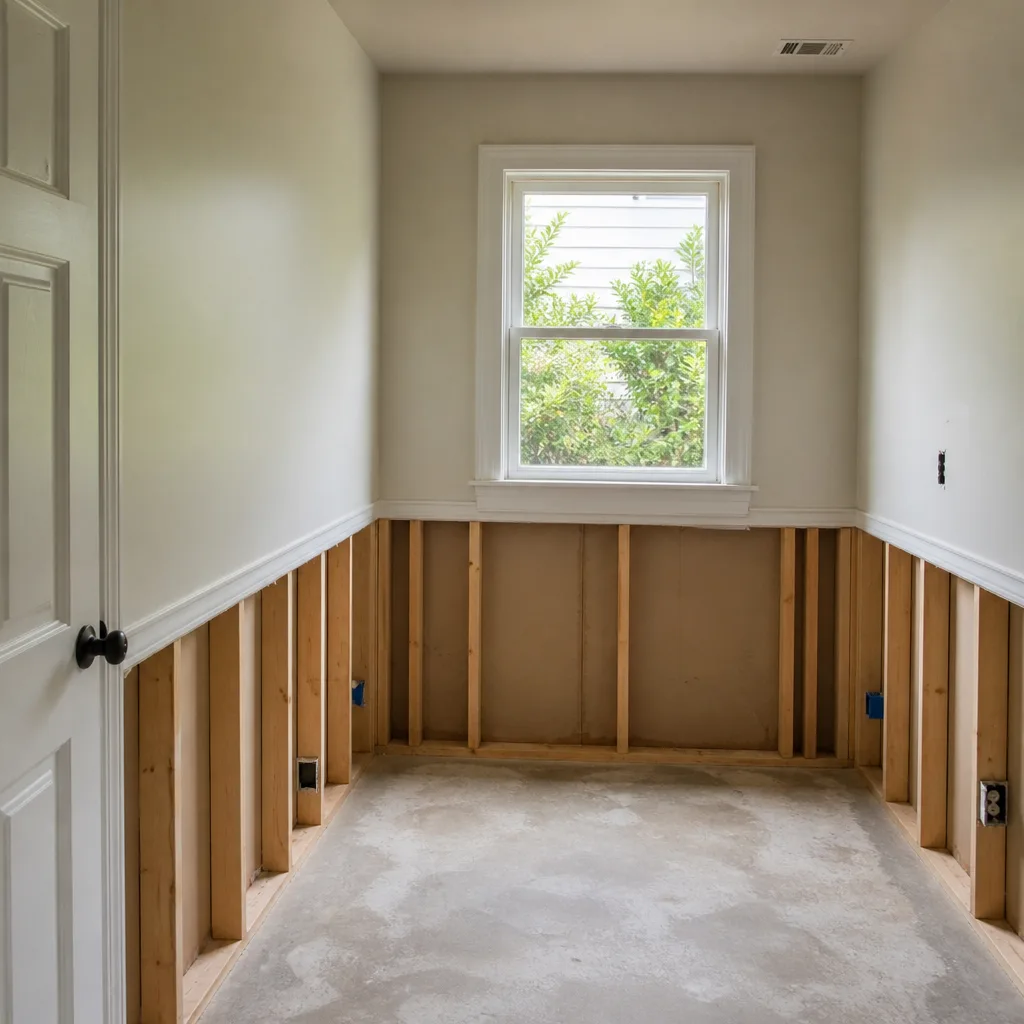
After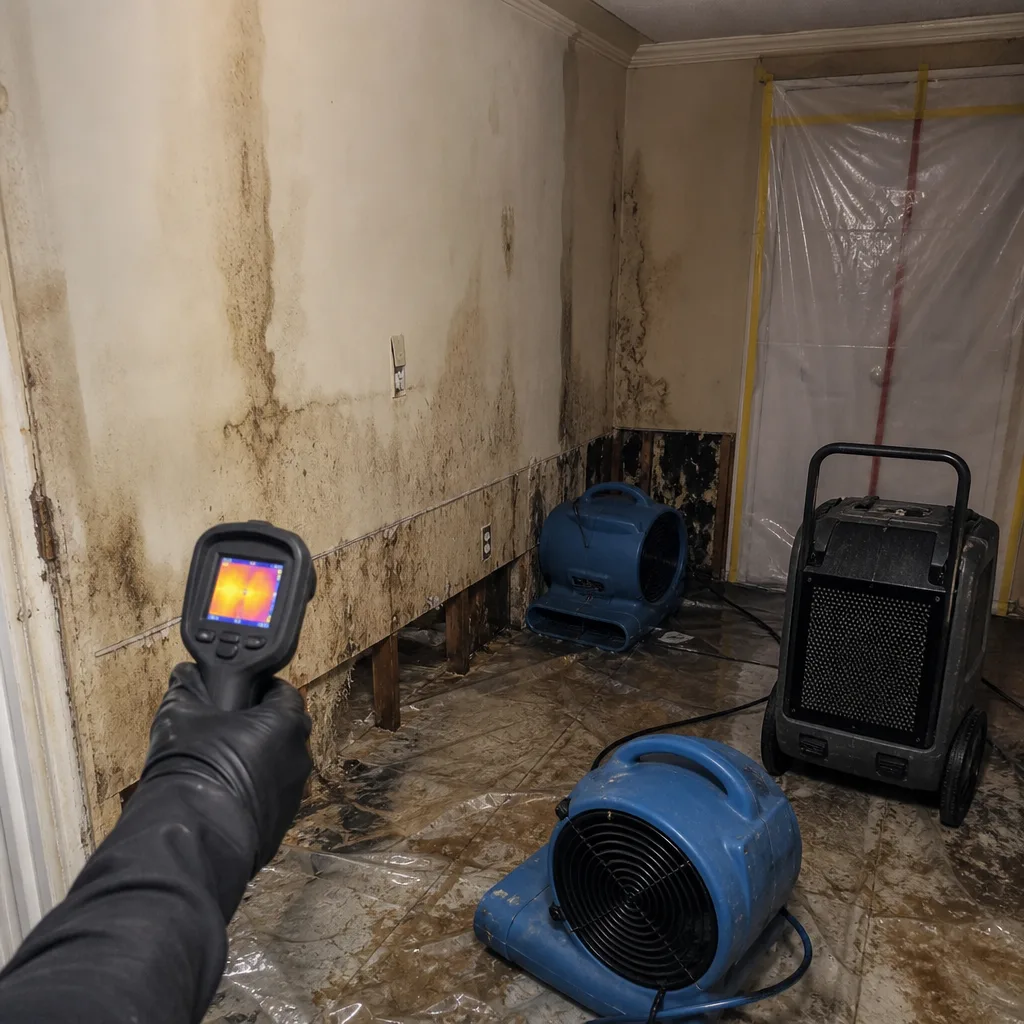 Before
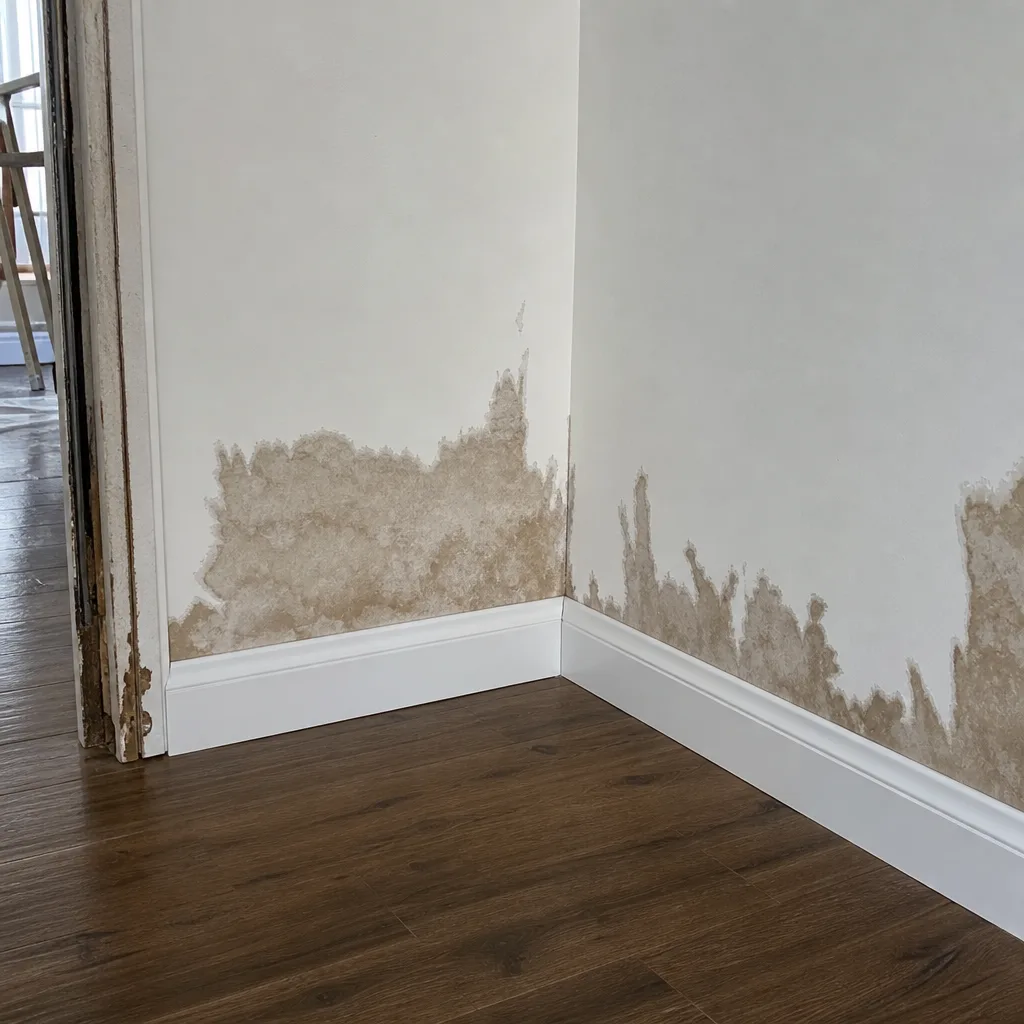 After
After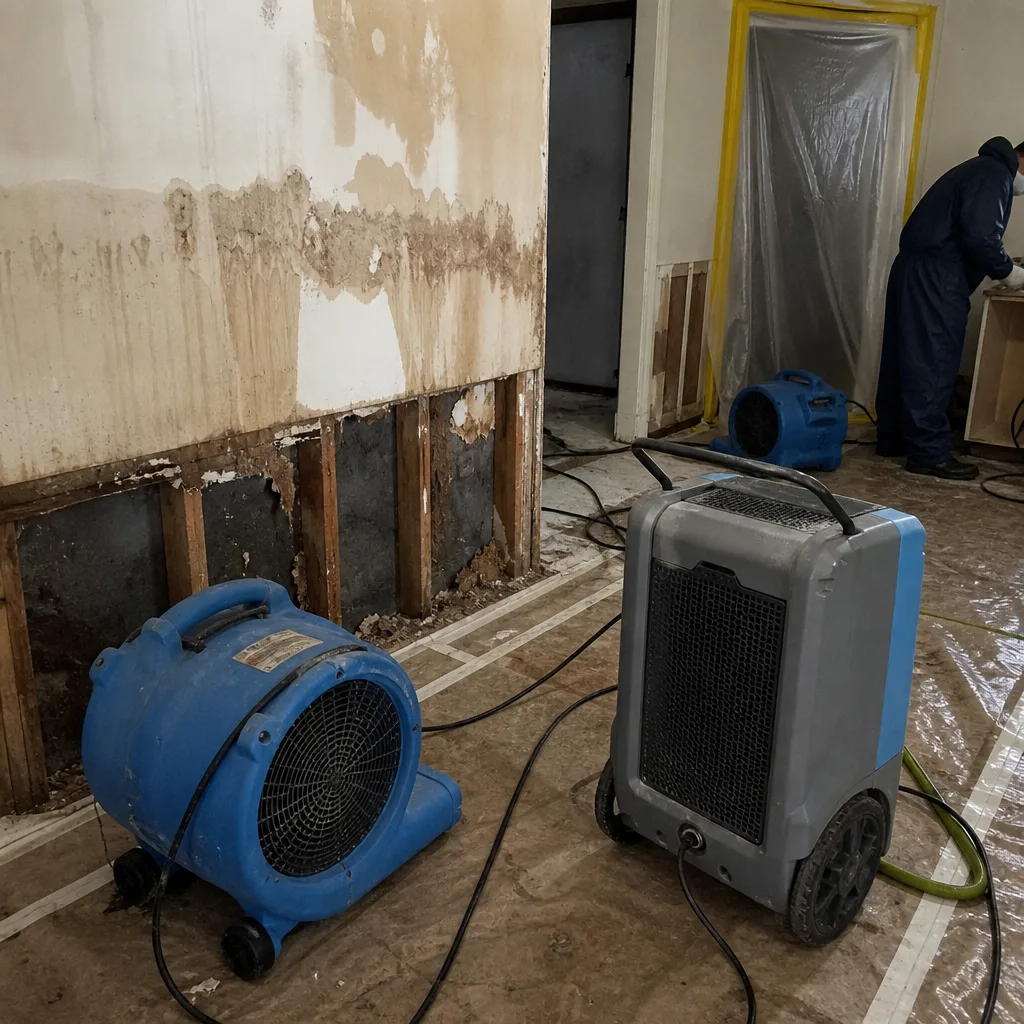 Before
 After
After24/7 Emergency Reconstruction & Cleanup in Ridgewood
When a cast-iron drain stack cracks inside a 1920s Ridgewood rowhouse, water doesn’t stay in one basement. It moves under the party wall and into the neighbor’s slab within hours. We answer the phone live at (716) 412-2972, every hour of every day, and our crews reach Ridgewood addresses in roughly 45 minutes. A free visual inspection tells you what’s wet, what’s salvageable, and what the next three days need to look like. The first hour matters because the shared slab beneath your attached rowhouse is already carrying moisture laterally. Every hour that passes means more plaster, more flooring, and more of your neighbor’s basement in the scope. We start extraction the same visit, not the next morning. That’s the difference between a repair and a rebuild.
Understanding Reconstruction & Cleanup Severity in Ridgewood Properties
Ridgewood’s housing stock runs almost uniformly to attached yellow-brick rowhouses built between 1900 and 1930. The walls are original plaster over wood lath. The drain stacks are cast iron. The basements share continuous slabs under party walls. All three facts change how reconstruction severity gets classified. A Category 1 water loss from a clean supply line is straightforward in a drywall house. In a Ridgewood rowhouse, that same water soaks into lime plaster, wicks up the brick, and moves laterally under the shared slab before the puddle ever shows on the floor. Moisture mapping with thermal imaging and hygrometers tells us where the water actually went, not just where it pooled. Category 2 water from a cracked drain stack or washing machine overflow introduces contaminants that require antimicrobial treatment and affected material removal. Category 3 water, the kind from sewage backups, means full containment, HEPA air scrubbing, and cutting out plaster and flooring down to the masonry. The severity isn’t just about how much water you see. It’s about how much wall, slab, and neighbor got wet before you found it.
Why Ridgewood Property Owners Choose Floodline Restoration Co.
- 45-minute response commitment. We dispatch from a New York City office, not a call center in another state. A live person confirms the crew, and they’re on the road.
- 24/7 live answer, never an automated system. At 2 a.m. you get a dispatcher. A real one. Extraction starts the same visit.
- IICRC-certified crews. Our techs hold WRT, FSRT, and AMRT certifications and train to RIA and IFA standards. Background-checked and uniformed on every job.
- Free visual inspection. We look before we quote. You get a written scope of work before anything gets torn out.
- Direct insurance billing. We document, estimate, and talk to your adjuster. You don’t carry messages between us and the carrier.
- One team from extraction to finished reconstruction. The same certified crew that reads the moisture map on day one rebuilds the wall on day thirty. No mid-job handoff to a subcontractor you’ve never met.
Our Reconstruction & Cleanup Process
Inspection & Assessment
We arrive, walk the property, and run thermal imaging plus moisture meters across the affected area. In Ridgewood rowhouses, that means scanning the party wall and the shared slab, not just the visible damage. We map what’s wet, classify the water, and hand you a written scope before any demolition starts.
Extraction & Stabilization
Standing water comes out with truck-mounted extraction. We set containment where Category 2 or 3 water is present. Damaged drywall and wet plaster get cut out to the dry line. We stabilize what’s left so the structure holds while drying begins.
Drying & Dehumidification
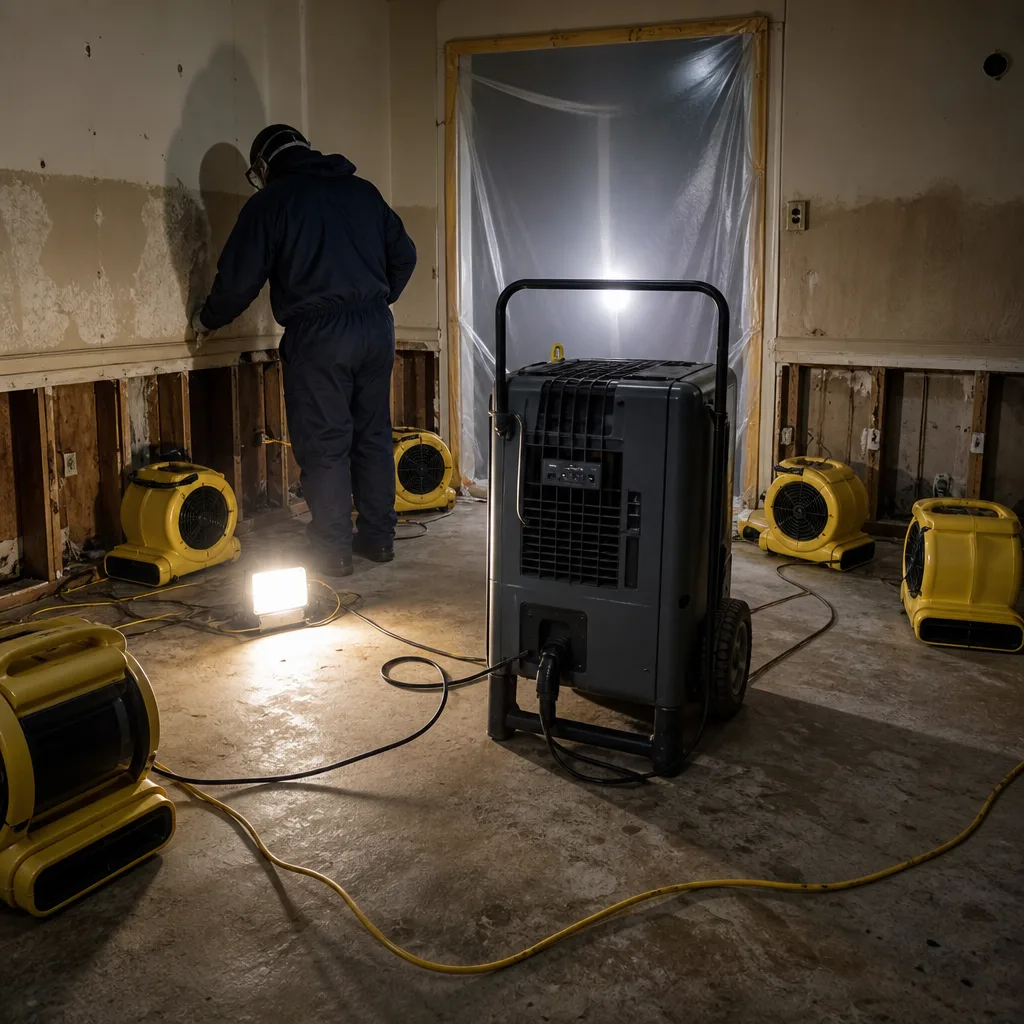
Professional-grade Dri-Eaz and Phoenix dehumidifiers and air movers go in, sized to the cubic footage of each room. Injectidry mats pull moisture from original hardwood floors and under cabinets. Daily readings get logged until the dry standard is met, and you get that log. So does your carrier.
Cleaning & Sanitization
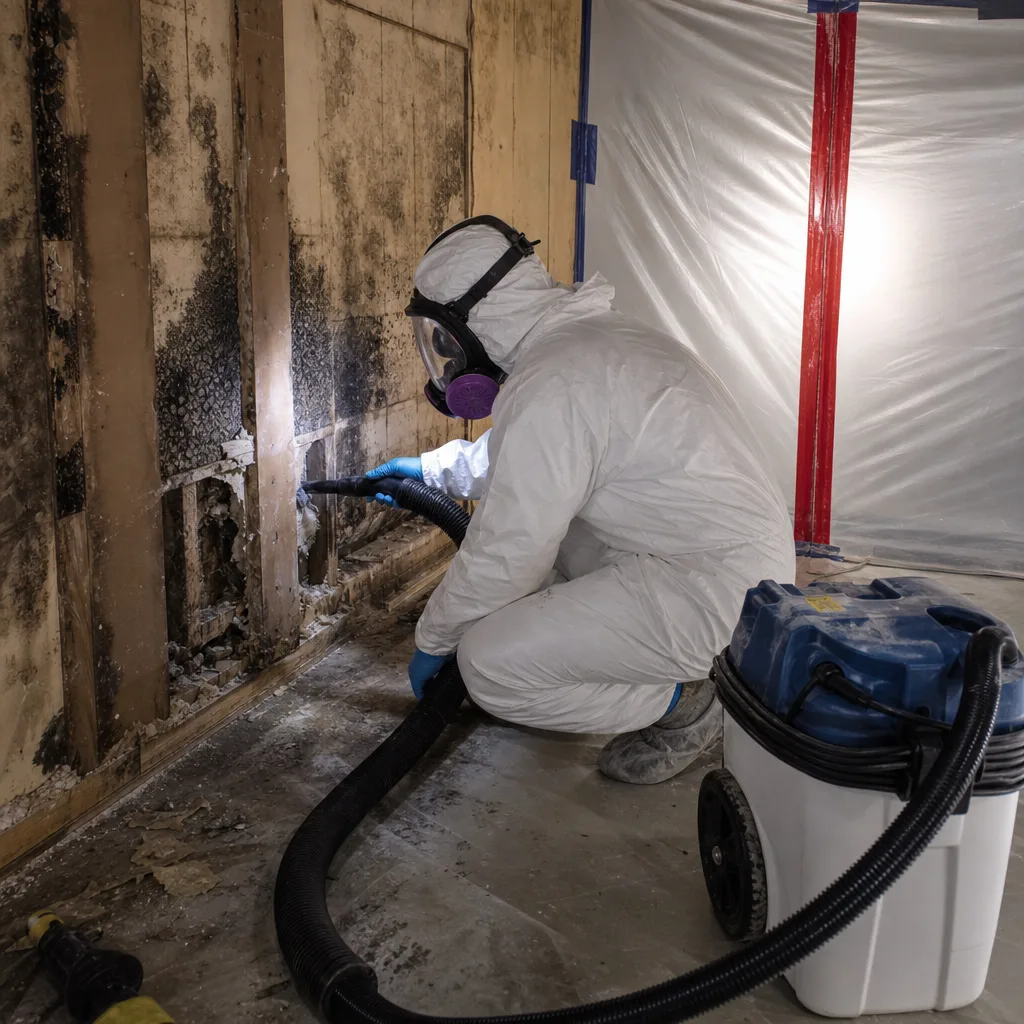
HEPA air scrubbers run throughout drying. All affected surfaces get cleaned and treated with antimicrobial agents appropriate to the water category. Contents get triaged into salvageable and non-salvageable, documented room by room.
Reconstruction-Specific Treatment
For Ridgewood brick, we match mortar historically so modern Portland-heavy mixes don’t trap moisture and spall the brick. Plaster repairs use compatible materials, not drywall patches over lath. Cast-iron drain stack replacements get scoped by licensed plumbers we coordinate directly.
Repairs & Restoration
Drywall, flooring, trim, paint, and any structural carpentry get rebuilt by the same crew that started the job. Your home is returned to pre-loss condition, documented in writing, and backed by the 90-Day Done Right Promise.
Need Emergency Reconstruction & Cleanup in Ridgewood Now?
Crews minutes away, answering live 24 hours a day. The sooner we start, the less it costs.
Working With Your Insurance Company
Insurance claims in Ridgewood rowhouses get complicated fast. When water moves under a party wall into the neighbor’s basement, two policies, two adjusters, and two scopes of work are suddenly at the table. We handle that so you don’t have to. From the first hour, we photograph every room, log moisture readings daily, and write line-item estimates that match industry-standard software your carrier already recognizes. We talk directly to your adjuster. When the damage crosses a property line, we coordinate with the neighbor’s carrier too, keeping the original source of loss clear so neither owner gets stuck paying for the other’s slab. Documentation from hour one is what prevents a denied claim or a short-paid scope. We’ve been doing this since 2010, and our name on the estimate means something to the desk adjusters who see it.
What We Provide Your Insurer
- Thorough documentation of the loss, with the point of origin identified
- Photos of all damage, room by room, including party wall and slab conditions
- Moisture readings and daily drying logs until the dry standard is met
- A detailed, line-item scope of work with no vague allowances
- Direct coordination with your carrier, including adjuster meetings on site
Built for Ridgewood’s Loss Calendar
Ridgewood’s losses follow the weather and the age of its pipes. January and February bring deep freezes that burst supply lines in unheated entry foyers, which sit at the front of nearly every rowhouse on 68th Avenue and Catalpa Avenue. The spring thaw arrives in March and April, when freeze-thaw cycles have spent all winter working on aging mortar joints, and basement seepage shows up as efflorescence on brick walls behind the water heater. Summer brings Queens thunderstorm cells that dump an inch of rain in an hour, overwhelming the combined sewer system and pushing Category 3 water up through floor drains in basements along Fresh Pond Road and Forest Avenue. Fall hits with nor’easters, and the flat or low-slope rooflines on these attached houses pond water at the parapet walls until the membrane gives. Every one of those patterns repeats year after year. We staff for them. That’s why a live dispatcher answers the phone on Thanksgiving and the morning after a July downpour.
Reconstruction & Cleanup Across Ridgewood’s Neighborhoods
Response routes through Ridgewood are tight. The rowhouses on Gates Avenue and Onderdonk Avenue sit shoulder to shoulder with shared driveways that don’t exist, so we stage equipment curbside and carry it in. Over near the Historic District boundaries around Stockholm Street and Cypress Avenue, the facades are landmarked and the sidewalk permits are different, so we plan exterior work accordingly. The blocks between Myrtle Avenue and Metropolitan Avenue, especially around Seneca Avenue, run to deeper basements with older cast-iron stacks, which means more Category 2 sewage work and more need for proper containment before extraction starts. Down by the 11385 and 11386 zip line at the Queens-Brooklyn border off Cypress Hills Street, the attached frames are a little newer, but the slabs are still continuous and the water still travels. We know which blocks have the shallow sewer laterals, which ones flood first in a summer storm, and which ones have already had prior claims. That kind of block-level knowledge comes from working this neighborhood, not from a mapping app.
Specialized Reconstruction & Cleanup Services We Offer in Ridgewood
Full-Service Reconstruction
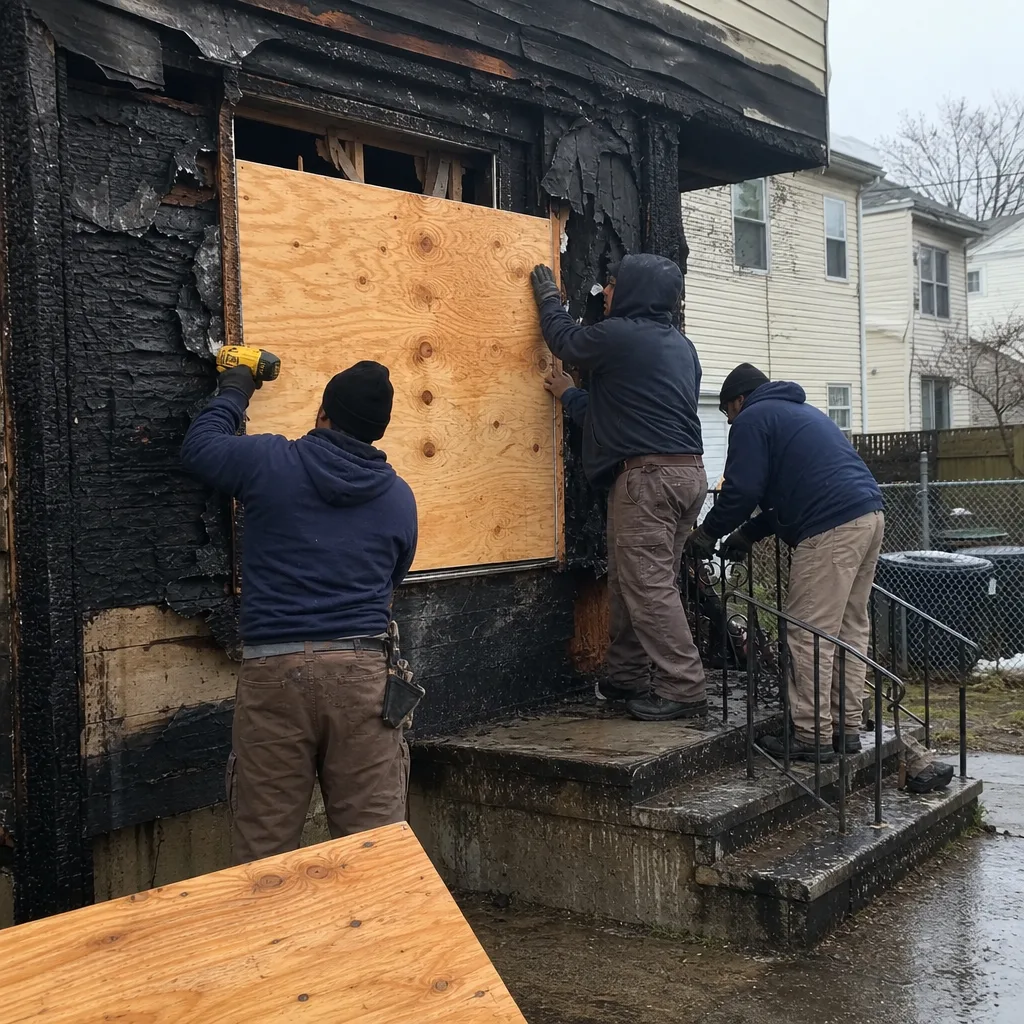
One crew handles the entire job, from first cut to final coat of paint. In Ridgewood, that means replacing plaster with compatible materials, rebuilding walls that sit against party lines, and coordinating with plumbers who understand cast iron. No handoffs, no new faces halfway through, no arguing over who scoped what. The Reconstruction & Cleanup team stays on the job until the 90-Day Done Right Promise is in your hand in writing.
Drywall & Flooring Repair
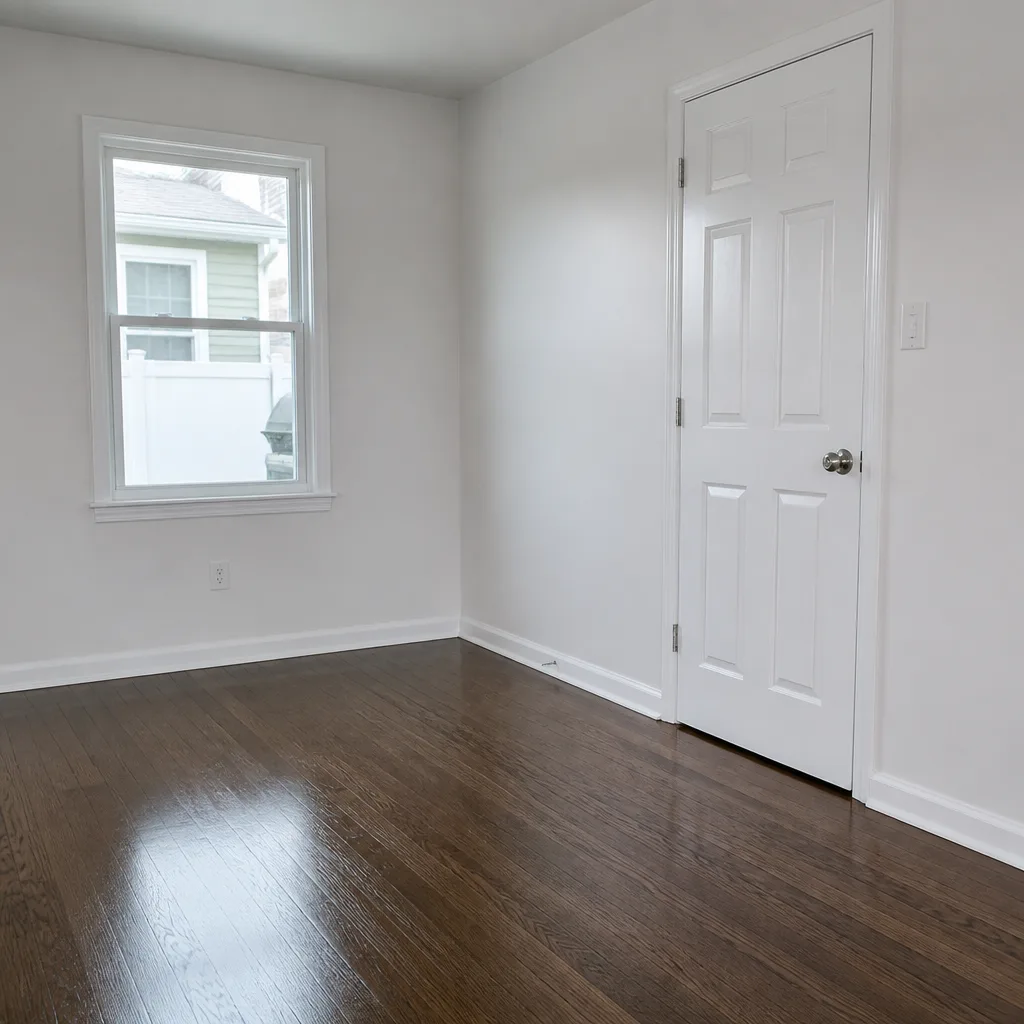
Ridgewood rowhouses are not drywall houses, but when drywall is present or replacing damaged wall sections, we hang, tape, float, and finish to a smooth pre-loss condition. Original strip hardwood floors get dried with Injectidry mats when possible, and sanded and refinished when not. We match existing floor heights and transitions across thresholds so the repair doesn’t announce itself.
Insurance Claim Documentation
This is the quiet specialty that saves Ridgewood homeowners the most money. We photograph everything before, during, and after. We log moisture data daily. We write the scope in the language your adjuster expects. And we meet the adjuster on site, walking them through the loss with the documentation in hand. That’s how claims get approved for the actual scope of work, not a generic estimate.
Contents Restoration & Pack-Out
Your furniture, clothes, papers, and belongings get triaged room by room. Salvageable items get packed, inventoried, cleaned, and stored if the job requires it. Non-salvageable items get documented for your claim. We’ve restored entire three-story rowhouse contents after sewage backups where the homeowners thought everything was lost. It usually isn’t.
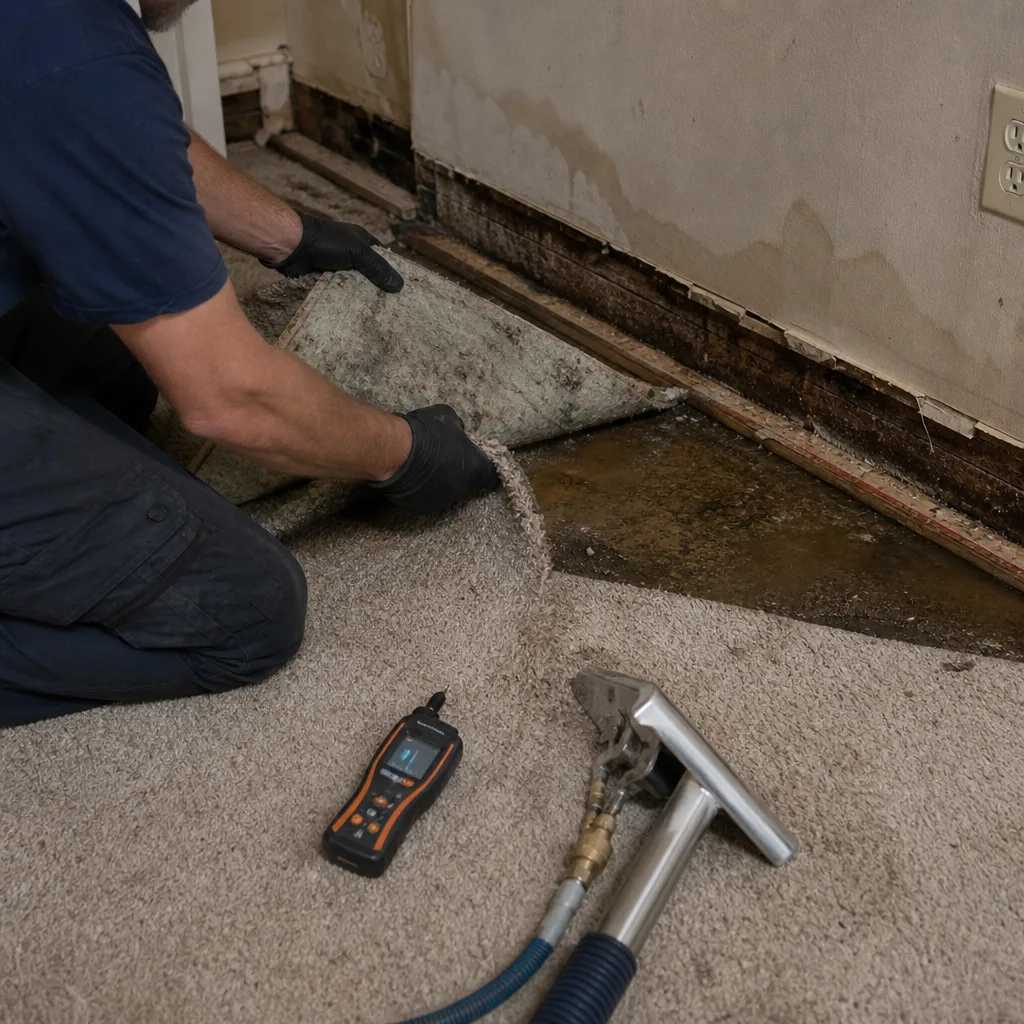
Carpet & Upholstery Cleaning
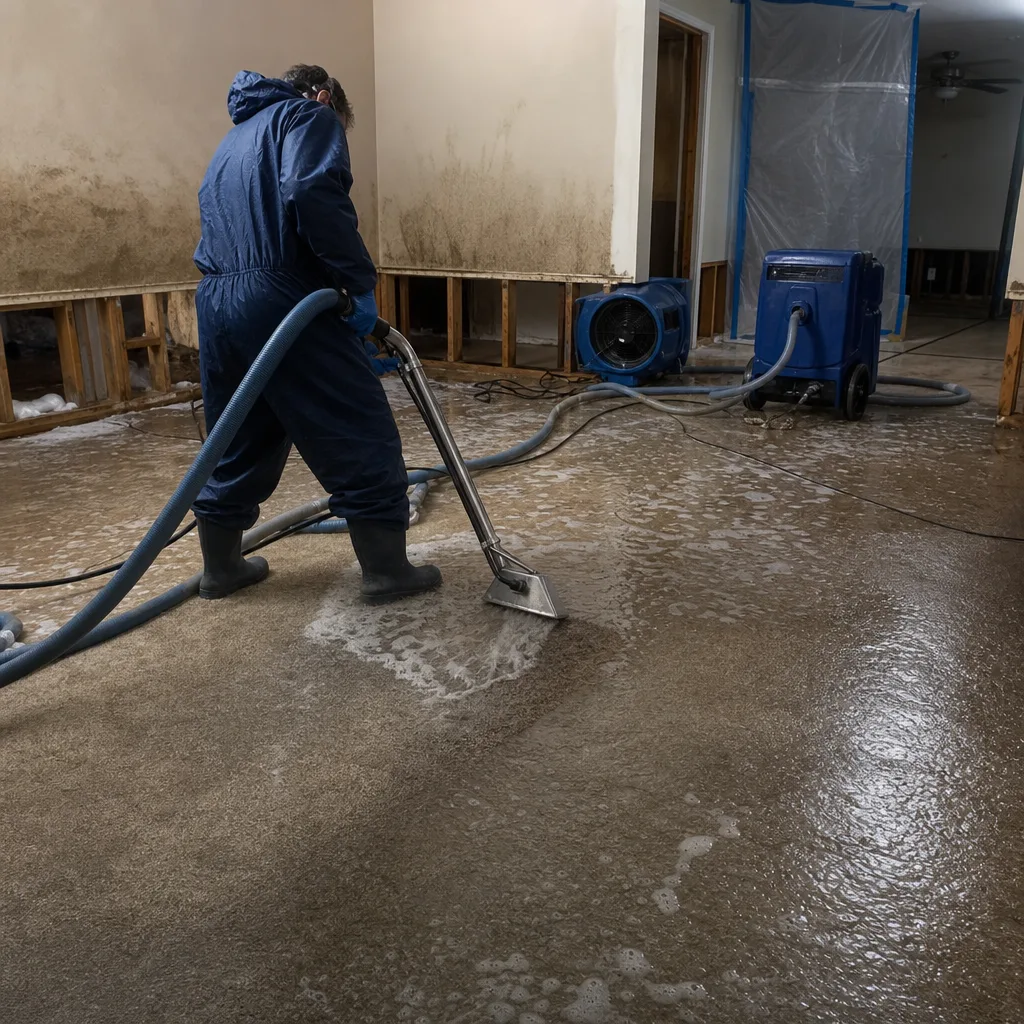
After a Category 1 water loss or light smoke damage, carpets and upholstery often come back cleaner than before the incident. We use hot water extraction and professional-grade B-Air and XPOWER drying equipment, then run HEPA air scrubbing to remove residual particulates. In post-construction cleanups, this is the step that removes the fine brick dust that settles into every fabric in the house.
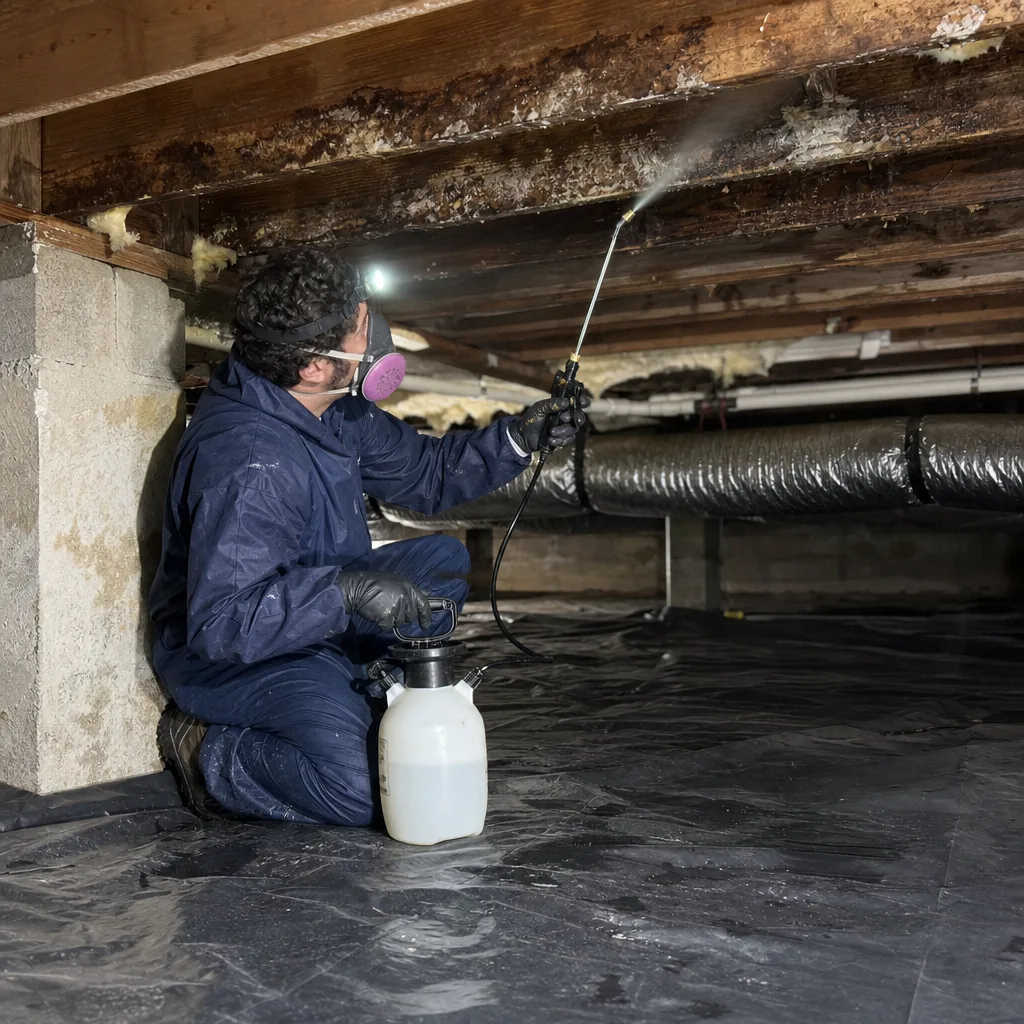
Post-Construction Cleanup
When we finish reconstructing a Ridgewood basement or bathroom, we don’t leave sawdust on the windowsills and drywall mud on the stairs. Post-construction cleanup includes HEPA vacuuming of every surface, air scrubbing to pull dust from the air, and a final wipe-down that leaves the space ready to live in. You’ve been through enough. The end of the job should look like the end of the job.
What happens when you call
- 1
A real person answersNo phone trees - you reach a local pro.
- 2
You get an upfront price rangeHonest numbers before anyone is dispatched.
- 3
A background-checked tech heads outLicensed & insured, dispatched right away.
- 4
You approve before work beginsNothing starts until you say go.
Reconstruction & Cleanup Costs in Ridgewood, NY
A typical Category 1 water extraction and drying job in Ridgewood runs $2,200 to $4,800, depending on square footage and whether the slab under the party wall is involved. Plumbing repairs to cast-iron stacks, which are common in this neighborhood’s housing stock, add $1,800 to $6,000 depending on access and run length. A full sewage backup remediation in a Ridgewood basement, with containment, removal, drying, and rebuild of drywall and flooring, typically lands between $8,000 and $22,000. When water crosses a property line and a second basement comes into scope, the combined project can reach $30,000 or more. Post-construction cleanup runs $600 to $2,500 depending on square footage. Insurance covers most of these costs when the loss is sudden and accidental. The free inspection is how you find out what your specific job will cost, in writing, before any work begins. Call (716) 412-2972 and we’ll scope it the same day.
We Also Serve Cities Near Ridgewood
We serve properties in Ridgewood and the surrounding neighborhoods. That includes Woodhaven, where the attached frames run similar to Ridgewood’s but the basements sit shallower. Ozone Park, with more semi-detached homes and different water pressure patterns. Howard Beach, where flooding risks come from the bay side and the losses look different again. Same live answer, same 45-minute response commitment, same written scope before work starts.
Ridgewood Reconstruction & Cleanup Questions, Answered
How do you handle a sewage backup that starts in my neighbor’s basement but is now seeping under the shared party wall into my Ridgewood rowhouse?
We scope both properties from the original point of origin, set containment across the shared slab, and coordinate with both insurance carriers so neither owner pays for the other’s loss.
This is the single most common multi-owner scenario we see in Ridgewood. The uninterrupted slab under the party wall means sewage from one unit’s blocked lateral moves laterally into the adjoining basement before either homeowner notices. We moisture-map the shared wall and slab in both basements, document the source of loss so the insurance liability stays clear, and run extraction and drying across both properties as one coordinated job. We’ve handled this exact pattern dozens of times. Call (716) 412-2972 and we’ll walk the property the same day.
My Ridgewood rowhouse has original 1920s plaster walls and no modern drywall. Can you dry them in place after a pipe burst, or do they have to come out?
Plaster walls can often be dried in place if the water is Category 1 and caught early. We use Injectidry mats and drying chambers to pull moisture through the plaster without demolition.
The real variable is time. Lime plaster from the 1920s wicks water vertically and horizontally surprisingly fast, and if it’s been wet more than 48 to 72 hours, the retention is usually too high and the plaster delaminates from the lath. In those cases, cutting out the affected section and patching with compatible materials is the right call. We’ll tell you which path your walls need during the free inspection, not after the drywall saw comes out.
What’s different about reconstructing a bathroom in a Ridgewood rowhouse versus a detached house in Middle Village?
The cast-iron drain stacks, the continuous slab, and the shared walls. A rowhouse bathroom sits against a party wall, so any leak moves into the neighbor’s side, and the stack runs through multiple floors before it exits the slab.
In a detached house, a bathroom leak stays in the house. In a Ridgewood rowhouse, a cracked wax ring can send water along the slab and under the adjoining basement wall. Reconstructing properly means opening walls to inspect the stack, scanning the slab for lateral moisture, and coordinating with the neighbor’s carrier if the water crossed the property line. It’s a different job than the same square footage in a detached house, and it’s priced and scoped that way.
Do you pack out and restore contents from a whole Ridgewood rowhouse, not just throw everything into a dumpster?
Yes. We inventory, pack, clean, and restore salvageable contents from every floor, and document everything for your claim. Only true non-salvageables get disposed of, with photographic proof.
After a sewage backup or a heavy fire-smoke event, the instinct is to think everything is ruined. It usually isn’t. We’ve pulled clothes, furniture, paper records, and family photos out of Ridgewood basements that looked beyond saving. Contents restoration is a specialty, and it’s included in our scope unless the item is genuinely contaminated beyond safe recovery. Everything gets logged so your adjuster sees exactly what was restored and what was documented as a loss.
How do you handle the NYC Landmarks Preservation Commission review if my Ridgewood facade needs reconstruction after water damage?
We coordinate the LPC filing, match the historic buff Ridgewood brick and mortar, and build exterior scopes around the commission’s review timeline so the project doesn’t get stop-worked.
Ridgewood’s Historic District designation means exterior facade work, including masonry repair tied to water intrusion, can trigger LPC review. We prepare the documentation, specify historically matched mortar so modern Portland-heavy mixes don’t trap moisture and accelerate spalling, and sequence the work so interior drying and reconstruction continue while the facade scope works through review. This is not unusual for us. It’s a routine part of working in this neighborhood.
How fast can you actually get to a Ridgewood rowhouse after I call?
Roughly 45 minutes, on average. We dispatch from a New York City office, and a live person confirms the crew before the call ends.
We can’t promise a stopwatch, but we can tell you the dispatch board is live around the clock and Ridgewood is inside our primary response zone. A crew gets assigned to your address immediately, and they start extraction the same visit, not on a follow-up appointment. That’s the part that actually matters.
Does insurance cover reconstruction and cleanup after a sewage backup in a Ridgewood rowhouse?
Usually yes, if the backup was sudden and accidental. Slow seepage, neglect, or long-running maintenance issues are typically excluded.
Every policy is different. The key is documentation from the first hour: photos, moisture logs, a written scope that identifies the point of origin. We provide all of that and talk directly to your adjuster. We also handle the cross-border claim when water from your neighbor’s backup crossed the party wall into your basement, which is a common Ridgewood scenario that confuses a lot of adjusters who don’t work this housing stock regularly.
What should I do in the first 30 minutes after I discover water or sewage in my Ridgewood basement?
Turn off power to the affected area if you can do so safely, don’t enter standing water, and call us at (716) 412-2972. Then take photos from the doorway.
Don’t open walls. Don’t start pulling up carpet. Don’t pour bleach on anything. The first 30 minutes are about safety and documentation. If there’s standing water near outlets or the panel, wait for us. If the water is from a supply line, shut off the main valve if you know where it is. Then call. The faster we start extraction, the less plaster and flooring comes out.
Serving Ridgewood, NY - Our Local Coverage Area
We’re based in the Ridgewood area and know this community well. Use the map below to see our service coverage - if you’re nearby, we can almost certainly help.
Why Ridgewood Is Different, and Why That Matters for Reconstruction
Because Ridgewood rowhouses share uninterrupted basement slabs beneath party walls, a sewage backup or foundation seep in one unit frequently wicks laterally into the neighbor’s basement before either owner notices. Restoration crews here routinely scope two or three adjoining properties from a single point-of-origin event. That pattern almost never appears in detached housing stock a mile away in Middle Village, where every foundation stands alone and water has nowhere to go but into the owner’s own basement. It’s the single biggest reason you want a restoration company that already knows this neighborhood’s housing stock, not one learning it on your claim.
We worked a three-story yellow-brick rowhouse on 68th Avenue near Fresh Pond Road after a cast-iron drain stack cracked and sent Category 2 water into both the owner’s basement and the attached neighbor’s utility room. Our techs set containment across the shared slab, moisture-mapped the party wall with Dri-Eaz sensors, and coordinated with the neighbor’s insurer before pulling wet plaster and running Injectidry floor drying mats for five days. Both basements came back to pre-loss condition without a single dispute over the original scope of work. That’s the standard we hold here.
Mixing modern Portland-heavy mortar into Ridgewood brick repairs traps moisture and accelerates spalling, undoing the original water-intrusion fix. Skipping lateral moisture scans under party walls in attached rowhouses means water migrating from the neighbor’s slab is missed until mold blooms on the shared basement wall. Failing to file or account for NYC Landmarks Preservation Commission review on exterior facade reconstruction causes stop-work orders and added delays on a street where nearly every facade is historic. These are the three failure modes that turn a standard reconstruction into a disaster for the homeowner. Our crews are trained around all three, because in Ridgewood, you can’t do the job right without knowing them.
Floodline Restoration Co. has been in this business since 2010, founded by Curt Bowman around a dispatch board, not a sales desk. The Reconstruction & Cleanup in Ridgewood work we do gets backed by the 90-Day Done Right Promise, in writing, every time. Current offers stand: $50 off any repair over $250, an $89 seasonal tune-up, and a 5% senior and veteran discount, always. Call (716) 412-2972 for a free estimate. A live person answers. The line the water left is where we start.
Written by Curt Bowman, Owner at Floodline Restoration Co., serving Ridgewood and the surrounding neighborhoods.