
Free visual inspection and a written scope of work before any mitigation begins - photos, moisture readings, and drying logs go in your claim file
The scope we write is the scope we bill. Anything new gets shown to you, in writing, before we touch it.
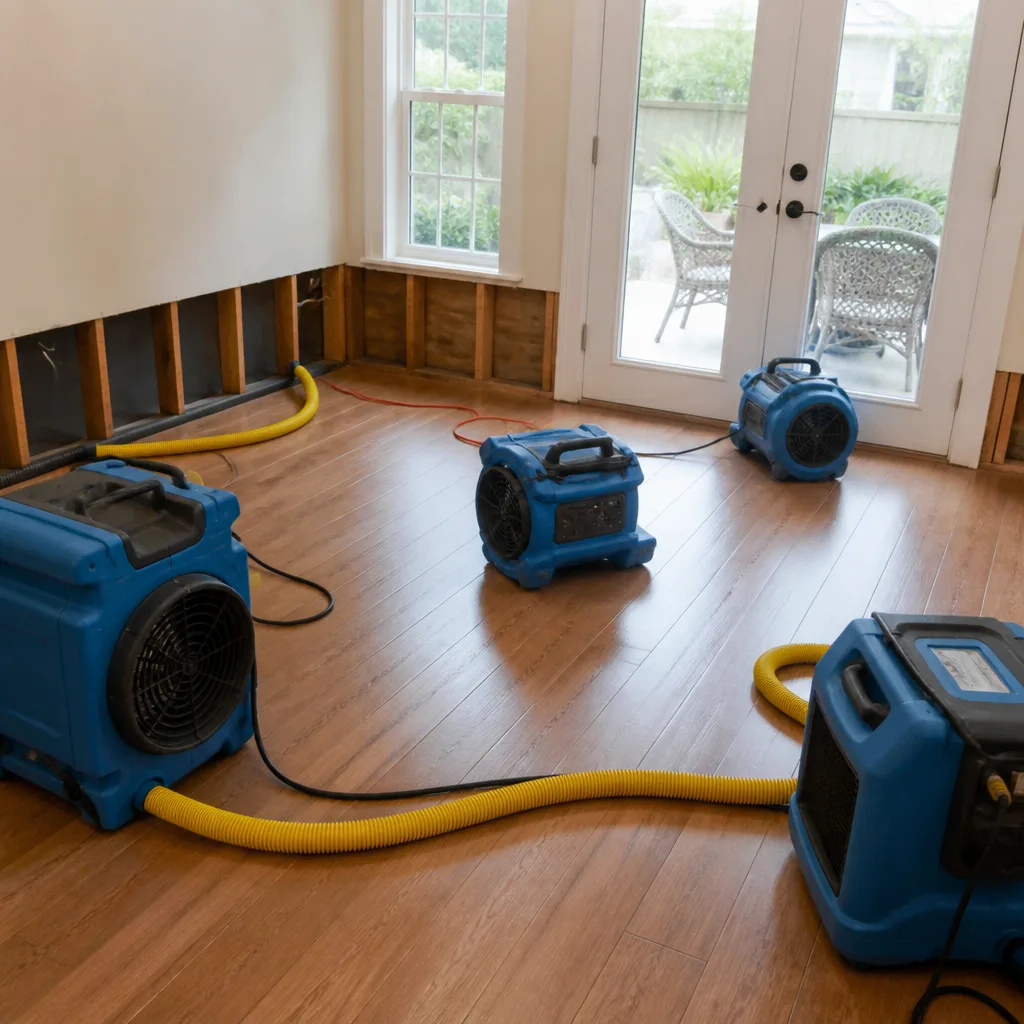
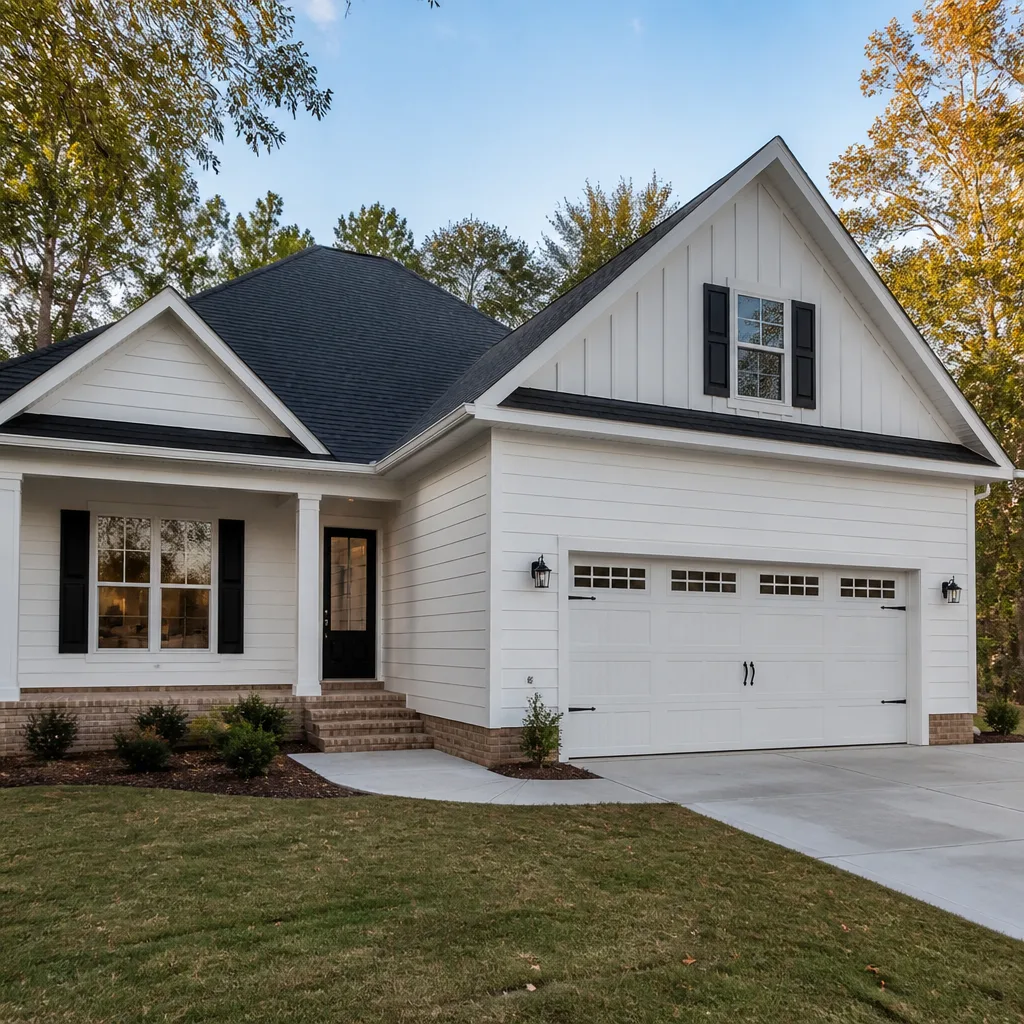
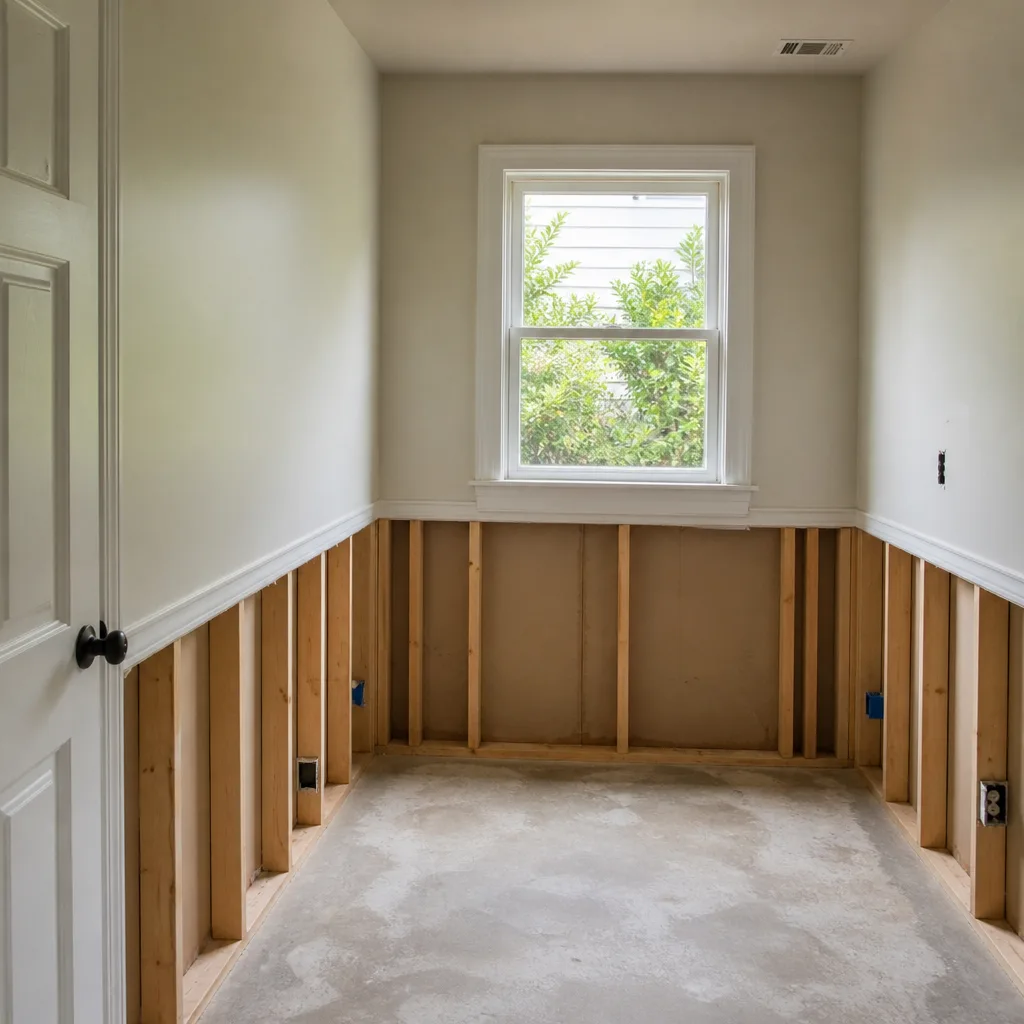
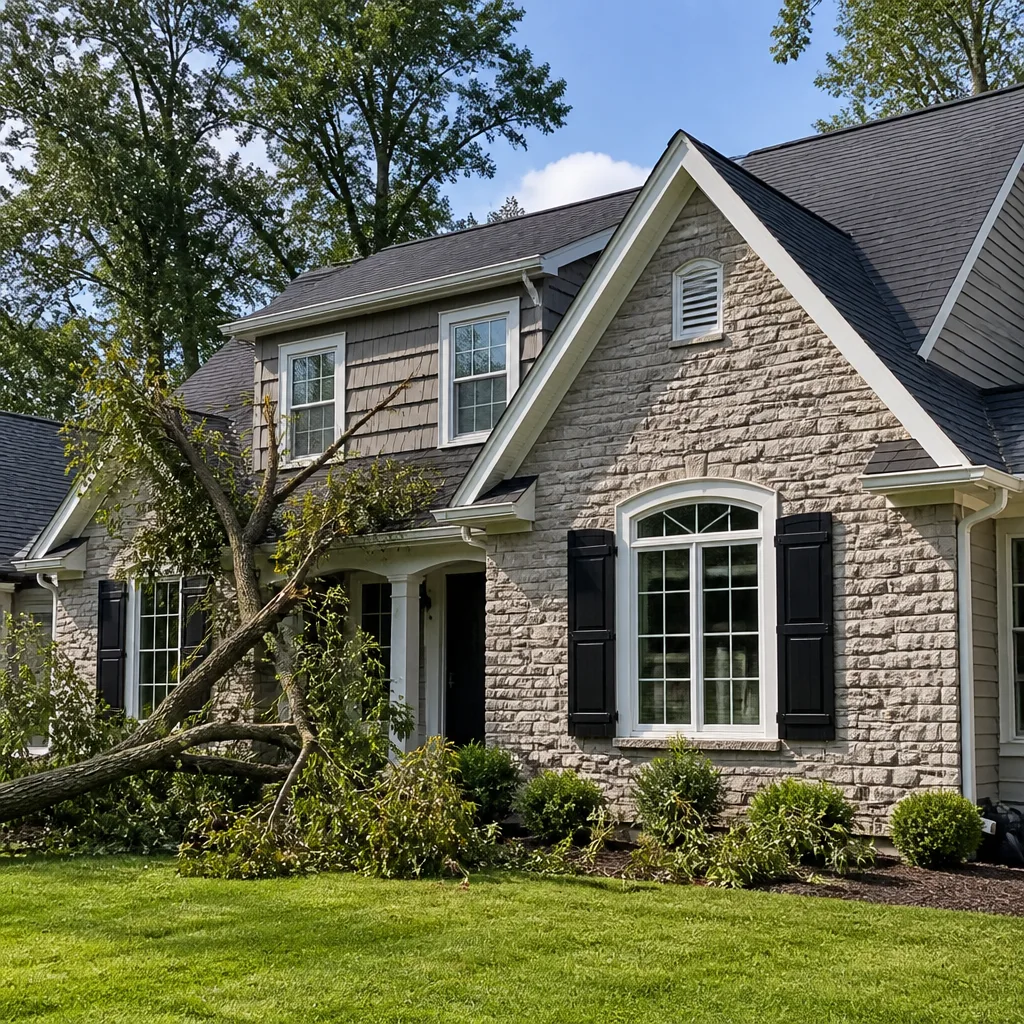
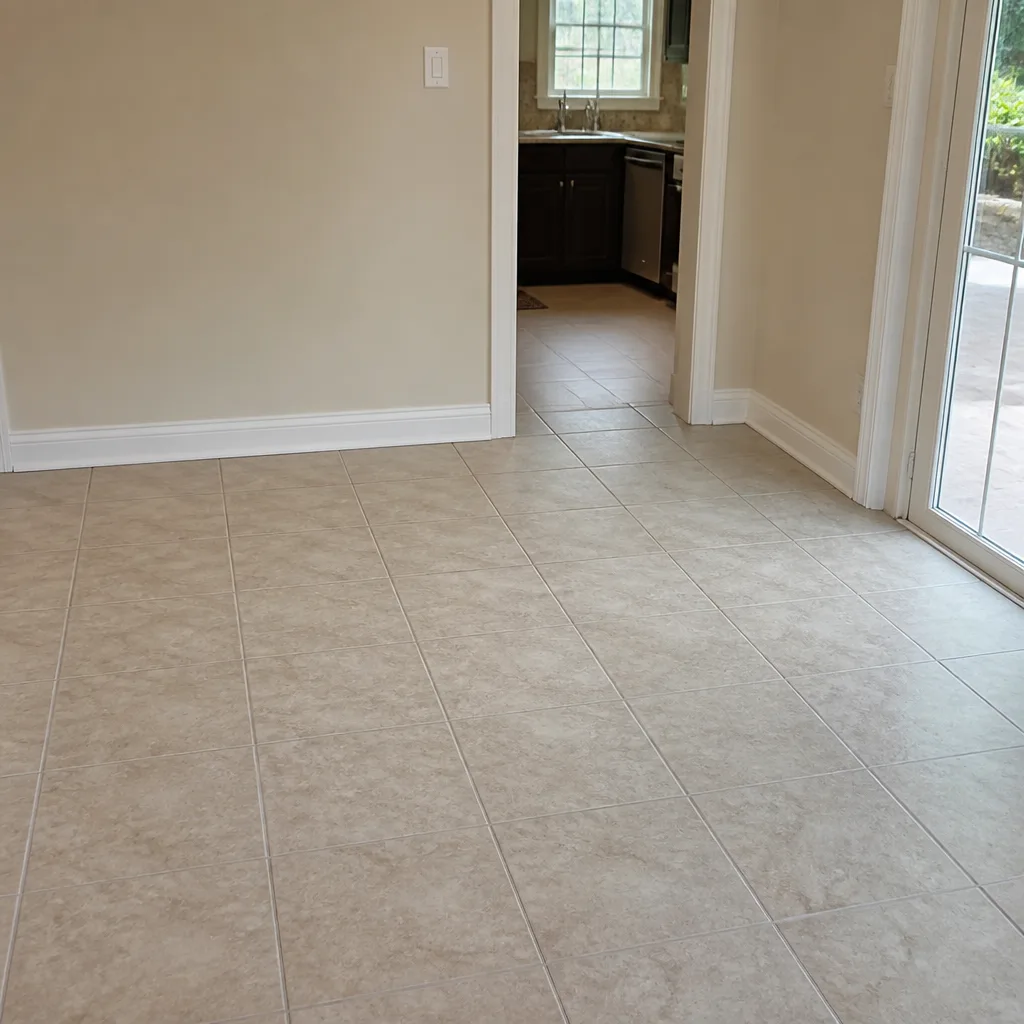
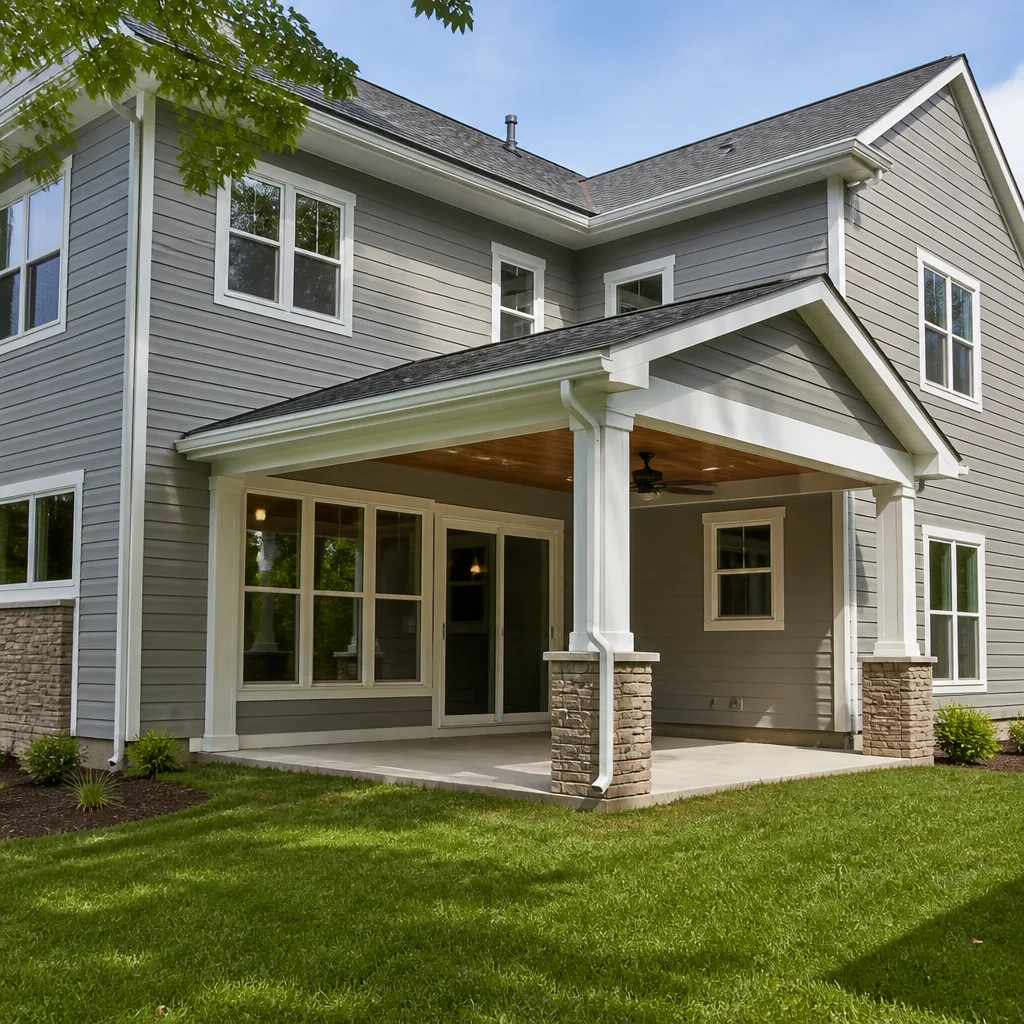
 Before
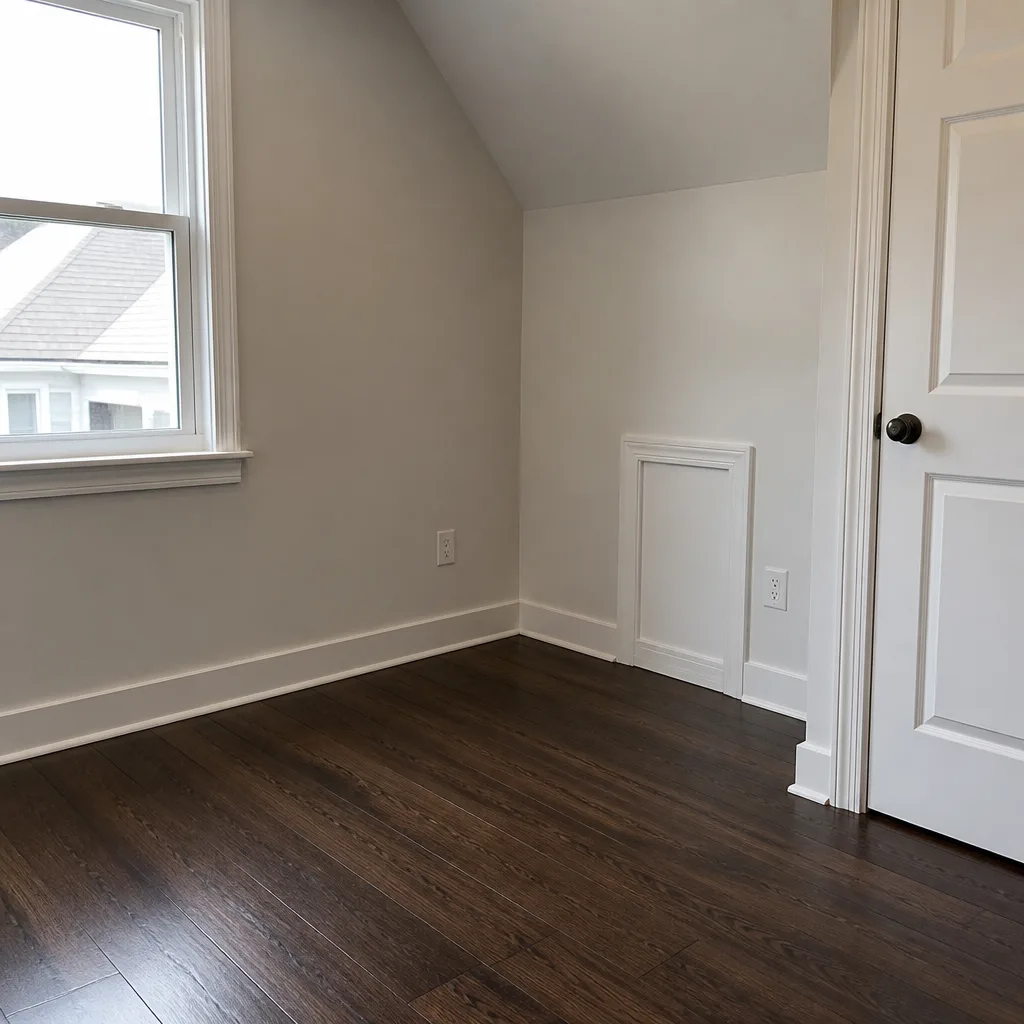 After
After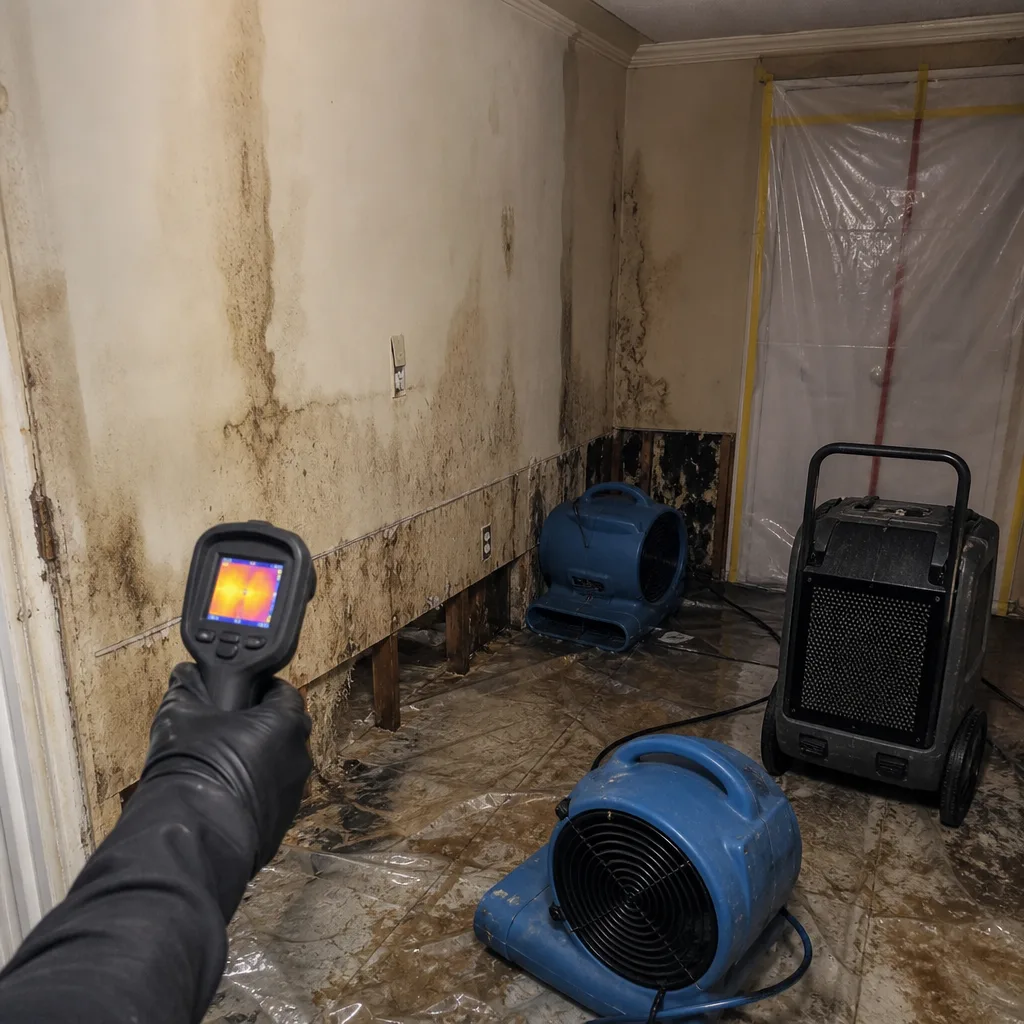 Before
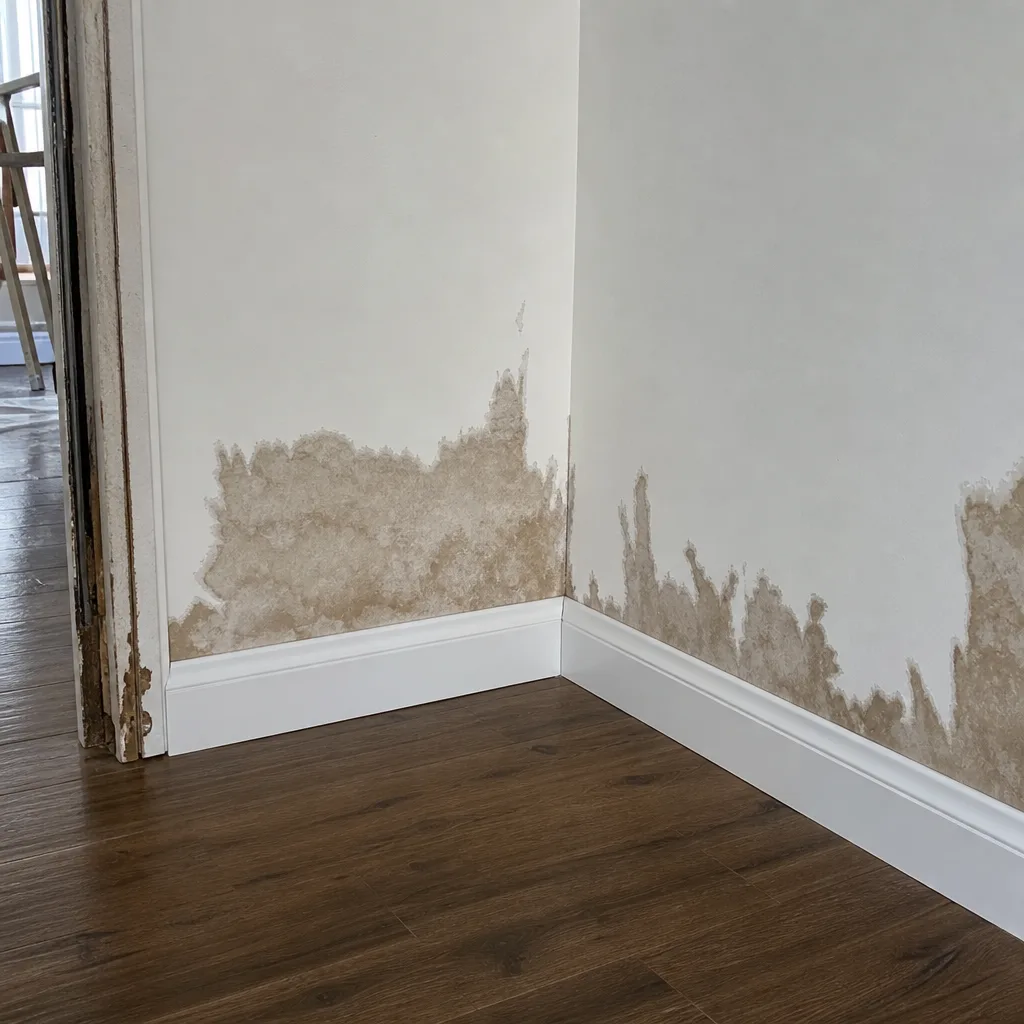 After
After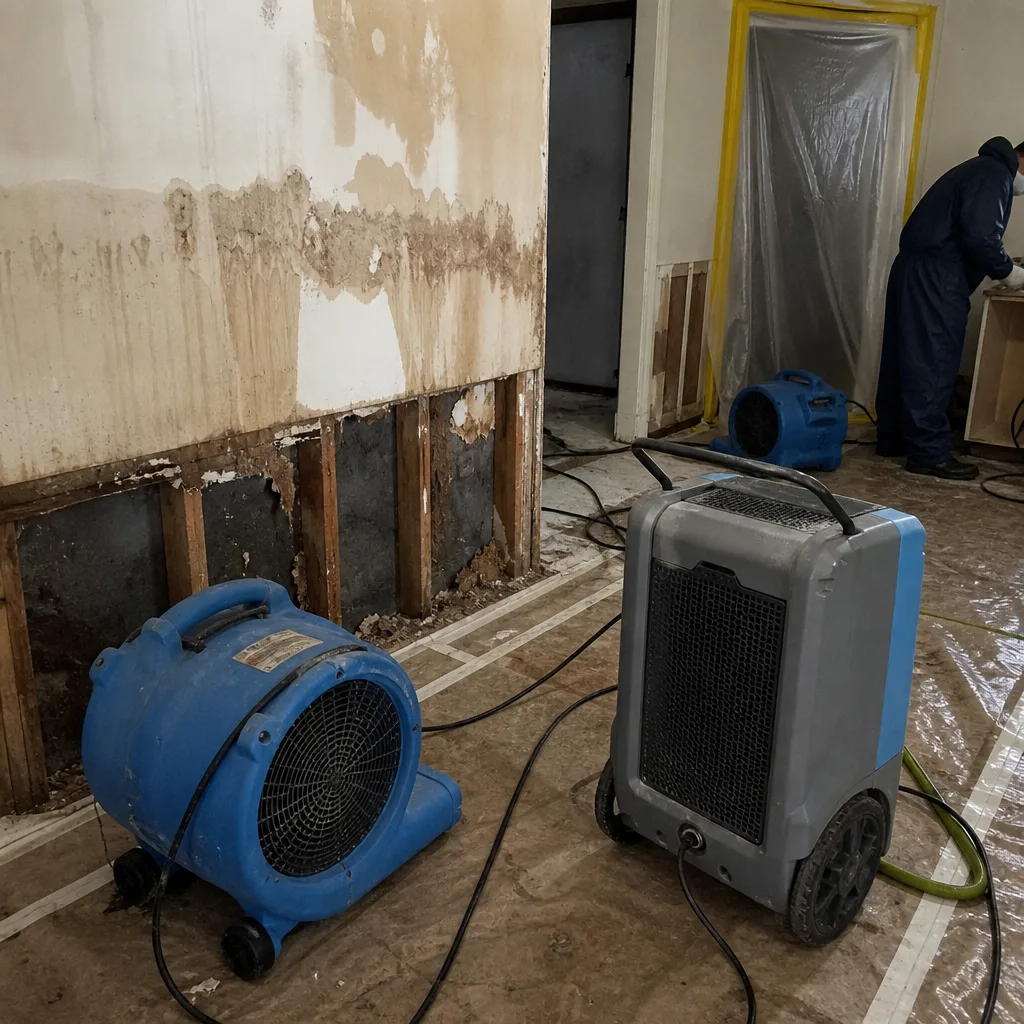 Before
 After
After24/7 Emergency Reconstruction & Cleanup in Flatlands
Reconstruction and cleanup in Flatlands, NY typically costs between $2,800 and $14,000 depending on how far water traveled and how long it sat. We answer the phone with a live person at 2 a.m., and a certified crew can be at your door in Flatlands within 45 minutes. Call (716) 412-2972 now for a free visual inspection. The first hour after a flood or sewer backup determines whether you’re looking at drying and repair or a full gut-out, because water in a finished basement moves fast through drywall, paneling, and the original masonry behind it.
We’re the Reconstruction & Cleanup team that starts at the waterline and doesn’t hand the job off until the trim is painted and the moisture log is in your hands. Flatlands homeowners call us because our crews know this neighborhood’s basements, brick construction, and flood-zone paperwork. One call at (716) 412-2972 gets a same-visit assessment, a written scope, and a plan that accounts for both NYC wind-load codes and FEMA flood-damage standards.
Understanding Reconstruction & Cleanup Severity in Flatlands Properties
Flatlands sits on former glacial outwash marshland at near-sea-level elevation, with substantial portions of the neighborhood in FEMA Zone AE within Jamaica Bay’s storm-surge reach. That means every reconstruction job here carries dual compliance obligations: NYC DOB wind-load codes and FEMA flood-damage-resistant construction standards. A repair that would be routine in, say, Park Slope becomes a code-sensitive rebuild in Flatlands because of elevation, drainage, and the long shadow of Hurricane Sandy.
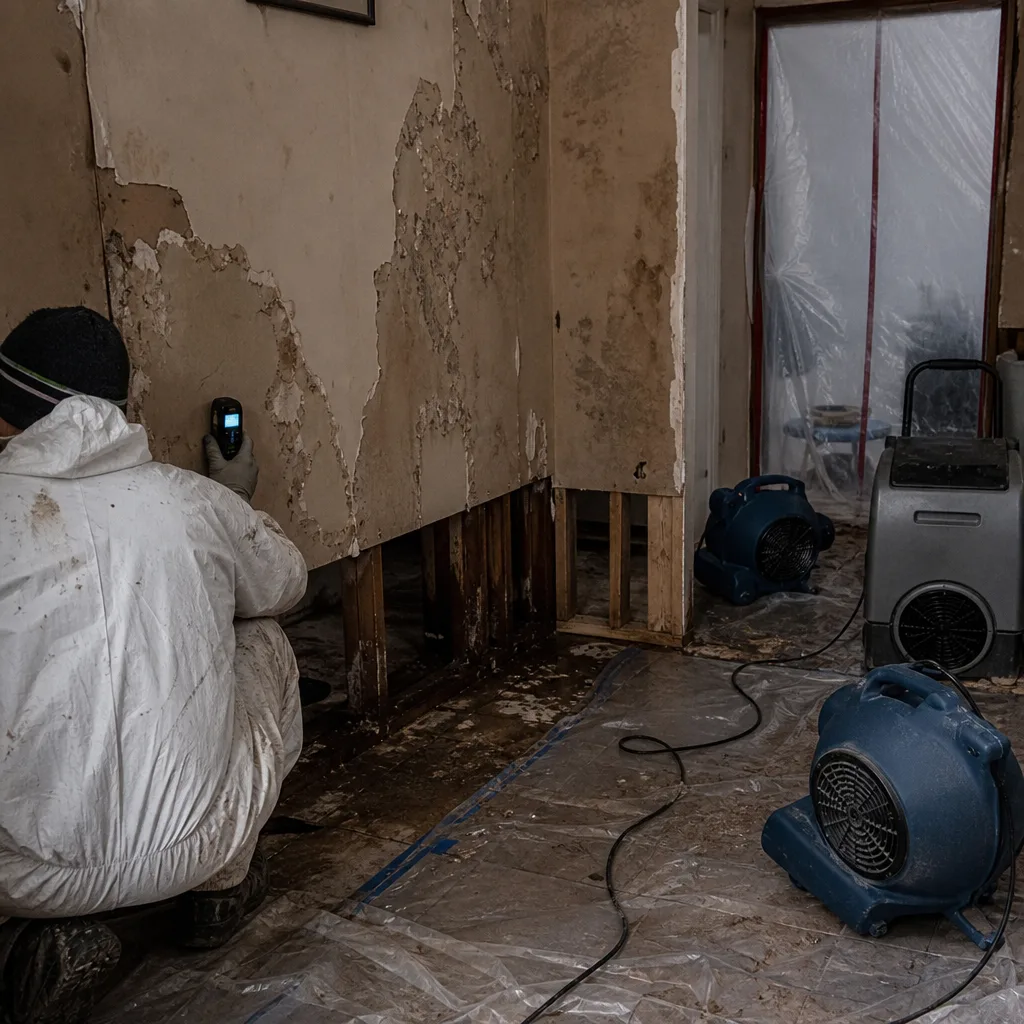
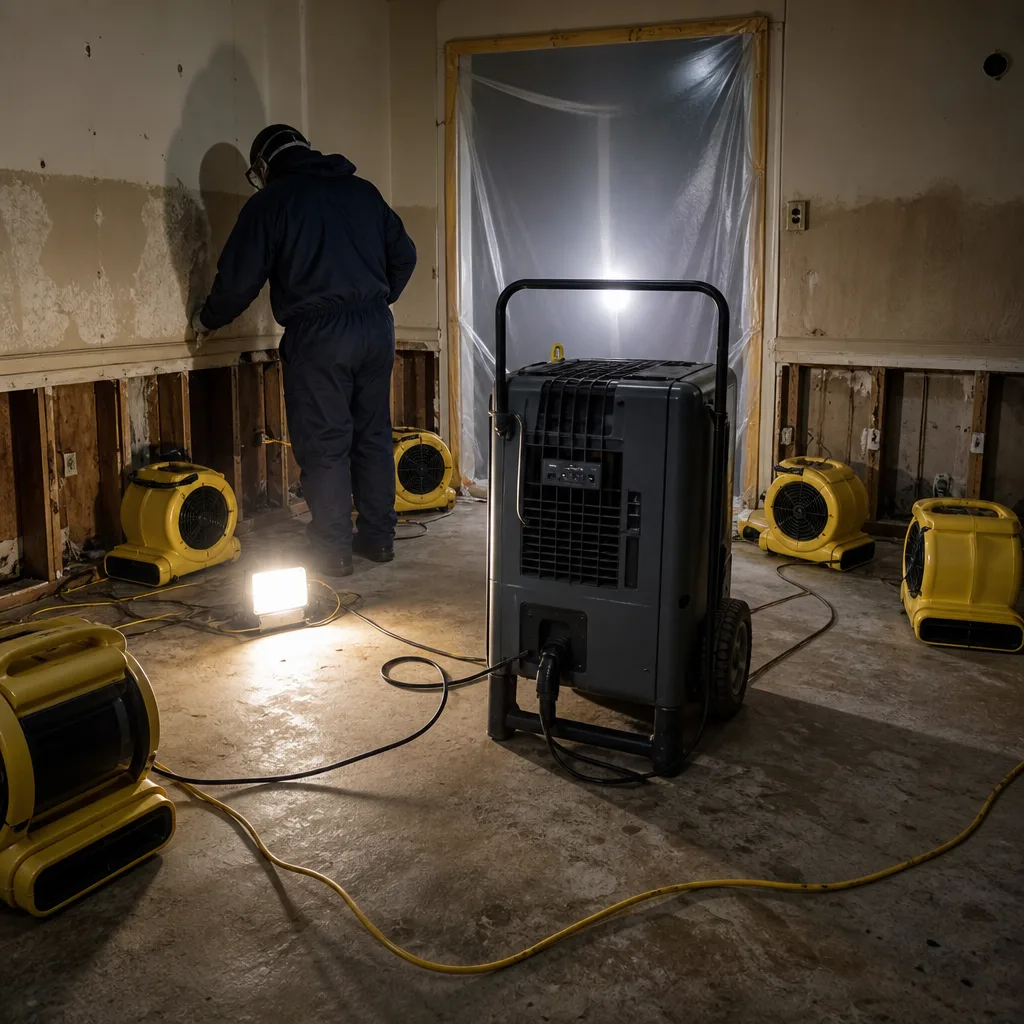
Water damage in Flatlands homes rarely stays Category 1. When a nor’easter backs up the municipal storm sewers along flat terrain, the water pushing into basements is Category 2 at best, frequently Category 3 if sewage is involved. Our moisture mapping finds elevated readings in sill plates, behind finished drywall, and inside original 1950s rock wool insulation that older homes still carry. That hidden saturation is what turns a “small leak” into a full basement reconstruction. We use thermal imaging and moisture meters to find what surface inspection misses, then run structural drying with Dri-Eaz and XPOWER equipment until the dry standard is met, not just until the floor feels dry.
Why Flatlands Property Owners Choose Floodline Restoration Co.
- 45-minute response commitment for Flatlands addresses. We dispatch from our New York City office with crews staged to reach Flatlands fast. If we’re not there when we say, you’ll know why before you hang up.
- A live person answers, 24 hours a day, every day. No automated routing, no “leave a message.” The dispatcher who takes your call at 3 a.m. is the same one who alerts the crew. Curt Bowman built this company around a dispatch board, not a sales desk, in 2010.
- IICRC-certified crews, trained to WRT, FSRT, and AMRT standards. Background-checked, uniformed technicians who carry the certifications that matter for water, fire, and mold work. We don’t send a different crew for reconstruction; the same team handles it end to end.
- Free visual inspection with a written scope before any work begins. You’ll know what we found, what it costs, and what your insurer needs to see. No surprises on the bill, and no mid-job scope creep.
- Direct insurance billing. We document from the first hour, bill your carrier directly, and talk to your adjuster so you don’t have to play messenger. Flatlands flood claims in Zone AE have specific documentation requirements, and we know them cold.
- One team from extraction to reconstruction. The crew that reads the moisture map on day one handles daily readings, hands the log to you and your carrier, and rebuilds what needs rebuilding. No handoff, no inherited crew, no explaining your house twice.
Our Reconstruction & Cleanup Process
Inspection & Assessment
We trace the water’s path with thermal imaging and moisture meters, checking sill plates, wall cavities, and flooring. In Flatlands brick homes, we always inspect behind finished basement panels, because the original masonry traps moisture that surface readings miss.
Extraction & Stabilization
Professional-grade extraction removes standing water fast. We stabilize affected areas, remove unsalvageable materials, and set containment if contamination is present. Emergency board-up and tarping happen on the same visit when storm damage is involved.
Drying & Dehumidification
Dri-Eaz dehumidifiers, XPOWER air movers, and Injectidry systems run continuously until hygrometer readings confirm the dry standard. Daily moisture readings are logged and shared with you and your carrier. We don’t consider a basement dry until the framing behind the walls is dry.
Cleaning & Sanitization
Category 2 and 3 water requires antimicrobial treatment on all affected surfaces. We sanitize, deodorize, and run HEPA air scrubbing where mold or sewage is present. Contents are cleaned or packed out depending on severity.
Reconstruction-Specific Treatment
In Flatlands, this means wind-rated door and window hardware, reinforced framing where flood codes require it, and drywall replacement that meets NYC DOB wind-load standards. We coordinate with your adjuster on every code-required upgrade.
Repairs & Restoration
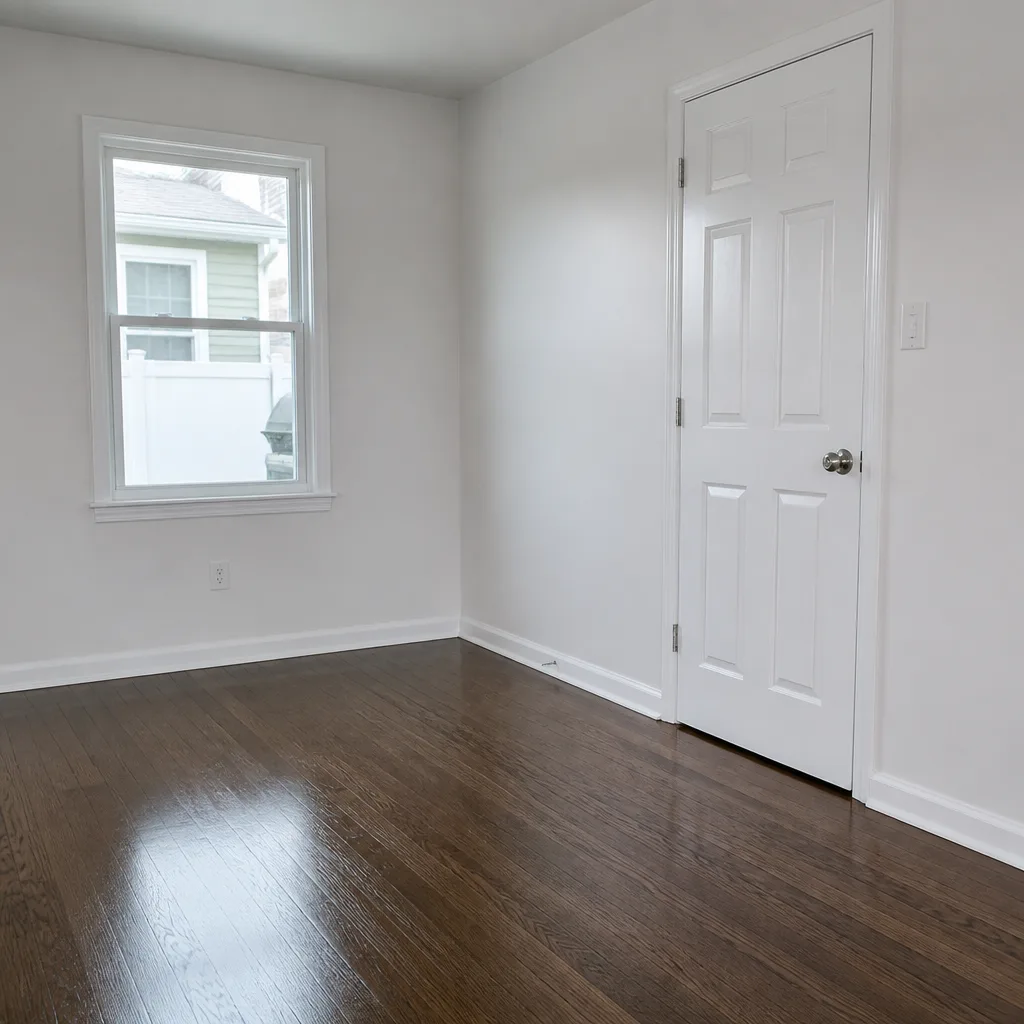
Drywall, flooring, trim, paint. The same crew that extracted the water rebuilds your basement or damaged rooms. The job ends with a final walkthrough, your moisture log, and the 90-Day Done Right Promise in writing.
Need Emergency Reconstruction & Cleanup in Flatlands Now?
Crews minutes away, answering live 24 hours a day. The sooner we start, the less it costs.
Working With Your Insurance Company
Flatlands flood and sewer-backup claims live or die on documentation. Your carrier wants to see the loss, not just hear about it. We photograph every affected room, log moisture readings daily, and produce a line-item scope of work that matches industry-standard estimating software. Our team talks directly with your adjuster, so you’re not the one translating between a contractor’s invoice and an insurance policy. If your claim involves FEMA flood coverage through the NFIP, we document to those standards specifically, because Flatlands properties in Zone AE are held to a different evidentiary bar than a standard homeowners claim.
What We Provide Your Insurer
- Thorough documentation of the loss
- Photos of all damage, room by room
- Moisture readings and drying logs
- A detailed, line-item scope of work
- Direct coordination with your carrier
Built for Flatlands’s Loss Calendar
Flatlands takes its water where it finds it. January deep freezes split supply lines in 1940s and 1950s brick semis along Flatbush Avenue and Avenue L, flooding basements while homeowners are at work. March and April bring snowmelt and spring rain that saturate the pancake-flat terrain; with nowhere to drain, groundwater presses against foundation walls and finds every hairline crack. Summer thunderstorms dump inches in an hour, overwhelming the municipal storm sewers that this neighborhood’s low elevation was never designed to handle. And the fall nor’easter season pushes Jamaica Bay surge into the southern blocks, backing up drainage and pushing Category 2 water into basements that have seen it before.
The common thread: Flatlands homes have finished basements, original rock wool insulation, and post-Sandy repairs that were never truly dried. Every season finds a way to expose what a previous repair covered up. That’s why our reconstruction work in Flatlands always starts with moisture mapping, not assumptions. If a previous contractor dried the visible drywall and skipped the sill plate, we find it. If a Sandy-era re-panel hid saturated insulation, we find that too.
Reconstruction & Cleanup Across Flatlands’s Neighborhoods
Response routes in and around Flatlands take us down Ralph Avenue, along Avenue N, and through the blocks between Flatbush Avenue and the Paerdegat Basin. Homes near the south end by Avenue T and the Jamaica Bay side sit squarely in Zone AE and carry the strictest flood-resistant construction requirements. The blocks around Kings Plaza and Avenue U see a different pattern: commercial and mixed-use structures with concrete slab foundations, where water intrusion comes up through floor drains and utility penetrations rather than foundation walls.
North of Avenue K, where the neighborhood shifts toward Midwood and the terrain rises a few feet, we see fewer storm-surge losses and more burst-pipe and supply-line failures in 1940s-era semis. The housing stock throughout Flatlands is overwhelmingly one- and two-family brick homes with finished basements, built between the 1940s and 1970s. That matters because those basements were never designed for flood resistance; they were designed for storage, laundry, and a wood-paneled rec room. Reconstruction in Flatlands nearly always means removing materials that were never meant to get wet and replacing them with flood-resistant assemblies where code requires.
After a nor’easter backed up the storm sewers along Avenue M, our crew was called to a 1950s brick semi-detached with a finished basement that had taken on several inches of Category 2 water. Our moisture mapping showed elevated readings in the original rock wool insulation behind the wood paneling, remnants of a Sandy-era cover-up. So we set containment, pulled the paneling, and ran structural drying with Dri-Eaz dehumidifiers and air movers before antimicrobial treatment and full drywall replacement. The homeowner had lived there for 40 years and never known what was behind those walls.
Specialized Reconstruction & Cleanup Services We Offer in Flatlands
Full-Service Reconstruction
Basement gut-outs, kitchen rebuilds, structural repairs after flood or fire. Every reconstruction in Flatlands is scoped to comply with NYC DOB wind-load codes and FEMA flood-damage-resistant standards where applicable. We pull permits, coordinate with your adjuster, and rebuild with materials that can actually handle this neighborhood’s floodplain reality.
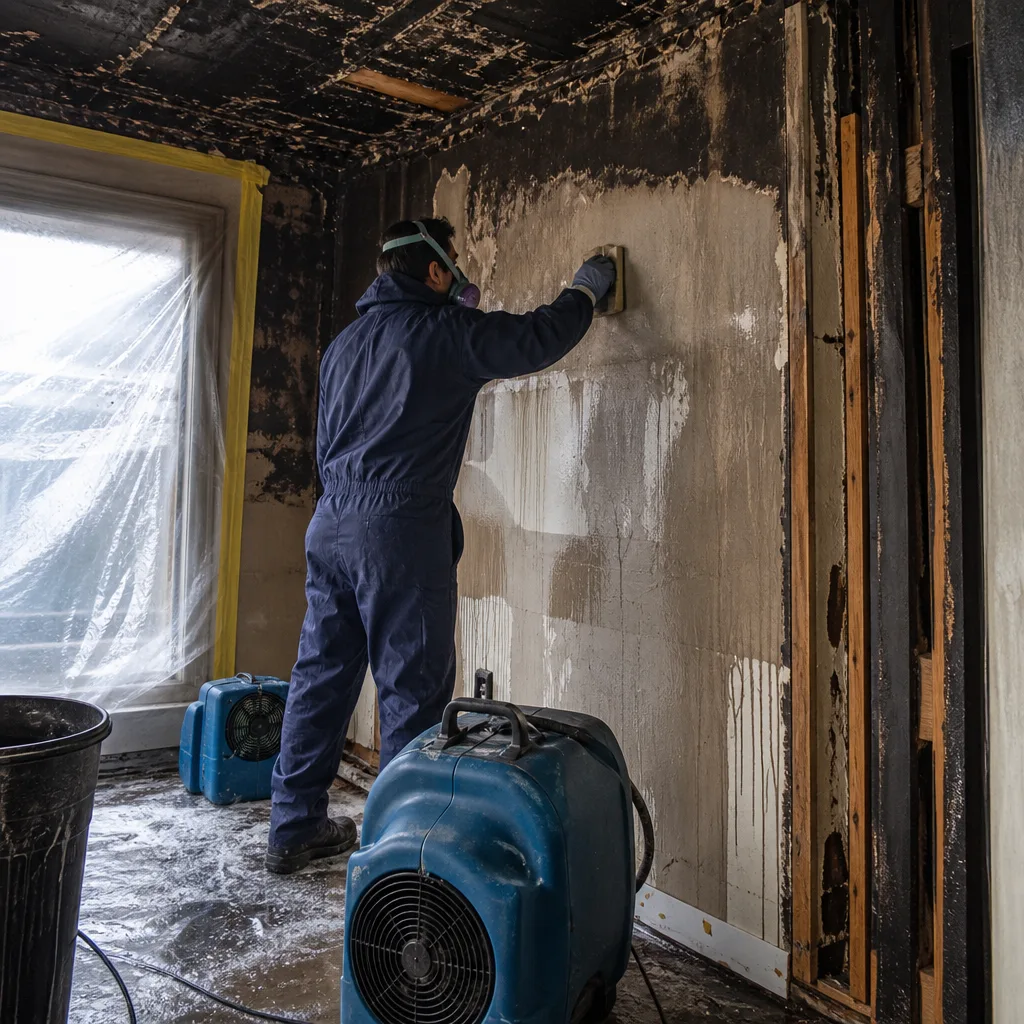
Drywall & Flooring Repair
In Flatlands basements, we replace drywall with flood-resistant assemblies where code requires, repair hardwood floors that have cupped, and install flooring suited to a below-grade space that may see water again. The original 1950s drywall and wood paneling in these homes was never rated for moisture, which is why we recommend replacement over surface drying in most cases.
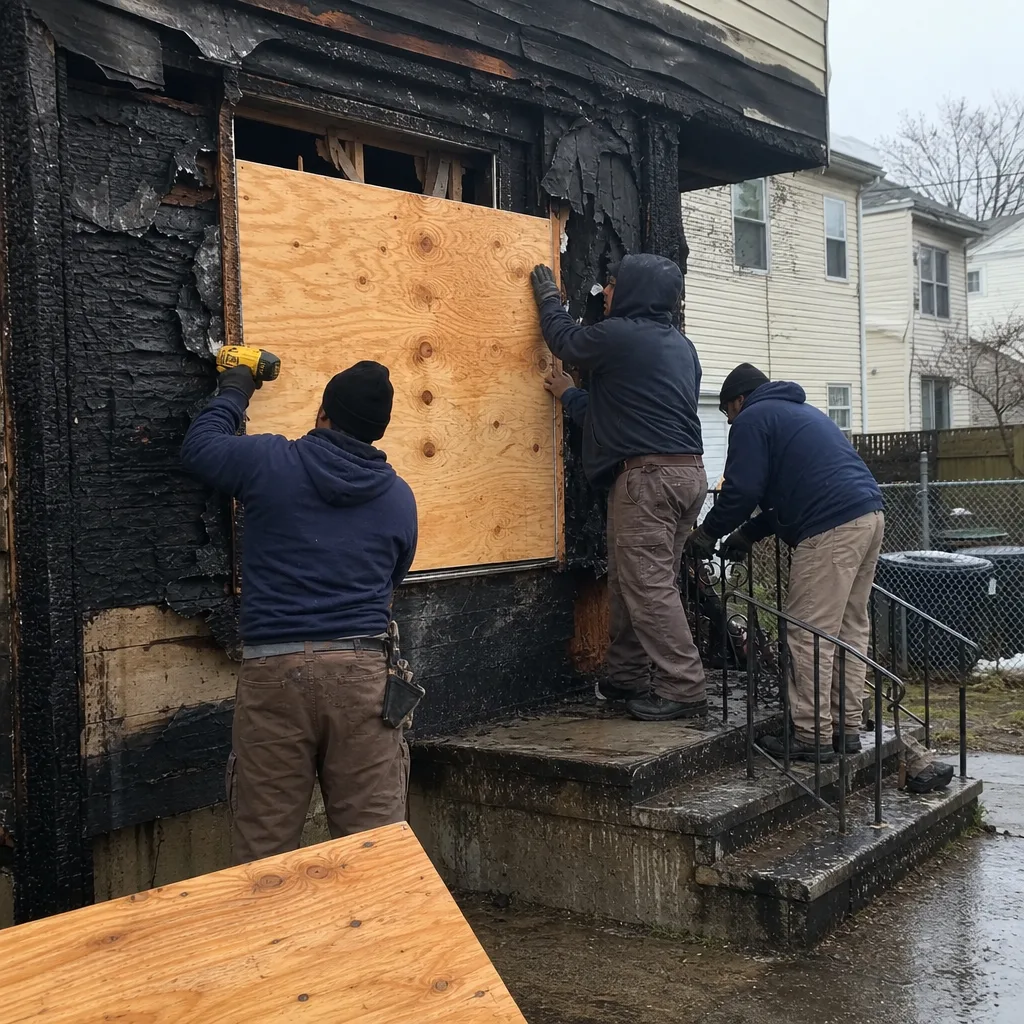
Contents Restoration & Pack-Out
Furniture, documents, photographs, electronics. We inventory, pack out, clean, and restore what can be saved, and we document what can’t for your claim. In Flatlands basements, we routinely recover family photographs and records from cardboard boxes that absorbed water; our contents team works with the same urgency as the structural crew.
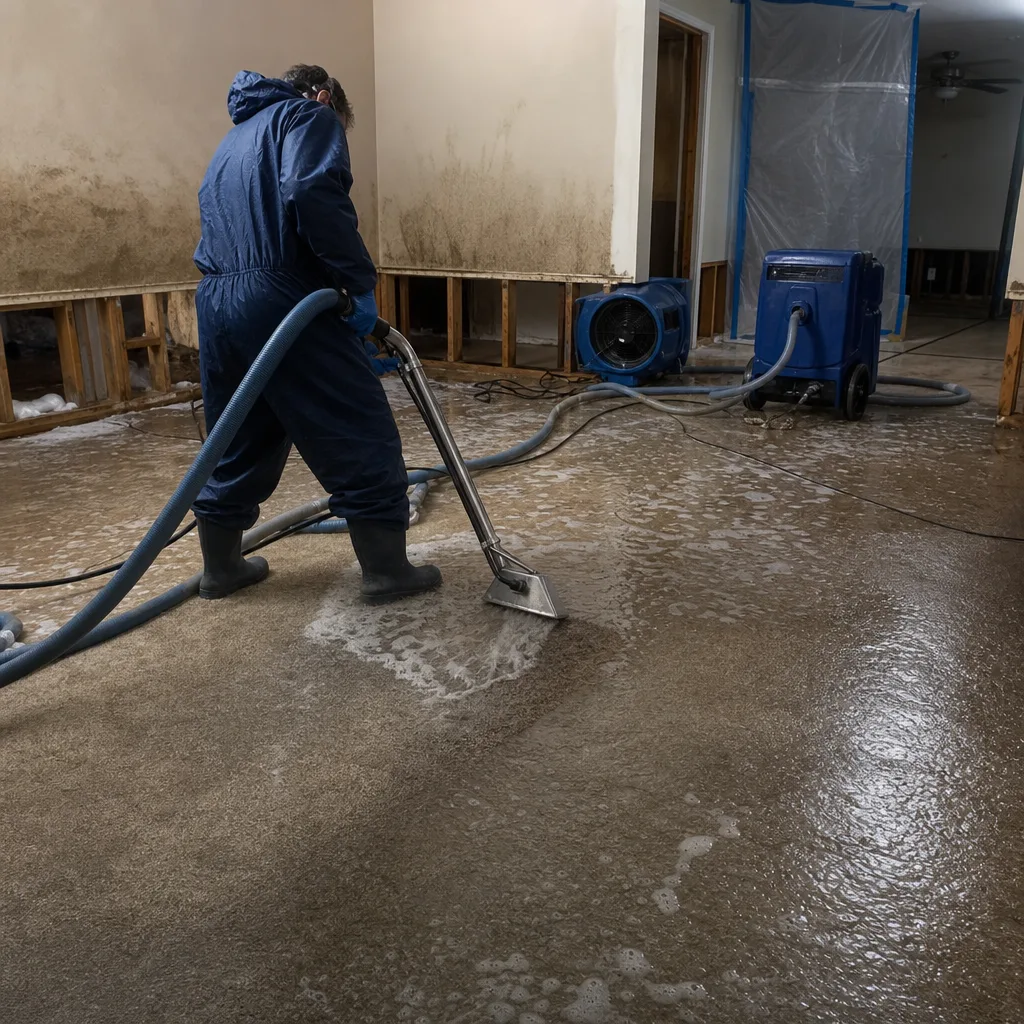
Carpet & Upholstery Cleaning
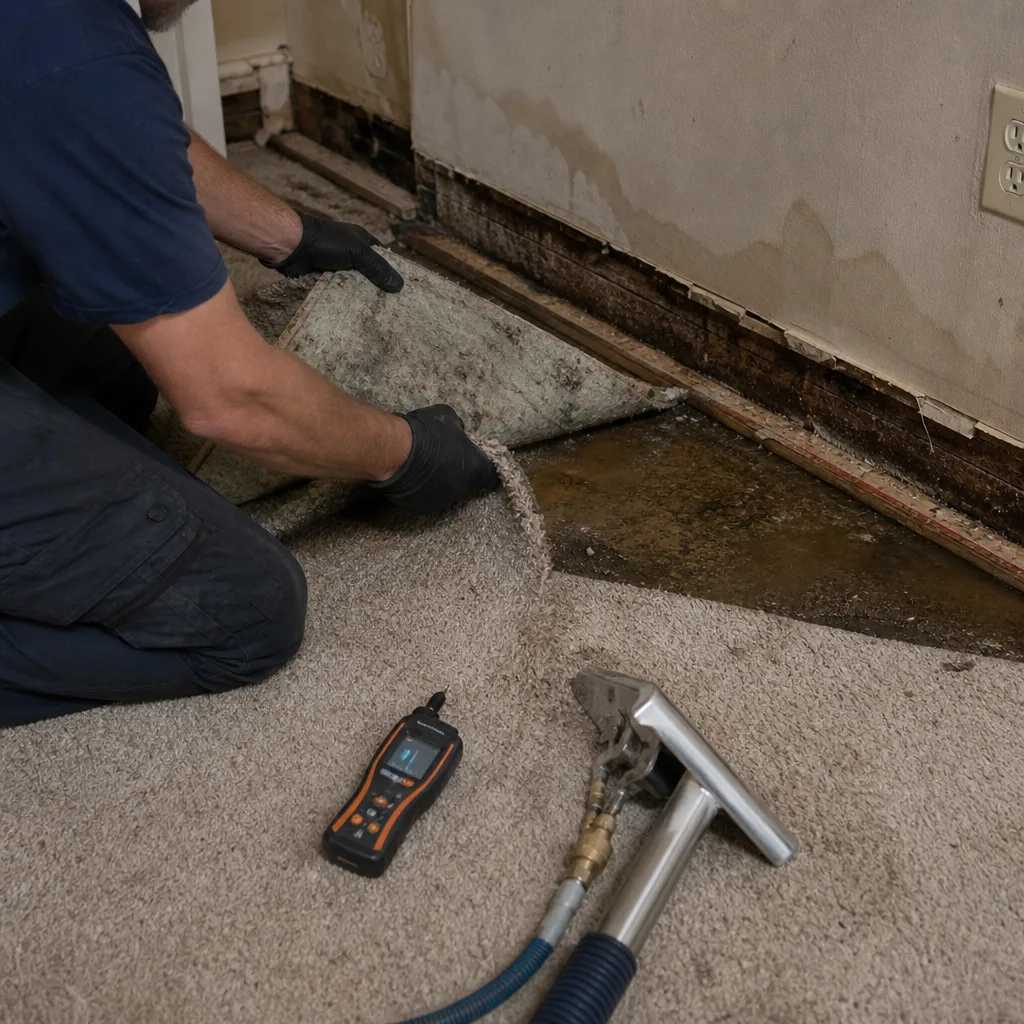
Floodwater and sewage saturate carpet and upholstery beyond DIY cleaning. We clean, deodorize, and sanitize salvageable soft goods, or advise replacement when the contamination is Category 3. In Flatlands basements, we see a lot of wall-to-wall carpet installed over concrete; water wicks into the padding and hides mold even when the surface looks dry.
Post-Construction Cleanup
Whether it’s our crew’s own reconstruction dust or the aftermath of a contractor’s repair, we handle final cleanup: HEPA vacuuming, wiping surfaces, and removing debris so your home is actually livable. We leave a Flatlands basement as clean as we found it pre-loss, with the moisture log to prove it.
What happens when you call
- 1
A real person answersNo phone trees - you reach a local pro.
- 2
You get an upfront price rangeHonest numbers before anyone is dispatched.
- 3
A background-checked tech heads outLicensed & insured, dispatched right away.
- 4
You approve before work beginsNothing starts until you say go.
Reconstruction & Cleanup Costs in Flatlands, NY
A typical basement reconstruction after clean-water damage in Flatlands runs $4,500 to $9,800, including drywall replacement, flooring, trim, and paint. Category 2 or 3 water with sewage pushes that to $8,000 to $14,000 because of containment, antimicrobial treatment, and potential framing repairs. A full gut-out with mold remediation under NYC DOH guidelines often lands between $12,000 and $22,000 depending on basement square footage and how far the mold traveled.
What moves the price: how long water sat before extraction, whether sewage was involved, what’s behind your walls (rock wool insulation in a 1950s basement costs more to remediate than a modern fiberglass setup), and whether code-required wind-rated or flood-resistant upgrades apply. Insurance covers most sudden and accidental losses; gradual seepage and pre-existing conditions typically don’t. The free visual inspection is the path to a firm scope. We give you a written number before any work starts, and the 90-Day Done Right Promise means if it’s not done right, we make it right.
We Also Serve Cities Near Flatlands
Our crews are at work regularly in Canarsie, Coney Island, Howard Beach, and Spring Creek, handling the same storm-surge, basement-flood, and reconstruction calls that Flatlands homeowners face. If you’re near the border of Flatlands and one of these neighborhoods, you’re still in our response area. Call (716) 412-2972 and a live person will tell you exactly when a crew arrives.
Serving Flatlands, NY - Our Local Coverage Area
We’re based in the Flatlands area and know this community well. Use the map below to see our service coverage - if you’re nearby, we can almost certainly help.
Flatlands Reconstruction & Cleanup Questions, Answered
How does the wind-load rating of my Flatlands home affect reconstruction after a flood?
If your home is in FEMA Zone AE, any structural repair must meet both NYC DOB wind-load codes and FEMA flood-damage-resistant construction standards, which changes door hardware, wall assemblies, and sometimes sill plate anchoring. We scope to both codes so your repair passes inspection and doesn’t get red-tagged.
Can I just dry out my basement after a sewer backup, or do I need a full reconstruction?
Category 3 water from a sewer backup contaminates drywall, framing, and insulation. Surface drying leaves bacteria and moisture behind the walls, where mold grows within 48 to 72 hours. In Flatlands basements with original rock wool insulation, a full removal and replacement is almost always the right call, and we’ll show you the moisture readings that prove it.
Why do so many Flatlands basements keep showing mold years after Hurricane Sandy?
Sandy flooded thousands of Flatlands basements in 2012, and many were only partially gutted. Homeowners dried the visible surfaces and re-paneled over saturated 1950s insulation, hiding mold colonies that are still being discovered a decade later. We find this pattern constantly. A routine water call becomes a full gut-out because someone skipped the moisture log.
What should I look for in a post-storm inspection of my Flatlands home’s doors and windows before filing an insurance claim?
Check for warped frames, cracked glass, gaps where wind drove rain through, and hardware that’s loose or misaligned. Wind-rated doors and impact-rated windows may be required in Zone AE homes; if a previous repair used standard hollow-core doors without wind-rated hardware, it won’t pass a post-Sandy permit inspection. We can document everything with photos and measurements for your adjuster.
Does Flatlands require any special permits for reconstruction after flood damage?
Yes. Structural repairs, electrical updates, and any plumbing work require NYC DOB permits. In flood zones, repairs beyond 50% of a structure’s market value trigger FEMA substantial damage review, which requires flood-damage-resistant construction methods. We pull permits and coordinate with your adjuster to keep the project compliant.
How fast can you actually get to my Flatlands home?
Within 45 minutes for most Flatlands addresses, day or night. A live dispatcher answers at (716) 412-2972, confirms your address, and tells you exactly when the crew arrives. Extraction starts on the same visit in the vast majority of cases.
Will my insurance cover the full reconstruction, or just part of it?
Standard homeowners policies cover sudden and accidental water damage, including burst pipes and storm-driven water entering through openings. Sewer backup requires a specific endorsement. Flood insurance through NFIP covers storm surge. We document to the standard your specific policy requires and bill your carrier directly.
What should I do in the first 30 minutes after discovering water in my Flatlands basement?
Shut off power to affected areas if you can do so safely, move valuables upstairs, and call (716) 412-2972. Do not enter standing water if the breaker panel is wet. The first hour determines whether you’re drying or gutting. Our dispatcher will tell you exactly what to do while the crew is en route.
Call (716) 412-2972 now for a free visual inspection and a written scope. We answer live, we arrive within 45 minutes in Flatlands, and we stand behind the work with the 90-Day Done Right Promise. Senior & Veteran discount always applies: 5% off. Done right, and backed in writing.
Written by Curt Bowman, Owner at Floodline Restoration Co., serving Flatlands with reconstruction and cleanup crews since 2010.