
Free visual inspection and a written scope of work before any mitigation begins - photos, moisture readings, and drying logs go in your claim file
The scope we write is the scope we bill. Anything new gets shown to you, in writing, before we touch it.
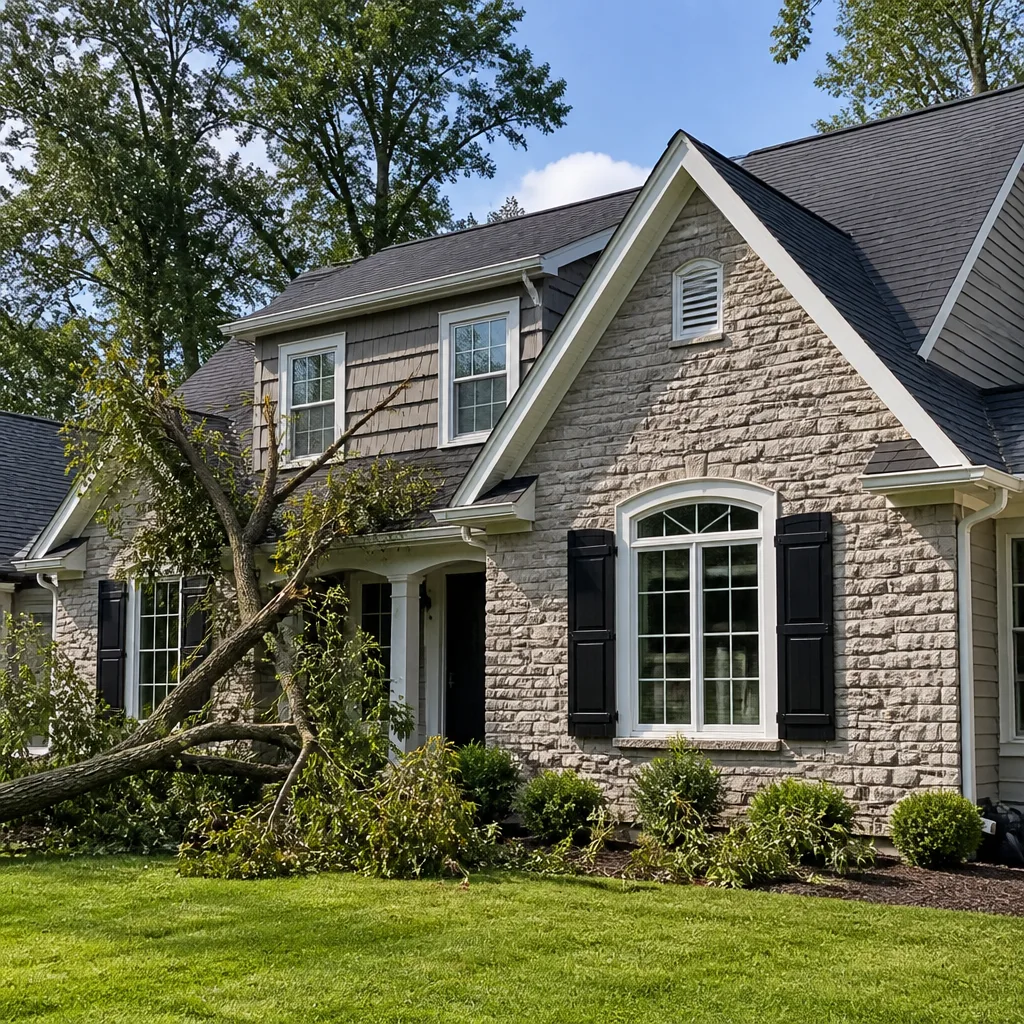
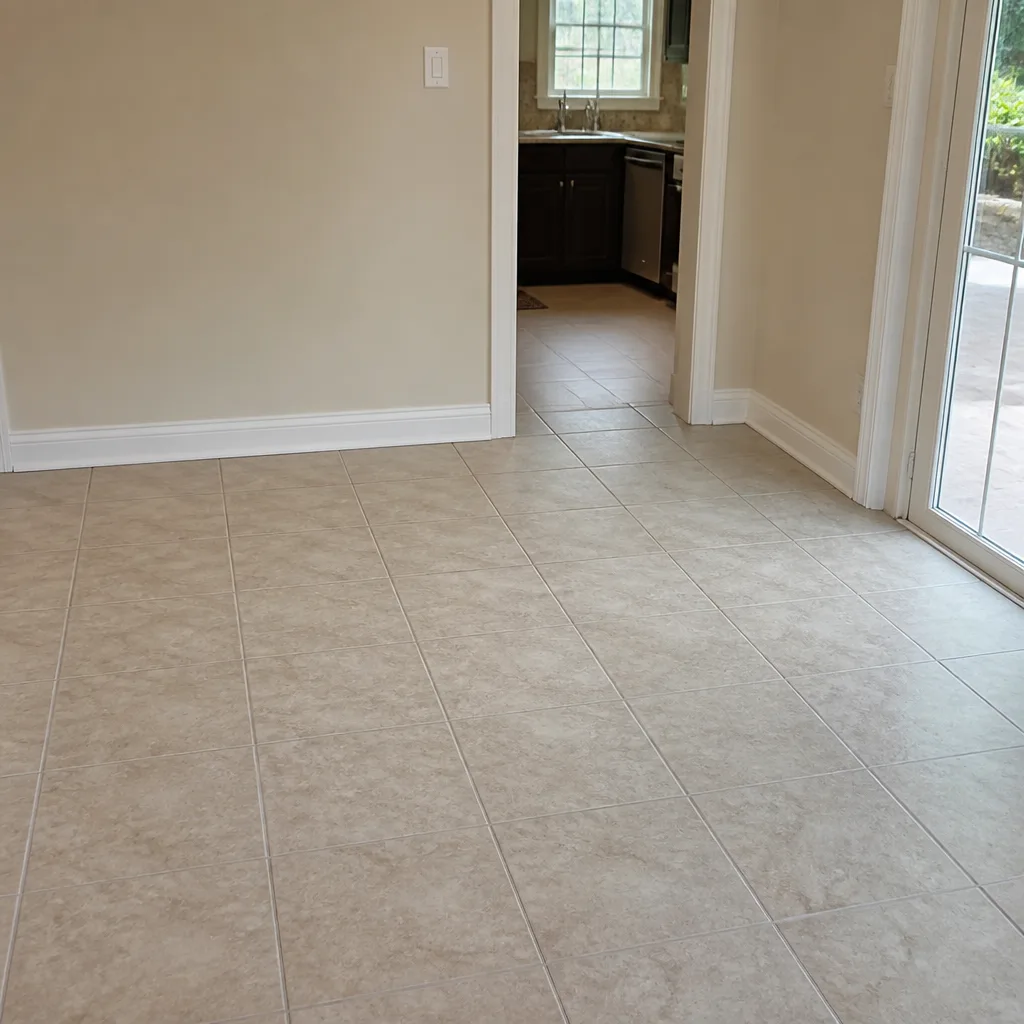
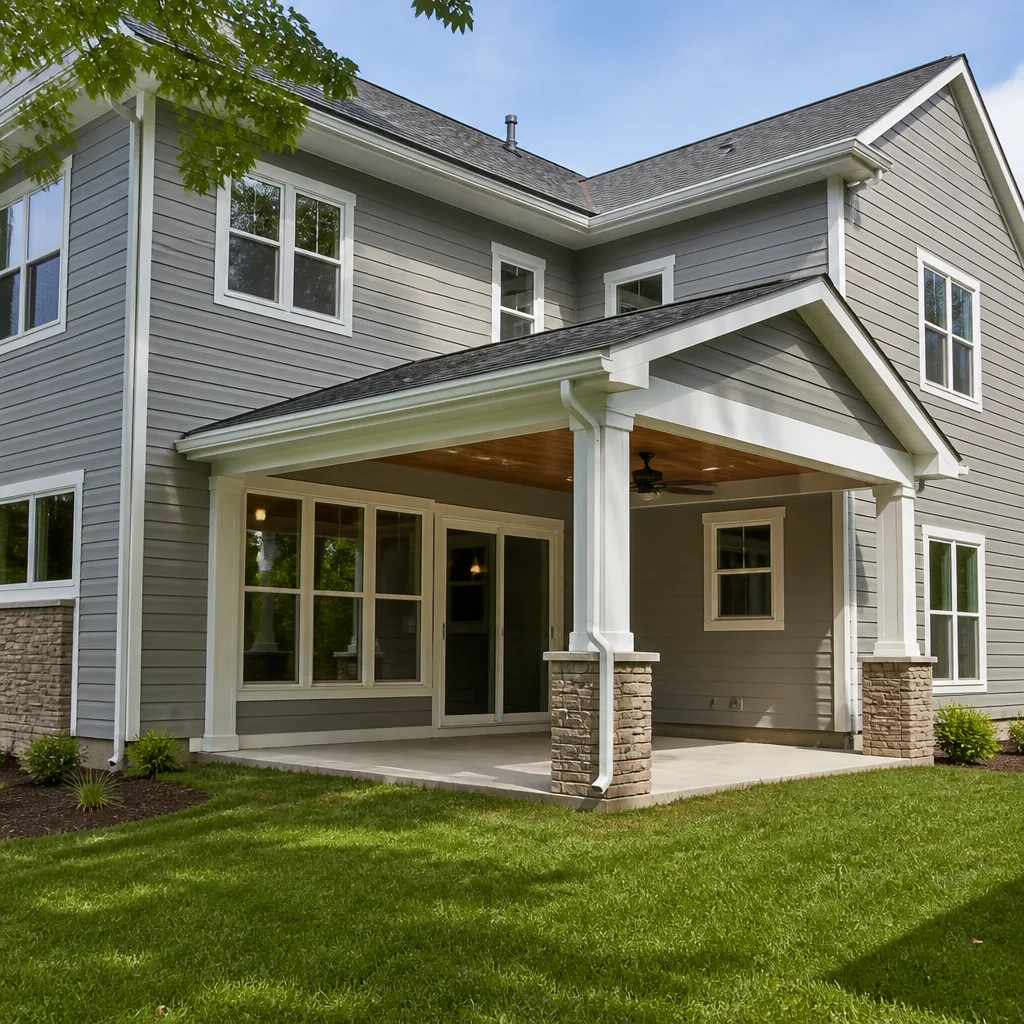
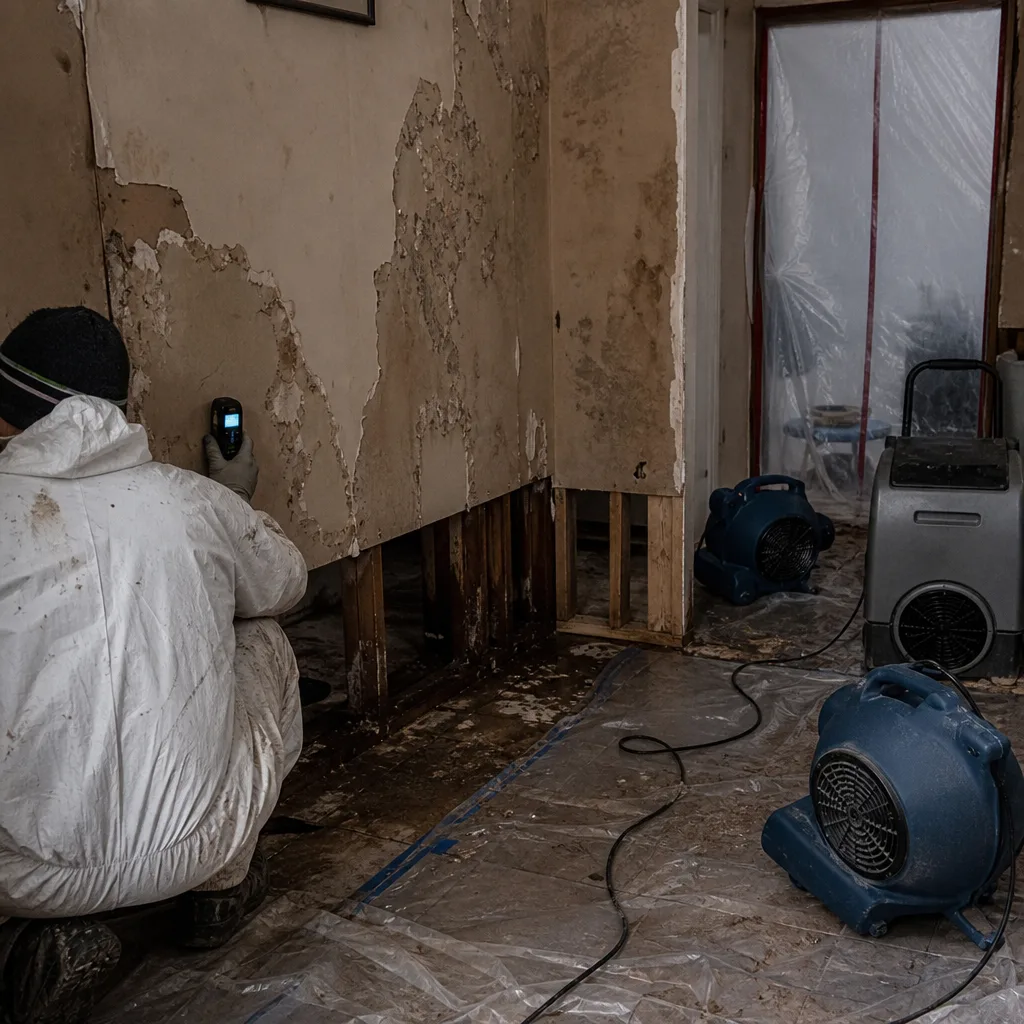 Before
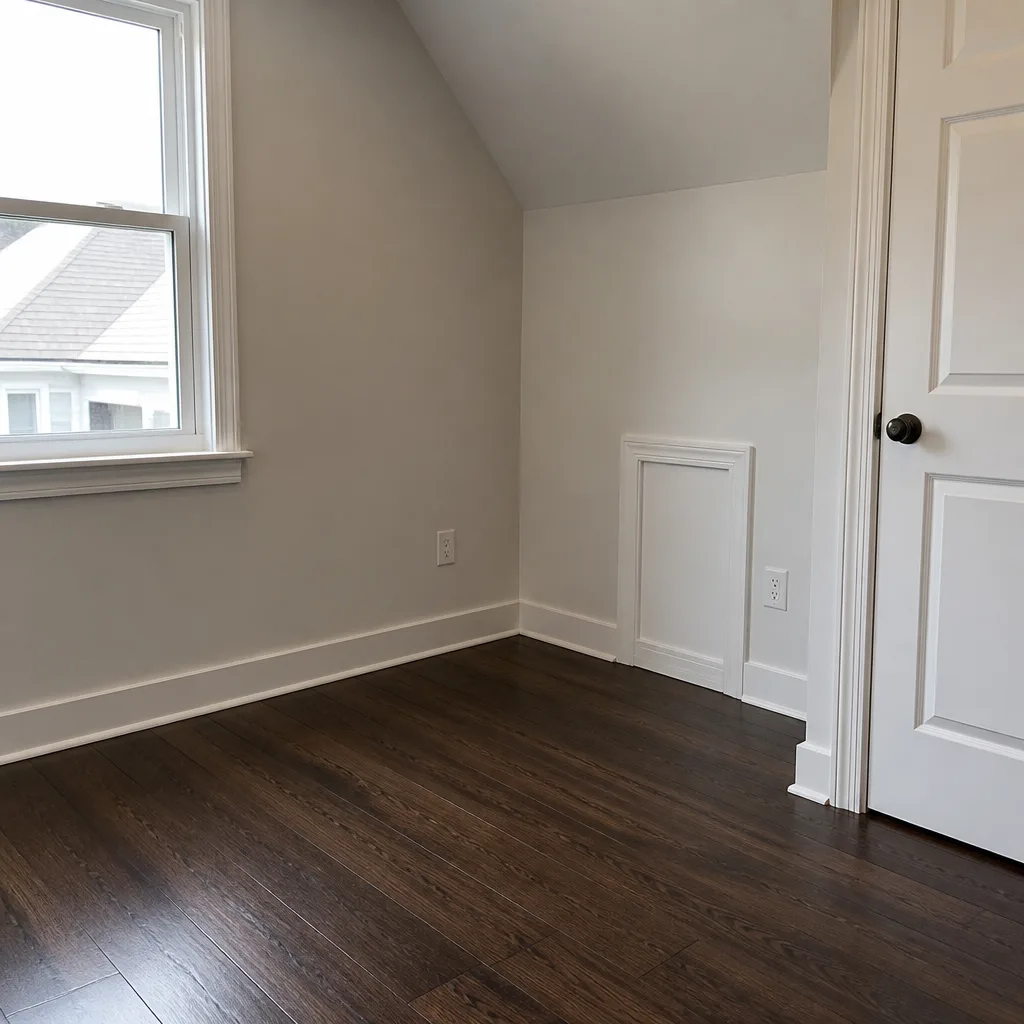 After
After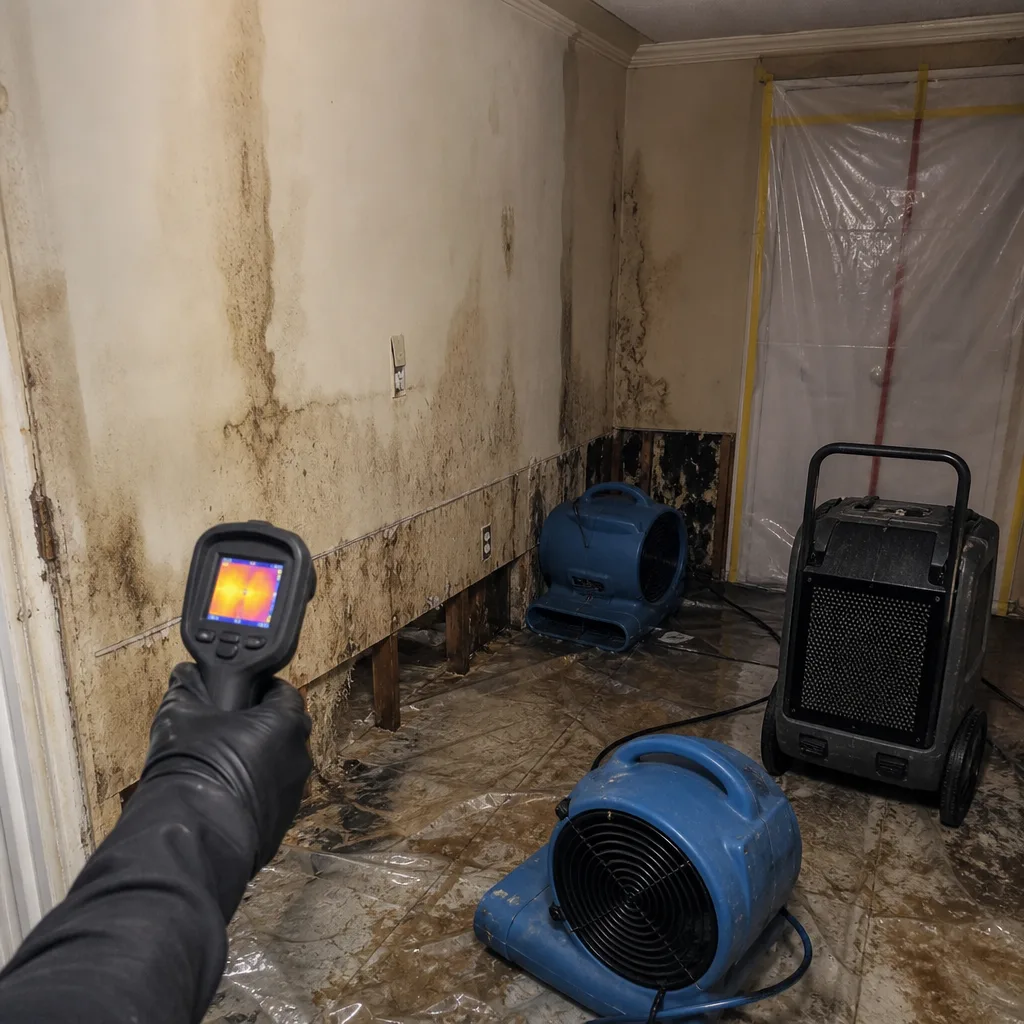 Before
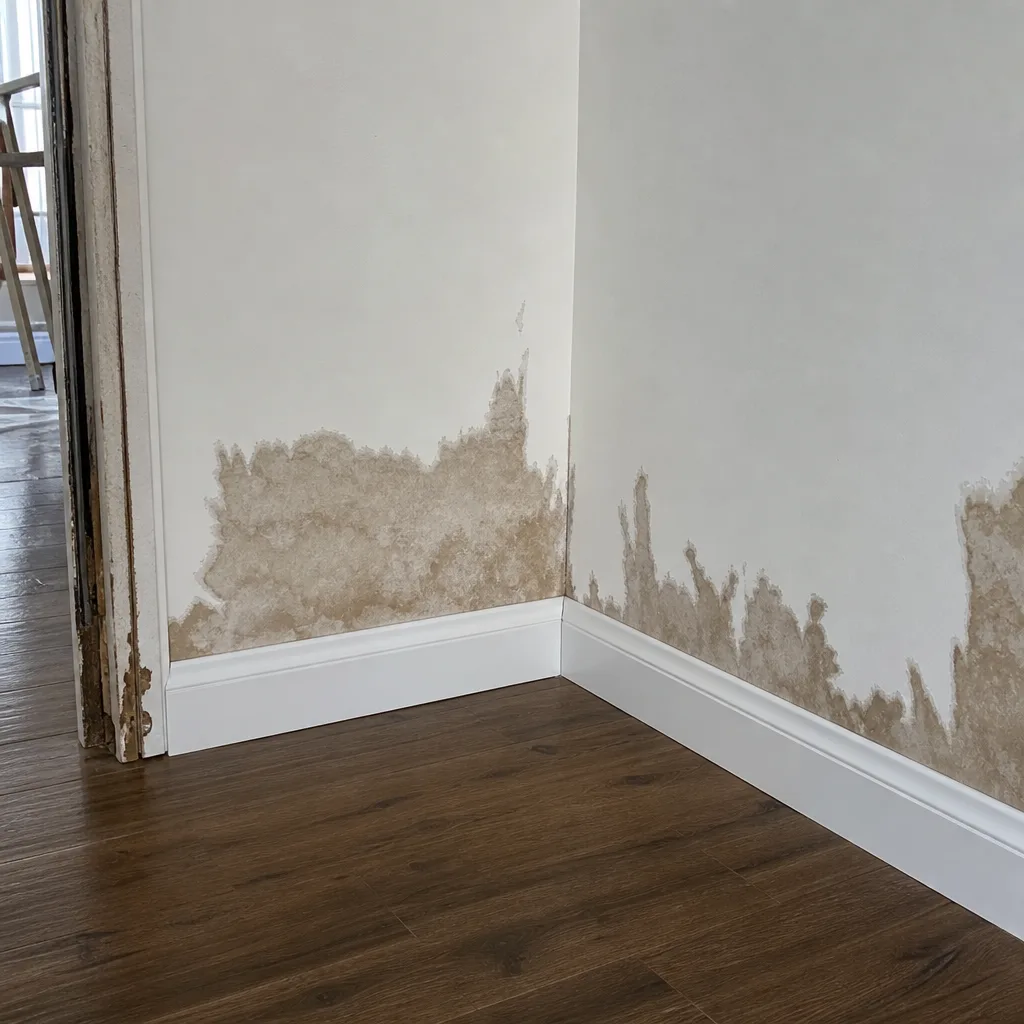 After
After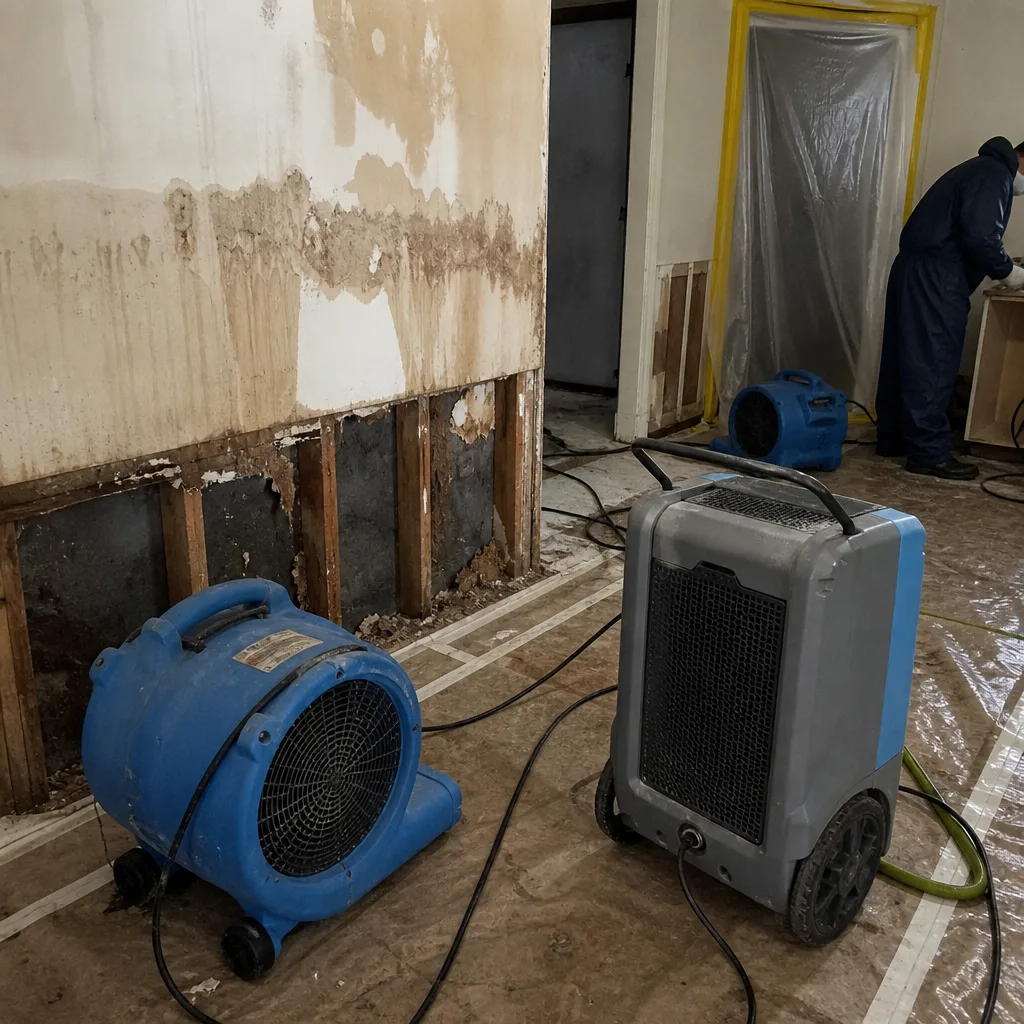 Before
 After
After24/7 Emergency Fire & Smoke Damage Restoration in Coney Island
Fire damage in Coney Island doesn’t wait for business hours, and neither do we. Floodline Restoration Co. answers live at (716) 412-2972 around the clock, every day of the year. A real dispatcher picks up at 2 a.m., not a recording, and a certified crew starts moving toward your block within 45 minutes. The first hour after a fire matters because soot begins etching glass, metal, and finished surfaces within minutes, and smoke odor sets deeper into wood lath and drywall with every passing hour. We’ll board up, tarp, and start the damage assessment the same visit, free visual inspection included.
Understanding Fire & Smoke Damage Restoration Severity in Coney Island Properties
Fire damage severity depends on three things: what burned, how far smoke traveled, and what the building was made of. Soot residue types tell the story. Dry soot from wood and paper sweeps off relatively easily. Oily or protein-based soot from kitchen fires and synthetics grips surfaces and requires solvent-based cleaning. Wet smoke residue from smoldering, low-oxygen fires leaves a sticky film that hardens into lacquer-like deposits. In Coney Island’s early 20th century wood-frame bungalows along Mermaid Avenue and Neptune Avenue, smoke migrates through open stud bays and settles in every cavity. In the mid-century NYCHA brick high-rises, smoke travels vertically through pipe chases and elevator shafts, spreading far beyond the fire unit. Salt air compounds everything. Corroded fasteners snap during board-up. Electrical boxes crumble when opened. A small kitchen fire in a bungalow elevated on post-Sandy concrete piers often reveals corroded Romex and pitted ductwork that must be replaced before structural repair can pass inspection. Severity here is never just about the fire. It’s about what the salt has already done to the building.
Why Coney Island Property Owners Choose Floodline Restoration Co.
- 45-minute response commitment – We dispatch crews from the New York City office the moment you call, and we’ll be on your Coney Island block within 45 minutes, not hours later.
- 24/7 live answer, always a person – No automated systems. A live dispatcher takes your call at any hour, knows the Coney Island streets, and starts your job immediately.
- IICRC-certified crews – Our technicians carry FSRT and OCT certifications for fire, smoke, and odor work, plus WRT for any water damage from suppression efforts. Background-checked and uniformed.
- Free visual inspection, written scope – We assess the damage, put the scope in writing, and agree on it with you before any chargeable work begins. No surprises on the bill.
- Direct insurance billing – We bill your carrier directly and coordinate with your adjuster. You don’t play messenger between Floodline and the insurance company.
- One team from board-up to rebuild – The same certified crew that reads the soot map on day one handles the daily moisture readings, hands you the log, and rebuilds what the fire took.
Our Fire & Smoke Damage Restoration Process
Inspection & Assessment
We walk the entire structure, not just the fire room. Thermal imaging finds heat migration inside walls. We test soot residues to choose the right cleaning chemistry, and we map every surface touched by smoke. In Coney Island, that includes checking the undercarriage on elevated bungalows for salt corrosion before we commit to a repair scope.
Board-Up, Tarping & Stabilization
We secure the structure first. On ocean-facing windows, we use wind-rated board-up systems built for nor’easter gusts, not standard plywood and staples. Structural shoring goes in where load-bearing members are compromised. The goal is a sealed envelope within the first visit.
Water Extraction & Drying
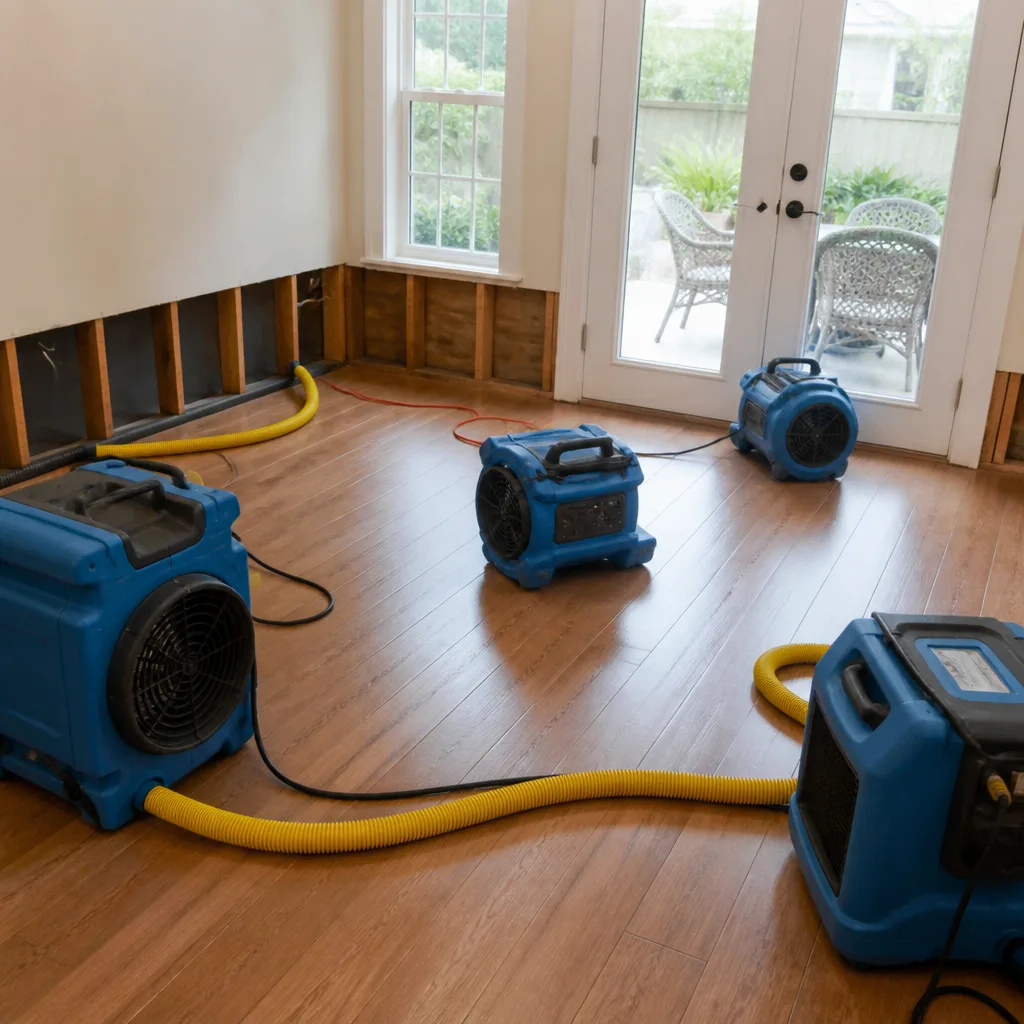
Fire suppression leaves water behind. We extract standing water with truck-mounted units, then set professional-grade Dri-Eaz and Phoenix air movers and dehumidifiers. Hygrometers track daily moisture readings until we hit the dry standard. In salt-exposed bungalows, we check for hidden moisture wicked into salt-crusted framing.
Soot & Smoke Removal
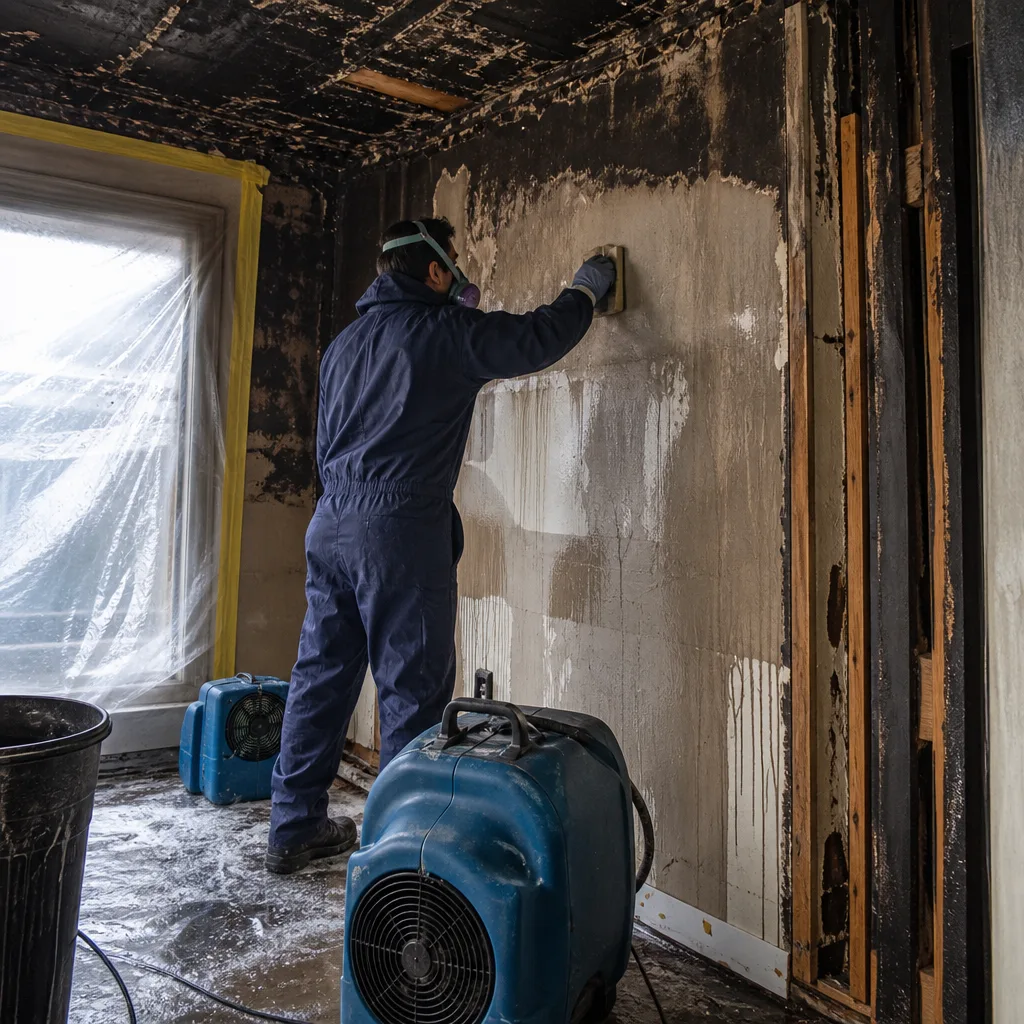
Crews use HEPA vacuums and dry sponges for loose soot, then solvent-based cleaning for oily residues. We run HEPA air scrubbers from day one to capture airborne particulates. In Coney Island’s older homes, this means getting into every stud bay, every joist cavity, every gap where smoke traveled.
Odor Removal & Deodorization
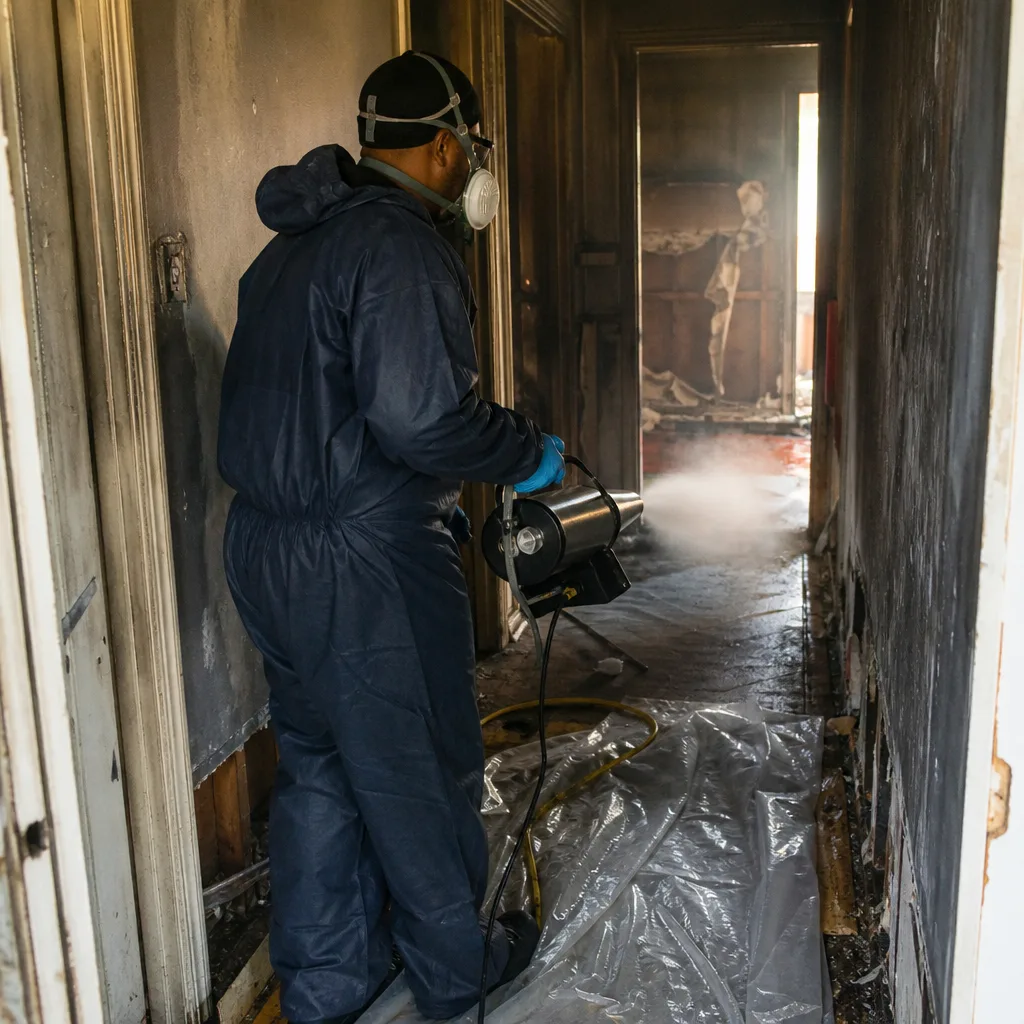
Masking agents don’t work here, and we don’t use them. We remove the source first, then treat surfaces with thermal fogging or hydroxyl generators as appropriate. On 100-year-old wood lath, this means sealing every unsealed gap after source removal. Salt-and-soot odor hides in those cavities and comes back if you skip this step.
Structural Repair & Reconstruction
The same crew that did the demo does the rebuild. We replace charred framing, re-pull corroded wiring where the salt got to it, hang new drywall, and finish to match. You get one name to hold accountable, and the 90-Day Done Right Promise in writing when we’re done.
Need Emergency Fire & Smoke Damage Restoration in Coney Island Now?
Crews minutes away, answering live 24 hours a day. The sooner we start, the less it costs.
Working With Your Insurance Company
Most Coney Island fire losses are covered claims, and we handle the paperwork side so you don’t have to. From the first hour, we document everything: photos of every room, all contents, the board-up, the extraction. We log moisture readings daily and hand the log to your carrier. We write a detailed line-item scope of work using industry-standard estimating software, and we talk to your adjuster directly. You never have to relay messages between us and the insurance company. If your claim involves NFIP flood insurance because storm surge followed the fire, we know those policies and their elevation compliance reviews from post-Sandy work all over Coney Island.
What We Provide Your Insurer
- Thorough documentation of the loss
- Photos of all damage, room by room
- Moisture readings and drying logs
- A detailed, line-item scope of work
- Direct coordination with your carrier
Built for Coney Island’s Loss Calendar
Coney Island fire losses don’t follow a neat schedule, but the patterns are real. Winter sees space heaters and overtaxed electrical panels in 100-year-old bungalows with original wiring. Spring storm season brings wind-driven rain through roofs and walls already weakened by salt air, creating electrical shorts that spark. Summer means kitchen fires and grill fires, often spreading through open windows to wood siding. Nor’easter season from September through March brings power flickers, downed lines, and surge damage. And every year-round, the salt does its quiet work. Corroded junction boxes arc. Corroded fasteners fail. On post-Sandy elevated homes, the open-air undercarriage exposes HVAC, ductwork, and wiring to Atlantic salt air daily, so any fire event becomes a pre-existing corrosion event too. We plan for all of it, and our crews know what Coney Island buildings face before they arrive.
Fire & Smoke Damage Restoration Across Coney Island’s Neighborhoods
Crews responding to fire calls in Coney Island move through distinct corridors, each with its own building patterns. Around West 8th Street and the amusement district, we see mixed-use buildings where commercial kitchen fires spread into upper residential units. Along Mermaid Avenue between Stillwell and West 17th, the bungalow blocks are the heart of the post-Sandy elevation pattern, and nearly every fire job there uncovers salt corrosion in the undercarriage. In the NYCHA high-rises off Surf Avenue and Neptune Avenue, smoke migrates vertically through pipe chases, and restoration often means treating units above and below the fire unit. Out toward Brighton Beach and Seagate, ocean-front buildings face the full force of nor’easter wind and salt spray, so board-up systems need real wind ratings. Each of these areas has a different building type, a different fire spread pattern, and a different set of restoration requirements. Our dispatchers and crews know them all.
Specialized Fire & Smoke Damage Restoration Services We Offer in Coney Island
Fire Damage Cleanup
We remove charred materials, clear debris, and clean all salvageable surfaces. In Coney Island’s older wood-frame homes, this often means working around the post-Sandy elevated undercarriage where salt damage has compromised structural fasteners. We don’t treat the fire room in isolation. We treat the whole envelope the smoke touched.
Smoke & Soot Removal
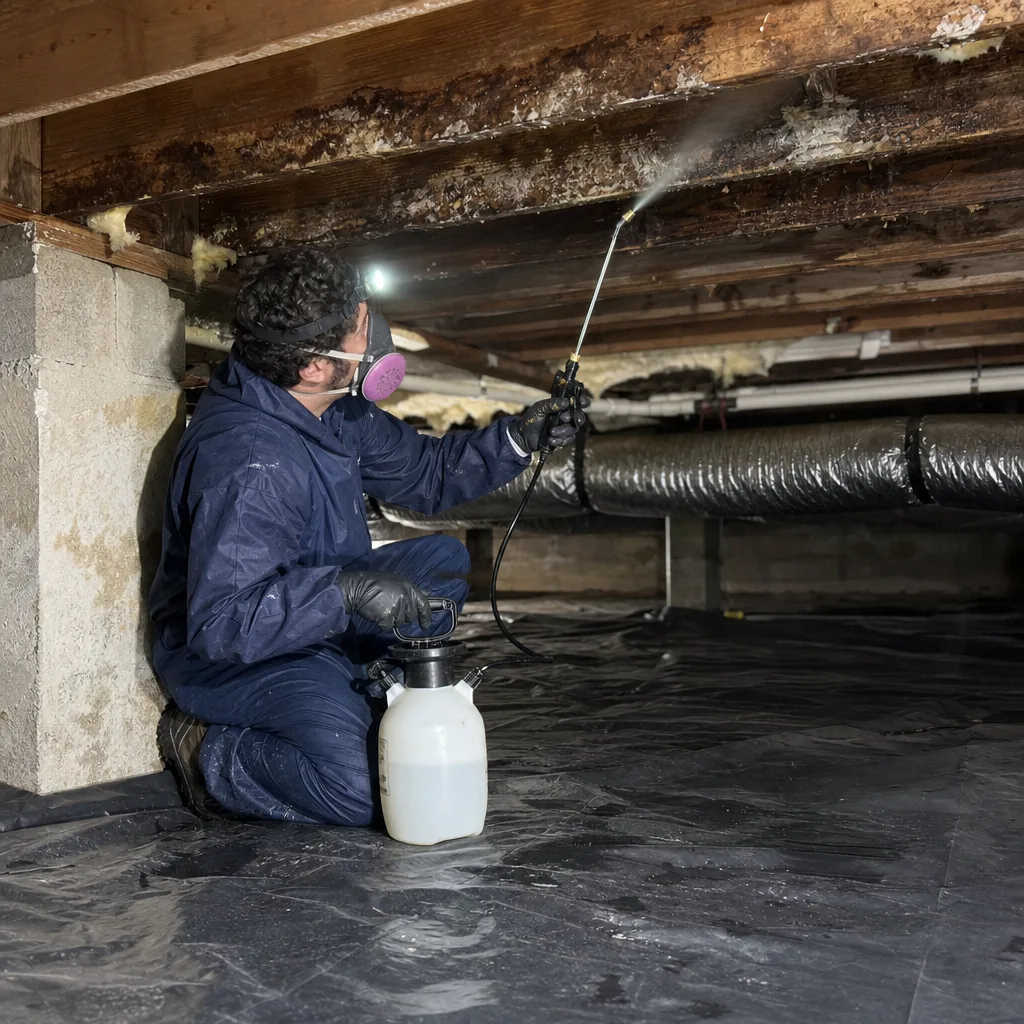
Soot is acidic and etches surfaces fast. We clean walls, ceilings, fixtures, and framing using HEPA vacuums, dry sponges, and solvent-based chemistry appropriate to the residue type. On Mermaid Avenue bungalow jobs, we’ve pulled soot out of open crawlspaces where it had settled into salt-crusted floor joists, and every movement kicked up dust that HEPA air scrubbers had to catch before it resettled in the stud bays.
Odor Removal & Deodorization
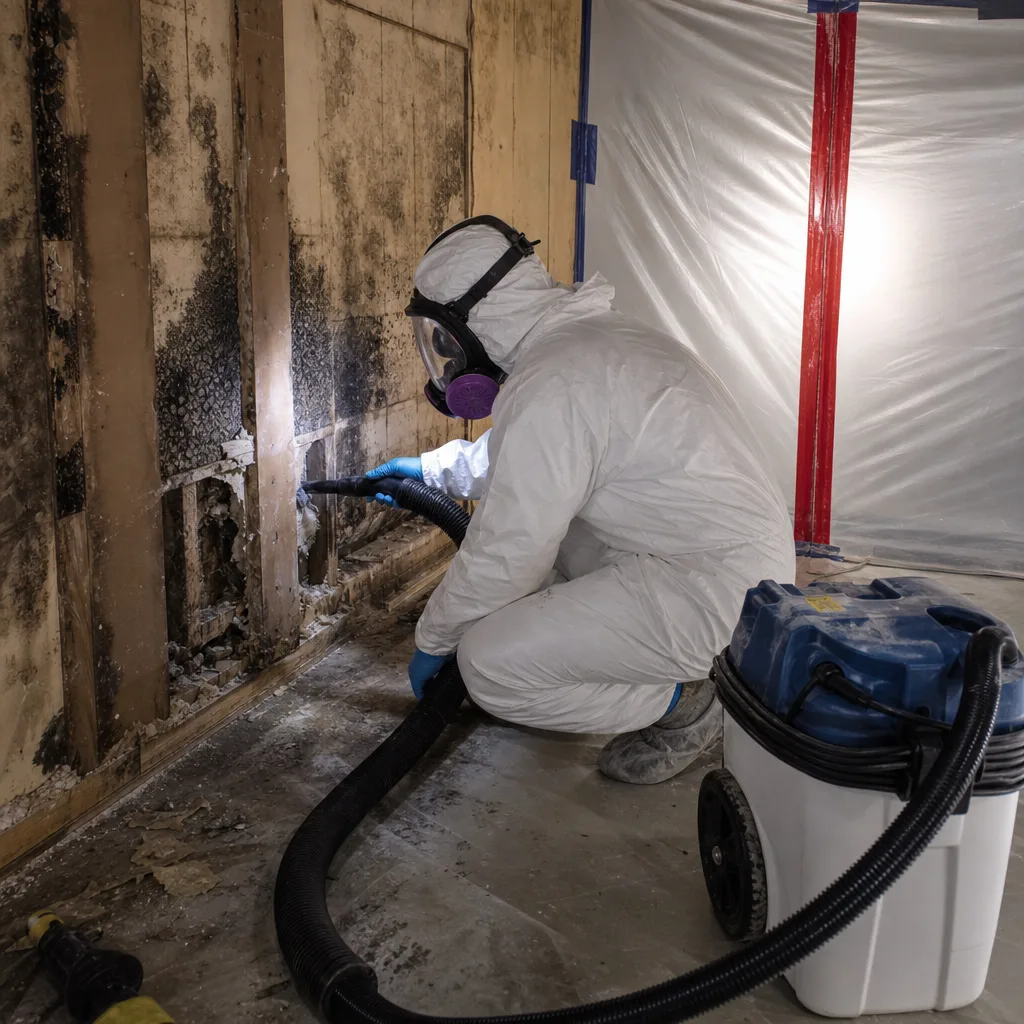
Smoke odor in 100-year-old wood lath is a different problem than in modern drywall. The smell seeps into every gap, every cavity, every unsealed seam. We remove the source first, then seal and treat. Rushed jobs that fog masking agents fail within a month. We don’t. We stand behind it with the 90-Day Done Right Promise in writing.
Contents Cleaning & Pack-Out
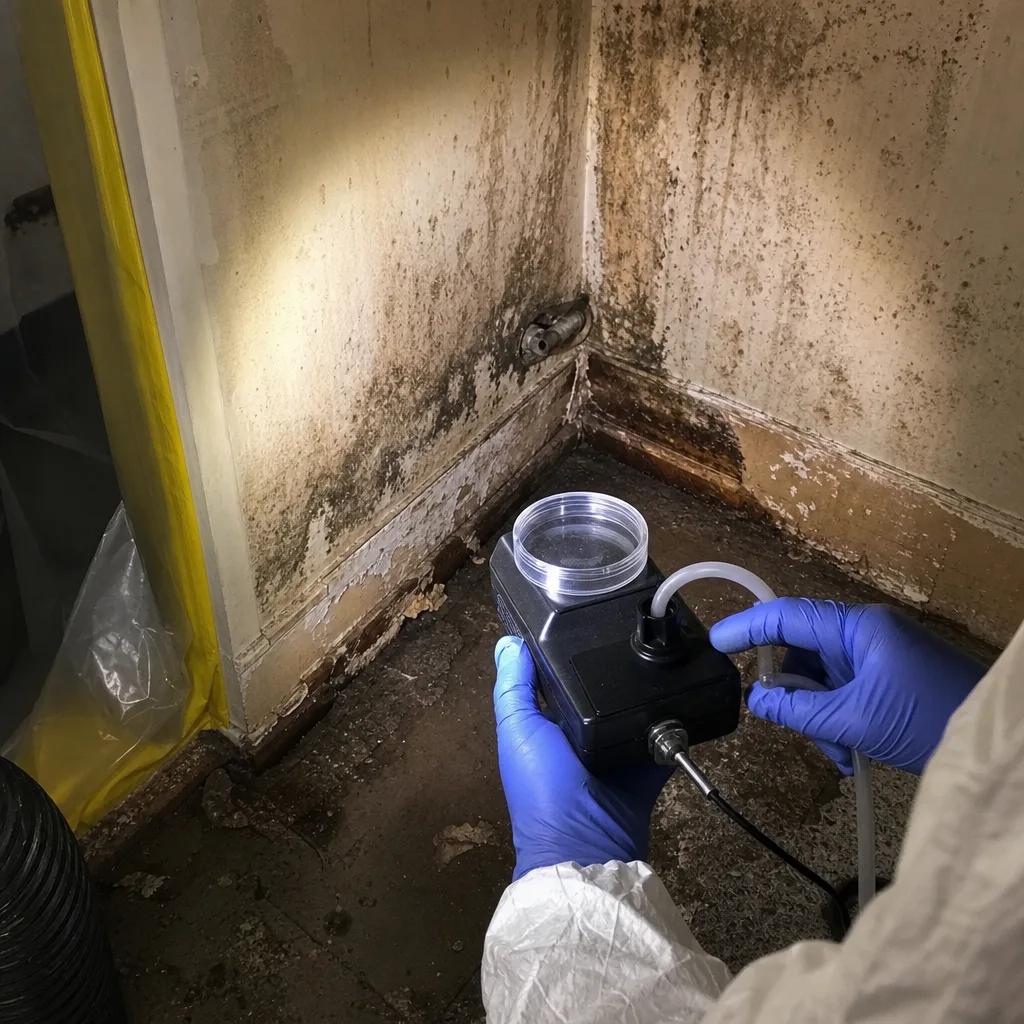
Your belongings get inventoried, packed, cleaned, and stored in our secure facility if needed, then returned when the structure is ready. For homes elevated after Sandy, contents in the open undercarriage or garage are often salt-damaged before the fire ever happened. We document that distinction for your claim, because it changes what’s restorable and what’s already lost to corrosion.
Emergency Board-Up & Tarping
On ocean-facing windows and doors in Coney Island, standard plywood and staples don’t hold through a nor’easter. We use wind-rated systems built for 100-plus mph gusts. The goal is a sealed envelope the same visit, so the fire-damaged interior doesn’t get a second hit from saltwater and driving rain while you wait for reconstruction.
What happens when you call
- 1
A real person answersNo phone trees - you reach a local pro.
- 2
You get an upfront price rangeHonest numbers before anyone is dispatched.
- 3
A background-checked tech heads outLicensed & insured, dispatched right away.
- 4
You approve before work beginsNothing starts until you say go.
Fire & Smoke Damage Restoration Costs in Coney Island, NY
A typical smoke and soot cleanup in a Coney Island bungalow runs $2,500 to $6,000. Full fire restoration including structural repair and contents cleaning ranges from $15,000 to $40,000 depending on square footage and how far smoke traveled. Board-up and tarping alone runs $400 to $1,200, with wind-rated systems on ocean-facing openings at the higher end. NYCHA high-rise units trend toward the lower ranges because the footprint is smaller, but vertical smoke migration can push costs up. The variables are building age, whether the home was elevated post-Sandy, salt corrosion in mechanical systems, and how quickly the board-up happened. Insurance typically covers the bulk of the work. We provide a free visual inspection and a written scope before any chargeable work begins, and we bill your carrier directly. Call (716) 412-2972 for specifics on your property.
We Also Serve Cities Near Coney Island
Floodline Restoration Co. also provides Fire & Smoke Damage Restoration in Canarsie, Flatlands, Howard Beach, and Spring Creek. Same crews, same 45-minute response, same 90-Day Done Right Promise in writing.
Serving Coney Island, NY - Our Local Coverage Area
We’re based in the Coney Island area and know this community well. Use the map below to see our service coverage - if you’re nearby, we can almost certainly help.
Coney Island Fire & Smoke Damage Restoration Questions, Answered
How do I know if my Coney Island bungalow’s salt-corroded wiring is a fire hazard after a small kitchen fire?
Salt-corroded wiring is a fire hazard whether or not you’ve had a fire, and a small kitchen fire often exposes what’s already failing. If you notice flickering lights, warm switch plates, a fishy smell near outlets, or visible corrosion on exposed Romex in an open undercarriage, call us at (716) 412-2972 for an inspection. We check continuity and insulation integrity before any structural repair proceeds. On Mermaid Avenue and Neptune Avenue bungalows elevated after Sandy, this is one of the most common follow-ups to a fire call. Corroded circuits don’t improve on their own.
Do I need a wind-rated board-up for a fire-damaged window facing the ocean, or will standard plywood do?
You need wind-rated board-up. Standard plywood and staples will rip off in a nor’easter or tropical storm, and then your fire-damaged interior takes on saltwater and driving rain while you wait for reconstruction. On ocean-facing openings in Seagate, Brighton Beach, and anywhere west of West 8th Street, we use systems engineered for 100-plus mph gusts. The board-up is part of your insurance claim, and we document it properly for your adjuster.
Why does smoke odor come back after a restoration company has already ‘deodorized’ my Coney Island house?
Because the source was never removed. Masking agents fade within weeks, and the salt-and-soot residue in 100-year-old wood lath keeps off-gassing through every unsealed gap. In Coney Island homes especially, smoke travels into open stud bays, crawlspaces, and post-Sandy undercarriages where fogging never reaches. We remove the source, seal the cavities, and treat the air with hydroxyl generators where appropriate. If the smell comes back within 90 days, the 90-Day Done Right Promise covers it, in writing. Call (716) 412-2972 and ask us to re-inspect.
What’s the difference between fire damage restoration in a NYCHA high-rise versus a Coney Island bungalow?
Vertical smoke migration. In a NYCHA high-rise off Surf Avenue or Neptune Avenue, smoke rises through pipe chases, elevator shafts, and shared walls, so fire damage in one unit often means smoke damage in the units above and below. Restoration scopes must address multiple adjoining units and common areas. In a standalone bungalow, smoke stays in the one structure but settles into every stud bay and the undercarriage if the home was elevated. Different spread patterns, different drying and cleaning strategies, different costs.
Does a post-Sandy elevated bungalow need different fire-damage contents cleaning than a home that was never elevated?
Yes. In an elevated bungalow, items stored in the open undercarriage, garage, or unfinished ground floor have been exposed to Atlantic salt air for years. We document pre-existing corrosion separately from fire damage because your insurer’s adjuster needs to see the distinction. Contents in the elevated living space still get standard pack-out and cleaning, but the undercarriage items are often already beyond restoration from salt before the fire ever started. That changes the claim and the scope.
How fast can someone actually get to my Coney Island property after a fire?
Within 45 minutes from the time you call (716) 412-2972. Our dispatch is live 24/7, and crews are positioned to reach Coney Island, Brighton Beach, and Seagate quickly. Board-up and tarping start the same visit. The sooner the envelope is sealed, the less soot etching you’ll deal with, and the lower your total restoration cost.
Will my insurance cover fire and smoke damage restoration in Coney Island?
Most standard homeowners policies cover fire and smoke damage, including board-up, tarping, contents cleaning, and structural repair. If storm surge followed the fire and NFIP flood insurance enters the claim, we know those policies from post-Sandy work all over Coney Island and we coordinate directly with your adjuster. We bill your carrier directly. You don’t play messenger. Call (716) 412-2972 and we’ll walk your policy with you on the phone.
What should I do in the first 30 minutes after a fire in my Coney Island home?
Call 911 first if you haven’t already. Then call Floodline Restoration Co. at (716) 412-2972. Don’t re-enter the structure until the fire department clears it. Don’t wipe soot yourself. Soot is acidic and wiping it pushes it deeper into surfaces. Don’t turn on any electrical devices or HVAC. We’ll board up, tarp, and start the damage assessment the same visit, free visual inspection included.
Salt Air, Old Wood, and the Coney Island Fire Restoration Problem No National Franchise Talks About
Coney Island’s post-Sandy bungalow elevations on concrete piers created a fire-restoration trap that standard training doesn’t cover. The open-air undercarriage leaves HVAC equipment, ductwork, and wiring perennially exposed to salt air year-round. By the time a fire triggers a restoration call, the mechanical systems are often half-corroded already. A small kitchen fire in an elevated bungalow frequently uncovers pitted flex ducts and corroded Romex that must be replaced before structural fire repair can pass inspection. National franchises that treat fire damage as a standalone event miss this entirely. They’ll clean the soot and walk away, and six months later the furnace fails or a junction box arcs. We deal with it on day one because we’ve worked this neighborhood long enough to know what’s waiting under the floor.
On a Mermaid Avenue bungalow fire job, our techs found smoke had traveled into an open crawlspace where the owner had elevated after Sandy. Salt air had already pitted the flex ducts and corroded the Romex, so after smoke and soot removal we had to replace the duct runs and re-pull wiring before structural fire repair could begin. We ran HEPA air scrubbers for containment while we worked, because every movement kicked up salt-and-soot dust that would otherwise settle back into the stud bays. That’s the difference between a surface clean and a real restoration in Coney Island. We stand behind it with the 90-Day Done Right Promise, in writing, no arguing.
If you’re dealing with fire or smoke damage in Coney Island, call (716) 412-2972 now. A live person answers. We’ll be there when we say. Done right, and backed in writing.
Written by Curt Bowman, Owner at Floodline Restoration Co., serving Coney Island and surrounding Brooklyn communities.