

Free visual inspection and a written scope of work before any mitigation begins - photos, moisture readings, and drying logs go in your claim file
The scope we write is the scope we bill. Anything new gets shown to you, in writing, before we touch it.
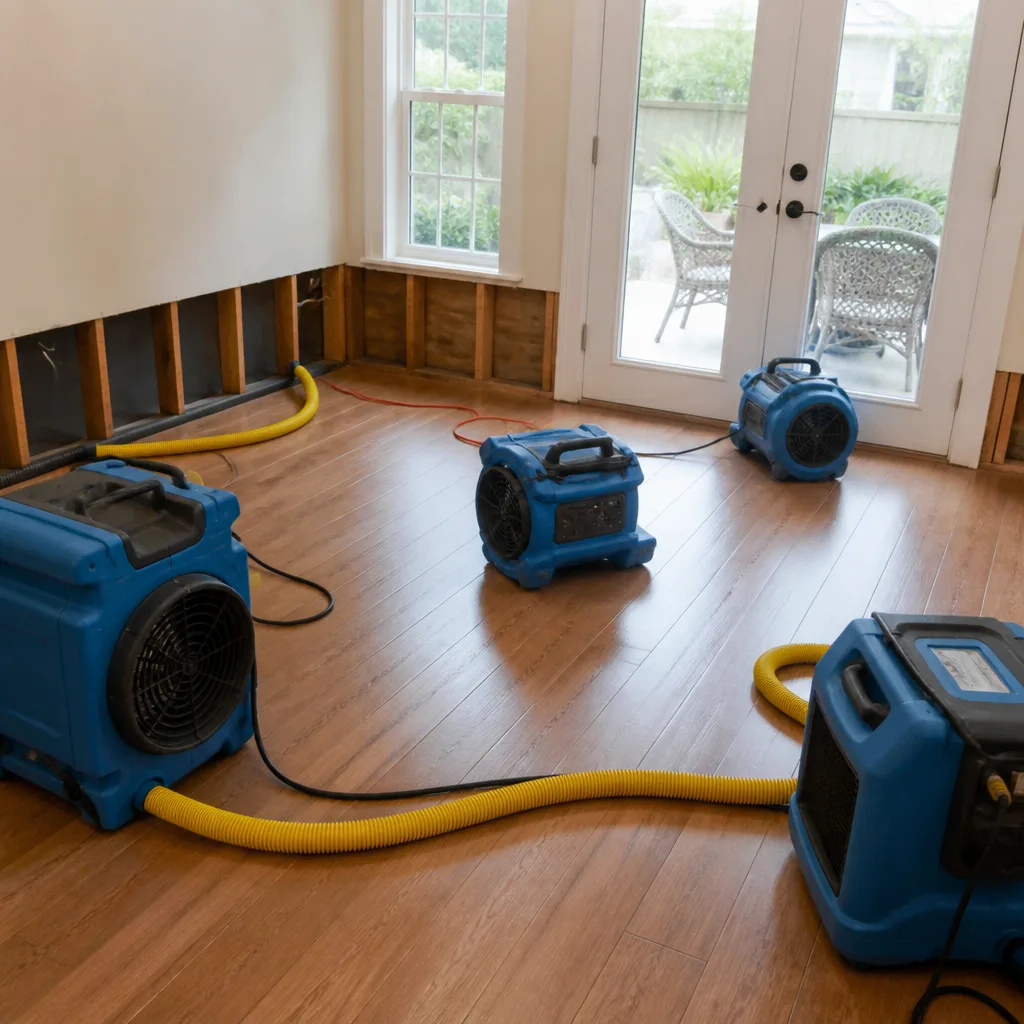
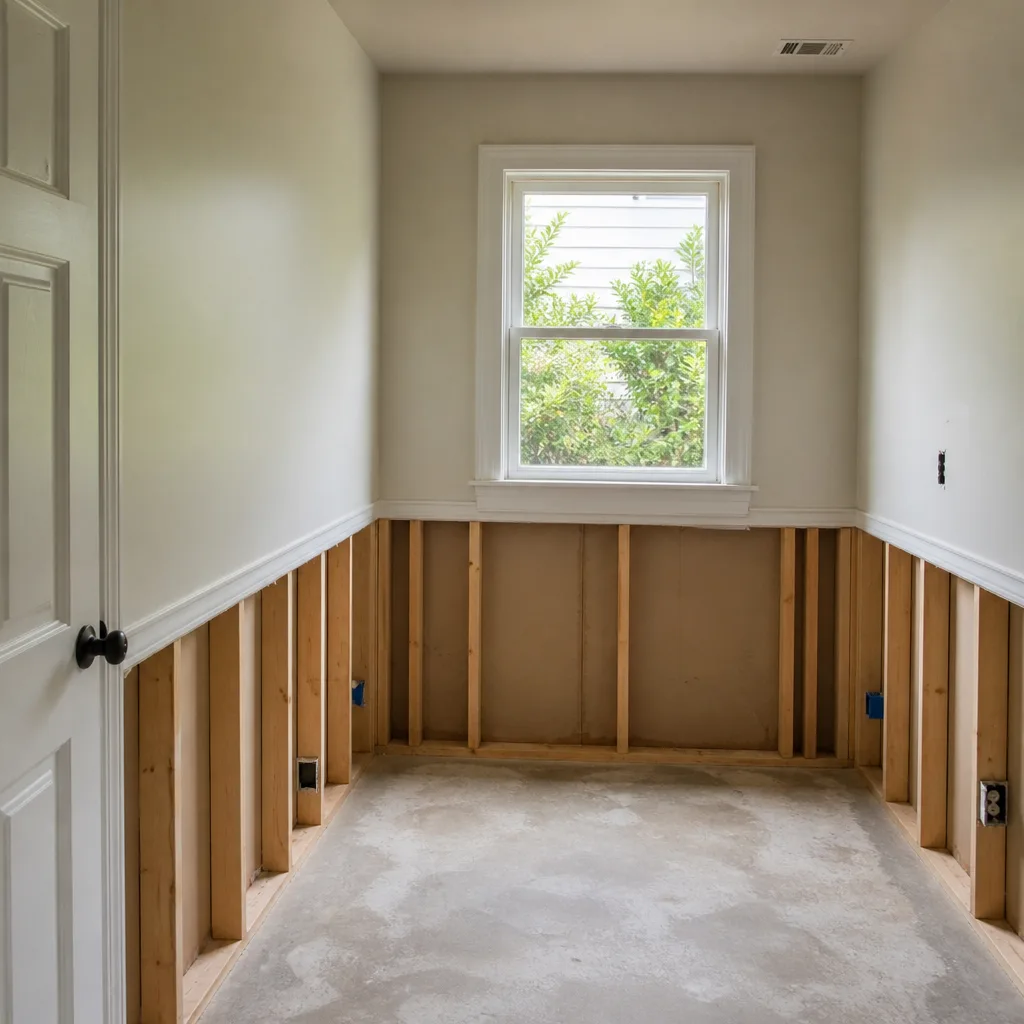
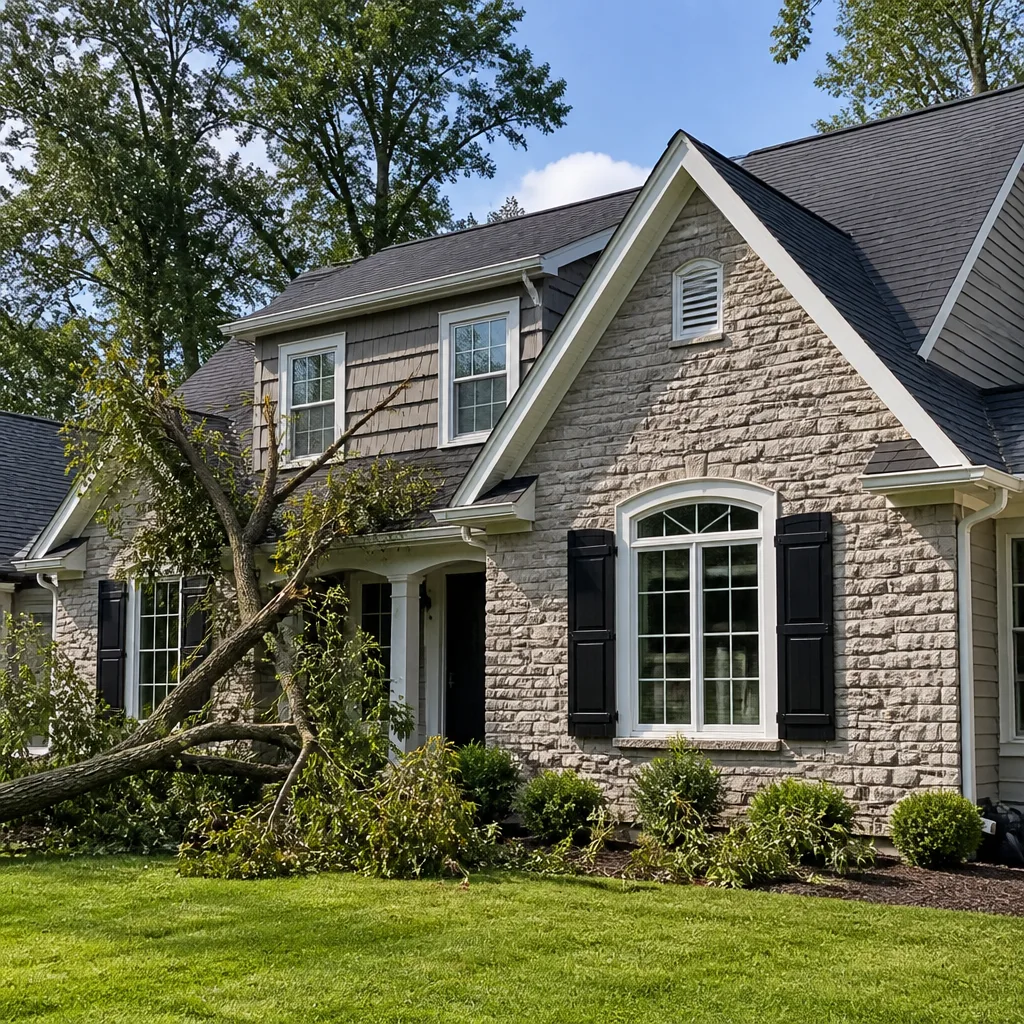
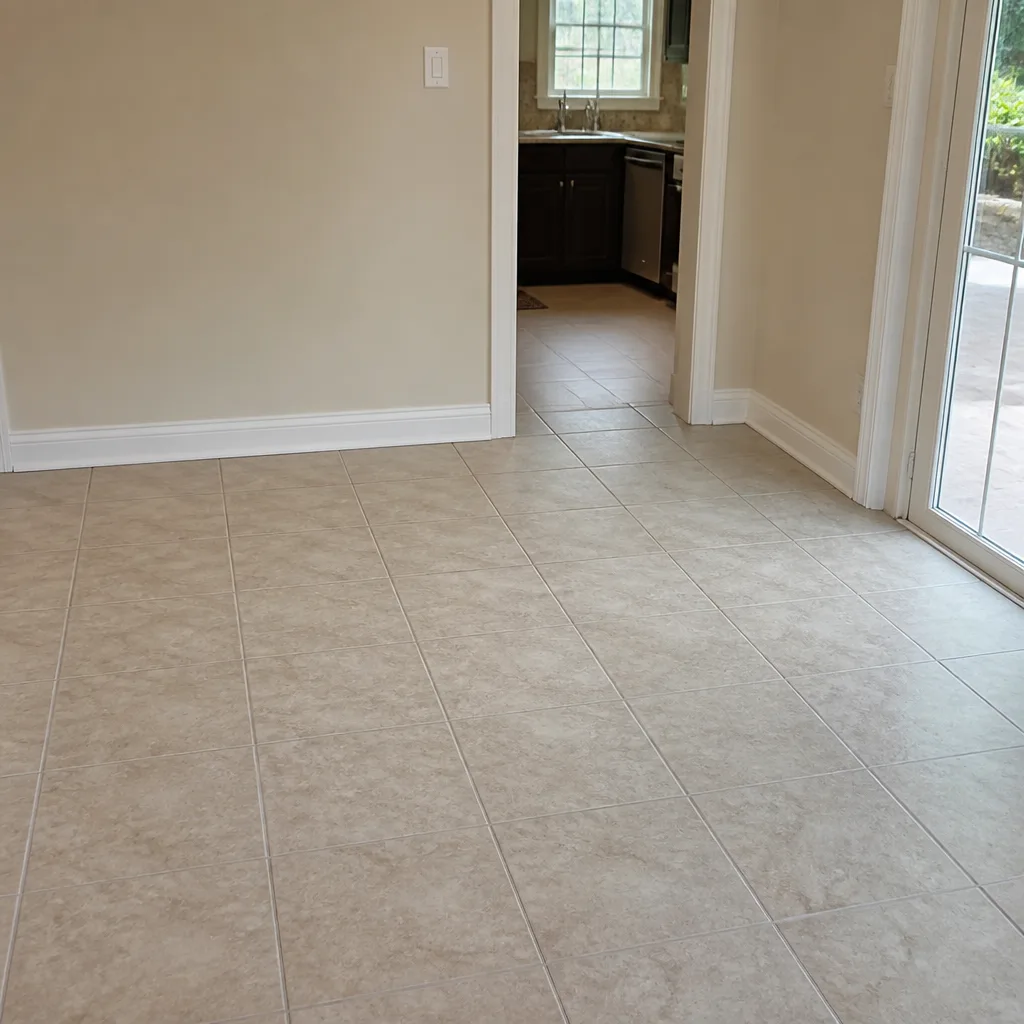
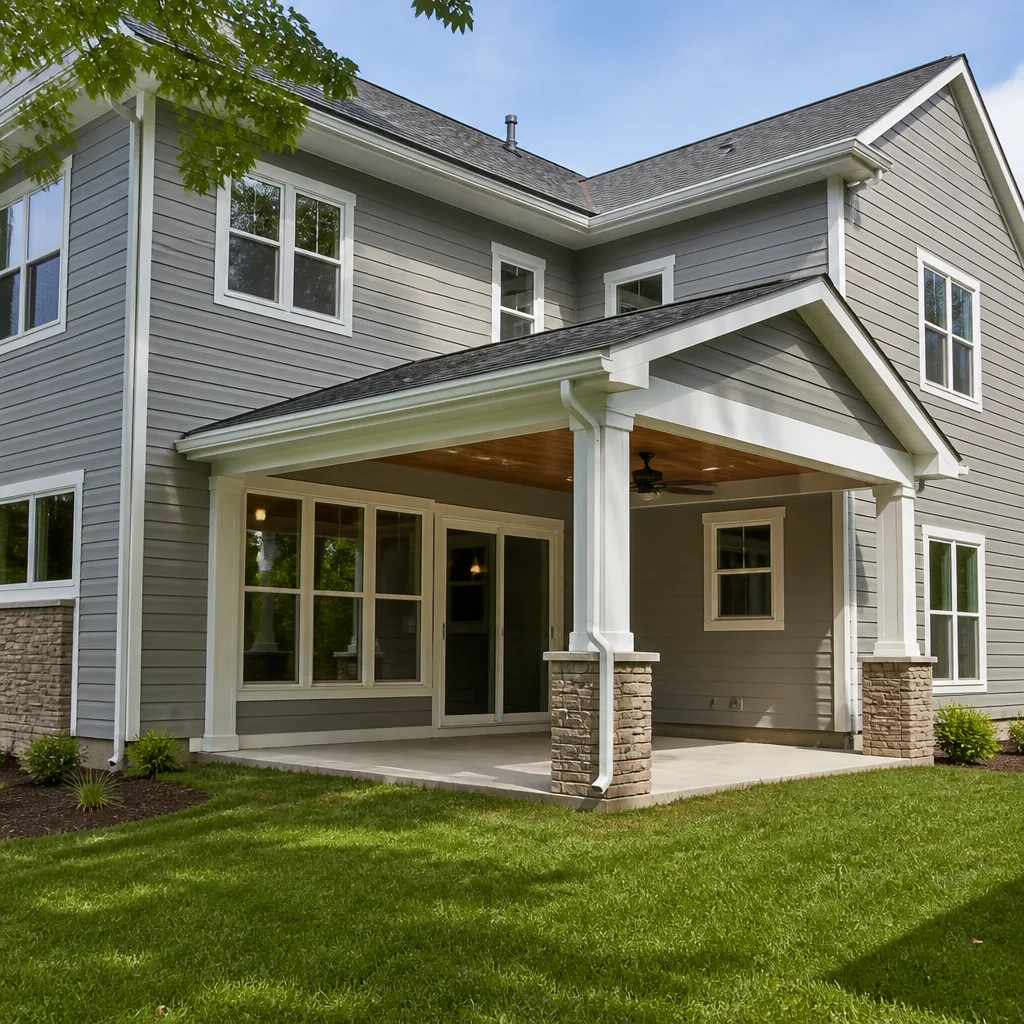
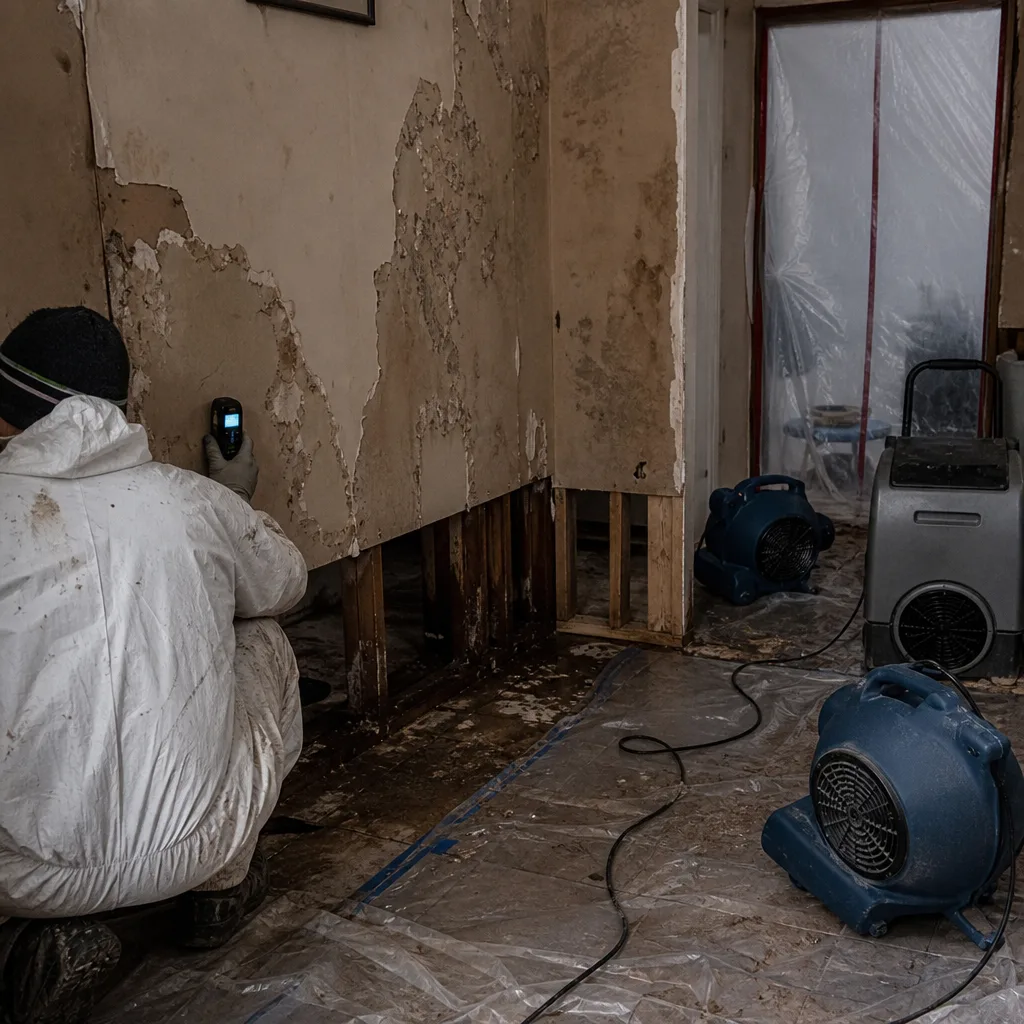 Before
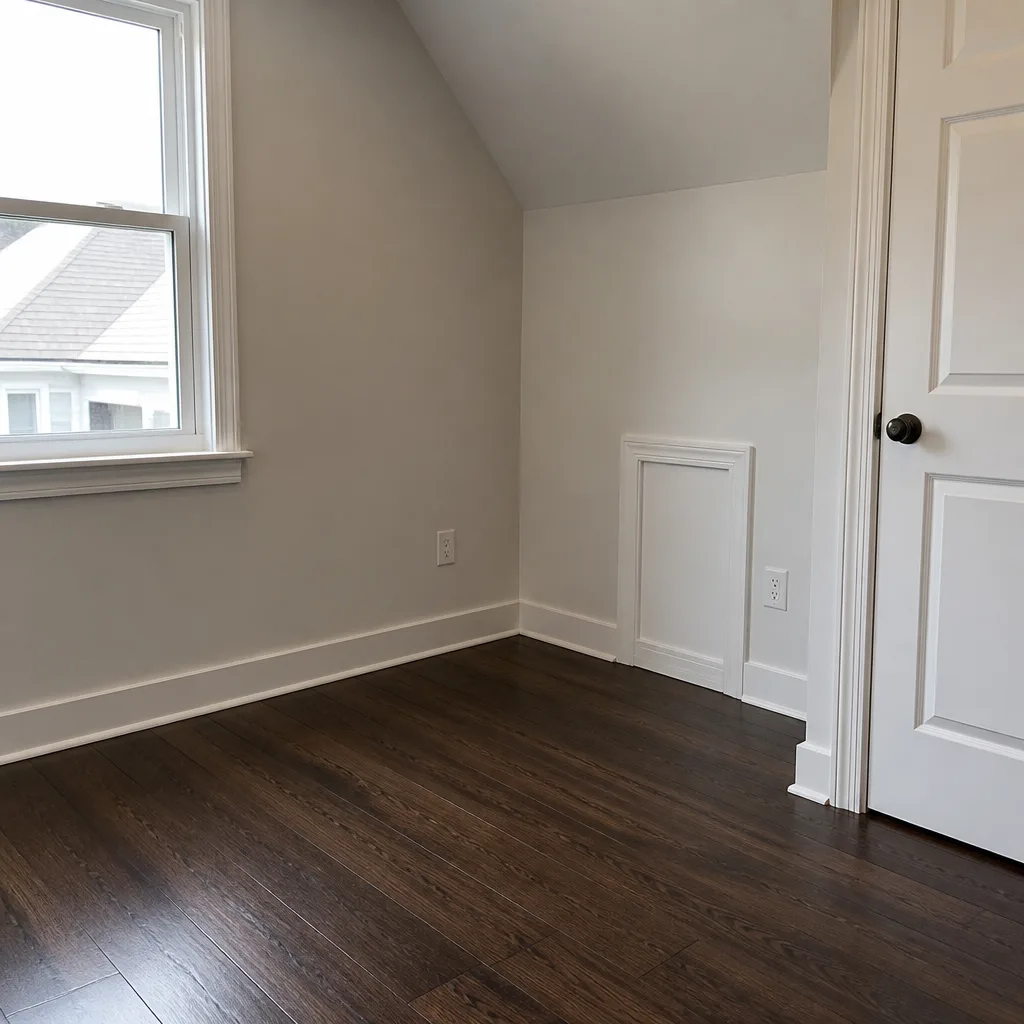 After
After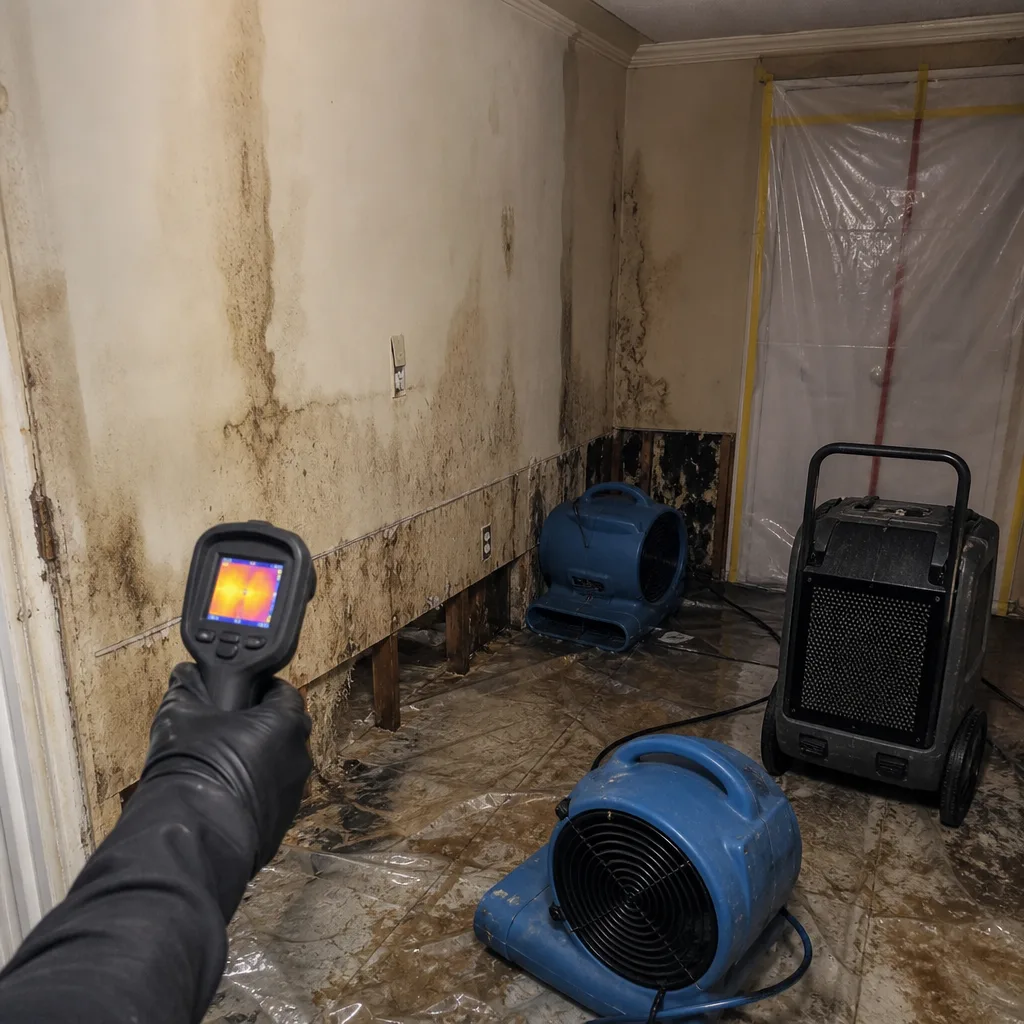 Before
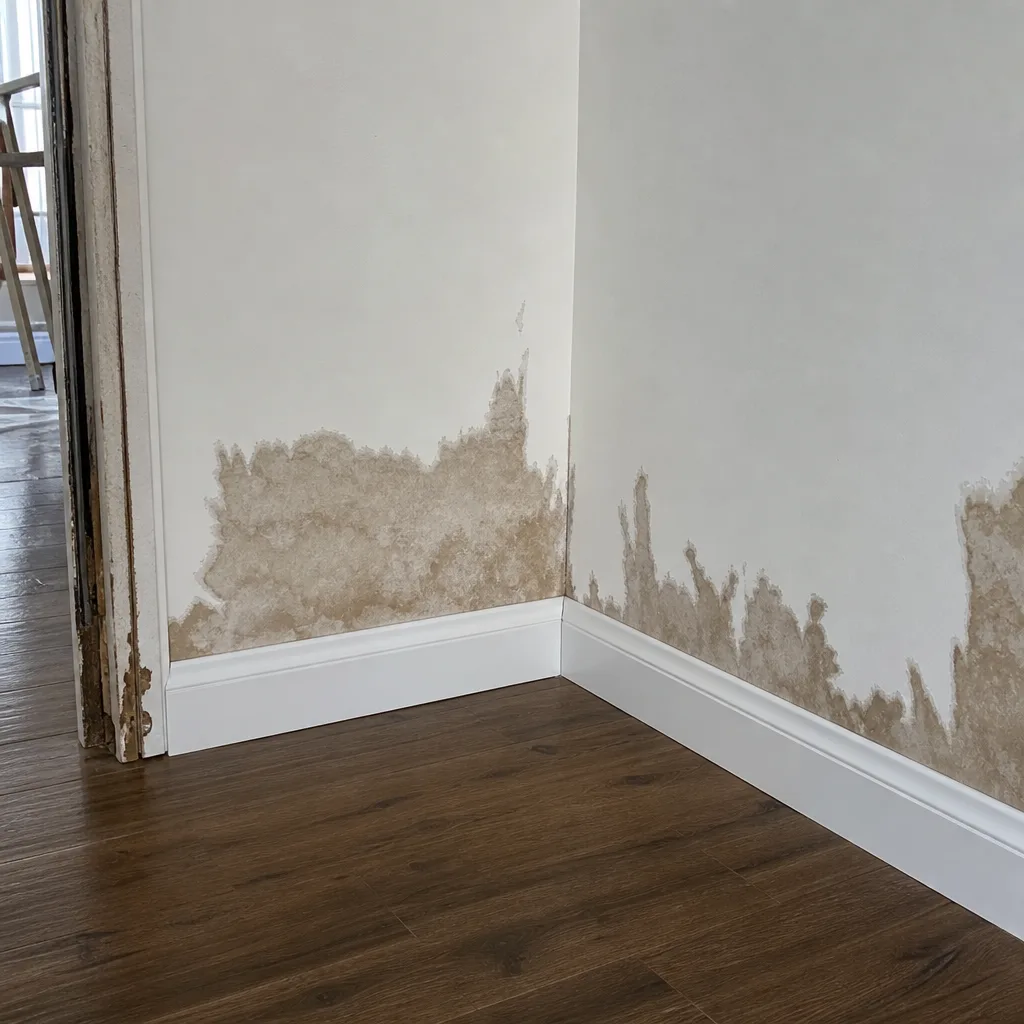 After
After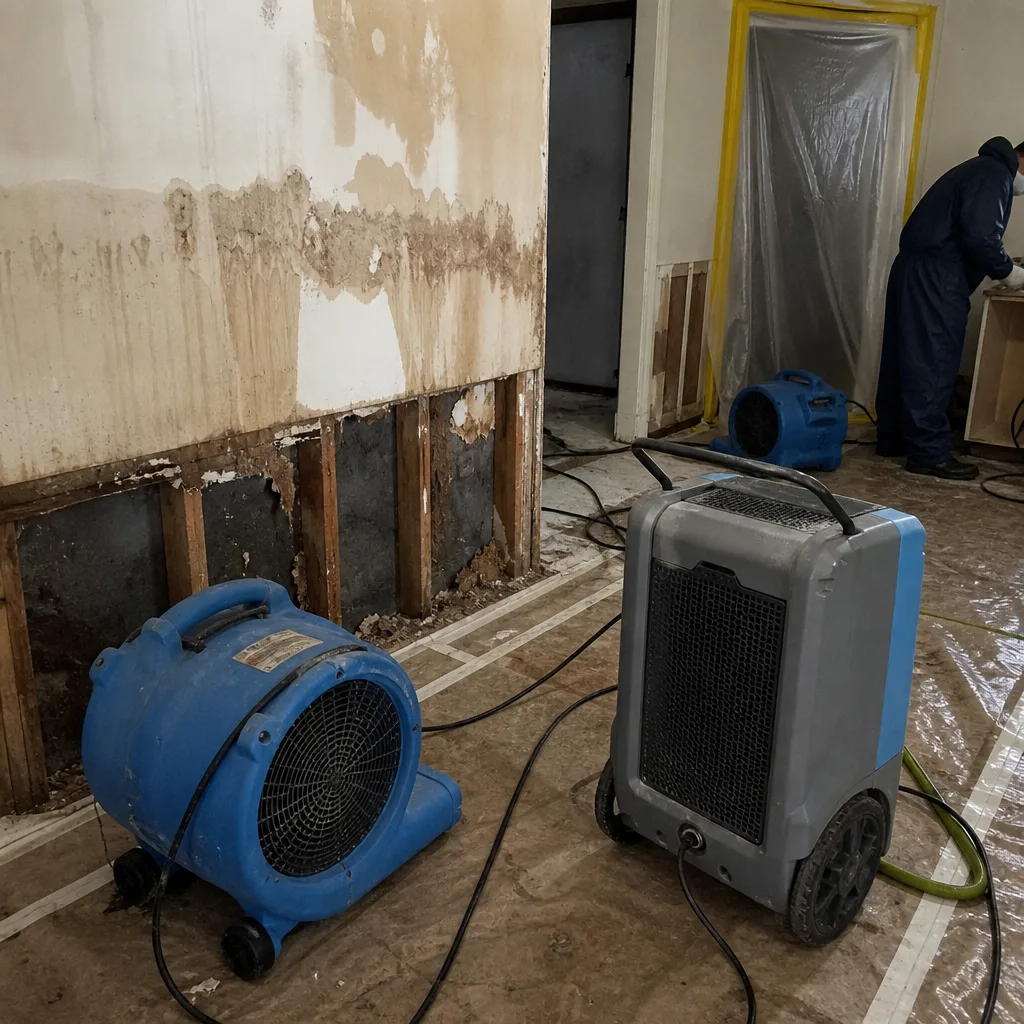 Before
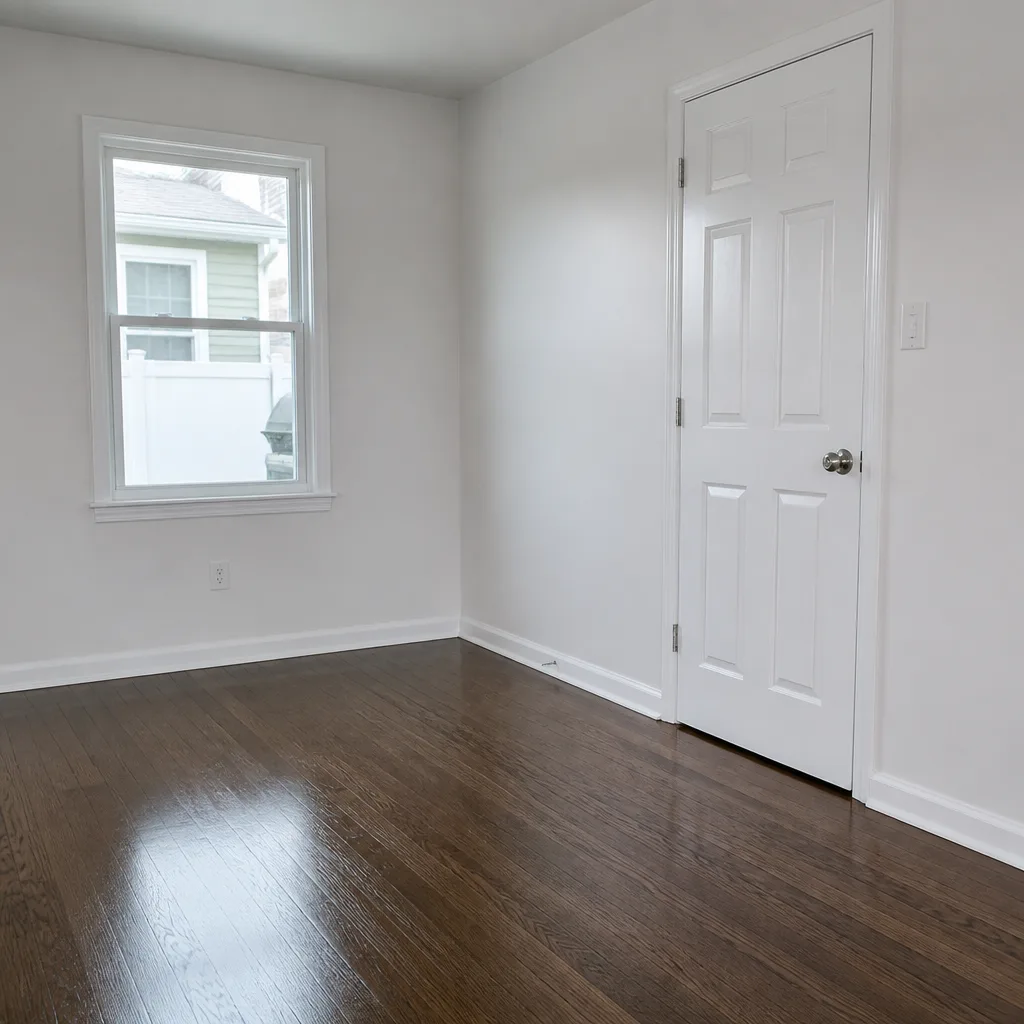 After
After24/7 Emergency Commercial Restoration in Ridgewood
Commercial restoration in Ridgewood moves on two clocks: the one on the wall, and the one inside the brick. Water from a burst cast-iron stack or a sewage backup in a 1920s rowhouse doesn’t wait for business hours, and neither do we. Floodline Restoration Co. answers the phone with a live dispatcher at any hour, every day. Call (716) 412-2972 and a certified crew is on the way into Ridgewood, not queued behind a recording. The first hour decides whether you’re drying a storefront or rebuilding it. That’s why we run extraction the same visit we arrive, with a free visual inspection and a written scope before any work starts. In 11385 and 11386, flat rooflines pond water after a nor’easter, shared basement slabs carry black water across property lines, and original plaster walls hold moisture like a sponge. The faster we read the moisture map, the less of your business you lose. Our Commercial Restoration team is ready now.
Understanding Commercial Restoration Severity in Ridgewood Properties
Not every water event is the same animal. We classify water damage by category: Category 1 is clean supply water from a broken pipe. Category 2 carries contaminants from things like washing machine overflows. Category 3 is grossly contaminated: sewage, rising river water, storm backup. In Ridgewood’s rowhouse commercial spaces, a Category 3 event in one unit is rarely just one unit. Those continuous basement slabs under party walls act as a highway for black water, and the clock starts ticking the moment the pipe lets go. Structural drying means more than pointing fans at a puddle. We use thermal imaging to find water inside wall cavities, place Dri-Eaz and Phoenix dehumidifiers to pull moisture from original plaster and lath, and log hygrometer readings daily until the structure hits the dry standard. Plaster built with horsehair binder in 1925 dries slower than post-war drywall, and cast-iron drain stacks hide moisture in ways drywall never will. Cutting corners on drying time in a Ridgewood rowhouse is how you get mold behind the wainscoting six months later.
Why Ridgewood Property Owners Choose Floodline Restoration Co.
Floodline Restoration Co. was founded in 2010 by Curt Bowman, built around a dispatch board rather than a sales desk. For over 42 years of combined leadership in restoration, our crews have worked by a simple rule: show up when we say, and stand behind the result in writing.
- 45-minute response commitment – When a Ridgewood storefront has water running toward the stockroom, we don’t put you on a list. A live dispatcher takes your call and a local crew rolls within 45 minutes.
- 24/7 live answer, never an automated system – At 2 a.m. on a Sunday, a person picks up. Not a phone tree. Not a callback request. That’s the way it’s been since day one.
- IICRC-certified crews – Our technicians hold WRT and FSRT certifications and are trained to IICRC, RIA, and IFA standards. They’re background-checked, uniformed, and know Ridgewood’s rowhouse construction intimately.
- Free visual inspection – Before we quote anything, we look. You get a written scope of work, not a handshake and a guess.
- Direct insurance billing – We bill your carrier directly and coordinate with your adjuster. You don’t play messenger between us and the insurance company.
- One team from extraction to reconstruction – The same certified crew that reads the moisture map on day one handles daily readings, rebuilds what needs rebuilding, and hands you the drying log. No mid-job handoff.
Our Commercial Restoration Process
Inspection & Assessment
We walk the property with thermal imaging and moisture meters, tracing water migration under party walls and into adjoining units. You get a clear picture of what’s wet, what’s salvageable, and what needs to come out, all before any work begins.
Extraction & Stabilization
Our crews pull standing water with truck-mounted extraction units and portable XPOWER extractors, then set up containment to stop cross-contamination. In a Ridgewood rowhouse, that often means sealing off three storefronts, not one.
Drying & Dehumidification
Dri-Eaz and Phoenix dehumidifiers go to work with B-Air air movers positioned against original plaster walls. We take daily moisture readings and adjust placement until every wall cavity, floor assembly, and joist bay meets the dry standard.
Cleaning & Sanitization
We clean and disinfect every affected surface with antimicrobial treatments appropriate to the water category. For Category 3 events, that includes HEPA air scrubbing and controlled demolition of saturated materials.
Specialty Treatment for Commercial Spaces
Storefront fixtures, restaurant equipment, inventory, documents, and electronics get evaluated for restoration. We run Injectidry systems inside wall cavities to save original plaster where demolition would destroy historic fabric.
Repairs & Restoration
The same crew that dried the structure rebuilds what needed removal. On Ridgewood brick facades, that means historically matched mortar, not modern Portland-heavy mix. We finish with a written scope and the 90-Day Done Right Promise in your hands.
Need Emergency Commercial Restoration in Ridgewood Now?
Crews minutes away, answering live 24 hours a day. The sooner we start, the less it costs.
Working With Your Insurance Company
The paperwork matters as much as the pump-out. We document from the first hour: photos of every affected room, moisture readings in writing, and a line-item scope that matches industry-standard estimating software. Our team talks directly to your adjuster, so you’re not translating trade terms over a claims hotline. For Ridgewood commercial owners, the biggest insurance risk is under-documented shared-slab losses. If a sewage backup in one storefront migrates into two neighbors before anyone notices, you need a restoration report that traces the full path. We provide that. We bill the carrier directly, and we stand by the claim with a drying log that shows every reading we took and when we took it.
What We Provide Your Insurer
- Thorough documentation of the loss
- Photos of all damage, room by room
- Moisture readings and drying logs
- A detailed, line-item scope of work
- Direct coordination with your carrier
Built for Ridgewood’s Loss Calendar
Ridgewood’s flat and low-slope rooflines take a beating every season. January deep freezes split supply lines inside unheated rear additions and parapet walls. March thaw sends water through aging mortar joints in those distinctive buff brick facades, saturating wall cavities that don’t see daylight until mold blooms in May. Summer thunderstorms dump an inch in twenty minutes into combined sewers, and the backup comes up through floor drains in basements built a century ago. Nor’easters pound the low pitches and pond water on rooftops until membrane seams fail. Every one of these events plays out differently in a rowhouse than in a standalone commercial building. That’s why our crews carry Ridgewood-specific equipment and know to check the neighbor’s side of the party wall on every call. Queen’s freeze-thaw cycles are unkind to pre-war brick, and the damage shows up months after the storm. We’ve seen the full calendar, and we plan for it.
Commercial Restoration Across Ridgewood’s Neighborhoods
Ridgewood’s commercial corridors each have their own rhythm and their own restoration footprint. Along Myrtle Avenue, the storefronts sit below railroad-adjacent mixed-use rowhouses where roof runoff and parapet leaks track down through apartments before they reach the shop below. A ceiling stain in a deli on Myrtle isn’t always a deli problem. It may have started two floors up. Along Fresh Pond Road, the heavy truck and delivery traffic means vibration-settled foundations and more frequent sewer line stress in basements. On Catalpa Avenue near the Halsey Street stop, our crew responded to a Category 3 sewage backup in a 1925 brick rowhouse where the shared basement slab had carried black water into two adjoining storefronts. We set up containment across all three units, ran Dri-Eaz air movers with moisture mapping under the party walls, and coordinated with the HOA to restore the original plaster and cast-iron drains to pre-loss condition before the next business day. In the Ridgewood Historic District, facade work often triggers Landmarks Preservation Commission review, which adds a regulatory step you don’t get three blocks over in Bushwick. Over on Seneca Avenue, the co-op buildings with commercial ground floors present multi-owner claims from a single roof failure. We scope them all from one point of origin.
Specialized Commercial Restoration Services We Offer in Ridgewood
Office & Retail Restoration
A shopper doesn’t care that the pipe burst at 4 a.m.; they care whether you’re open. We restore Ridgewood retail spaces and offices with an eye on reopening, not just drying. Stock gets moved, inventoried, and packed out only when necessary. Electronics and documents get cleaned rather than written off. The goal is to get your doors back open with the least disruption to trade.
Multi-Unit & HOA Restoration
This is Ridgewood’s defining restoration challenge. When one unit floods in a rowhouse, the governing issue isn’t the unit, it’s the party wall and the shared slab. We work directly with HOAs, co-op boards, and landlords to scope every affected unit from one event, one estimate, one team. That keeps the claim coherent and the restoration consistent across property lines. No three-contractor chaos.
Industrial Facility Cleanup
Ridgewood’s remaining industrial spaces, from food distributors to auto and metal shops near the Bushwick border, have their own failure modes: floor drain backups, roof membrane failures over large open spans, chemical spills into floor assemblies. We bring the same moisture-mapping discipline and containment protocols, scaled up with XPOWER and B-Air units sized for open bay spaces.
Large-Loss Response
When a nor’easter takes out a roof over five storefronts, or a supply line lets go in a building that spans a full block on Myrtle, the scope starts with stabilization and ends with reconstruction. We dispatch multiple crews from our metro office, coordinate with your adjuster, and run the job as one unified commercial restoration effort, not a series of small repair calls strung together. Most importantly, we start extraction the same day the call comes in.
Business Interruption Minimization
Every day a Ridgewood storefront is closed is revenue you don’t get back. We sequence the work for reopening speed: extract, dry, clean, and reopen the front-of-house while restoration continues in the back. For restaurants, that means dining room first, kitchen second. For offices, that means critical workstations and server areas jump the line. The 90-Day Done Right Promise applies to the rebuild, but the business interruption math is always part of the plan.
What happens when you call
- 1
A real person answersNo phone trees - you reach a local pro.
- 2
You get an upfront price rangeHonest numbers before anyone is dispatched.
- 3
A background-checked tech heads outLicensed & insured, dispatched right away.
- 4
You approve before work beginsNothing starts until you say go.
Commercial Restoration Costs in Ridgewood, NY
What does commercial restoration cost in Ridgewood? The honest answer starts with the category of water and the square footage affected. A small Category 1 supply-line leak dried with containment and air movers in a Ridgewood storefront typically runs $1,800 to $4,200. A Category 3 sewage backup that crosses a party wall and hits two or three adjoining units with full containment, HEPA scrubbing, and plaster repair usually lands between $9,000 and $28,000, depending on how far the water traveled and whether historic materials require specialized drying. Removing and replacing a flat roof membrane over a commercial space after a nor’easter commonly runs $6,500 to $19,000. Fire damage restoration in a smaller storefront with smoke migration into apartments above often ranges from $12,000 to $45,000. What moves the price: water category, how many units are affected, whether original plaster and cast-iron stacks require slower drying, and whether LPC review applies to facade work. The free visual inspection is how you get a firm written scope instead of a guess. Call (716) 412-2972 and we’ll walk the property, map the moisture, and put a number in writing before any work starts. You don’t pay for the inspection, and you never face a surprise line item.
We Also Serve Cities Near Ridgewood
Our crews handle commercial restoration calls across the surrounding area regularly. That includes Woodhaven, with its similar pre-war rowhouse stock and shared basement walls; Ozone Park, where mixed residential-commercial blocks create multi-unit loss patterns; and Howard Beach, where storm surge and sewer backup hit commercial strips fast after a coastal event. Wherever the water went, we go.
Ridgewood Commercial Restoration Questions, Answered
How do you handle commercial restoration in Ridgewood rowhouses where the basement slab runs under the neighbor’s store?
We scope the slab as a single continuous surface, not as property lines. Moisture mapping traces migration under party walls, containment goes up across every affected unit, and we coordinate with all affected owners or the HOA on one unified restoration plan. The key is fast extraction on the source unit before lateral wicking doubles the affected square footage. Call (716) 412-2972 and we’ll assess the full path of the water the same day.
Does Ridgewood’s historic district review slow down emergency commercial water extraction?
Emergency extraction and drying don’t wait for LPC review. Stabilizing the interior to prevent further damage is always allowed. LPC review applies mainly to exterior facade work, like masonry repointing or parapet rebuilds, and we handle that coordination as part of the restoration scope. You don’t lose a day of drying time to a regulatory process.
What’s the fastest way to stop a sewage backup from spreading into my Ridgewood restaurant’s dining room?
Shut off incoming water if the source is a fixture, clear the floor drain zone, and call us at (716) 412-2972 immediately. We arrive with containment barriers and extraction running within the hour in Ridgewood. The faster we put up plastic and pull the standing water, the less black water reaches the dining area, stockroom, or the neighbor’s side of the party wall.
Can you dry original plaster walls in a Ridgewood rowhouse without tearing them out?
In most cases, yes. We run Injectidry systems inside wall cavities behind the plaster, combined with Dri-Eaz dehumidifiers and daily moisture readings. Original Ridgewood plaster with horsehair binder dries slower than drywall, so we hold the drying longer and monitor closely. We remove plaster only when contamination or saturation makes saving it unsafe.
How do you manage pack-out for a Ridgewood storefront when there’s no loading dock or rear alley?
We stage from the street with a walk-in plan, using hand-truck assists and protected floor runners. Inventory gets boxed, itemized, and transported to secure climate-controlled storage. For businesses with no rear access on streets like Myrtle or Fresh Pond, we coordinate short-term curb lane access with the local precinct when needed.
How fast can a crew actually get to my Ridgewood business?
We commit to a 45-minute response time within Ridgewood. A live dispatcher takes your call at any hour, and our local crews are already on the road. Our one-visit extraction commitment means water is being pulled the same visit we arrive. Call (716) 412-2972 and we’ll be there when we say.
Will my insurance cover commercial restoration in a Ridgewood rowhouse?
Most commercial policies cover sudden and accidental water damage, sewage backup, and storm-related loss. Coverage for shared-slab migration across a party wall often depends on how the claim is documented. We provide the moisture maps, daily drying logs, photos, and line-item scope your adjuster needs, and we bill the carrier directly. You don’t play middleman.
What should I do in the first 30 minutes after a water incident in my Ridgewood storefront?
Shut off the water source if you can do so safely. Shut down electricity to the affected area at the breaker panel. Move stock and documents out of standing water. Call (716) 412-2972 right away so extraction starts within the hour. Don’t run fans on Category 2 or 3 water, you’ll spread contamination. One call gets our full Commercial Restoration team moving toward Ridgewood.
Ridgewood’s Shared-Slab Reality: What It Means for Your Business
If your Ridgewood storefront sits in a rowhouse, you don’t just own your basement. You share a concrete slab with the business next door. That slab was poured continuous, wall to wall, when the building went up in 1920. A sewage backup under one store wicks laterally through that slab into the neighbor’s basement before either owner sees water. By the time someone notices, two or three properties are already wet. This is the single most important structural fact about commercial restoration in Ridgewood, and it changes how the work has to be done. You can’t just dry your own unit and call it done. You have to scope the adjoining spaces, because the water already went there. Our crews do this on every Ridgewood call. We set containment across every affected property, run moisture mapping under the party walls, and coordinate with the HOA or neighboring owners from the first hour. Contractors who only look at the unit where the pipe broke miss half the damage. We don’t. It’s the difference between a restoration that holds and one that shows up as mold next spring.
Serving Ridgewood, NY - Our Local Coverage Area
We’re based in the Ridgewood area and know this community well. Use the map below to see our service coverage - if you’re nearby, we can almost certainly help.
The Historic Facade Factor: Why Ridgewood Brick Needs a Different Hand
Ridgewood’s buff brick is famous for a reason. It’s dense, fired hard, and beautiful, and it was laid with a lime-rich mortar that breathed. Modern Portland-heavy mortar does not breathe. It traps moisture inside the wall, and in a Queens freeze-thaw cycle, trapped moisture spalls the brick face. A minor leak becomes a facade rebuild because someone used the wrong mix on a repair. We’ve seen it. Our crews use historically matched mortar for any masonry work on Ridgewood brick, because we know the alternative costs more and fails faster. That’s not something you’ll find on a generic restoration company’s website, but it’s the kind of detail that keeps your building standing for another hundred years. The same care applies inside: original plaster, cast-iron stacks, and early electrical systems all demand slower, more deliberate restoration than any post-war building. Ridgewood’s housing stock was built by hand, and restoring it takes hands that know the work.
Written by Curt Bowman, Owner at Floodline Restoration Co., serving Ridgewood commercial properties with full-cycle restoration since 2010.